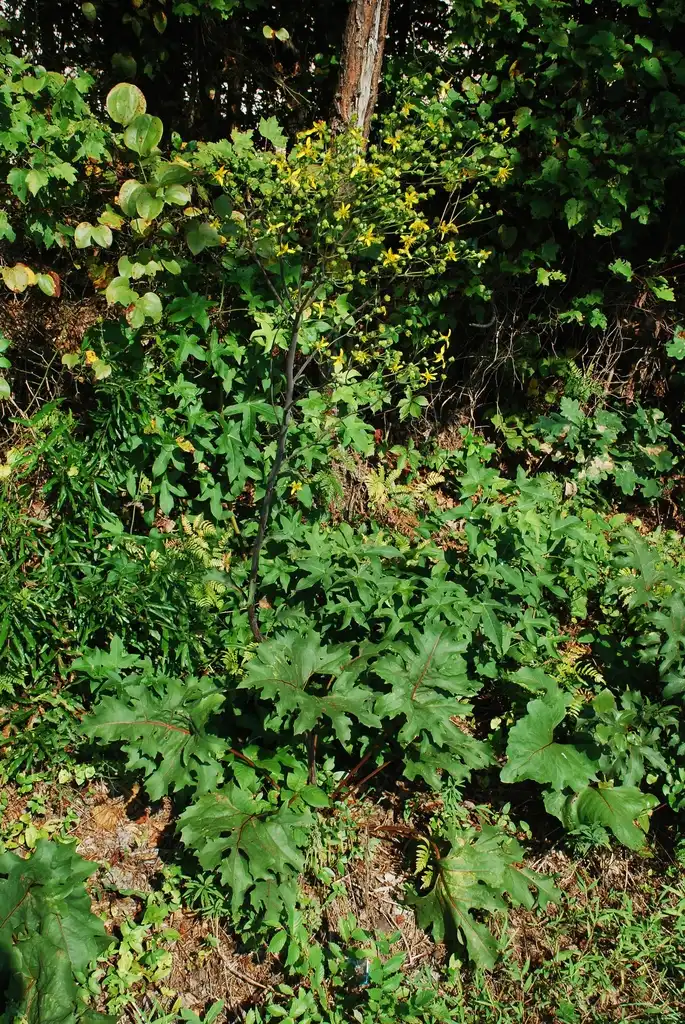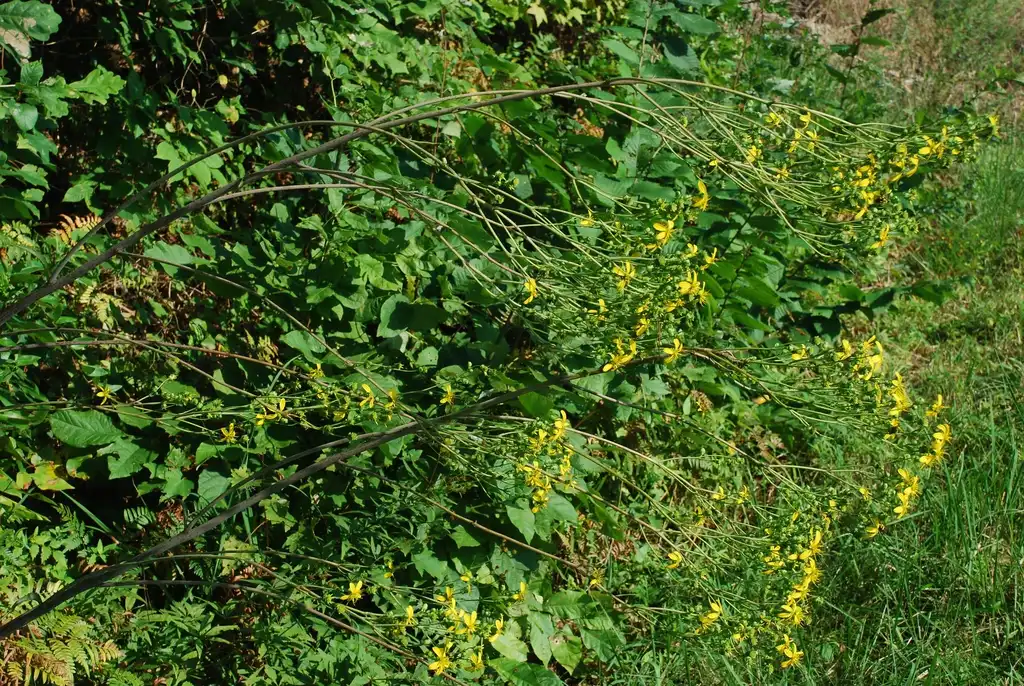
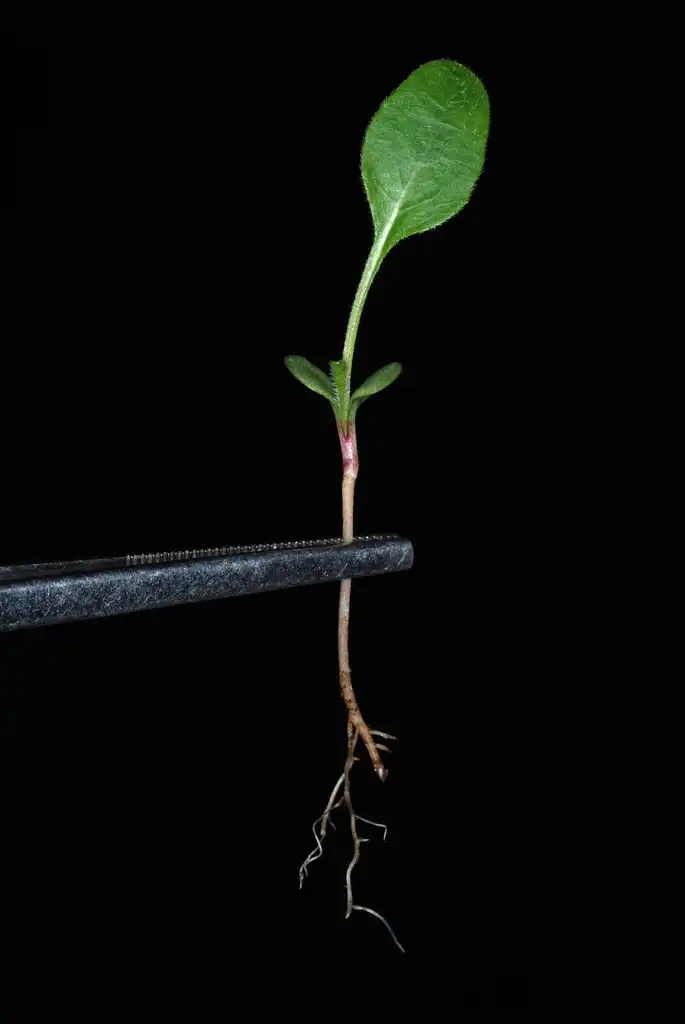
• Photo of Silphium compositum (Silphium compositums)

Plant Profile: Silphium compositum

Taxonomy: Silphium compositum

Names

Kidney-leaf Rosinweed, Rosinweed

  • Photo of Silphium compositum (Silphium compositums)

Phonetic Spelling:

Genus:Silphium

Species:compositum

Family:Asteraceae

Kidney-leaf rosinweed is a native perennial wildflower belonging to the Asteraceae family, commonly known as the sunflower family. This species thrives across North Carolina, although it is less frequently found in coastal regions, preferring sandy soils and the dry longleaf pine forests. For optimal growth, it should be planted in full sun to partial shade within well-drained sandy loam. With a robust taproot, this perennial readily self-seeds. It makes an excellent addition to wildflower gardens or can be positioned at the back of borders, where its vibrant yellow blooms can be admired from late spring until early fall.

Silphium compositum Feature Summary

Silphium compositum Image Gallery

Tags

#yellow flowers
#NC native
#wildflower garden
#border back
#self seeds

Similar Plants

Silphium compositum Feature Summary

Attributes
Southeastern U.S.A.
AL, FL , GA, NC , SC, TN , VA, WV
Perennial
Flowers
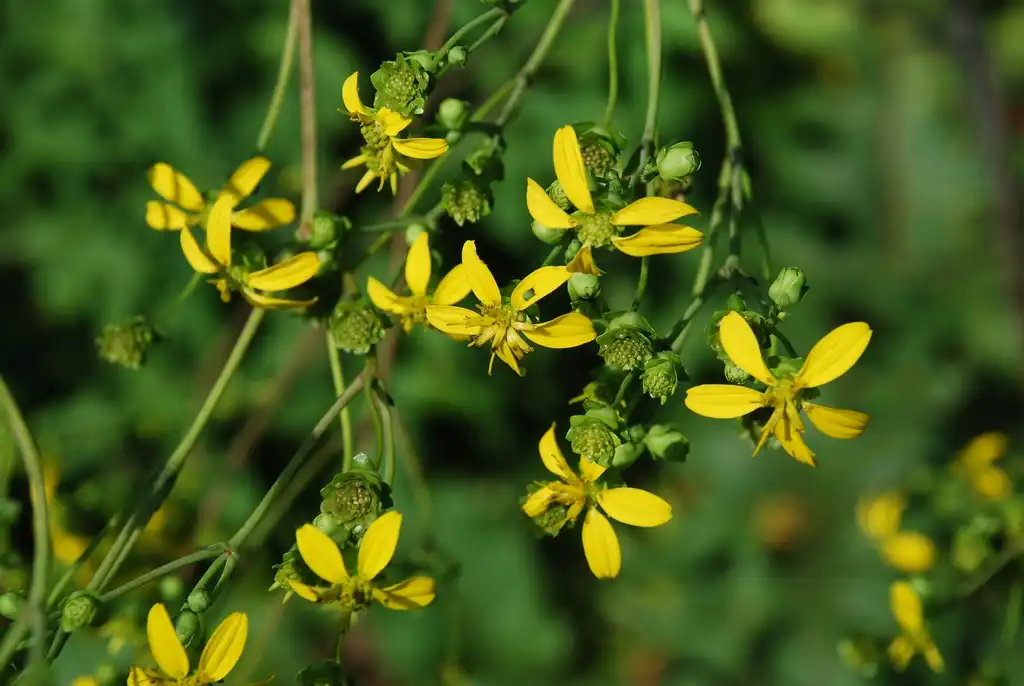
8 petaled yellow flowers with center disc flowers that bloom from May-September appear on leafless stalks that can reach 4 to 8 feet tall. Disc flowers have undivided styles.
Gold/Yellow
Long Bloom Season
Spring
Summer
7 - 20 petals/rays
Leaves
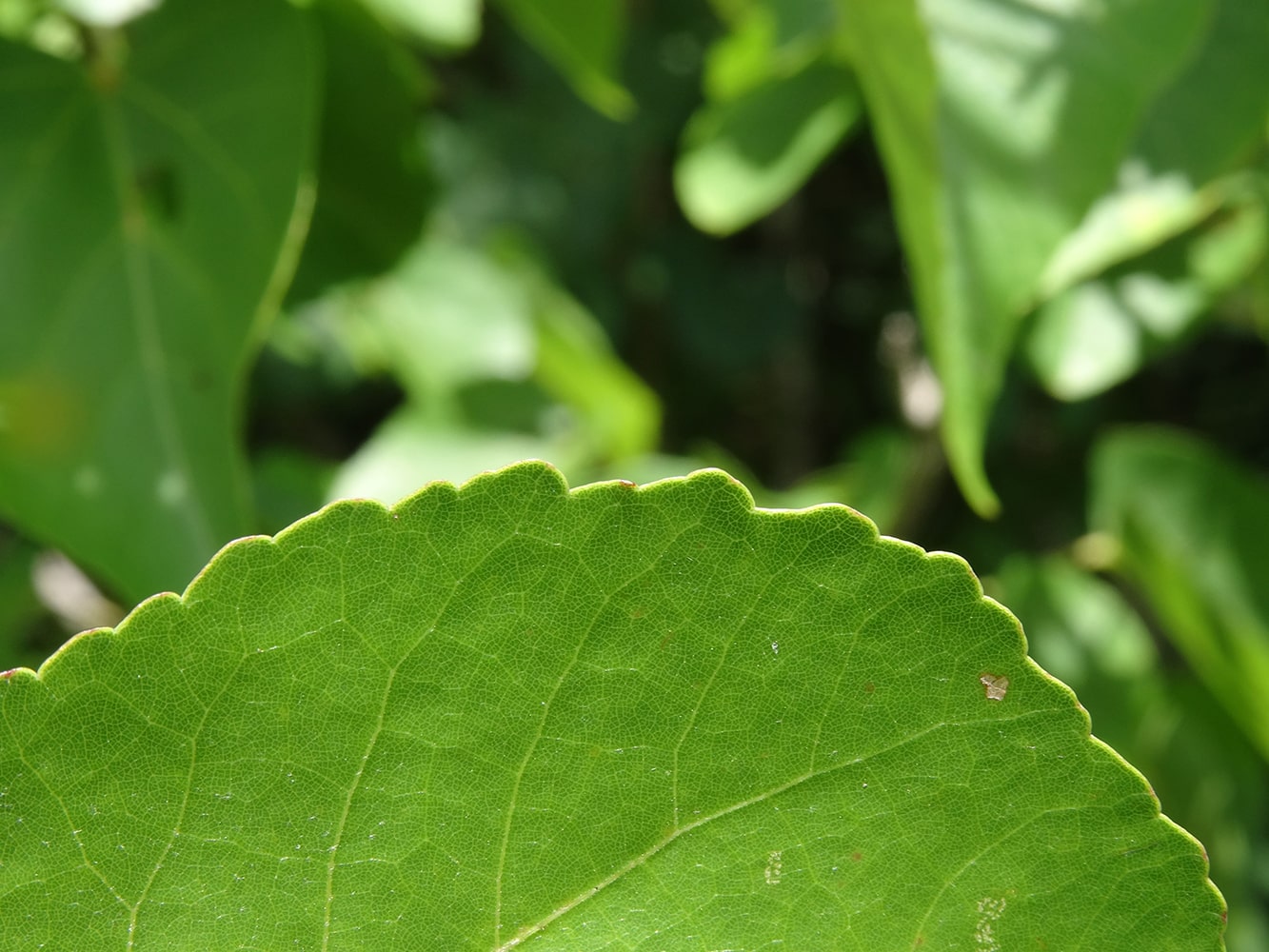
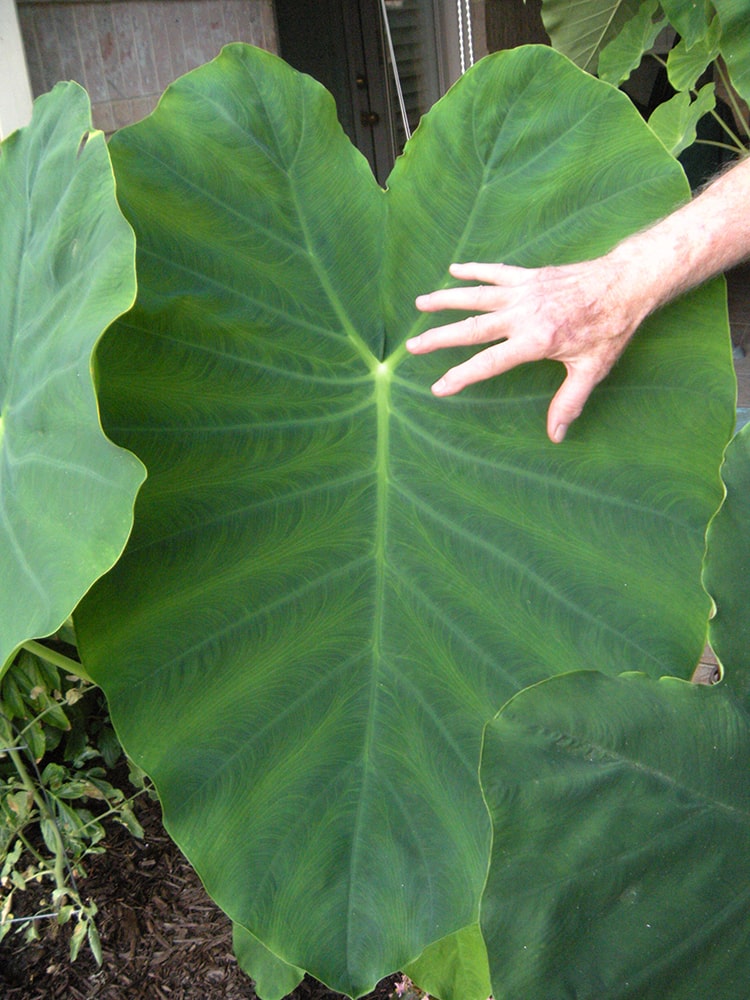
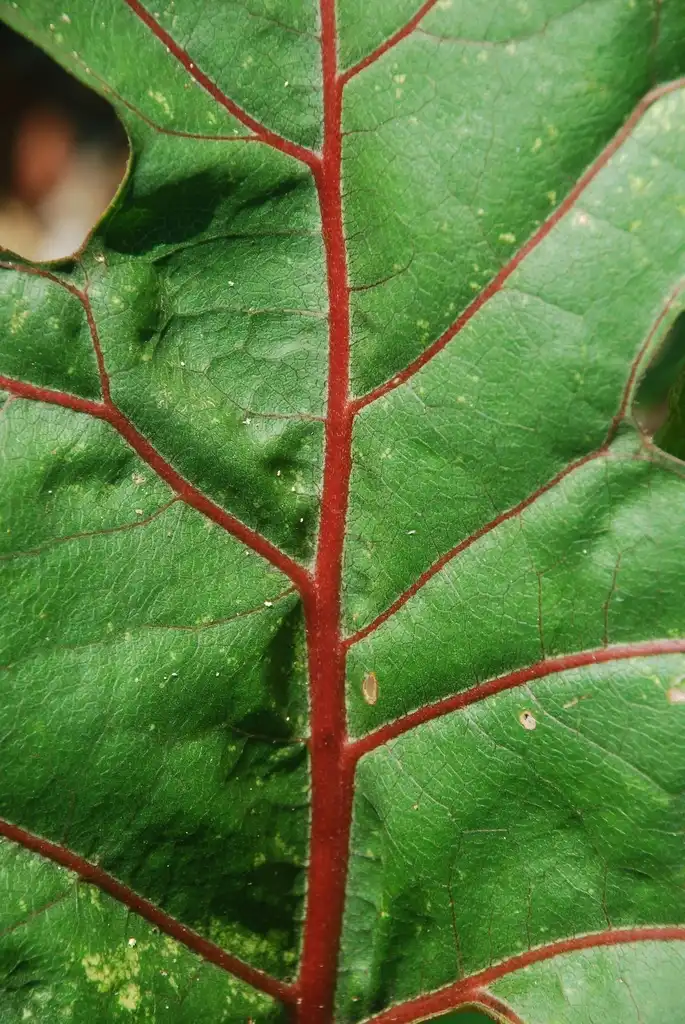
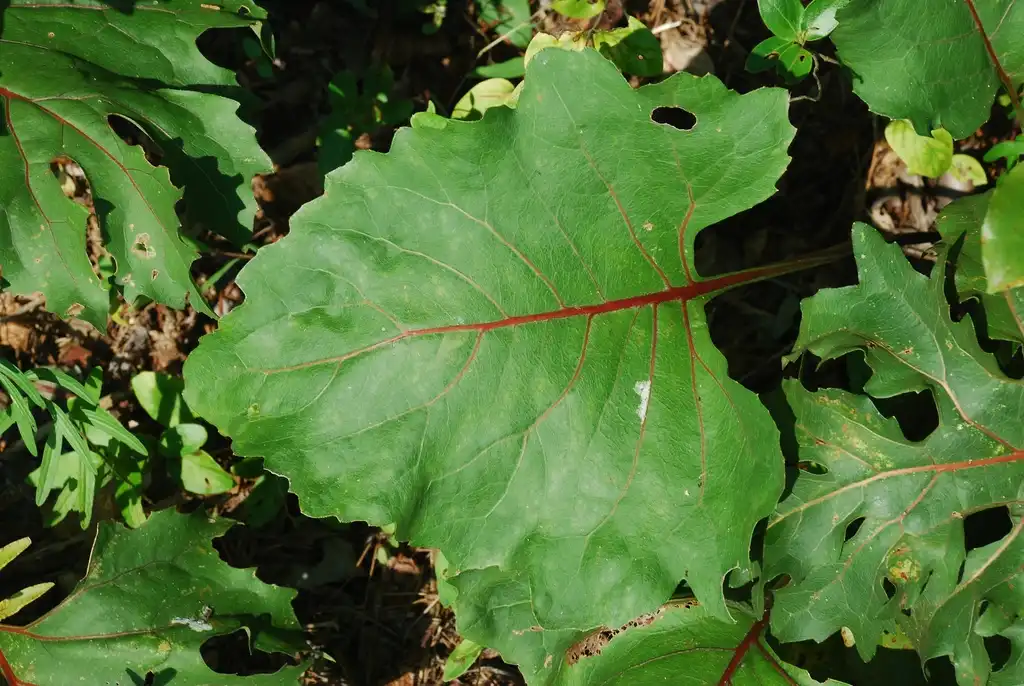
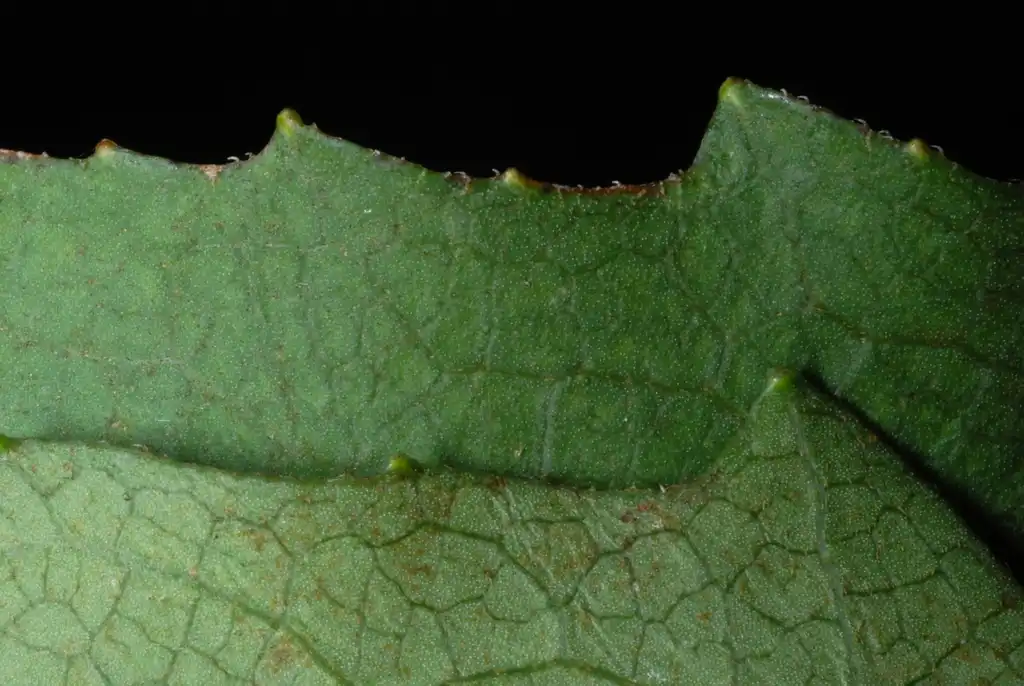
Basal leaves are 4"-12" long with lobed margins that vary from ovate to reniform. Toothed leaves can be palmately or pinnately lobed. Midrib can be green or red.
Ovate
Reniform
> 6 inches
Stem
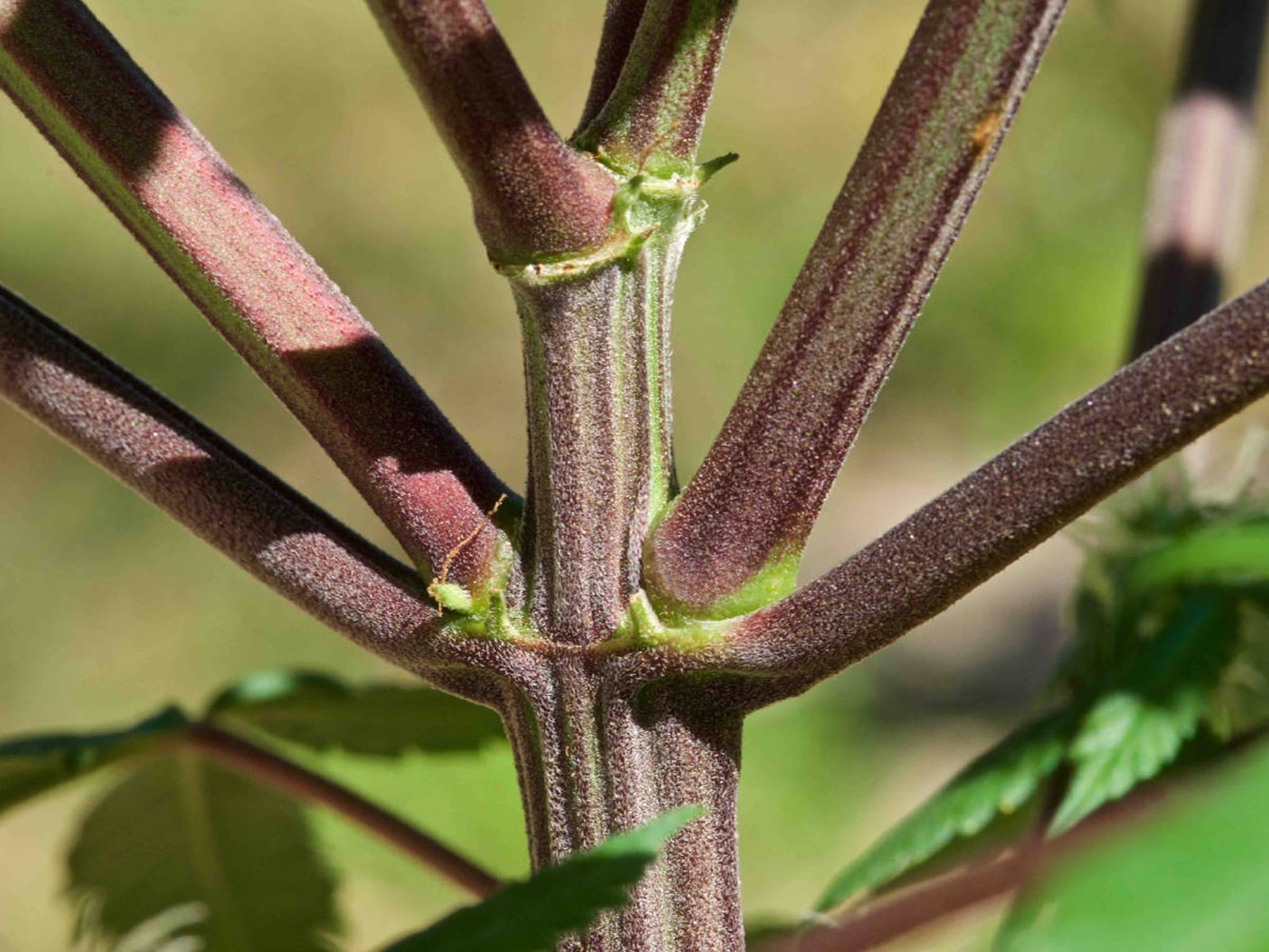
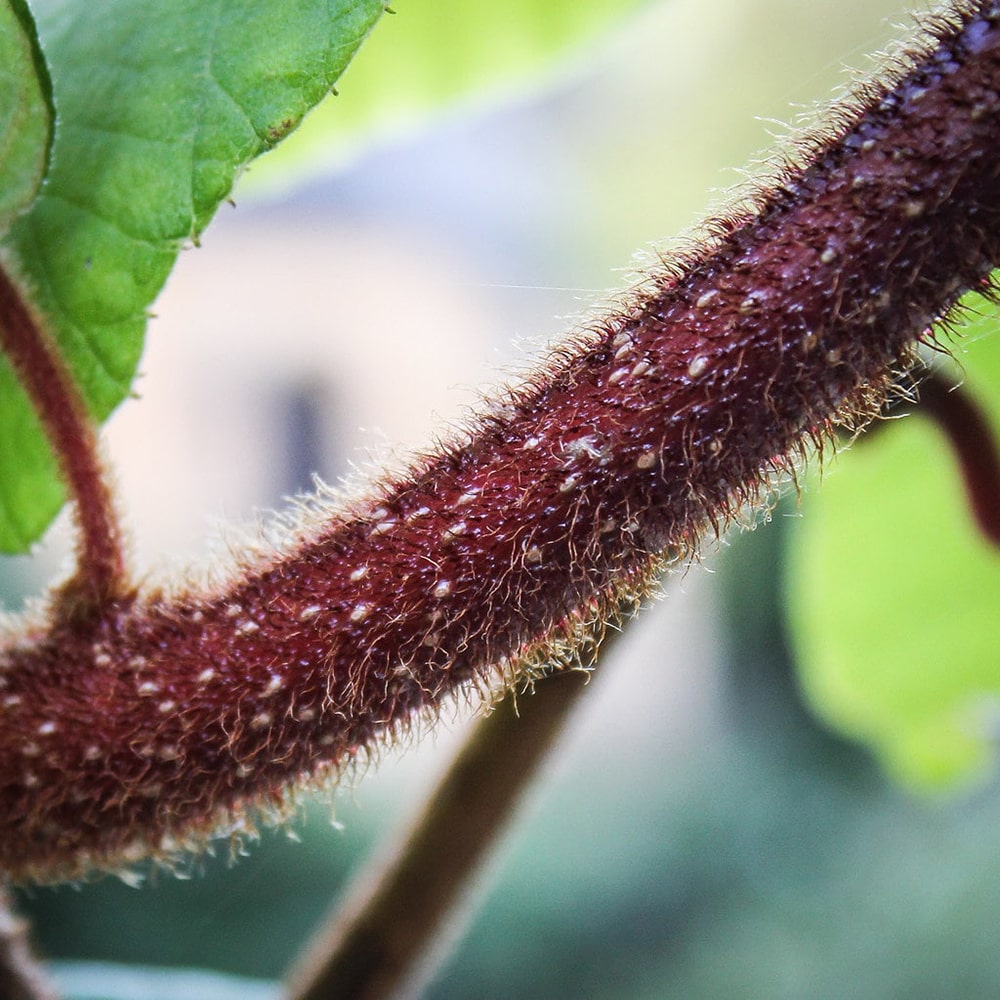
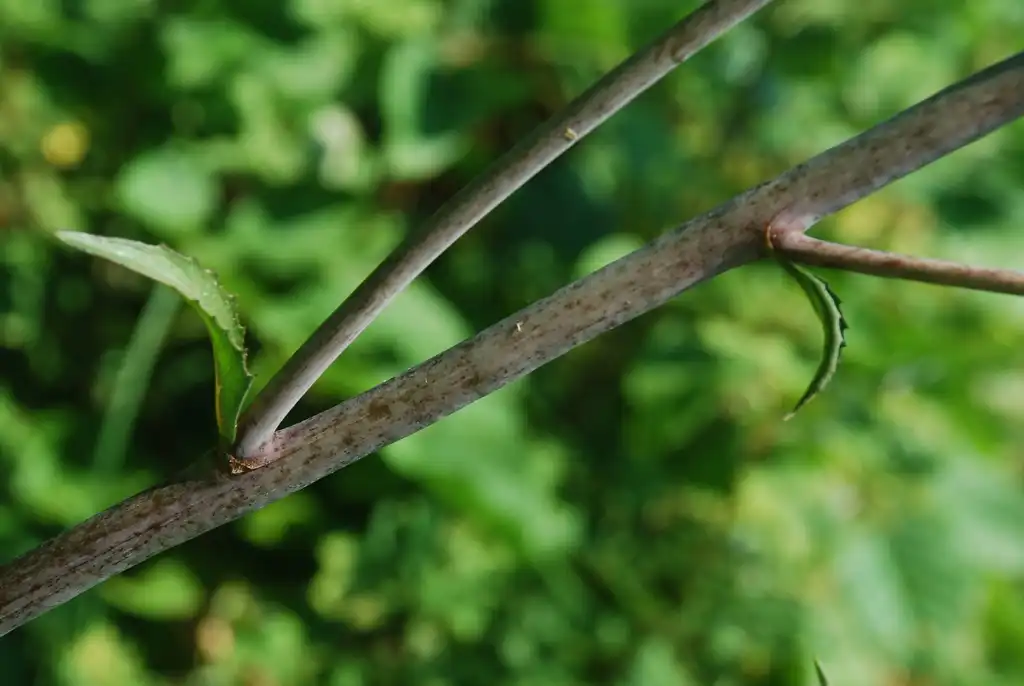
Reddish to mottled stems
Brown/Copper
Red/Burgundy
Whole Plant Traits
Perennial
Herbaceous Perennial
Native Plant
Wildflower
Cultural Conditions
Full sun (6 or more hours of direct sunlight a day)
Partial Shade (Direct sunlight only part of the day, 2-6 hours)
Good Drainage
Occasionally Dry
3 feet-6 feet
12 inches-3 feet
Less than 12 inches
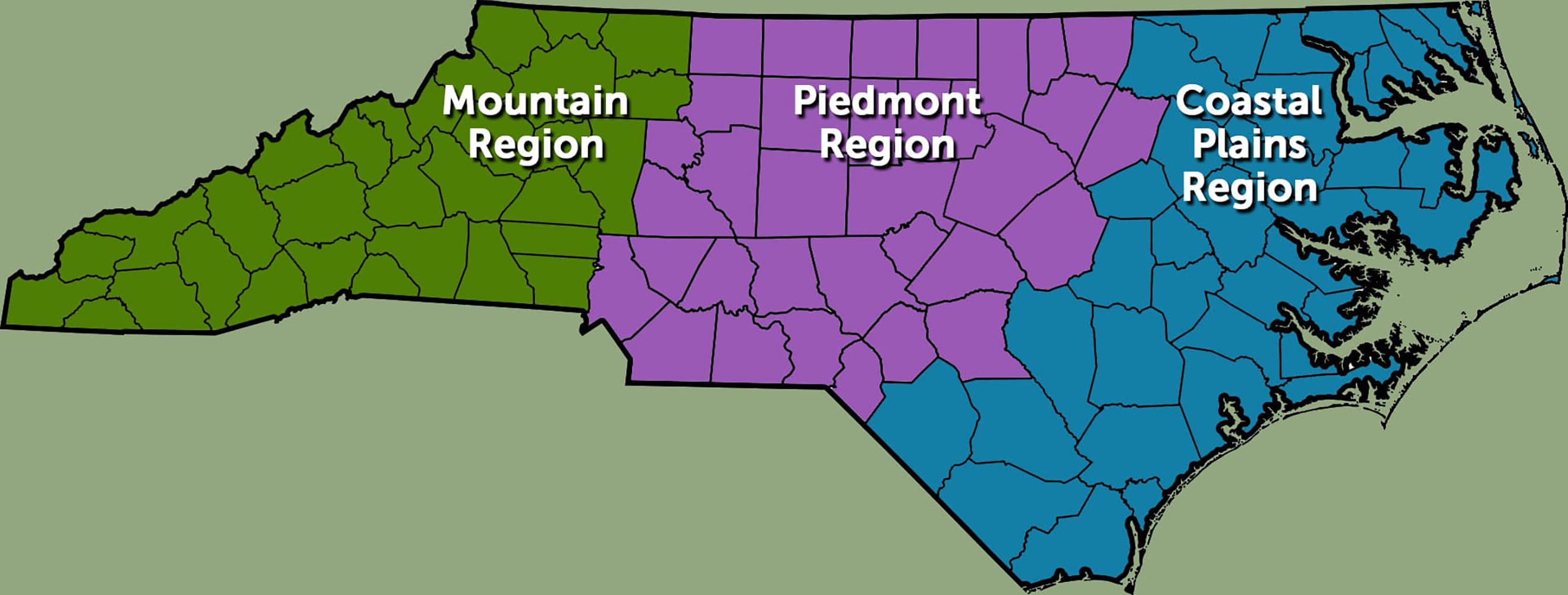
Coastal
Mountains
Piedmont
Loam (Silt)
Sand
Shallow Rocky
Fruit

Silphium compositum Attributes

Silphium compositum: Country Or Region Of Origin

Southeastern U.S.A.
Silphium compositum: Distribution

AL, FL , GA, NC , SC, TN , VA, WV

Silphium compositum: Life Cycle

Annual
Biennial
Bulb
Perennial
Woody

Silphium compositum: Recommended Propagation Strategy

Division
Grafting
Layering
Leaf Cutting
Root Cutting
Seed
Stem Cutting

Silphium compositum Flowers

Silphium compositum: Flower Description

8 petaled yellow flowers with center disc flowers that bloom from May-September appear on leafless stalks that can reach 4 to 8 feet tall. Disc flowers have undivided styles.

Silphium compositum: Flower Color

filter_vintage
Gold/Yellow

Silphium compositum: Flower Inflorescence

Catkin
Corymb
Cyme
Head
Insignificant
Panicle
Raceme
Solitary
Spadix
Spike
Umbel

Silphium compositum: Flower Value To Gardener

Edible
Fragrant
Good Cut
Good Dried
Long Bloom Season
Long-lasting
Showy

Silphium compositum: Flower Bloom Time

Winter
Spring
Summer
Fall

Silphium compositum: Flower Petals

2-3 rays/petals
4-5 petals/rays
6 petals/rays
7 - 20 petals/rays
asymmetrical petals
Bracts
Colored Sepals
fused petals
more than 20 petals/rays
Tepals

Silphium compositum: Flower Shape

Bell
Cross
Crown
Cup
Dome
Funnel
Irregular
Lipped
Radial
Saucer
Star
Trumpet
Tubular
Urn
Wheel

Silphium compositum Leaves

Silphium compositum: Leaf Description

Basal leaves are 4"-12" long with lobed margins that vary from ovate to reniform. Toothed leaves can be palmately or pinnately lobed. Midrib can be green or red.

Silphium compositum: Leaf Color

spa
Green

Silphium compositum: Leaf Type

Compound (Pinnately , Bipinnately, Palmately)
Fronds
Needles
Sheath
Simple

Silphium compositum: Leaf Arrangement

Alternate
Opposite
Other/more complex
Rosulate
Whorled

Silphium compositum: Leaf Shape

Acicular
Auriculate
Cordate
Cuneate
Deltoid
Elliptical
Filiform
Lanceolate
Linear
Oblanceolate
Oblong
Obovate
Obtuse
Orbicular
Ovate
Palmasect
Palmatifid
Peltate
Pinnatifid
Pinnatisect
Reniform
Rhomboidal
Spatulate
Subcordate
Subulate

Silphium compositum: Leaf Margin

Crenate
Crenulate
Dentate
Denticulate
Doubly Crenate
Doubly Dentate
Doubly Serrate
Entire
Lobed
Serrate
Sinuate
Undulate

Silphium compositum: Hairs Present

No
Yes

Silphium compositum: Leaf Length

< 1 inch
1-3 inches
3-6 inches
> 6 inches

Silphium compositum Stem

Silphium compositum: Stem Description

Reddish to mottled stems

Silphium compositum: Stem Color

grass
Brown/Copper
grass
Red/Burgundy

Silphium compositum: Stem Is Aromatic

No
Yes

Silphium compositum Whole Plant Traits

Silphium compositum: Plant Type

Annual
Bulb
Carnivorous
Edible
Epiphyte
Fern
Ground Cover
Herb
Herbaceous Perennial
Houseplant
Mushroom
Native Plant
Ornamental Grasses and Sedges
Perennial
Poisonous
Rose
Shrub
Succulent
Tree
Turfgrass
Vegetable
Vine
Water Plant
Weed
Wildflower

Silphium compositum Cultural Conditions

Silphium compositum: Light

Dappled Sunlight (Shade through upper canopy all day)
Deep shade (Less than 2 hours to no direct sunlight)
Full sun (6 or more hours of direct sunlight a day)
Partial Shade (Direct sunlight only part of the day, 2-6 hours)

Silphium compositum: Soil Drainage

Frequent Standing Water
Good Drainage
Moist
Occasional Flooding
Occasionally Dry
Occasionally Wet
Very Dry

Silphium compositum: Available Space To Plant

12 inches-3 feet
12-24 feet
24-60 feet
3 feet-6 feet
6-feet-12 feet
Less than 12 inches
more than 60 feet

Silphium compositum: NC Region

Coastal
Mountains
Piedmont

Silphium compositum: Soil Texture

Clay
High Organic Matter
Loam (Silt)
Sand
Shallow Rocky

Silphium compositum Fruit

Silphium compositum: Fruit Type

Achene
Aggregate
Berry
Capsule
Caryopsis
Drupe
Follicle
Legume
Nut
Pome
Samara
Schizocarp
Siliqua