Solidago altissima: Country Or Region Of Origin
North America, Canada, Mexico
Phonetic Spelling:so-li-DAY-go al-TISS-ih-muh
Genus:Solidago
Species:altissima
Family:Asteraceae
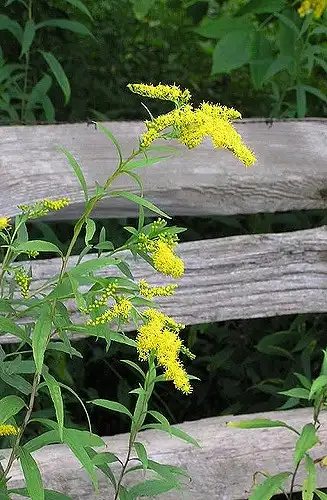
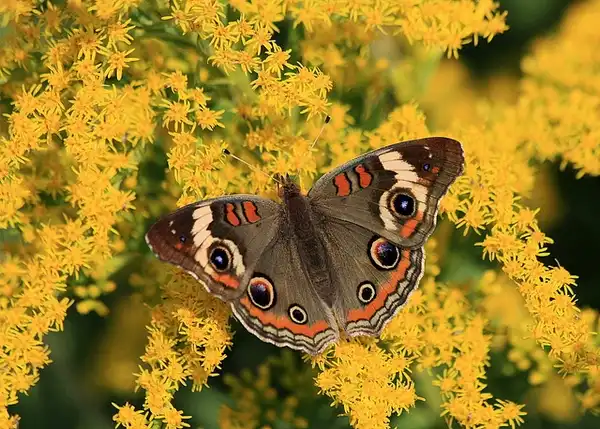
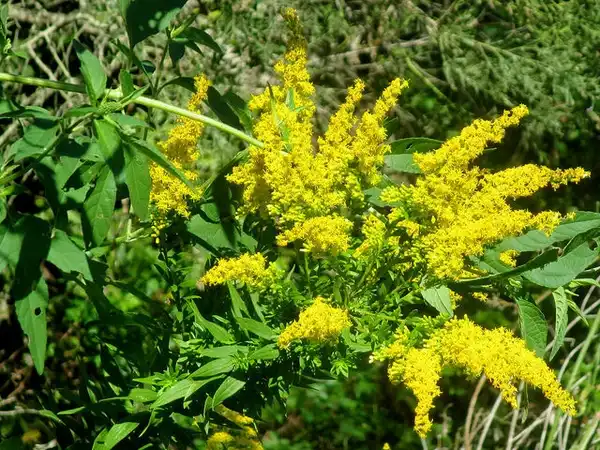
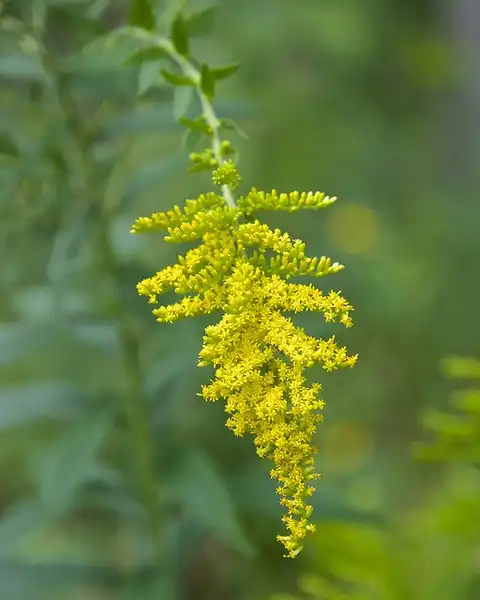
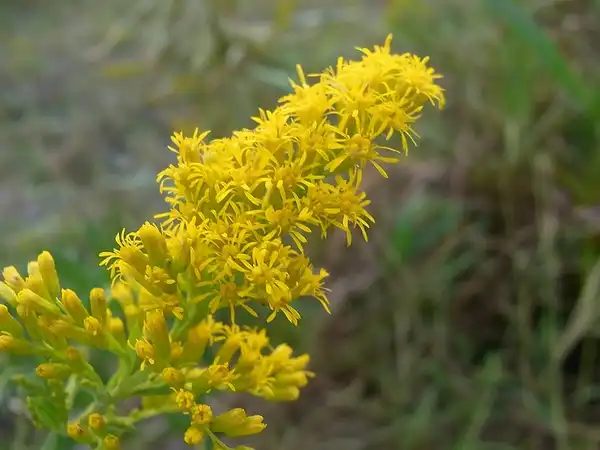
Solidago altissima, commonly known as Canadian Goldenrod, is a perennial wildflower belonging to the Solidago genus and serves as the state wildflower of South Carolina. This plant typically features a central stem, or sometimes clusters of stems, reaching heights of 2 to 6 feet, adorned with numerous small, dark yellow, plume-like flowers. A single plant can yield up to 1,500 tiny yellow flower heads arranged in a large conical shape. Due to the similarity in appearance among various goldenrod species, they are frequently mistaken for one another.
Canadian Goldenrod releases allelopathic substances that inhibit the growth of surrounding plants, which can lead to its invasive nature. While it is often associated with hay fever during its blooming season, the true cause of these allergies is ragweed, not goldenrod.
This species thrives in dry soils and areas that have experienced human disturbance. It prefers conditions ranging from full sun to partial shade and requires average moisture levels. Although it can withstand some drought, it may shed some of its lower leaves under such conditions. Canadian Goldenrod adapts well to various soil types, favoring heavier soils with clay content. Its extensive rhizomatous root system produces creeping rhizomes, resulting in clustered growth that can form dense colonies, making it unsuitable for smaller garden spaces.
In terms of pests and diseases, Canadian Goldenrod may occasionally suffer from powdery mildew in the fall, but it is resistant to deer.
Solidago altissima Feature Summary
Solidago altissima Image Gallery