Plant Profile: Solidago shortii

Taxonomy: Solidago shortii

Names

Goldenrod, Short's Goldenrod

  • Photo of Solidago shortii (Solidago shortiis)

Phonetic Spelling:so-li-DAY-go SHORT-ee-eye

Genus:Solidago

Species:shortii

Family:Asteraceae

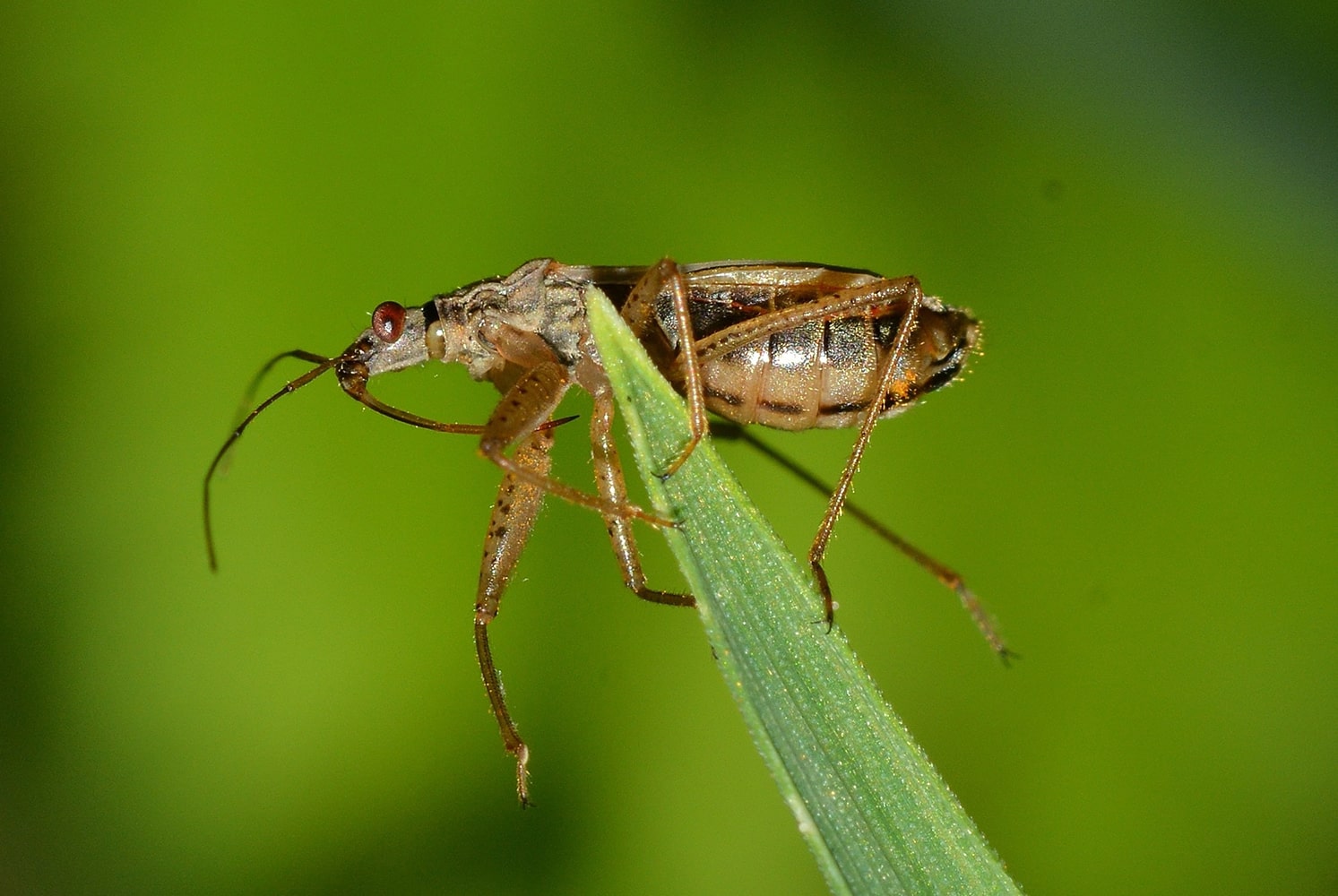
Solidago shortii, commonly known as Short's Goldenrod, is a perennial wildflower belonging to the Goldenrod family. This species thrives in moist, well-drained soils that are gravelly and enriched with loam or decomposed organic matter, ideally situated in full sunlight or partial shade. To achieve the best floral display, it is recommended to plant Short's Goldenrod in full sun. While it does spread through rhizomes to create colonies, it does so less aggressively compared to other Goldenrod varieties. Additionally, the plant can self-seed, although viable seeds require pollination, primarily facilitated by insects, with soldier beetles being noted as key pollinators.

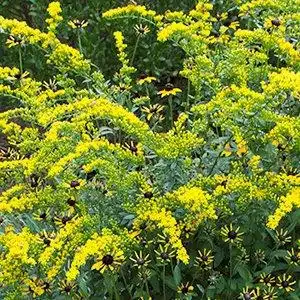
Short's Goldenrod typically inhabits open, rocky environments such as limestone glades, rocky slopes, roadside ledges, woodland edges, fields, and riverbanks. From late summer to early fall, it produces clusters of tiny yellow flowers, ranging from 50 to 150 blooms, which attract various pollinators, including bees and butterflies. During its blooming period, the plants may exhibit a tendency to lean or flop over.

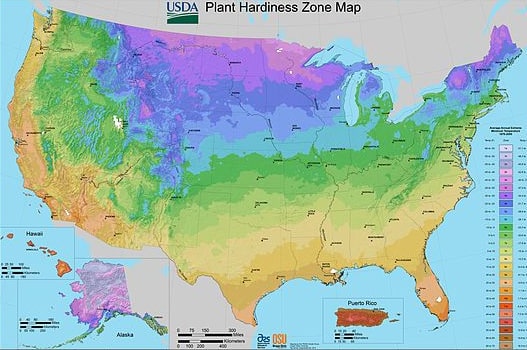
Currently, Short's Goldenrod is classified as endangered on the Federal Endangered Species list. The only known populations of this species exist in the Blue Lick Springs region of northeastern Kentucky and along the Blue River in Harrison-Crawford State Forest in southern Indiana. A cultivar named 'Solar Cascade' has been developed by the Cincinnati Zoo Botanical Garden Native Endangered Plant Program as part of its conservation efforts for this species.

Regarding pests and diseases, Short's Goldenrod does not face any significant insect or disease threats. Once established, the plant demonstrates resilience against deer and drought conditions.

Solidago shortii Feature Summary

Solidago shortii Image Gallery

Tags

#yellow
#fall flowers
#perennial
#wildlife plant
#purple flowers
#yellow flowers
#native perennial
#fall interest
#endangered
#fire
#medium flammability
#NC native
#summer flowers
#native wildflower
#wildflower garden
#larval host plant
#NC Native Pollinator Plant
#butterfly friendly
#pollinator garden
#wavy-lined emerald butterfly

Similar Plants

Solidago shortii Feature Summary

Attributes
Indiana and Kentucky
This plant supports Wavy-lined Emerald (Synchlora aerata) larvae. Attracts butterflies and other polinators. The soldier beetle is the primary polinator.
Perennial
Seed
Division
Root Cutting
medium flammability
Fruit
Both the ray and disk florets can produce fertile achenes. These achenes are 2-3 mm. long and oblongoid in shape; they have small tufts of light brown hair at their apices. As a result, the achenes are distributed primarily by the wind.
Flowers
Tiny yellow flowers bloom along upper stems in small axillary and terminal clusters from August to October. Flowers are attractive to bees and butterflies. Each flowerhead is about ¾–1" across, consisting of 10-20 ray florets that surround a similar number of disk florets. The petaloid rays of these flowerheads are lavender or pale blue-violet (rarely white), and they are individually linear-oblong in shape. The corollas of the disk florets are short-tubular with 5 minute lobes at their apices. Initially, these corollas are yellow, but they become reddish purple with age. On unusual specimens, these corollas are light pink to nearly white. At the base of each flowerhead, the overlapping green phyllaries (scaly floral bracts) are linear-lanceolate and glabrous to finely pubescent.
Purple/Lavender
Gold/Yellow
7 - 20 petals/rays
< 1 inch
Leaves
Leaves become gradually smaller as they ascend the stems. The petioles are very slender and about 1" long on the lower leaves, while the upper leaves are nearly sessile. The lower to middle leaves are lanceolate-ovate with indented bases, while the upper leaves are lanceolate with rounded bases. All leaves taper gradually into slender acute tips, while their margins are smooth and often slightly ciliate. Longest leaves are found near the middle of each stem. Basal and lower stem leaves usually wither prior to flowering.
Elliptical
Ovate
Lanceolate
3-6 inches
1-3 inches
Stem
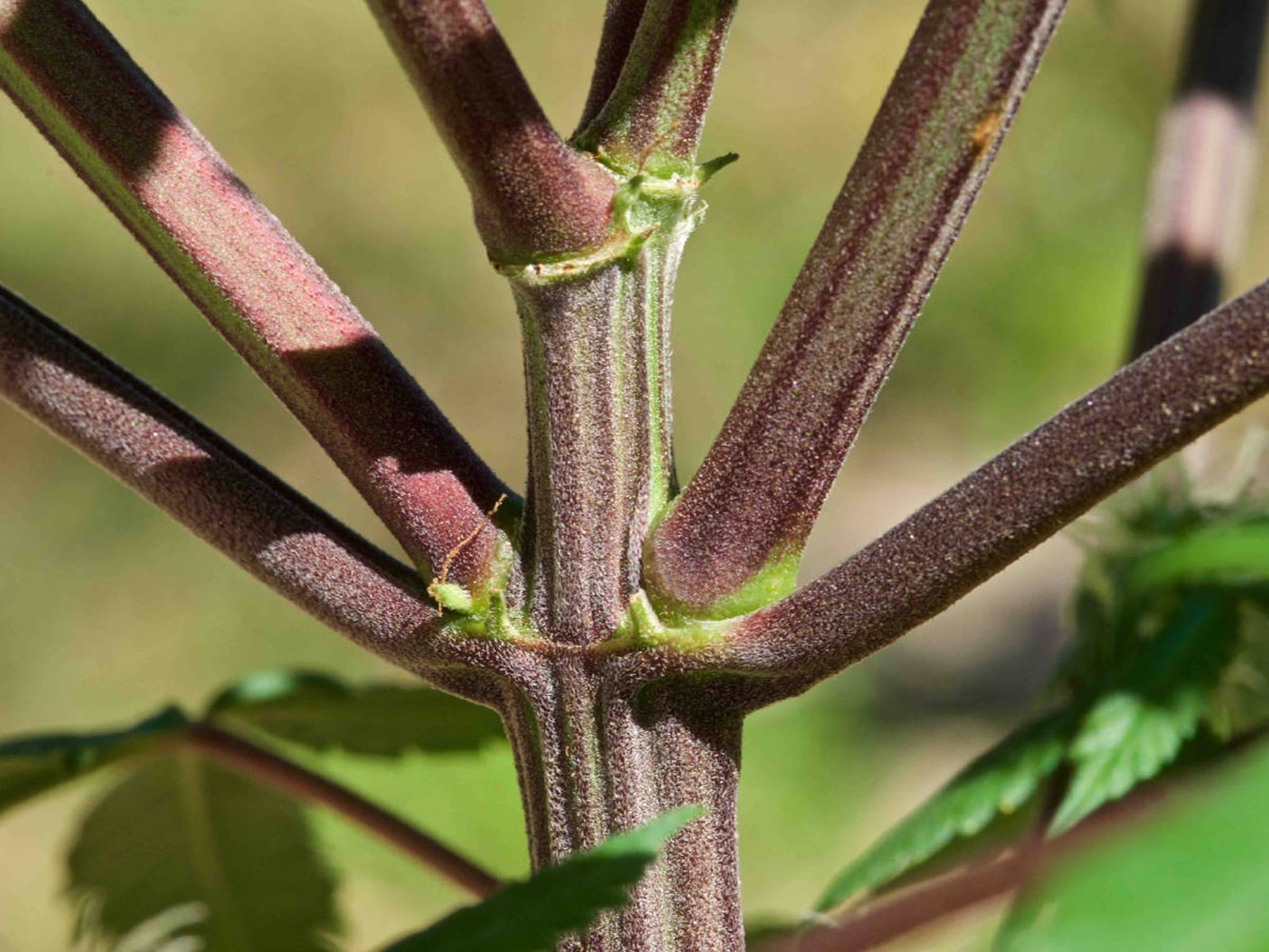
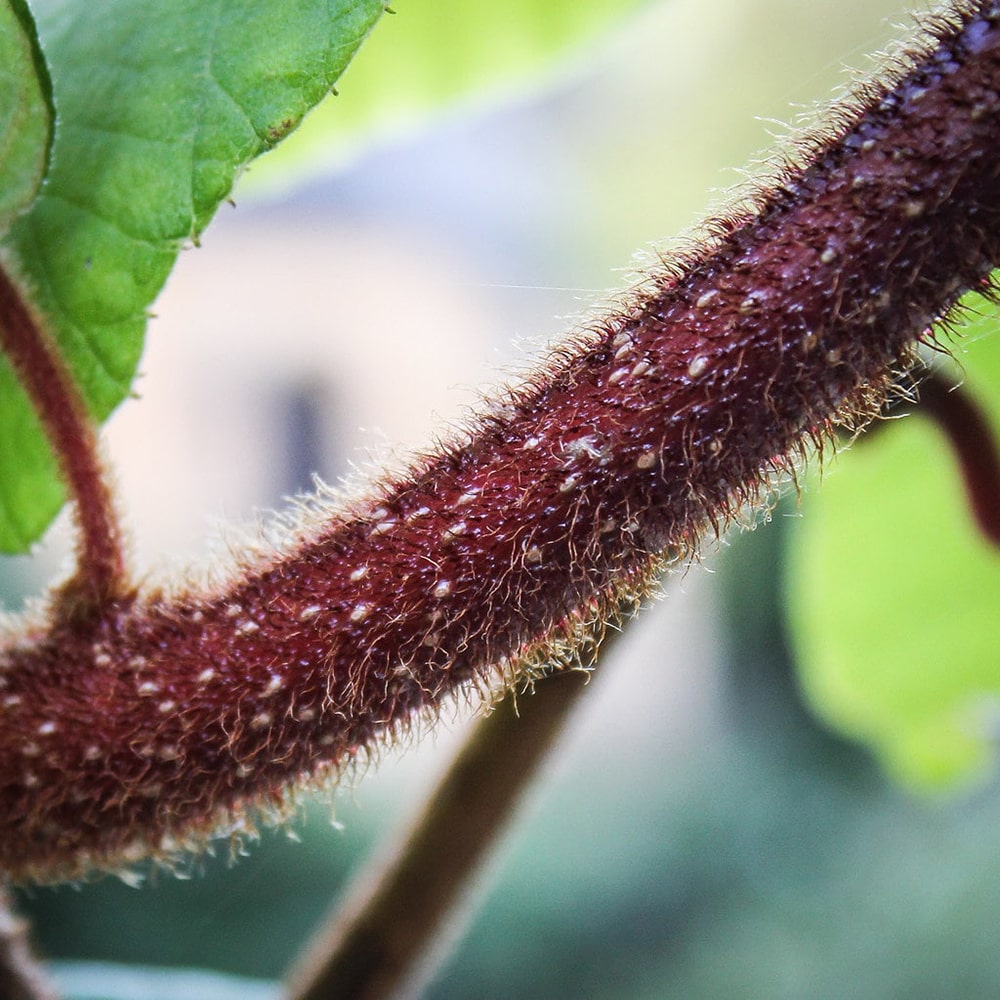
Two to three foot tall stems, branching occasionally in the upper half. Erect, although the weight of the inflorescence often causes the entire plant to lean sideways. The slender stems are light green, terete, and either glabrous, sparsely pubescent, or hairy in lines.
Hairy (pubescent)
Straight
Whole Plant Traits
Perennial
Wildflower
Erect
Clumping
Cultural Conditions
Full sun (6 or more hours of direct sunlight a day)
Partial Shade (Direct sunlight only part of the day, 2-6 hours)
Good Drainage
Moist
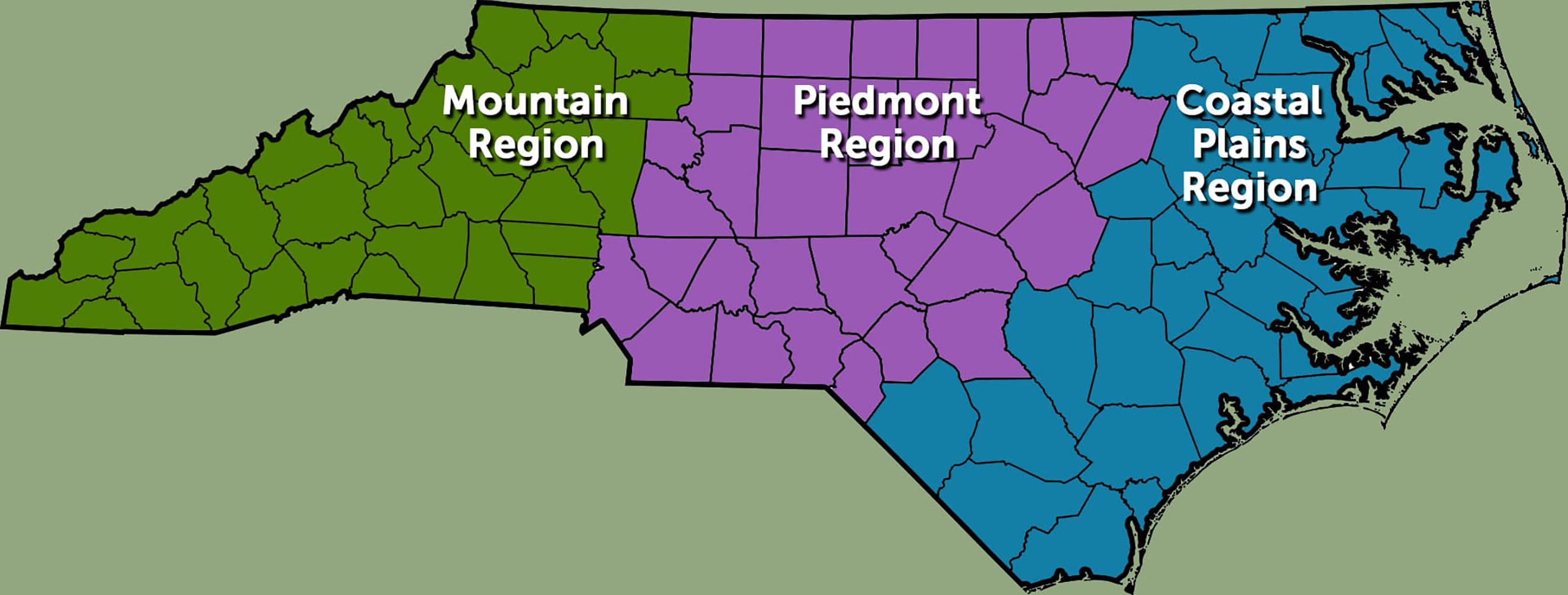
Coastal
Mountains
Piedmont
Clay
Loam (Silt)
Shallow Rocky
Landscape
Butterfly Garden
Pollinator Garden
Native Garden
Naturalized Area
Butterflies
Pollinators

Solidago shortii Attributes

Solidago shortii: Country Or Region Of Origin

Indiana and Kentucky
Solidago shortii: Wildlife Value

This plant supports Wavy-lined Emerald (Synchlora aerata) larvae. Attracts butterflies and other polinators. The soldier beetle is the primary polinator.

Solidago shortii: Particularly Resistant To (Insects/Diseases/Other Problems)

deer and drought resistant

Solidago shortii: Life Cycle

Annual
Biennial
Bulb
Perennial
Woody

Solidago shortii: Recommended Propagation Strategy

Division
Grafting
Layering
Leaf Cutting
Root Cutting
Seed
Stem Cutting

Solidago shortii: Fire Risk Rating

extreme flammability
high flammability
low flammability
medium flammability

Solidago shortii Fruit

Solidago shortii: Fruit Description

Both the ray and disk florets can produce fertile achenes. These achenes are 2-3 mm. long and oblongoid in shape; they have small tufts of light brown hair at their apices. As a result, the achenes are distributed primarily by the wind.

Solidago shortii: Fruit Type

Achene
Aggregate
Berry
Capsule
Caryopsis
Drupe
Follicle
Legume
Nut
Pome
Samara
Schizocarp
Siliqua

Solidago shortii: Display/Harvest Time

Fall
Spring
Summer
Winter

Solidago shortii Flowers

Solidago shortii: Flower Description

Tiny yellow flowers bloom along upper stems in small axillary and terminal clusters from August to October. Flowers are attractive to bees and butterflies. Each flowerhead is about ¾–1" across, consisting of 10-20 ray florets that surround a similar number of disk florets. The petaloid rays of these flowerheads are lavender or pale blue-violet (rarely white), and they are individually linear-oblong in shape. The corollas of the disk florets are short-tubular with 5 minute lobes at their apices. Initially, these corollas are yellow, but they become reddish purple with age. On unusual specimens, these corollas are light pink to nearly white. At the base of each flowerhead, the overlapping green phyllaries (scaly floral bracts) are linear-lanceolate and glabrous to finely pubescent.

Solidago shortii: Flower Color

filter_vintage
Gold/Yellow
filter_vintage
Purple/Lavender

Solidago shortii: Flower Inflorescence

Catkin
Corymb
Cyme
Head
Insignificant
Panicle
Raceme
Solitary
Spadix
Spike
Umbel

Solidago shortii: Flower Value To Gardener

Edible
Fragrant
Good Cut
Good Dried
Long Bloom Season
Long-lasting
Showy

Solidago shortii: Flower Bloom Time

Winter
Spring
Summer
Fall

Solidago shortii: Flower Petals

2-3 rays/petals
4-5 petals/rays
6 petals/rays
7 - 20 petals/rays
asymmetrical petals
Bracts
Colored Sepals
fused petals
more than 20 petals/rays
Tepals

Solidago shortii: Flower Size

1-3 inches
3-6 inches
< 1 inch
> 6 inches

Solidago shortii Leaves

Solidago shortii: Leaf Description

Leaves become gradually smaller as they ascend the stems. The petioles are very slender and about 1" long on the lower leaves, while the upper leaves are nearly sessile. The lower to middle leaves are lanceolate-ovate with indented bases, while the upper leaves are lanceolate with rounded bases. All leaves taper gradually into slender acute tips, while their margins are smooth and often slightly ciliate. Longest leaves are found near the middle of each stem. Basal and lower stem leaves usually wither prior to flowering.
Solidago shortii: Leaf Color

spa
Green

Solidago shortii: Leaf Arrangement

Alternate
Opposite
Other/more complex
Rosulate
Whorled

Solidago shortii: Leaf Shape

Acicular
Auriculate
Cordate
Cuneate
Deltoid
Elliptical
Filiform
Lanceolate
Linear
Oblanceolate
Oblong
Obovate
Obtuse
Orbicular
Ovate
Palmasect
Palmatifid
Peltate
Pinnatifid
Pinnatisect
Reniform
Rhomboidal
Spatulate
Subcordate
Subulate

Solidago shortii: Leaf Margin

Crenate
Crenulate
Dentate
Denticulate
Doubly Crenate
Doubly Dentate
Doubly Serrate
Entire
Lobed
Serrate
Sinuate
Undulate

Solidago shortii: Hairs Present

No
Yes

Solidago shortii: Leaf Length

< 1 inch
1-3 inches
3-6 inches
> 6 inches

Solidago shortii: Leaf Width

< 1 inch
1-3 inches
3-6 inches
> 6 inches

Solidago shortii Stem

Solidago shortii: Stem Description

Two to three foot tall stems, branching occasionally in the upper half. Erect, although the weight of the inflorescence often causes the entire plant to lean sideways. The slender stems are light green, terete, and either glabrous, sparsely pubescent, or hairy in lines.

Solidago shortii: Stem Color

grass
Green

Solidago shortii: Stem Is Aromatic

No
Yes

Solidago shortii: Stem Surface

Corky Ridges
Covered with a powdery bloom (glaucous)
Dull
Hairy (pubescent)
Polished
Smooth (glabrous)

Solidago shortii: Stem Form

Straight
Zig Zags

Solidago shortii: Stem Buds

Hairy
Hairy tips
Scaly
Smooth/Hairless

Solidago shortii Whole Plant Traits

Solidago shortii: Plant Type

Annual
Bulb
Carnivorous
Edible
Epiphyte
Fern
Ground Cover
Herb
Herbaceous Perennial
Houseplant
Mushroom
Native Plant
Ornamental Grasses and Sedges
Perennial
Poisonous
Rose
Shrub
Succulent
Tree
Turfgrass
Vegetable
Vine
Water Plant
Weed
Wildflower

Solidago shortii: Habit/Form

Arching
Ascending
Broad
Cascading
Climbing
Clumping
Columnar
Conical
Creeping
Dense
Erect
Horizontal
Irregular
Mounding
Multi-stemmed
Multi-trunked
Open
Oval
Prostrate
Pyramidal
Rounded
Spreading
Vase
Weeping

Solidago shortii: Maintenance

Low
Medium
High

Solidago shortii Cultural Conditions

Solidago shortii: Light

Dappled Sunlight (Shade through upper canopy all day)
Deep shade (Less than 2 hours to no direct sunlight)
Full sun (6 or more hours of direct sunlight a day)
Partial Shade (Direct sunlight only part of the day, 2-6 hours)

Solidago shortii: Soil Drainage

Frequent Standing Water
Good Drainage
Moist
Occasional Flooding
Occasionally Dry
Occasionally Wet
Very Dry

Solidago shortii: NC Region

Coastal
Mountains
Piedmont

Solidago shortii: USDA Plant Hardiness Zone

thermostat
6a
thermostat
6b
thermostat
7a
thermostat
7b
thermostat
8a
thermostat
8b
thermostat
9a
thermostat
9b

Solidago shortii: Soil Texture

Clay
High Organic Matter
Loam (Silt)
Sand
Shallow Rocky

Solidago shortii Landscape

Solidago shortii: Landscape Theme

Asian Garden
Butterfly Garden
Children's Garden
Cottage Garden
Cutting Garden
Drought Tolerant Garden
Edible Garden
English Garden
Fairy Garden
Garden for the Blind
Native Garden
Nighttime Garden
Pollinator Garden
Rain Garden
Rock Garden
Shade Garden
Water Garden
Winter Garden

Solidago shortii: Design Feature

Accent
Barrier
Border
Flowering Tree
Foundation Planting
Hedge
Mass Planting
Screen/Privacy
Security
Shade Tree
Small groups
Small Tree
Specimen
Street Tree
Understory Tree

Solidago shortii: Resistance To Challenges

Black Walnut
Compaction
Deer
Diseases
Drought
Dry Soil
Erosion
Fire
Foot Traffic
Heat
Heavy Shade
Humidity
Insect Pests
Pollution
Poor Soil
Rabbits
Salt
Slugs
Squirrels
Storm damage
Urban Conditions
Voles
Wet Soil
Wind

Solidago shortii: Landscape Location

Coastal
Container
Hanging Baskets
Houseplants
Lawn
Meadow
Naturalized Area
Near Septic
Patio
Pond
Pool/Hardscape
Recreational Play Area
Riparian
Rock Wall
Slope/Bank
Small Space
Vertical Spaces
Walkways
Woodland

Solidago shortii: Attracts

Bats
Bees
Butterflies
Frogs
Hummingbirds
Moths
Pollinators
Predatory Insects
Reptiles
Small Mammals
Songbirds
Specialized Bees