Staphylea colchica: Country Or Region Of Origin
Caucasus
Phonetic Spelling:staf-FY-lee-a KOHL-chik-uh
Genus:Staphylea
Species:colchica
Family:Staphyleacea
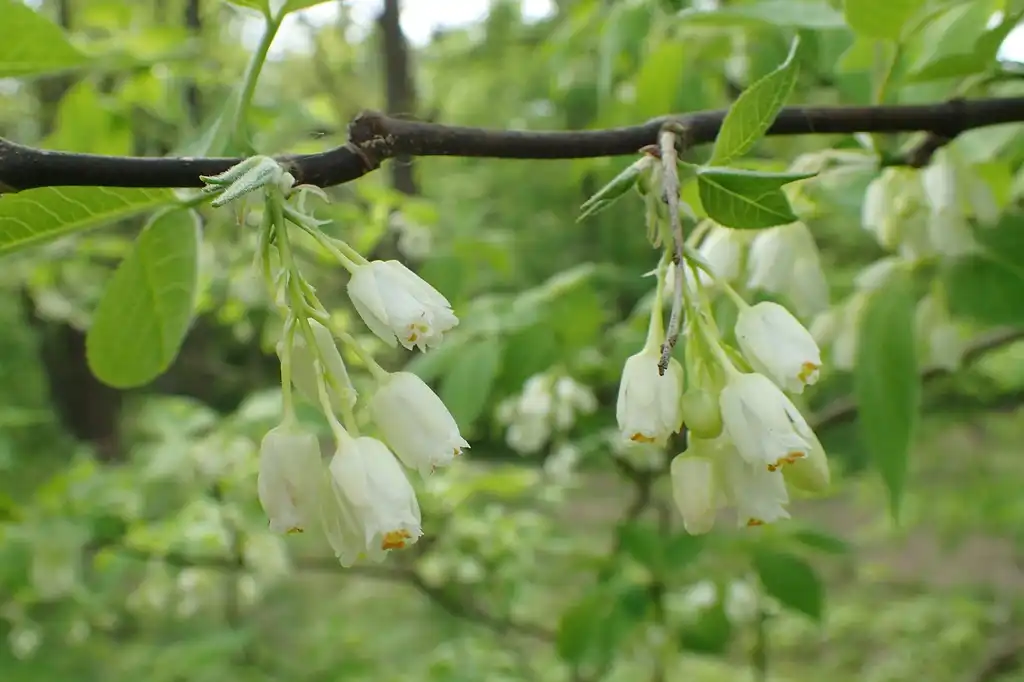
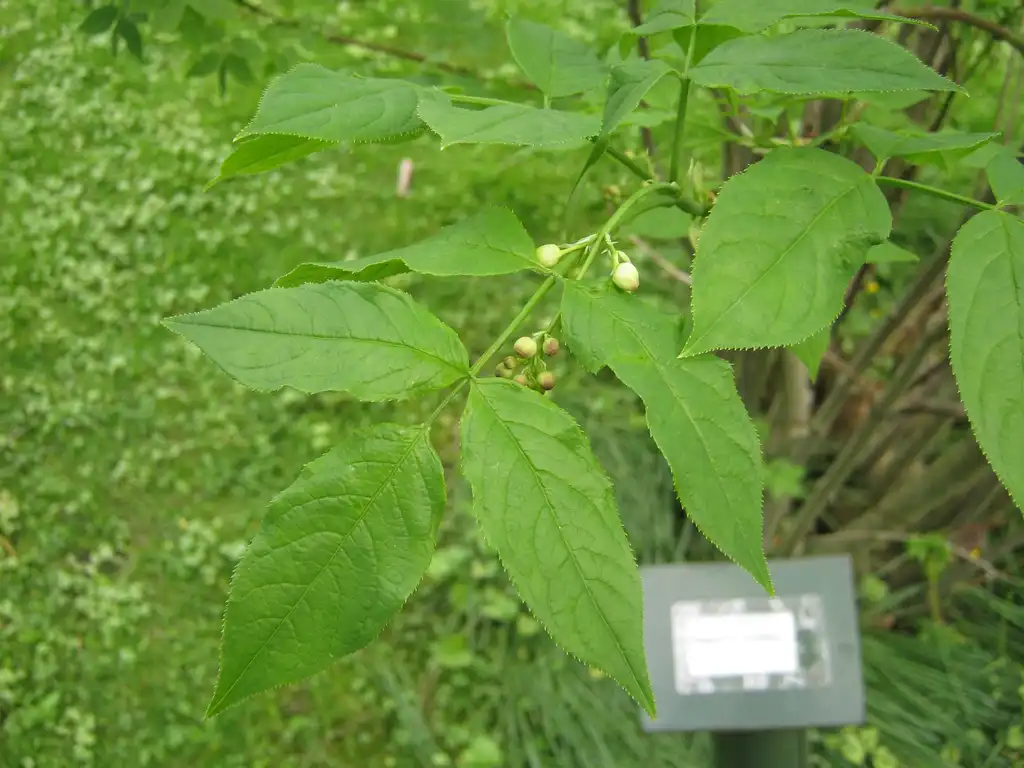
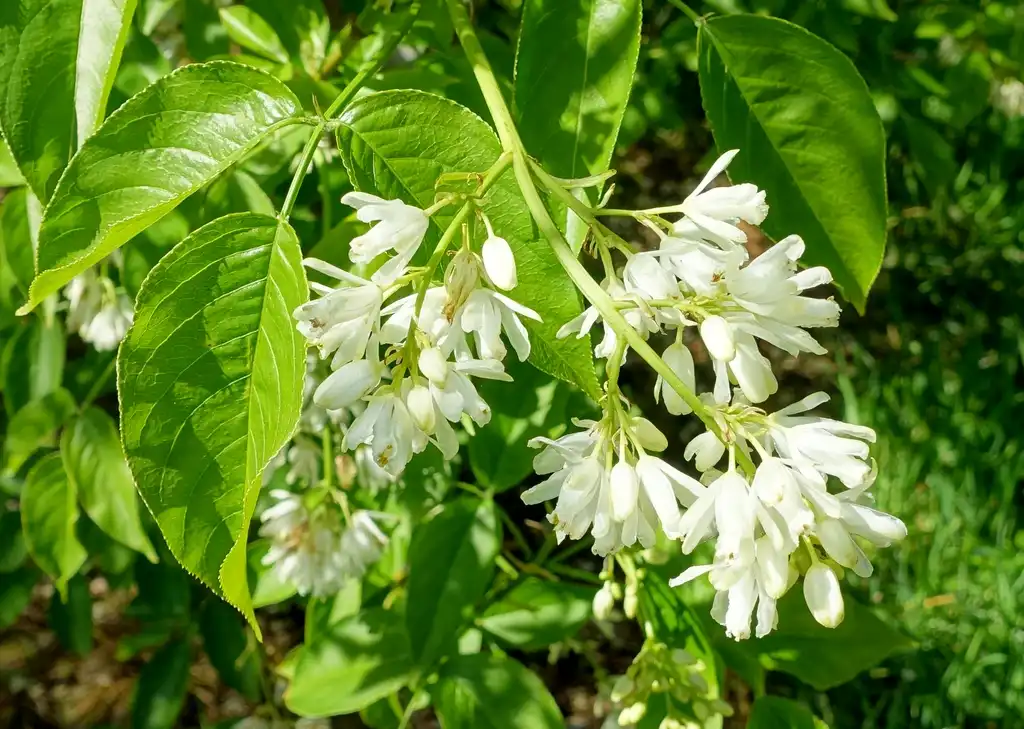
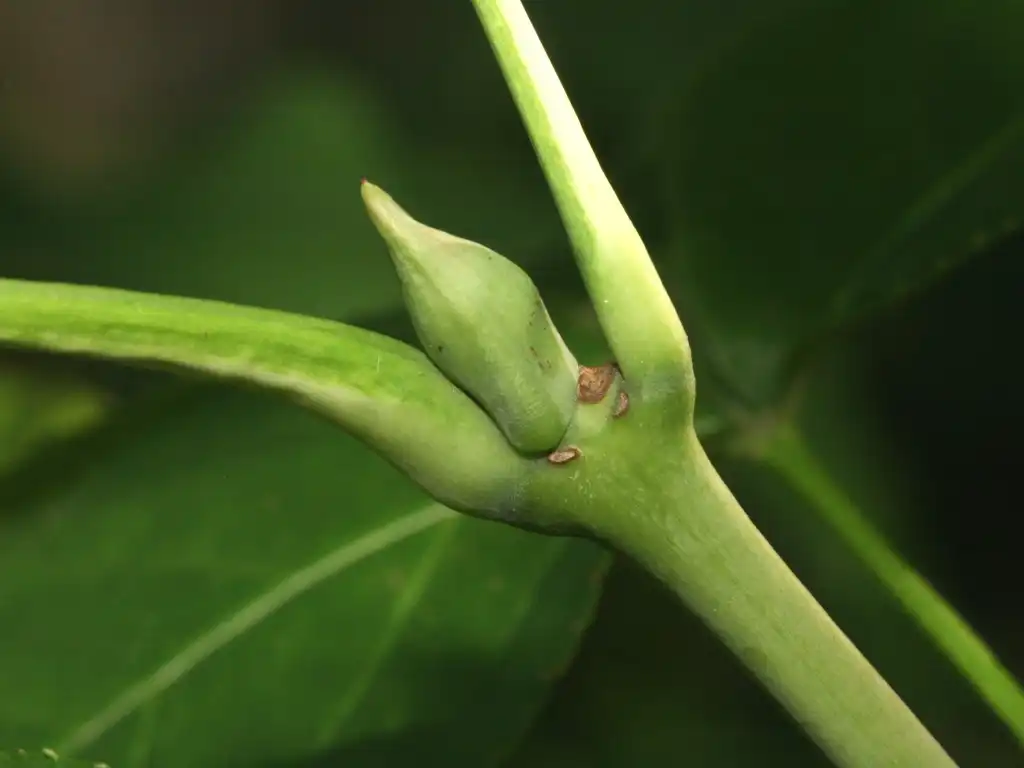
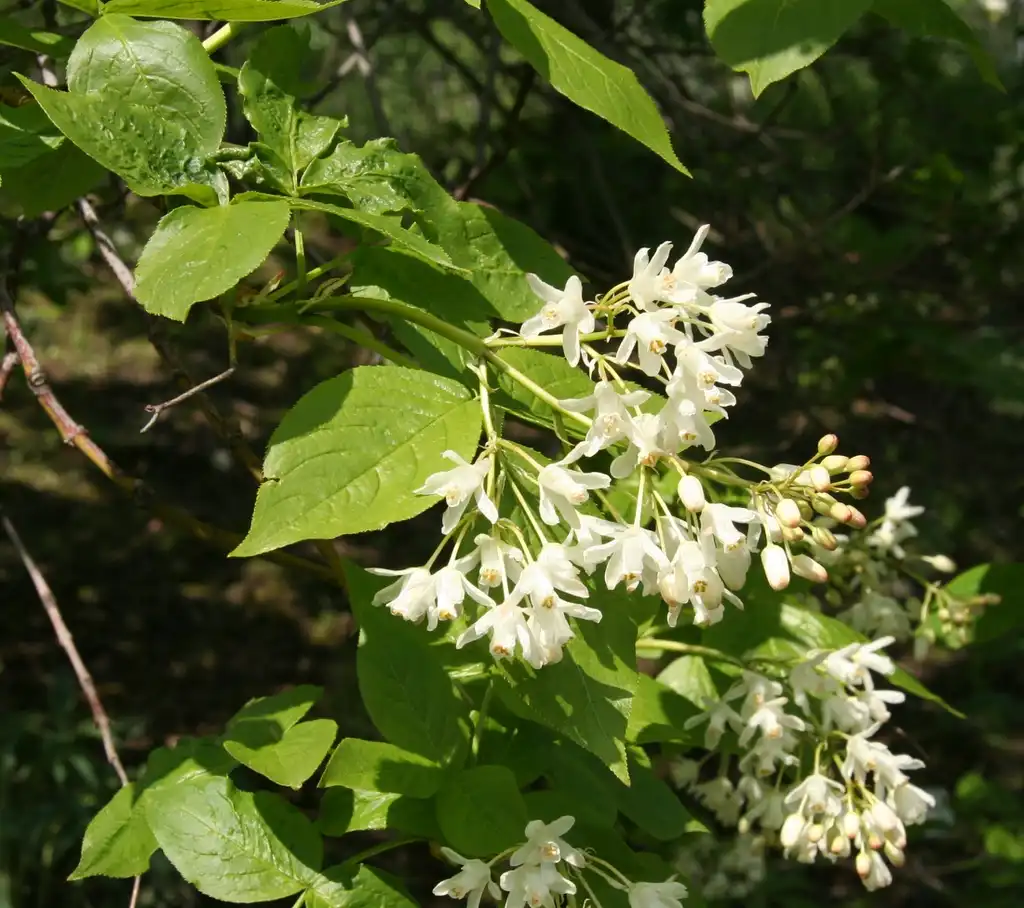
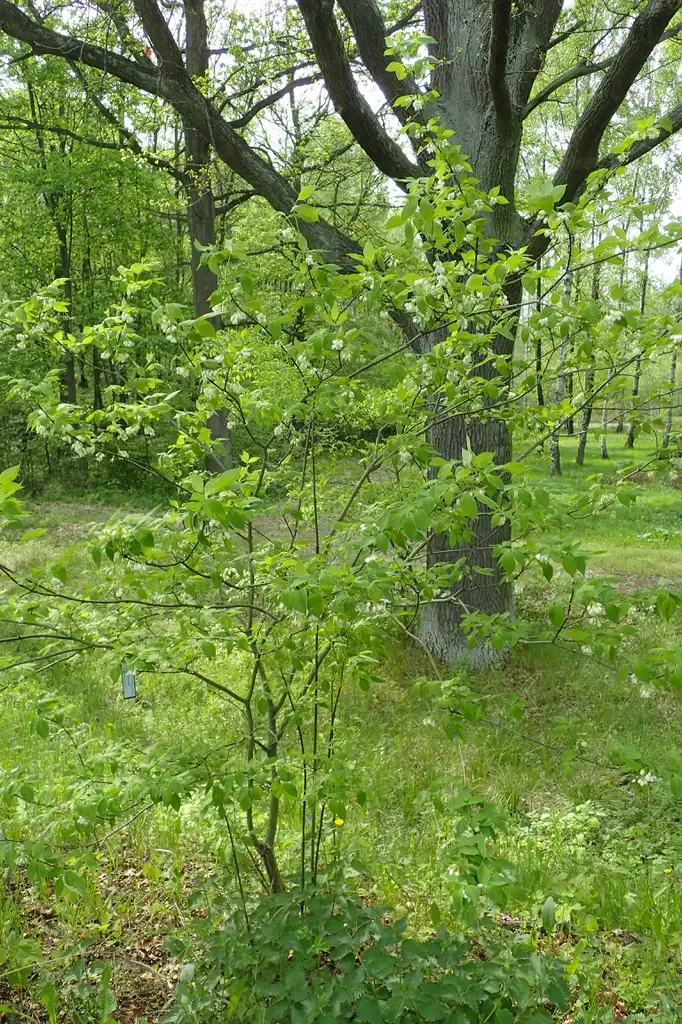
Staphylea colchica, commonly referred to as Colchis Bladdernut, is a robust, upright deciduous shrub or small tree that can reach heights and widths of 10 to 15 feet. Also known as Caucasian Bladdernut, this plant is characterized by its suckering growth habit, forming dense thickets. It thrives in the forests of the southern Caucasus mountains, typically at elevations of up to 4,000 feet. Beyond its fragrant flowers, the seed pods are uniquely appealing and remain visible throughout the summer and fall seasons. Many horticulturists regard this species and its various forms as the most visually striking among the bladdernuts, thanks to their attractive blooms and fruits.
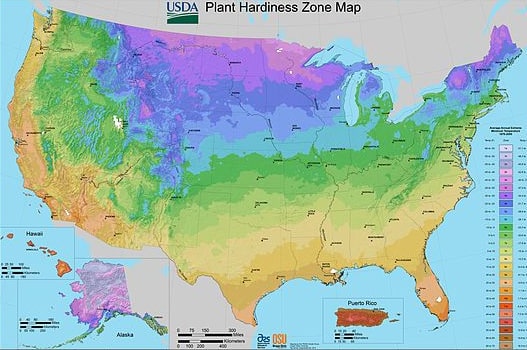
This shrub flourishes in rich, loamy, well-drained soils that are consistently moist, ideally situated in full sun to partial shade, with a preference for partial shade. It can adapt to a variety of soil types, provided they do not become excessively dry. Staphylea colchica is winter hardy in USDA Zone 6 and should be planted in a sheltered, south-facing area. Some dieback may occur during particularly harsh winters, so it’s important to keep the soil consistently moist. Propagation can be achieved through seeds, cuttings, or suckers. While it is a highly ornamental plant that grows relatively quickly in its early years, its growth rate diminishes as it matures. The best flowering occurs in years following hot summers.
Regarding pests and diseases, this plant generally faces no significant issues. However, it may experience leaf spot and twig blight. Notably, species within this genus show strong resistance to honey fungus.
Staphylea colchica Feature Summary
Staphylea colchica Image Gallery