• Photo of Symplocos tinctoria (Symplocos tinctorias)

Plant Profile: Symplocos tinctoria

Taxonomy: Symplocos tinctoria

Names

Horsesugar, Horse-sugar, Sweetleaf

  • Photo of Symplocos tinctoria (Symplocos tinctorias)

Phonetic Spelling:sim-PLOH-kos tink-TOR-ee-ah

Genus:Symplocos

Species:tinctoria

Family:Symplocaceae

Sweetleaf is a slow-growing deciduous shrub or small tree that can reach heights of up to 20 feet. It typically thrives in various natural habitats, including moist bottomland forests, edges of pocosins, mesic forests, ridgetop woodlands, and sandy hills. The leaves are arranged alternately, featuring smooth edges and a distinctive yellow underside. Notably, these leaves are both edible and sweet. In early spring, the tree produces small white flowers, followed by the development of a ½-inch orange-brown drupe that ripens in late summer. For optimal growth, it is best to plant Sweetleaf in naturalized settings where it can receive full to partial sunlight.

Fire Risk: This plant has a moderate flammability rating.

Seasons of Interest:
- Blooms: Early spring
- Nut/Fruit/Seed: Late summer

Symplocos tinctoria Feature Summary

Symplocos tinctoria Image Gallery

Tags

#acidic soil tolerant
#native shrub
#food source summer
#food source nectar
#orange fruits
#host
#deciduous
#large shrub
#fruits summer
#food source pollen
#food source
#bird friendly
#showy
#nectar plant mid-spring
#yellow
#fragrant
#pollinators
#songbirds
#piedmont
#yellow flowers
#dry soils tolerant
#cover plant
#woodlands
#NC native
#flowering
#mid-spring flowers
#full sun tolerant
#tree
#fruits
#early spring flowers
#nectar plant late spring
#nectar plant early spring
#pollinator plant
#food source soft mast fruit
#food source herbage
#native
#flowering shrub
#cream flowers
#partial shade tolerant
#butterfly larvae
#pollinator garden
#small mammals
#creamy white
#fire
#deciduous tree
#cover
#nectar plant spring
#flowering tree
#larval host tree
#small tree
#king’s hairstreak butterfly
#semi-evergreen
#flowers
#medium flammability
#butterfly friendly
#native tree
#spring interest
#partial sun
#coastal plants
#mountains
#audubon
#larval host plant
#native garden
#edible leaves
#Piedmont Mountains FAC
#wildlife plant
#showy flowers
#moist soil
#coastal FAC
#summer interest
#naturalized area
#shrub
#yellow fruits
#spring flowers

Similar Plants

Symplocos tinctoria Feature Summary

Attributes
Central & South East U.S.A
It also provides nectar for pollinators and supports King's Hairstreak (Satyrium kingi) larvae which feed on the leaf buds and leaves. The adults have one flight from May-July and feed off of nectar from Allegheny chinquapin and sourwood. Adult butterflies enjoy the nectar from the blooms in the spring. Fruits are eaten by birds and small mammals.
The foliage has a sweet taste.
medium flammability
Fruit
Fruit displays in late summer. In North Carolina, the fruits are available from August to September.
Brown/Copper
Gold/Yellow
Orange
Flowers
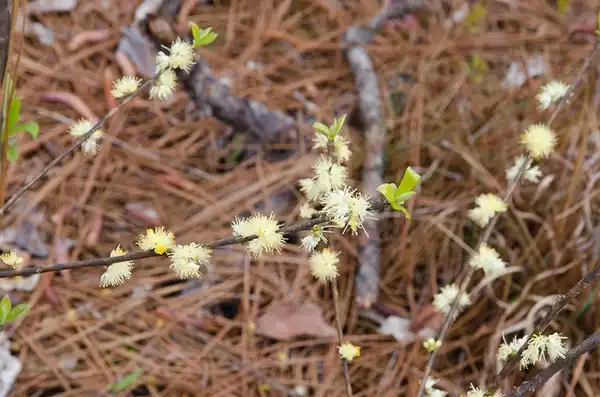
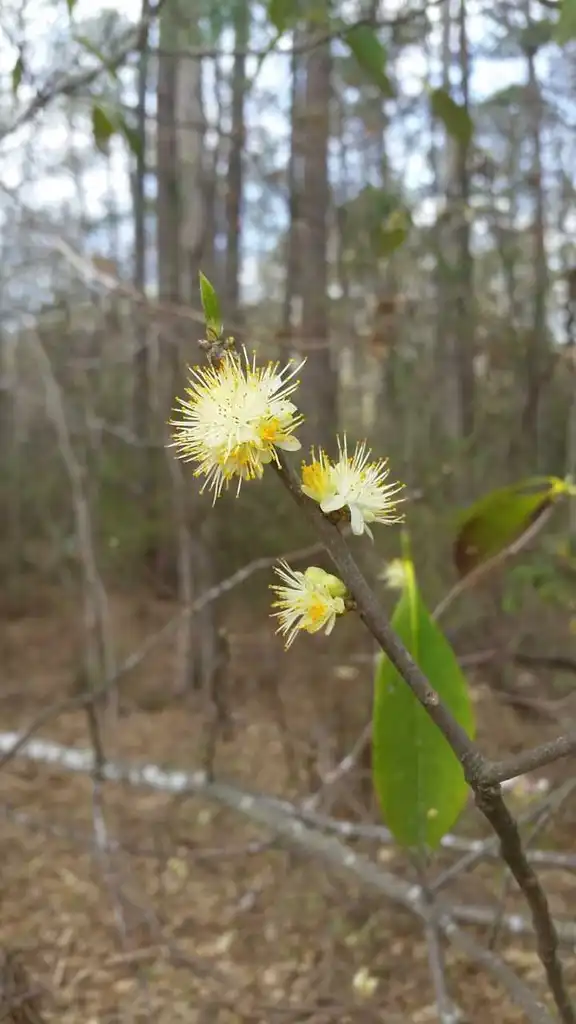
Compact clusters of small, fragrant, cream-colored borne in profusion along the branches of the previous season's growth. Numerous stamens make the blooms particularly showy. In North Carolina, flowers are available from March to May.
Gold/Yellow
Cream/Tan
Leaves
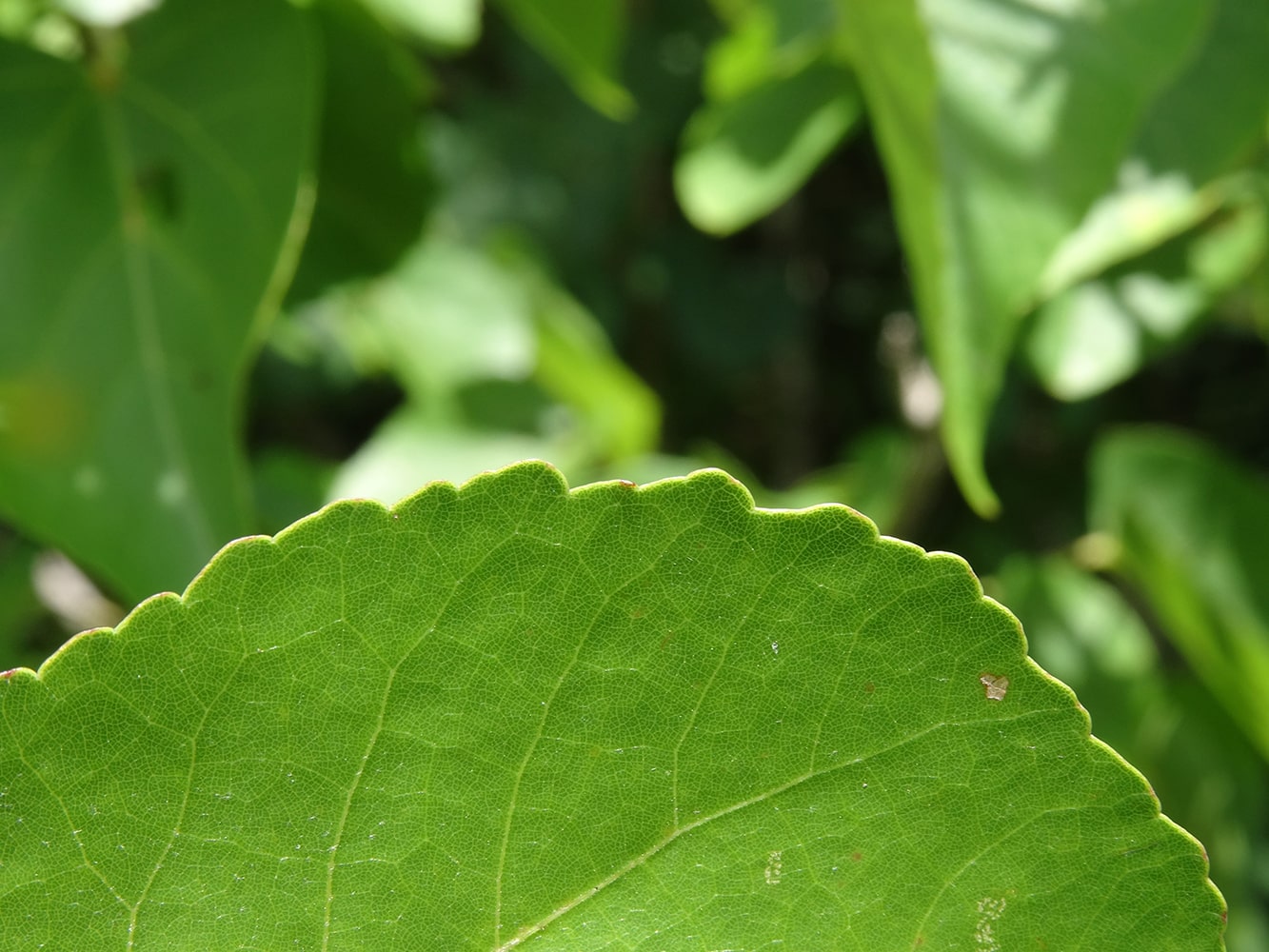
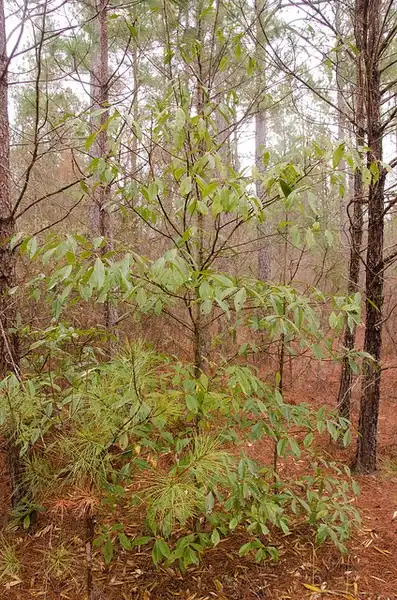
Simple green alternate leaves with smooth margins and yellow undersides. Some leaves may remain on the tree until springtime.
Deciduous
Semi-evergreen
3-6 inches
Bark
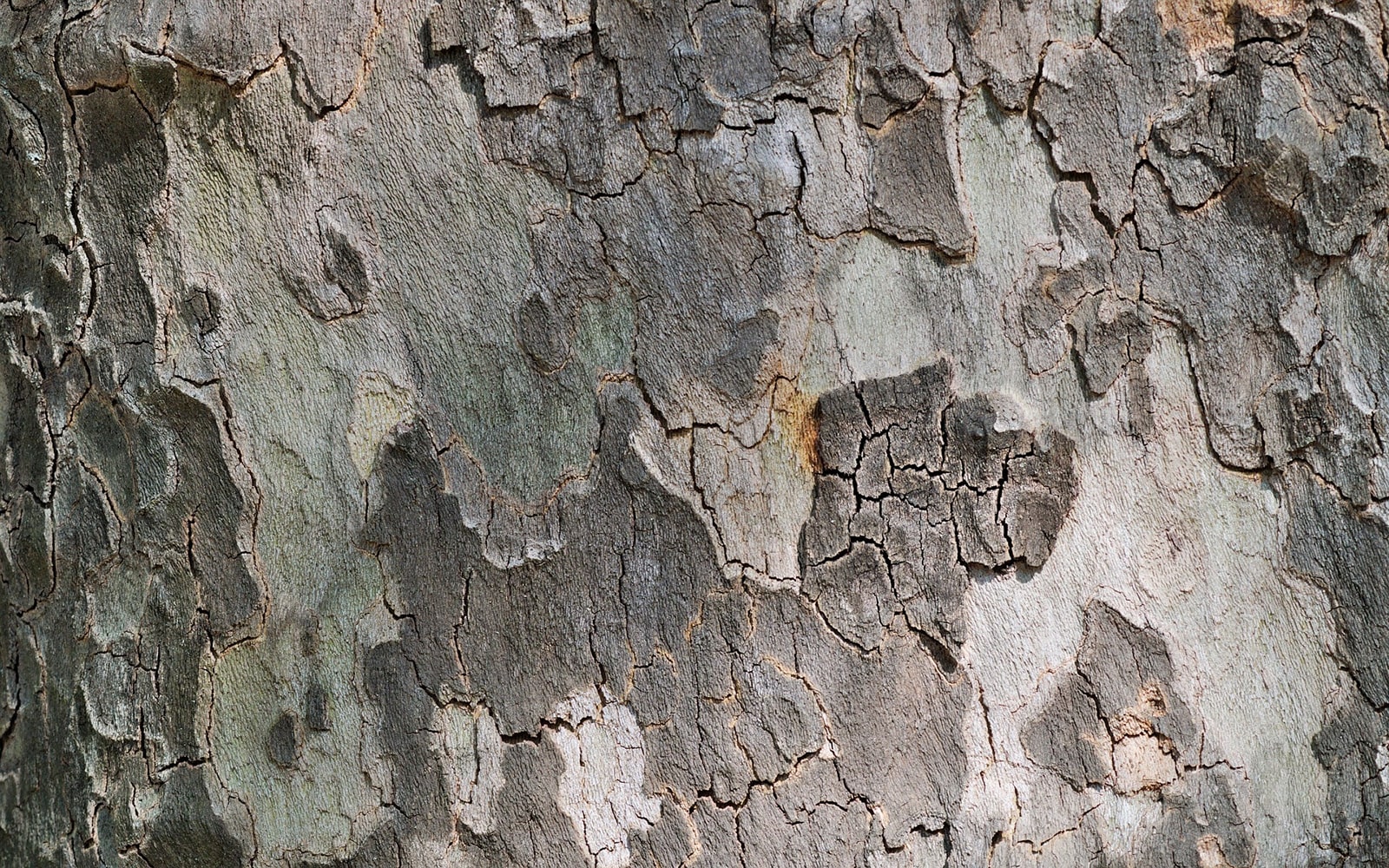
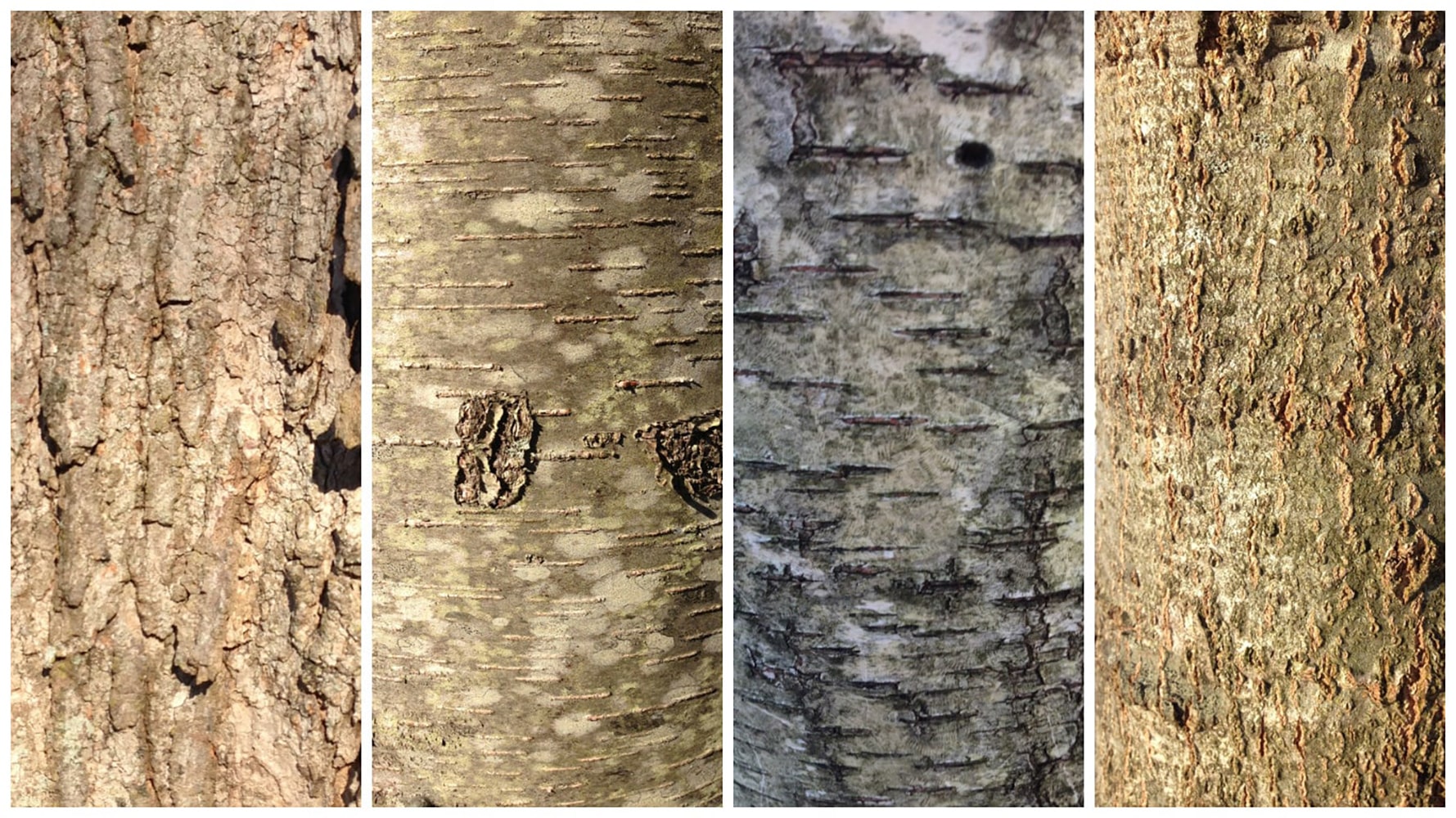
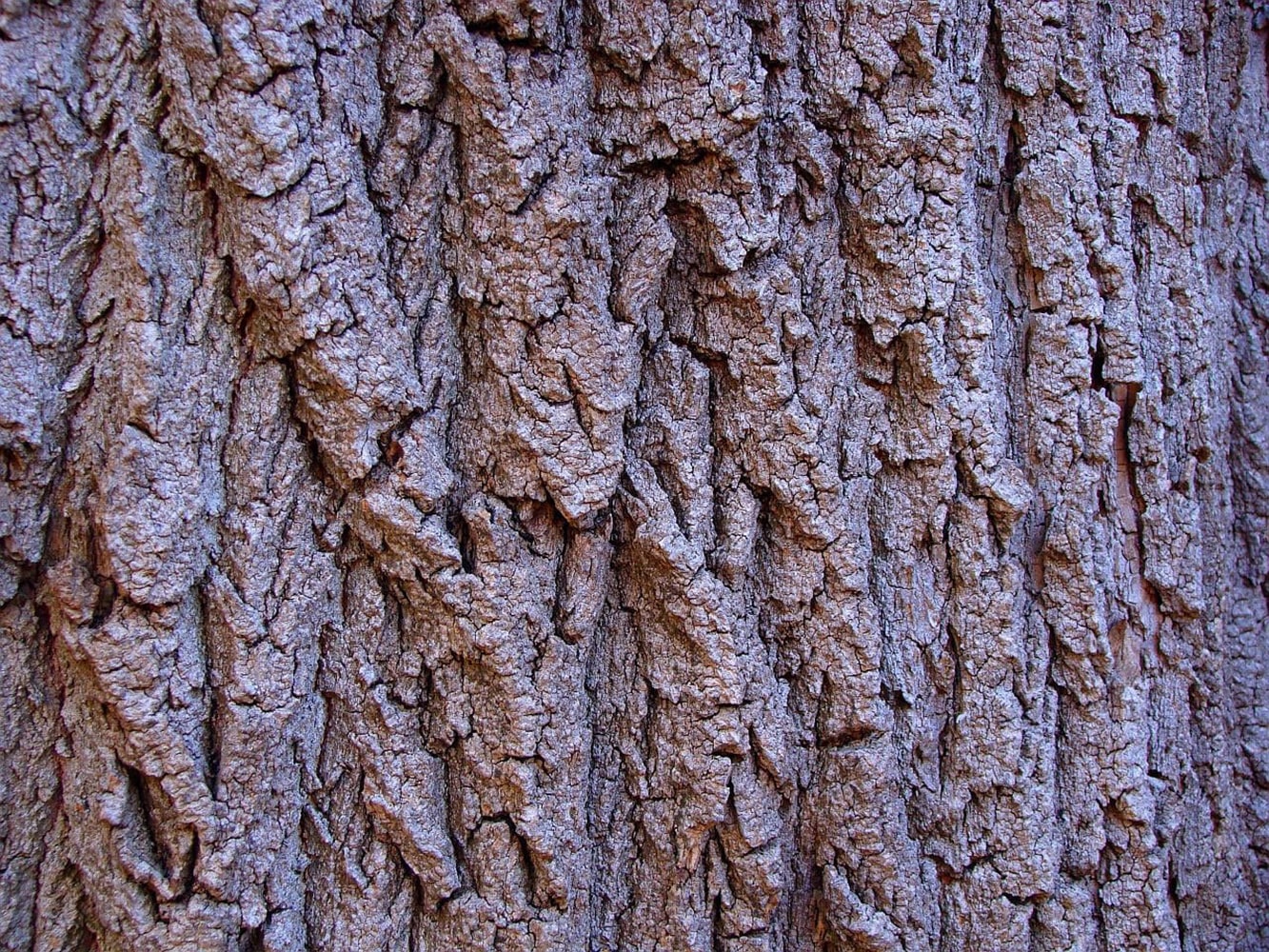
Smooth and grayish brown to green initially. Warty lenticels and shallow pits develop as the tree ages.
Light Gray
Light Brown
Smooth
Lenticels
Bumpy
Stem
A short trunk with an open crown of spreading branches.
Whole Plant Traits
Shrub
Edible
Tree
Native Plant
Deciduous
Semi-evergreen
Cultural Conditions
Full sun (6 or more hours of direct sunlight a day)
Partial Shade (Direct sunlight only part of the day, 2-6 hours)
Deep shade (Less than 2 hours to no direct sunlight)
Acid (<6.0)
Moist
Occasionally Dry
Coastal
Mountains
Piedmont
Landscape
Edible Garden
Butterfly Garden
Pollinator Garden
Native Garden
Shade Garden
Border
Accent
Flowering Tree
Small Tree
Patio
Woodland
Naturalized Area
Small Space
Butterflies
Pollinators
Songbirds
Small Mammals

Symplocos tinctoria Attributes

Symplocos tinctoria: Country Or Region Of Origin

Central & South East U.S.A

Symplocos tinctoria: Wildlife Value

It also provides nectar for pollinators and supports King's Hairstreak (Satyrium kingi) larvae which feed on the leaf buds and leaves. The adults have one flight from May-July and feed off of nectar from Allegheny chinquapin and sourwood. Adult butterflies enjoy the nectar from the blooms in the spring. Fruits are eaten by birds and small mammals.

Symplocos tinctoria: Edibility

The foliage has a sweet taste.

Symplocos tinctoria: Life Cycle

Annual
Biennial
Bulb
Perennial
Woody

Symplocos tinctoria: Fire Risk Rating

extreme flammability
high flammability
low flammability
medium flammability

Symplocos tinctoria Fruit

Symplocos tinctoria: Fruit Description

Fruit displays in late summer. In North Carolina, the fruits are available from August to September.

Symplocos tinctoria: Fruit Color

grass
Brown/Copper
grass
Gold/Yellow
grass
Orange

Symplocos tinctoria: Display/Harvest Time

Fall
Spring
Summer
Winter

Symplocos tinctoria Flowers

Symplocos tinctoria: Flower Description

Compact clusters of small, fragrant, cream-colored borne in profusion along the branches of the previous season's growth. Numerous stamens make the blooms particularly showy. In North Carolina, flowers are available from March to May.

Symplocos tinctoria: Flower Color

filter_vintage
Cream/Tan
filter_vintage
Gold/Yellow

Symplocos tinctoria: Flower Bloom Time

Winter
Spring
Summer
Fall

Symplocos tinctoria Leaves

Symplocos tinctoria: Leaf Description

Simple green alternate leaves with smooth margins and yellow undersides. Some leaves may remain on the tree until springtime.

Symplocos tinctoria: Woody Plant Leaf Characteristics

Broadleaf Evergreen
Deciduous
Needled Evergreen
Semi-evergreen

Symplocos tinctoria: Leaf Color

spa
Green

Symplocos tinctoria: Leaf Type

Compound (Pinnately , Bipinnately, Palmately)
Fronds
Needles
Sheath
Simple

Symplocos tinctoria: Leaf Arrangement

Alternate
Opposite
Other/more complex
Rosulate
Whorled

Symplocos tinctoria: Leaf Margin

Crenate
Crenulate
Dentate
Denticulate
Doubly Crenate
Doubly Dentate
Doubly Serrate
Entire
Lobed
Serrate
Sinuate
Undulate

Symplocos tinctoria: Hairs Present

No
Yes

Symplocos tinctoria: Leaf Length

< 1 inch
1-3 inches
3-6 inches
> 6 inches

Symplocos tinctoria Bark

Symplocos tinctoria: Bark Description

Smooth and grayish brown to green initially. Warty lenticels and shallow pits develop as the tree ages.

Symplocos tinctoria: Bark Color

grass
Light Brown
grass
Light Gray

Symplocos tinctoria: Surface/Attachment

Bumpy
Exfoliating
Fissured
Furrowed
Lenticels
Papery
Patchy
Peeling
Ridges
Scaly
Shaggy
Shiny
Shredding
Smooth
Spongy

Symplocos tinctoria Stem

Symplocos tinctoria: Stem Description

A short trunk with an open crown of spreading branches.

Symplocos tinctoria: Stem Is Aromatic

No
Yes

Symplocos tinctoria Whole Plant Traits

Symplocos tinctoria: Plant Type

Annual
Bulb
Carnivorous
Edible
Epiphyte
Fern
Ground Cover
Herb
Herbaceous Perennial
Houseplant
Mushroom
Native Plant
Ornamental Grasses and Sedges
Perennial
Poisonous
Rose
Shrub
Succulent
Tree
Turfgrass
Vegetable
Vine
Water Plant
Weed
Wildflower

Symplocos tinctoria: Woody Plant Leaf Characteristics

Broadleaf Evergreen
Deciduous
Needled Evergreen
Semi-evergreen

Symplocos tinctoria: Growth Rate

Slow
Medium
Rapid

Symplocos tinctoria Cultural Conditions

Symplocos tinctoria: Light

Dappled Sunlight (Shade through upper canopy all day)
Deep shade (Less than 2 hours to no direct sunlight)
Full sun (6 or more hours of direct sunlight a day)
Partial Shade (Direct sunlight only part of the day, 2-6 hours)

Symplocos tinctoria: Soil pH

Acid (<6.0)
Alkaline (>8.0)
Neutral (6.0-8.0)

Symplocos tinctoria: Soil Drainage

Frequent Standing Water
Good Drainage
Moist
Occasional Flooding
Occasionally Dry
Occasionally Wet
Very Dry

Symplocos tinctoria: NC Region

Coastal
Mountains
Piedmont

Symplocos tinctoria: USDA Plant Hardiness Zone

thermostat
7a
thermostat
7b
thermostat
8a
thermostat
8b
thermostat
9a
thermostat
9b

Symplocos tinctoria Landscape

Symplocos tinctoria: Landscape Theme

Asian Garden
Butterfly Garden
Children's Garden
Cottage Garden
Cutting Garden
Drought Tolerant Garden
Edible Garden
English Garden
Fairy Garden
Garden for the Blind
Native Garden
Nighttime Garden
Pollinator Garden
Rain Garden
Rock Garden
Shade Garden
Water Garden
Winter Garden

Symplocos tinctoria: Design Feature

Accent
Barrier
Border
Flowering Tree
Foundation Planting
Hedge
Mass Planting
Screen/Privacy
Security
Shade Tree
Small groups
Small Tree
Specimen
Street Tree
Understory Tree

Symplocos tinctoria: Resistance To Challenges

Black Walnut
Compaction
Deer
Diseases
Drought
Dry Soil
Erosion
Fire
Foot Traffic
Heat
Heavy Shade
Humidity
Insect Pests
Pollution
Poor Soil
Rabbits
Salt
Slugs
Squirrels
Storm damage
Urban Conditions
Voles
Wet Soil
Wind

Symplocos tinctoria: Landscape Location

Coastal
Container
Hanging Baskets
Houseplants
Lawn
Meadow
Naturalized Area
Near Septic
Patio
Pond
Pool/Hardscape
Recreational Play Area
Riparian
Rock Wall
Slope/Bank
Small Space
Vertical Spaces
Walkways
Woodland

Symplocos tinctoria: Attracts

Bats
Bees
Butterflies
Frogs
Hummingbirds
Moths
Pollinators
Predatory Insects
Reptiles
Small Mammals
Songbirds
Specialized Bees