Syringa villosa: Uses (Ethnobotany)
Leaves and fruit are used to make a tonic for the treatment of sore throats.
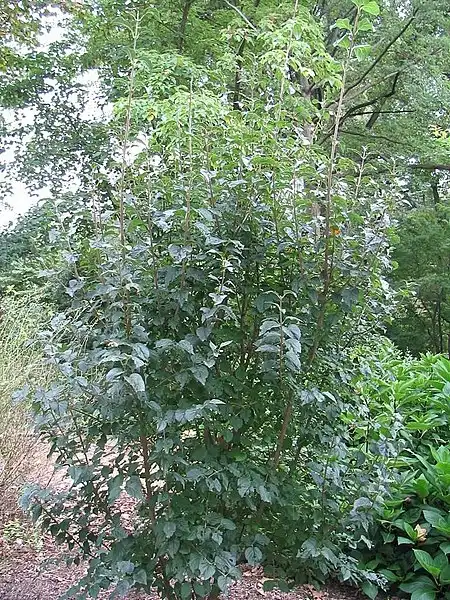
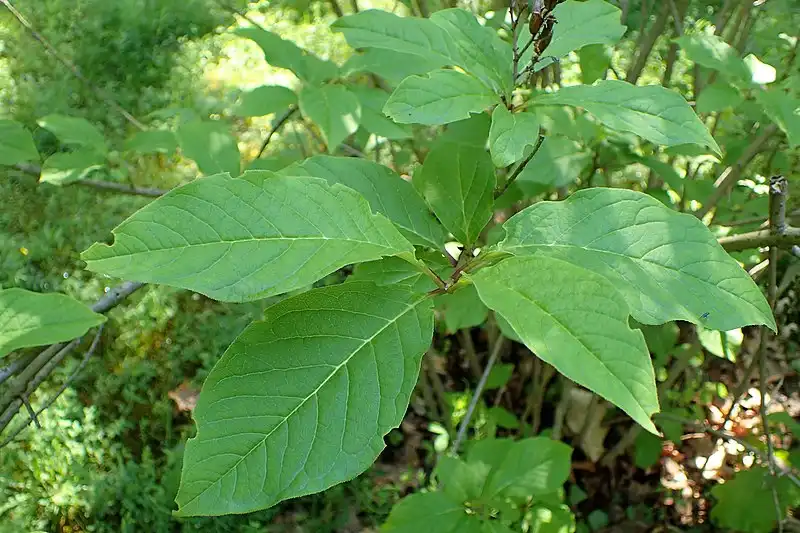
Phonetic Spelling:si-RING-gah vil-OH-suh
Genus:Syringa
Species:villosa
Family:Oleaceae
This plant is a robust shrub characterized by its rounded shape and upright or ascending stiff branches. It thrives in environments with ample air circulation and prefers organically rich, moist, slightly acidic soils that offer good drainage. The Villosa lilac struggles in sandy, dry, or poorly drained conditions and favors a soil pH between 5.5 and 8.0. Compared to the Common Lilac (Syringa vulgaris), it is less tolerant of drought and cannot withstand standing water.
While this plant can endure cold temperatures, its early-emerging flower buds are vulnerable to late frosts. Its fragrance is milder than that of Syringa vulgaris. The Villosa lilac generates new shoots from the base of older stems, so it should only be lightly pruned for shaping purposes. It blooms later than the common lilac, and after flowering, it produces loose brown capsules that remain on the plant.
Regarding pests and diseases, this plant shows some resistance to mildew, scales, and borers, but it is prone to blights, leaf spots, wilt, and ringspot virus. Common insect pests include scales, borers, leaf miners, and caterpillars.
Syringa villosa Feature Summary