Plant Profile: Thaspium barbinode

Taxonomy: Thaspium barbinode

Names

Meadow Parsnip, Meadow-parsnip

  • Photo of Thaspium barbinode (Thaspium barbinodes)

Phonetic Spelling:THAS-pee-um bar-bin-OH-de

Genus:Thaspium

Species:barbinode

Family:Apiaceae

Meadow-parsnip is a perennial wildflower belonging to the carrot family, indigenous to the central and eastern regions of the United States, including all parts of North Carolina. This plant thrives in damp, wooded environments, as well as near streams and ponds, and can occasionally be found in sunny prairies with partial shade. It typically blooms from spring to early summer, showcasing clusters of light yellow flowers that are highly attractive to various pollinators. The leaves are compound and resemble those of parsley. Meadow-parsnip can reach heights of up to 6 feet and may begin to decline after its flowering period.

This wildflower is adaptable to a range of moisture levels, from dry to wet conditions, making it suitable for use in naturalized landscapes, pollinator gardens, and along waterways, as well as in native plant gardens.

Thaspium barbinode Feature Summary

Thaspium barbinode Image Gallery

Tags

#wildlife plant
#forests
#larval host plant
#food source summer
#food source herbage
#food source nectar
#food source pollen
#coastal UPL
#butterfly friendly
#FACU Piedmont Mountains
#pollinator garden
#audubon
#woodlands
#black swallowtail butterfly

Similar Plants

Thaspium barbinode Feature Summary

Attributes
Eastern and central North America
AL , AR , DC , DE , FL , GA , IA , IL , IN , KS , KY , LA , MI , MN , MO , MS , NC , NJ , NY , OH , OK , PA , SC , TN , TX , VA , WI , WV
This plant supports Black Swallowtail (Papilio polyxenes) larvae which appear between April and October and have one to two flights in the north or three flights in the south. Adult Black Swallowtail butterflies feed on flower nectar from thistles, milkweed and red clover.
Perennial
Fruit
The fruit is 2-sectioned, oval-elliptic, slightly flattened and ridged with broad wings along most ridges. Displays from July to August
Flowers
2-3 inch umbrels of light yellow flowers at the end of major stems. Blooms from April to June.
Gold/Yellow
Spring
Summer
Leaves
Large compound leaves are alternate and tend to be near the base of the plant. 2-3 Leaflets have medium to large blunt teeth and are 1-2 inches long and .5- 1 inch across. A few smaller leaves up the stem.
Compound (Pinnately , Bipinnately, Palmately)
1-3 inches
< 1 inch
Stem
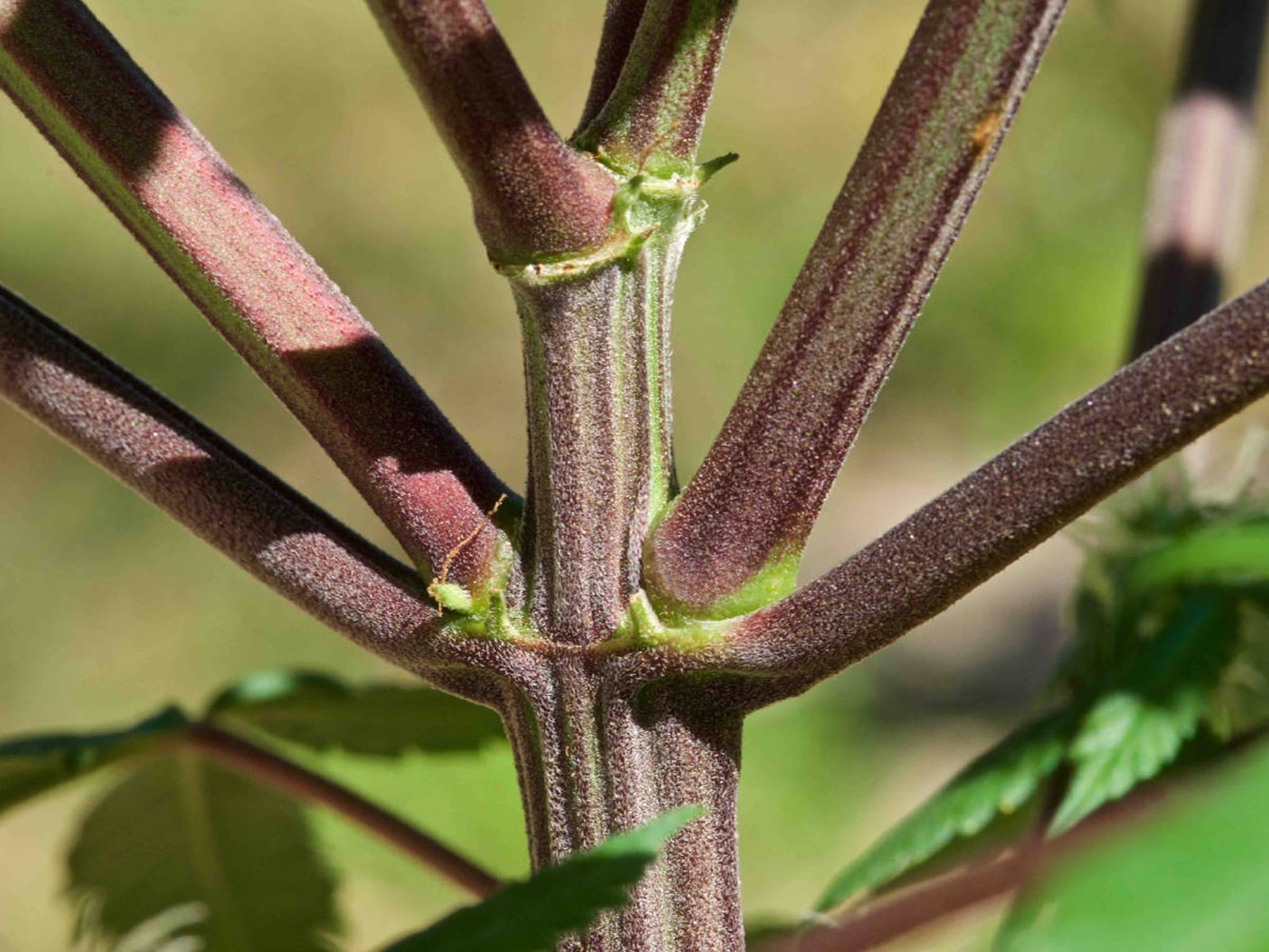
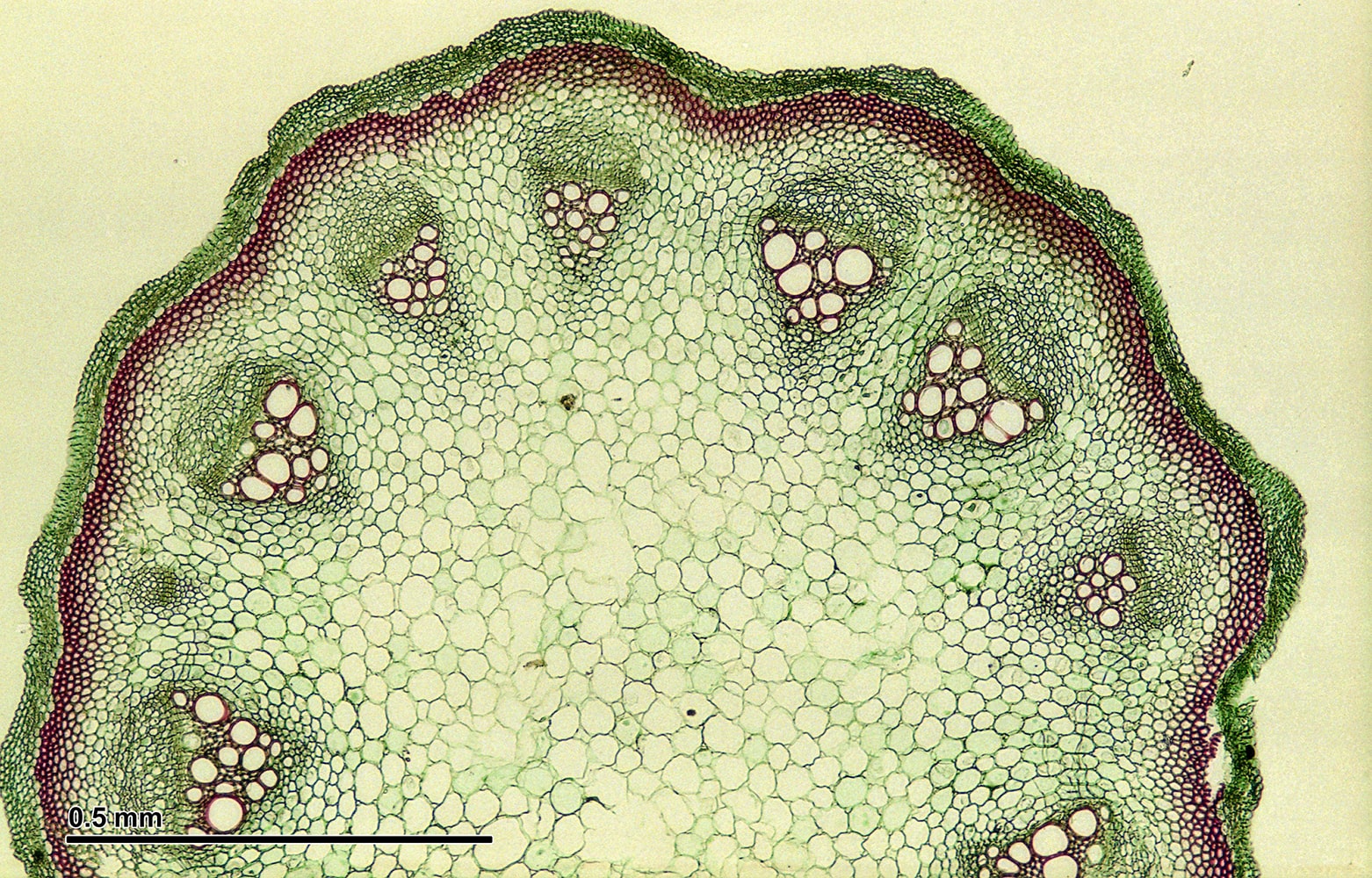
Light green to reddish-purple stout stems with hairs at the stem branches. Otherwise smooth.
Smooth (glabrous)
Whole Plant Traits
Perennial
Cultural Conditions
Full sun (6 or more hours of direct sunlight a day)
Partial Shade (Direct sunlight only part of the day, 2-6 hours)
Coastal
Mountains
Piedmont
Landscape
Butterfly Garden
Pollinator Garden
Rain Garden
Native Garden
Woodland
Naturalized Area
Pond
Butterflies
Pollinators
Songbirds
Bees

Thaspium barbinode Attributes

Thaspium barbinode: Country Or Region Of Origin

Eastern and central North America

Thaspium barbinode: Distribution

AL , AR , DC , DE , FL , GA , IA , IL , IN , KS , KY , LA , MI , MN , MO , MS , NC , NJ , NY , OH , OK , PA , SC , TN , TX , VA , WI , WV

Thaspium barbinode: Wildlife Value

This plant supports Black Swallowtail (Papilio polyxenes) larvae which appear between April and October and have one to two flights in the north or three flights in the south. Adult Black Swallowtail butterflies feed on flower nectar from thistles, milkweed and red clover.

Thaspium barbinode: Life Cycle

Annual
Biennial
Bulb
Perennial
Woody

Thaspium barbinode Fruit

Thaspium barbinode: Fruit Description

The fruit is 2-sectioned, oval-elliptic, slightly flattened and ridged with broad wings along most ridges. Displays from July to August

Thaspium barbinode: Display/Harvest Time

Fall
Spring
Summer
Winter

Thaspium barbinode Flowers

Thaspium barbinode: Flower Description

2-3 inch umbrels of light yellow flowers at the end of major stems. Blooms from April to June.

Thaspium barbinode: Flower Color

filter_vintage
Gold/Yellow

Thaspium barbinode: Flower Inflorescence

Catkin
Corymb
Cyme
Head
Insignificant
Panicle
Raceme
Solitary
Spadix
Spike
Umbel

Thaspium barbinode: Flower Bloom Time

Winter
Spring
Summer
Fall

Thaspium barbinode Leaves

Thaspium barbinode: Leaf Description

Large compound leaves are alternate and tend to be near the base of the plant. 2-3 Leaflets have medium to large blunt teeth and are 1-2 inches long and .5- 1 inch across. A few smaller leaves up the stem.

Thaspium barbinode: Leaf Color

spa
Green

Thaspium barbinode: Leaf Type

Compound (Pinnately , Bipinnately, Palmately)
Fronds
Needles
Sheath
Simple

Thaspium barbinode: Leaf Arrangement

Alternate
Opposite
Other/more complex
Rosulate
Whorled

Thaspium barbinode: Hairs Present

No
Yes

Thaspium barbinode: Leaf Length

< 1 inch
1-3 inches
3-6 inches
> 6 inches

Thaspium barbinode: Leaf Width

< 1 inch
1-3 inches
3-6 inches
> 6 inches

Thaspium barbinode Stem

Thaspium barbinode: Stem Description

Light green to reddish-purple stout stems with hairs at the stem branches. Otherwise smooth.

Thaspium barbinode: Stem Is Aromatic

No
Yes

Thaspium barbinode: Stem Cross Section

Angular
Oval
Round
Square

Thaspium barbinode: Stem Surface

Corky Ridges
Covered with a powdery bloom (glaucous)
Dull
Hairy (pubescent)
Polished
Smooth (glabrous)

Thaspium barbinode Whole Plant Traits

Thaspium barbinode: Plant Type

Annual
Bulb
Carnivorous
Edible
Epiphyte
Fern
Ground Cover
Herb
Herbaceous Perennial
Houseplant
Mushroom
Native Plant
Ornamental Grasses and Sedges
Perennial
Poisonous
Rose
Shrub
Succulent
Tree
Turfgrass
Vegetable
Vine
Water Plant
Weed
Wildflower

Thaspium barbinode Cultural Conditions

Thaspium barbinode: Light

Dappled Sunlight (Shade through upper canopy all day)
Deep shade (Less than 2 hours to no direct sunlight)
Full sun (6 or more hours of direct sunlight a day)
Partial Shade (Direct sunlight only part of the day, 2-6 hours)

Thaspium barbinode: Soil Drainage

Frequent Standing Water
Good Drainage
Moist
Occasional Flooding
Occasionally Dry
Occasionally Wet
Very Dry

Thaspium barbinode: NC Region

Coastal
Mountains
Piedmont

Thaspium barbinode Landscape

Thaspium barbinode: Landscape Theme

Asian Garden
Butterfly Garden
Children's Garden
Cottage Garden
Cutting Garden
Drought Tolerant Garden
Edible Garden
English Garden
Fairy Garden
Garden for the Blind
Native Garden
Nighttime Garden
Pollinator Garden
Rain Garden
Rock Garden
Shade Garden
Water Garden
Winter Garden

Thaspium barbinode: Landscape Location

Coastal
Container
Hanging Baskets
Houseplants
Lawn
Meadow
Naturalized Area
Near Septic
Patio
Pond
Pool/Hardscape
Recreational Play Area
Riparian
Rock Wall
Slope/Bank
Small Space
Vertical Spaces
Walkways
Woodland

Thaspium barbinode: Attracts

Bats
Bees
Butterflies
Frogs
Hummingbirds
Moths
Pollinators
Predatory Insects
Reptiles
Small Mammals
Songbirds
Specialized Bees