Tilia tomentosa: Country Or Region Of Origin
Southeastern Europe and western Asia
Phonetic Spelling:TIL-ee-uh toh-men-TOH-suh
Genus:Tilia
Species:tomentosa
Family:Malvaceae
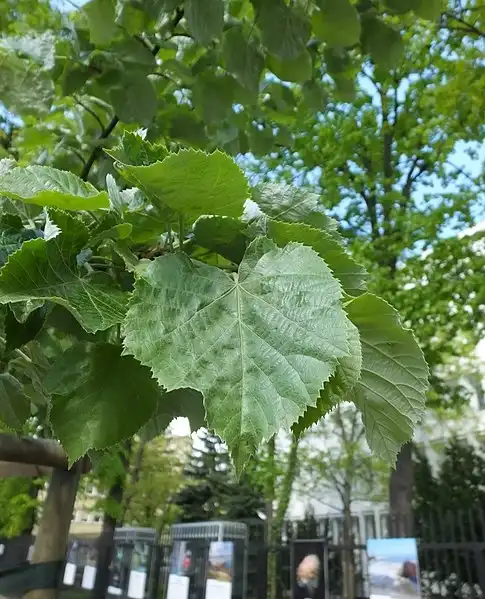
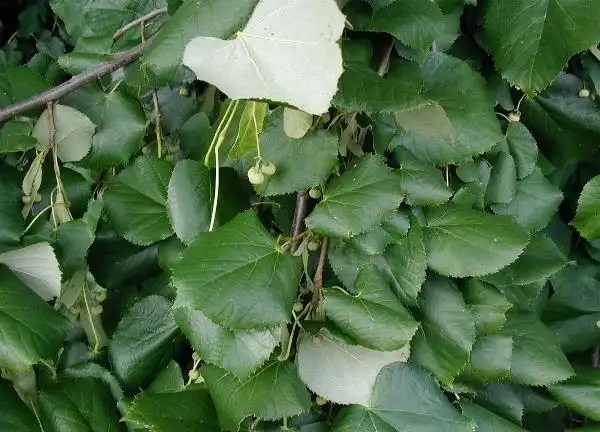
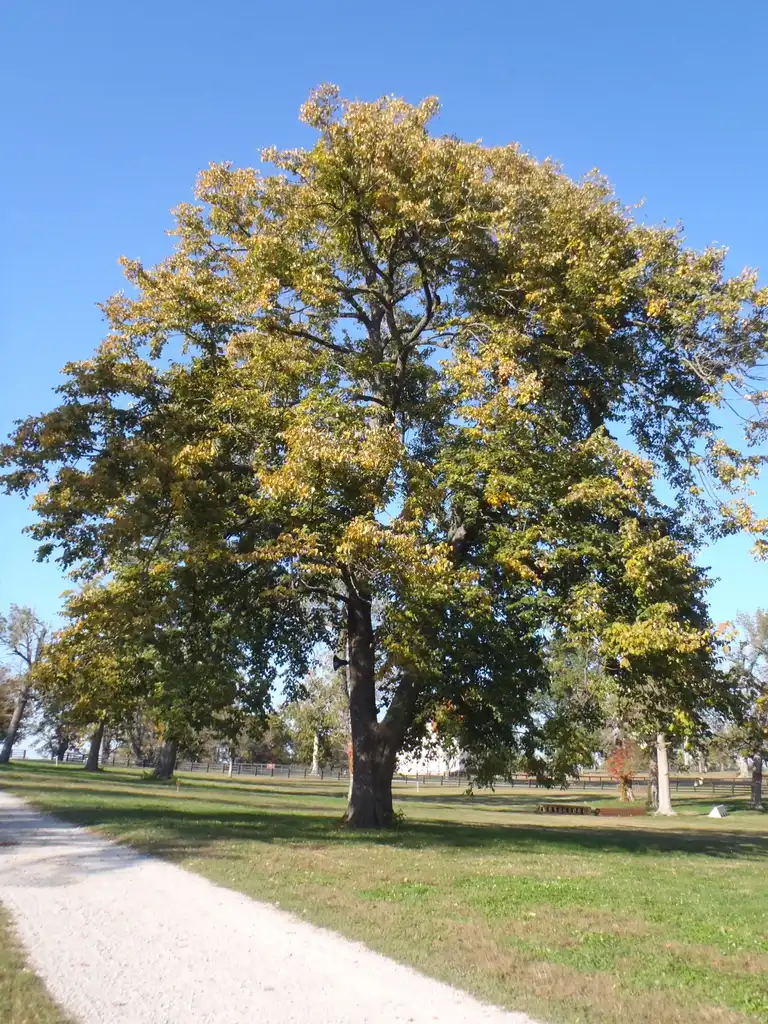
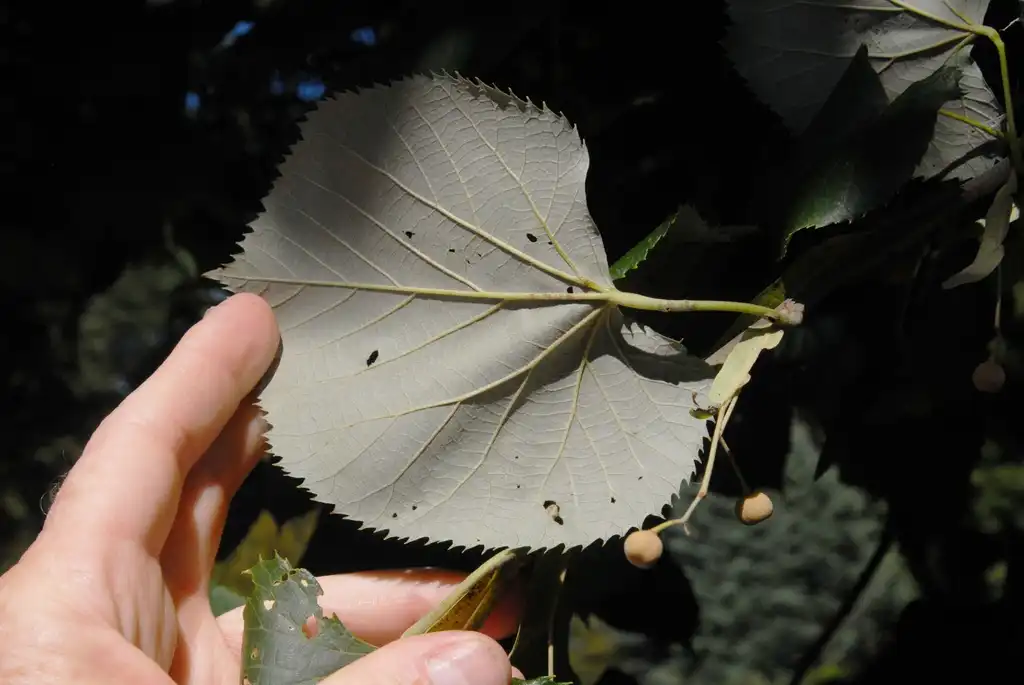
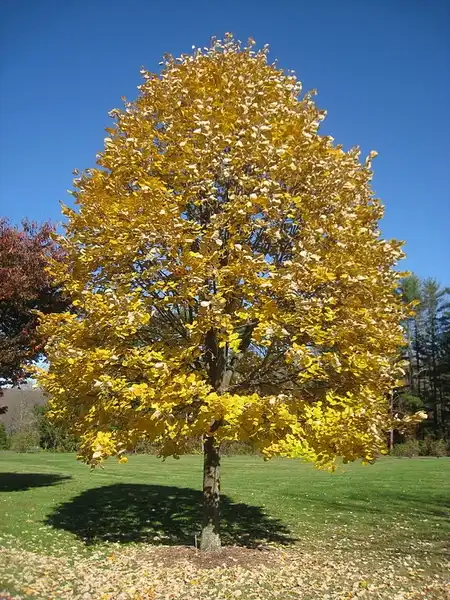
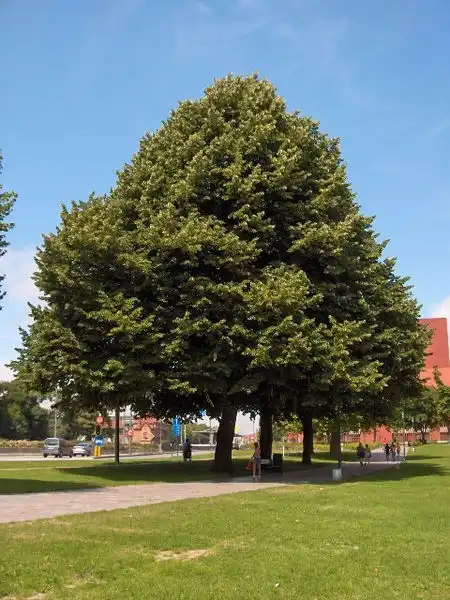
The Silver Linden is a sizable deciduous tree belonging to the Malvaceae family, widely appreciated for its use as a shade tree, in parkways, along streets, or as a specimen tree. It features a broad pyramidal form with a thick canopy and upright branches. The leaves are glossy green on top with silvery-white undersides, making them particularly appealing. This tree is also known by several other names, including Silver Lime, European White, and White Lime. Certain cultivars exhibit increased resistance to pests like aphids and Japanese Beetles.
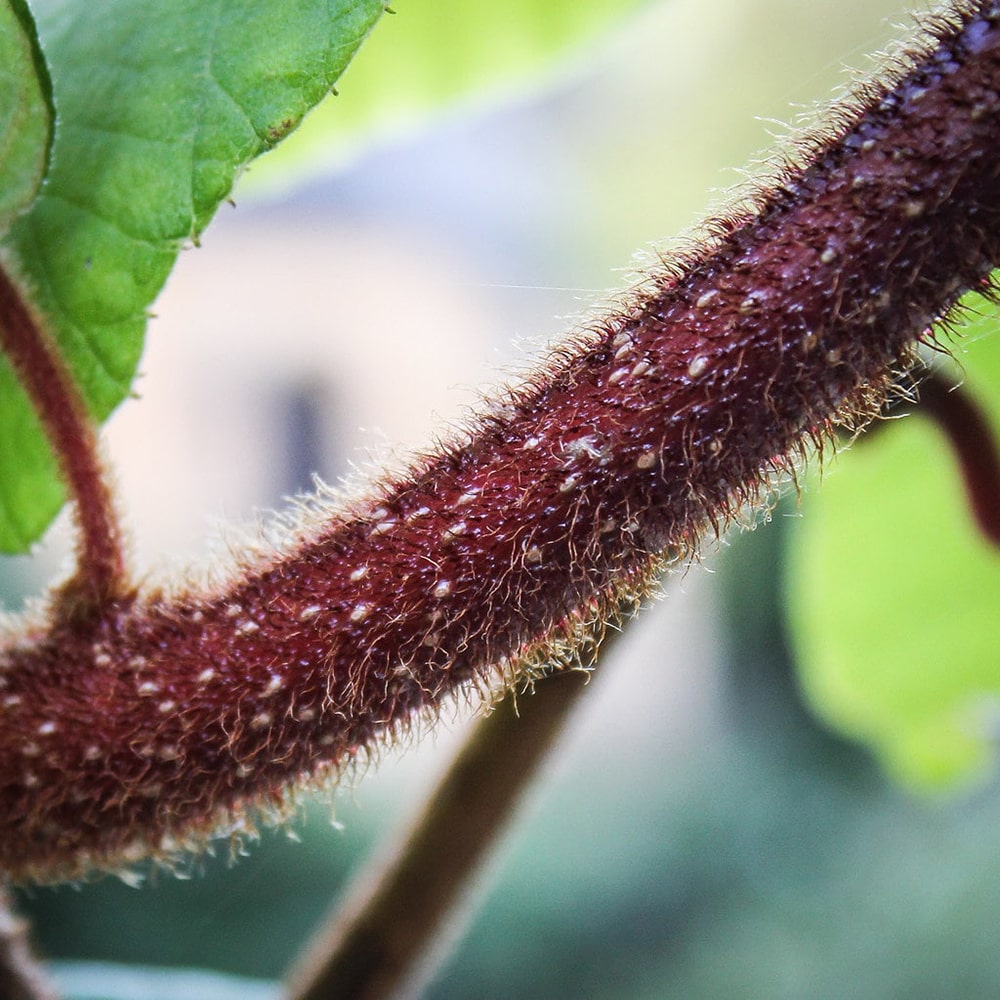
Originating from southeastern Europe and western Asia, the Silver Linden's genus name, Tilia, is derived from the Latin term for Linden or Lime Tree. This name traces back to the Greek words ptelea, meaning "Elm tree," and tillai, which refers to "Black Poplar." The term suggests a meaning of "broad" or "broad-leaved." The species name, tomentosa, translates to "covered with soft, woolly hairs," a reference to the texture of the leaf undersides. Commonly, this genus is referred to as Linden or Lime.
This tree thrives in moist, well-drained loamy soils and prefers full to partial sunlight. It demonstrates moderate tolerance to drought, salt, pollution, and heat. To ensure a robust structure, regular pruning is necessary, and ample space is required for its growth.
Propagation methods for the Silver Linden include seeding, layering, grafting, or chip-budding onto suitable rootstock. After planting, it is important to water the tree consistently, and any sprouts that emerge at the base should be removed.
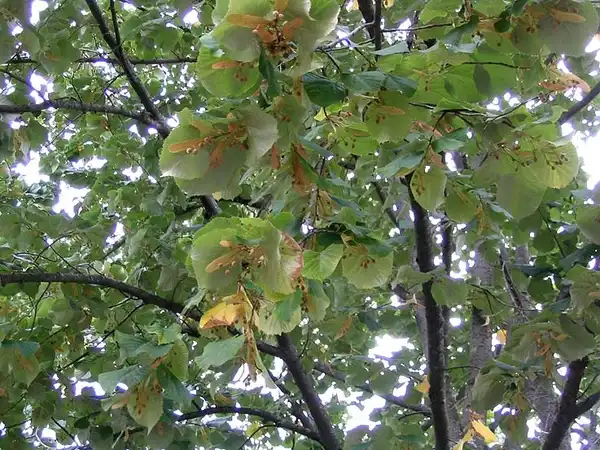
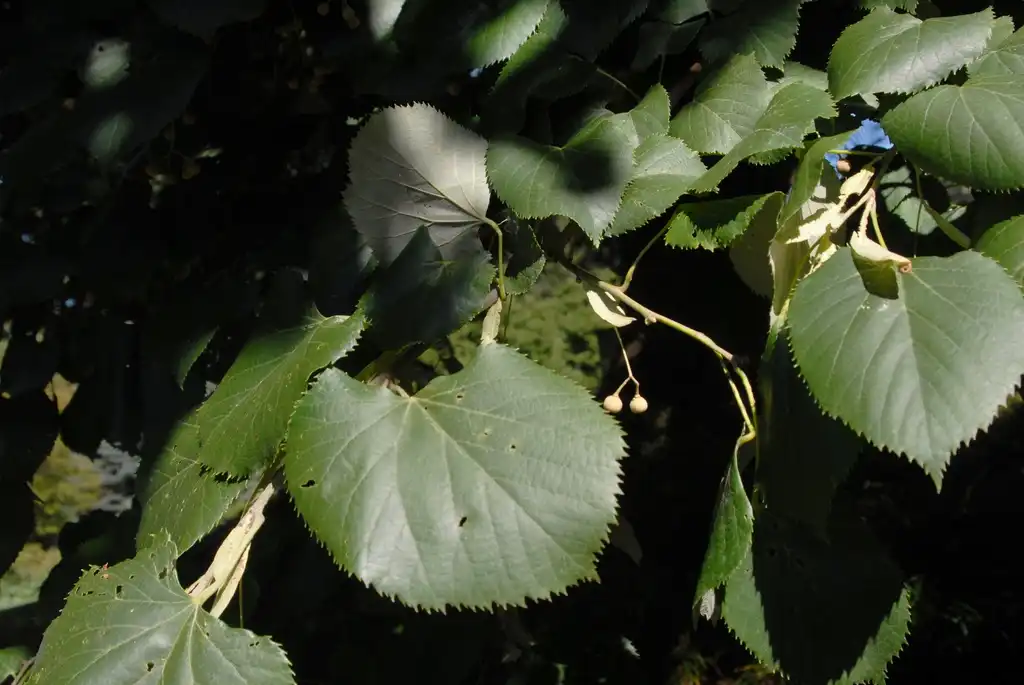
The Silver Linden typically reaches heights of 50 to 70 feet and spreads 30 to 50 feet wide. Its heart-shaped leaves, with serrated edges, are green above and silvery beneath. From June to July, fragrant clusters of creamy-white flowers bloom, followed by small nutlets that mature in late summer.
The nectar-rich flowers attract bees and butterflies, although the fruits do not draw wildlife.
This striking ornamental shade tree can enhance the visual appeal of expansive lawns, parkways, or urban streets.
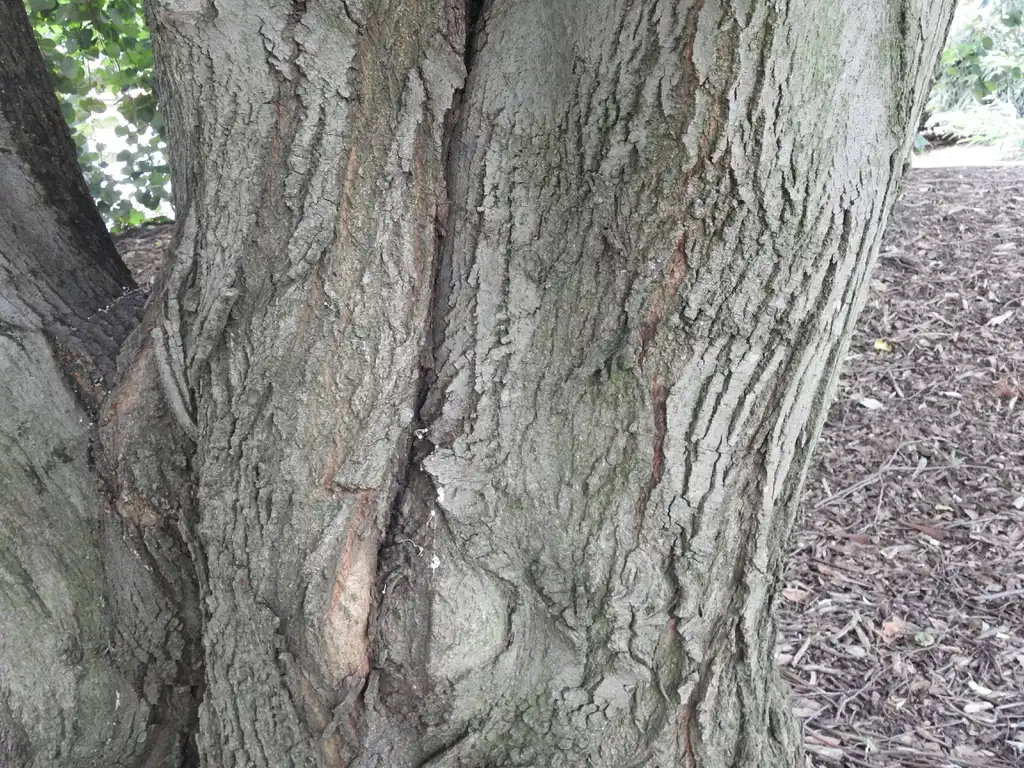
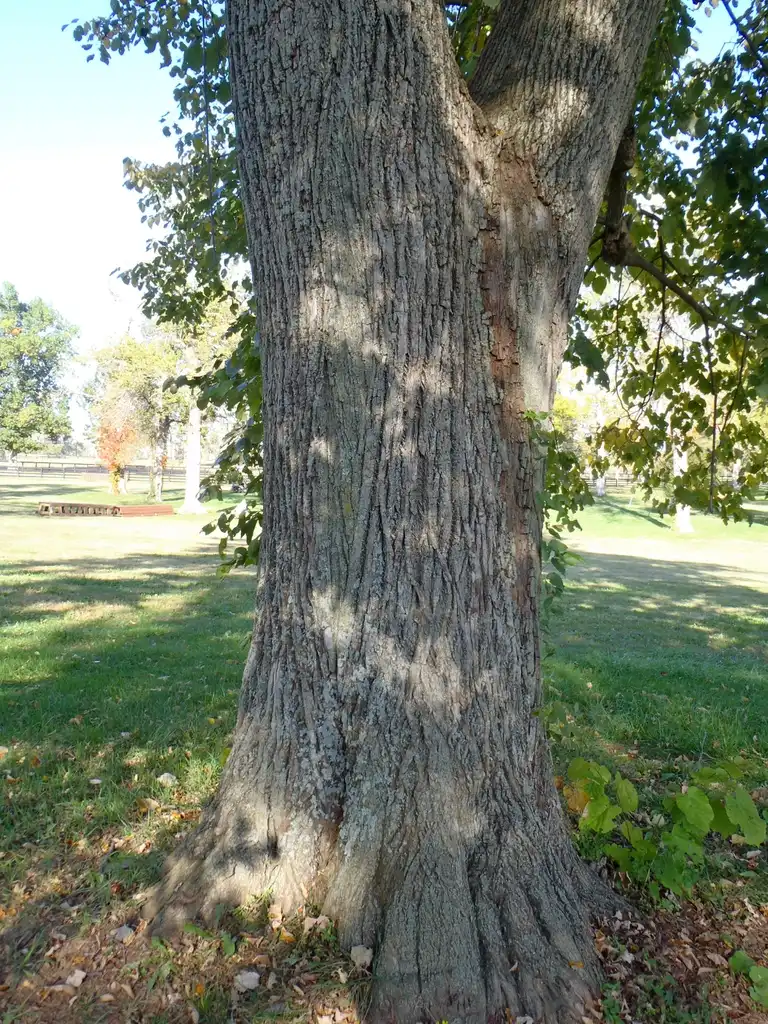
**Quick Identification Tips:**
**Diseases, Insects, and Other Issues:**
The Silver Linden is generally resilient, facing few serious insect or disease threats. Potential issues include aphids, borers, walnut lace bugs, caterpillars, leaf miners, scales, and mites. Aphids can produce a substance that leads to dark sooty deposits. Fortunately, the Silver Linden is reportedly less vulnerable to Japanese Beetles. Occasional diseases such as anthracnose, leaf blight, cankers, leaf spots, powdery mildew, and verticillium wilt may arise.
Tilia tomentosa Feature Summary