Trillium: Uses (Ethnobotany)
Has been used medicinally through the ages as astringents, coagulants, expectorants, and uterine stimulants.
Phonetic Spelling:TRIL-ee-um
Genus:Trillium
Species:
Family:Melanthiaceae
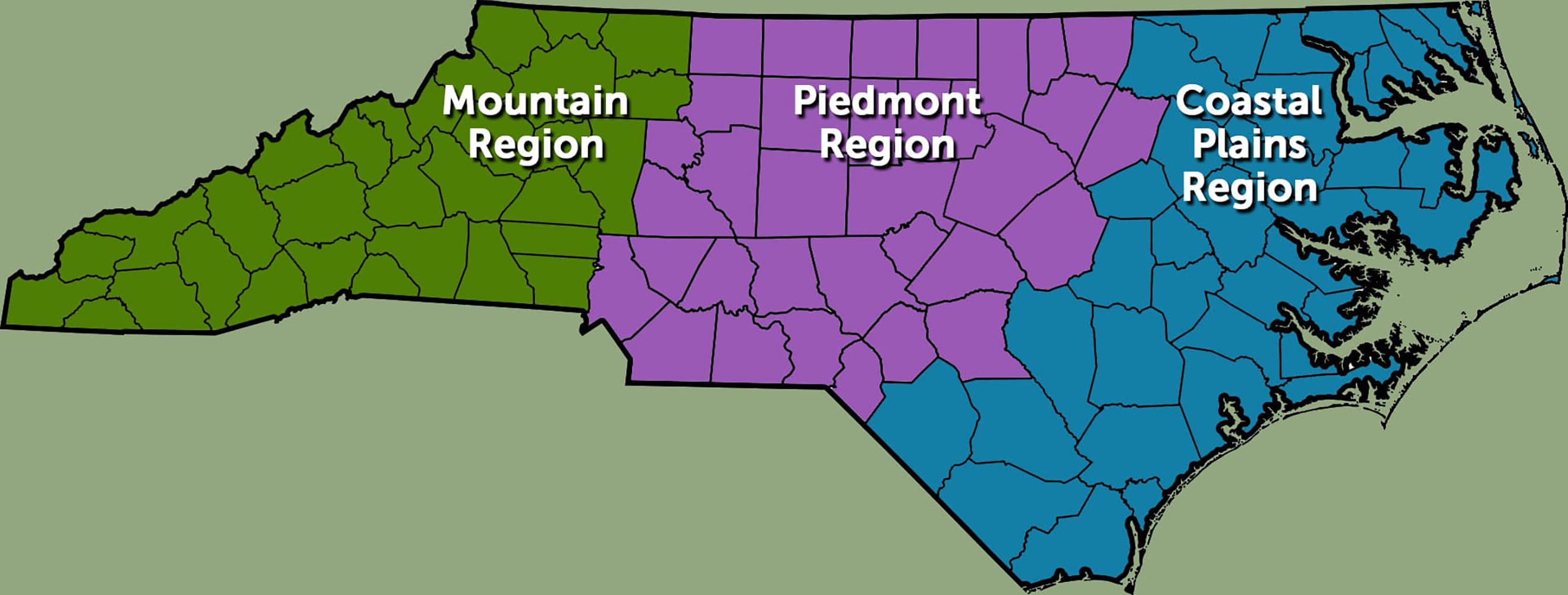
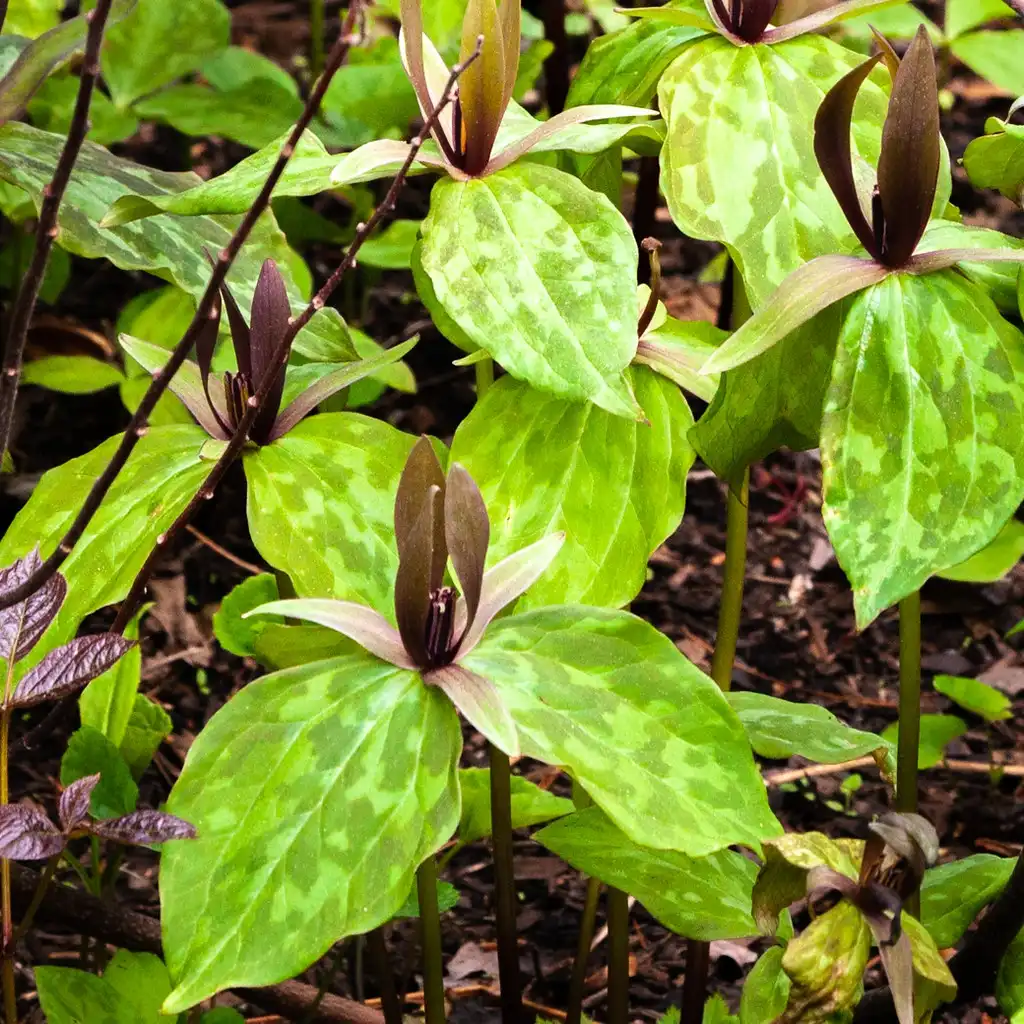
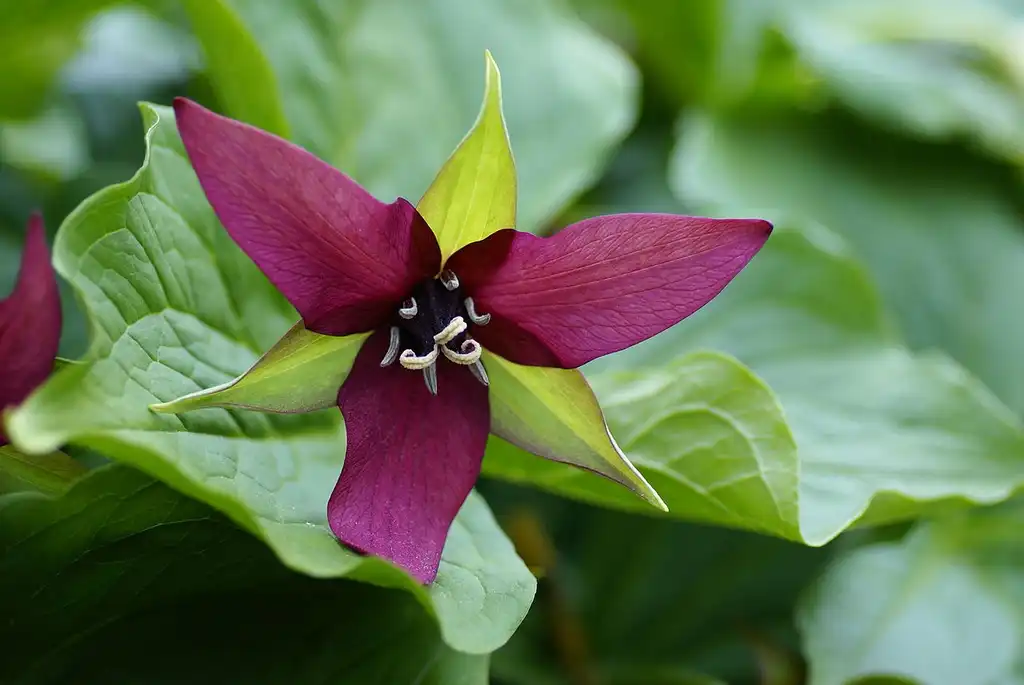
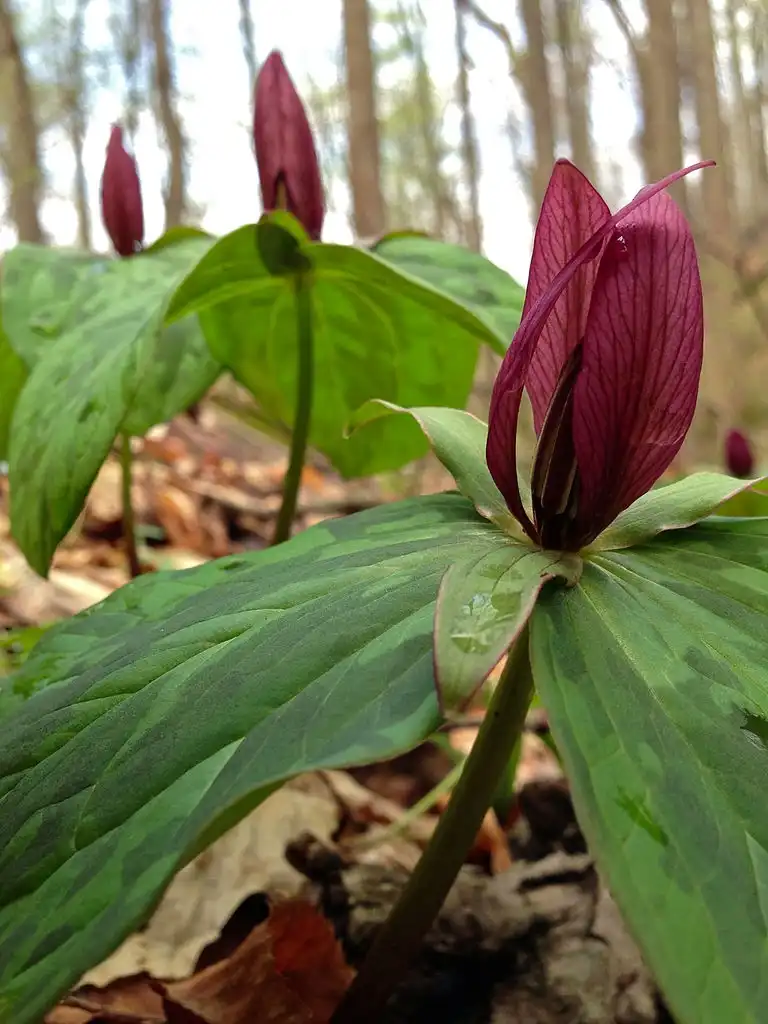
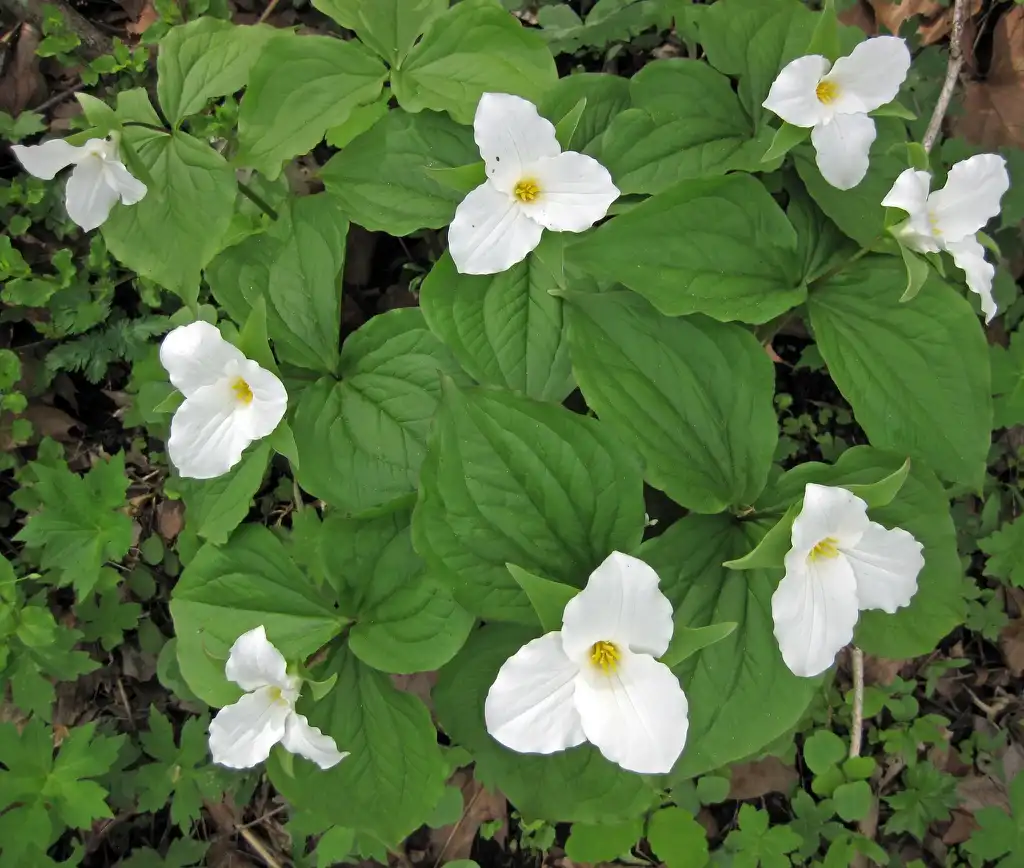
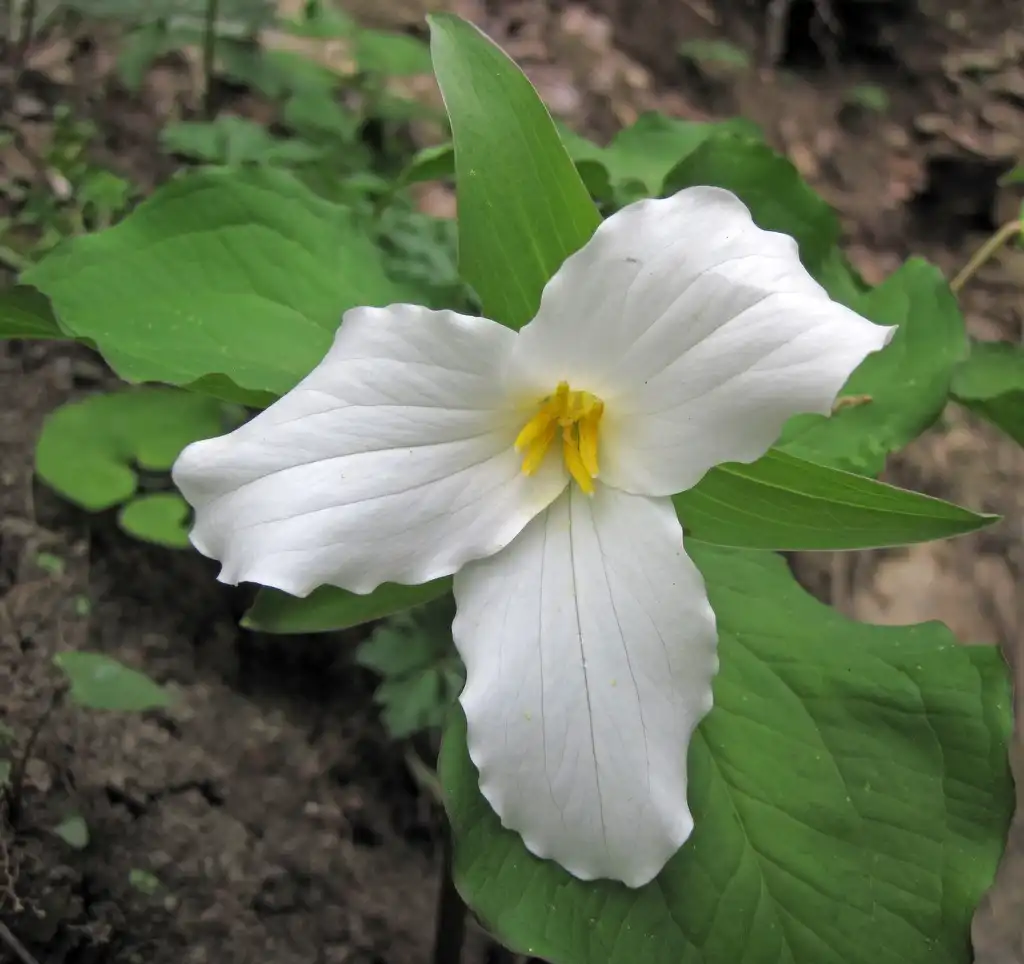
Trilliums, a wildflower native to North America and belonging to the lily family, encompass 38 distinct species. In North Carolina, these flowers primarily thrive in mountainous regions, with a few varieties also found in the coastal and Piedmont areas. Each trillium features three petals and three bracts, which come in various colors and are often mottled.
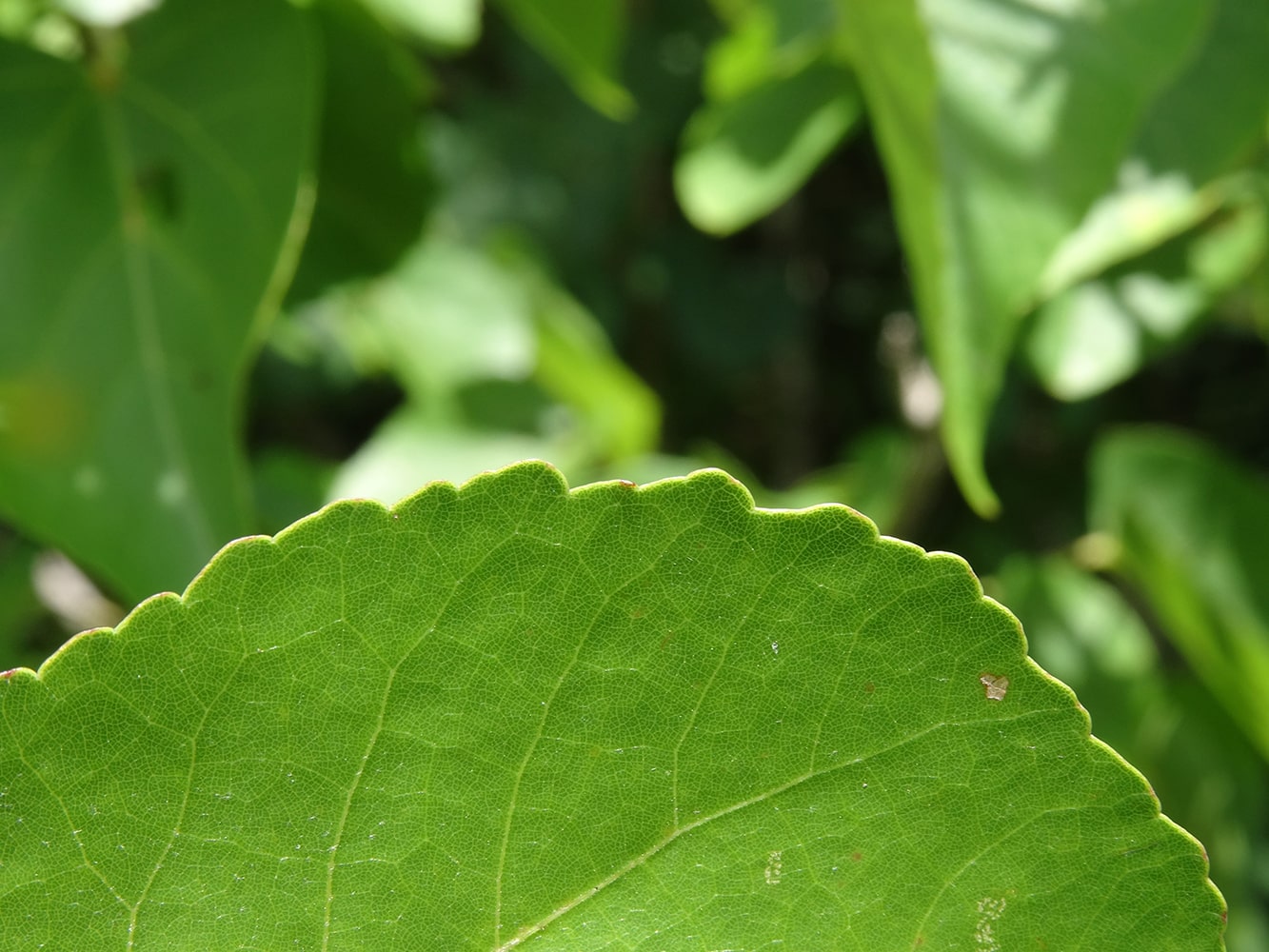
Technically, trilliums lack traditional above-ground stems or leaves. Instead, what appears to be the stem is actually an extension of the underground rhizome, while the leaves are the flower's bracts. The flowers may either rise above the bracts on a stem or rest directly beneath them. Trilliums can be categorized into two main groups: those with a stem that elevates the flower above the bracts and those that are sessile, lacking a stem. The size of the flowers can vary significantly, ranging from large and striking to small and subtle.
These plants thrive in rich, loamy, or humusy soils that offer good drainage and a neutral pH, typically preferring partial to full shade. It’s best to shield them from the harsh afternoon sun and to maintain moisture during their growing season, allowing for drier conditions when they are dormant.
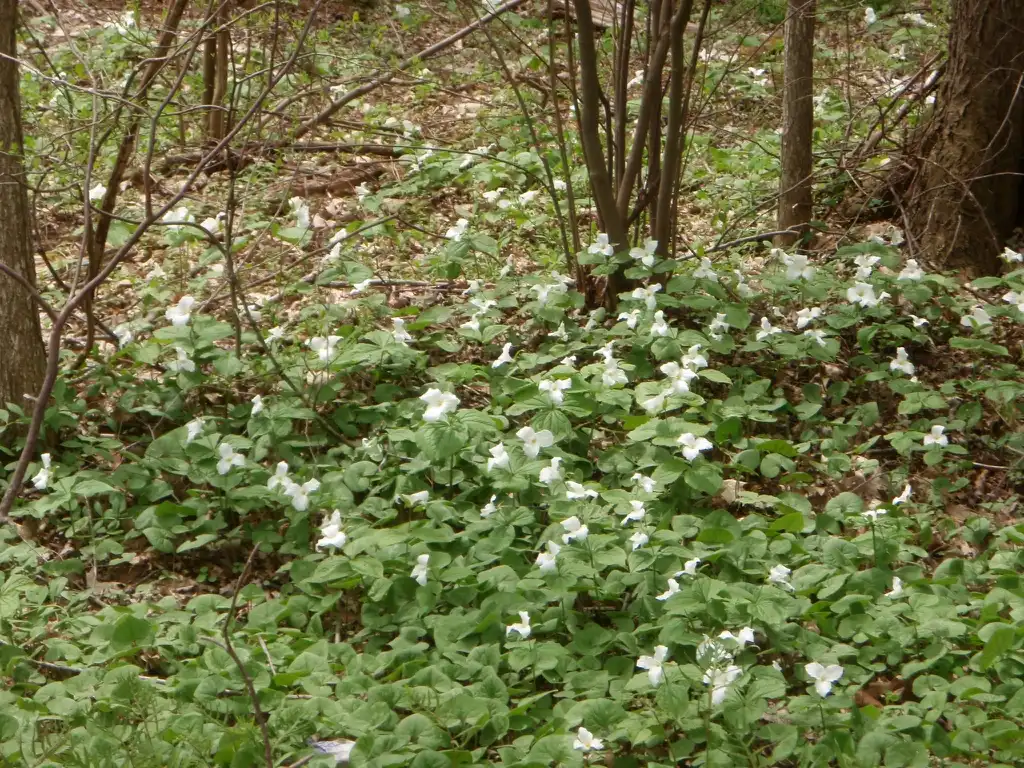
Trilliums make an excellent addition to shade gardens, providing vibrant spring color beneath trees or in woodland settings. Although they spread slowly, they are known for their longevity.
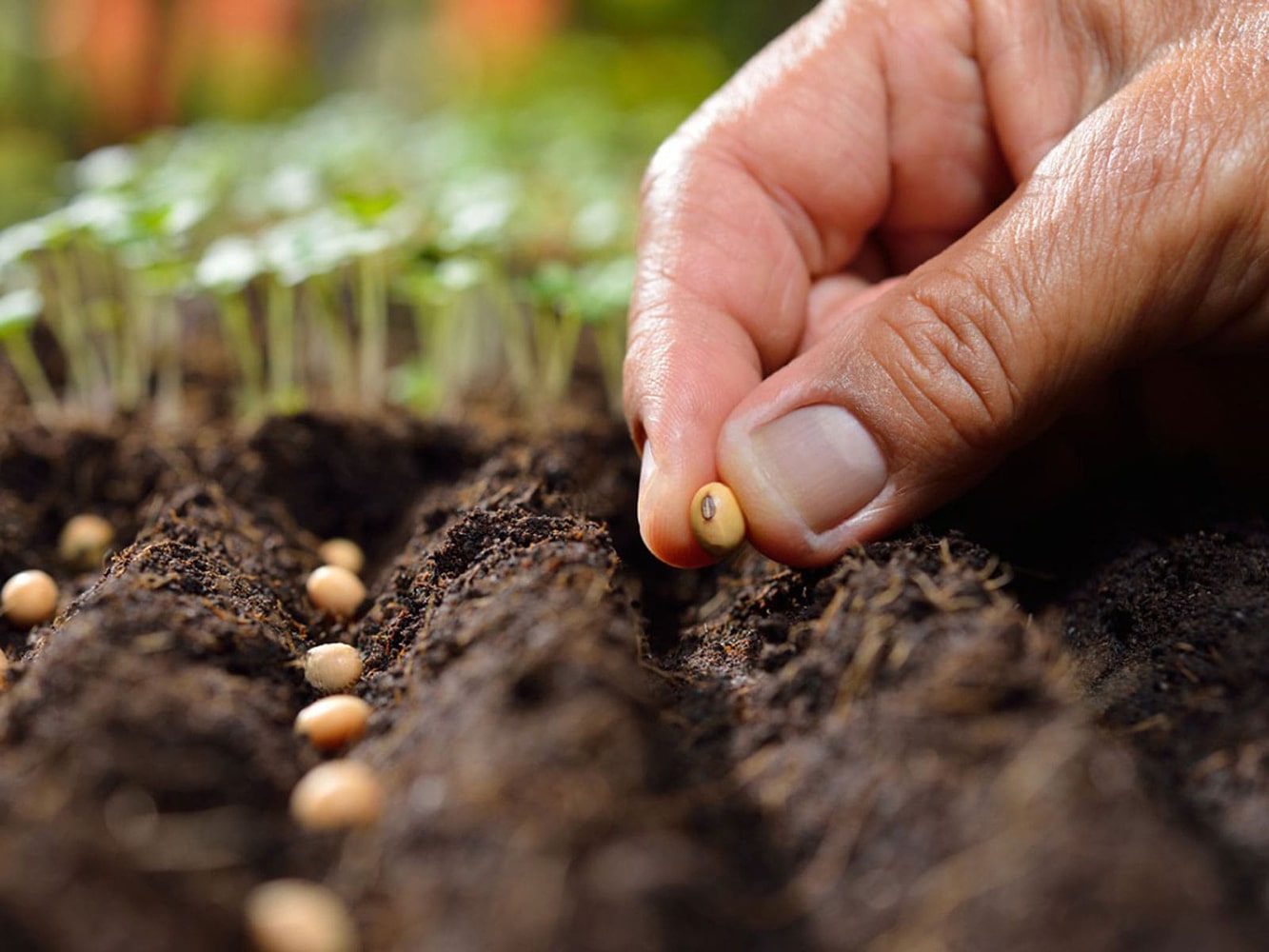
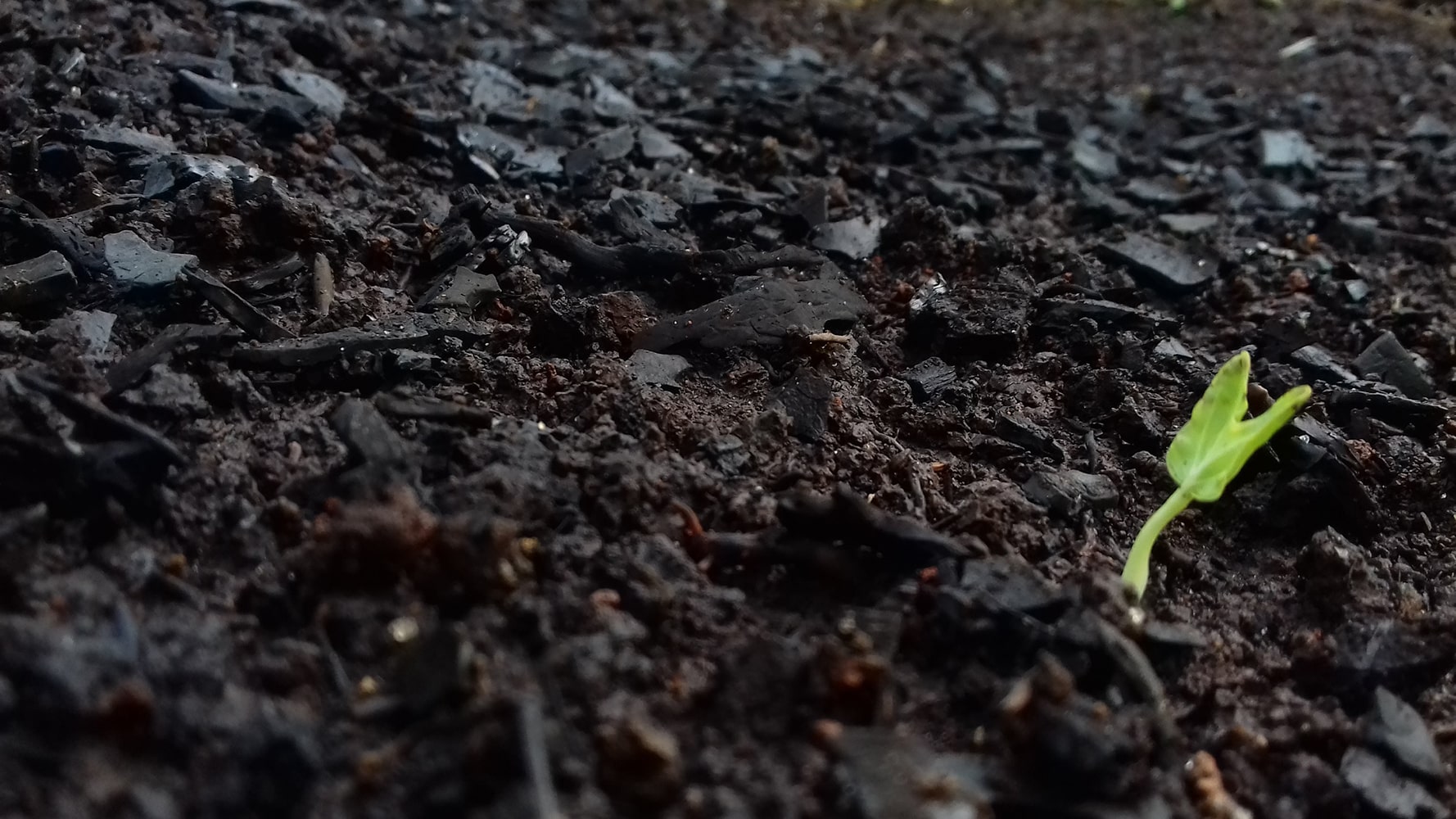
It takes trillium seedlings two to three years to develop their signature three-leaf structure, so if you notice long, slender leaves emerging from the soil around your trilliums, resist the urge to remove them! The journey from seed to a mature, flowering plant can take seven years or more. Be cautious when purchasing trilliums, as inexpensive options are often illegally harvested from the wild; always buy from reputable sources. Seeds are typically dispersed by ants and ground-nesting wasps, like Yellow Jackets, while deer are fond of munching on trilliums.
Regarding pests and diseases, trilliums generally face no significant issues. However, slugs and snails can occasionally be problematic, and they may experience minor diseases such as leaf spot, rust, and smut. Additionally, these plants do not transplant well.