Tulipa: Country Or Region Of Origin
Southern Europe to Central Asia
Phonetic Spelling:TOO-li-pa
Genus:Tulipa
Species:
Family:Liliaceae
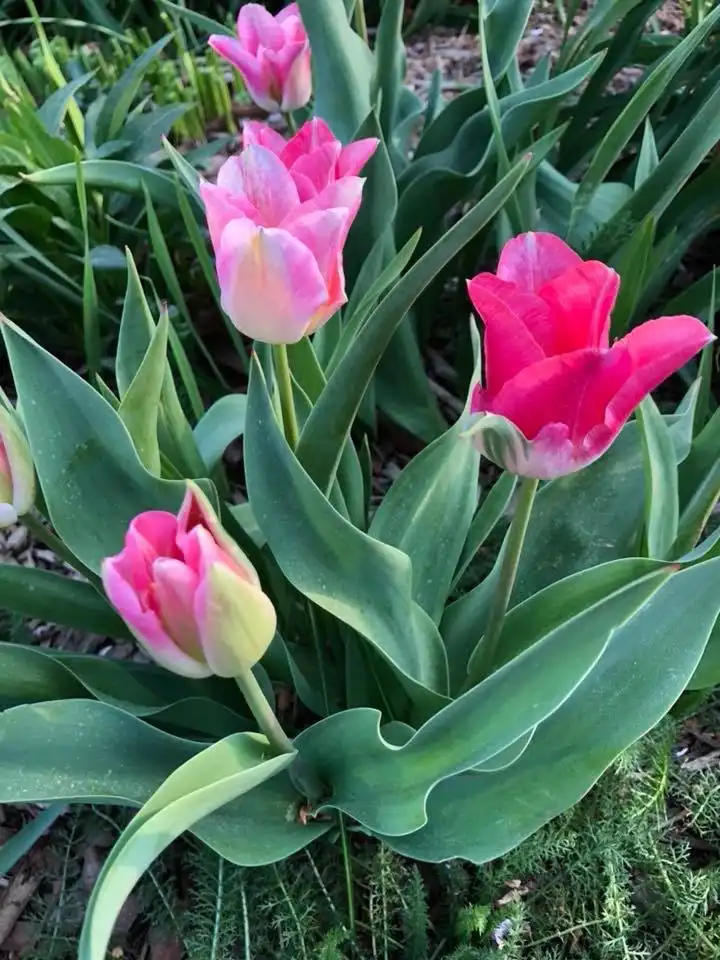
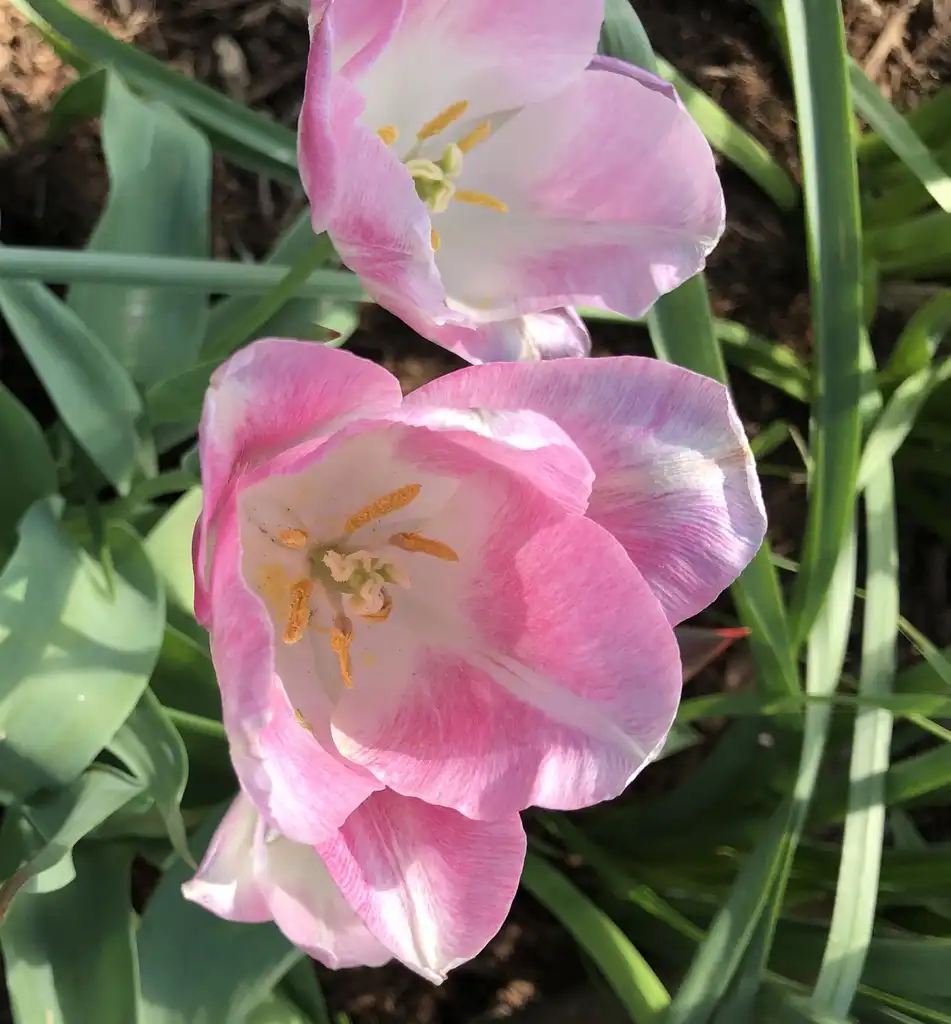
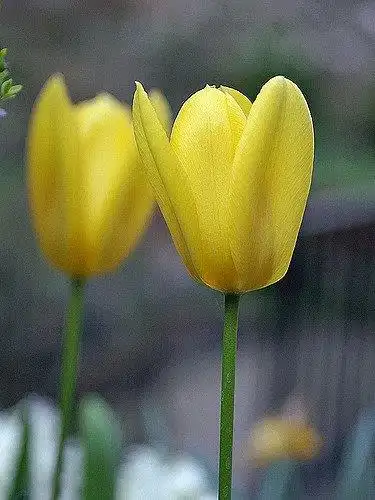
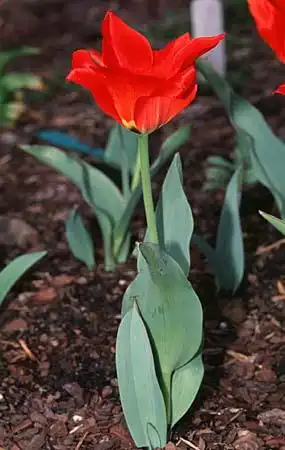
Tulipa, commonly known as the Tulip, is a perennial herb that produces vibrant blooms in mid to late spring, showcasing a variety of solid and mixed colors, though true blue is absent. These flowers thrive in well-drained, fertile soils that are rich in organic matter and maintain medium moisture levels, ideally under full sunlight. Tulips flourish in regions characterized by cool, moist winters and warm, dry summers, and they are often planted in large groups for a striking visual impact.
The garden tulip, along with numerous intricate hybrid varieties, is widely cultivated for its springtime blossoms. Currently, there are over 3,500 recognized names for tulips. The classification of Tulipa can be complex due to its extensive history of cultivation, hybridization, and selective breeding. Generally, tulips are categorized into 15 divisions based on their flower shape and origin. For instance, the Single Early Group features cup-shaped flowers that bloom early in the season, while the Single Late Group showcases similar flowers that appear later. The Parrot Group is known for its unique, fringed, and ruffled tepals, among other classifications.
To cultivate tulips from bulbs, plant them 4 to 6 inches deep in the fall, which is about three times the bulb's height. In heavy clay soils, a slightly shallower planting depth is advisable. Space the bulbs 2 to 5 inches apart, depending on their size. While tulips can be grown as either perennials or annuals, species tulips tend to thrive better as perennials compared to hybrids. When maintaining tulips as perennials, it is important to remove spent flower stems promptly after blooming to prevent seeding, but allow the foliage to remain until it turns yellow. Typically, tulip performance diminishes significantly after the second year, leading many growers to treat hybrids as annuals.
**Diseases, Insects, and Other Plant Issues:**
The Tulip break virus can cause white or green streaks in the flower's perianth. These plants are sensitive to heat and may lose their floral vigor when soil temperatures exceed 70 degrees Fahrenheit. Bulb and root rot can occur, especially in wet, poorly drained conditions. Other potential issues include gray mold and mosaic virus. Common pests include aphids, slugs, and snails, while mice and voles are drawn to the bulbs, and squirrels may disturb newly planted ones.