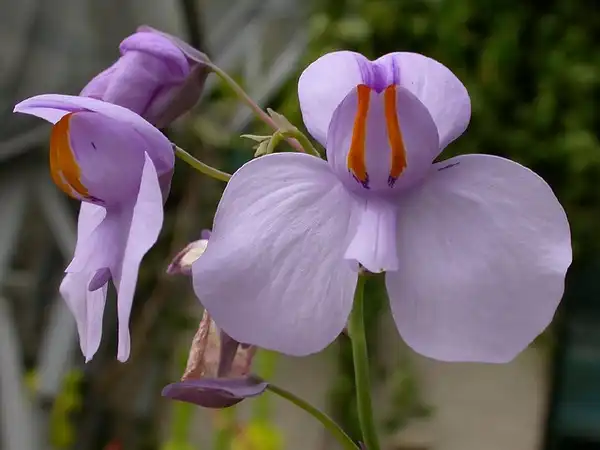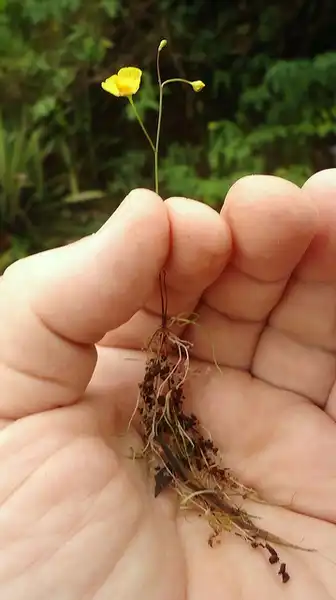
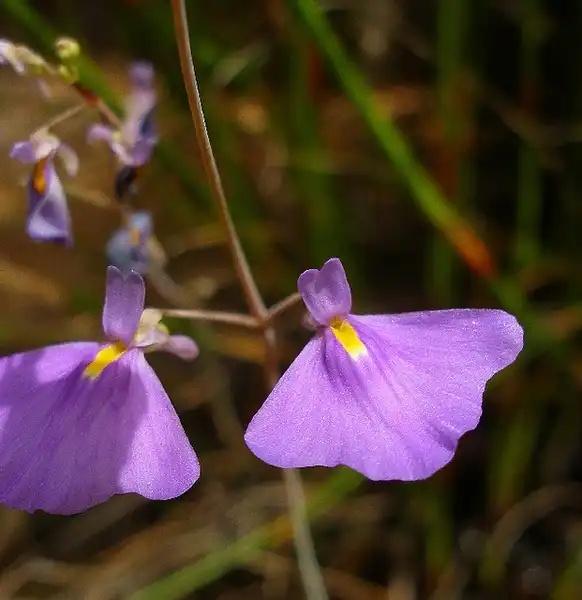
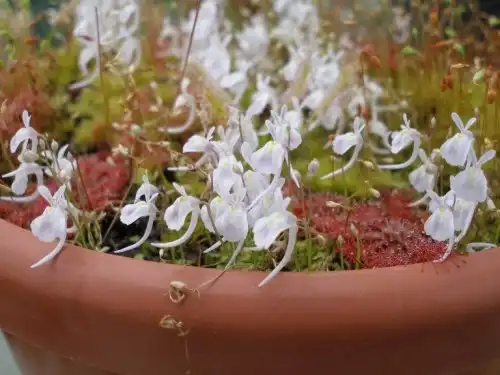
• Photo of Utricularia (Utricularias)

Plant Profile: Utricularia

Taxonomy: Utricularia

Names

Bladderwort

  • Photo of Utricularia (Utricularias)

Phonetic Spelling:yoo-trik-u-LAR-ee-uh

Genus:Utricularia

Species:

Family:Lentibulariaceae

Bladderworts are found all over the globe, boasting more than 200 distinct species. As the largest group of carnivorous plants, they stand out due to their remarkable bladder mechanism. These plants ensnare small organisms using their minuscule bladders, which feature a trap door activated by sensitive hairs. When prey brushes against these hairs, the door opens almost instantaneously, drawing the creature inside and sealing shut within approximately 2.5 milliseconds. Their primary diet consists of water flies and mosquito larvae.

Aquatic bladderwort species are typically fully submerged, with only their stems and flowers visible. They may either anchor themselves to the substrate or float freely. Other types thrive in extremely moist soil or as epiphytes, predominantly in tropical regions. Notably, these plants lack true roots and favor still, shallow, acidic waters that are low in nutrients. Some species have the potential to become invasive.

Tropical bladderworts can thrive in containers, making them suitable as houseplants. They can be classified as either perennials or annuals.

Utricularia Feature Summary

Utricularia Image Gallery

Tags

#deciduous
#full sun tolerant
#water garden
#perennial
#carnivorous
#weedy
#epiphytic
#water plant
#pond
#container plants

Similar Plants

Utricularia Feature Summary

Attributes
North America and most places in the world
Every state
It provides a place for swamp critters to lay their eggs and shelter for animals like turtles, salamanders, and bullfrogs.
Perennial
Annual
Flowers
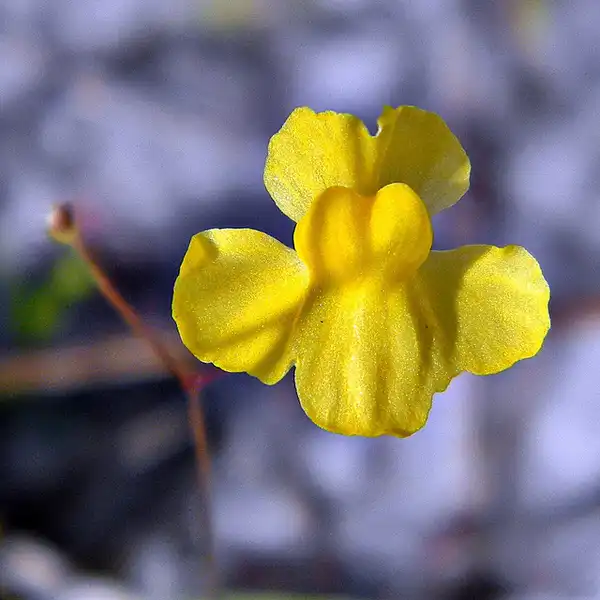
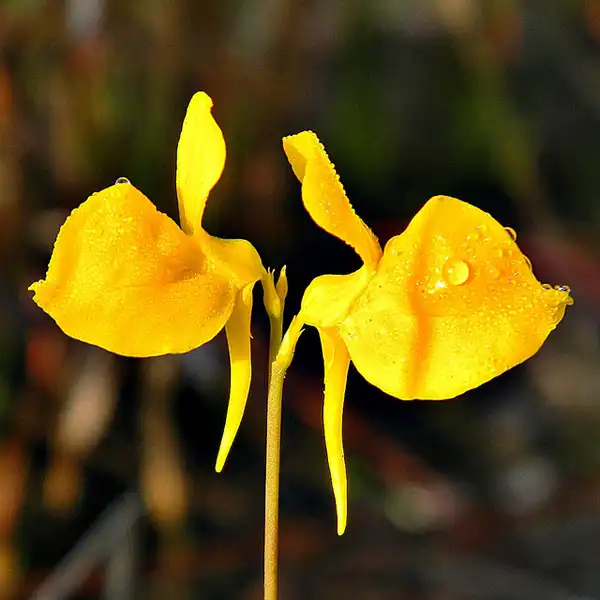
Small flowers with 2 asymmetrical petals in pink, purple, white or yellow appear in spring and summer and are held above the water on 1-5 inch stems. They range in size from 2 mm to 10 cm wide. The epiphytic species of South America have the showiest flowers.
Purple/Lavender
Gold/Yellow
Spring
Summer
2-3 rays/petals
Tubular
Lipped
< 1 inch
Leaves
Modified stems and leaves act as anchors and storage. Bladders trap small water insects. Leaves are a star-shaped mat with delicate, threadlike stems. Terrestrial species sometimes produce a few photosynthetic leaf-shoots.
Stem
Most species form long, thin, sometimes branching stems or stolons beneath the surface of the substrate whether it be water or soil.
Whole Plant Traits
Cultural Conditions
Full sun (6 or more hours of direct sunlight a day)
Acid (<6.0)
Frequent Standing Water
Coastal
Landscape
Rain Garden
Water Garden
Container
Houseplants
Pond

Utricularia Attributes

Utricularia: Country Or Region Of Origin

North America and most places in the world
Utricularia: Distribution

Every state

Utricularia: Wildlife Value

It provides a place for swamp critters to lay their eggs and shelter for animals like turtles, salamanders, and bullfrogs.

Utricularia: Life Cycle

Annual
Biennial
Bulb
Perennial
Woody

Utricularia: Recommended Propagation Strategy

Division
Grafting
Layering
Leaf Cutting
Root Cutting
Seed
Stem Cutting

Utricularia Flowers

Utricularia: Flower Description

Small flowers with 2 asymmetrical petals in pink, purple, white or yellow appear in spring and summer and are held above the water on 1-5 inch stems. They range in size from 2 mm to 10 cm wide. The epiphytic species of South America have the showiest flowers.

Utricularia: Flower Color

filter_vintage
Gold/Yellow
filter_vintage
Purple/Lavender

Utricularia: Flower Inflorescence

Catkin
Corymb
Cyme
Head
Insignificant
Panicle
Raceme
Solitary
Spadix
Spike
Umbel

Utricularia: Flower Value To Gardener

Edible
Fragrant
Good Cut
Good Dried
Long Bloom Season
Long-lasting
Showy

Utricularia: Flower Bloom Time

Winter
Spring
Summer
Fall

Utricularia: Flower Petals

2-3 rays/petals
4-5 petals/rays
6 petals/rays
7 - 20 petals/rays
asymmetrical petals
Bracts
Colored Sepals
fused petals
more than 20 petals/rays
Tepals

Utricularia: Flower Shape

Bell
Cross
Crown
Cup
Dome
Funnel
Irregular
Lipped
Radial
Saucer
Star
Trumpet
Tubular
Urn
Wheel

Utricularia: Flower Size

1-3 inches
3-6 inches
< 1 inch
> 6 inches

Utricularia Leaves

Utricularia: Leaf Description

Modified stems and leaves act as anchors and storage. Bladders trap small water insects. Leaves are a star-shaped mat with delicate, threadlike stems. Terrestrial species sometimes produce a few photosynthetic leaf-shoots.

Utricularia: Woody Plant Leaf Characteristics

Broadleaf Evergreen
Deciduous
Needled Evergreen
Semi-evergreen

Utricularia: Leaf Color

spa
Green

Utricularia: Leaf Type

Compound (Pinnately , Bipinnately, Palmately)
Fronds
Needles
Sheath
Simple

Utricularia: Leaf Arrangement

Alternate
Opposite
Other/more complex
Rosulate
Whorled

Utricularia: Leaf Shape

Acicular
Auriculate
Cordate
Cuneate
Deltoid
Elliptical
Filiform
Lanceolate
Linear
Oblanceolate
Oblong
Obovate
Obtuse
Orbicular
Ovate
Palmasect
Palmatifid
Peltate
Pinnatifid
Pinnatisect
Reniform
Rhomboidal
Spatulate
Subcordate
Subulate

Utricularia: Hairs Present

No
Yes

Utricularia Stem

Utricularia: Stem Description

Most species form long, thin, sometimes branching stems or stolons beneath the surface of the substrate whether it be water or soil.

Utricularia: Stem Is Aromatic

No
Yes

Utricularia Whole Plant Traits

Utricularia: Plant Type

Annual
Bulb
Carnivorous
Edible
Epiphyte
Fern
Ground Cover
Herb
Herbaceous Perennial
Houseplant
Mushroom
Native Plant
Ornamental Grasses and Sedges
Perennial
Poisonous
Rose
Shrub
Succulent
Tree
Turfgrass
Vegetable
Vine
Water Plant
Weed
Wildflower

Utricularia: Woody Plant Leaf Characteristics

Broadleaf Evergreen
Deciduous
Needled Evergreen
Semi-evergreen

Utricularia: Habit/Form

Arching
Ascending
Broad
Cascading
Climbing
Clumping
Columnar
Conical
Creeping
Dense
Erect
Horizontal
Irregular
Mounding
Multi-stemmed
Multi-trunked
Open
Oval
Prostrate
Pyramidal
Rounded
Spreading
Vase
Weeping

Utricularia: Growth Rate

Slow
Medium
Rapid

Utricularia: Maintenance

Low
Medium
High

Utricularia: Texture

Fine
Medium
Coarse

Utricularia Cultural Conditions

Utricularia: Light

Dappled Sunlight (Shade through upper canopy all day)
Deep shade (Less than 2 hours to no direct sunlight)
Full sun (6 or more hours of direct sunlight a day)
Partial Shade (Direct sunlight only part of the day, 2-6 hours)

Utricularia: Soil pH

Acid (<6.0)
Alkaline (>8.0)
Neutral (6.0-8.0)

Utricularia: Soil Drainage

Frequent Standing Water
Good Drainage
Moist
Occasional Flooding
Occasionally Dry
Occasionally Wet
Very Dry

Utricularia: NC Region

Coastal
Mountains
Piedmont

Utricularia Landscape

Utricularia: Landscape Theme

Asian Garden
Butterfly Garden
Children's Garden
Cottage Garden
Cutting Garden
Drought Tolerant Garden
Edible Garden
English Garden
Fairy Garden
Garden for the Blind
Native Garden
Nighttime Garden
Pollinator Garden
Rain Garden
Rock Garden
Shade Garden
Water Garden
Winter Garden

Utricularia: Landscape Location

Coastal
Container
Hanging Baskets
Houseplants
Lawn
Meadow
Naturalized Area
Near Septic
Patio
Pond
Pool/Hardscape
Recreational Play Area
Riparian
Rock Wall
Slope/Bank
Small Space
Vertical Spaces
Walkways
Woodland

Utricularia: Problems

Allelopathic
Contact Dermatitis
Frequent Disease Problems
Frequent Insect Problems
Invasive Species
Malodorous
Messy
Poisonous to Humans
Problem for Cats
Problem for Children
Problem for Dogs
Problem for Horses
Short-lived
Spines/Thorns
Weak Wood
Weedy