Vaccinium arboreum: Country Or Region Of Origin
SE North America
Phonetic Spelling:vak-SIN-ee-um ar-BOR-ee-um
Genus:Vaccinium
Species:arboreum
Family:Ericaceae
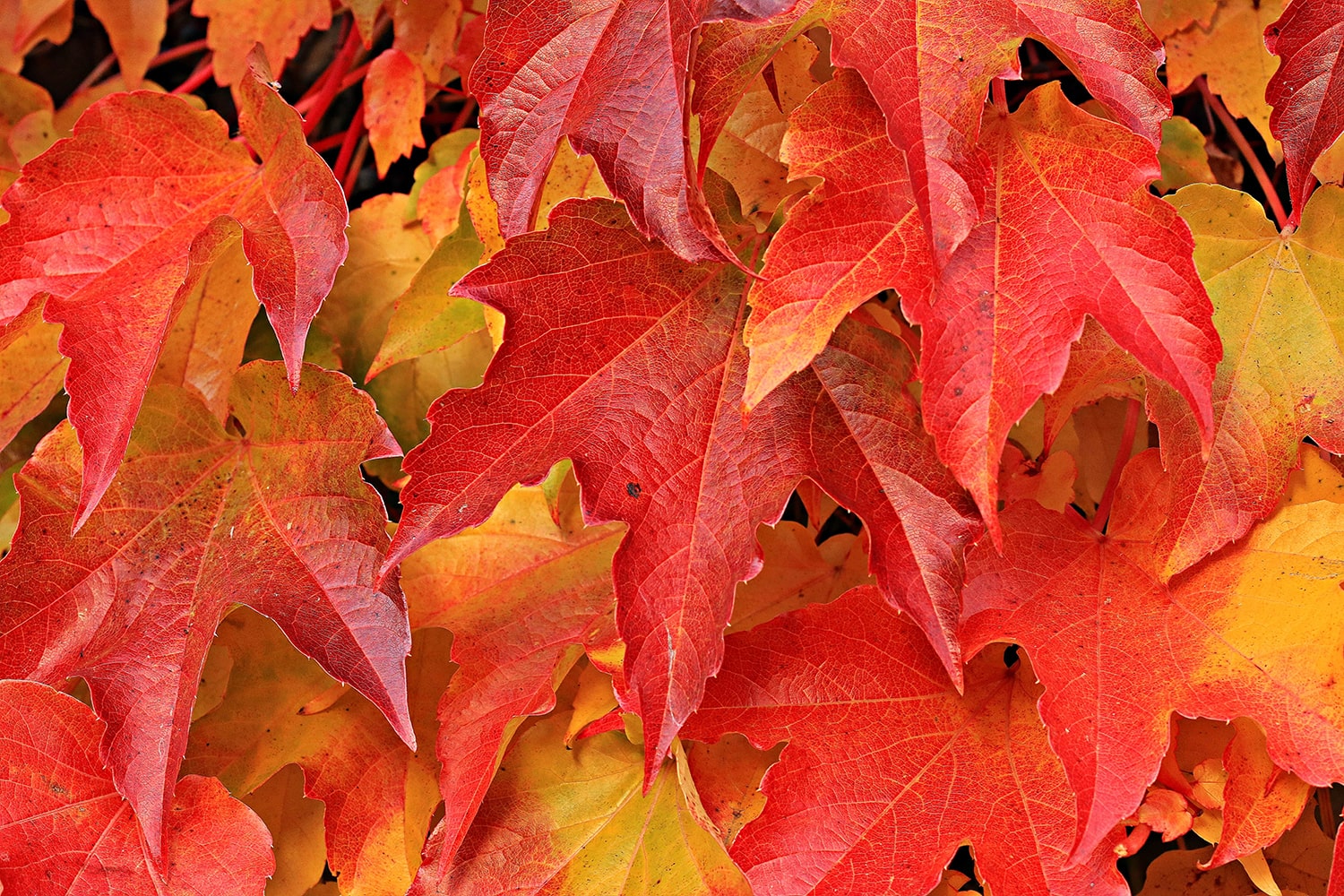
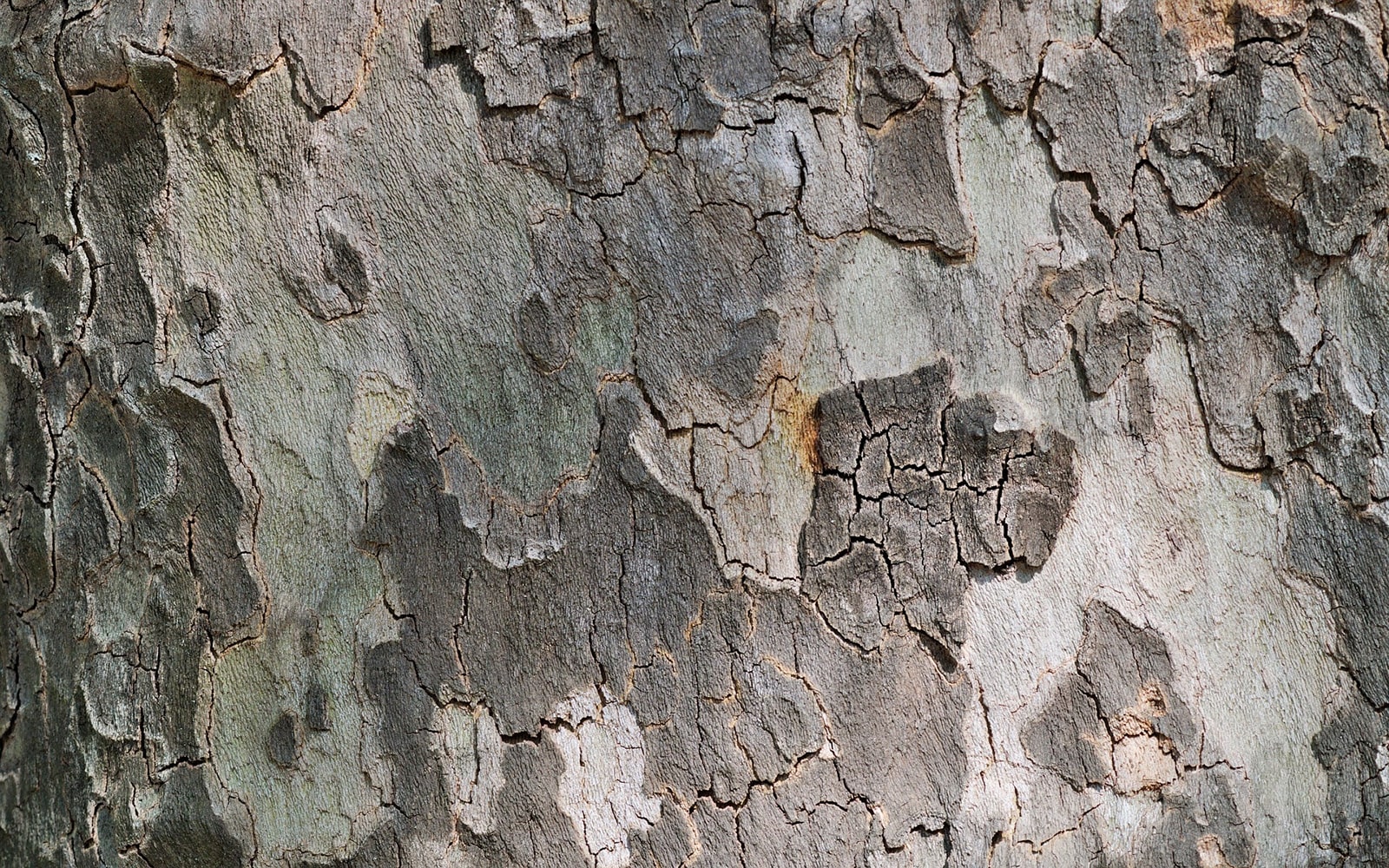
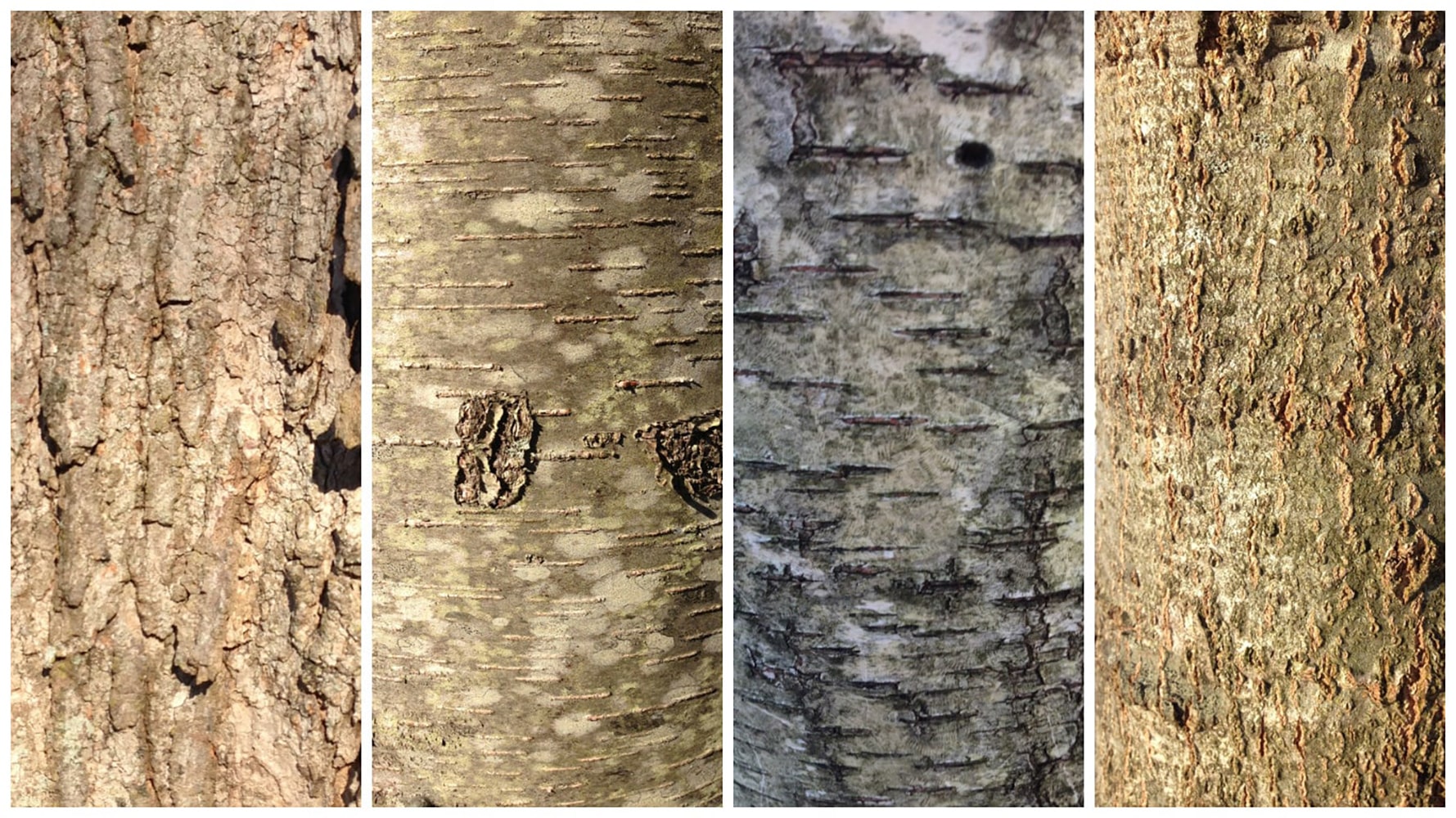
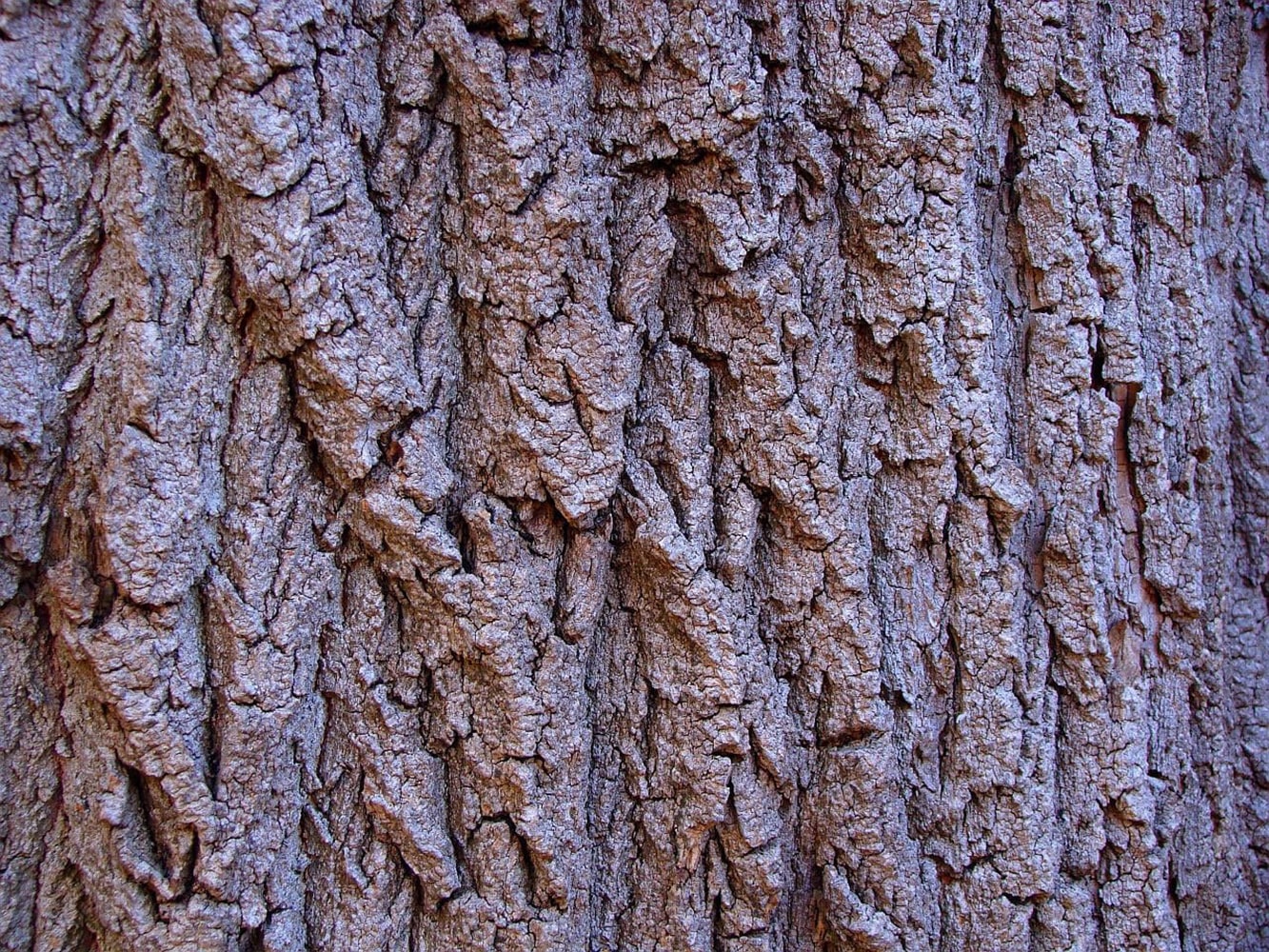
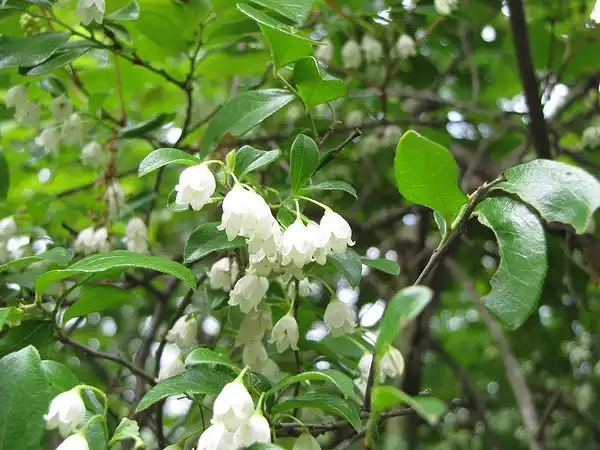
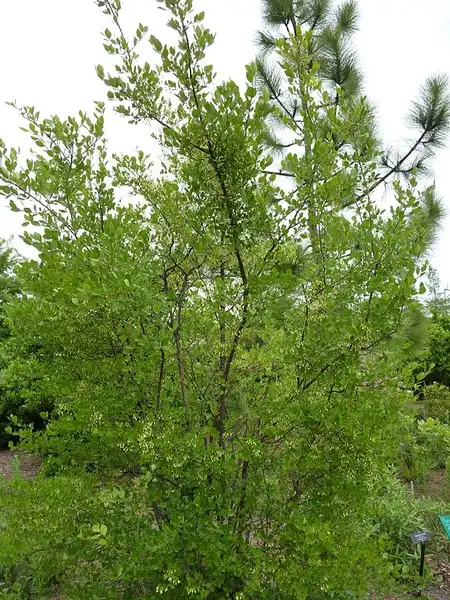
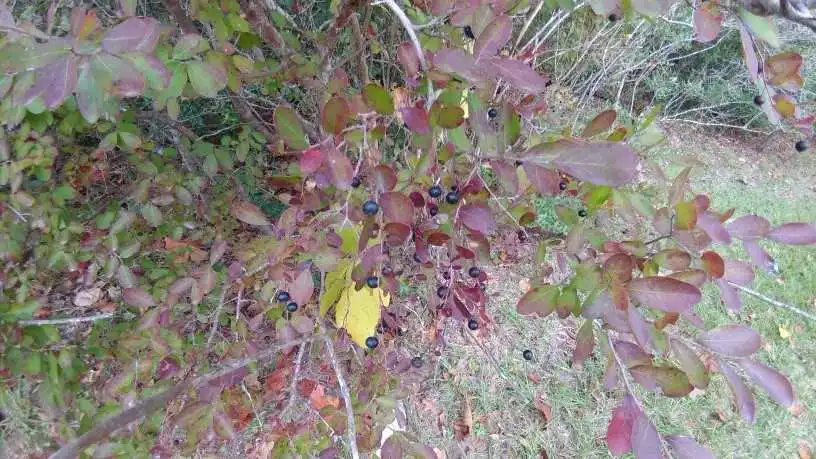
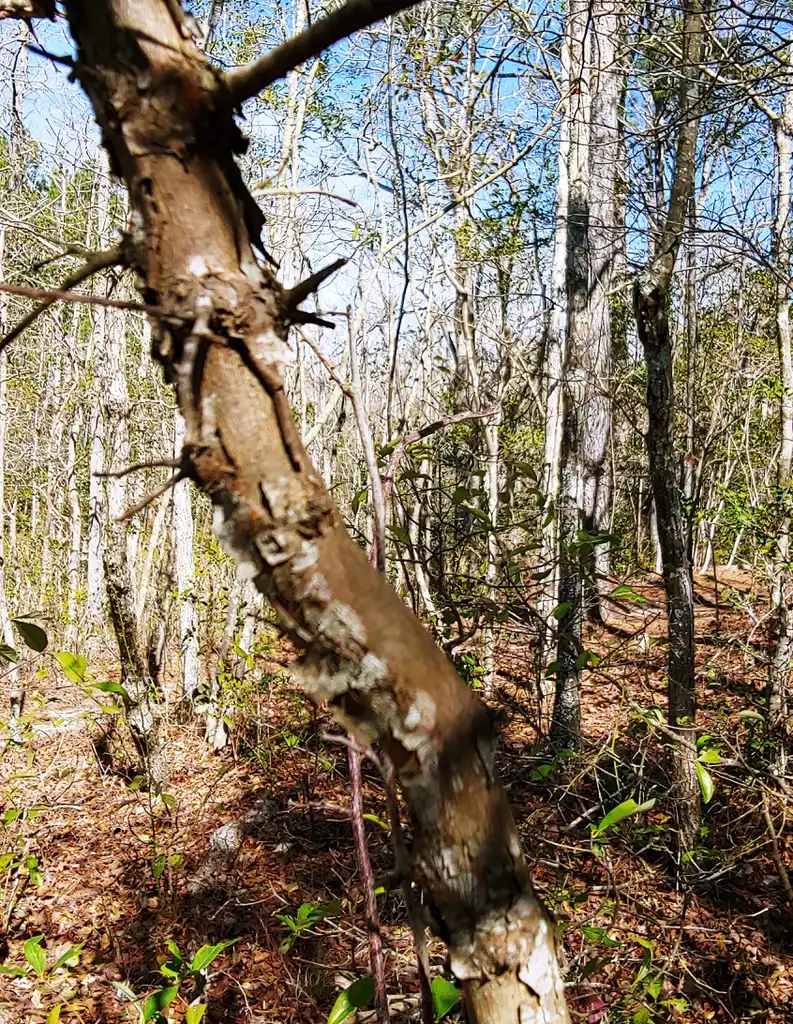
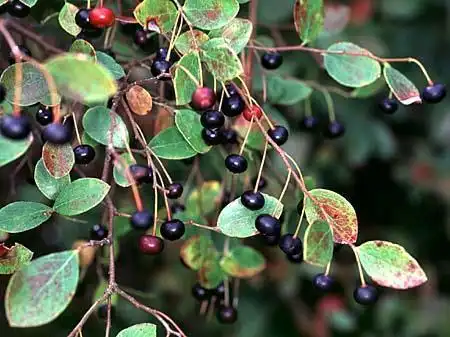
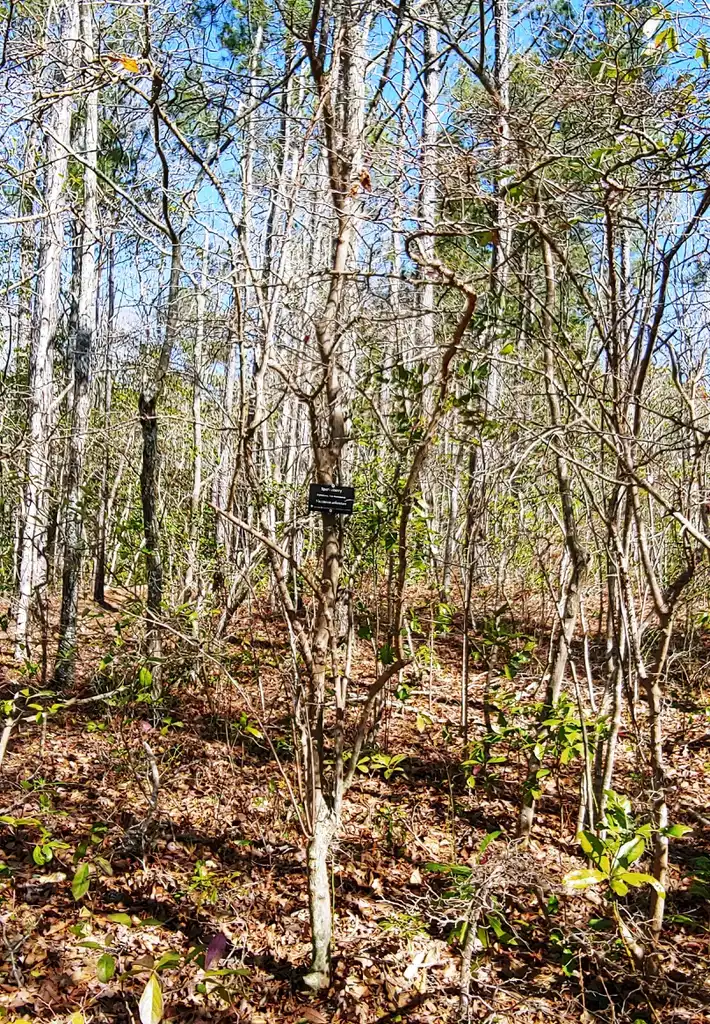
Sparkleberry is a compact, deciduous shrub or small tree that typically reaches heights of 10 to 20 feet. It thrives in rocky and sandy woodlands, as well as on cliffs. The leaves are arranged alternately and feature either smooth or finely serrated edges. Its bark is characterized by a patchy, shredded appearance, showcasing hues of red, brown, and gray. In early summer, the plant produces delicate, white, bell-shaped flowers, and in the fall, it displays vibrant foliage. This tall shrub bears black fruit that ripens in the autumn, serving as a valuable food source for various wildlife.
The flowers, measuring about 1/4 inch, bloom in racemes for a brief period from late spring to early summer, lasting roughly three weeks. After the flowering phase, the blossoms give way to berries that will mature by fall. Each berry can contain up to ten seeds, which can self-propagate. Wildlife is known to feed on these berries.
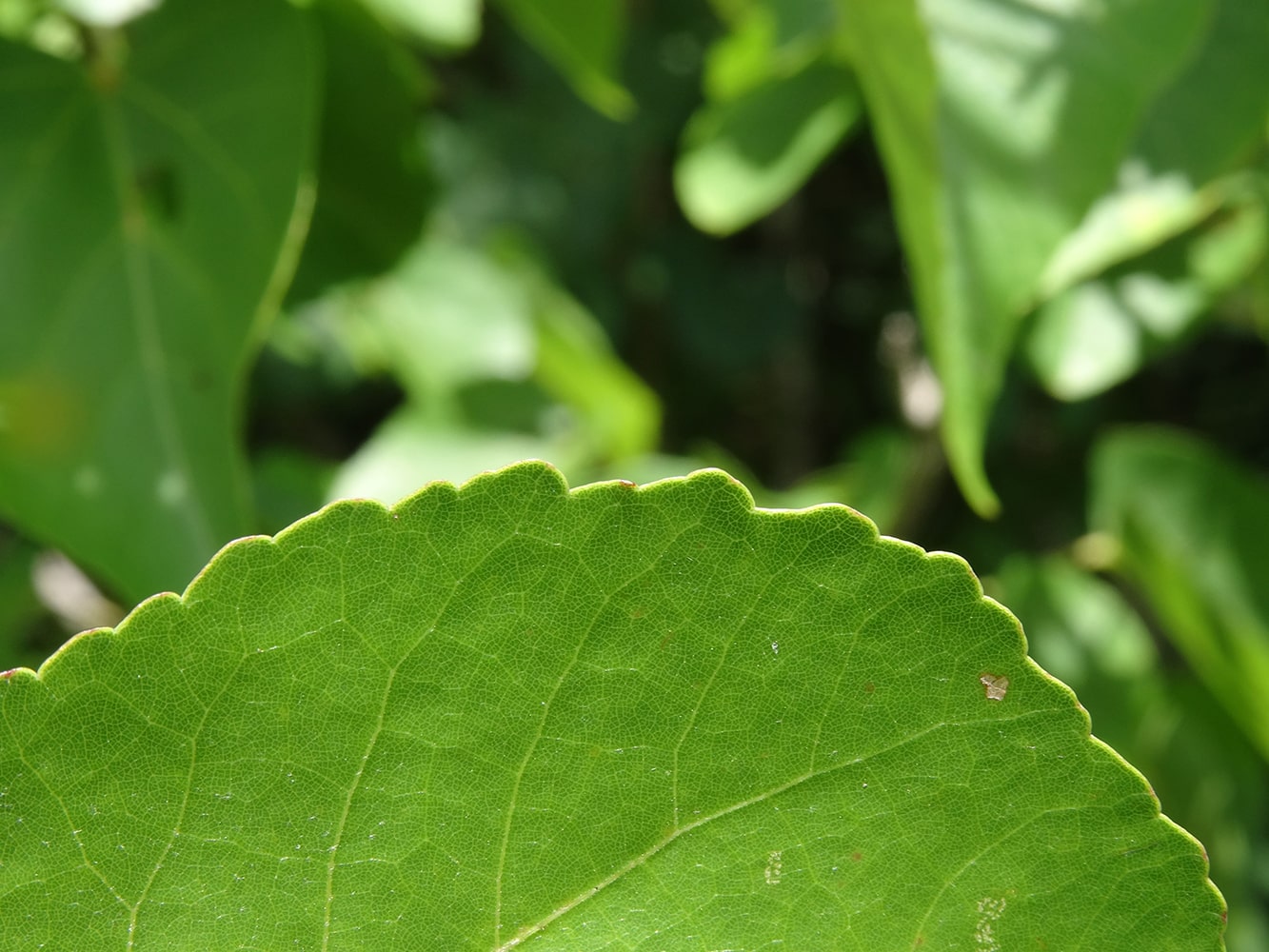
The upper side of the leaves is a medium green, smooth, and slightly glossy, while the underside is a lighter green, either smooth or with fine hairs along the central veins.
Sparkleberry flourishes in full sun to partial shade and prefers sandy or rocky soil that ranges from dry to moist. It is resilient to drought and heat, making it a valuable plant for wildlife habitats.
As the tallest member of the blueberry genus, it is commonly referred to as huckleberry.
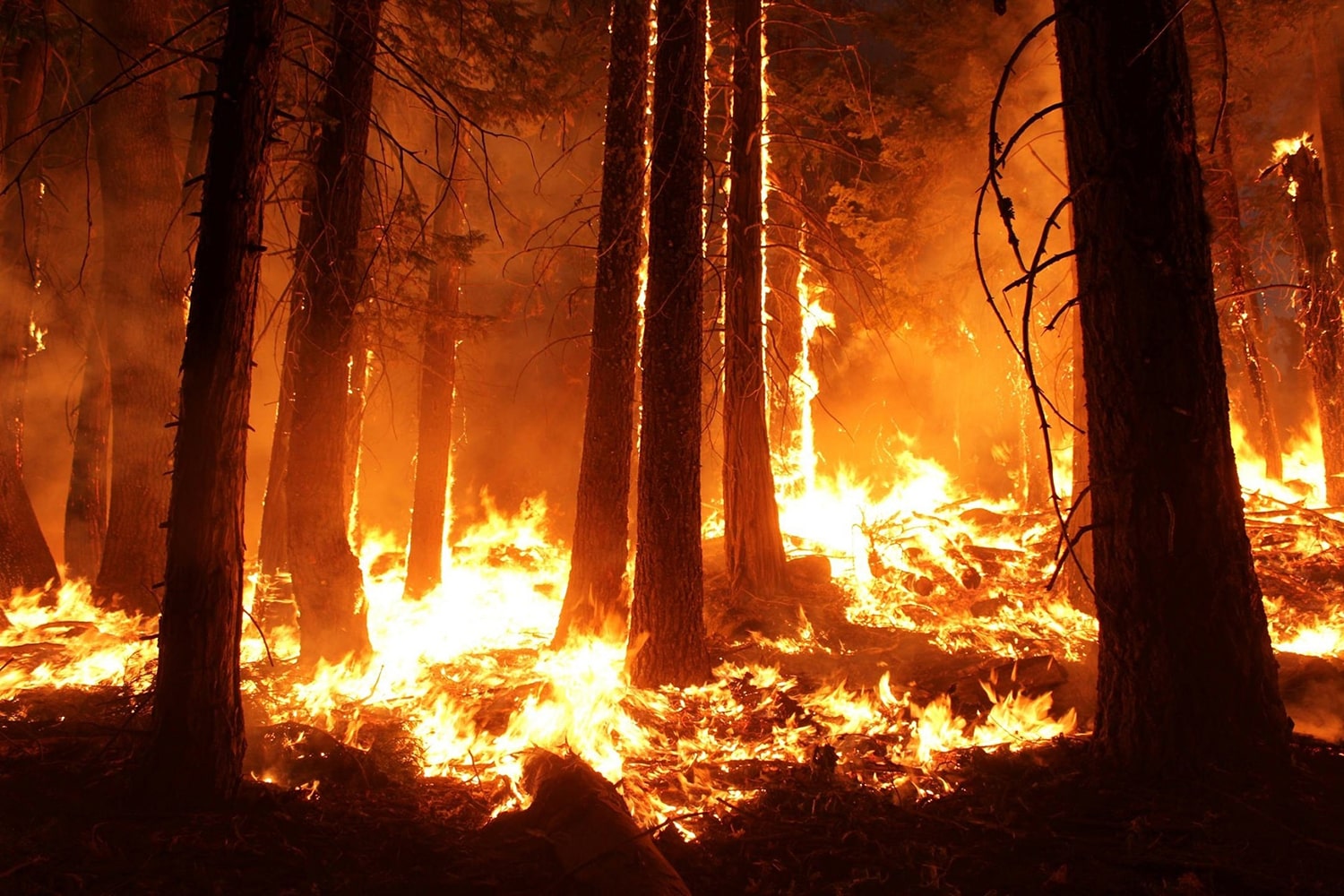
Fire Risk: This plant has a moderate flammability rating.
Insects, Diseases, and Other Plant Issues:
For additional information on Vaccinium, please refer to relevant resources.
Vaccinium arboreum Feature Summary
Vaccinium arboreum Image Gallery