Vicia villosa: Country Or Region Of Origin
Canary Islands, Africa, Europe, Western Asia
Phonetic Spelling:VIK-ee-uh vil-OH-suh
Genus:Vicia
Species:villosa
Family:Fabaceae
Hairy Vetch is a winter annual weed belonging to the legume family, commonly cultivated as a cover crop or utilized as livestock feed. It typically thrives in colonies along riverbanks, meadows, prairies, highway overpasses, roadways, the edges of agricultural fields, and in both disturbed and undisturbed areas, including abandoned fields. Its invasive nature allows it to compete aggressively with native flora and cultivated crops, often using other plants for support, which can adversely affect their health.
The plant features hairy racemes adorned with striking flowers that can grow up to 6 inches in length, emerging from the leaf axils. Each raceme can bear between 5 to 20 clusters of drooping flowers, predominantly on one side. Each flower consists of five petals, with the upper petal typically exhibiting a darker hue than the others. Blooming generally occurs over a span of one to two months from early to late summer, although a later flowering period is also possible.
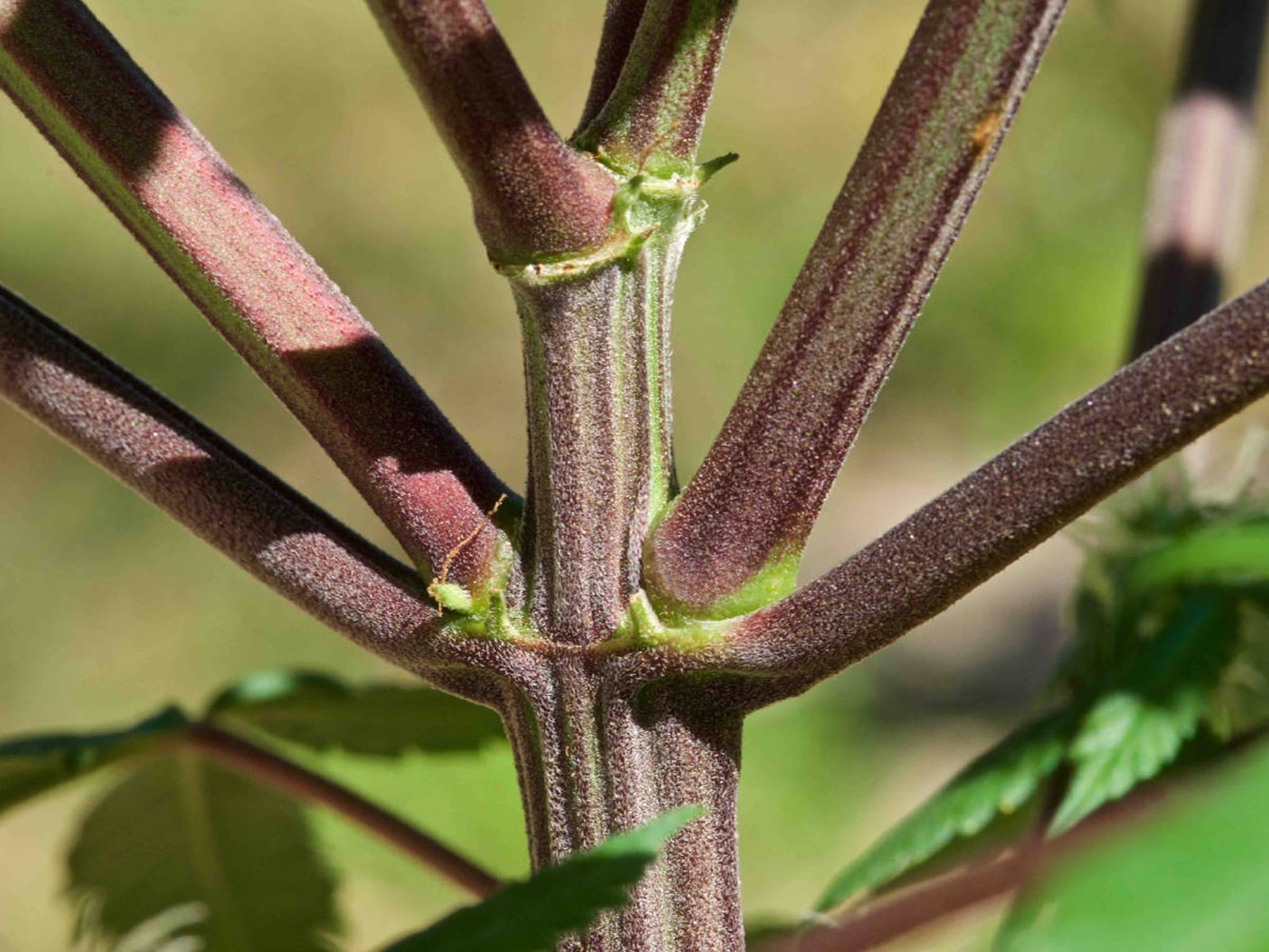
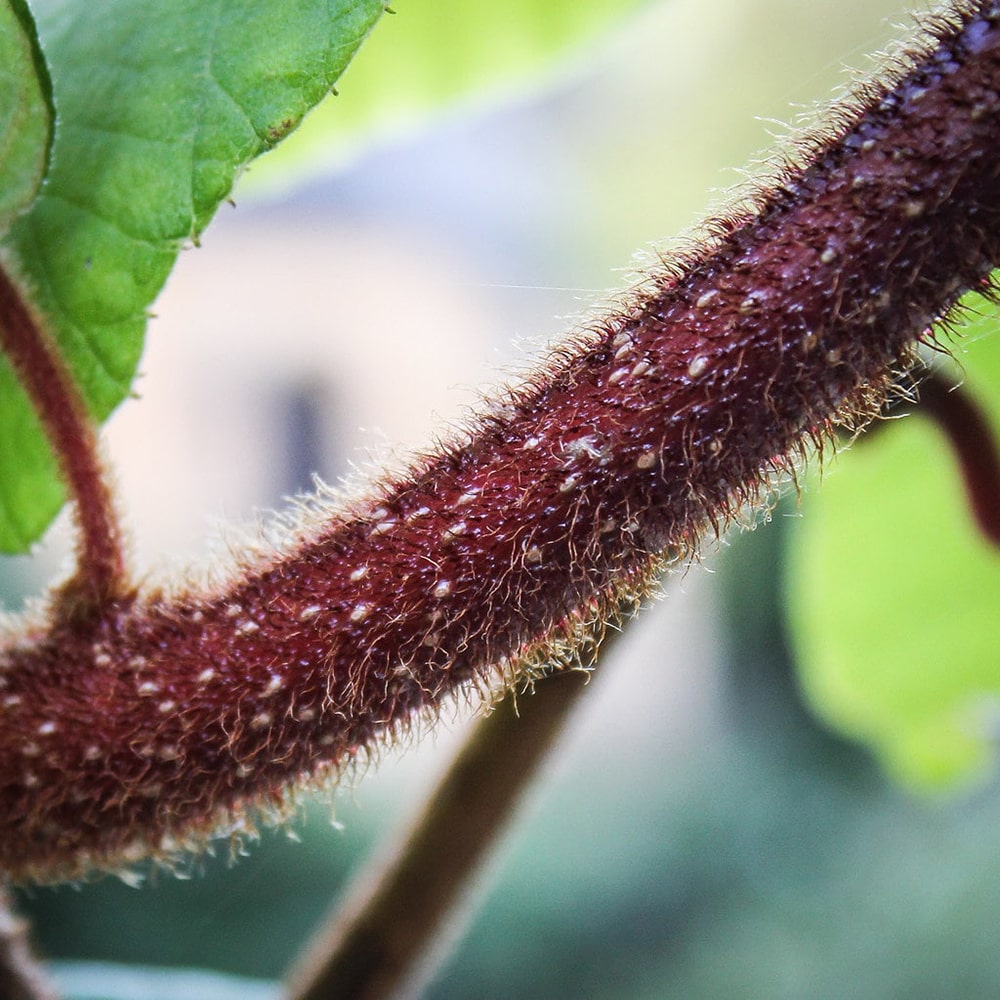
Hairy Vetch has weak stems that struggle to support their own weight, relying on neighboring plants for stability. Once a colony takes root, navigating through the area can lead to an encounter with a dense tangle of stems.
In terms of pests, diseases, and other plant-related issues, this vigorous weed can pose significant challenges for agricultural lands. Its competition for space can threaten more desirable native species and it may also be toxic to poultry and mammals.