Viola arvensis: Country Or Region Of Origin
Europe, Western Asia, and North Africa
Phonetic Spelling:vye-OH-lah cor-NOO-tah
Genus:Viola
Species:cornuta
Family:Violaceae
Field pansies, which can be either annual or perennial depending on winter conditions, belong to the Violaceae family. Native to Europe, Western Asia, and North Africa, they have been introduced and have adapted well in the United States. These flowers are known for their striking two-toned blooms that emit a pleasant fragrance, typically blooming from April to June. If their flowering slows down during the warm summer months, pruning can stimulate a second bloom in the fall.
In their natural environment, field pansies thrive in dry, open areas such as roadsides, beaches, old fields, meadows, and bluffs. They prefer well-drained, humusy soils that remain evenly moist and receive full sun to partial shade.
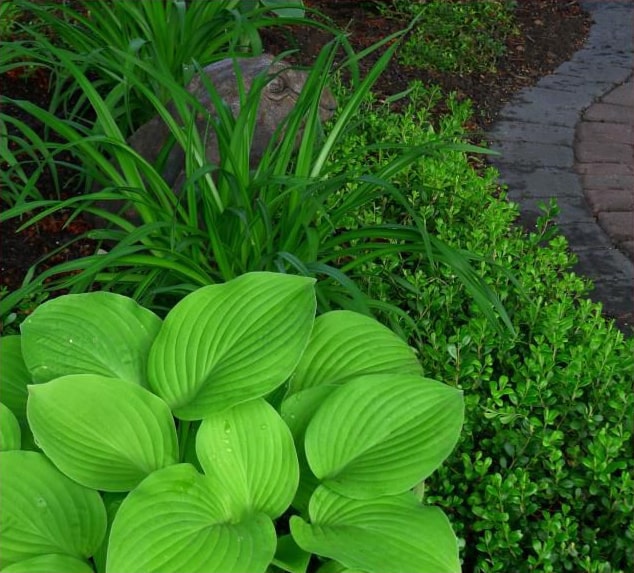
If you live in an area where they are perennial, consider planting them in woodland gardens or along borders. For annual varieties, they work beautifully in bedding, window boxes, and containers. In the wild, they can often be found in fields, wastelands, meadows, and rocky areas, typically in dry, sandy soil.
This self-seeding wildflower is known for its ease of cultivation. The nickname "Johnny Jump-Up" reflects its tendency to appear unexpectedly in various locations.
Field pansies can be easily distinguished from their larger relatives, the pansies, as they are smaller—less than an inch in diameter—and produce a greater number of blooms despite their diminutive size.
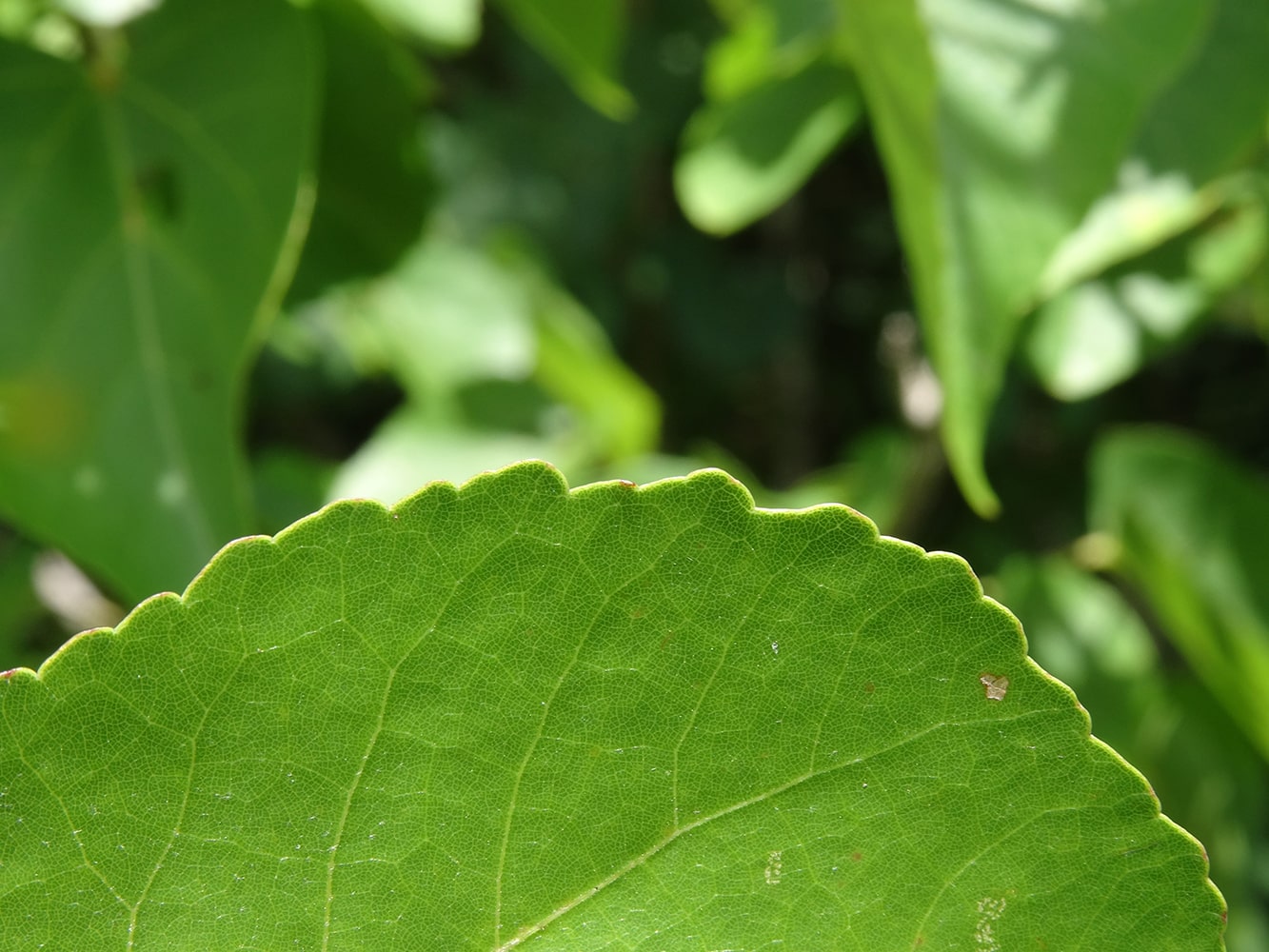
The young leaves emerge from a basal rosette, featuring a rounded to oval shape with shallowly toothed edges. As they mature, the leaves become long and narrow with rounded teeth along the margins, and the undersides display hairy veins.
When crushed, the roots emit a wintergreen aroma.
In terms of pests and diseases, field pansies do not face significant threats, although they can be vulnerable to fungal leaf diseases. Keep an eye out for aphids, slugs, and snails.
Due to their self-sowing nature, these plants can become invasive. To manage their spread, it is advisable to deadhead them before seeds form.
Additionally, deer often cause damage to this plant, and it may hybridize with other viola species present in your garden.
Viola arvensis Feature Summary