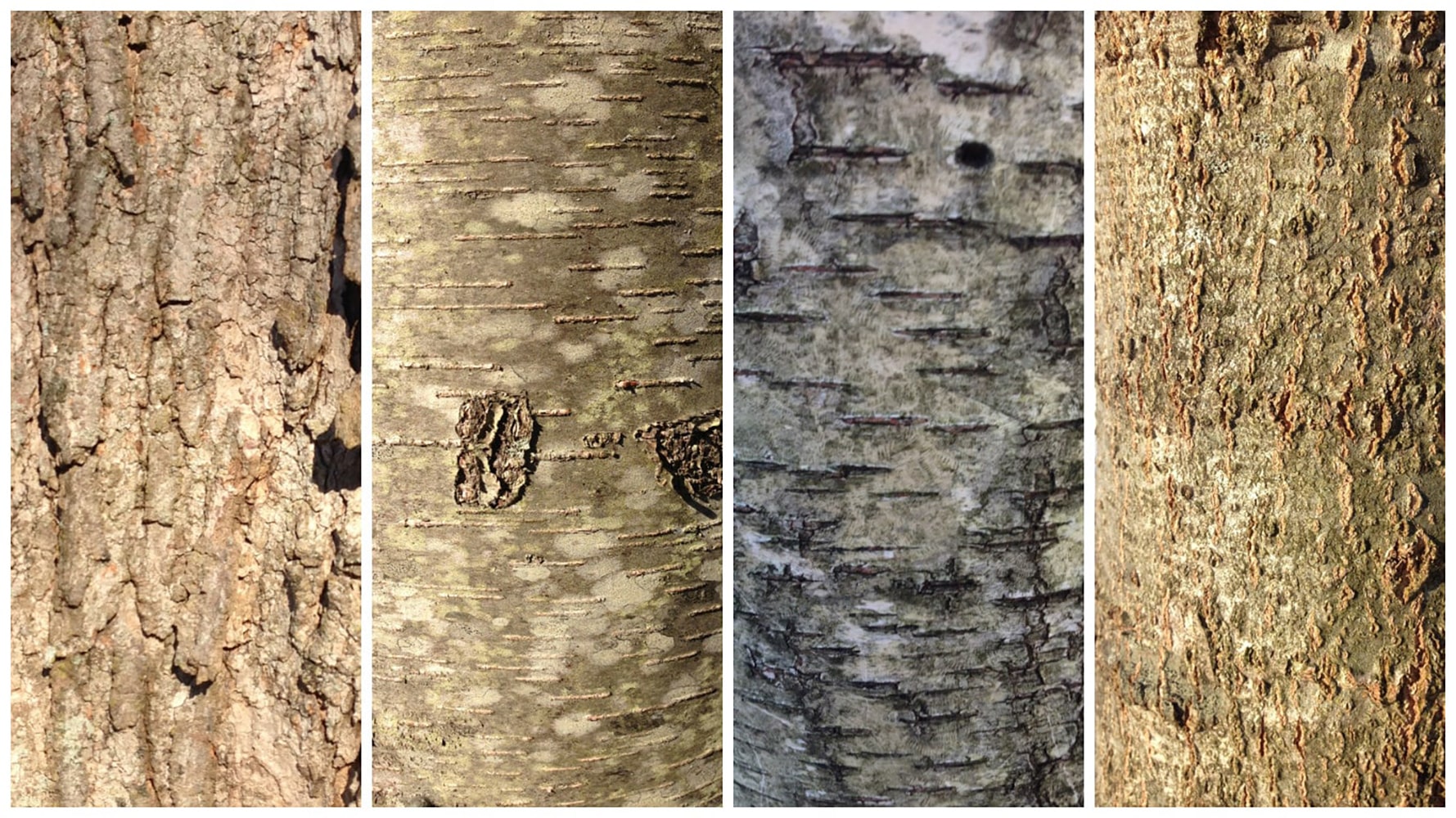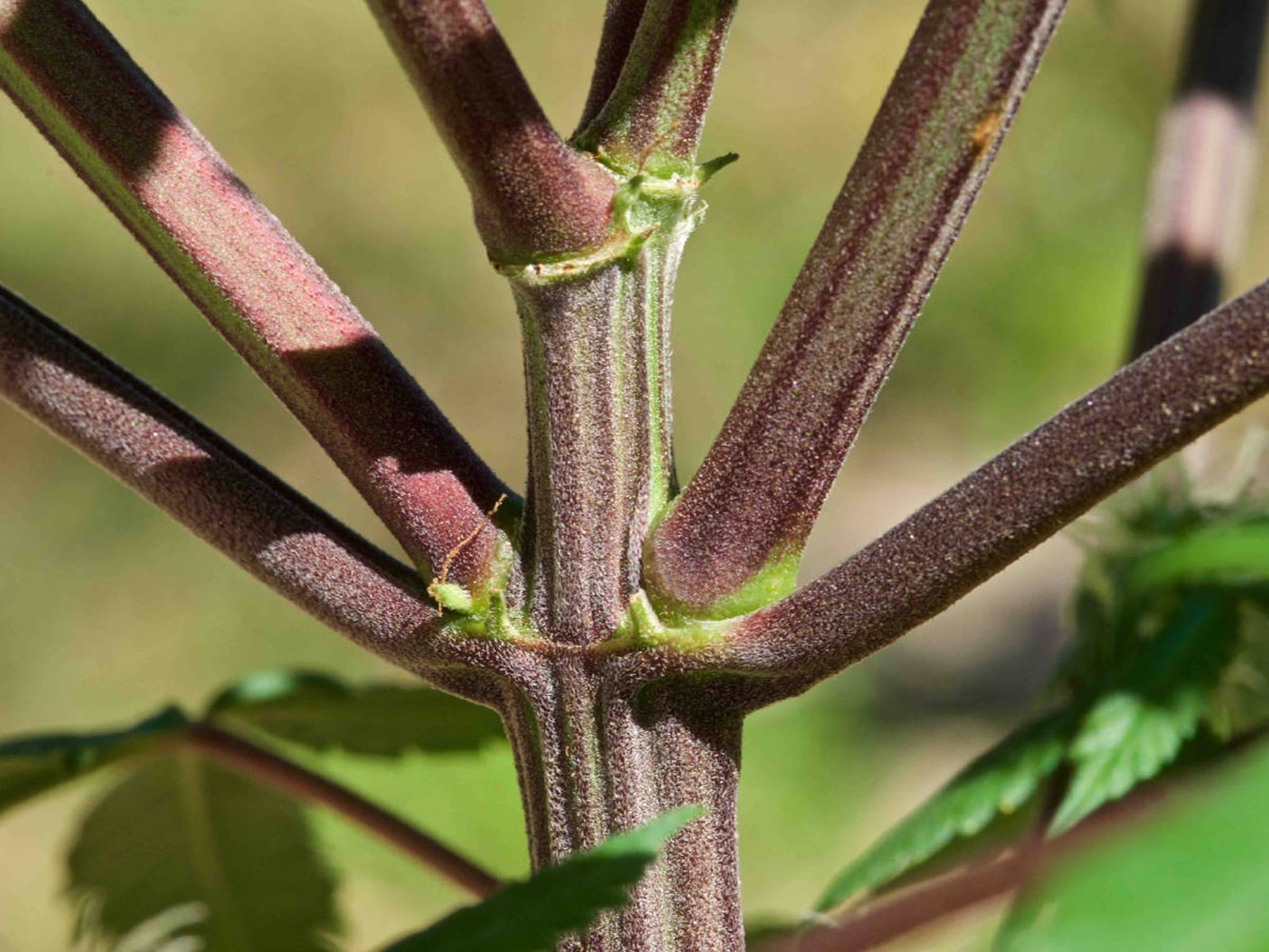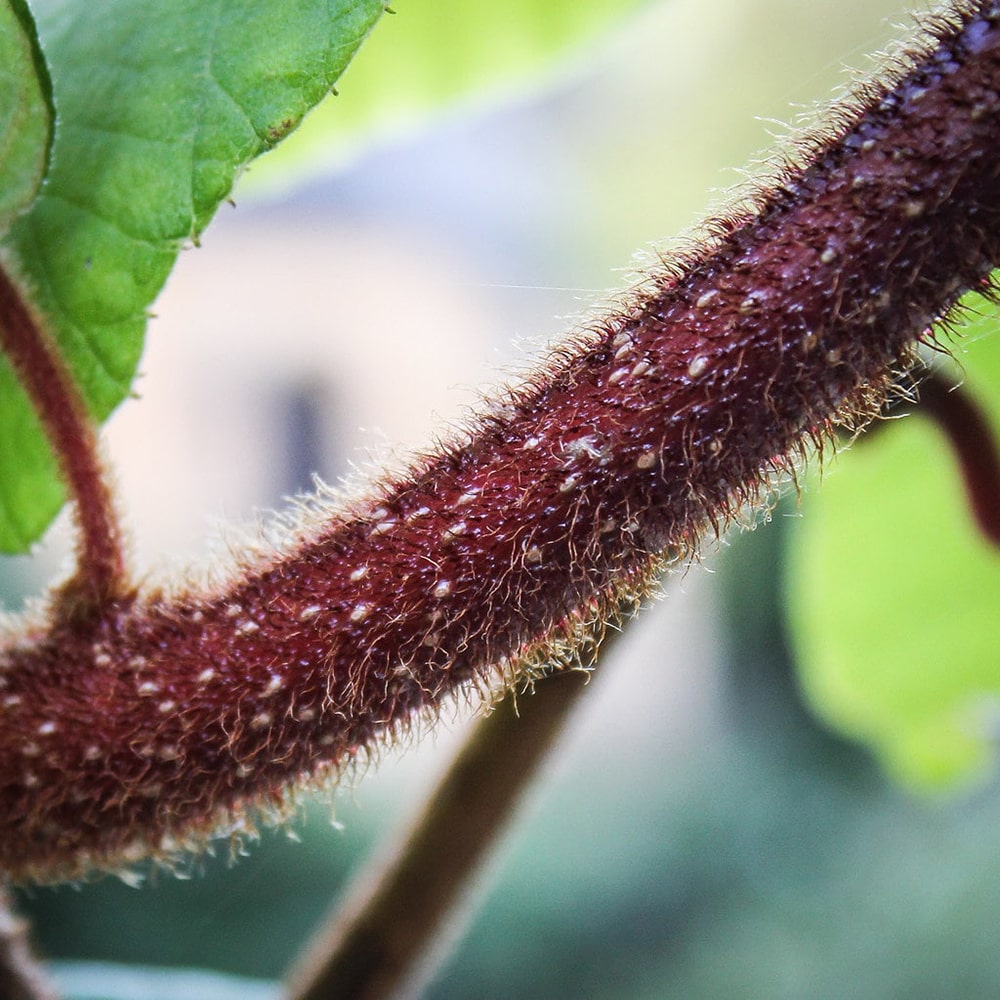
Xanthorhiza simplicissima: Uses (Ethnobotany)
Native Americans used the roots to make yellow dye
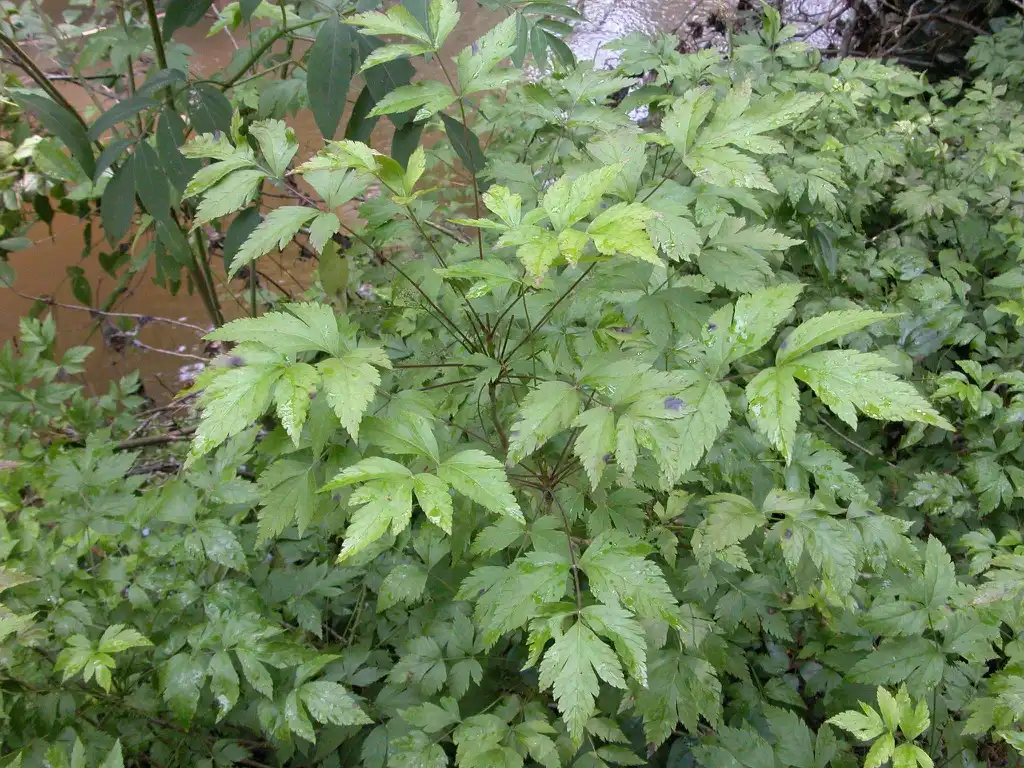
Phonetic Spelling:zan-tho-RISE-uh sim-plih-SISS-ee-mah
Genus:Xanthorhiza
Species:simplicissima
Family:Ranunculaceae
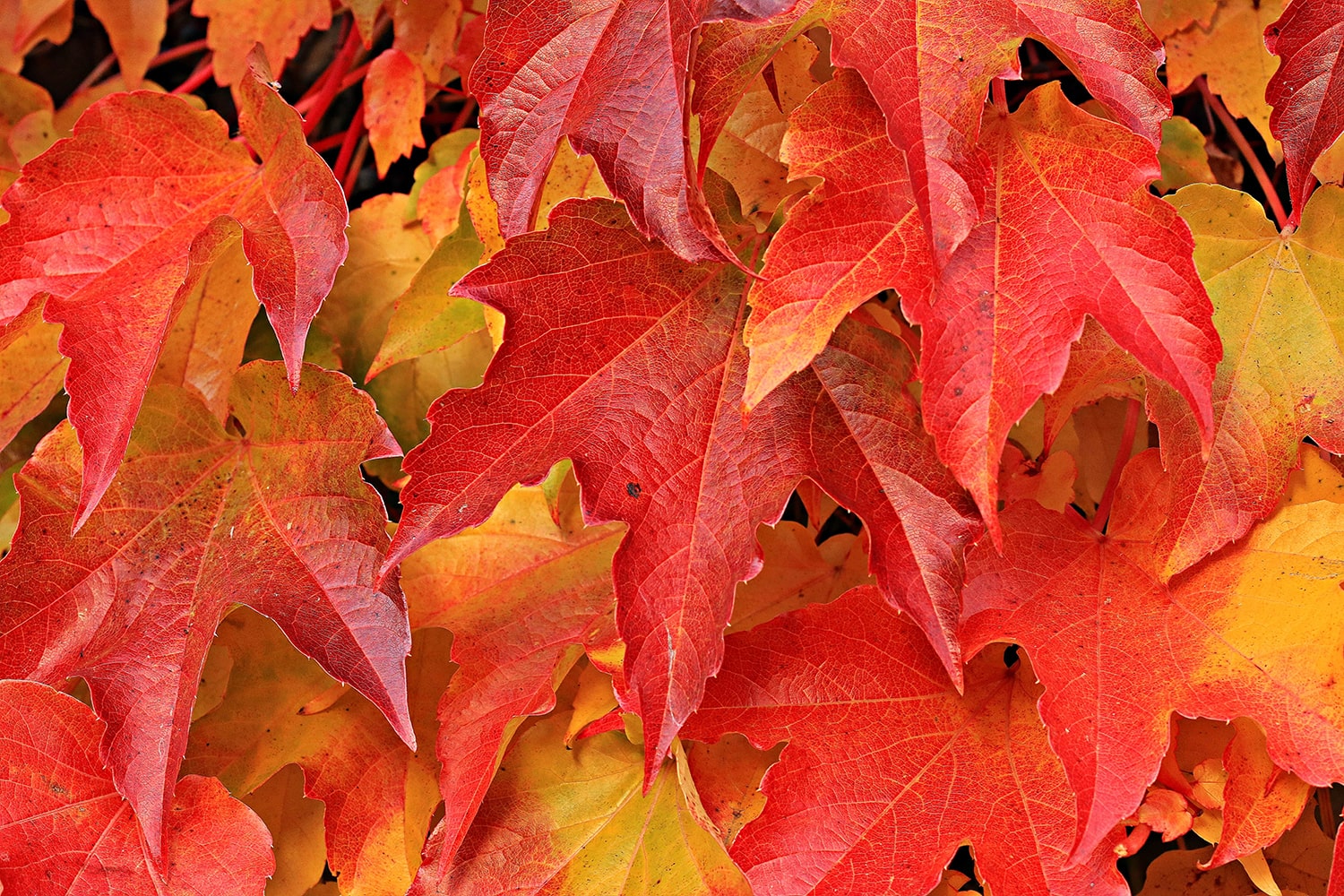
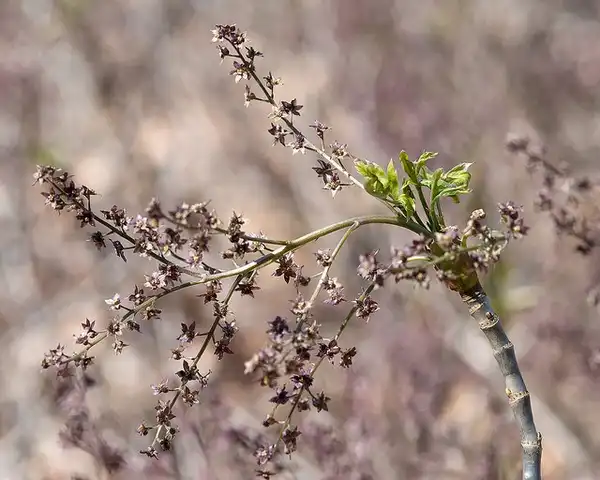
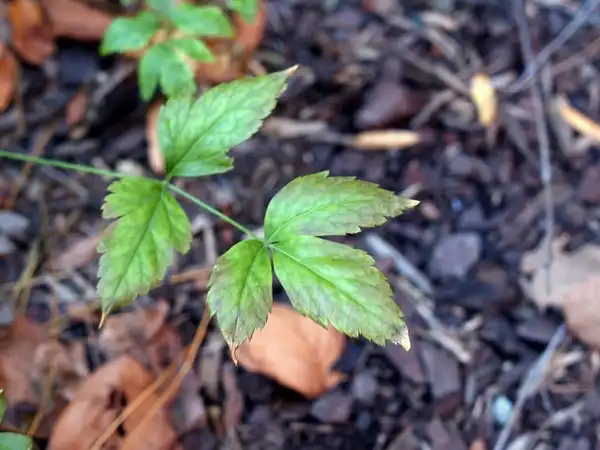
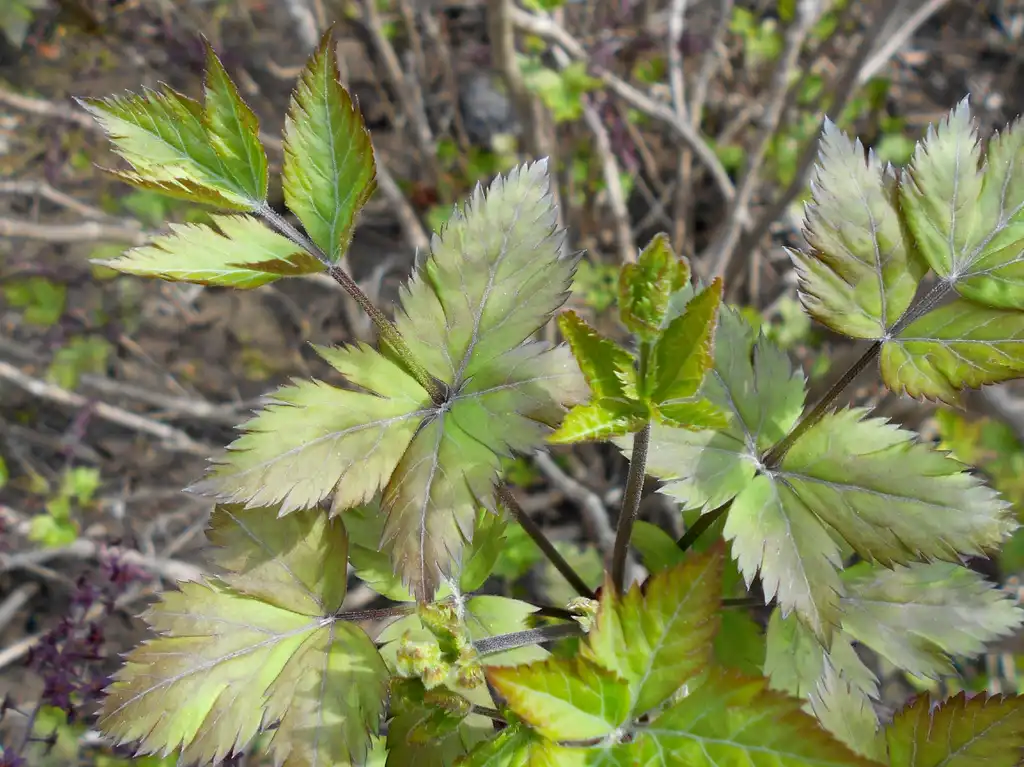
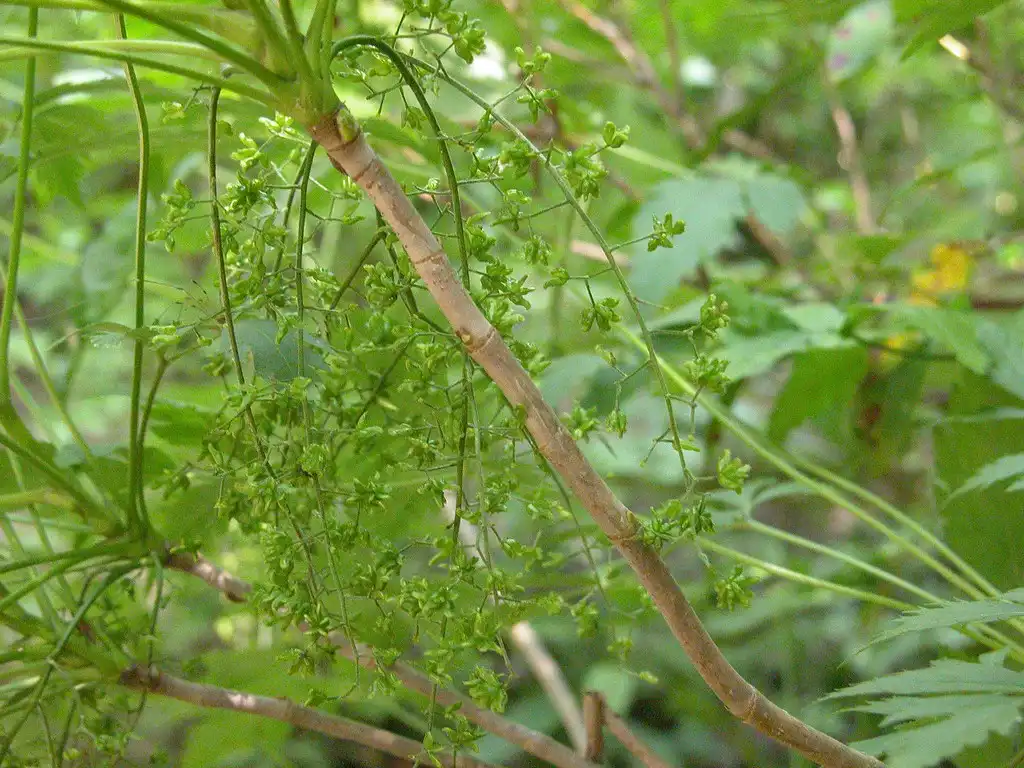
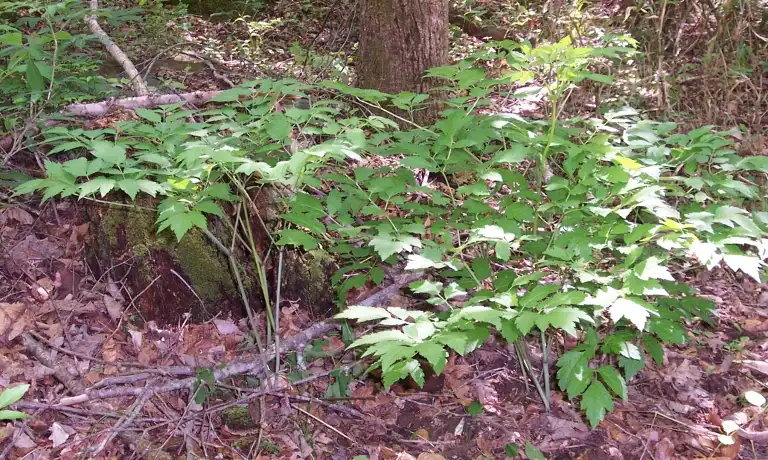
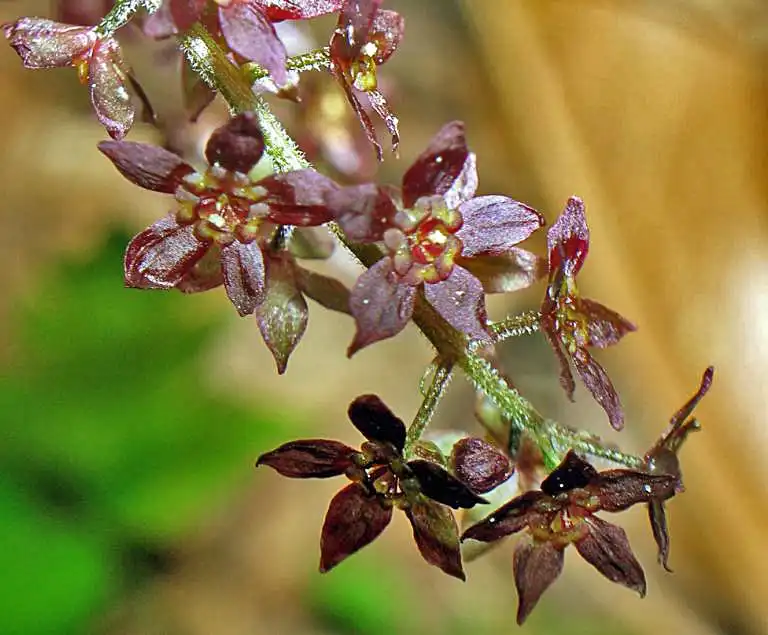
Yellowroot is a deciduous shrub indigenous to eastern North America, thriving in its natural environment from New York down to West Virginia, and further south to Florida and Alabama. While it is not commonly sold in stores, it typically grows along the edges of streams or in moist woodlands, favoring sandy soil that receives dappled sunlight. In North Carolina, it can be found in both mountainous and Piedmont regions. This shrub reaches heights of 1 to 3 feet and propagates through suckers. In spring, it produces flowers in drooping panicles, and its foliage transforms into vibrant shades of yellow and red in the fall.
This plant prefers well-drained, moist sandy or clay loams and can thrive in partial shade to full sun, with the most brilliant fall colors emerging when it receives some sunlight. Yellowroot is an excellent choice for ground cover along stream banks, in woodland gardens, and in naturalized settings.
The name "Yellowroot" is derived from the plant's distinctive yellow roots, which, along with its stems, can be utilized for dye production. Additionally, the stems have been employed in basket weaving.
In terms of pests, diseases, and other issues, alkaline soils may cause chlorosis. Under optimal conditions, Yellowroot can spread extensively through its suckers. However, its growth can be managed by installing metal edging or concrete barriers, such as sidewalks. Ensuring the plant is placed in full sun and maintaining dry soil can also help limit its spread.
Xanthorhiza simplicissima Feature Summary
Xanthorhiza simplicissima Image Gallery