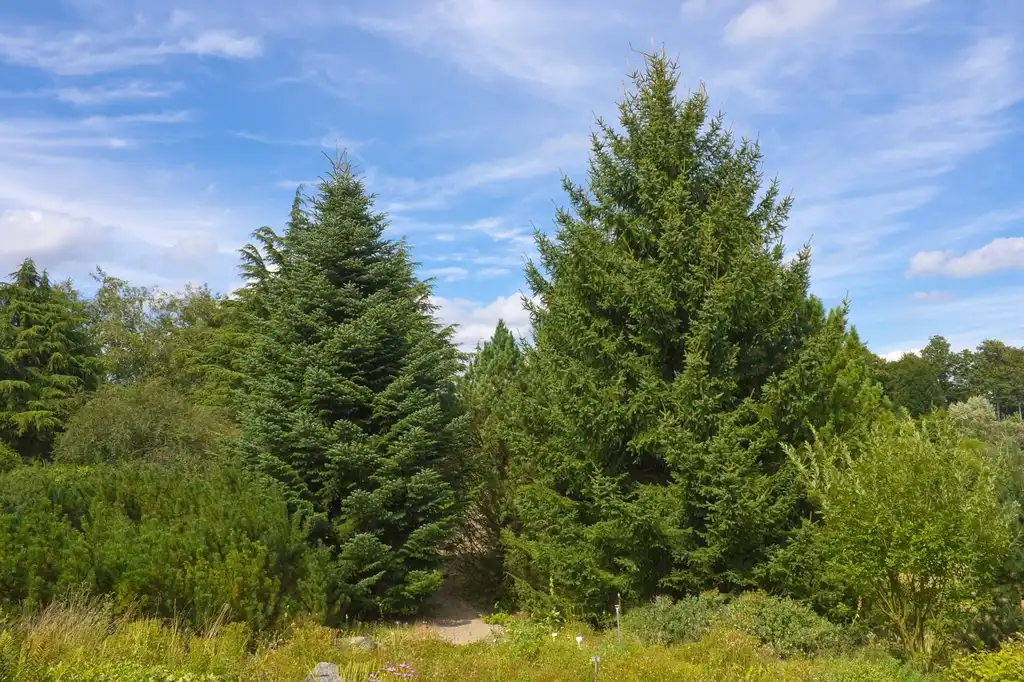
• Photo of Abies cephalonica (Abies cephalonicas)

Plant Profile: Abies cephalonica

Names

Black Mountain Fir, Grecian fir, Greek Fir

  • Photo of Abies cephalonica (Abies cephalonicas)

Phonetic Spelling:A-bees sef-al-on-ih-kuh

Genus:Abies

Species:cephalonica

Family:Pinaceae

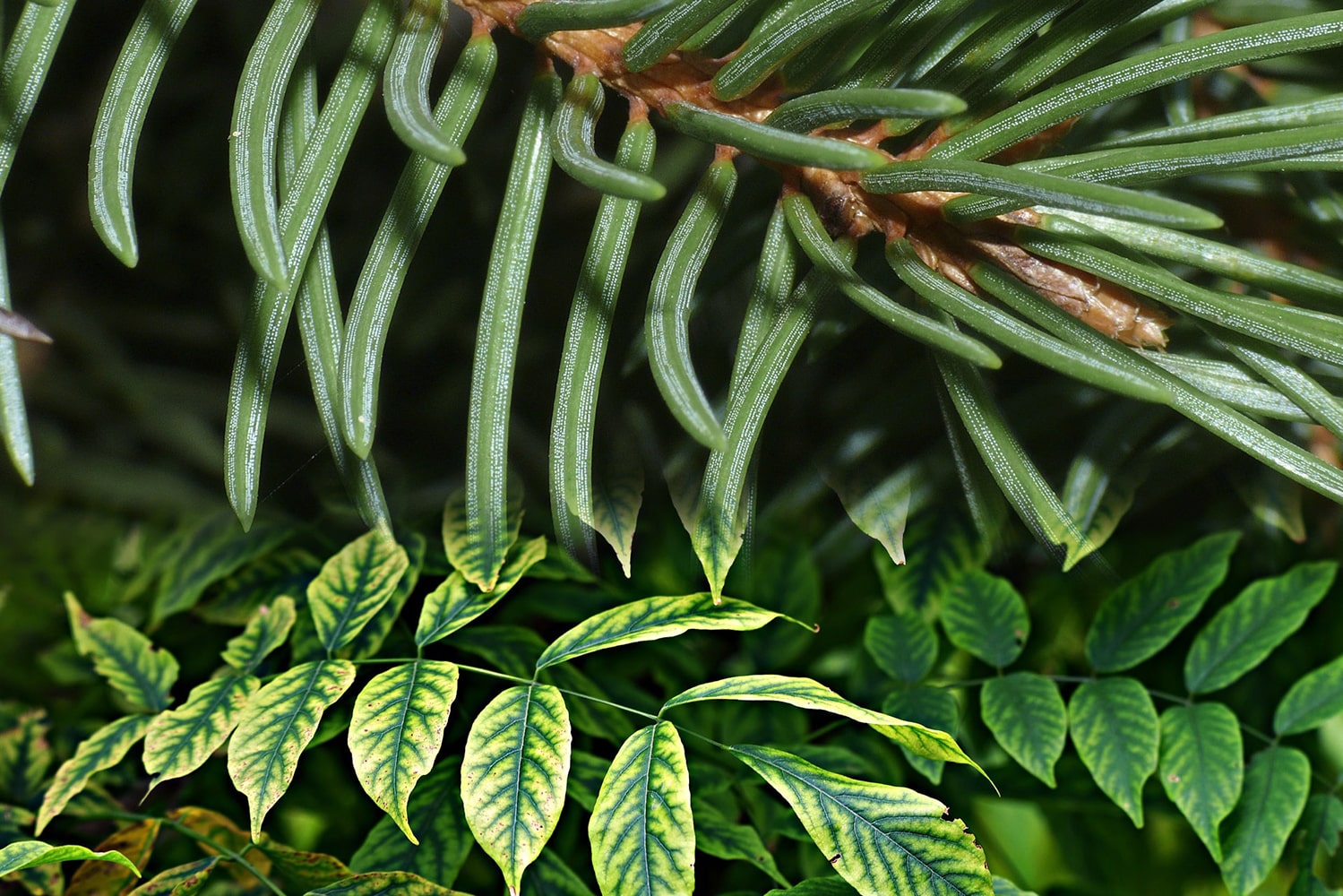
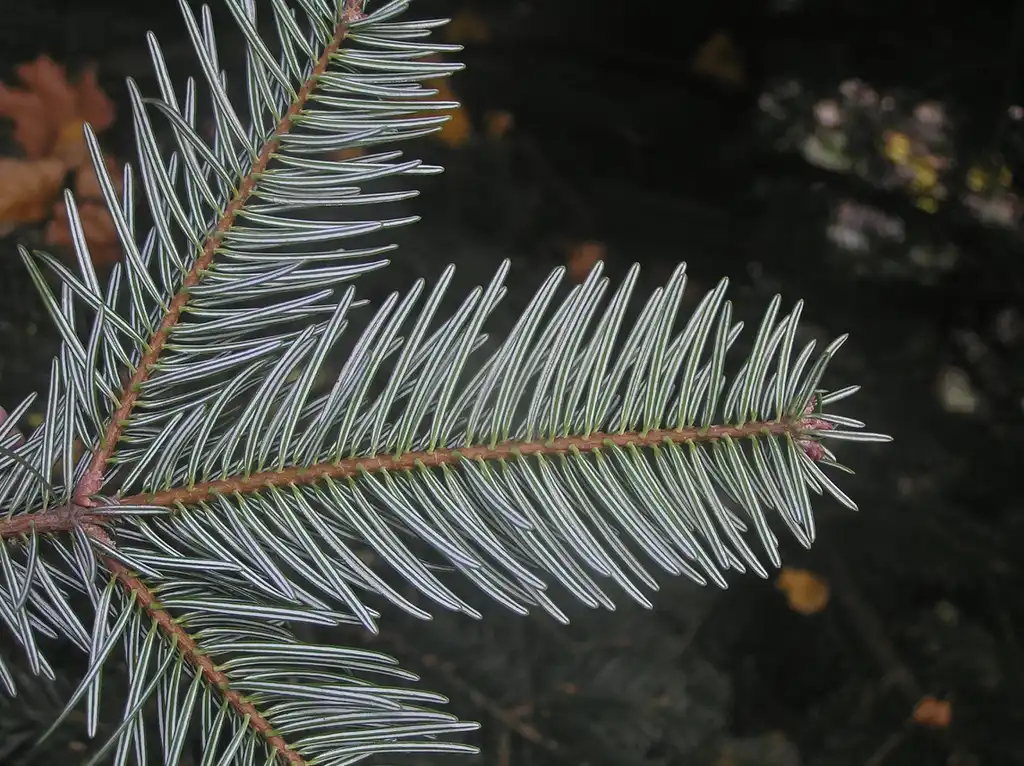
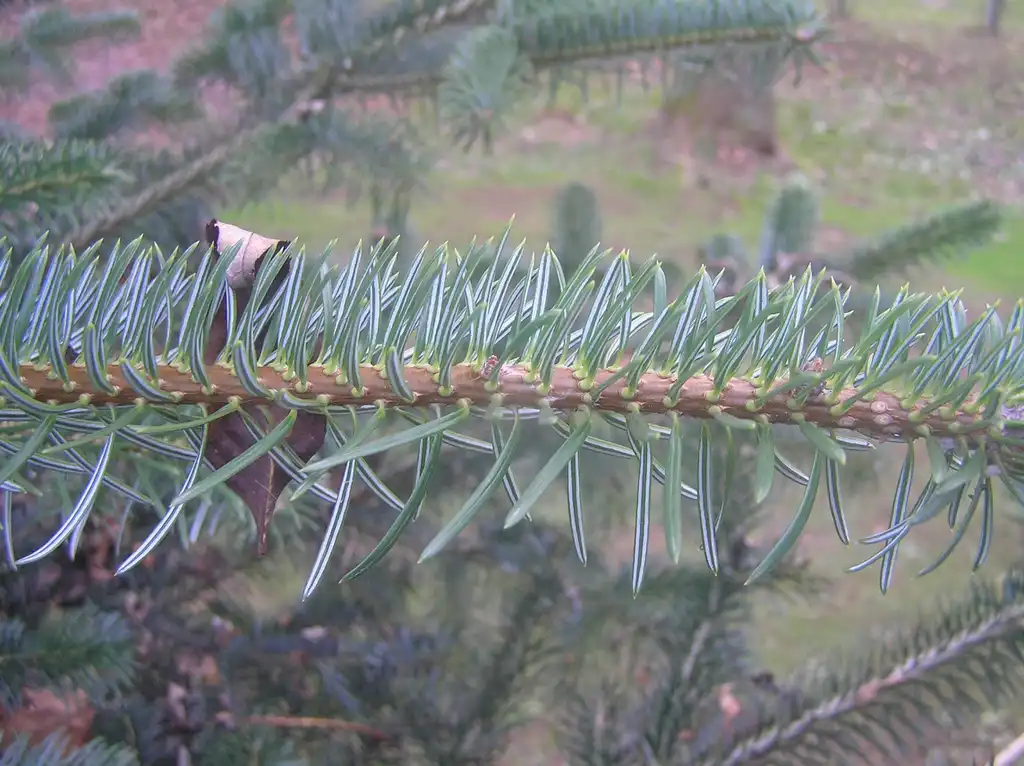
The Greek Fir is a towering conifer that can grow between 80 and 110 feet tall, primarily found in the mountainous areas of Albania and Greece. While it boasts impressive resistance to drought and diseases, its substantial size makes it challenging to incorporate into residential landscapes. The tree features glossy green, needle-like leaves adorned with two blue stripes on the underside, and its pyramidal shape adds to its visual appeal.

This species thrives in fertile, slightly acidic, and moist soils, ideally situated in full sunlight. It is best planted in spacious environments such as meadows, parks, or university campuses that can accommodate its grandeur.

For those seeking a smaller option, dwarf cultivars are also available.

Abies cephalonica Feature Summary

Abies cephalonica Image Gallery

Tags

#full sun tolerant
#drought tolerant
#conifer
#insect pest tolerant
#needled evergreen
#large spaces
#evergreen tree
#Christmas tree

Similar Plants

Abies cephalonica is often confused with:

Abies cephalonica Feature Summary

Attributes
Young trees are used as Christmas trees. Wood was used as lumber in the past but it has now become too rare.
Fruit
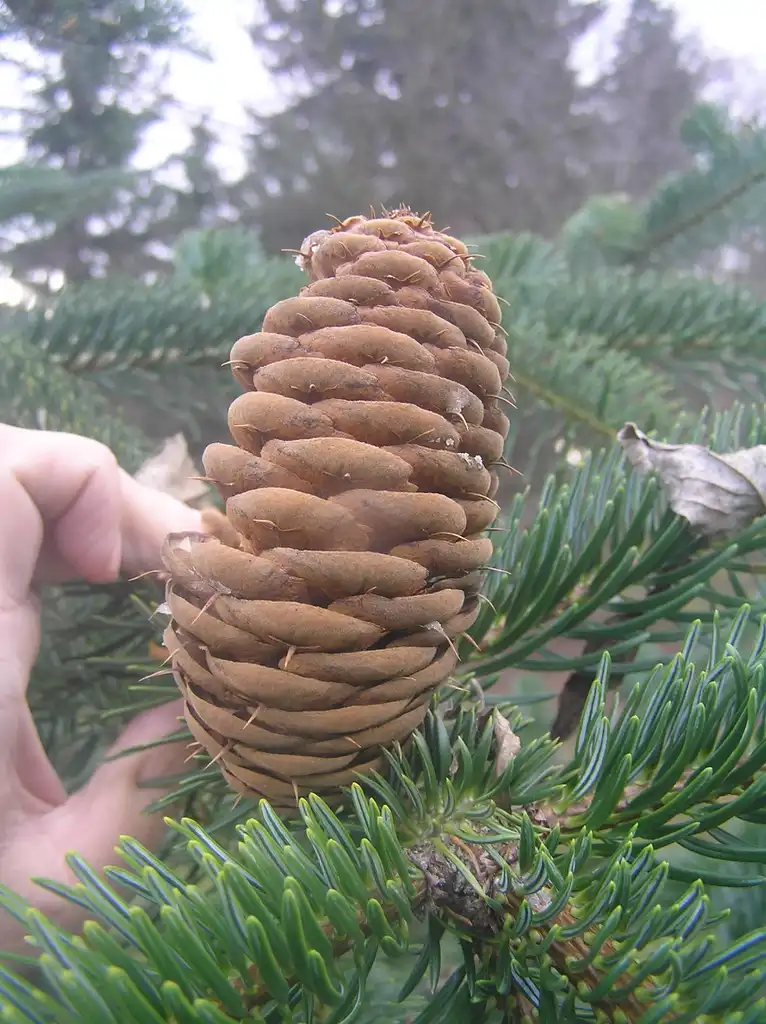
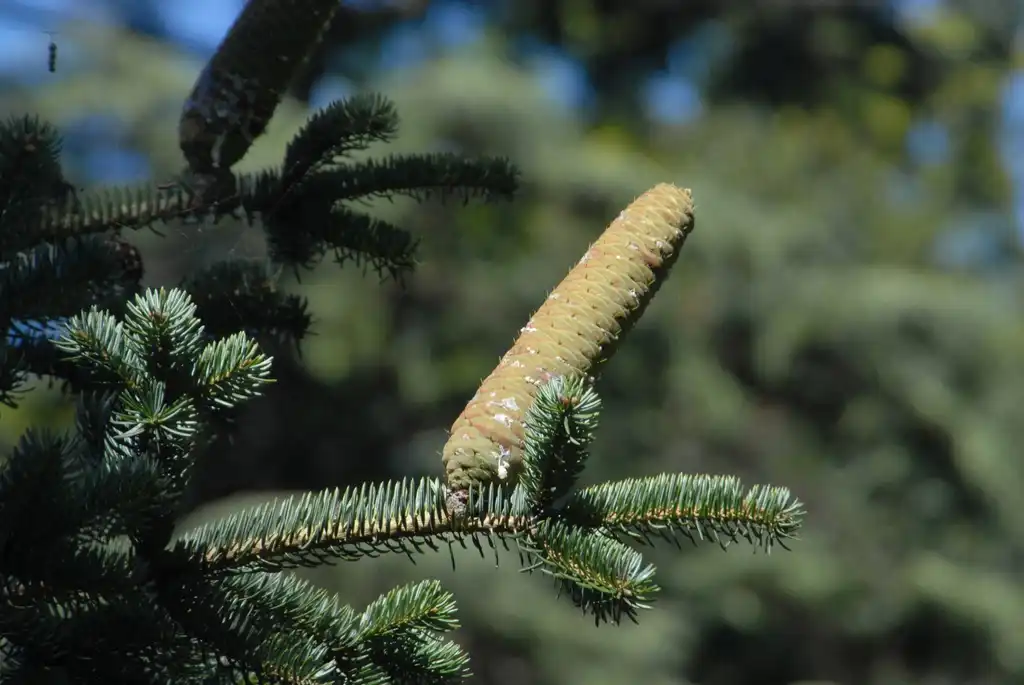
No fruits. Seed cones are 4"-8" long 1 1/2" wide, around 200 scales, two-winged seeds. Cones release seeds when they disintegrate as they age.
> 3 inches
1-3 inches
Flowers
No flowers, conifer. Pollen cones ovoid and 1/2" long
Leaves
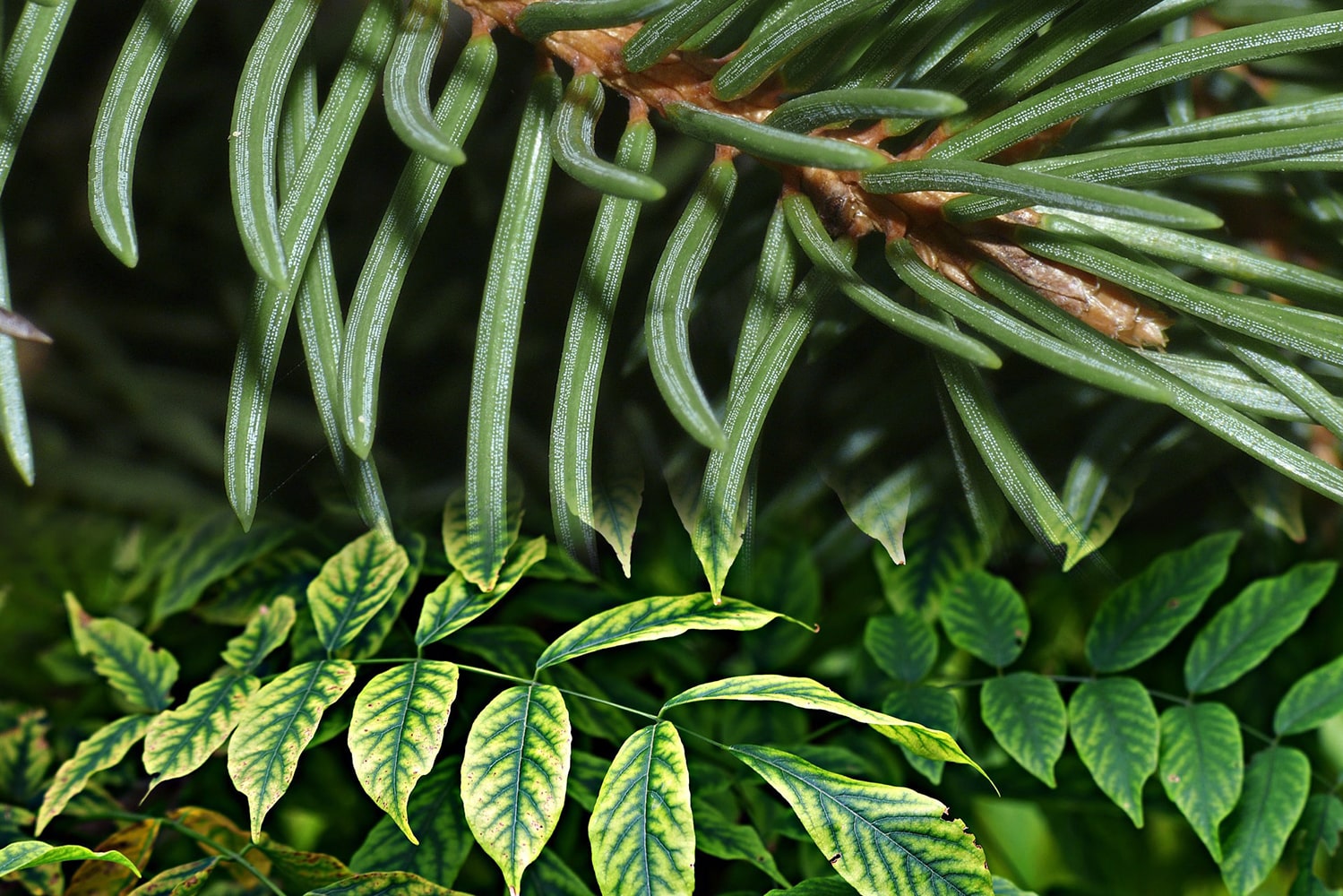
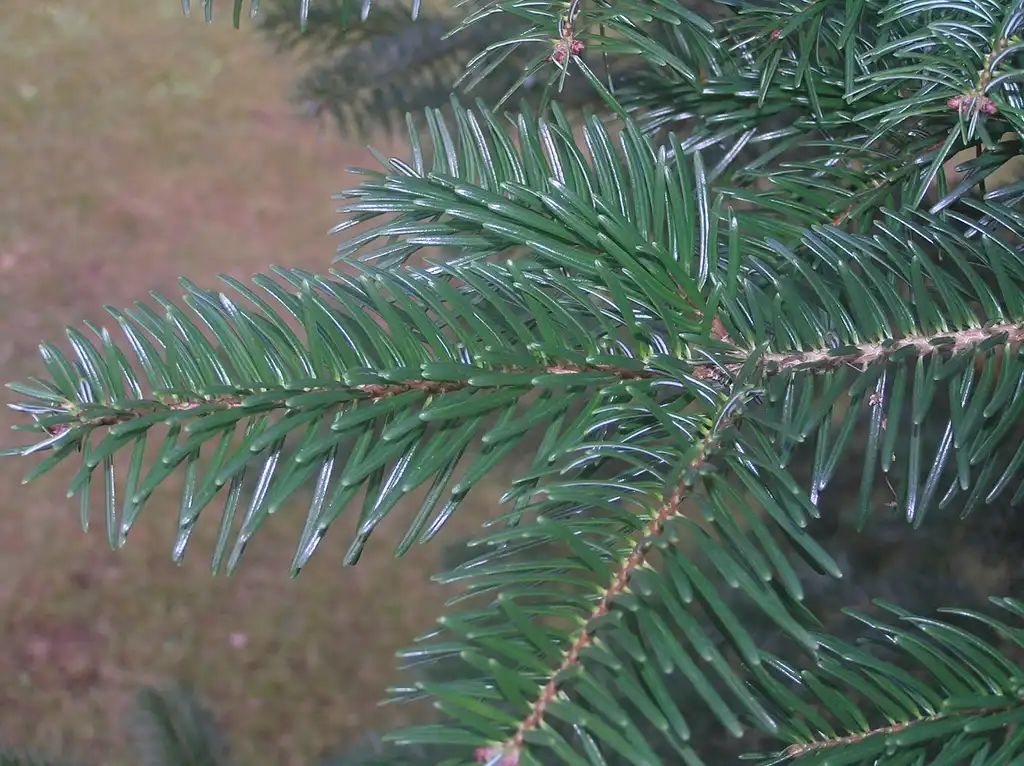
Needle-like flattened 1/2"-1" inches by 1/10" wide glossy, dark green above, two white-blue bands of stomata underneath. Tips are usually pointed, sometimes blunt. Needles are spirally arranged.
Needles
Other/more complex
< 1 inch
Prickly
Glossy
< 1 inch
Bark
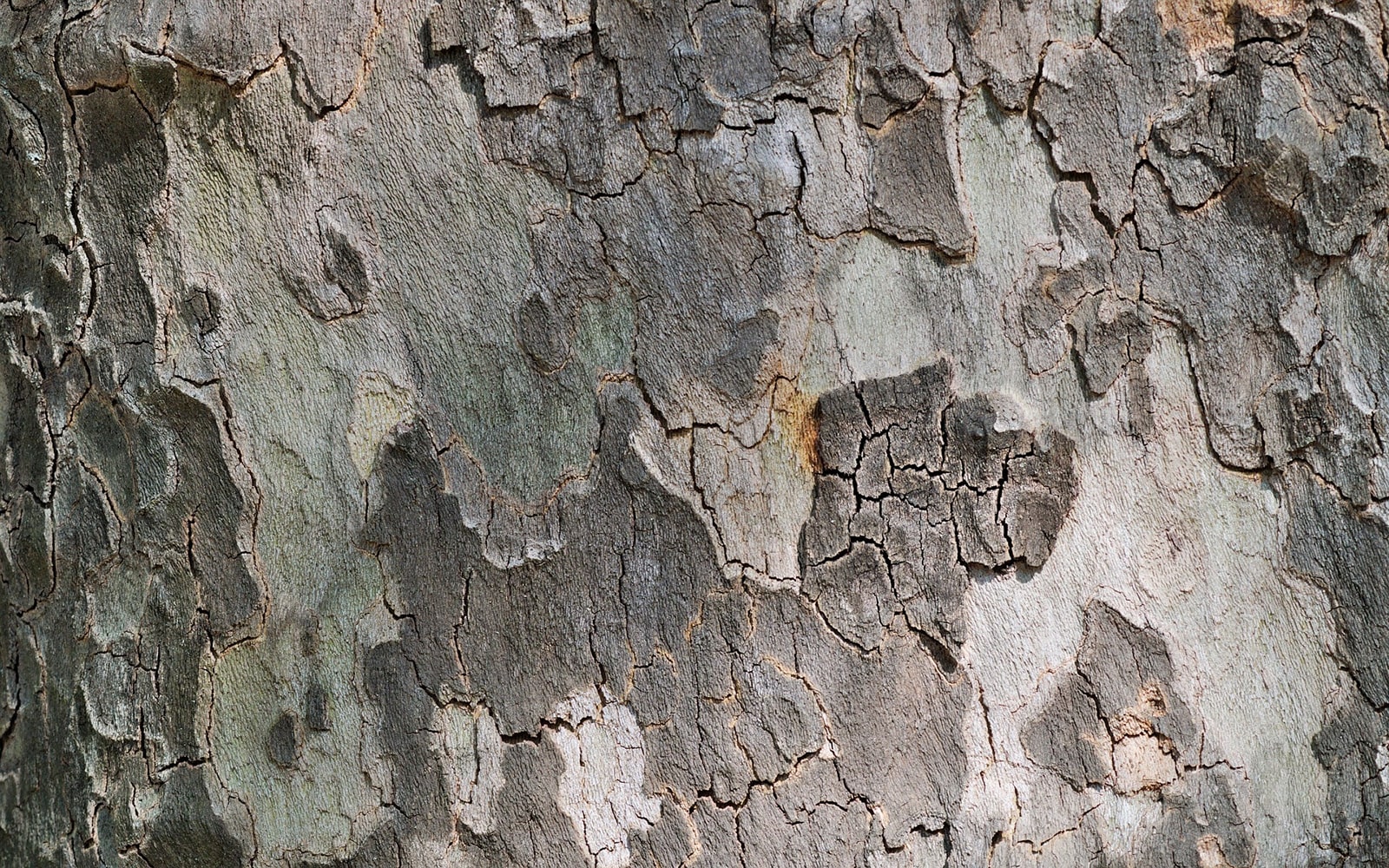
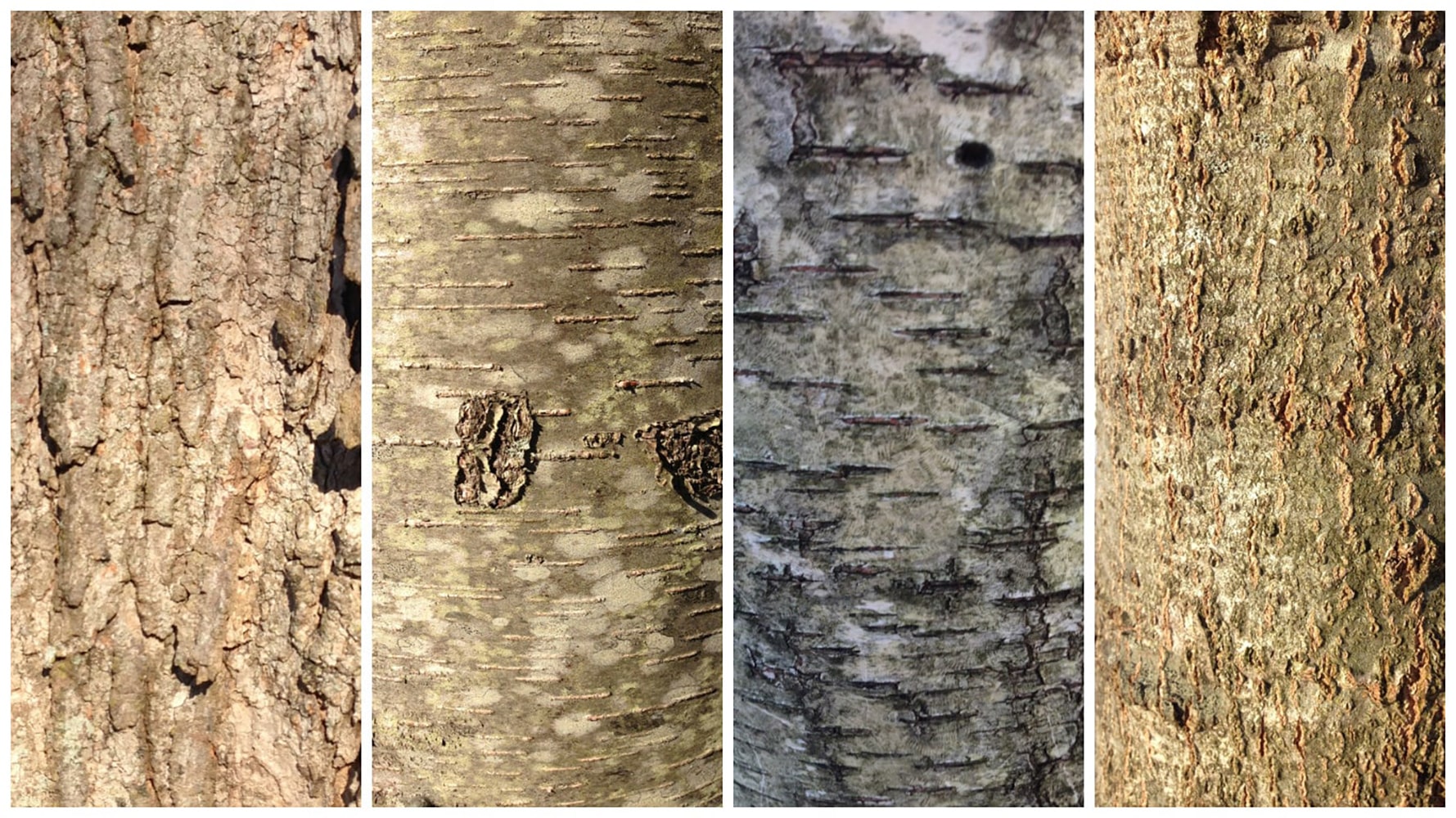
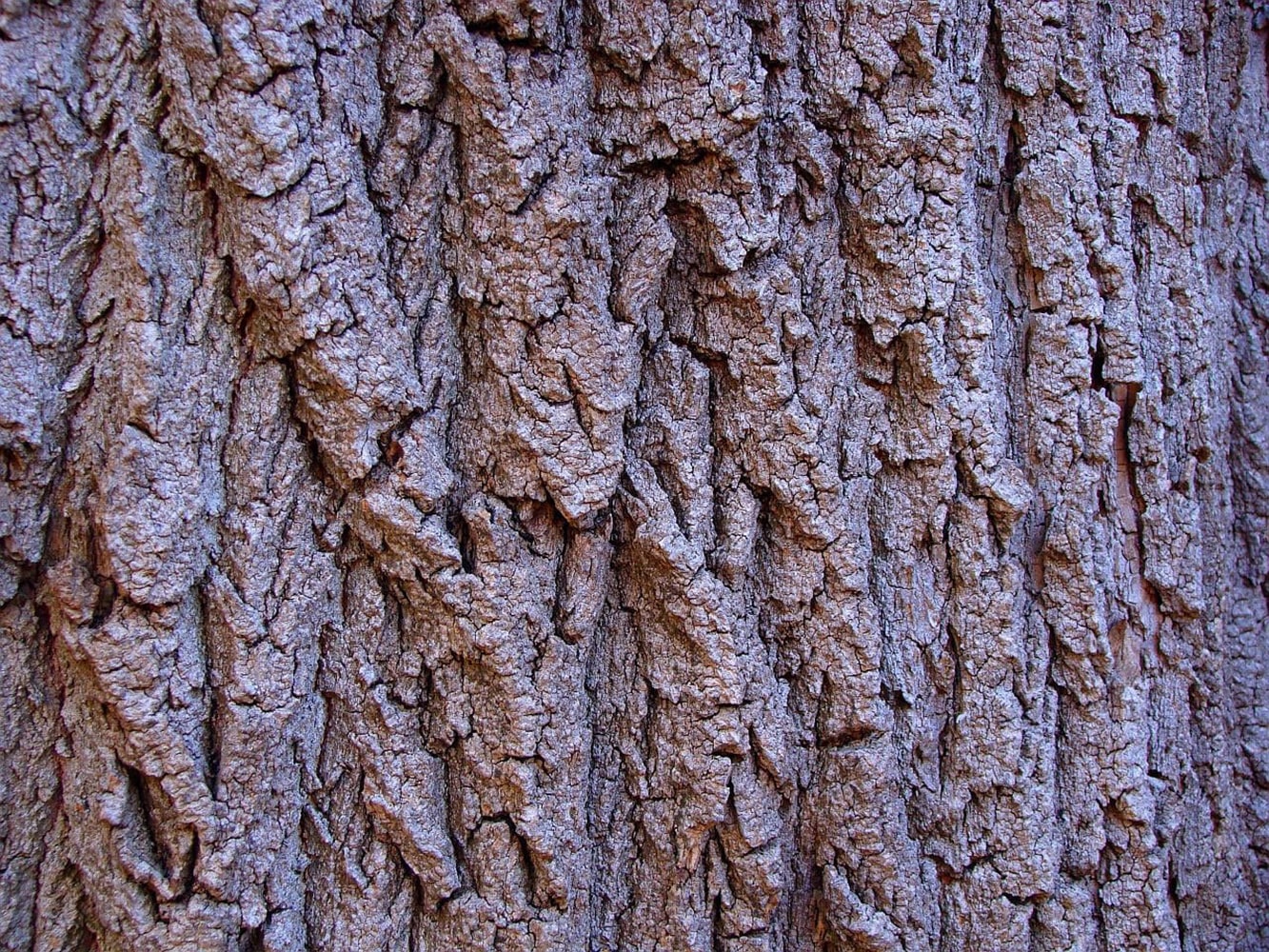
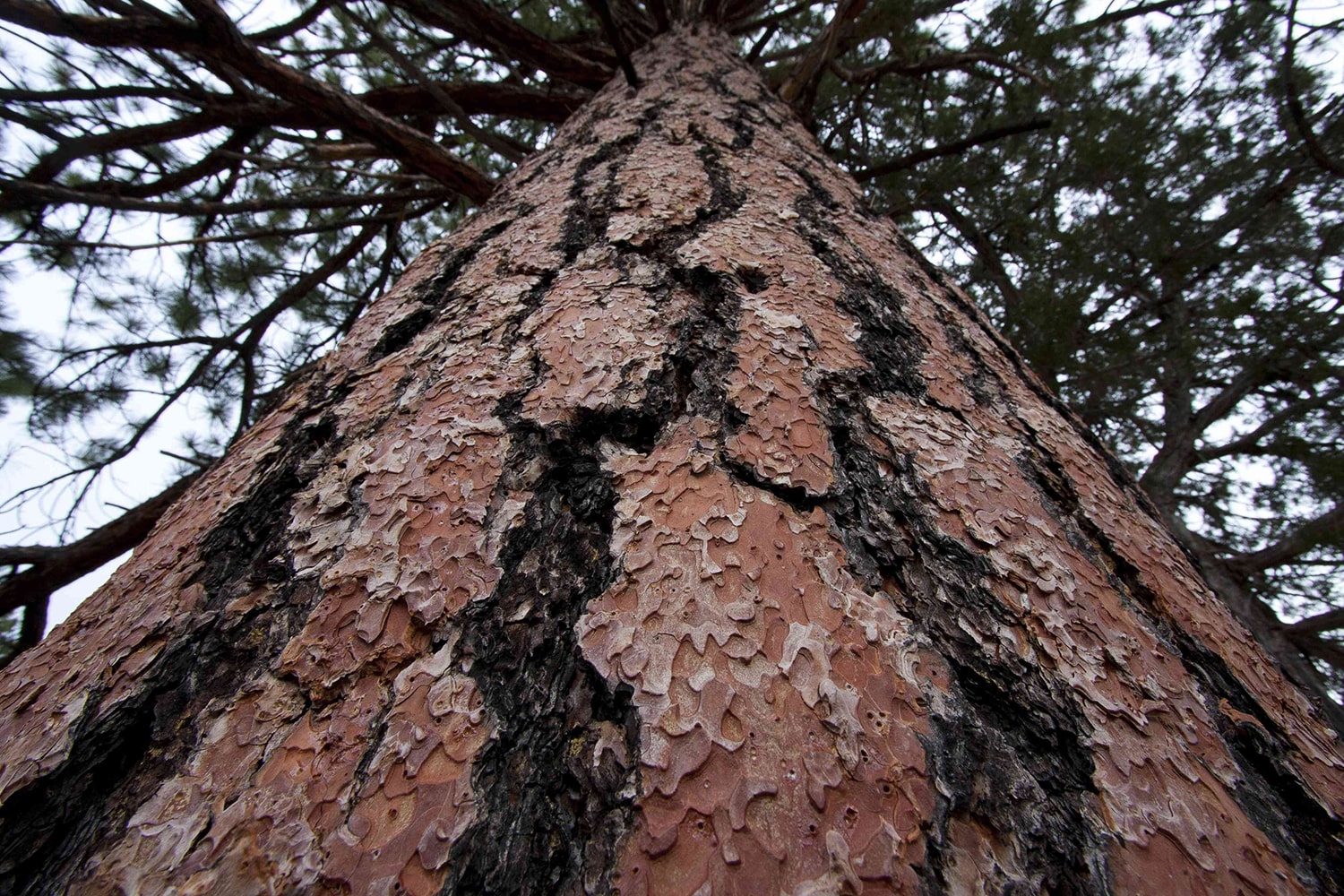
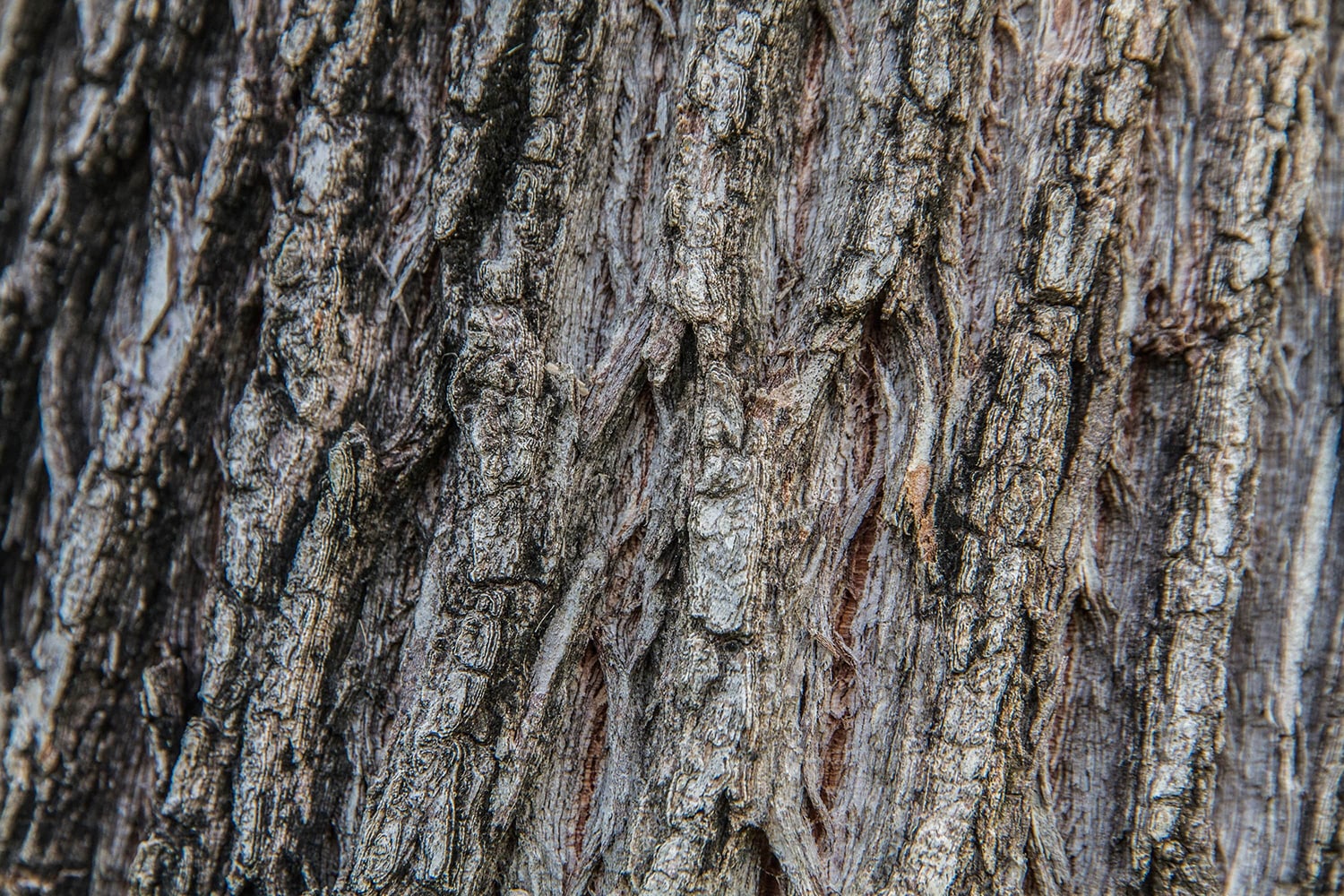
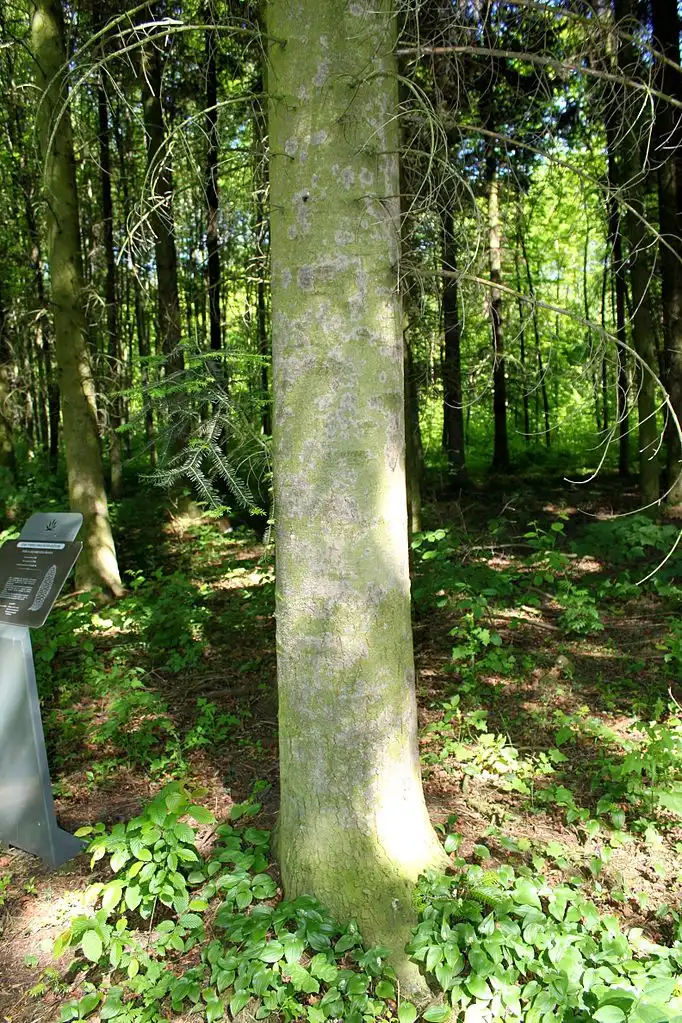
Gray-brown and smooth when young, fissured with oblong plates as it ages. Trunk diameter can reach three feet.
Light Gray
Light Brown
Smooth
Fissured
Stem
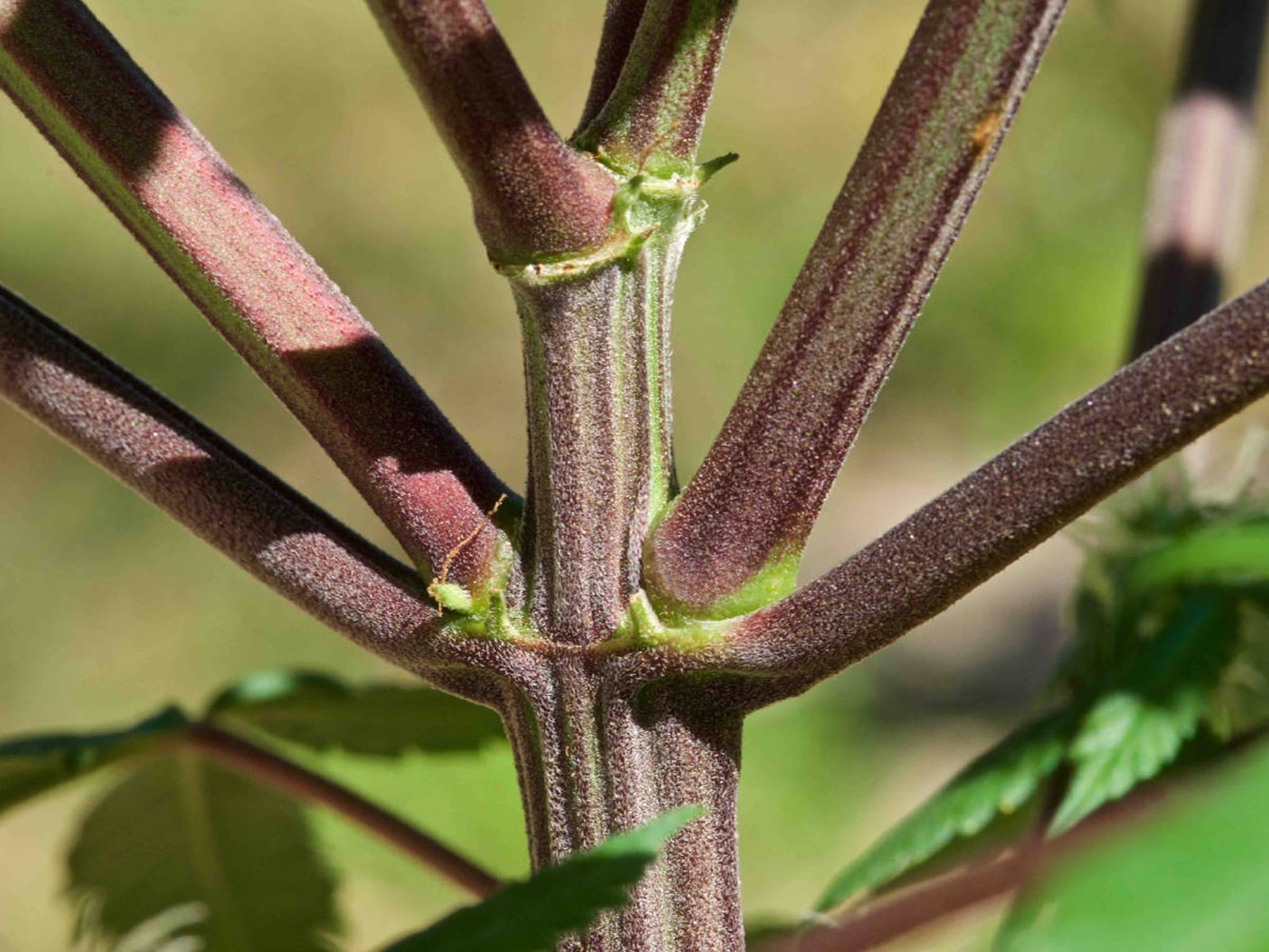
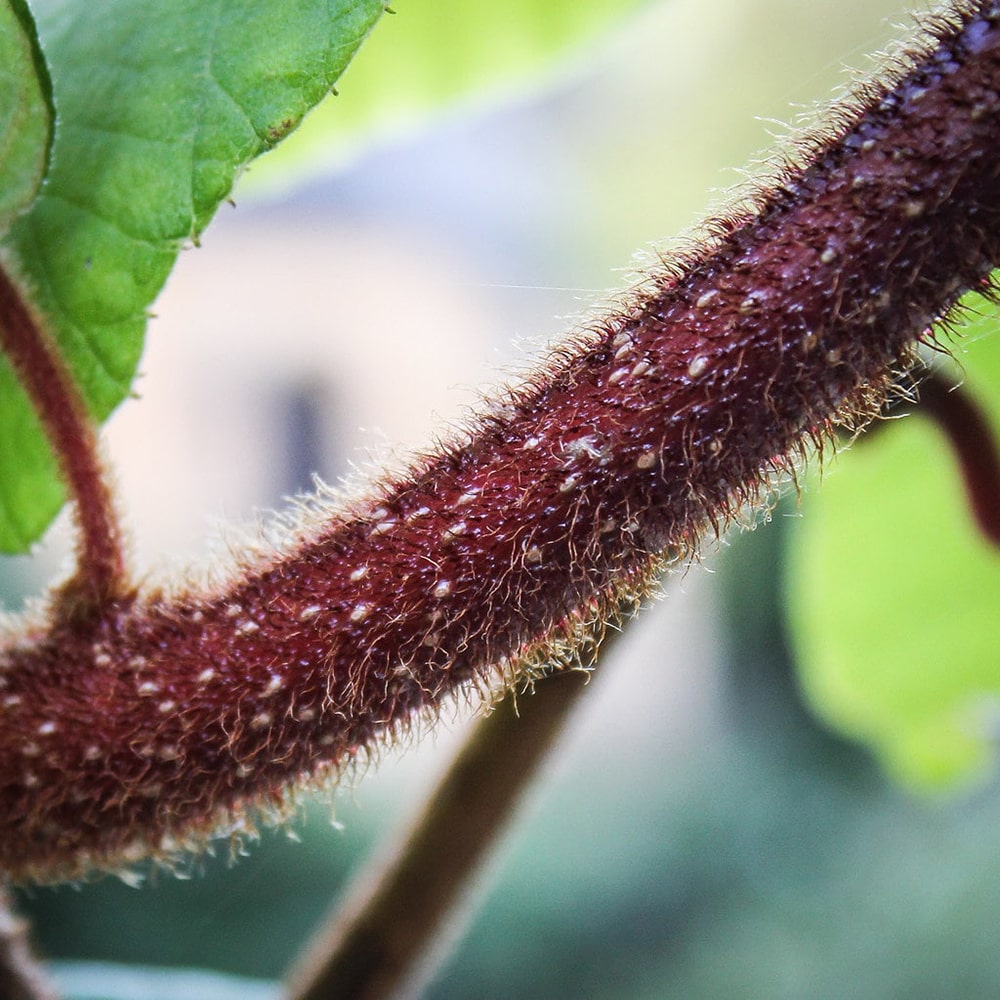
Bright brown or red-brown, smooth. Buds conical or ovoid, resinous, scales visible at the apex
Brown/Copper
Red/Burgundy
Smooth (glabrous)
Whole Plant Traits
Erect
Conical
Pyramidal
Spreading
Cultural Conditions
Full sun (6 or more hours of direct sunlight a day)
Acid (<6.0)
Neutral (6.0-8.0)
Good Drainage
Moist
more than 60 feet
Mountains
Piedmont
Clay
High Organic Matter
Loam (Silt)
Landscape
Drought Tolerant Garden
Drought
Insect Pests
Recreational Play Area
Meadow

Abies cephalonica Attributes

Abies cephalonica: Uses (Ethnobotany)

Young trees are used as Christmas trees. Wood was used as lumber in the past but it has now become too rare.

Abies cephalonica: Country Or Region Of Origin

Albania to Greece

Abies cephalonica: Life Cycle

Annual
Biennial
Bulb
Perennial
Woody

Abies cephalonica Fruit

Abies cephalonica: Fruit Description

No fruits. Seed cones are 4"-8" long 1 1/2" wide, around 200 scales, two-winged seeds. Cones release seeds when they disintegrate as they age.

Abies cephalonica: Fruit Length

< 1 inch
1-3 inches
> 3 inches

Abies cephalonica: Fruit Width

< 1 inch
1-3 inches
> 3 inches

Abies cephalonica Flowers

Abies cephalonica: Flower Description

No flowers, conifer. Pollen cones ovoid and 1/2" long

Abies cephalonica Leaves

Abies cephalonica: Leaf Description

Needle-like flattened 1/2"-1" inches by 1/10" wide glossy, dark green above, two white-blue bands of stomata underneath. Tips are usually pointed, sometimes blunt. Needles are spirally arranged.

Abies cephalonica: Woody Plant Leaf Characteristics

Broadleaf Evergreen
Deciduous
Needled Evergreen
Semi-evergreen

Abies cephalonica: Leaf Color

spa
Green

Abies cephalonica: Leaf Type

Compound (Pinnately , Bipinnately, Palmately)
Fronds
Needles
Sheath
Simple

Abies cephalonica: Leaf Arrangement

Alternate
Opposite
Other/more complex
Rosulate
Whorled

Abies cephalonica: Leaf Margin

Crenate
Crenulate
Dentate
Denticulate
Doubly Crenate
Doubly Dentate
Doubly Serrate
Entire
Lobed
Serrate
Sinuate
Undulate

Abies cephalonica: Hairs Present

No
Yes

Abies cephalonica: Leaf Length

< 1 inch
1-3 inches
3-6 inches
> 6 inches

Abies cephalonica: Leaf Feel

Fleshy
Glossy
Leathery

Papery
Prickly

Rough
Rubbery
Slippery
Smooth
Soft
Velvety
Waxy

Abies cephalonica: Leaf Width

< 1 inch
1-3 inches
3-6 inches
> 6 inches

Abies cephalonica Bark

Abies cephalonica: Bark Description

Gray-brown and smooth when young, fissured with oblong plates as it ages. Trunk diameter can reach three feet.

Abies cephalonica: Bark Color

grass
Light Brown
grass
Light Gray

Abies cephalonica: Surface/Attachment

Bumpy
Exfoliating
Fissured
Furrowed
Lenticels
Papery
Patchy
Peeling
Ridges
Scaly
Shaggy
Shiny
Shredding
Smooth
Spongy

Abies cephalonica: Bark Plate Shape

Diamond
Irregular
Oval
Rectangle
Round
Square

Abies cephalonica Stem

Abies cephalonica: Stem Description

Bright brown or red-brown, smooth. Buds conical or ovoid, resinous, scales visible at the apex

Abies cephalonica: Stem Color

grass
Brown/Copper
grass
Red/Burgundy

Abies cephalonica: Stem Is Aromatic

No
Yes

Abies cephalonica: Stem Surface

Corky Ridges
Covered with a powdery bloom (glaucous)
Dull
Hairy (pubescent)
Polished
Smooth (glabrous)

Abies cephalonica: Stem Buds

Hairy
Hairy tips
Scaly
Smooth/Hairless

Abies cephalonica Whole Plant Traits

Abies cephalonica: Plant Type

Annual
Bulb
Carnivorous
Edible
Epiphyte
Fern
Ground Cover
Herb
Herbaceous Perennial
Houseplant
Mushroom
Native Plant
Ornamental Grasses and Sedges
Perennial
Poisonous
Rose
Shrub
Succulent
Tree
Turfgrass
Vegetable
Vine
Water Plant
Weed
Wildflower

Abies cephalonica: Woody Plant Leaf Characteristics

Broadleaf Evergreen
Deciduous
Needled Evergreen
Semi-evergreen

Abies cephalonica: Habit/Form

Arching
Ascending
Broad
Cascading
Climbing
Clumping
Columnar
Conical
Creeping
Dense
Erect
Horizontal
Irregular
Mounding
Multi-stemmed
Multi-trunked
Open
Oval
Prostrate
Pyramidal
Rounded
Spreading
Vase
Weeping

Abies cephalonica Cultural Conditions

Abies cephalonica: Light

Dappled Sunlight (Shade through upper canopy all day)
Deep shade (Less than 2 hours to no direct sunlight)
Full sun (6 or more hours of direct sunlight a day)
Partial Shade (Direct sunlight only part of the day, 2-6 hours)

Abies cephalonica: Soil pH

Acid (<6.0)
Alkaline (>8.0)
Neutral (6.0-8.0)

Abies cephalonica: Soil Drainage

Frequent Standing Water
Good Drainage
Moist
Occasional Flooding
Occasionally Dry
Occasionally Wet
Very Dry

Abies cephalonica: Available Space To Plant

12 inches-3 feet
12-24 feet
24-60 feet
3 feet-6 feet
6-feet-12 feet
Less than 12 inches
more than 60 feet

Abies cephalonica: NC Region

Coastal
Mountains
Piedmont

Abies cephalonica: USDA Plant Hardiness Zone

thermostat
5a
thermostat
5b
thermostat
6a
thermostat
6b
thermostat
7a
thermostat
7b
thermostat
8a
thermostat
8b

Abies cephalonica: Soil Texture

Clay
High Organic Matter
Loam (Silt)
Sand
Shallow Rocky

Abies cephalonica Landscape

Abies cephalonica: Landscape Theme

Asian Garden
Butterfly Garden
Children's Garden
Cottage Garden
Cutting Garden
Drought Tolerant Garden
Edible Garden
English Garden
Fairy Garden
Garden for the Blind
Native Garden
Nighttime Garden
Pollinator Garden
Rain Garden
Rock Garden
Shade Garden
Water Garden
Winter Garden

Abies cephalonica: Resistance To Challenges

Black Walnut
Compaction
Deer
Diseases
Drought
Dry Soil
Erosion
Fire
Foot Traffic
Heat
Heavy Shade
Humidity
Insect Pests
Pollution
Poor Soil
Rabbits
Salt
Slugs
Squirrels
Storm damage
Urban Conditions
Voles
Wet Soil
Wind

Abies cephalonica: Landscape Location

Coastal
Container
Hanging Baskets
Houseplants
Lawn
Meadow
Naturalized Area
Near Septic
Patio
Pond
Pool/Hardscape
Recreational Play Area
Riparian
Rock Wall
Slope/Bank
Small Space
Vertical Spaces
Walkways
Woodland