

x Hesperotropsis leylandii: Country Or Region Of Origin
England
Phonetic Spelling:
Genus:x Hesperotropsis
Species:leylandii
Family:Cupressaceae
This plant poses several challenges, and it is advisable to explore alternative options. Please refer to the recommendations listed in the left-hand column.
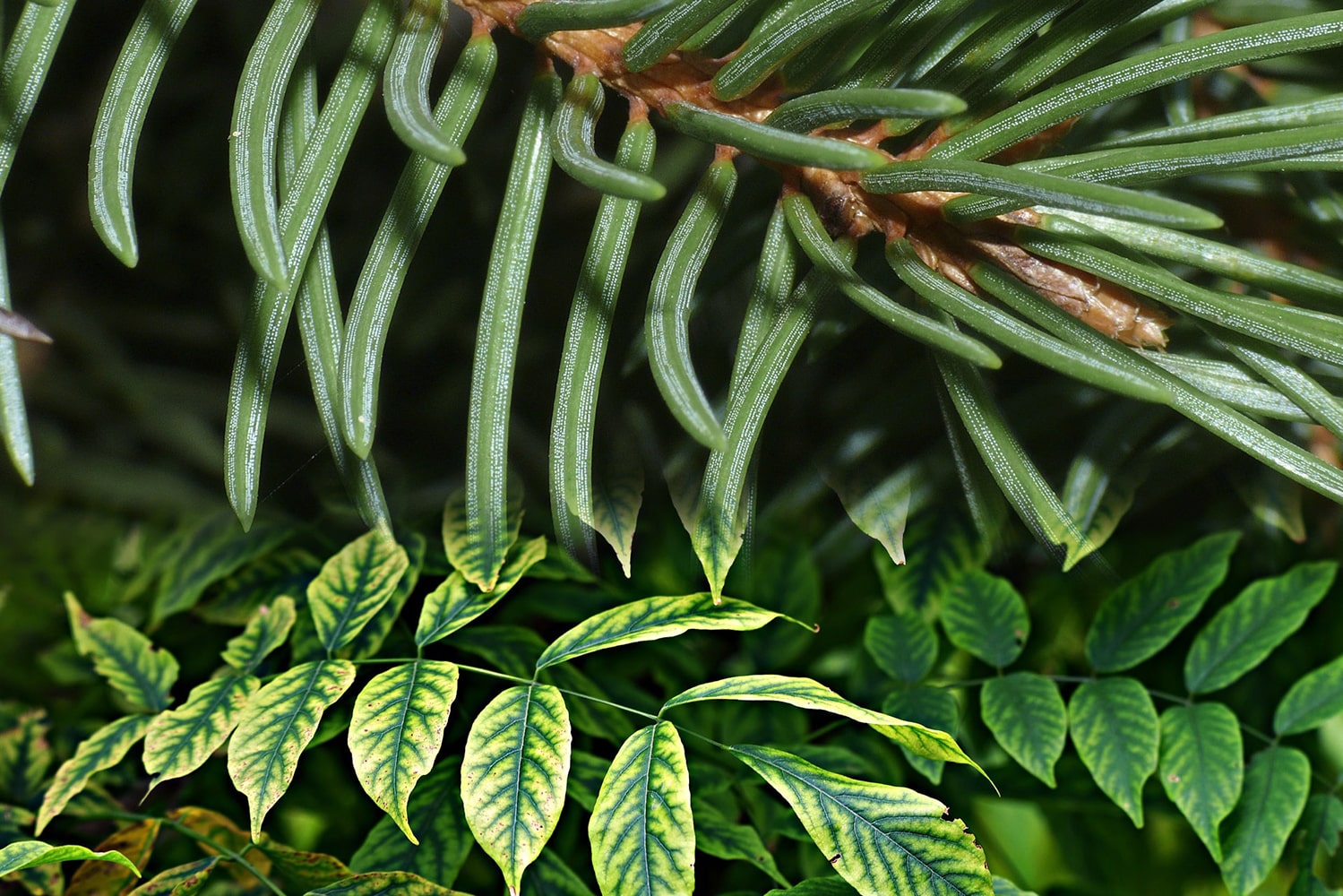
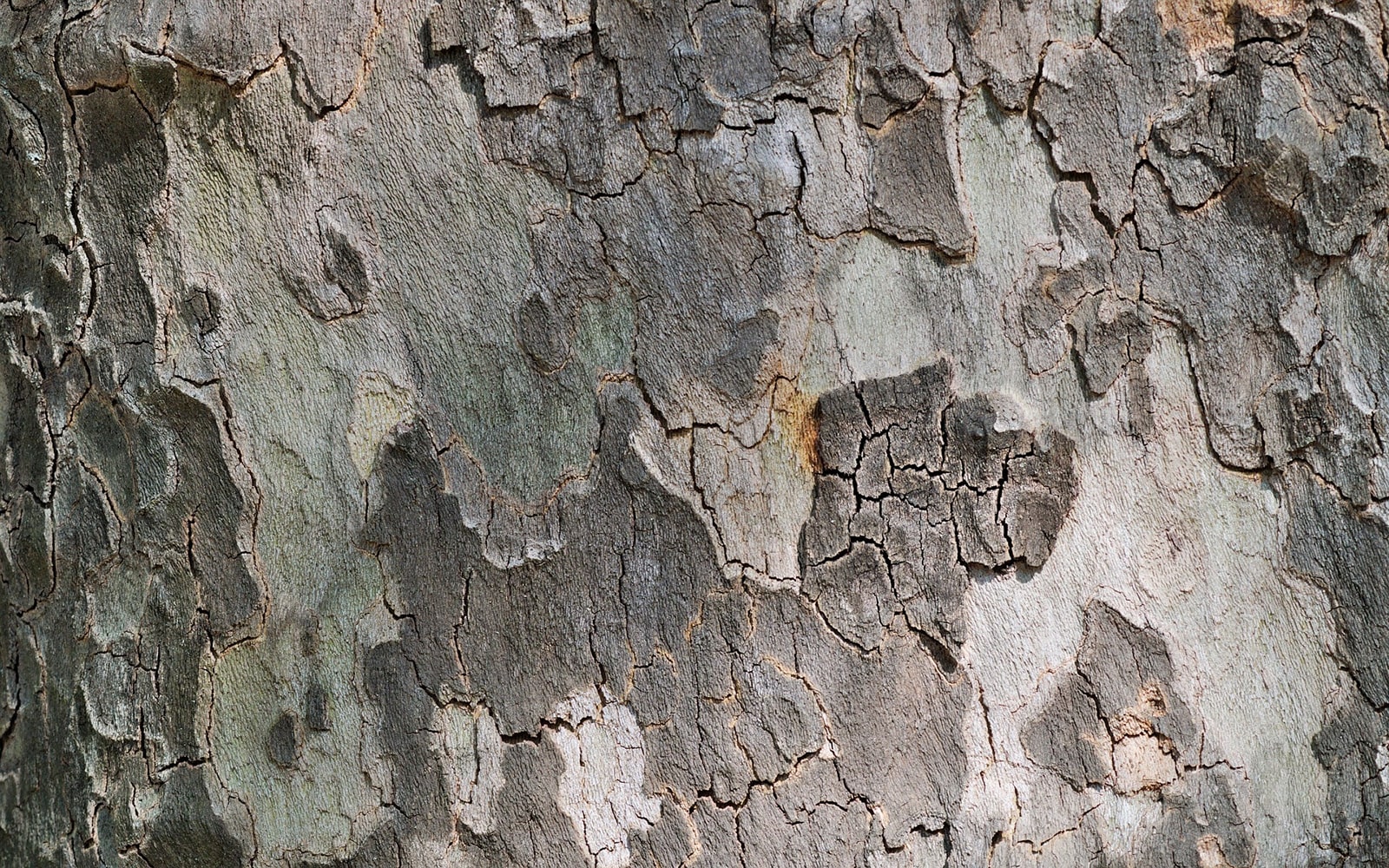
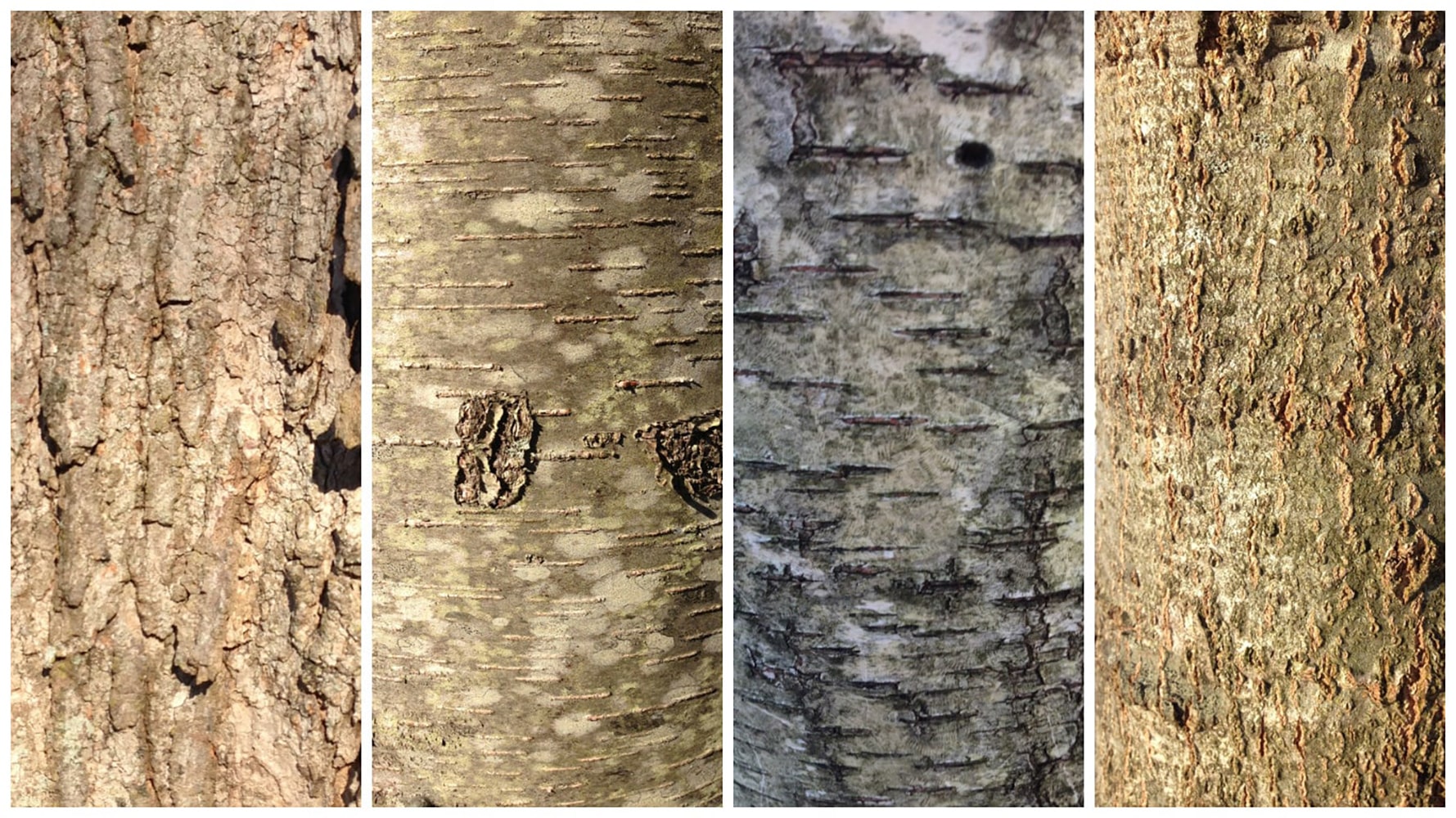
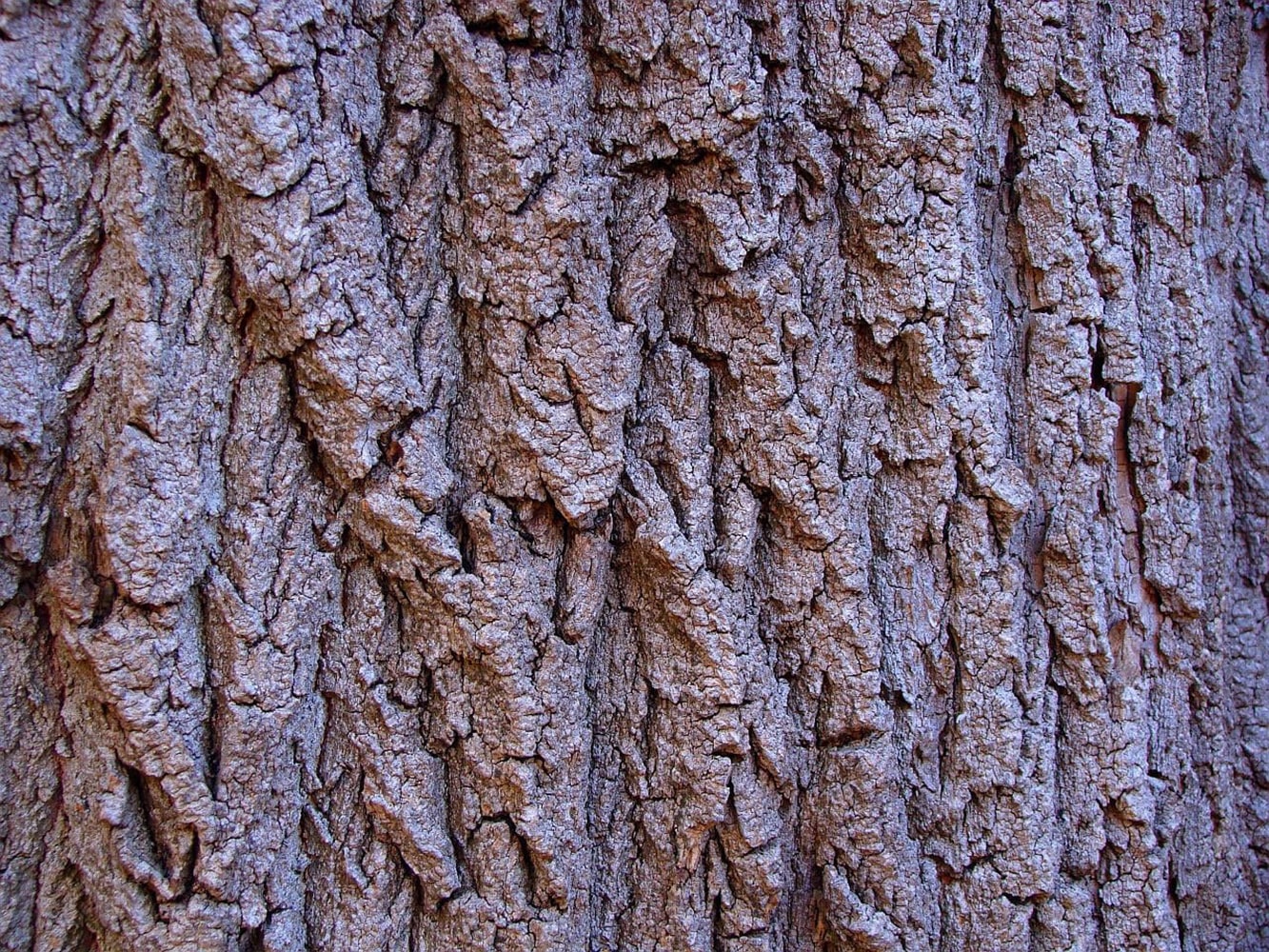
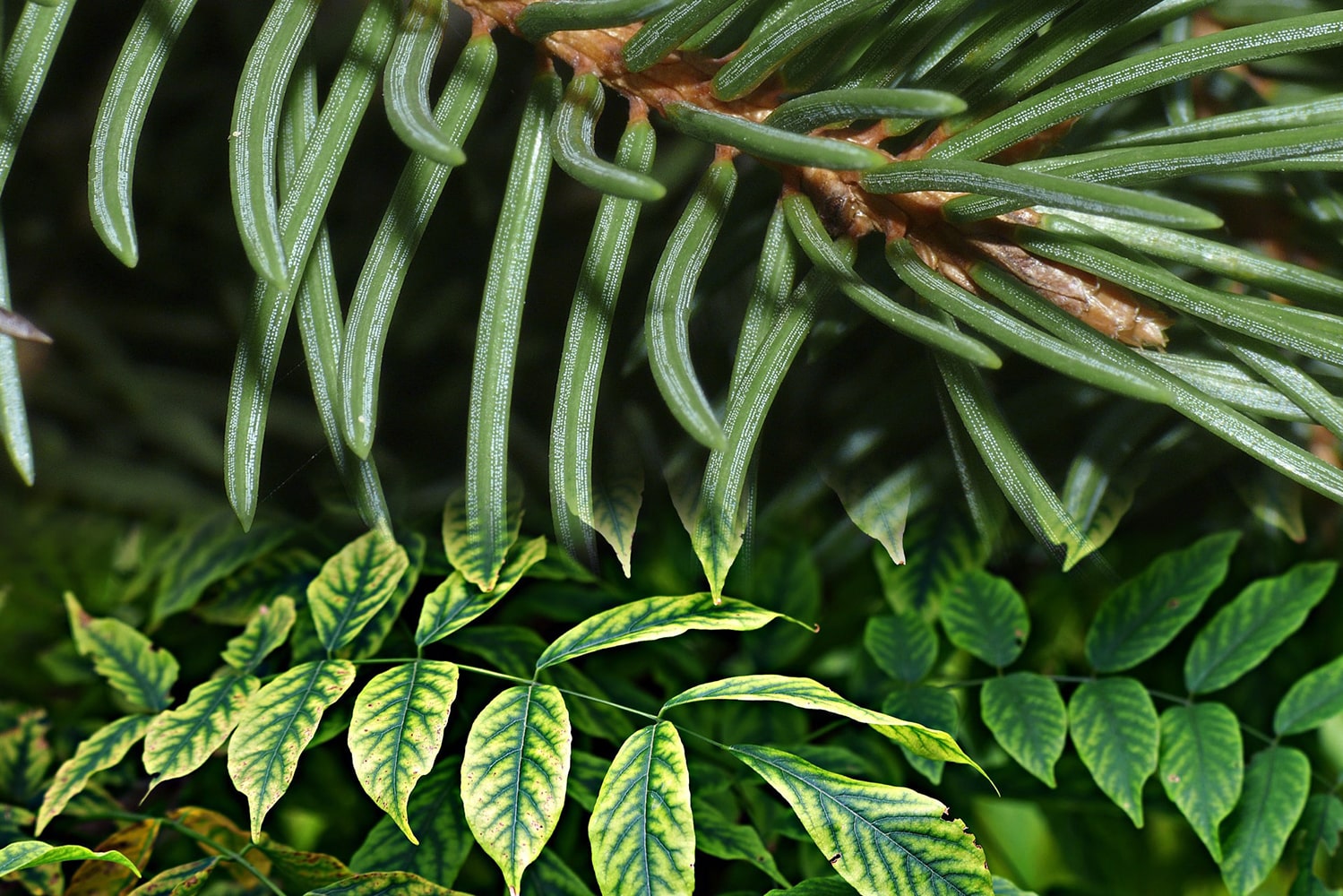
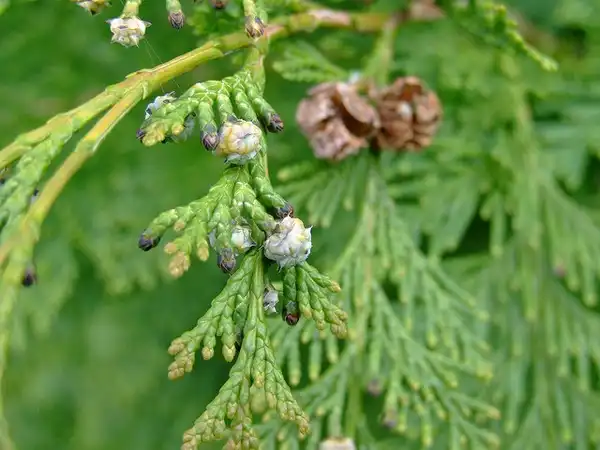
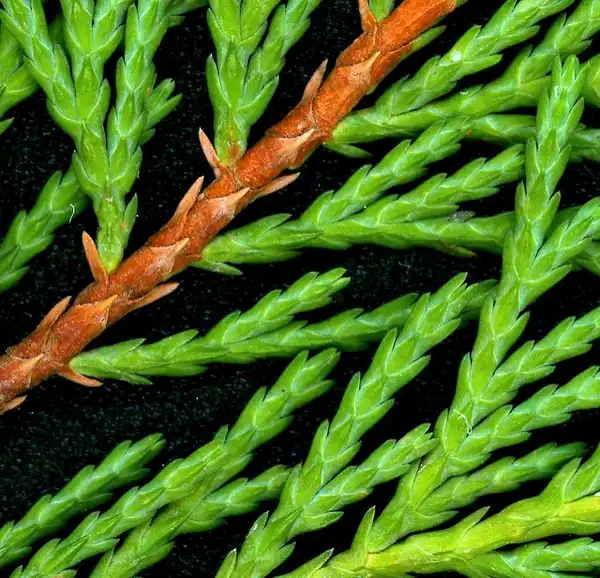
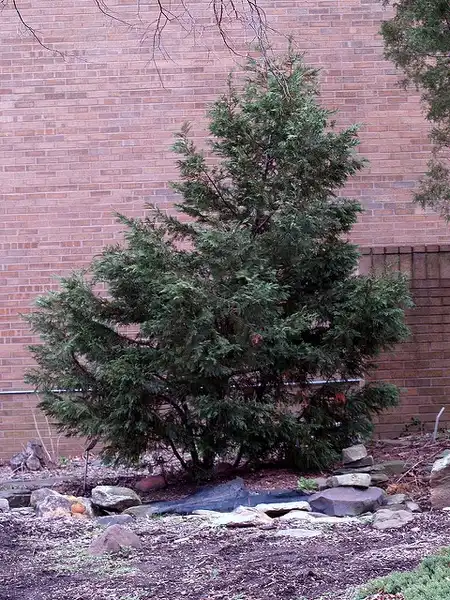
The Leyland Cypress is a hybrid evergreen tree characterized by its rapid growth and upright form, featuring needle-like foliage. In its initial years, it can achieve growth rates of up to 3 feet annually and adapts well to various soil conditions. Its bark is a scaly reddish-brown, complemented by attractive clusters of gray-green needles.
This tree serves effectively as a screen, hedge, or windbreak; however, it is highly susceptible to pests and diseases, necessitating regular pruning to maintain its neat appearance. With a symmetrical canopy and smooth silhouette, Leyland Cypresses exhibit uniform crown shapes. The branches grow vertically without drooping, providing a robust structure that resists breakage. Additionally, it responds well to heavy pruning and can recover effectively from significant topping.
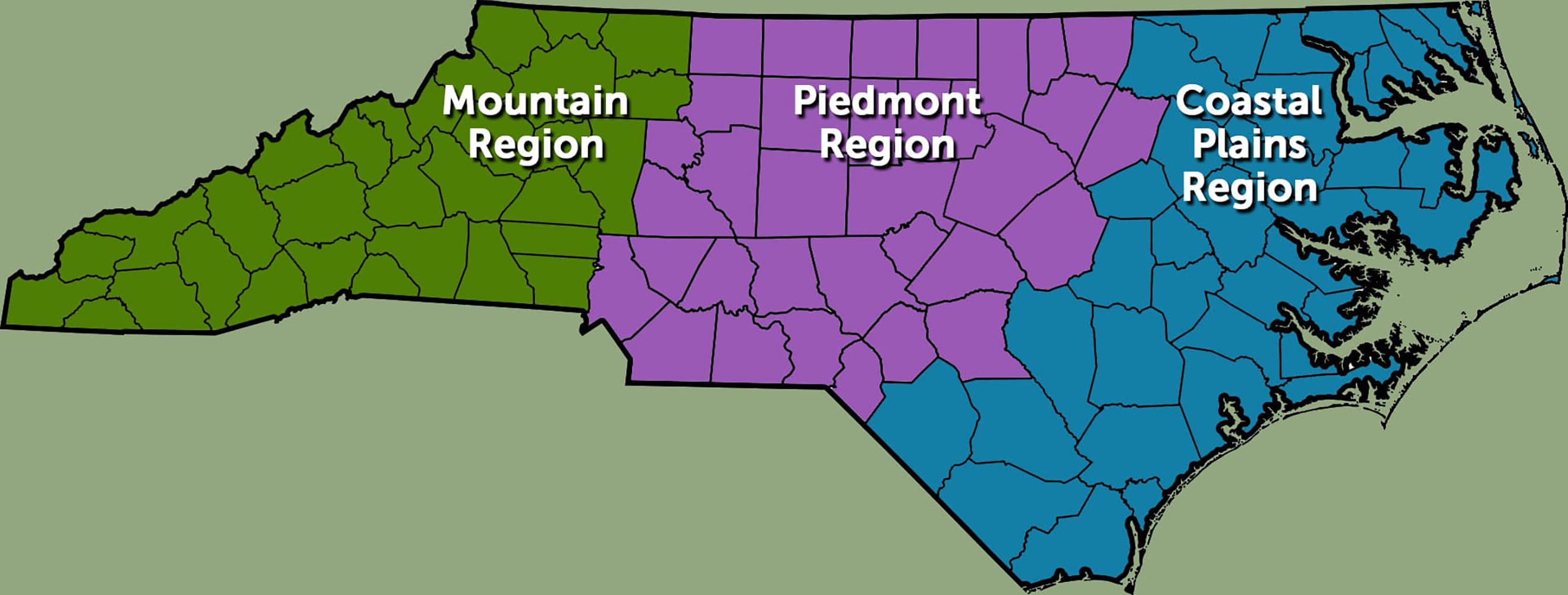
In North Carolina's Piedmont and Coastal Plain regions, it is occasionally cultivated for sale as Christmas trees.
Propagation can be achieved through stem cuttings.
Insects, Diseases, and Other Plant Issues: The Leyland Cypress is vulnerable to a range of both treatable and untreatable issues. Bagworms pose a significant threat, capable of defoliating an entire tree within weeks. It is also prone to cankers and root rot, particularly from Armillaria and Phytophthora species, as well as Seiridium and Botryosphaeria cankers. Cankers often develop after drought conditions, and both root rots and cankers are incurable.
The seeds produced may not be true to the parent plant.
Contact with the foliage can lead to skin irritation, so it is advisable to wear gloves when handling.
Quick Identification
x Hesperotropsis leylandii Feature Summary
x Hesperotropsis leylandii Image Gallery