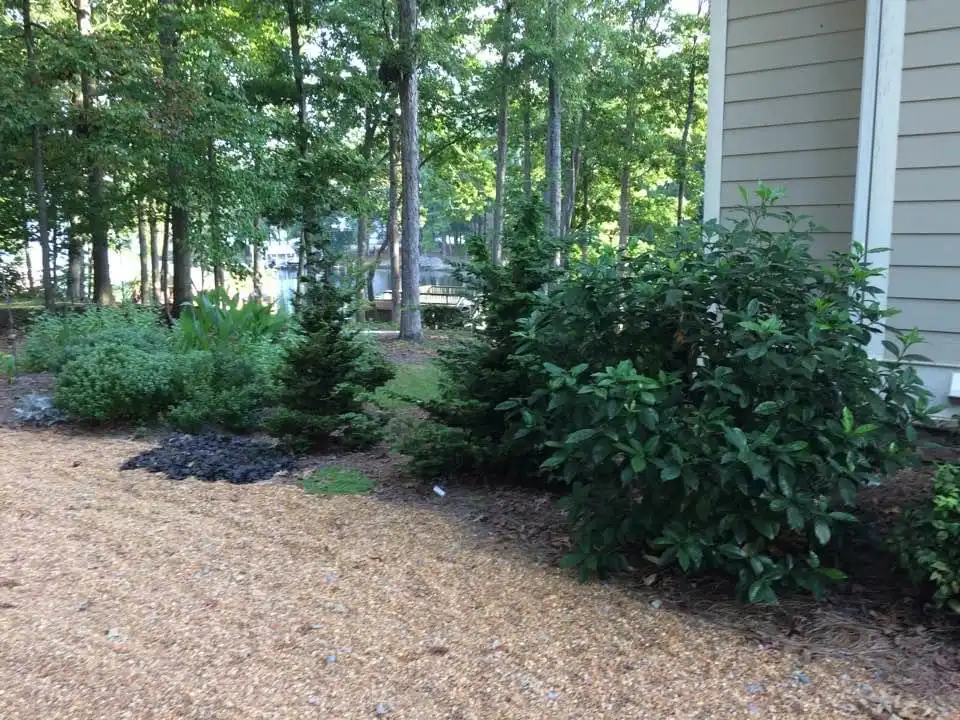
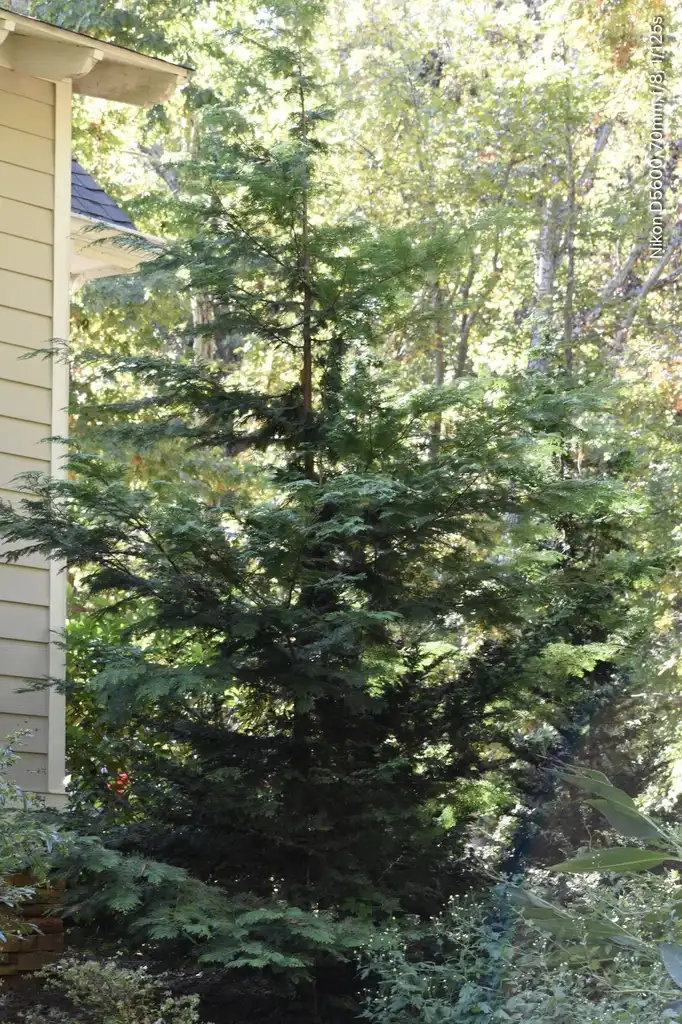
• Photo of Chamaecyparis obtusa (Chamaecyparis obtusas)

Plant Profile: Chamaecyparis obtusa

Taxonomy: Chamaecyparis obtusa

Names

Dwarf Hinoki Falsecypress, Hinoki Cypress, Hinoki Falsecypress

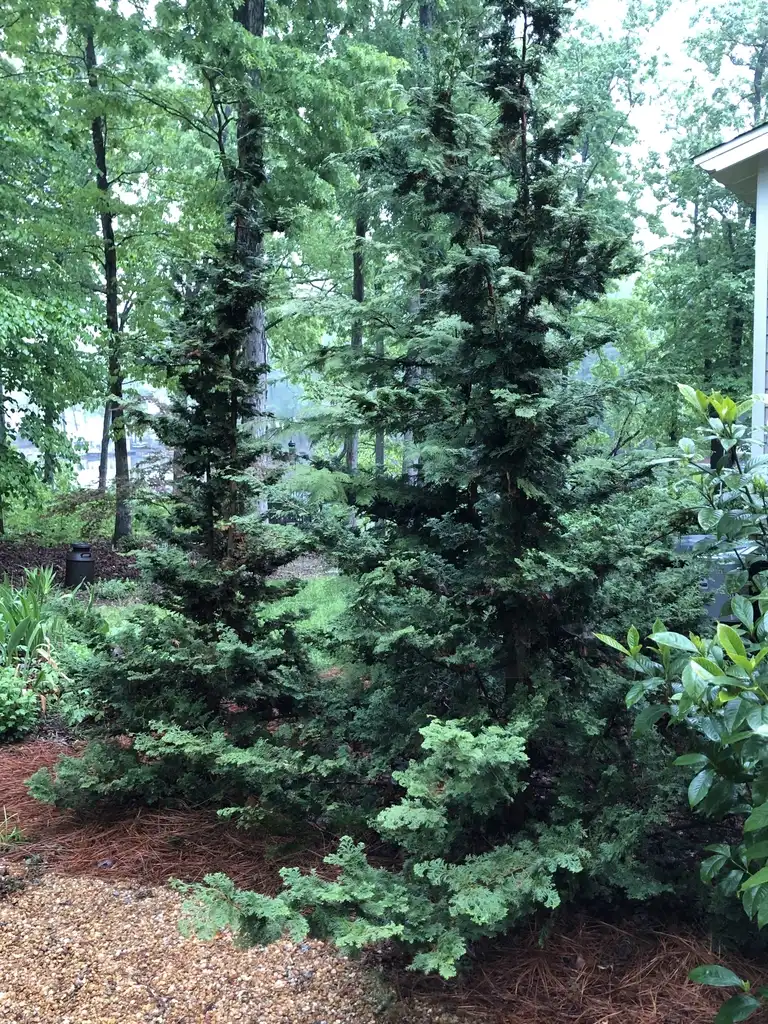
  • Photo of Chamaecyparis obtusa (Chamaecyparis obtusas)

Phonetic Spelling:kam-ee-SIP-a-riss ob-TOO-suh

Genus:Chamaecyparis

Species:obtusa

Family:Cupressaceae

Hinoki Cypress is a sizable evergreen tree native to Japan, characterized by its broad, gently pyramidal form and its wide, horizontal branches. While it thrives in moist, fertile loam, it can adapt to various well-drained soil types. This tree flourishes in full sunlight but can manage in partial shade and requires some wind protection.

The tree's flowers are not particularly noteworthy, and its cones are small, displaying an orange-brown hue. Due to its large size, Hinoki Cypress is seldom utilized in landscaping; however, there are numerous smaller cultivars that are more appropriate for residential settings.

Seed Type: Cone

Quick Identification Tips:
- Grows slowly
- Challenging to transplant
- Prefers moist, well-drained soil
- Best suited for sunny locations

For additional details on Chamaecyparis, please refer to the provided resources.

Chamaecyparis obtusa Feature Summary

Chamaecyparis obtusa Image Gallery

Tags

#evergreen
#full sun tolerant
#wildlife plant
#large tree
#winter interest
#playground
#cpp
#spreading
#needled evergreen
#children's garden
#screening
#fantz
#parks
#buncombe sun and shade
#mccarthy memorial garden

Similar Plants

Chamaecyparis obtusa is often confused with:

Chamaecyparis obtusa Feature Summary

Attributes
Has been widely used in Japanese architecture.
Screening
Fruit
No true fruit-female seed bearing cones are green when immature turning to brown. Small 0.5 in. orange-brown cones with 8-10 scales
Green
Red/Burgundy
Brown/Copper
Orange
Flowers
Mo true flowers - the pollen bearing cones are small and often reddish, growing from the branch tips.
Brown/Copper
Insignificant
Orange
Leaves
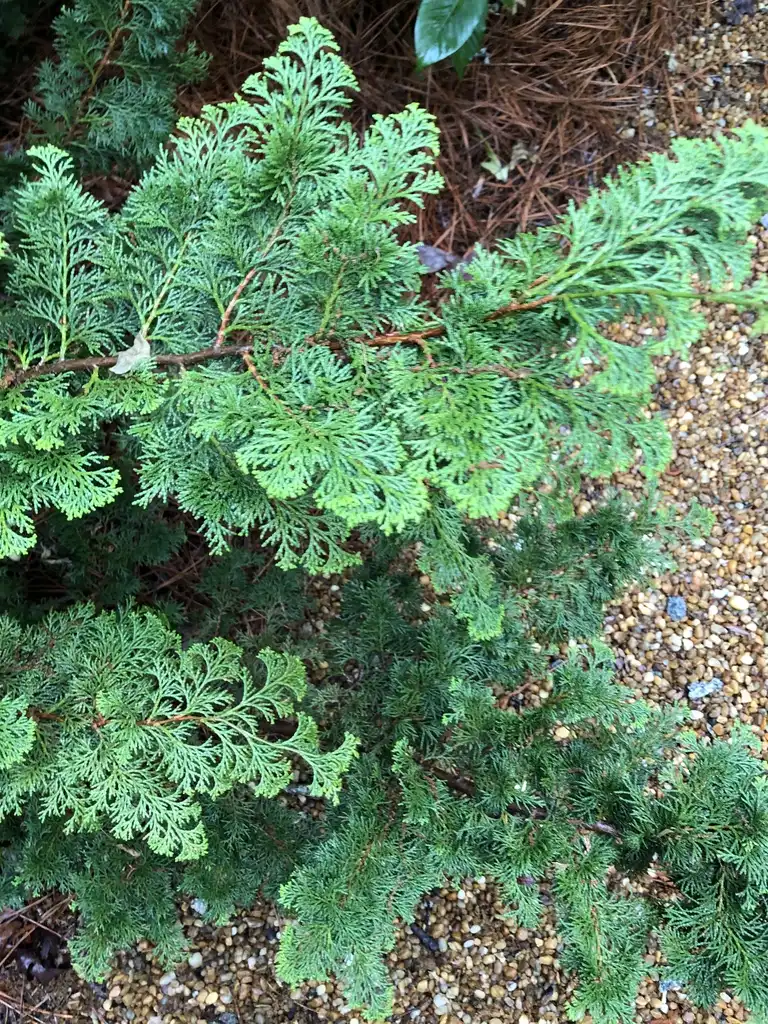
Short, closely compressed, green leaves are scale-like in flattened sprays with whitish x-like markings on the underside. Leaves come in 2 scale leaf sizes.
Green
White
Needles
Compound (Pinnately , Bipinnately, Palmately)
Bark
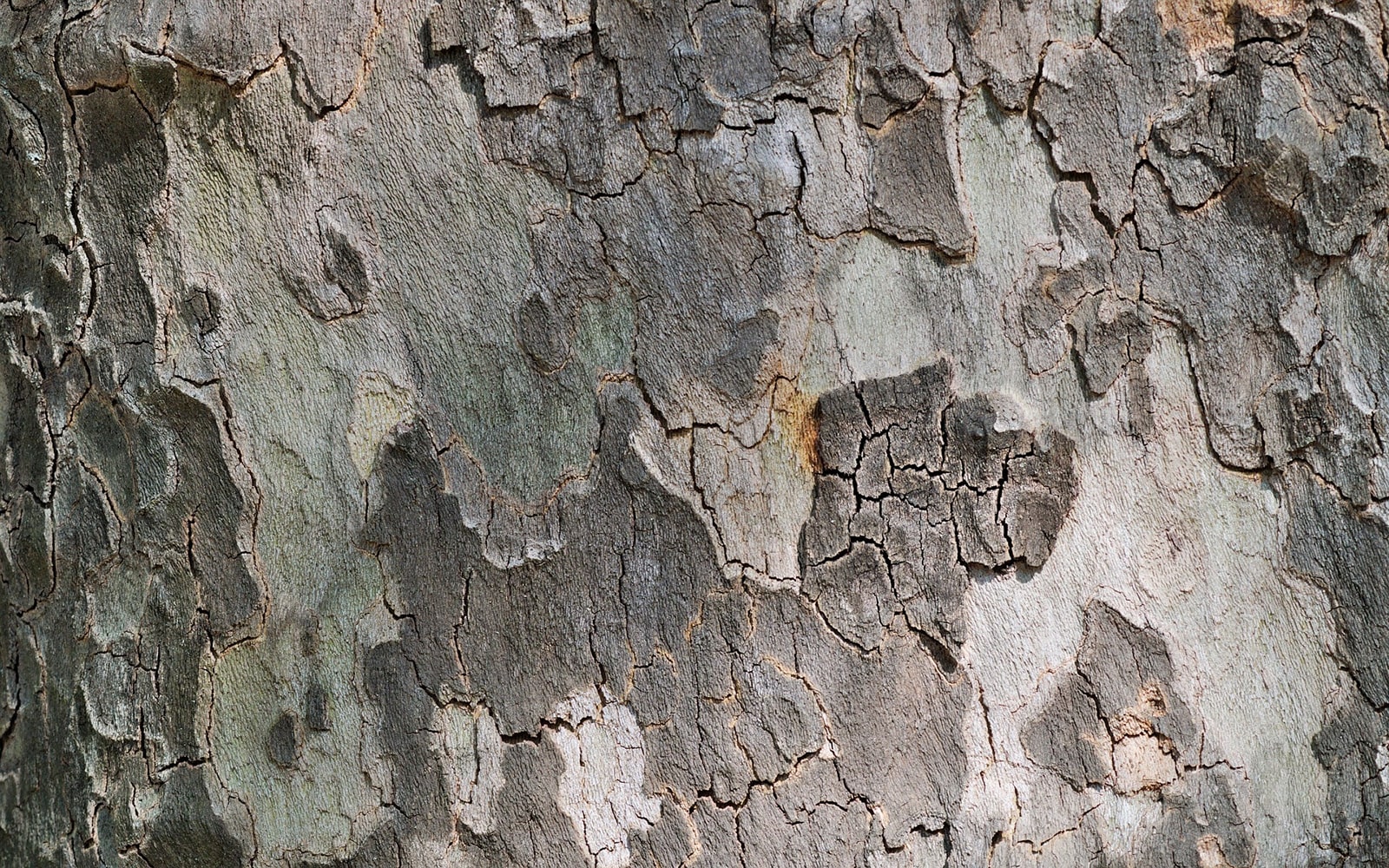
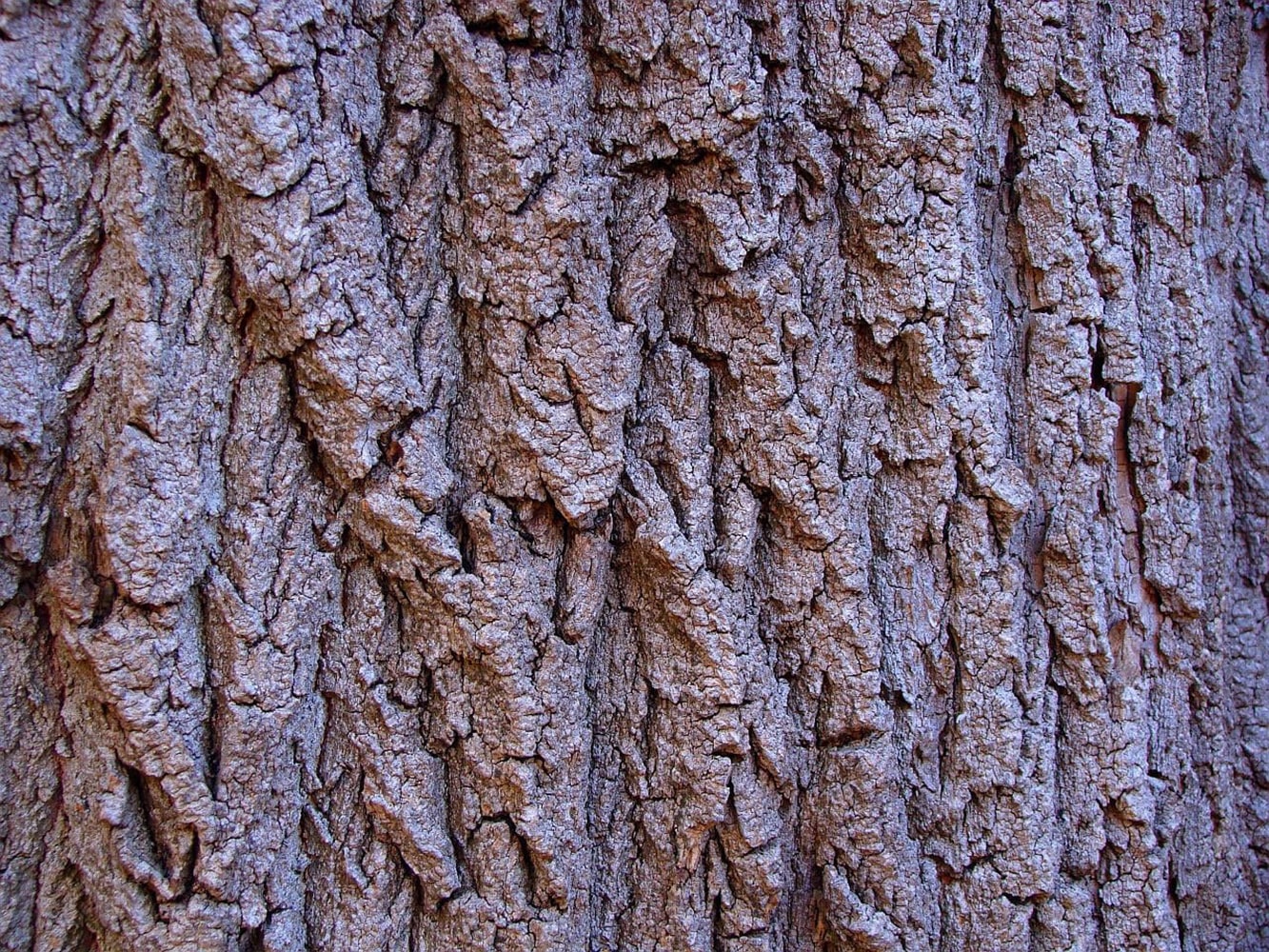
Reddish-brown bark will peel on mature trees.
Dark Brown
Red/Burgundy
Whole Plant Traits
Pyramidal
Spreading
Broad
Medium
Cultural Conditions
Full sun (6 or more hours of direct sunlight a day)
Partial Shade (Direct sunlight only part of the day, 2-6 hours)
Good Drainage
Moist
Coastal
Mountains
Piedmont
4a
4b
5b
5a
6a
6b
7a
7b
8b
8a
Clay
High Organic Matter
Loam (Silt)
Sand
Landscape
Children's Garden
Winter Garden
Recreational Play Area
Meadow

Chamaecyparis obtusa Attributes

Chamaecyparis obtusa: Uses (Ethnobotany)

Has been widely used in Japanese architecture.
Chamaecyparis obtusa: Country Or Region Of Origin

Asia

Chamaecyparis obtusa: Life Cycle

Annual
Biennial
Bulb
Perennial
Woody

Chamaecyparis obtusa: Play Value

Attractive Flowers
Attracts Pollinators
Buffer
Colorful
Defines Paths
Easy to Grow
Edible fruit
Fragrance
Pieces Used in Games
Screening
Shade
Sound
Textural
Wildlife Cover/Habitat
Wildlife Food Source
Wildlife Larval Host
Wildlife Nesting
Wind Break
Wind Shimmer

Chamaecyparis obtusa Fruit

Chamaecyparis obtusa: Fruit Description

No true fruit-female seed bearing cones are green when immature turning to brown. Small 0.5 in. orange-brown cones with 8-10 scales

Chamaecyparis obtusa: Fruit Color

grass
Brown/Copper
grass
Green
grass
Orange
grass
Red/Burgundy

Chamaecyparis obtusa: Display/Harvest Time

Fall
Spring
Summer
Winter

Chamaecyparis obtusa Flowers

Chamaecyparis obtusa: Flower Description

Mo true flowers - the pollen bearing cones are small and often reddish, growing from the branch tips.

Chamaecyparis obtusa: Flower Color

filter_vintage
Brown/Copper
filter_vintage
Insignificant
filter_vintage
Orange

Chamaecyparis obtusa: Flower Inflorescence

Catkin
Corymb
Cyme
Head
Insignificant
Panicle
Raceme
Solitary
Spadix
Spike
Umbel

Chamaecyparis obtusa: Flower Bloom Time

Winter
Spring
Summer
Fall

Chamaecyparis obtusa Leaves

Chamaecyparis obtusa: Leaf Description

Short, closely compressed, green leaves are scale-like in flattened sprays with whitish x-like markings on the underside. Leaves come in 2 scale leaf sizes.

Chamaecyparis obtusa: Woody Plant Leaf Characteristics

Broadleaf Evergreen
Deciduous
Needled Evergreen
Semi-evergreen

Chamaecyparis obtusa: Leaf Color

spa
Green
spa
White

Chamaecyparis obtusa: Leaf Type

Compound (Pinnately , Bipinnately, Palmately)
Fronds
Needles
Sheath
Simple

Chamaecyparis obtusa: Hairs Present

No
Yes

Chamaecyparis obtusa: Leaf Value To Gardener

Edible
Fragrant
Good Cut
Good Dried
Long-lasting
Showy

Chamaecyparis obtusa Bark

Chamaecyparis obtusa: Bark Description

Reddish-brown bark will peel on mature trees.

Chamaecyparis obtusa: Bark Color

grass
Dark Brown
grass
Red/Burgundy

Chamaecyparis obtusa: Surface/Attachment

Bumpy
Exfoliating
Fissured
Furrowed
Lenticels
Papery
Patchy
Peeling
Ridges
Scaly
Shaggy
Shiny
Shredding
Smooth
Spongy

Chamaecyparis obtusa Whole Plant Traits

Chamaecyparis obtusa: Plant Type

Annual
Bulb
Carnivorous
Edible
Epiphyte
Fern
Ground Cover
Herb
Herbaceous Perennial
Houseplant
Mushroom
Native Plant
Ornamental Grasses and Sedges
Perennial
Poisonous
Rose
Shrub
Succulent
Tree
Turfgrass
Vegetable
Vine
Water Plant
Weed
Wildflower

Chamaecyparis obtusa: Woody Plant Leaf Characteristics

Broadleaf Evergreen
Deciduous
Needled Evergreen
Semi-evergreen

Chamaecyparis obtusa: Habit/Form

Arching
Ascending
Broad
Cascading
Climbing
Clumping
Columnar
Conical
Creeping
Dense
Erect
Horizontal
Irregular
Mounding
Multi-stemmed
Multi-trunked
Open
Oval
Prostrate
Pyramidal
Rounded
Spreading
Vase
Weeping

Chamaecyparis obtusa: Growth Rate

Slow
Medium
Rapid

Chamaecyparis obtusa: Maintenance

Low
Medium
High

Chamaecyparis obtusa: Texture

Fine
Medium
Coarse

Chamaecyparis obtusa Cultural Conditions

Chamaecyparis obtusa: Light

Dappled Sunlight (Shade through upper canopy all day)
Deep shade (Less than 2 hours to no direct sunlight)
Full sun (6 or more hours of direct sunlight a day)
Partial Shade (Direct sunlight only part of the day, 2-6 hours)

Chamaecyparis obtusa: Soil Drainage

Frequent Standing Water
Good Drainage
Moist
Occasional Flooding
Occasionally Dry
Occasionally Wet
Very Dry

Chamaecyparis obtusa: NC Region

Coastal
Mountains
Piedmont

Chamaecyparis obtusa: USDA Plant Hardiness Zone

thermostat
4a
thermostat
4b
thermostat
5a
thermostat
5b
thermostat
6a
thermostat
6b
thermostat
7a
thermostat
7b
thermostat
8a
thermostat
8b

Chamaecyparis obtusa: Soil Texture

Clay
High Organic Matter
Loam (Silt)
Sand
Shallow Rocky

Chamaecyparis obtusa Stem

Chamaecyparis obtusa: Stem Is Aromatic

No
Yes

Chamaecyparis obtusa Landscape

Chamaecyparis obtusa: Landscape Theme

Asian Garden
Butterfly Garden
Children's Garden
Cottage Garden
Cutting Garden
Drought Tolerant Garden
Edible Garden
English Garden
Fairy Garden
Garden for the Blind
Native Garden
Nighttime Garden
Pollinator Garden
Rain Garden
Rock Garden
Shade Garden
Water Garden
Winter Garden

Chamaecyparis obtusa: Design Feature

Accent
Barrier
Border
Flowering Tree
Foundation Planting
Hedge
Mass Planting
Screen/Privacy
Security
Shade Tree
Small groups
Small Tree
Specimen
Street Tree
Understory Tree

Chamaecyparis obtusa: Landscape Location

Coastal
Container
Hanging Baskets
Houseplants
Lawn
Meadow
Naturalized Area
Near Septic
Patio
Pond
Pool/Hardscape
Recreational Play Area
Riparian
Rock Wall
Slope/Bank
Small Space
Vertical Spaces
Walkways
Woodland