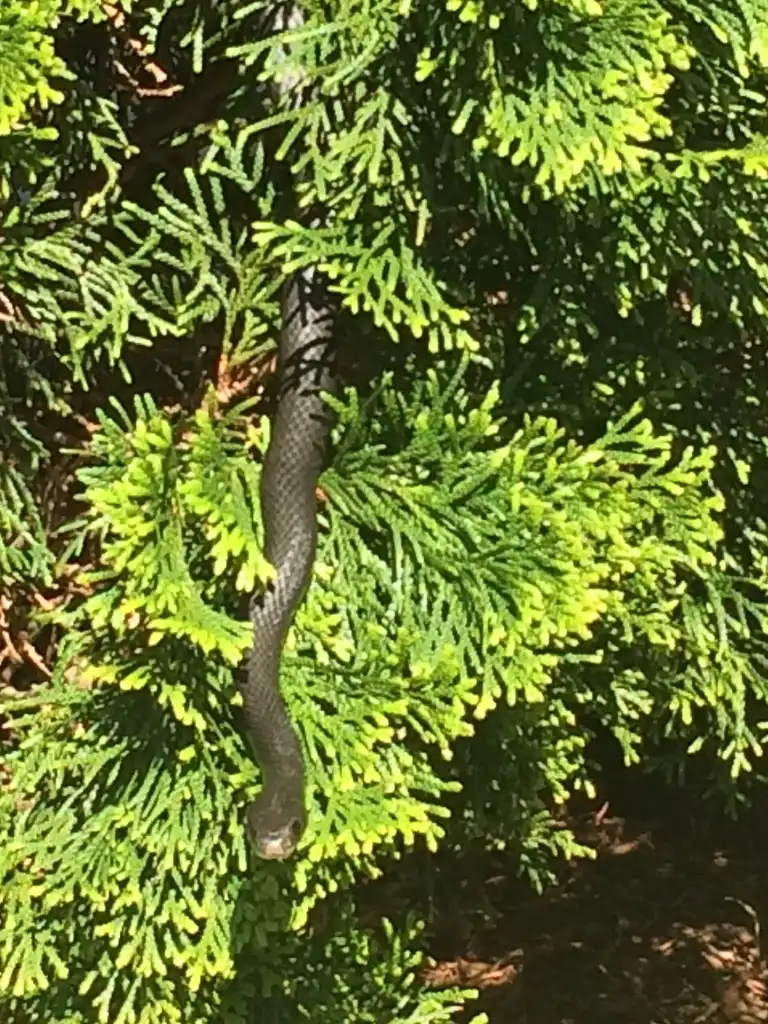
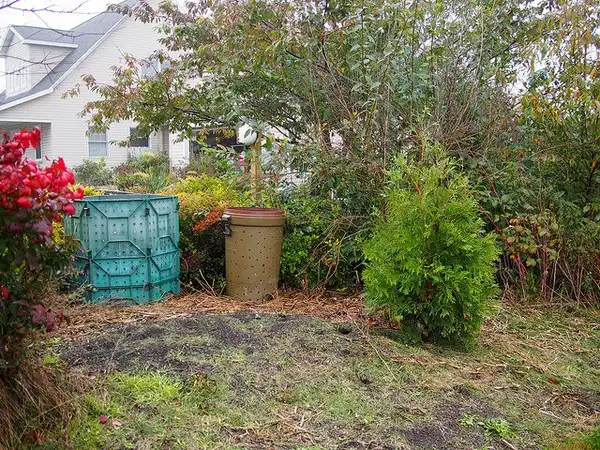
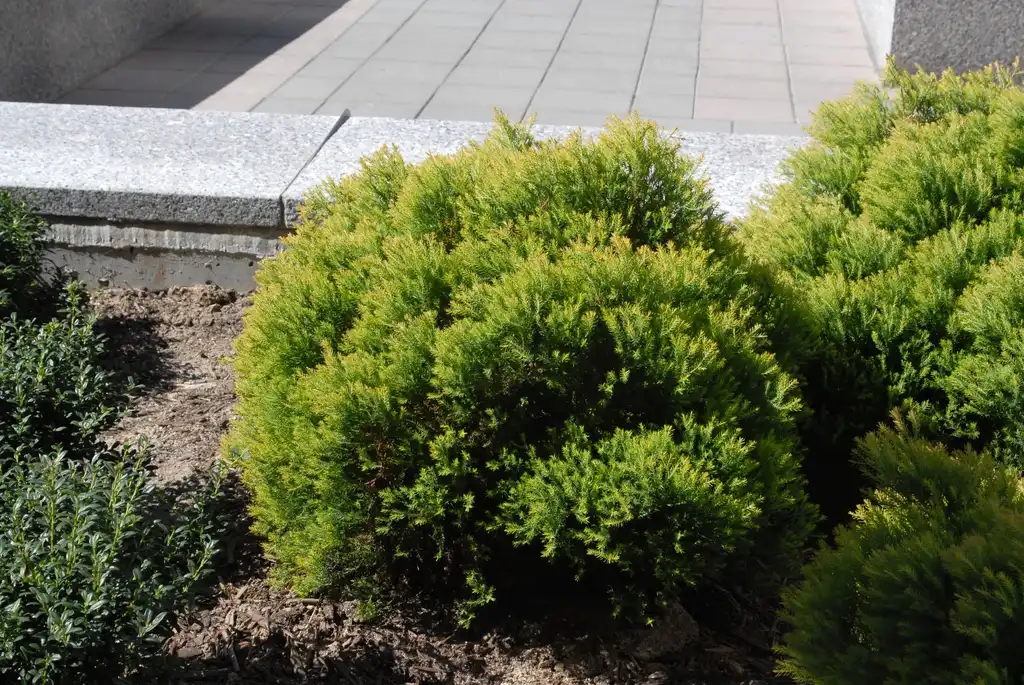
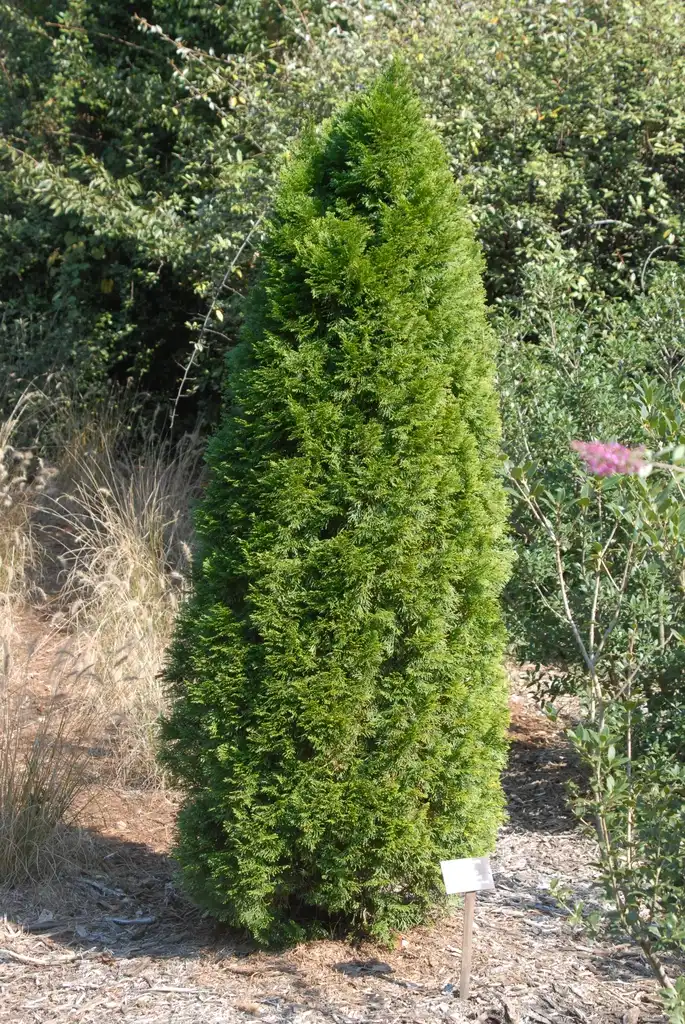
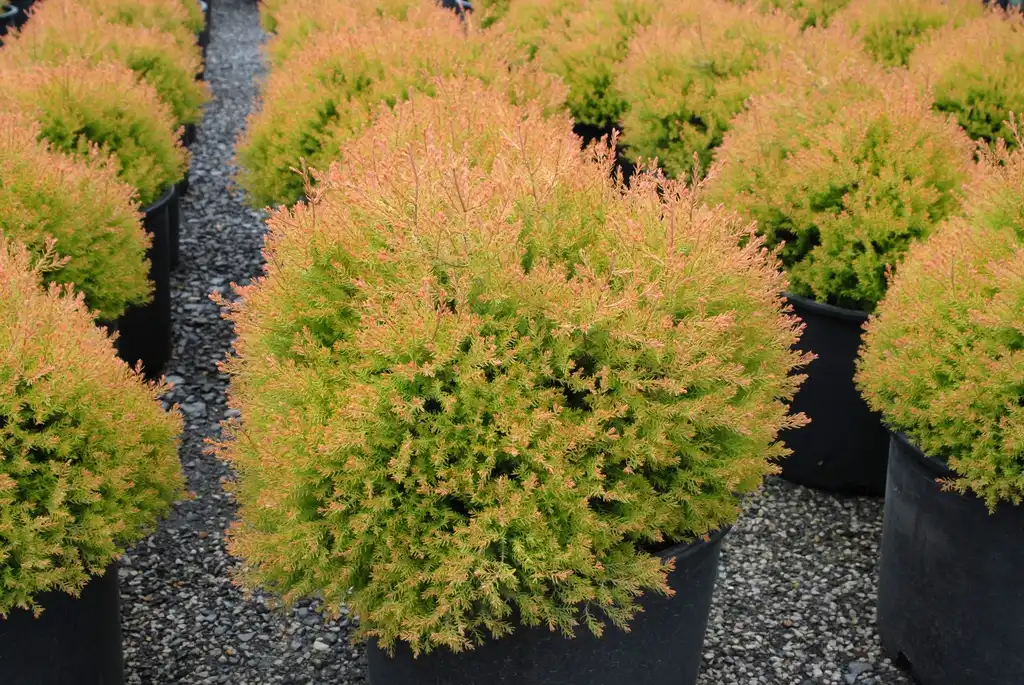
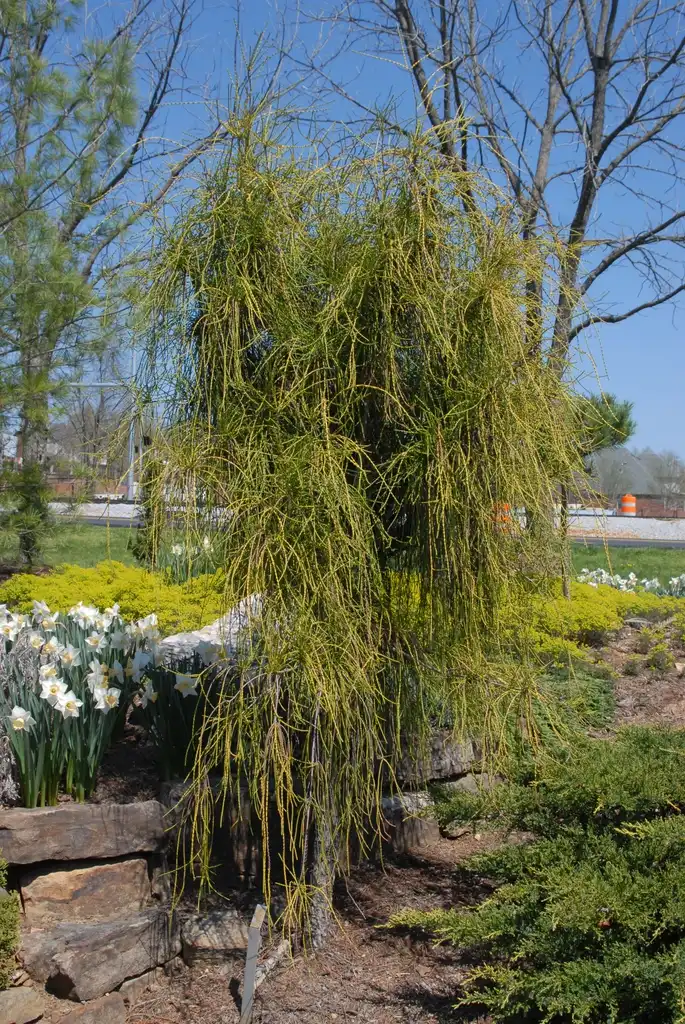
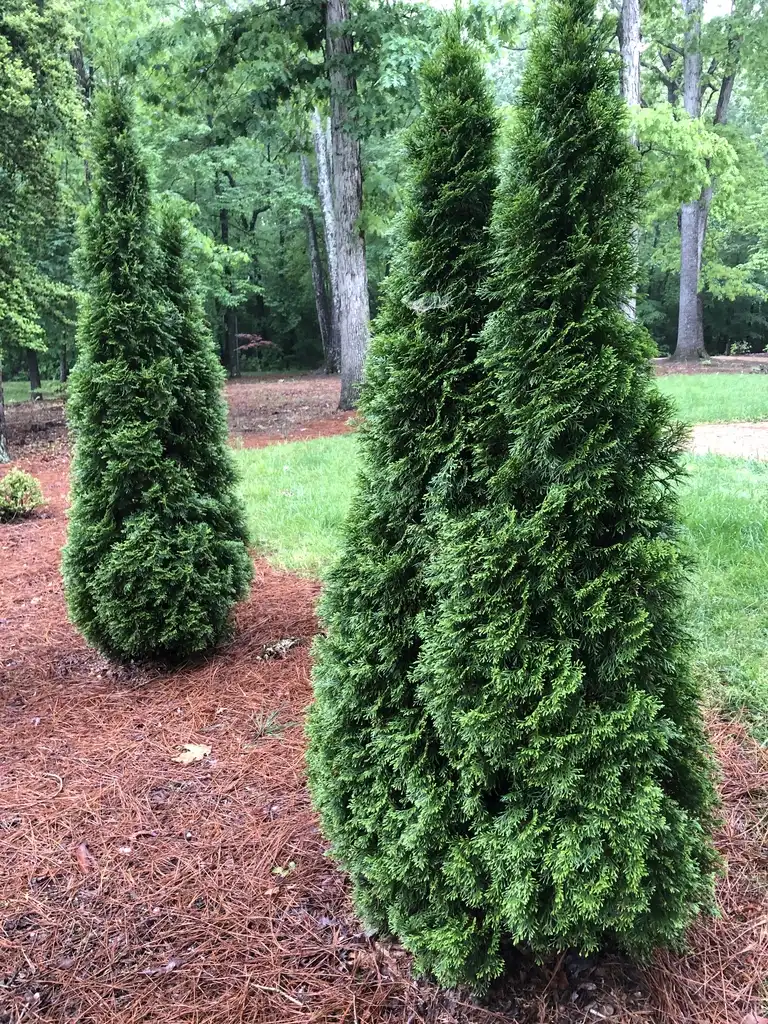
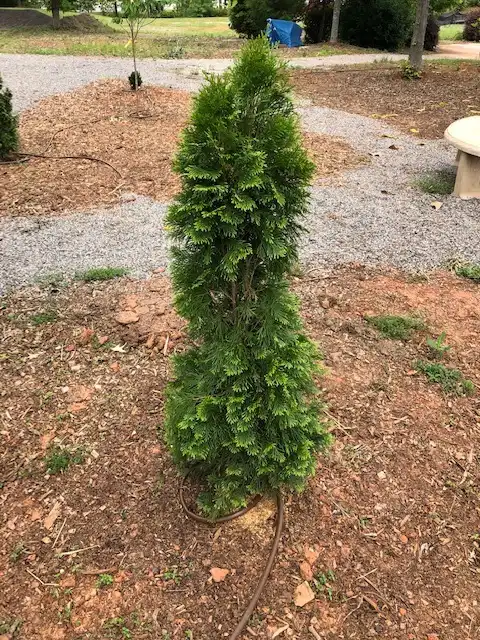
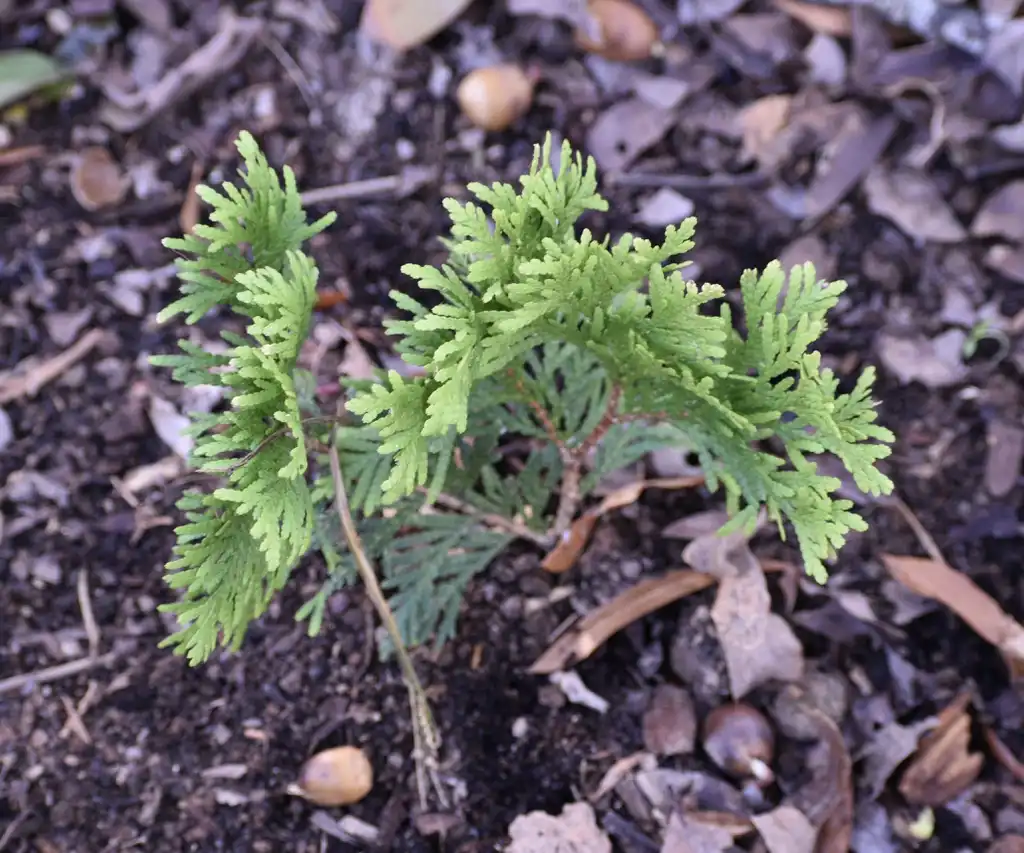
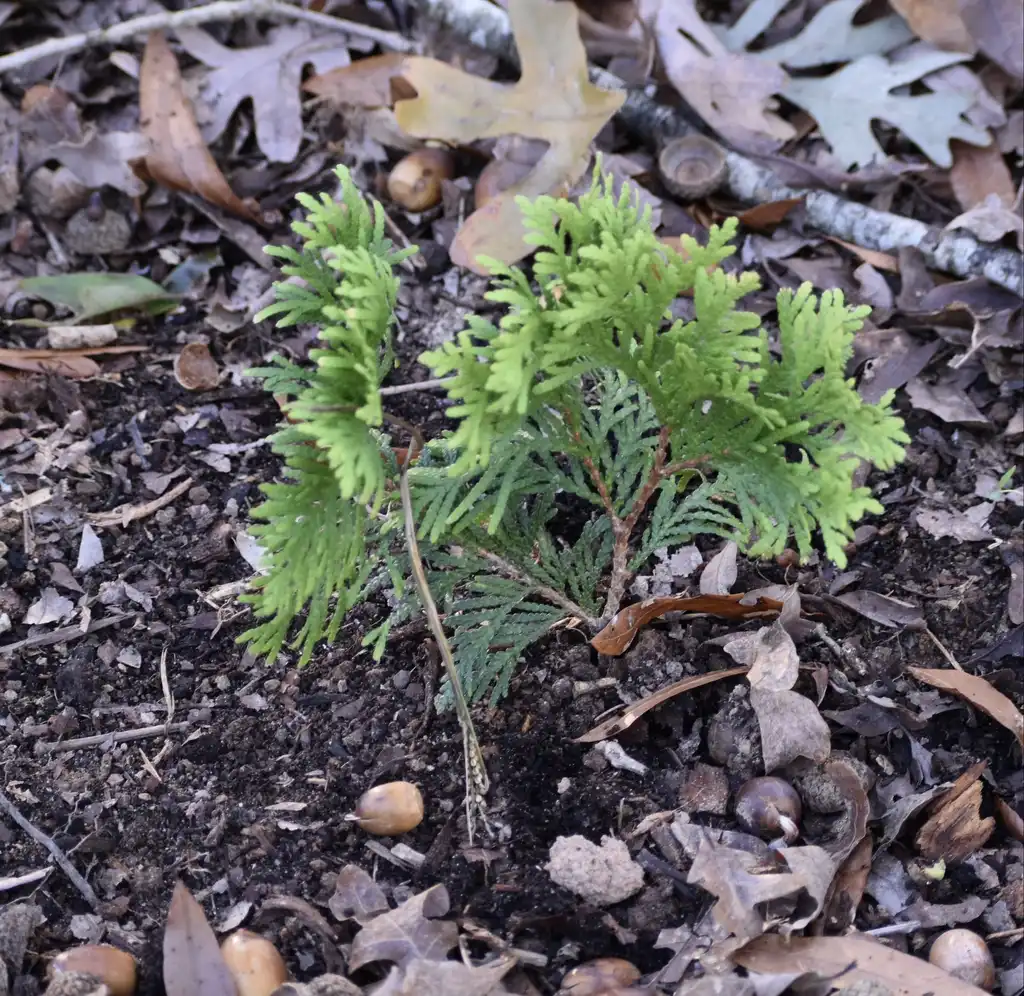
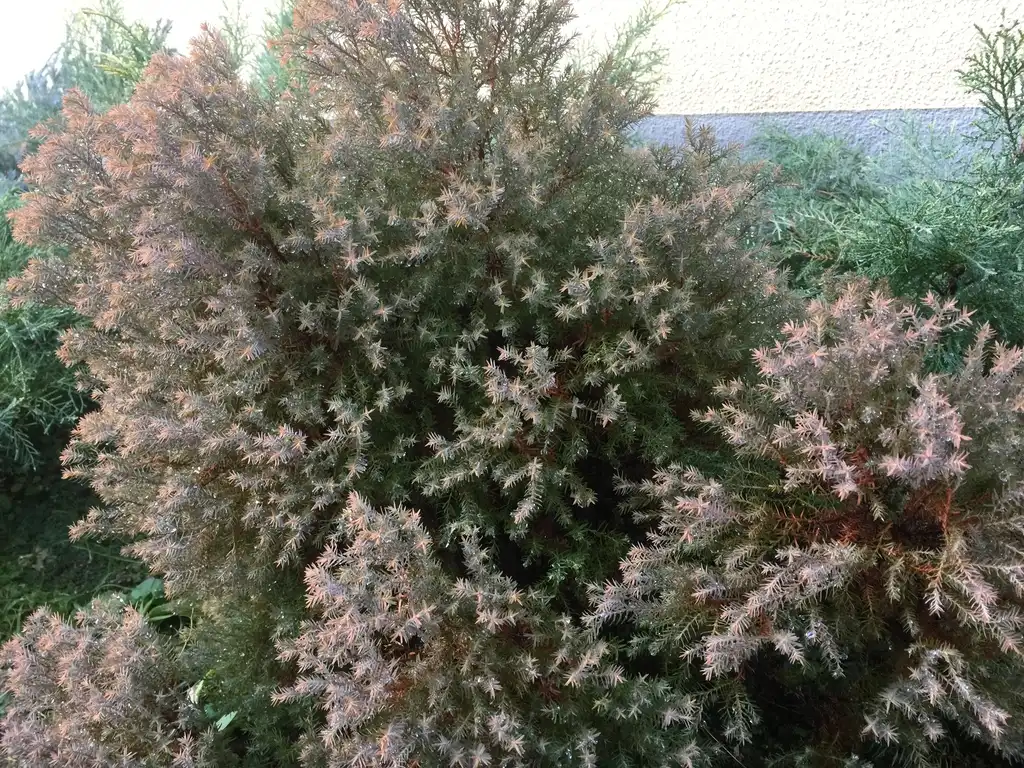
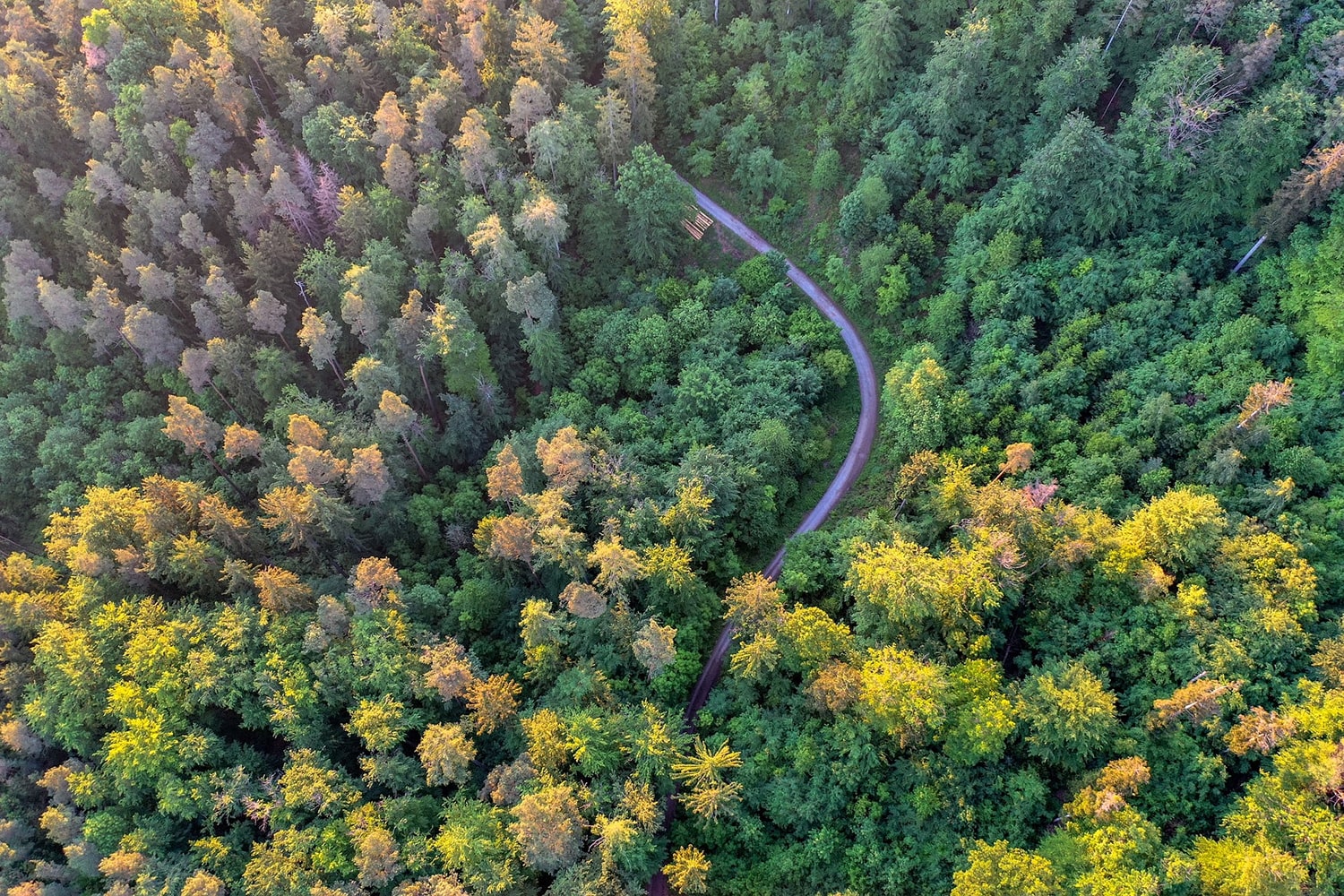
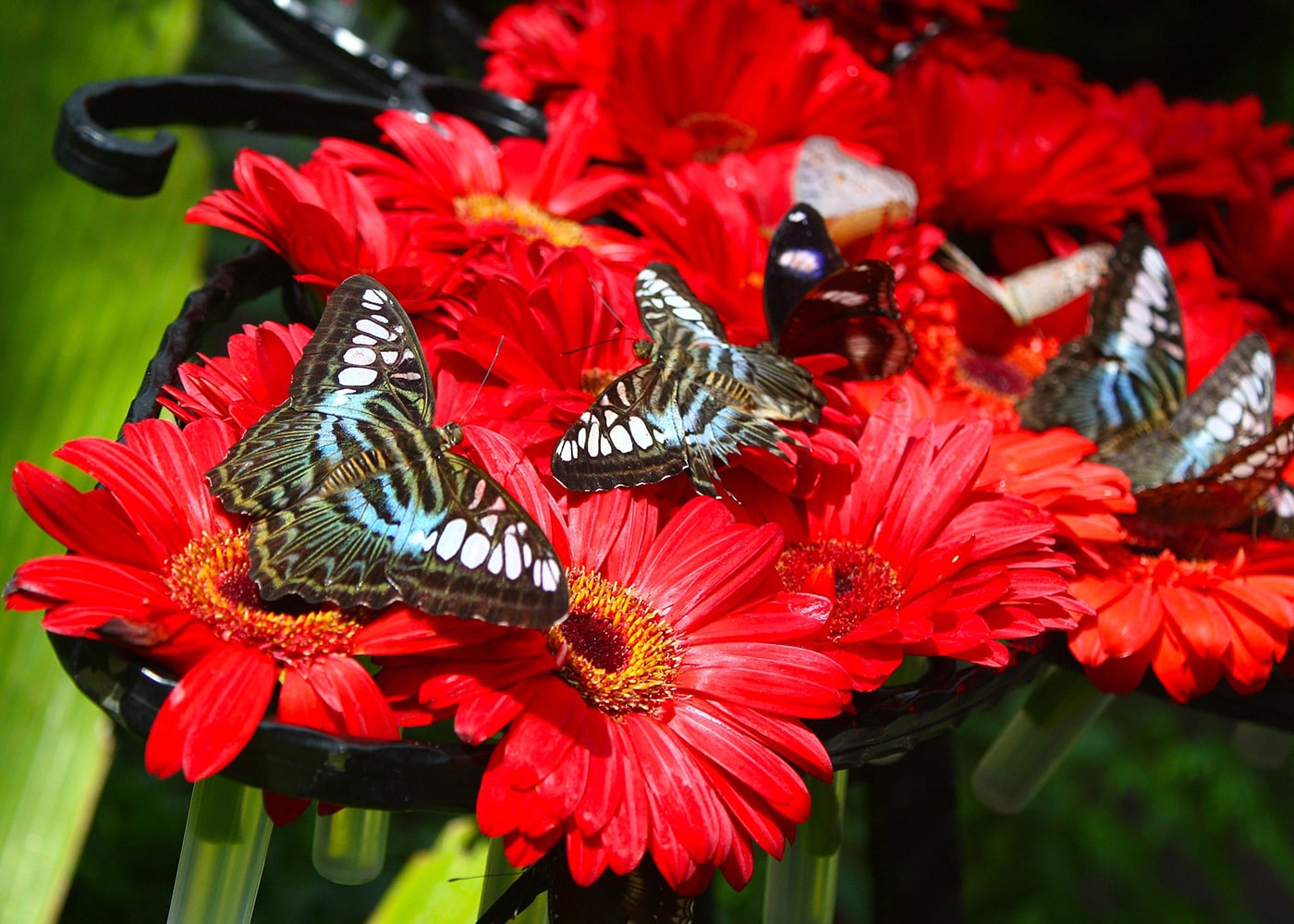
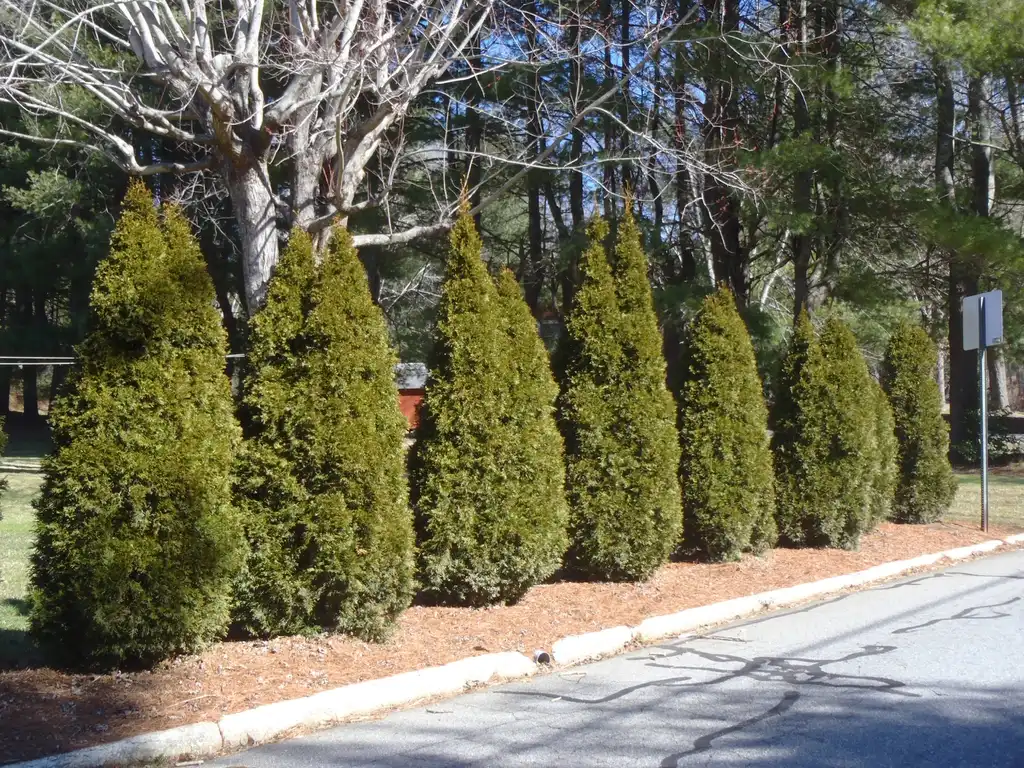
• Photo of Thuja occidentalis (Thuja occidentaliss)

Plant Profile: Thuja occidentalis

Taxonomy: Thuja occidentalis

Names

American Arborvitae, Eastern Arborvitae, Eastern White Cedar, Northern White Cedar

  • Photo of Thuja occidentalis (Thuja occidentaliss)

Phonetic Spelling:THU-ya ock-sih-den-TAH-liss

Genus:Thuja

Species:occidentalis

Family:Cupressaceae

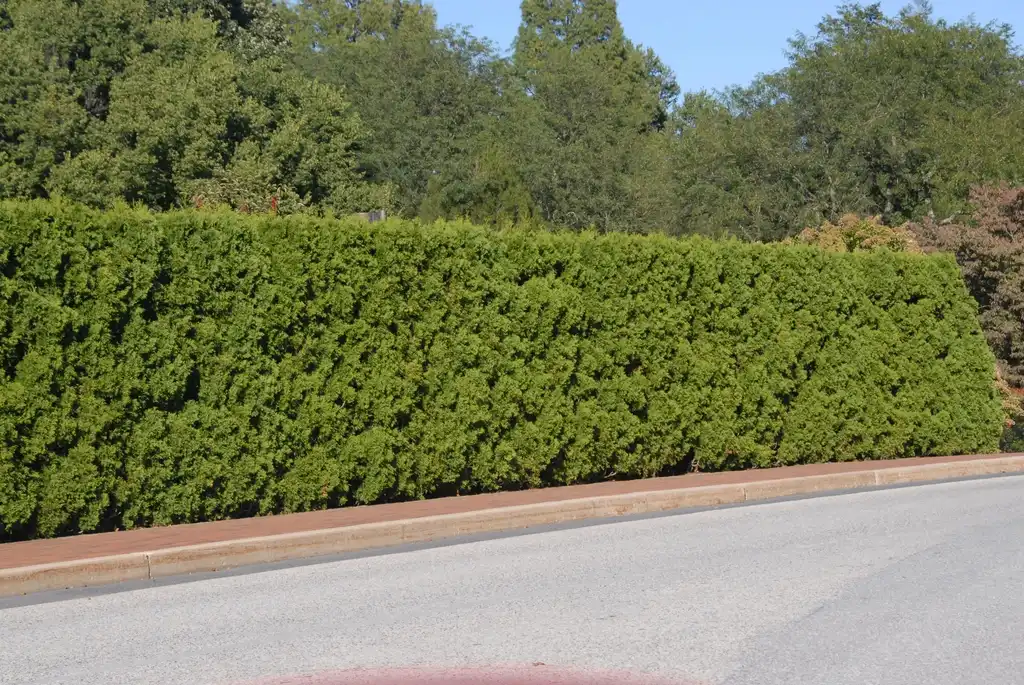
Thuja occidentalis, commonly known as the eastern arborvitae, is a slender evergreen tree indigenous to eastern North America. This low-maintenance species thrives in clay soils, wet environments, and areas affected by black walnut and air pollution. It flourishes best in moist, well-drained loamy soils that are neutral to alkaline. However, it struggles in dry conditions and should be planted away from exposed, windy locations. Full shade should also be avoided, as it can lead to significant thinning of the foliage. The various cultivars typically exhibit growth forms that are globular, pyramidal, columnar, or conical. These trees serve multiple purposes, including as specimen plants, accents, hedges, or foundation plantings.

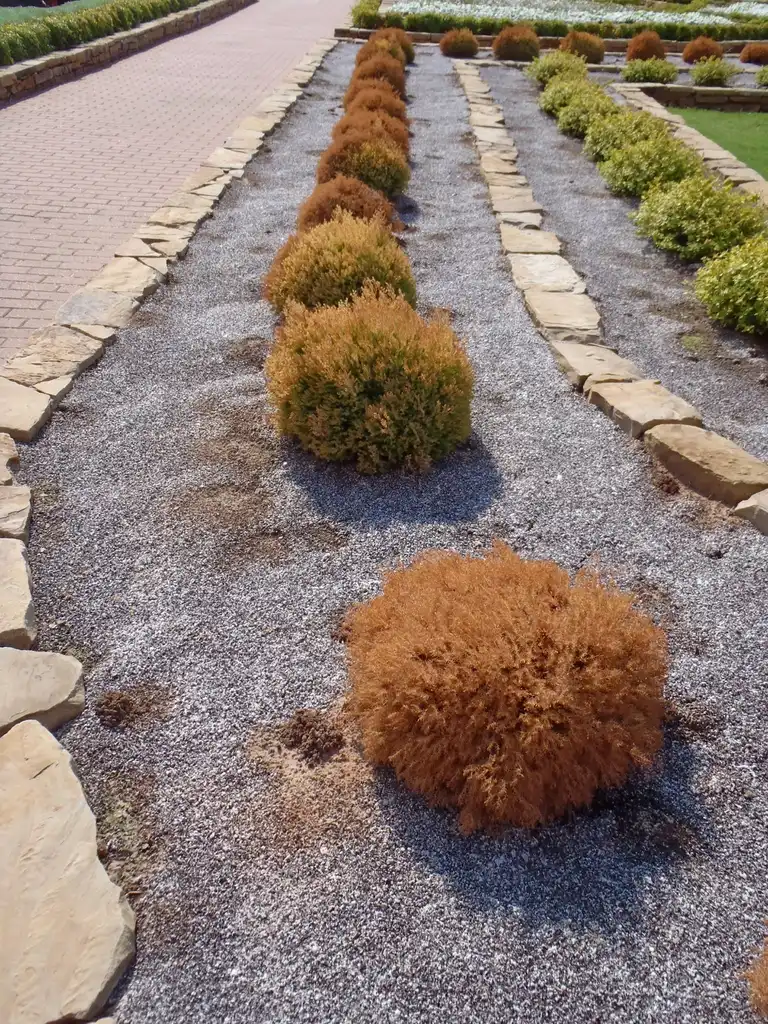
Regarding pests and diseases, Thuja occidentalis generally faces minimal issues. While leaf miners may occasionally damage the tips of leaves, other pests such as bagworms, mealybugs, scales, and spider mites are infrequent visitors. Canker can sometimes pose a challenge as well. The tree does not thrive in overly shady, dry, or windy conditions and is vulnerable to winter damage, including stem breakage due to ice and snow accumulation. Additionally, in dry and exposed areas, the foliage may suffer from winter burn, resulting in a yellow-brown appearance.

For further details on Thuja, additional resources are available.

Thuja occidentalis Feature Summary

Thuja occidentalis Image Gallery

Tags

#fragrant
#evergreen
#bark
#conical
#interesting bark
#specimen
#wildlife plant
#large tree
#native tree
#fragrant leaves
#medicinal
#cover plant
#low maintenance
#air pollution tolerant
#playground
#wet sites
#food source
#cpp
#NC native
#children's garden
#foundation planting
#screening
#Braham Arboretum
#fantz
#nesting sites
#food source summer
#dendrology
#exfoliating bark
#food source herbage
#coastal UPL
#Piedmont Mountains FACW
#clay soils tolerant
#bird friendly
#food source hard mast fruit
#black walnut toxicity tolerant
#audubon
#mccarthy memorial garden
Similar Plants

Thuja occidentalis is often confused with:

Thuja occidentalis Feature Summary

Attributes
The essential oils from this plant have been used in cleaners, insecticides, soaps, room sprays and hair care products. The young, inner bark of the new stems is known to have been used to make soup by the Ojibwa tribe. The wood is used in fencing and posts, cabin logs, lumber, poles, shingles, paneling, piling, lagging, pails, potato barrels, tubs, ties, boats, tanks, woodenware. Twigs have been used in some teas for relief of constipation and headache.
Central & E. Canada to N. Central and Eastern North America
SC west to TN north through IL, IO, Minnesota and Manitoba east to Nova Scotia.
Northern white cedar provides nesting sites for songbirds, as well as cover, especially in the winter, for white-tailed deer, which both feed on the branches and use them for shelter from the cold.
Tolerates clay soil, wet sites, black walnut and air pollution.
Fragrance
Wildlife Nesting
Wildlife Cover/Habitat
Screening
Fruit
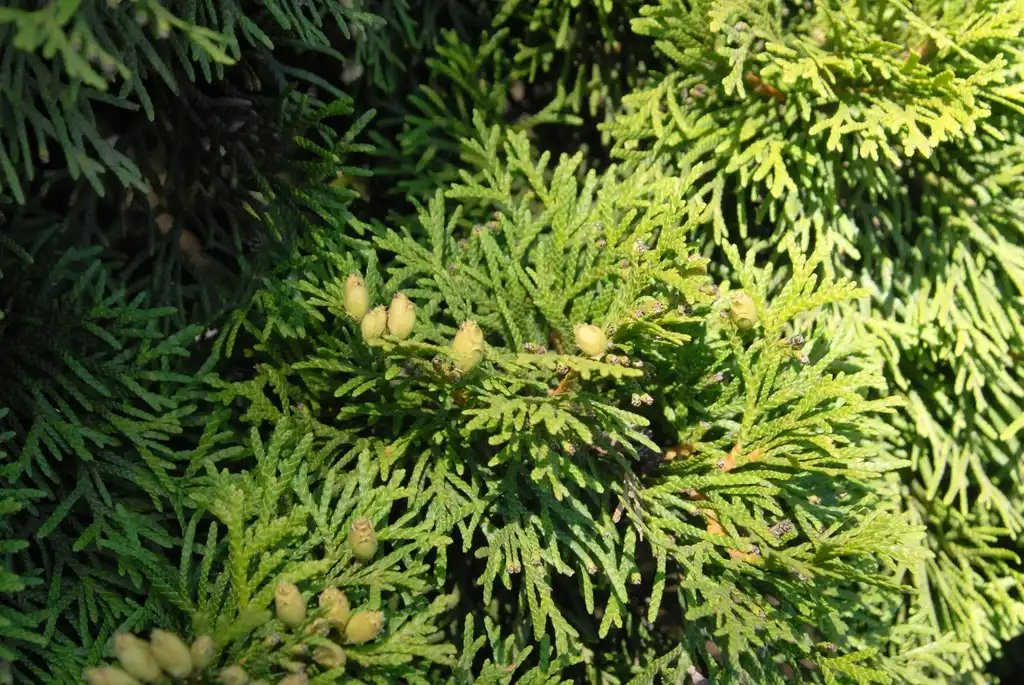
Does not produce fruits; has brown cones. Displays from April to May.
Brown/Copper
Flowers
Conifer, non-flowering. Blooms from March to April
Leaves
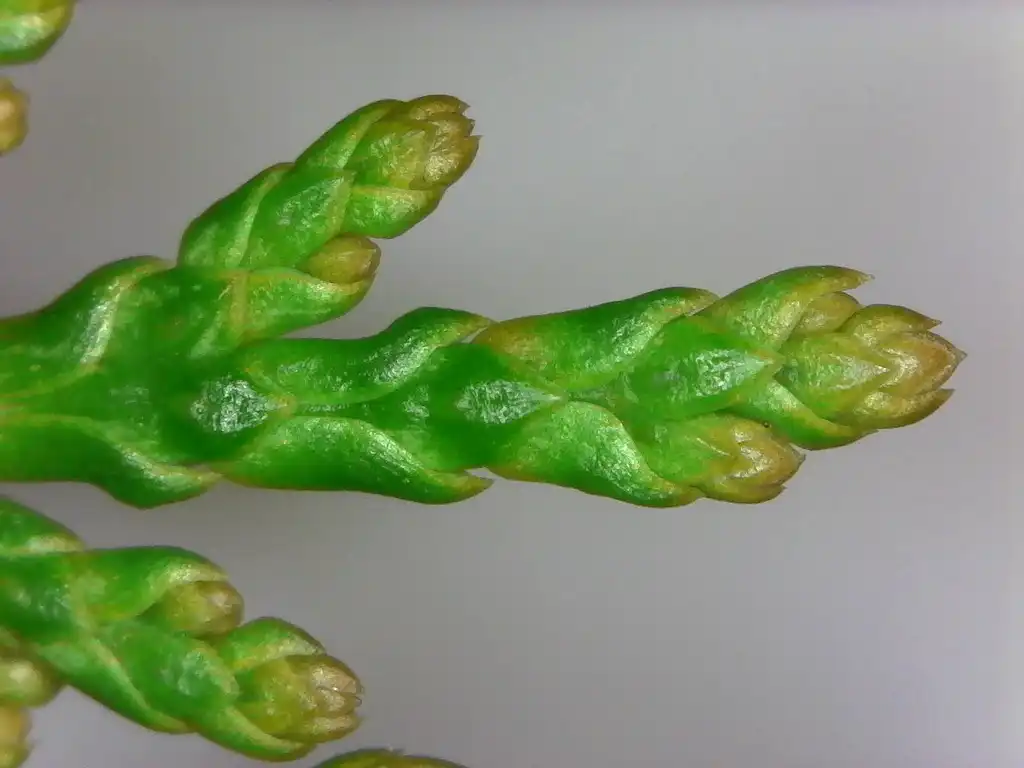
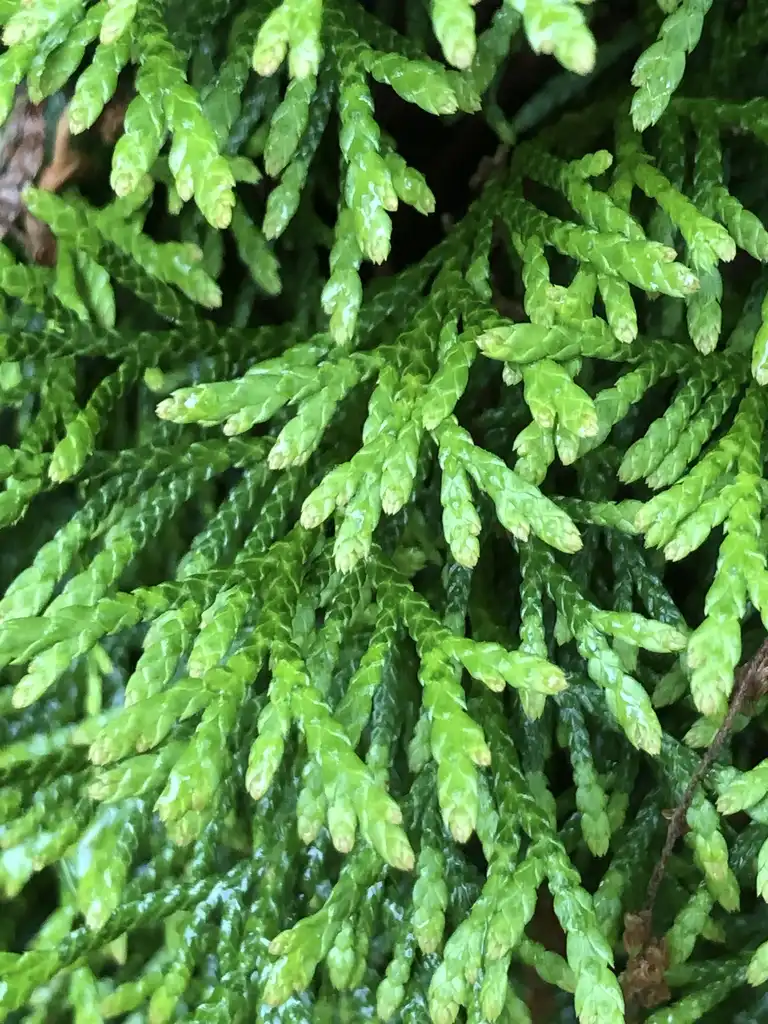
Leaves are scale-like in adults, ovate, obtuse to bluntly acute, yellowish-green to gray-green below bearing a pustular gland near apex, appressed to branchlets in opposite pairs, each pair overlapping the adjacent pair above.
Needles
Slippery
Bark
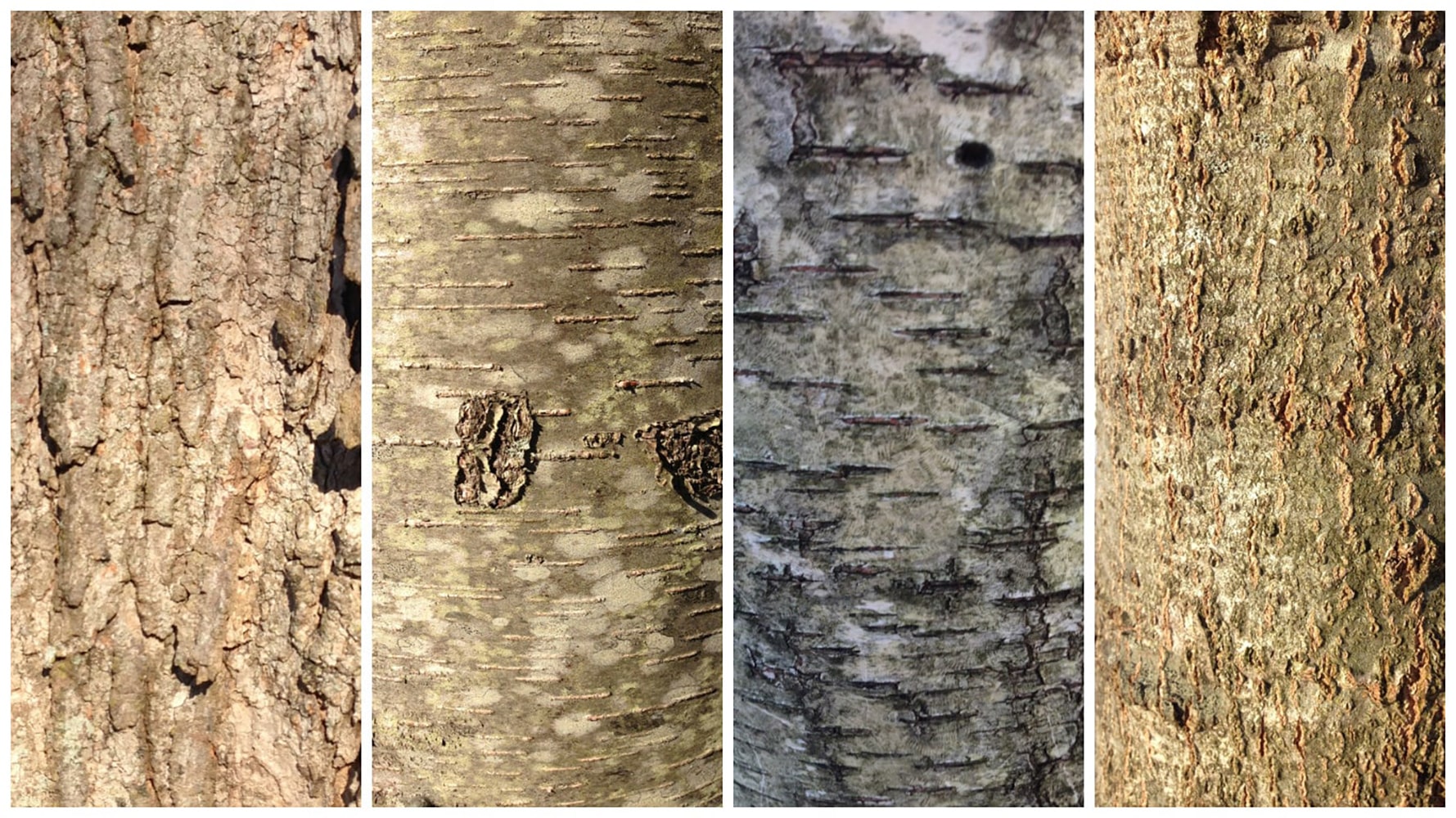
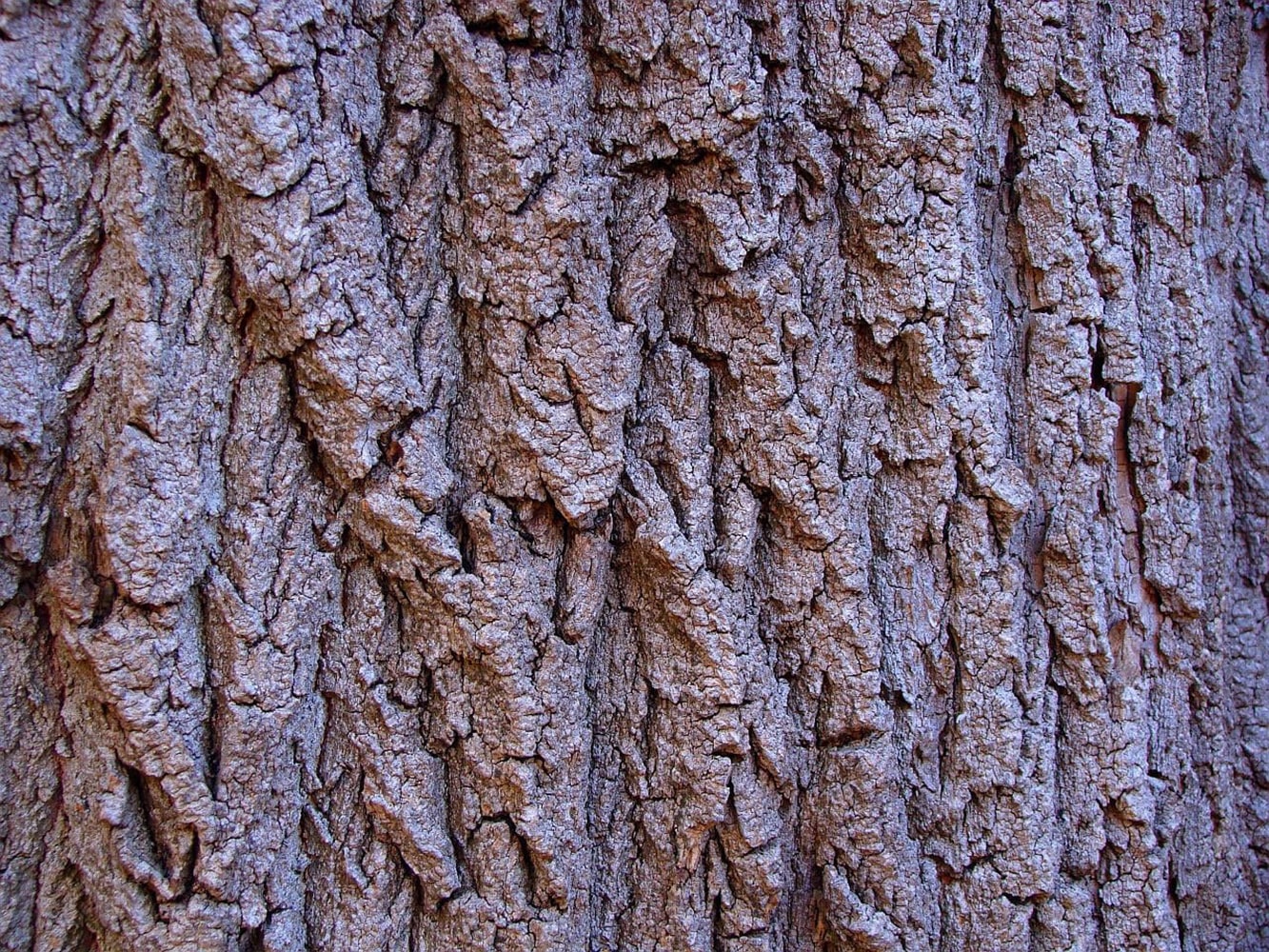
Attractive red-brown bark exfoliates on mature branches and trunks.
Light Gray
Dark Brown
Light Brown
Red/Burgundy
Whole Plant Traits
Tree
Native Plant
Conical
Pyramidal
Broad
Cultural Conditions
Full sun (6 or more hours of direct sunlight a day)
Partial Shade (Direct sunlight only part of the day, 2-6 hours)
Alkaline (>8.0)
Neutral (6.0-8.0)
Good Drainage
Moist
Occasionally Dry
Mountains
4a
4b
5b
5a
6a
6b
7a
7b
2a
2b
3a
3b
Clay
Loam (Silt)
Landscape
Winter Garden

Native Garden
Foundation Planting
Hedge
Screen/Privacy
Specimen
Pollution
Wet Soil
Black Walnut
Recreational Play Area
Songbirds
Small Mammals

Thuja occidentalis Attributes

Thuja occidentalis: Uses (Ethnobotany)

The essential oils from this plant have been used in cleaners, insecticides, soaps, room sprays and hair care products. The young, inner bark of the new stems is known to have been used to make soup by the Ojibwa tribe. The wood is used in fencing and posts, cabin logs, lumber, poles, shingles, paneling, piling, lagging, pails, potato barrels, tubs, ties, boats, tanks, woodenware. Twigs have been used in some teas for relief of constipation and headache.

Thuja occidentalis: Country Or Region Of Origin

Central & E. Canada to N. Central and Eastern North America

Thuja occidentalis: Distribution

SC west to TN north through IL, IO, Minnesota and Manitoba east to Nova Scotia.

Thuja occidentalis: Wildlife Value

Northern white cedar provides nesting sites for songbirds, as well as cover, especially in the winter, for white-tailed deer, which both feed on the branches and use them for shelter from the cold.

Thuja occidentalis: Particularly Resistant To (Insects/Diseases/Other Problems)

Tolerates clay soil, wet sites, black walnut and air pollution.

Thuja occidentalis: Life Cycle

Annual
Biennial
Bulb
Perennial
Woody

Thuja occidentalis: Play Value

Attractive Flowers
Attracts Pollinators
Buffer
Colorful
Defines Paths
Easy to Grow
Edible fruit
Fragrance
Pieces Used in Games
Screening
Shade
Sound
Textural
Wildlife Cover/Habitat
Wildlife Food Source
Wildlife Larval Host
Wildlife Nesting
Wind Break
Wind Shimmer

Thuja occidentalis Fruit

Thuja occidentalis: Fruit Description

Does not produce fruits; has brown cones. Displays from April to May.

Thuja occidentalis: Fruit Color

grass
Brown/Copper

Thuja occidentalis: Display/Harvest Time

Fall
Spring
Summer
Winter

Thuja occidentalis Flowers

Thuja occidentalis: Flower Description

Conifer, non-flowering. Blooms from March to April

Thuja occidentalis: Flower Bloom Time

Winter
Spring
Summer
Fall

Thuja occidentalis Leaves

Thuja occidentalis: Leaf Description

Leaves are scale-like in adults, ovate, obtuse to bluntly acute, yellowish-green to gray-green below bearing a pustular gland near apex, appressed to branchlets in opposite pairs, each pair overlapping the adjacent pair above.

Thuja occidentalis: Woody Plant Leaf Characteristics

Broadleaf Evergreen
Deciduous
Needled Evergreen
Semi-evergreen

Thuja occidentalis: Leaf Color

spa
Green

Thuja occidentalis: Leaf Type

Compound (Pinnately , Bipinnately, Palmately)
Fronds
Needles
Sheath
Simple

Thuja occidentalis: Leaf Shape

Acicular
Auriculate
Cordate
Cuneate
Deltoid
Elliptical
Filiform
Lanceolate
Linear
Oblanceolate
Oblong
Obovate
Obtuse
Orbicular
Ovate
Palmasect
Palmatifid
Peltate
Pinnatifid
Pinnatisect
Reniform
Rhomboidal
Spatulate
Subcordate
Subulate

Thuja occidentalis: Hairs Present

No
Yes

Thuja occidentalis: Leaf Feel

Fleshy
Glossy
Leathery
Papery
Prickly
Rough
Rubbery
Slippery
Smooth
Soft
Velvety
Waxy

Thuja occidentalis: Leaf Value To Gardener

Edible
Fragrant
Good Cut
Good Dried
Long-lasting
Showy

Thuja occidentalis Bark

Thuja occidentalis: Bark Description

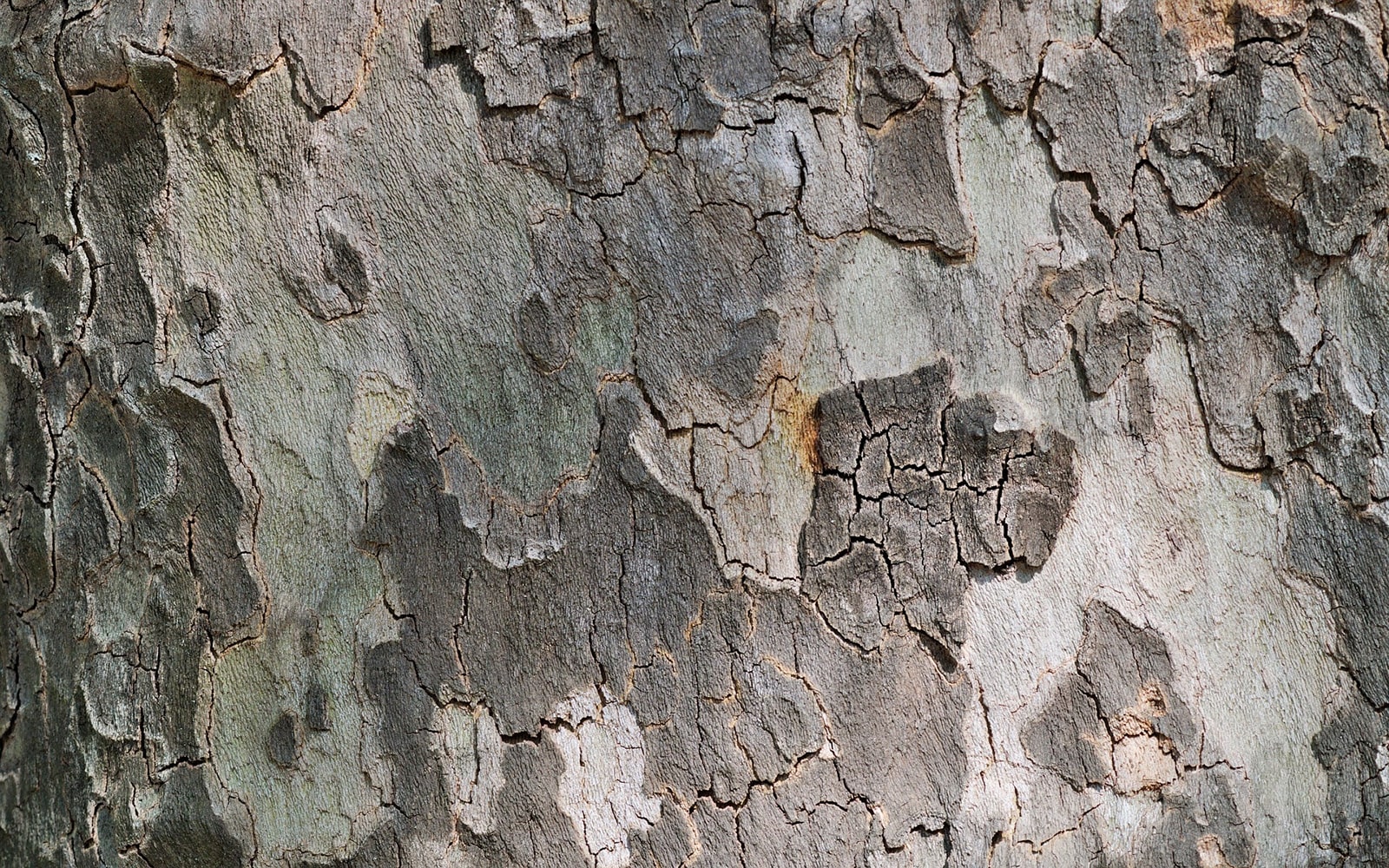
Attractive red-brown bark exfoliates on mature branches and trunks.

Thuja occidentalis: Bark Color

grass
Dark Brown
grass
Light Brown
grass
Light Gray
grass
Red/Burgundy

Thuja occidentalis: Surface/Attachment

Bumpy
Exfoliating
Fissured
Furrowed
Lenticels
Papery
Patchy
Peeling
Ridges
Scaly
Shaggy
Shiny
Shredding
Smooth
Spongy

Thuja occidentalis Whole Plant Traits

Thuja occidentalis: Plant Type

Annual
Bulb
Carnivorous
Edible
Epiphyte
Fern
Ground Cover
Herb
Herbaceous Perennial
Houseplant
Mushroom
Native Plant
Ornamental Grasses and Sedges
Perennial
Poisonous
Rose
Shrub
Succulent
Tree
Turfgrass
Vegetable
Vine
Water Plant
Weed
Wildflower

Thuja occidentalis: Woody Plant Leaf Characteristics

Broadleaf Evergreen
Deciduous
Needled Evergreen
Semi-evergreen

Thuja occidentalis: Habit/Form

Arching
Ascending
Broad
Cascading
Climbing
Clumping
Columnar
Conical
Creeping
Dense
Erect
Horizontal
Irregular
Mounding
Multi-stemmed
Multi-trunked
Open
Oval
Prostrate
Pyramidal
Rounded
Spreading
Vase
Weeping

Thuja occidentalis: Growth Rate

Slow
Medium
Rapid

Thuja occidentalis: Maintenance

Low
Medium
High

Thuja occidentalis: Texture

Fine
Medium
Coarse

Thuja occidentalis Cultural Conditions

Thuja occidentalis: Light

Dappled Sunlight (Shade through upper canopy all day)
Deep shade (Less than 2 hours to no direct sunlight)
Full sun (6 or more hours of direct sunlight a day)
Partial Shade (Direct sunlight only part of the day, 2-6 hours)

Thuja occidentalis: Soil pH

Acid (<6.0)
Alkaline (>8.0)
Neutral (6.0-8.0)

Thuja occidentalis: Soil Drainage

Frequent Standing Water
Good Drainage
Moist
Occasional Flooding
Occasionally Dry
Occasionally Wet
Very Dry

Thuja occidentalis: Available Space To Plant

12 inches-3 feet
12-24 feet
24-60 feet
3 feet-6 feet
6-feet-12 feet
Less than 12 inches
more than 60 feet

Thuja occidentalis: NC Region

Coastal
Mountains
Piedmont

Thuja occidentalis: USDA Plant Hardiness Zone

thermostat
2a
thermostat
2b
thermostat
3a
thermostat
3b
thermostat
4a
thermostat
4b
thermostat
5a
thermostat
5b
thermostat
6a
thermostat
6b
thermostat
7a
thermostat
7b

Thuja occidentalis: Soil Texture

Clay
High Organic Matter
Loam (Silt)
Sand
Shallow Rocky

Thuja occidentalis Stem

Thuja occidentalis: Stem Is Aromatic

No
Yes

Thuja occidentalis Landscape

Thuja occidentalis: Landscape Theme

Asian Garden
Butterfly Garden
Children's Garden
Cottage Garden
Cutting Garden
Drought Tolerant Garden
Edible Garden
English Garden
Fairy Garden
Garden for the Blind
Native Garden
Nighttime Garden
Pollinator Garden
Rain Garden
Rock Garden
Shade Garden
Water Garden
Winter Garden

Thuja occidentalis: Design Feature

Accent
Barrier
Border
Flowering Tree
Foundation Planting
Hedge
Mass Planting
Screen/Privacy
Security
Shade Tree
Small groups
Small Tree
Specimen
Street Tree
Understory Tree

Thuja occidentalis: Resistance To Challenges

Black Walnut
Compaction
Deer
Diseases
Drought
Dry Soil
Erosion
Fire
Foot Traffic
Heat
Heavy Shade
Humidity
Insect Pests
Pollution
Poor Soil
Rabbits
Salt
Slugs
Squirrels
Storm damage
Urban Conditions
Voles
Wet Soil
Wind

Thuja occidentalis: Landscape Location

Coastal
Container
Hanging Baskets
Houseplants
Lawn
Meadow
Naturalized Area
Near Septic
Patio
Pond
Pool/Hardscape
Recreational Play Area
Riparian
Rock Wall
Slope/Bank
Small Space
Vertical Spaces
Walkways
Woodland

Thuja occidentalis: Attracts

Bats
Bees
Butterflies
Frogs
Hummingbirds
Moths
Pollinators
Predatory Insects
Reptiles
Small Mammals
Songbirds
Specialized Bees