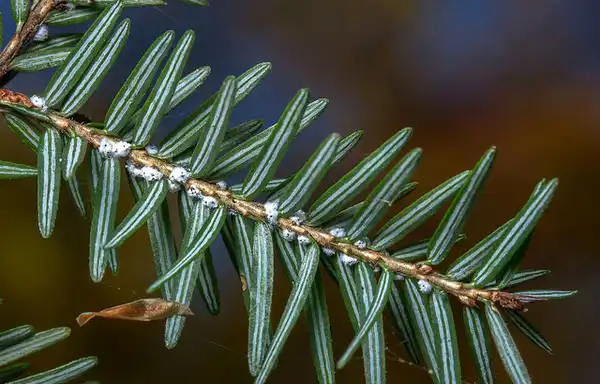
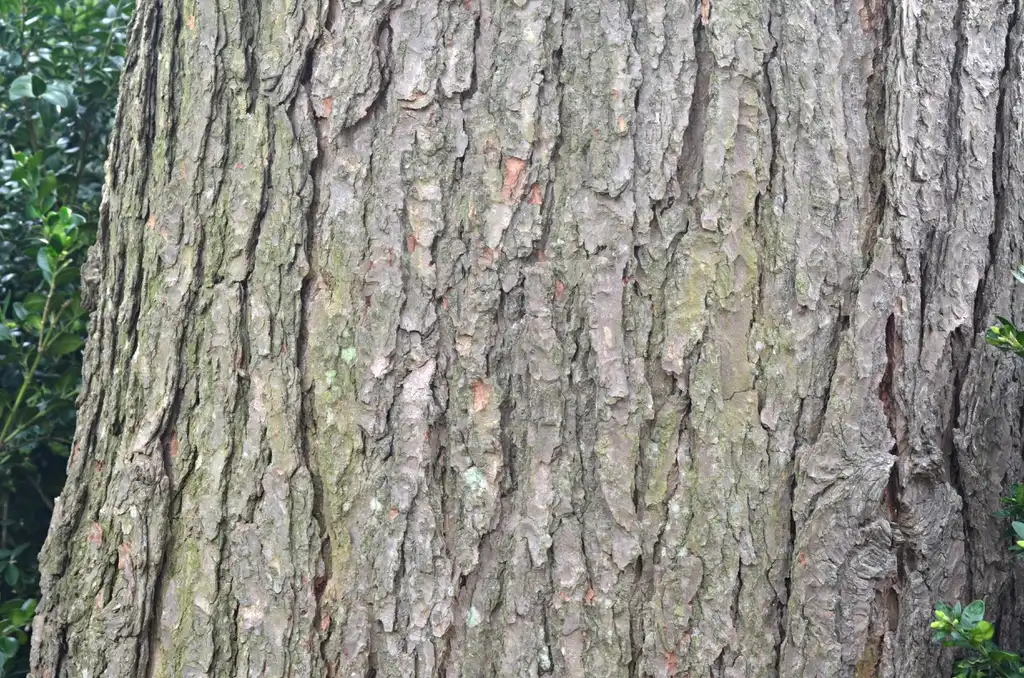
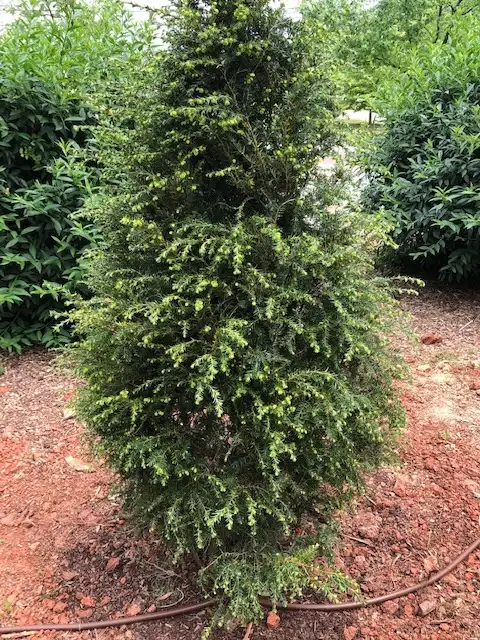
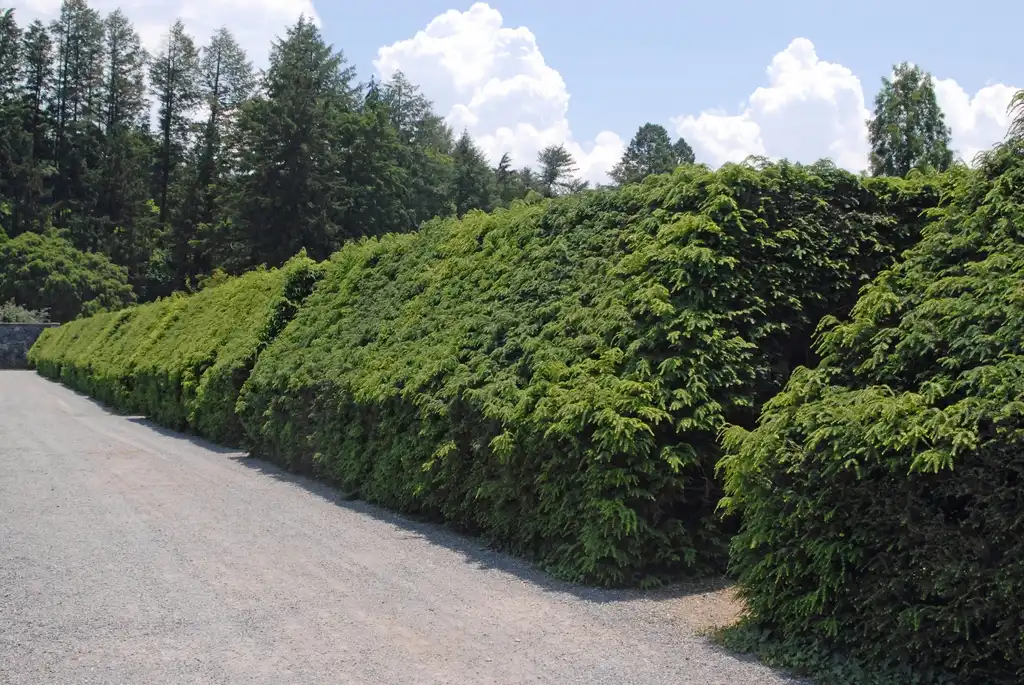
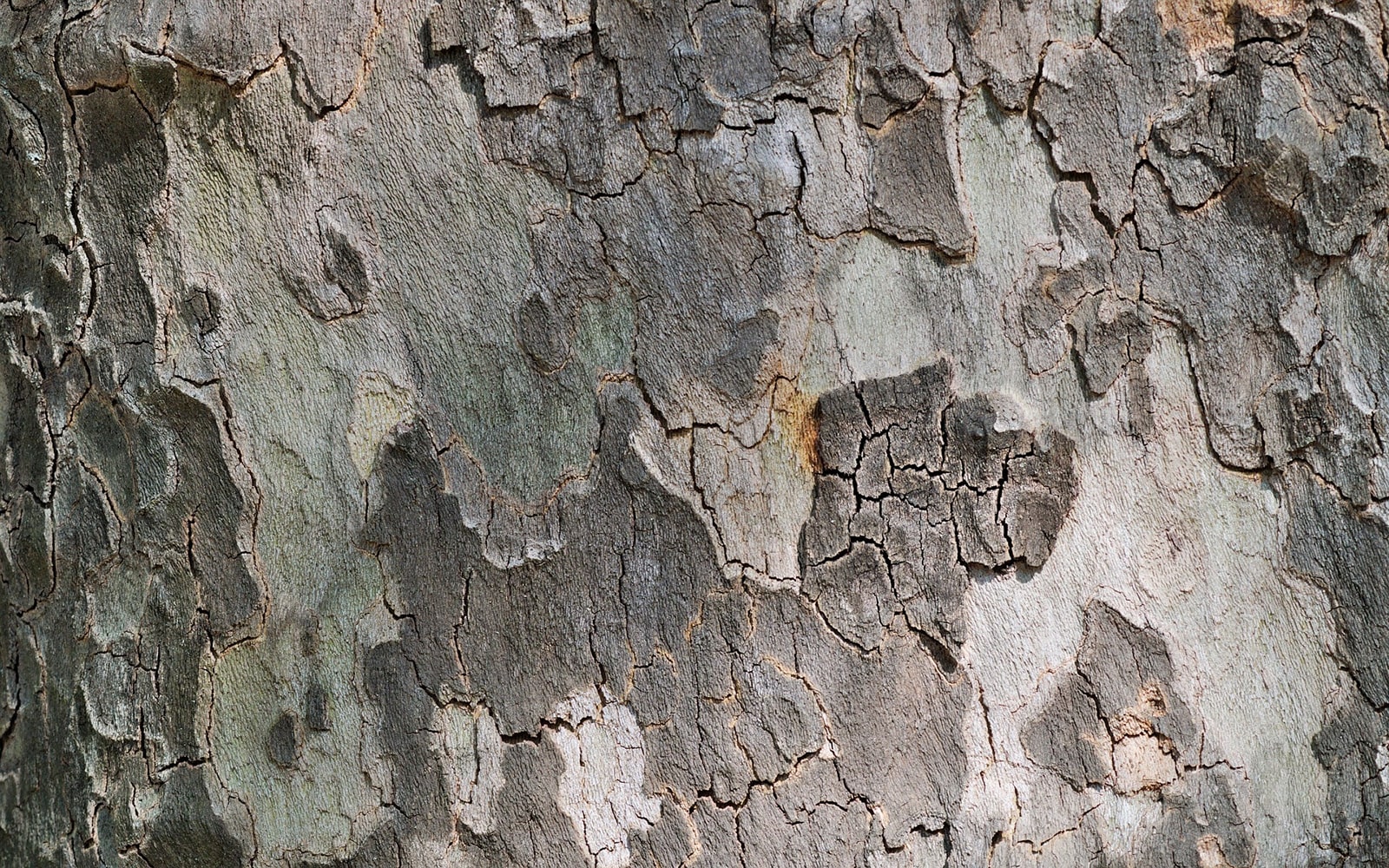
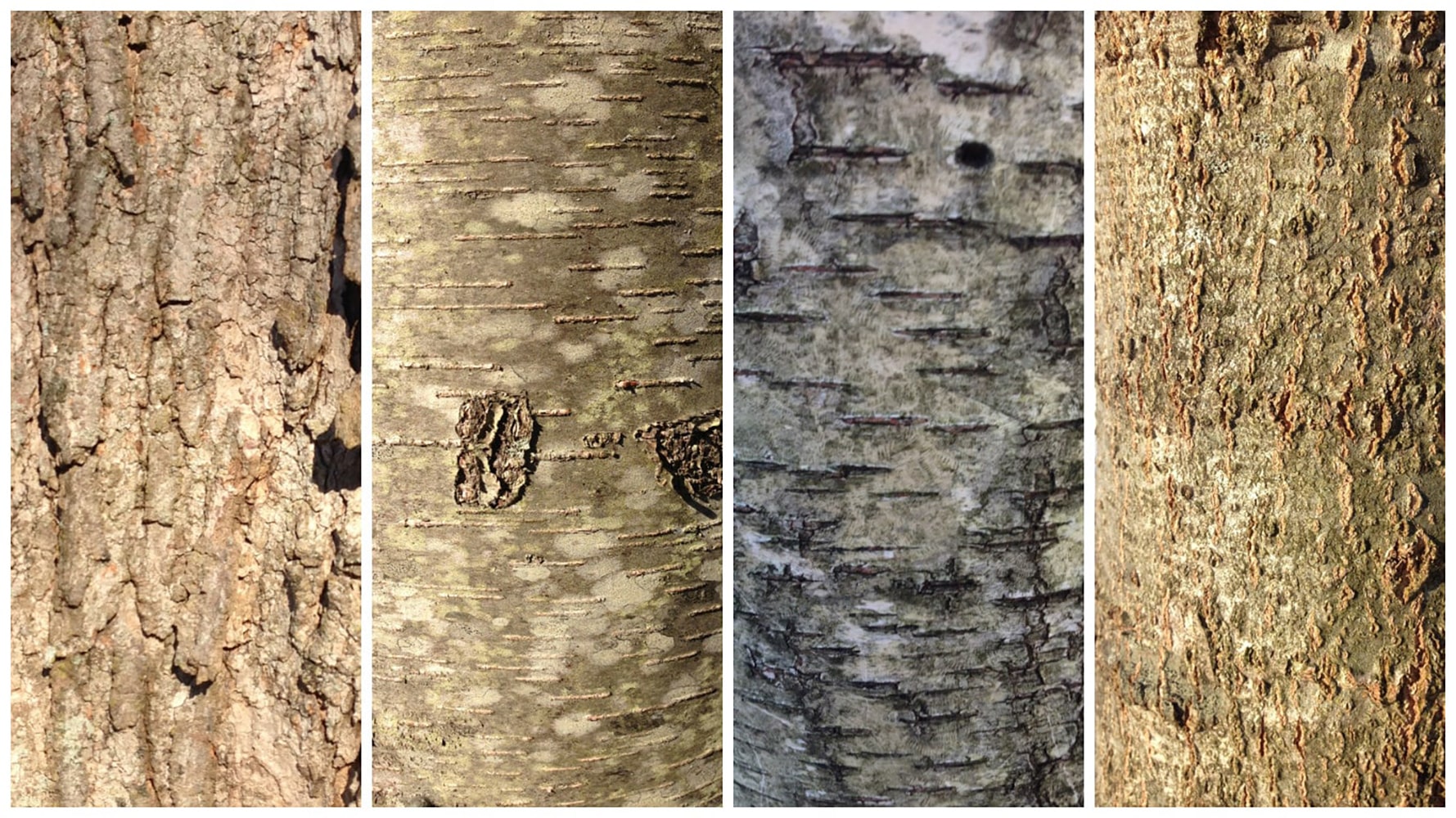
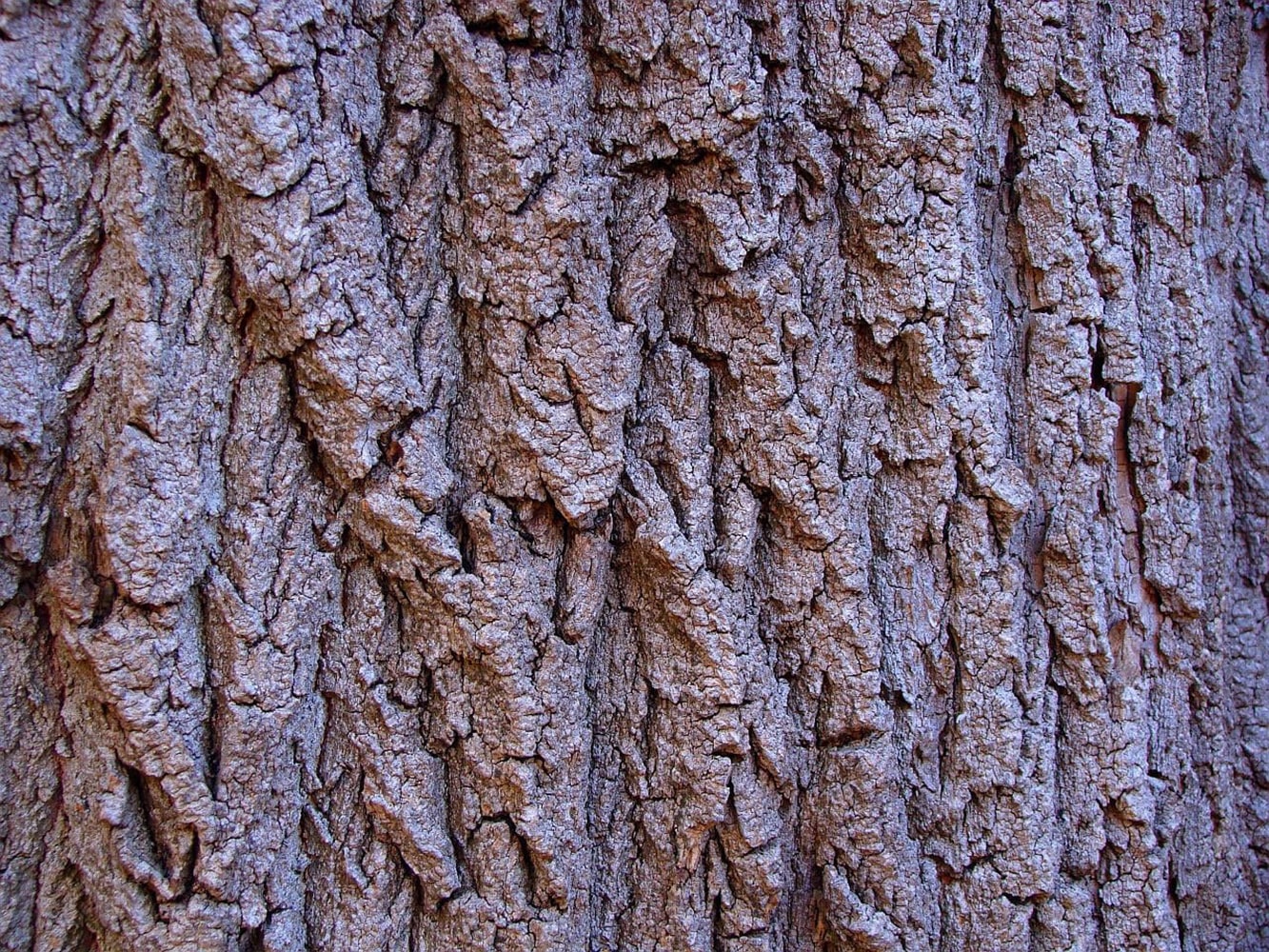
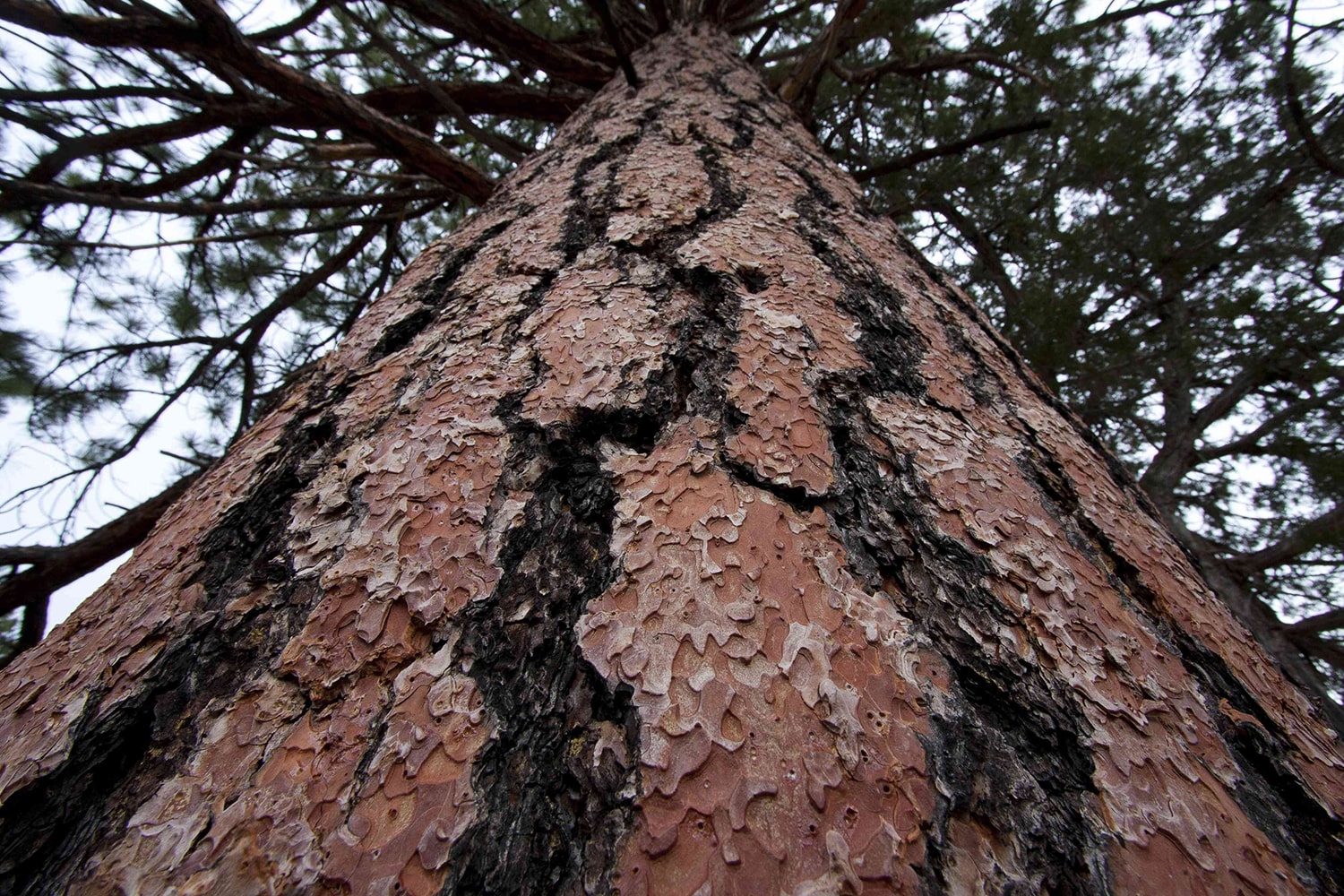
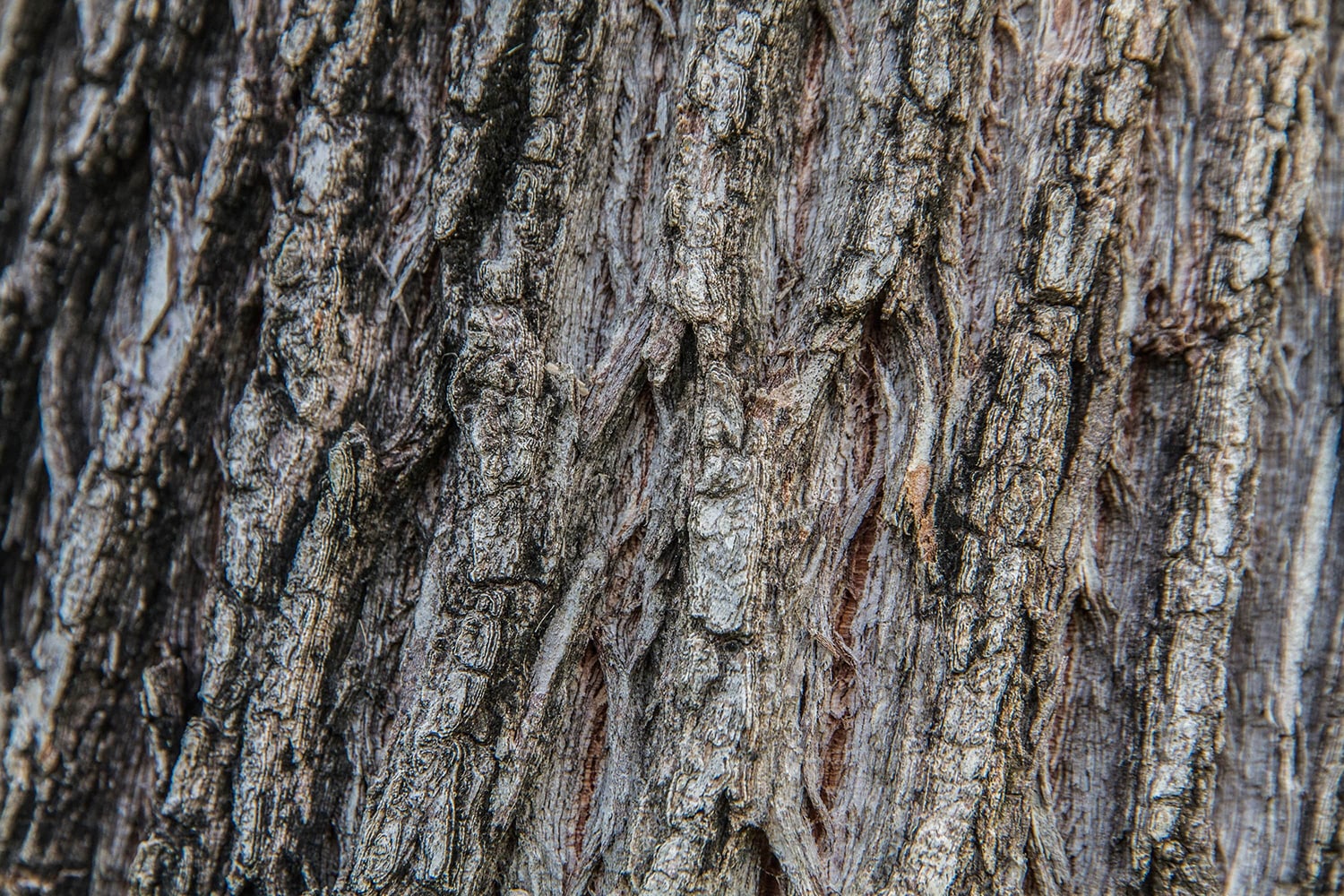
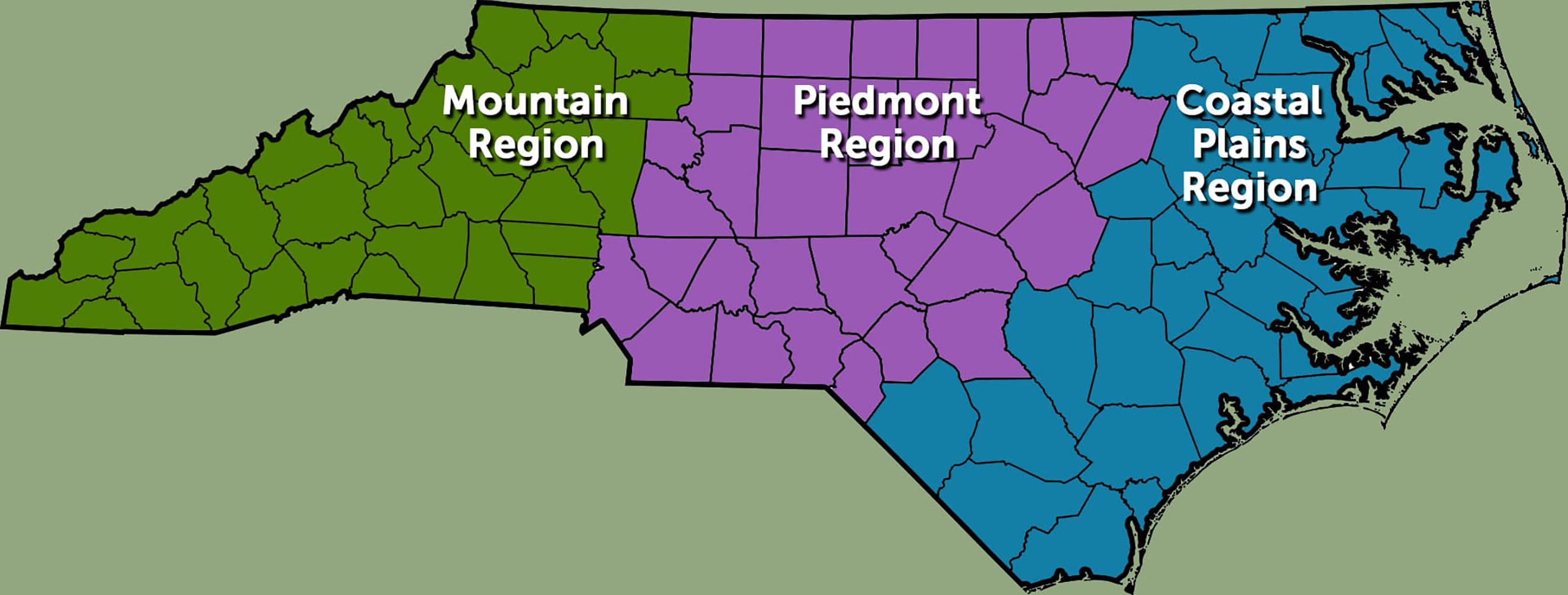
Eastern Hemlock is a coniferous tree that typically reaches heights of 40 to 80 feet, with some specimens growing up to 100 feet. This species is indigenous to eastern and central Canada as well as the United States, predominantly thriving in the mountainous regions of North Carolina and a limited area of the Piedmont. The tree features flat, single needles adorned with two distinct lines of white stomata on their undersides. Young Eastern Hemlocks have gray-brown, scaly bark, which matures into wide ridges and furrows as the tree ages. In the spring, it produces small yellow male flowers and light green female flowers, followed by ¾-inch cones that ripen in the fall. Although its wood is soft and brittle, it is still harvested for lumber and pulp.
The tree's conical form, combined with the delicate appearance of its drooping leaves and branches, imparts a graceful quality. Eastern Hemlock thrives in partial to full shade and is suitable as an understory tree. It prefers cooler summer climates and is not well-suited to the heat and humidity found in the southeastern United States. This species requires moist, well-drained soil and is sensitive to drought conditions.
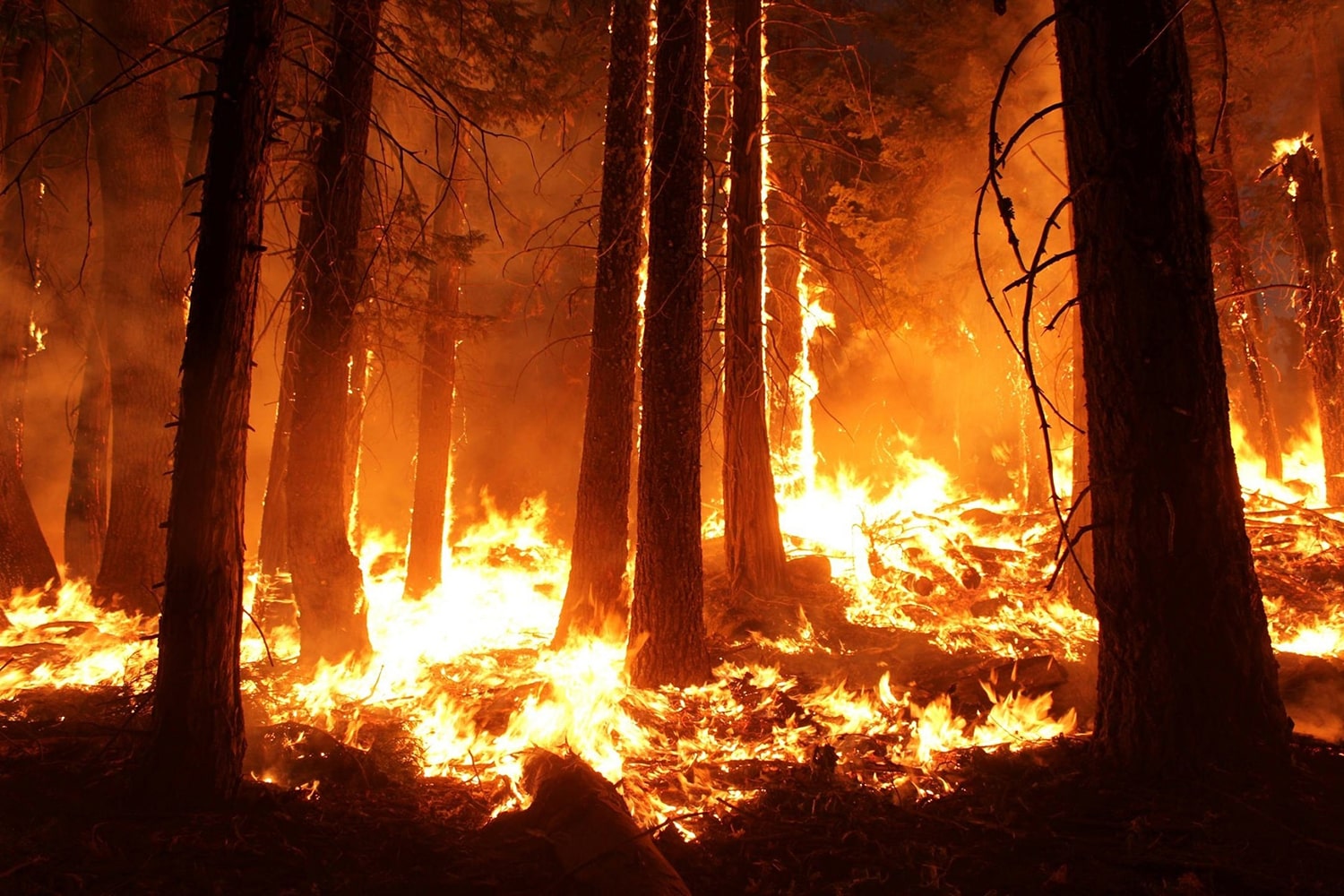
**Fire Risk:** Eastern Hemlock has a high flammability rating, making it unsuitable for planting within the defensible space around your home. It is advisable to choose plants with a low flammability rating for areas closest to your residence.
**Insects, Diseases, and Other Issues:** A healthy Eastern Hemlock in an appropriate environment typically faces few challenges. However, potential diseases affecting the Tsuga genus include needle blight (which causes needles to yellow and die), canker, rusts, and rots. Insect threats include bagworms, borers, leaf miners, sawflies, and spider mites. Extreme heat can lead to foliage scorching, and prolonged drought can be detrimental to the tree's health.
One significant threat to native hemlocks in the eastern United States is the Hemlock Woolly Adelgid (HWA), a minuscule (1/32 inch) sap-sucking insect related to aphids. HWA was inadvertently introduced to the U.S. from Eastern Asia in the 1920s and has been present in the Pacific Northwest since 1927. It was first documented in Virginia's forests during the 1950s and has since spread into the southern and central Appalachian regions. While HWA struggles to survive harsh winters, limiting its northern expansion to Massachusetts, it is anticipated that milder winter temperatures will allow it to spread further into New England. This pest has devastated most of the old-growth hemlocks in the Great Smoky Mountains National Park and has affected 95% of the hemlocks in Shenandoah National Park. HWA was identified in Pennsylvania's Allegheny National Park in November 2013. Although treatments are available, such as pesticides containing imidacloprid or dinotefuran, managing this pest remains a significant challenge.