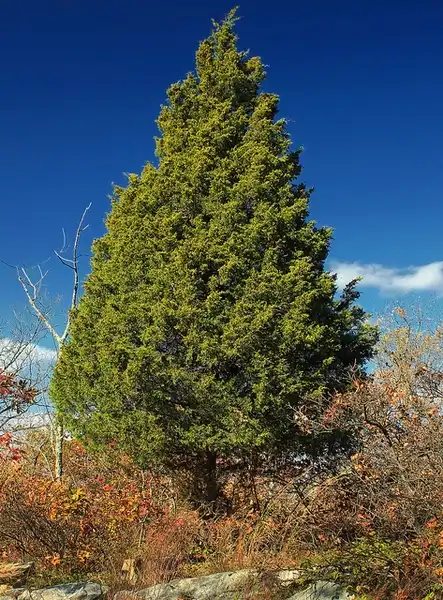
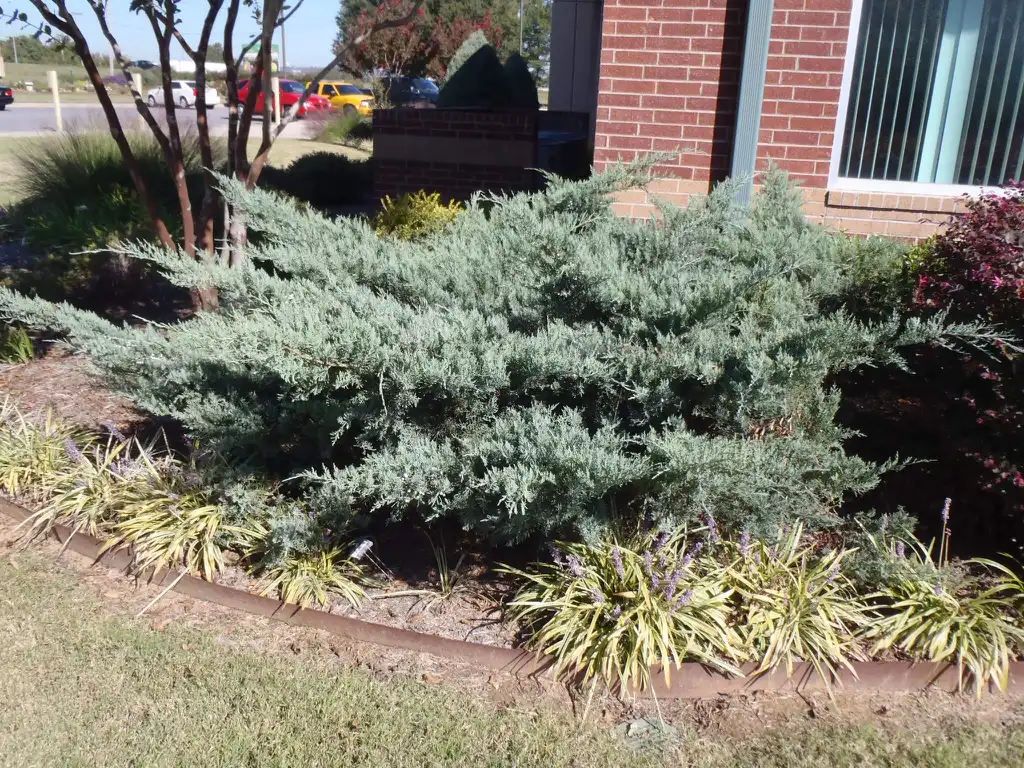
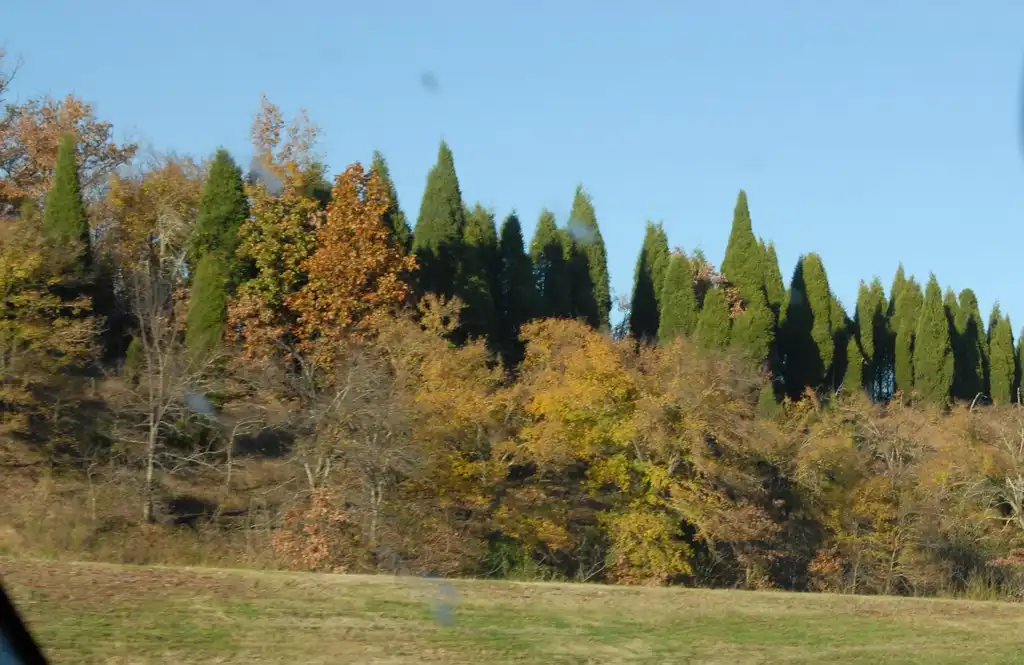
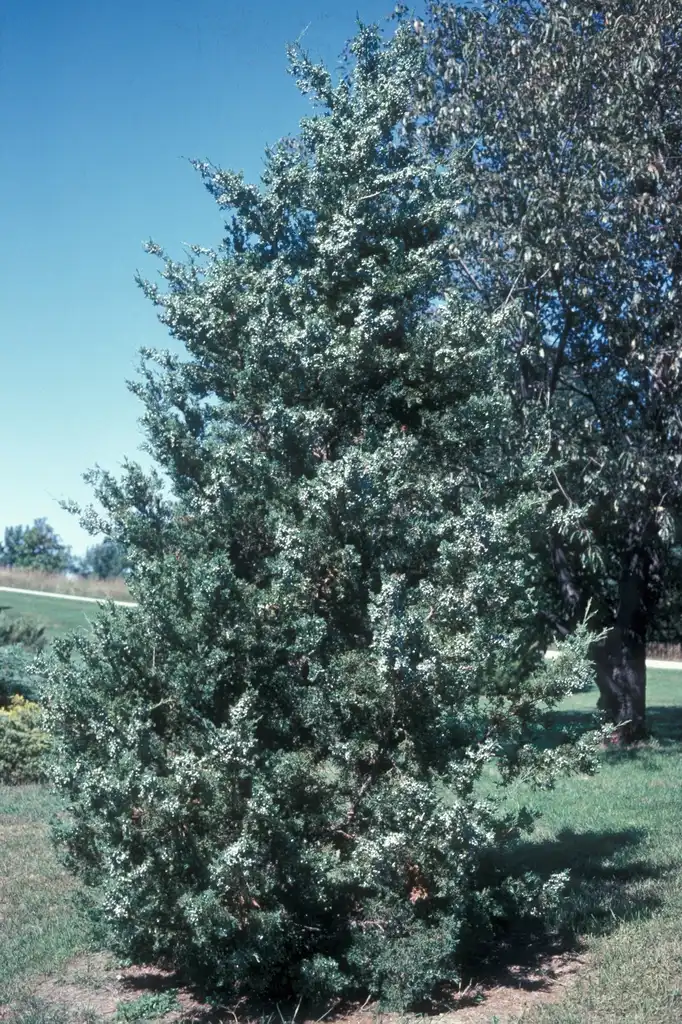
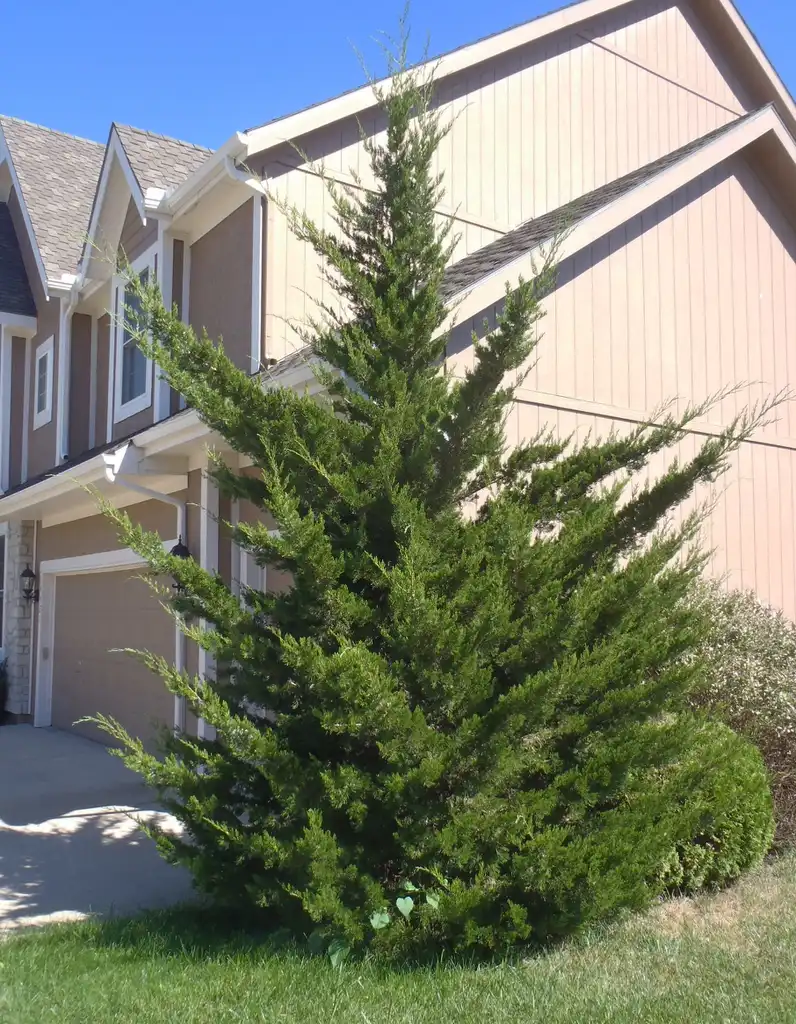
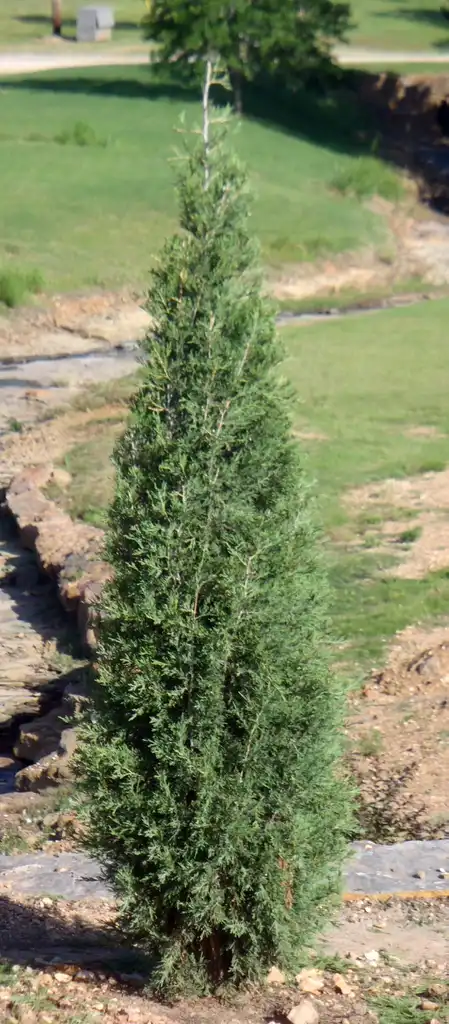
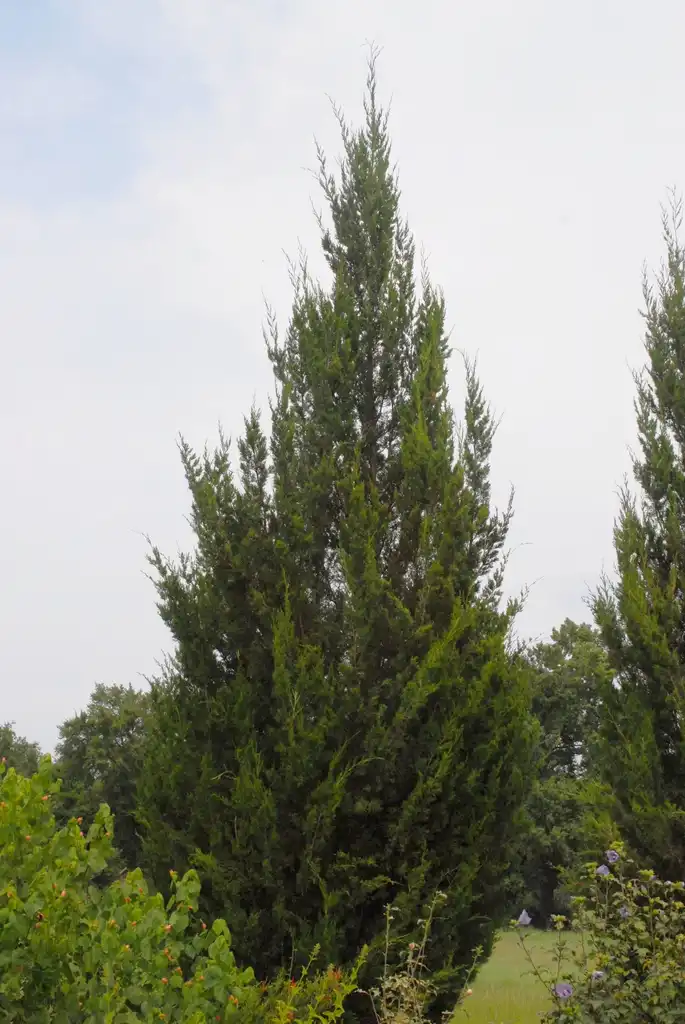
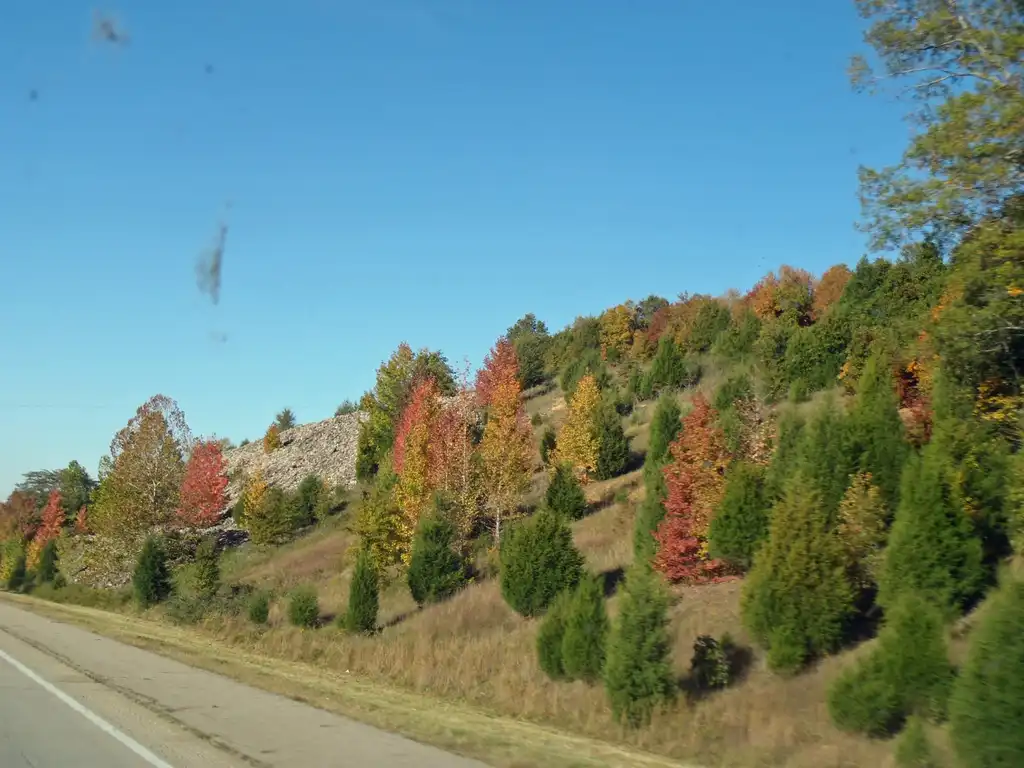
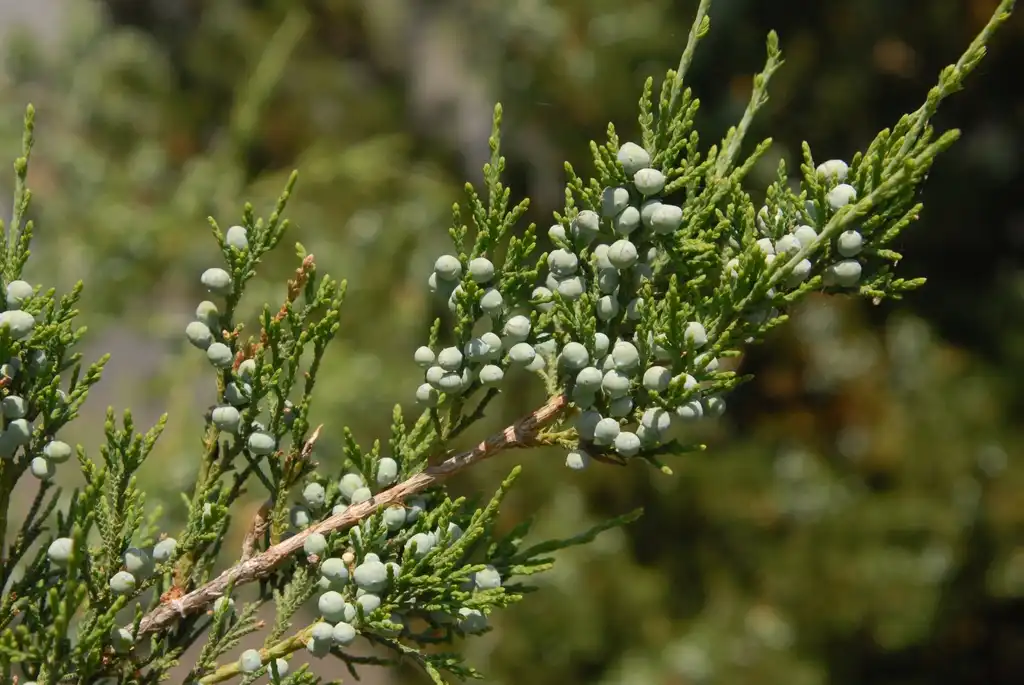
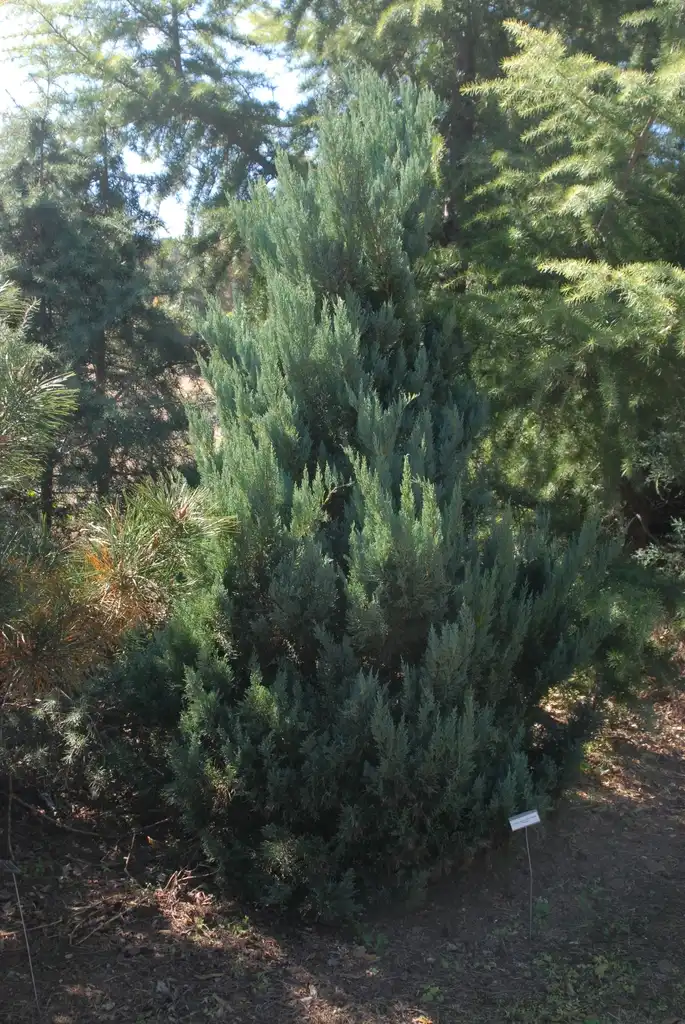
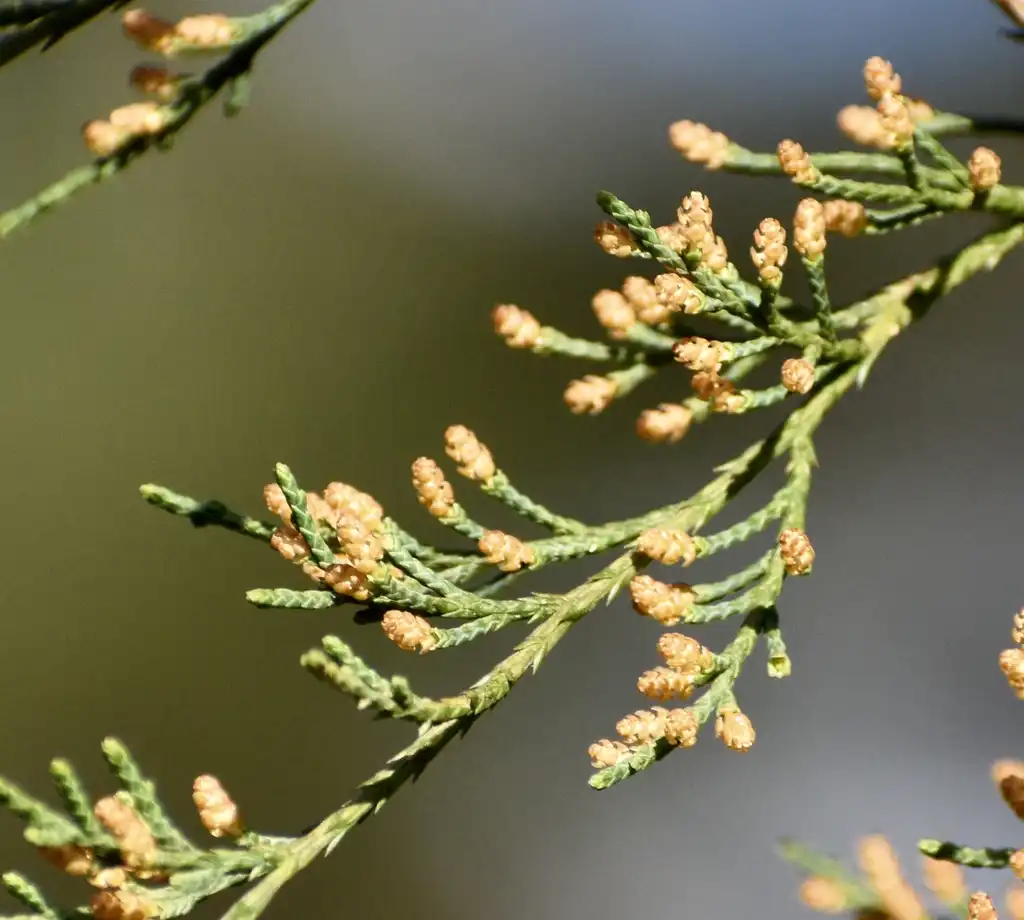
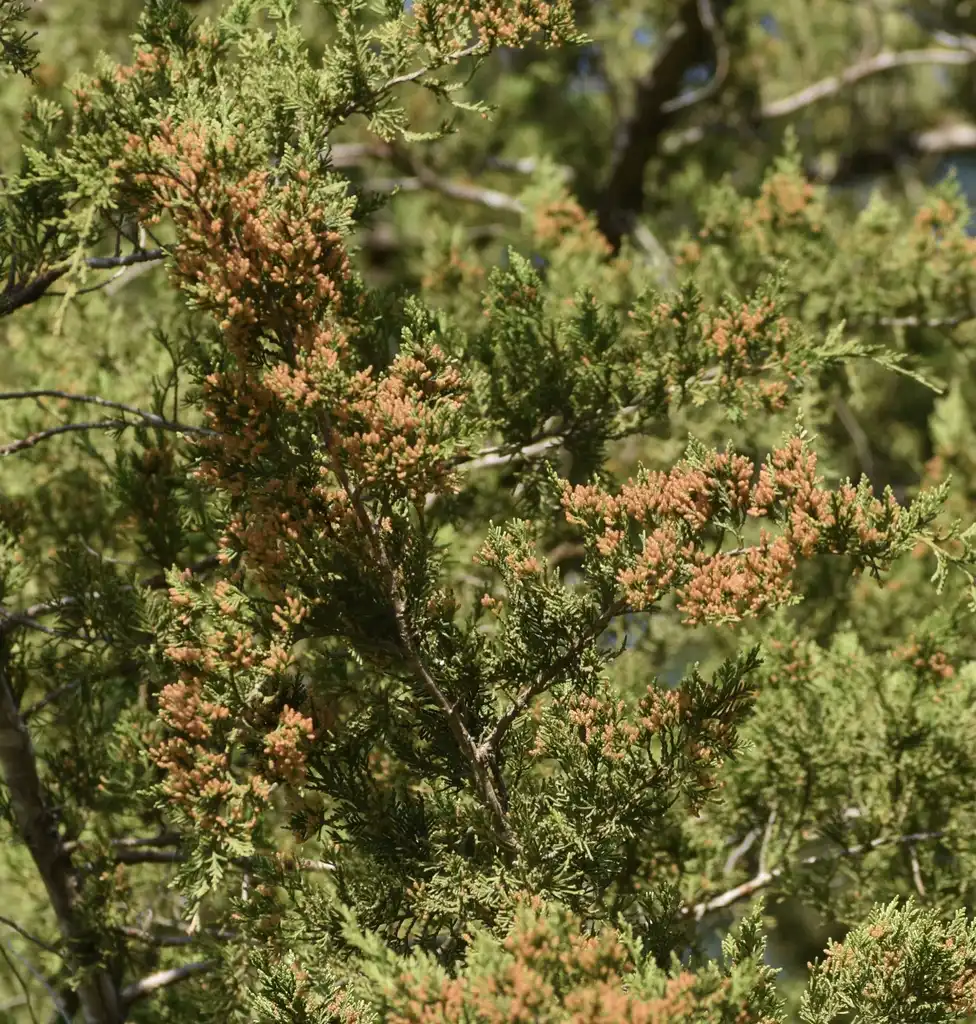
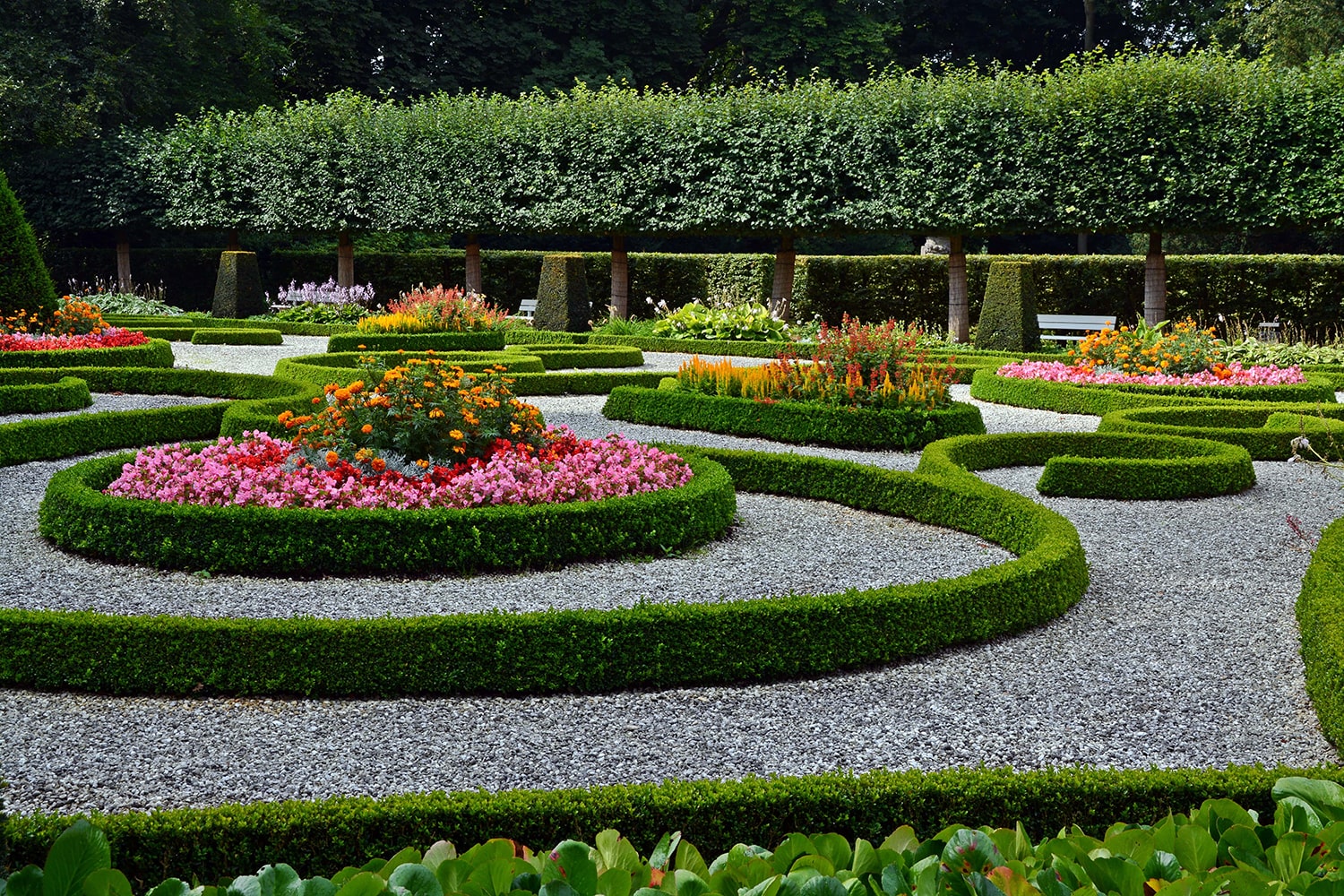
• Photo of Juniperus virginiana (Juniperus virginianas)

Plant Profile: Juniperus virginiana

Taxonomy: Juniperus virginiana

Names

Eastern Redcedar, Eastern Red Cedar

  • Photo of Juniperus virginiana (Juniperus virginianas)

Phonetic Spelling:jew-NIP-er-us ver-jin-ee-AY-nah

Genus:Juniperus

Species:virginiana

Family:Cupressaceae

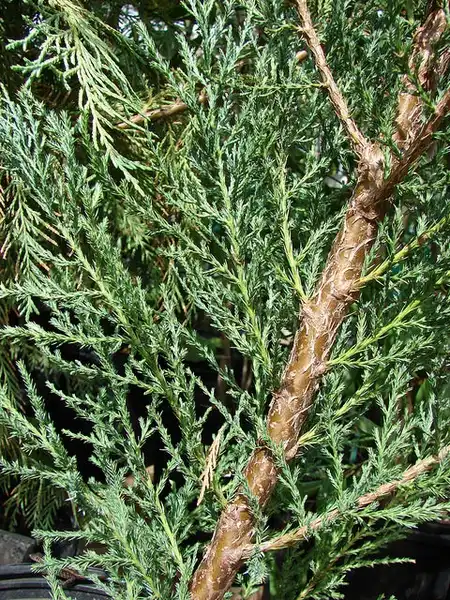
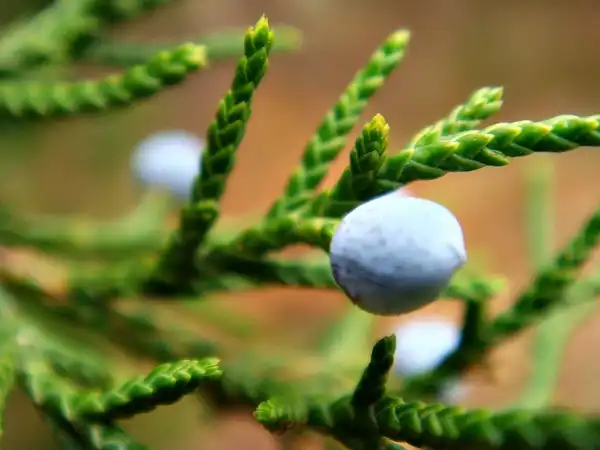
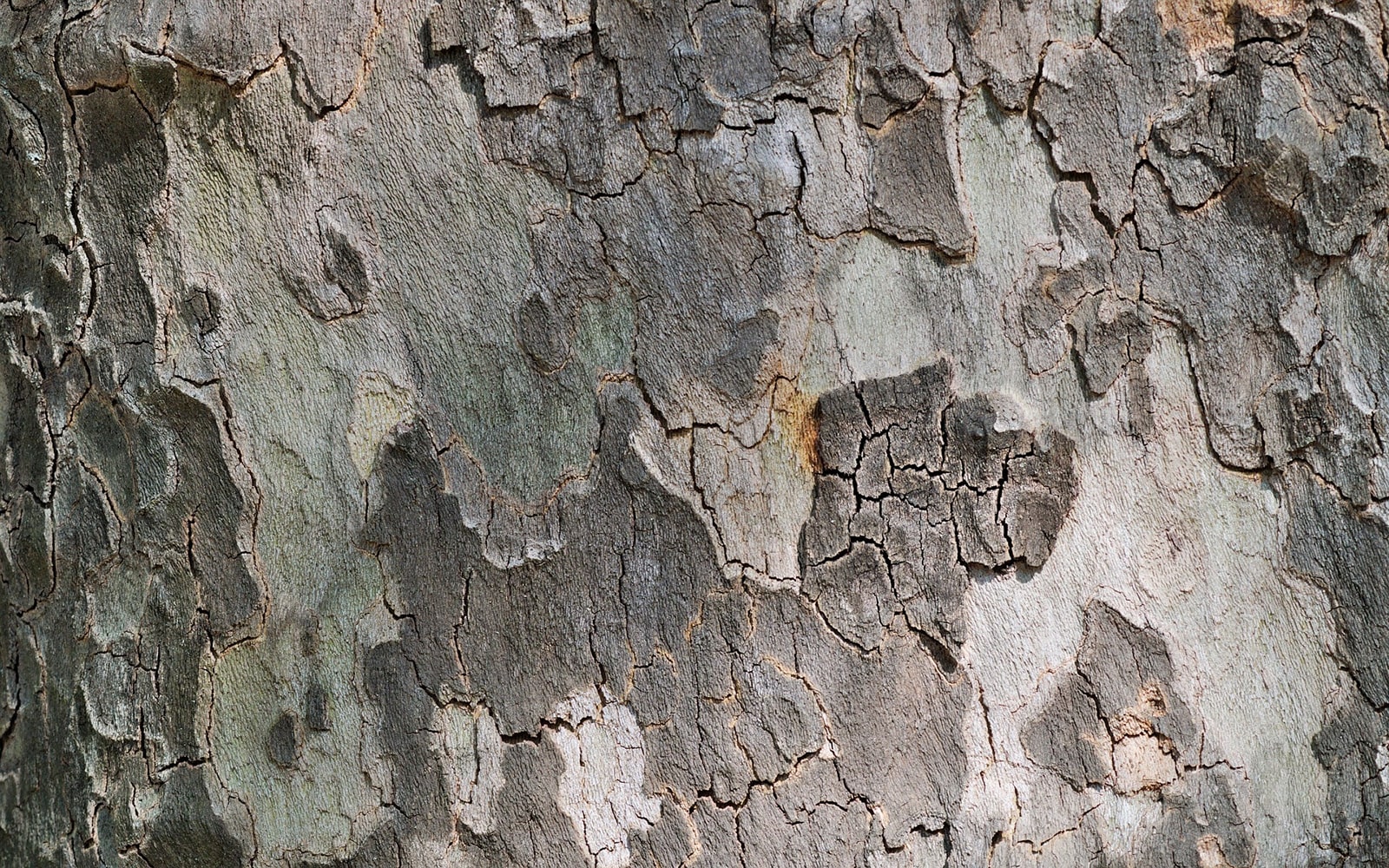
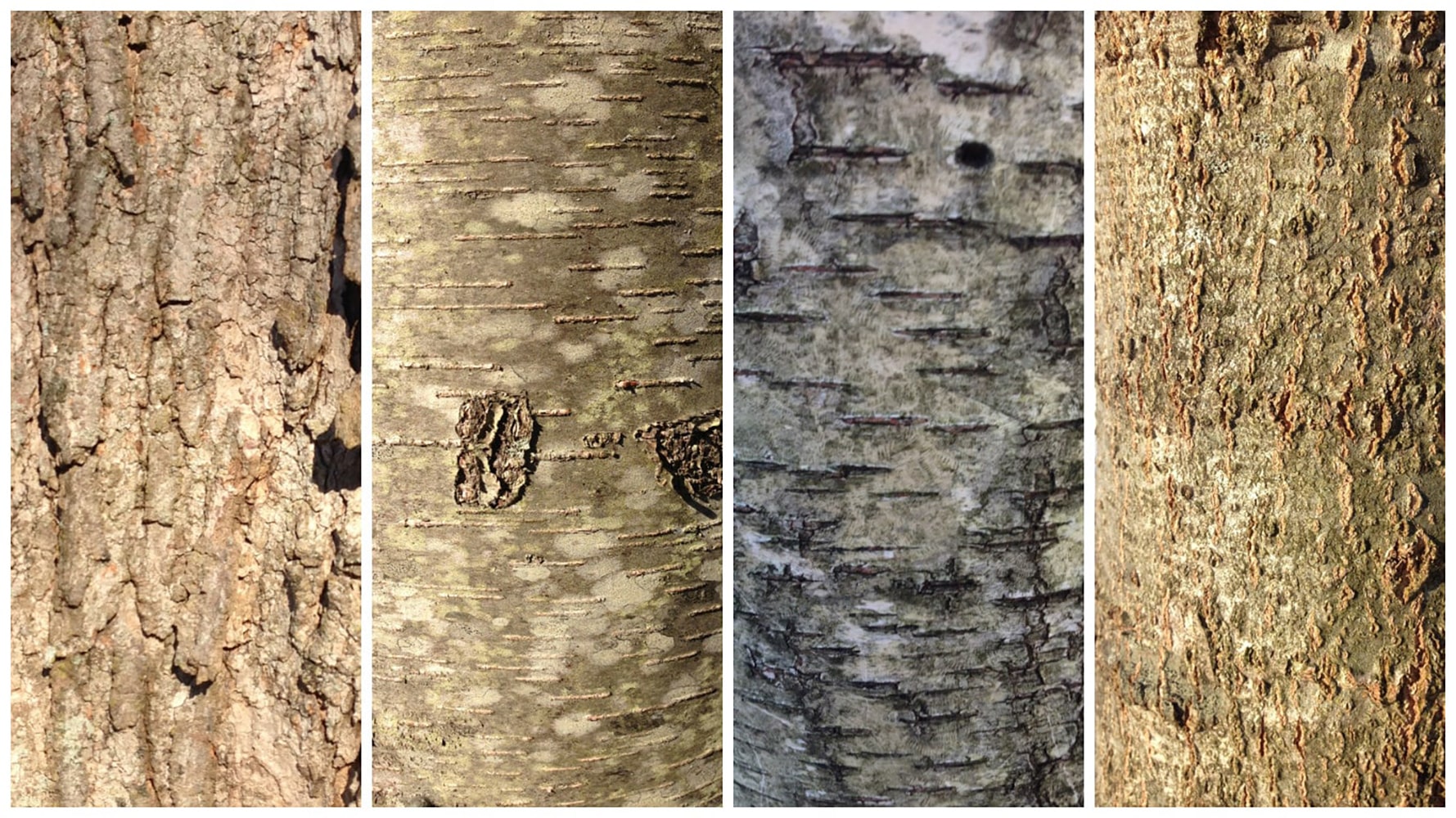
Eastern Redcedar is a resilient evergreen tree that typically reaches heights of 30 to 40 feet. Its leaves are scale-like, closely pressed, and glandular in nature. The bark exhibits a red-brown hue and peels away in long, fibrous strips, often appearing ashy gray in exposed areas. In late winter or early spring, small clusters of light blue-green flowers bloom, followed by nearly spherical blue fruits that develop in the fall on female trees.

The heartwood of the Eastern Redcedar is light brown and fragrant, contrasting with the white sapwood, making it a popular choice for crafting cedar chests. Additionally, its naturally rot-resistant properties make it suitable for fence posts and rails. The wood also has insect-repelling qualities, enhancing its desirability for use in clothing storage and pet bedding.

This tree thrives in a variety of well-drained soils, ranging from average to dry or moist, and prefers full sunlight. It can adapt to diverse growing conditions, from swamps to dry, rocky glades, and can even flourish in barren soils that are inhospitable to many other plants. While it favors moist environments, it does not tolerate consistently wet conditions and can only endure shade during its early growth stages. Notably, it boasts the best drought resistance among conifers native to the eastern United States.

Although Eastern Redcedar is a hardy and reliable tree that is easy to transplant, many gardeners consider it weedy. It exhibits high salt tolerance and requires ample space to grow. This vibrant tree serves well as a specimen, in groupings, or as a privacy screen. In warmer regions of North Carolina, it is also cultivated as a Christmas tree.

In terms of pests and diseases, the Eastern Redcedar is vulnerable to twig blight and scale, with bagworms posing a significant threat. Mites may also be present. Additionally, it shares a susceptibility to a rust fungus known as Gymnosporangium juniperi-virginianae, which causes "cedar apples" on its twigs and dark spots on apple leaves.

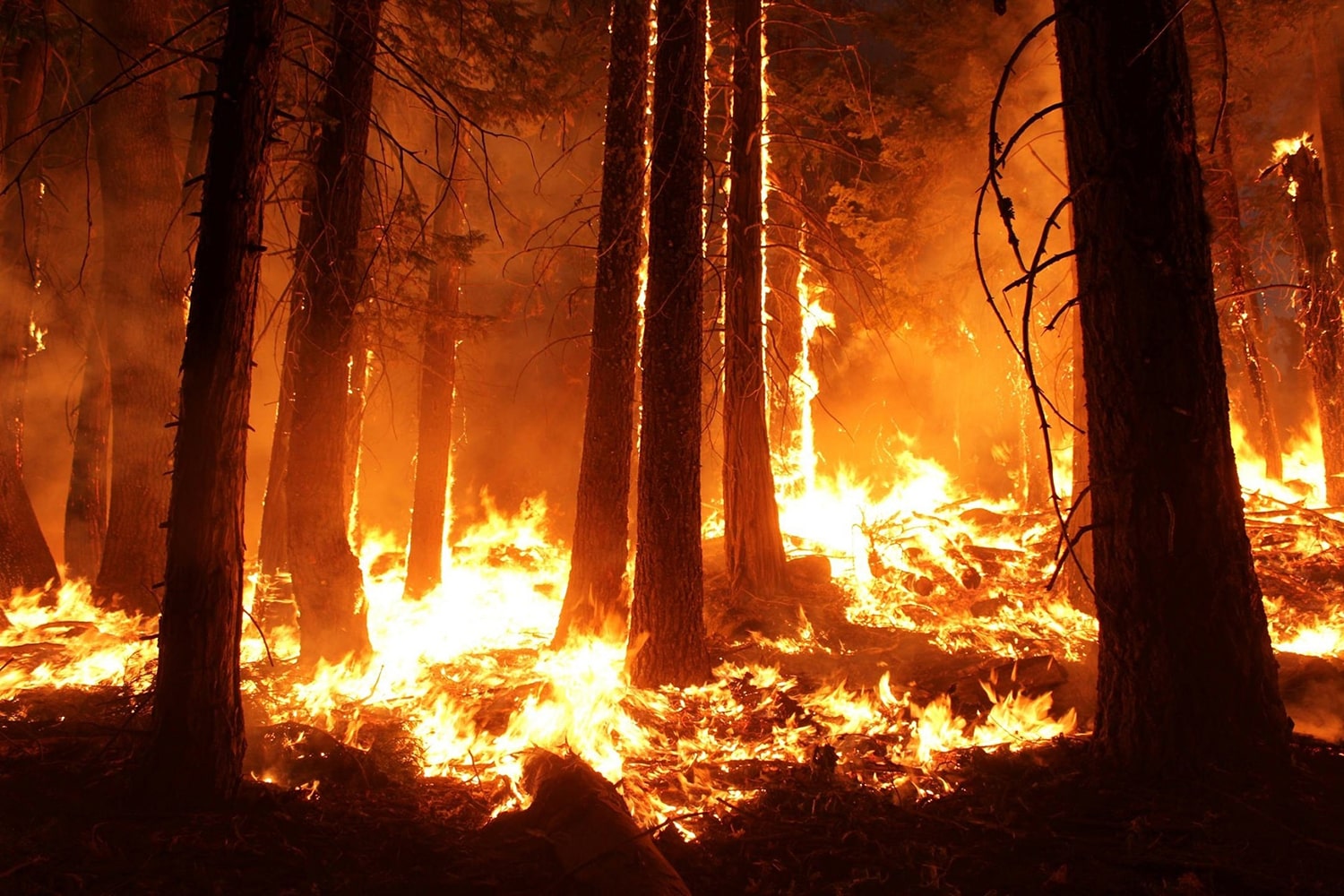
Regarding fire safety, this tree has a high flammability rating and should not be planted within the defensible space around your home. It is advisable to choose plants with low flammability ratings for areas closest to your residence.

**Quick Identification Tips:**
Juniperus virginiana Feature Summary

Juniperus virginiana Image Gallery

Tags

#fragrant
#evergreen
#poisonous
#drought tolerant
#wildlife plant
#native tree
#conifer
#weedy
#salt tolerant
#tough plant
#cover plant
#winter interest
#tsc
#playground
#small mammals
#food source
#highly beneficial coastal plants
#cpp
#fire
#high flammability
#NC native
#deer resistant
#children's garden
#coastal plants
#screening
#Braham Arboretum
#fantz
#poor soils tolerant
#larval host plant
#food source winter
#cover
#food source fall
#food source herbage
#fruits
#bird friendly
#food source soft mast fruit
#butterfly friendly
#FACU Piedmont Mountains
#FACU Coastal
#Christmas tree
#Christmas decorations
#tsc-cg
#pollinator garden
#audubon
#christmas
#juniper hairstreak butterfly

Similar Plants

Juniperus virginiana Feature Summary

Attributes
The heartwood is light brown and aromatic and is commonly used for cedar chests. Wood is often used to make fence posts and rails as it is naturally rot resistant. This plant was also used by Native Americans to make flutes, furniture, fragrance, mats, incense, and spices. They also used it medicinally.
South East Canada to Central & Eastern U.S.A., Mexico
from eastern Canada south through North Dakota west to Colorado south to Texas east to Florida north through Maine, also found in Oregon
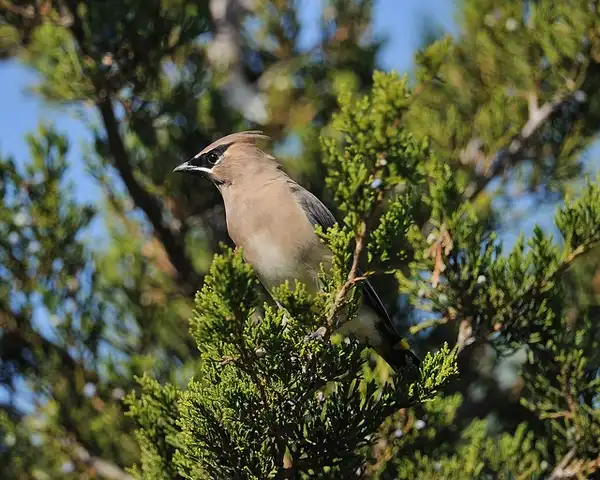
The Eastern red cedar provides winter cover. This plant supports Juniper Hairstreak (Callophrys gryneus) larvae. Adult Juniper Hairstreak butterflies feed on various flower nectars. Songbirds and small mammals eat the fruits.
This tree is resistant to damage by deer.
EDIBLE PARTS: Juniper tea can be made by placing a dozen young berryless twigs in a quart of cold water; bring to a boil then allow to simmer for 10 minutes. Strain and use as regular tea, in small quantities. SOURCE: Angier, B. 1974. Field Guide to Edible Wild Plants. Stackpole Books, Harrisburg, Pa, 255 pp.
Fragrance
Wildlife Food Source
Wind Break
Wildlife Nesting
Wildlife Cover/Habitat
Buffer
Screening
high flammability
Fruit
Male cones are yellow and occur at branch tips. Female cones are blue, frosted looking, and abundant. Cones are round, berry-like (1/4" in diameter), and ripen in fall the first year. They have a grey-white waxy covering. Displays from September to February.
< 1 inch
Flowers
This is a dioecious species (separate male and female trees). The pollen cones are small and yellowish on male trees, while the female trees produce round, berry-like cones. It blooms from January to March.
Gold/Yellow
Spring
Winter
< 1 inch
Leaves
The Eastern red cedar has dark blue-green, scale-like, shiny, glandular foliage in a 4 rank arrangement. The foliage may turn brown-green in winter. They are 1/16" in length and lay opposite or in whorls of 3. They are small, oval, and have a glandular depression on the back. Young leaves are awl-shaped, thin, prickly, needle-like, and 1/4" long. Cultivars of this species often retain better foliage color in winter.
Green
Gray/Silver
Blue
Needles
Opposite
Whorled
Acicular
Subulate
< 1 inch
Prickly
Smooth
< 1 inch
Bark
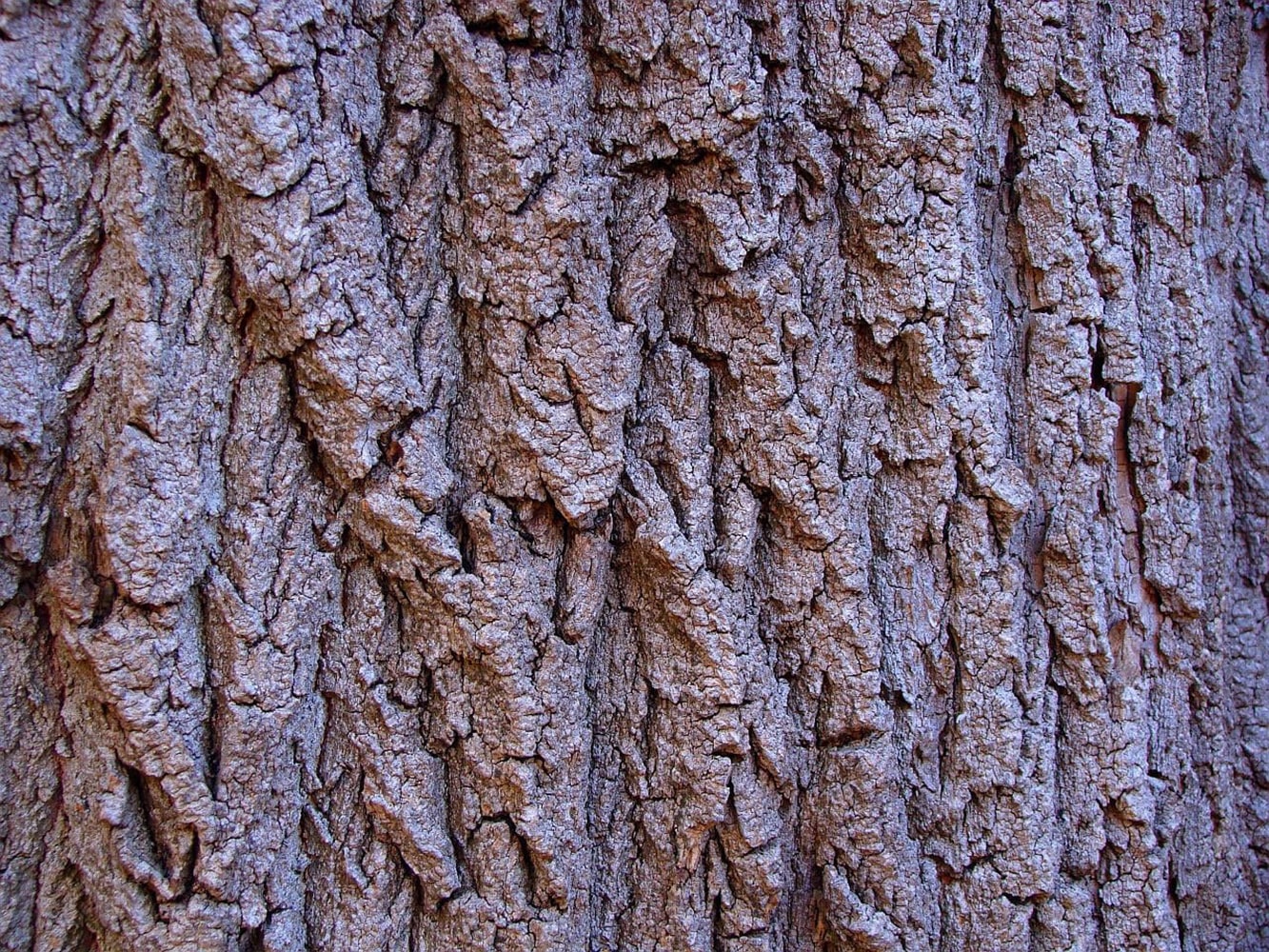
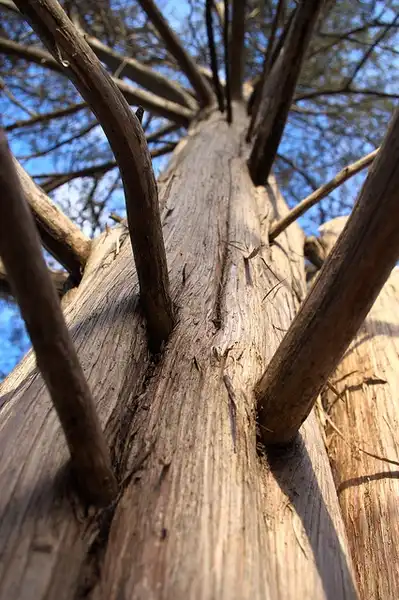
Its gray to reddish-brown bark exfoliates in thin, long shreddy strips on mature trees.
Dark Gray
Light Brown
Red/Burgundy
Shredding
Exfoliating
Peeling
Poisonous to Humans
CAUSES ONLY LOW TOXICITY IF EATEN. Large amounts may cause diarrhea.
Volatile oils including thujone.
Leaves
Flowers
Fruits
Whole Plant Traits
Tree
Native Plant
Poisonous
Erect
Pyramidal
Dense
Medium
Cultural Conditions
Full sun (6 or more hours of direct sunlight a day)
Partial Shade (Direct sunlight only part of the day, 2-6 hours)
Acid (<6.0)
Alkaline (>8.0)
Neutral (6.0-8.0)
Good Drainage
Moist
Occasionally Wet
Occasionally Dry
more than 60 feet
24-60 feet
12-24 feet
Coastal
Mountains
Piedmont
4a
4b
5b
5a
6a
6b
7a
7b
8b
8a
2a
2b
3a
3b
9a
9b
Clay
Loam (Silt)
Sand
Shallow Rocky
Landscape
Butterfly Garden
Pollinator Garden
Children's Garden
Winter Garden
Native Garden
Screen/Privacy
Small groups
Specimen
Drought
Deer
Salt
Poor Soil
Recreational Play Area
Woodland
Naturalized Area
Butterflies
Pollinators
Songbirds
Small Mammals
Poisonous to Humans
Weedy

Juniperus virginiana Attributes

Juniperus virginiana: Uses (Ethnobotany)

The heartwood is light brown and aromatic and is commonly used for cedar chests. Wood is often used to make fence posts and rails as it is naturally rot resistant. This plant was also used by Native Americans to make flutes, furniture, fragrance, mats, incense, and spices. They also used it medicinally.

Juniperus virginiana: Country Or Region Of Origin

South East Canada to Central & Eastern U.S.A., Mexico

Juniperus virginiana: Distribution

from eastern Canada south through North Dakota west to Colorado south to Texas east to Florida north through Maine, also found in Oregon

Juniperus virginiana: Wildlife Value

The Eastern red cedar provides winter cover. This plant supports Juniper Hairstreak (Callophrys gryneus) larvae. Adult Juniper Hairstreak butterflies feed on various flower nectars. Songbirds and small mammals eat the fruits.

Juniperus virginiana: Particularly Resistant To (Insects/Diseases/Other Problems)

This tree is resistant to damage by deer.

Juniperus virginiana: Edibility

EDIBLE PARTS: Juniper tea can be made by placing a dozen young berryless twigs in a quart of cold water; bring to a boil then allow to simmer for 10 minutes. Strain and use as regular tea, in small quantities. SOURCE: Angier, B. 1974. Field Guide to Edible Wild Plants. Stackpole Books, Harrisburg, Pa, 255 pp.

Juniperus virginiana: Life Cycle

Annual
Biennial
Bulb
Perennial
Woody

Juniperus virginiana: Play Value

Attractive Flowers
Attracts Pollinators
Buffer
Colorful
Defines Paths
Easy to Grow
Edible fruit
Fragrance
Pieces Used in Games
Screening
Shade
Sound
Textural
Wildlife Cover/Habitat
Wildlife Food Source
Wildlife Larval Host
Wildlife Nesting
Wind Break
Wind Shimmer

Juniperus virginiana: Fire Risk Rating

extreme flammability
high flammability
low flammability
medium flammability

Juniperus virginiana Fruit

Juniperus virginiana: Fruit Description

Male cones are yellow and occur at branch tips. Female cones are blue, frosted looking, and abundant. Cones are round, berry-like (1/4" in diameter), and ripen in fall the first year. They have a grey-white waxy covering. Displays from September to February.

Juniperus virginiana: Fruit Color

grass
Blue

Juniperus virginiana: Display/Harvest Time

Fall
Spring
Summer
Winter

Juniperus virginiana: Fruit Length

< 1 inch
1-3 inches
> 3 inches

Juniperus virginiana: Fruit Width

< 1 inch
1-3 inches
> 3 inches

Juniperus virginiana Flowers

Juniperus virginiana: Flower Description

This is a dioecious species (separate male and female trees). The pollen cones are small and yellowish on male trees, while the female trees produce round, berry-like cones. It blooms from January to March.

Juniperus virginiana: Flower Color

filter_vintage
Gold/Yellow

Juniperus virginiana: Flower Bloom Time

Winter
Spring
Summer
Fall

Juniperus virginiana: Flower Size

1-3 inches
3-6 inches
< 1 inch
> 6 inches

Juniperus virginiana Leaves

Juniperus virginiana: Leaf Description

The Eastern red cedar has dark blue-green, scale-like, shiny, glandular foliage in a 4 rank arrangement. The foliage may turn brown-green in winter. They are 1/16" in length and lay opposite or in whorls of 3. They are small, oval, and have a glandular depression on the back. Young leaves are awl-shaped, thin, prickly, needle-like, and 1/4" long. Cultivars of this species often retain better foliage color in winter.

Juniperus virginiana: Woody Plant Leaf Characteristics

Broadleaf Evergreen
Deciduous
Needled Evergreen
Semi-evergreen

Juniperus virginiana: Leaf Color

spa
Blue
spa
Gray/Silver
spa
Green

Juniperus virginiana: Deciduous Leaf Fall Color

spa
Brown/Copper

Juniperus virginiana: Leaf Type

Compound (Pinnately , Bipinnately, Palmately)
Fronds
Needles
Sheath
Simple

Juniperus virginiana: Leaf Arrangement

Alternate
Opposite
Other/more complex
Rosulate
Whorled

Juniperus virginiana: Leaf Shape

Acicular
Auriculate
Cordate
Cuneate
Deltoid
Elliptical
Filiform
Lanceolate
Linear
Oblanceolate
Oblong
Obovate
Obtuse
Orbicular
Ovate
Palmasect
Palmatifid
Peltate
Pinnatifid
Pinnatisect
Reniform
Rhomboidal
Spatulate
Subcordate
Subulate

Juniperus virginiana: Hairs Present

No
Yes

Juniperus virginiana: Leaf Length

< 1 inch
1-3 inches
3-6 inches
> 6 inches

Juniperus virginiana: Leaf Feel

Fleshy
Glossy
Leathery
Papery
Prickly
Rough
Rubbery
Slippery
Smooth
Soft
Velvety
Waxy

Juniperus virginiana: Leaf Value To Gardener

Edible
Fragrant
Good Cut
Good Dried
Long-lasting
Showy

Juniperus virginiana: Leaf Width

< 1 inch
1-3 inches
3-6 inches
> 6 inches

Juniperus virginiana Bark

Juniperus virginiana: Bark Description

Its gray to reddish-brown bark exfoliates in thin, long shreddy strips on mature trees.

Juniperus virginiana: Bark Color

grass
Dark Gray
grass
Light Brown
grass
Red/Burgundy

Juniperus virginiana: Surface/Attachment

Bumpy
Exfoliating
Fissured
Furrowed
Lenticels
Papery
Patchy
Peeling
Ridges
Scaly
Shaggy
Shiny
Shredding
Smooth
Spongy

Juniperus virginiana Poisonous to Humans

Juniperus virginiana: Poison Symptoms

CAUSES ONLY LOW TOXICITY IF EATEN. Large amounts may cause diarrhea.

Juniperus virginiana: Poison Toxic Principle

Volatile oils including thujone.

Juniperus virginiana: Poison Severity

High
Low
Medium

Juniperus virginiana: Causes Contact Dermatitis

No
Yes

Juniperus virginiana: Poison Part

Bark
Flowers
Fruits
Leaves
Roots
Sap/Juice
Seeds
Stems

Juniperus virginiana Whole Plant Traits

Juniperus virginiana: Plant Type

Annual
Bulb
Carnivorous
Edible
Epiphyte
Fern
Ground Cover
Herb
Herbaceous Perennial
Houseplant
Mushroom
Native Plant
Ornamental Grasses and Sedges
Perennial
Poisonous
Rose
Shrub
Succulent
Tree
Turfgrass
Vegetable
Vine
Water Plant
Weed
Wildflower

Juniperus virginiana: Woody Plant Leaf Characteristics

Broadleaf Evergreen
Deciduous
Needled Evergreen
Semi-evergreen

Juniperus virginiana: Habit/Form

Arching
Ascending
Broad
Cascading
Climbing
Clumping
Columnar
Conical
Creeping
Dense
Erect
Horizontal
Irregular
Mounding
Multi-stemmed
Multi-trunked
Open
Oval
Prostrate
Pyramidal
Rounded
Spreading
Vase
Weeping

Juniperus virginiana: Growth Rate

Slow
Medium
Rapid

Juniperus virginiana: Maintenance

Low
Medium
High

Juniperus virginiana: Texture

Fine
Medium
Coarse

Juniperus virginiana Cultural Conditions

Juniperus virginiana: Light

Dappled Sunlight (Shade through upper canopy all day)
Deep shade (Less than 2 hours to no direct sunlight)
Full sun (6 or more hours of direct sunlight a day)
Partial Shade (Direct sunlight only part of the day, 2-6 hours)

Juniperus virginiana: Soil pH

Acid (<6.0)
Alkaline (>8.0)
Neutral (6.0-8.0)

Juniperus virginiana: Soil Drainage

Frequent Standing Water
Good Drainage
Moist
Occasional Flooding
Occasionally Dry
Occasionally Wet
Very Dry

Juniperus virginiana: Available Space To Plant

12 inches-3 feet
12-24 feet
24-60 feet
3 feet-6 feet
6-feet-12 feet
Less than 12 inches
more than 60 feet

Juniperus virginiana: NC Region

Coastal
Mountains
Piedmont

Juniperus virginiana: USDA Plant Hardiness Zone

thermostat
2a
thermostat
2b
thermostat
3a
thermostat
3b
thermostat
4a
thermostat
4b
thermostat
5a
thermostat
5b
thermostat
6a
thermostat
6b
thermostat
7a
thermostat
7b
thermostat
8a
thermostat
8b
thermostat
9a
thermostat
9b

Juniperus virginiana: Soil Texture

Clay
High Organic Matter
Loam (Silt)
Sand
Shallow Rocky

Juniperus virginiana Stem

Juniperus virginiana: Stem Is Aromatic

No
Yes

Juniperus virginiana Landscape

Juniperus virginiana: Landscape Theme

Asian Garden
Butterfly Garden
Children's Garden
Cottage Garden
Cutting Garden
Drought Tolerant Garden
Edible Garden
English Garden
Fairy Garden
Garden for the Blind
Native Garden
Nighttime Garden
Pollinator Garden
Rain Garden
Rock Garden
Shade Garden
Water Garden
Winter Garden

Juniperus virginiana: Design Feature

Accent
Barrier
Border
Flowering Tree
Foundation Planting
Hedge
Mass Planting
Screen/Privacy
Security
Shade Tree
Small groups
Small Tree
Specimen
Street Tree
Understory Tree

Juniperus virginiana: Resistance To Challenges

Black Walnut
Compaction
Deer
Diseases
Drought
Dry Soil
Erosion
Fire
Foot Traffic
Heat
Heavy Shade
Humidity
Insect Pests
Pollution
Poor Soil
Rabbits
Salt
Slugs
Squirrels
Storm damage
Urban Conditions
Voles
Wet Soil
Wind

Juniperus virginiana: Landscape Location

Coastal
Container
Hanging Baskets
Houseplants
Lawn
Meadow
Naturalized Area
Near Septic
Patio
Pond
Pool/Hardscape
Recreational Play Area
Riparian
Rock Wall
Slope/Bank
Small Space
Vertical Spaces
Walkways
Woodland

Juniperus virginiana: Attracts

Bats
Bees
Butterflies
Frogs
Hummingbirds
Moths
Pollinators
Predatory Insects
Reptiles
Small Mammals
Songbirds
Specialized Bees

Juniperus virginiana: Problems

Allelopathic
Contact Dermatitis
Frequent Disease Problems
Frequent Insect Problems
Invasive Species
Malodorous
Messy
Poisonous to Humans
Problem for Cats
Problem for Children
Problem for Dogs
Problem for Horses
Short-lived
Spines/Thorns
Weak Wood
Weedy