Pinus taeda: Uses (Ethnobotany)
Native Americans used this tree for its lumber. They would use the lumber for carving and in building canoes.
Phonetic Spelling:PY-nus TAY-duh
Genus:Pinus
Species:taeda
Family:Pinaceae
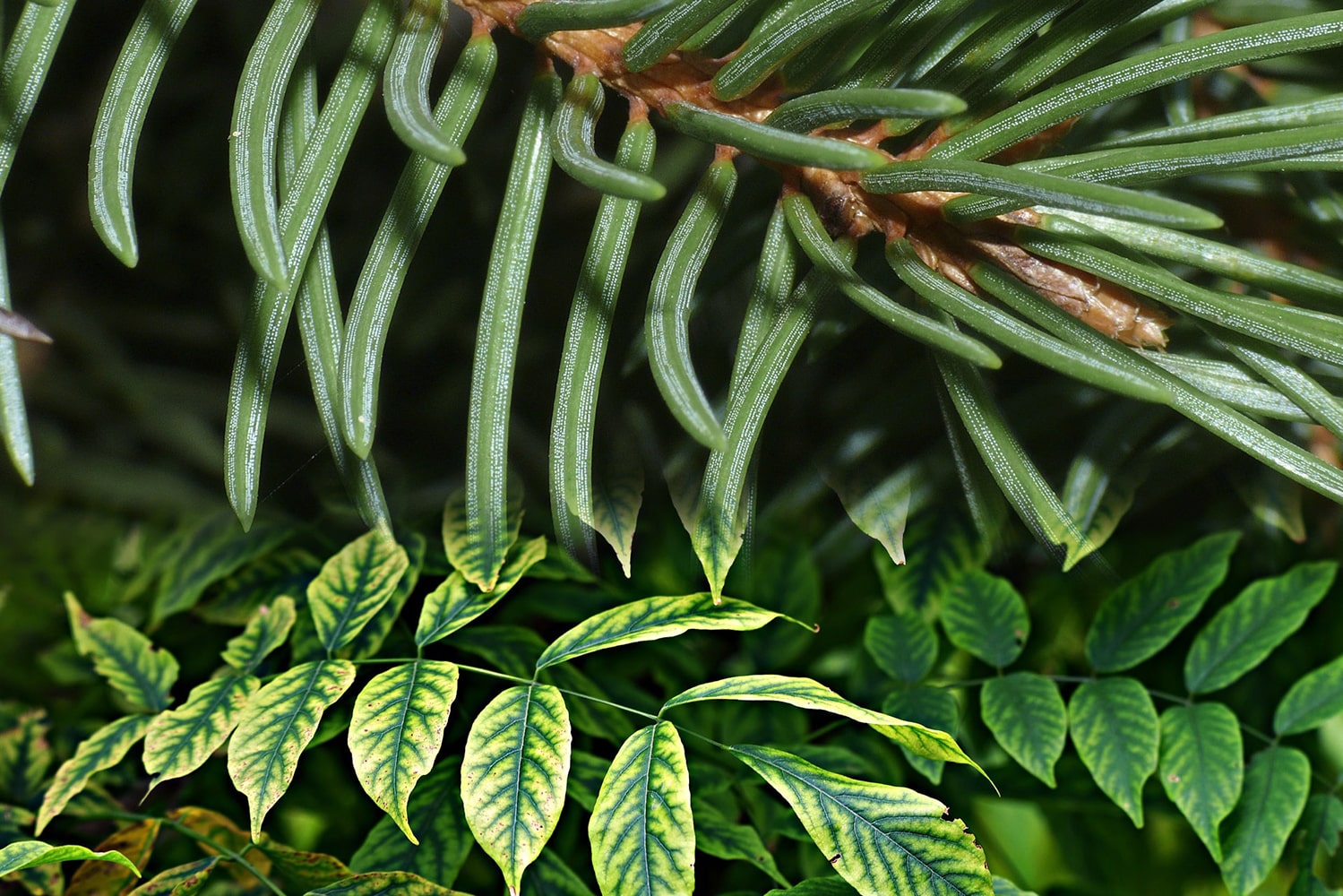
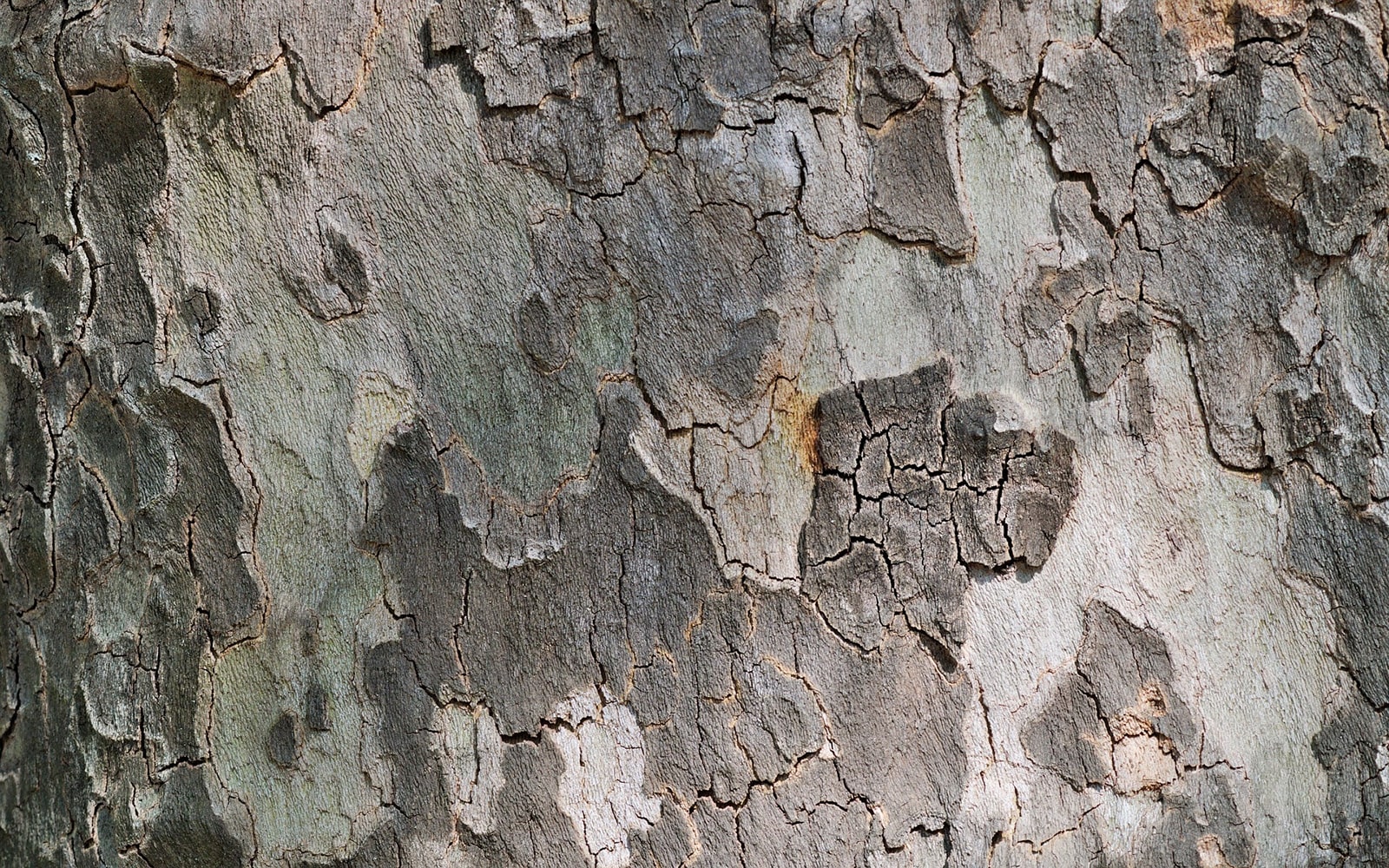
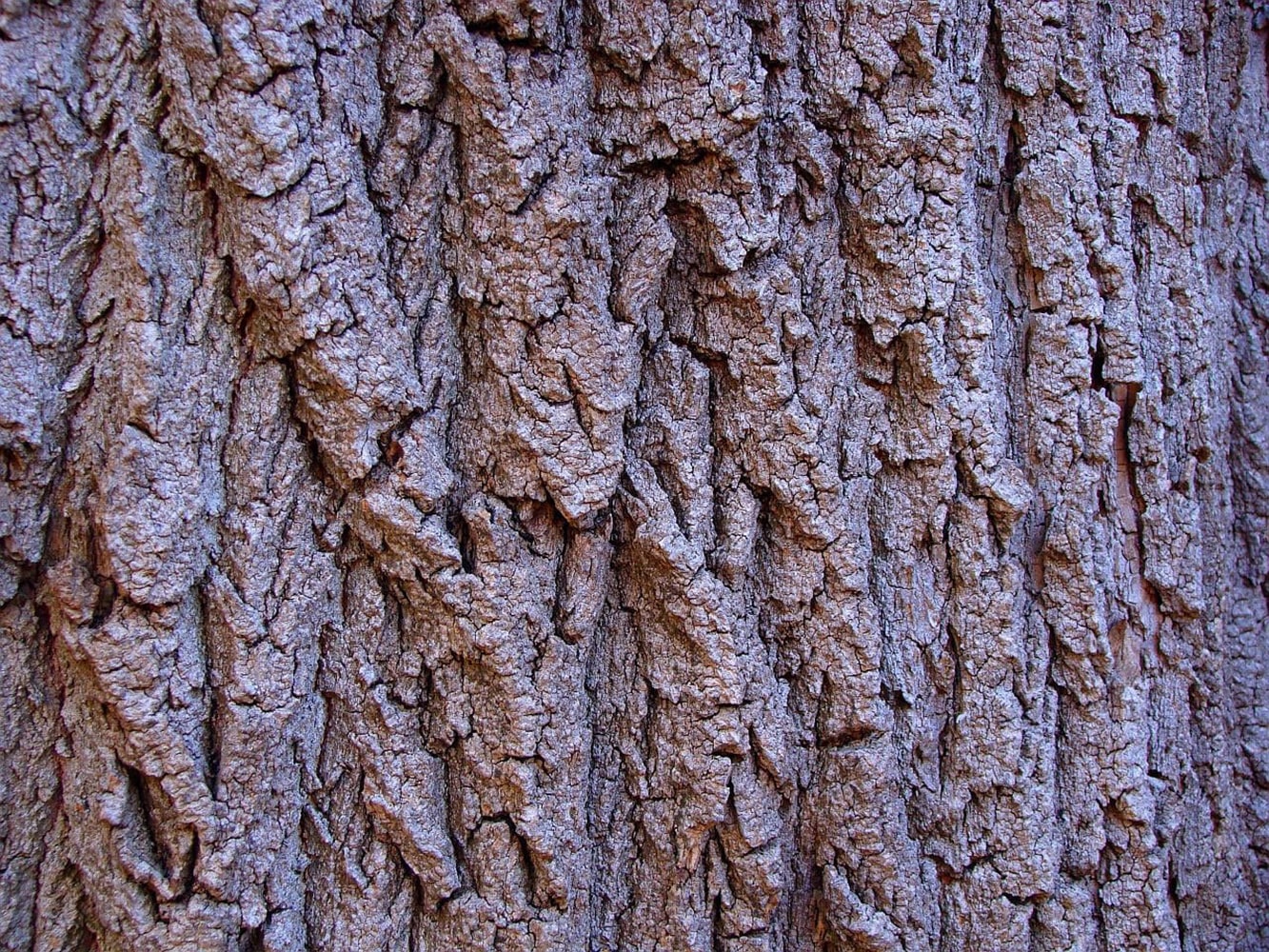
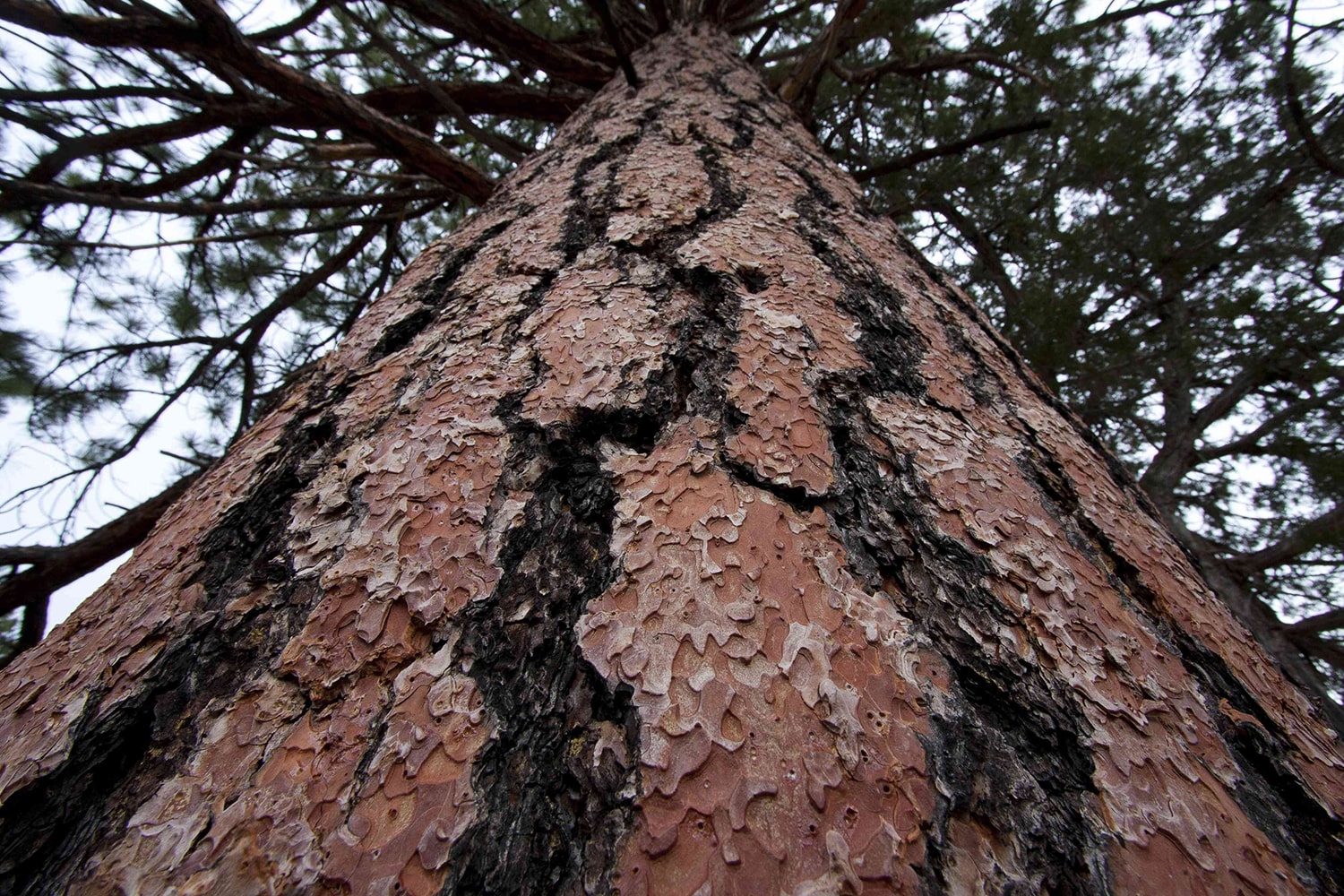
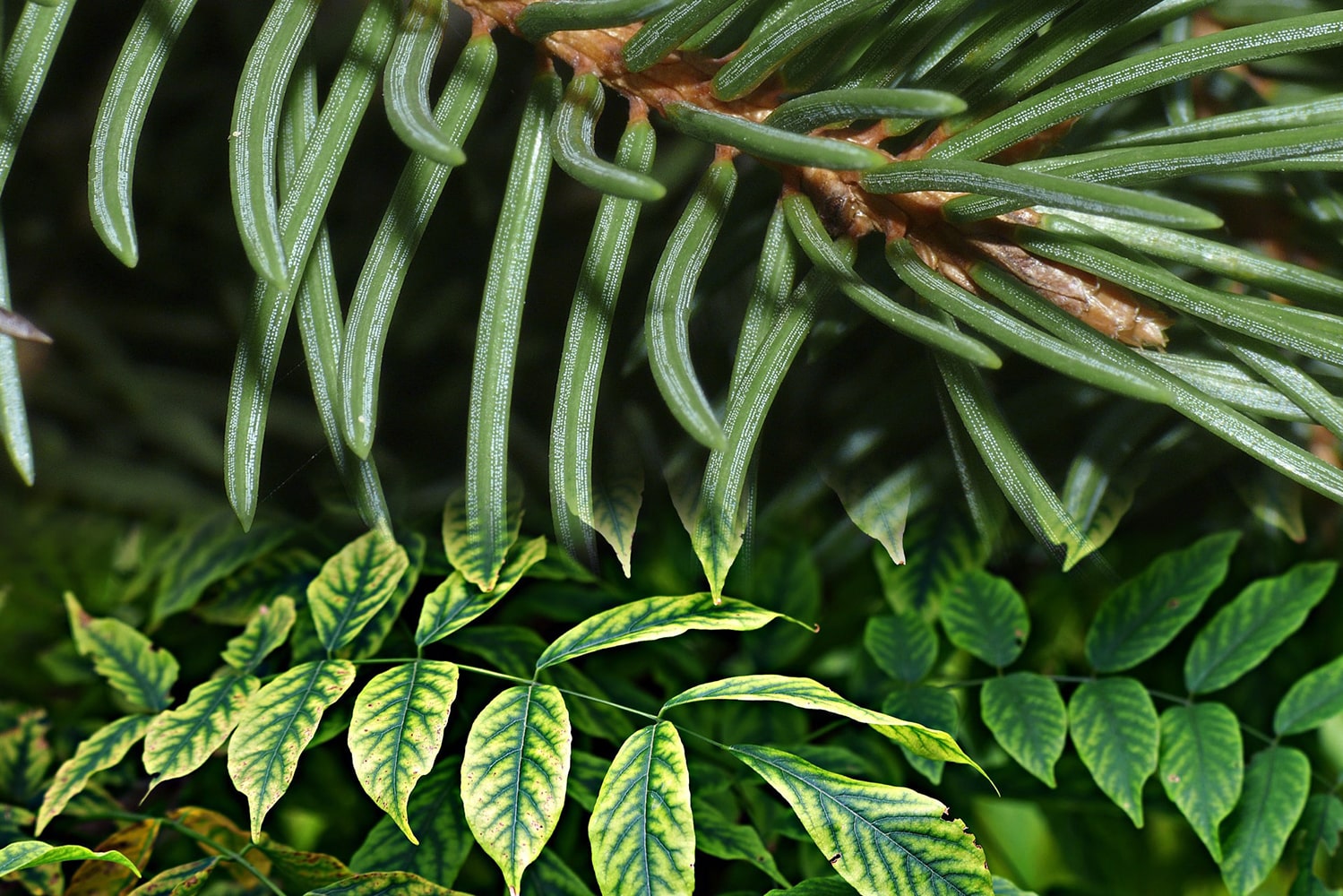
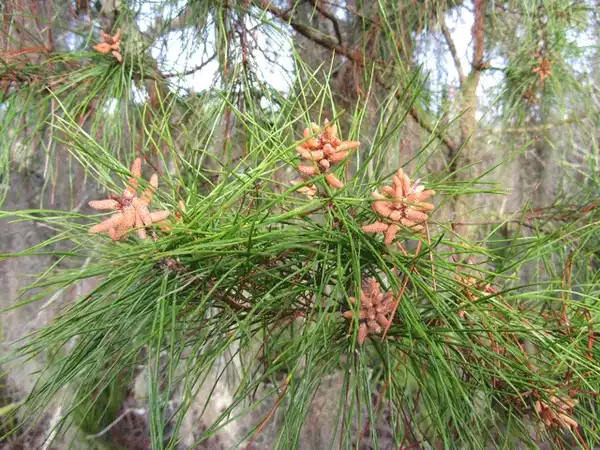
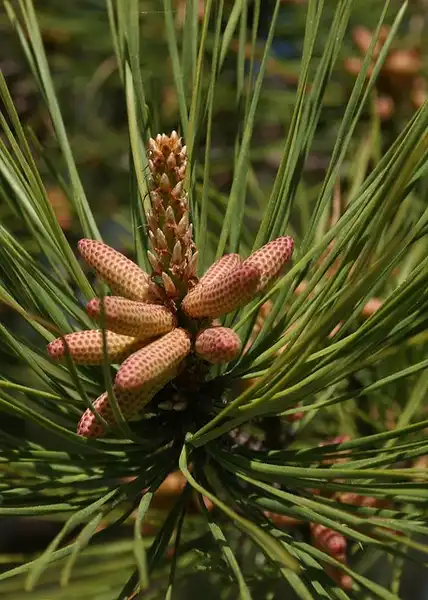
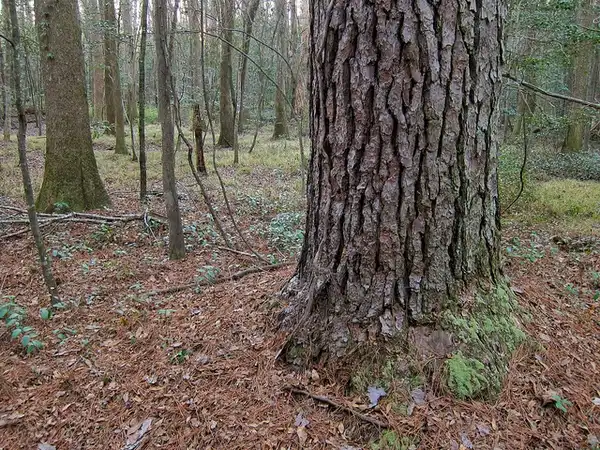
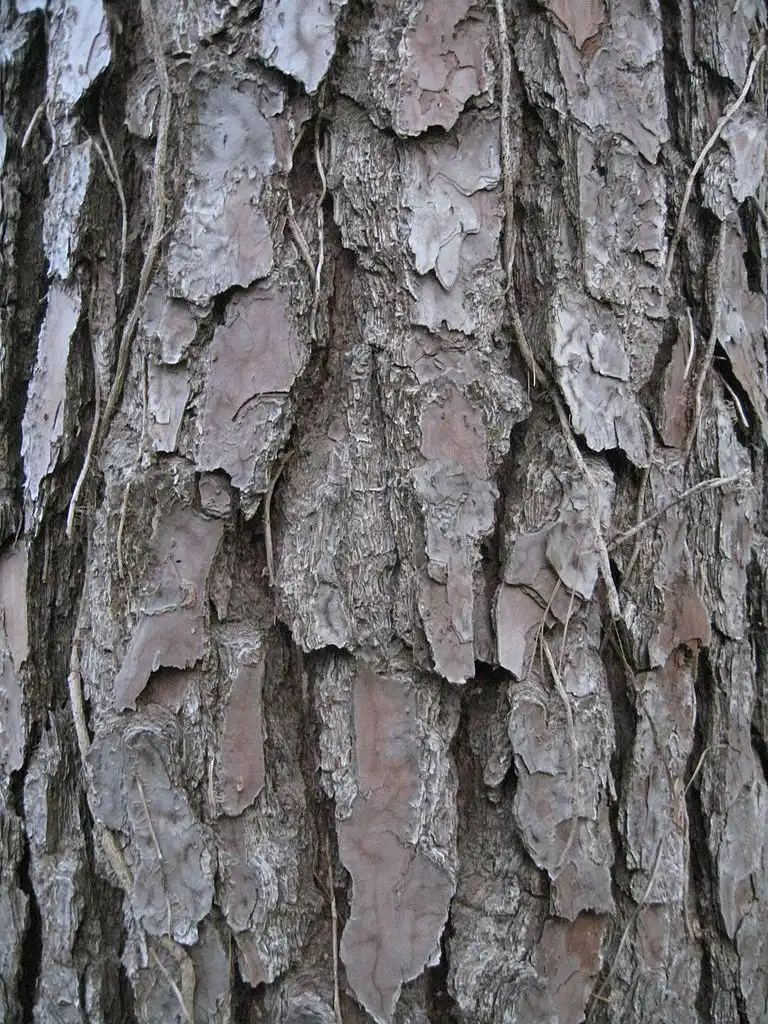
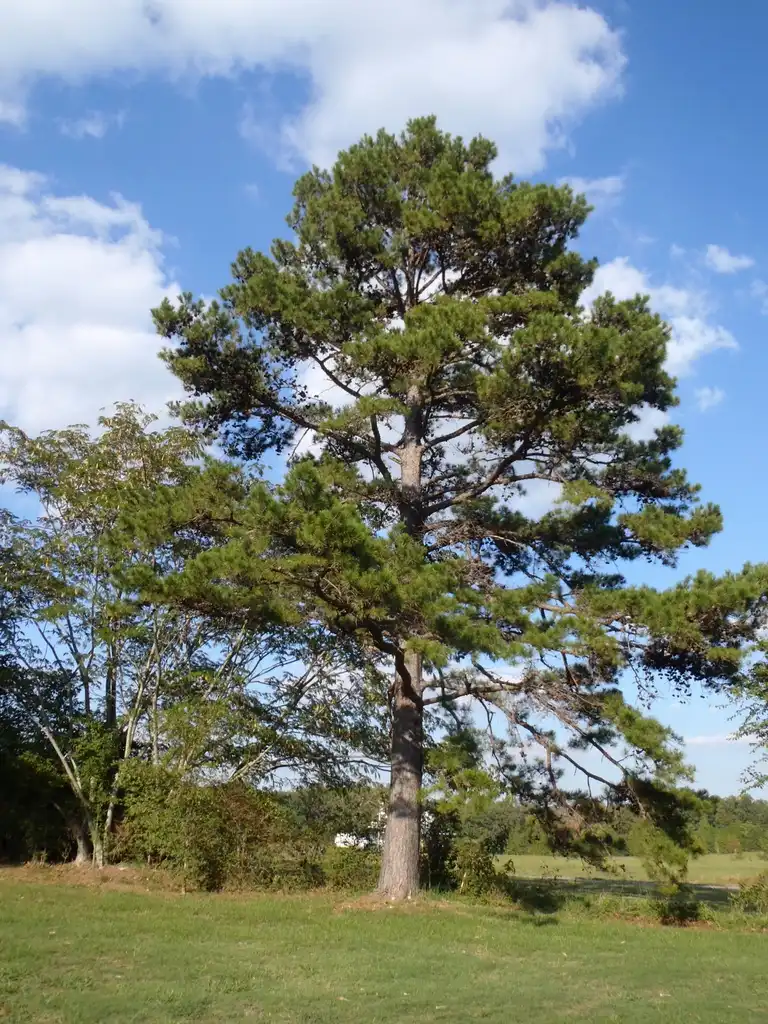
Loblolly Pine is a type of evergreen gymnosperm that can reach heights of 60 to 90 feet. In its early years, the tree has a loosely pyramidal shape, but as it matures, it develops a dense, oval crown while shedding its lower branches. The trunk is typically straight and can measure between 2 to 3 feet in diameter. The tree features slender needles, ranging from 5 to 8 inches long, which grow in clusters of three, though occasionally they may appear in pairs or fours. As the tree ages, its bark thickens and forms irregular, flaky plates that reveal a rich dark chocolate hue underneath. In the spring, clusters of male flowers bloom in shades of red to yellow, while female flowers appear in yellow to purple.
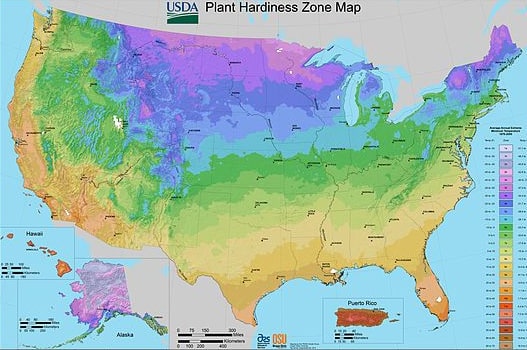
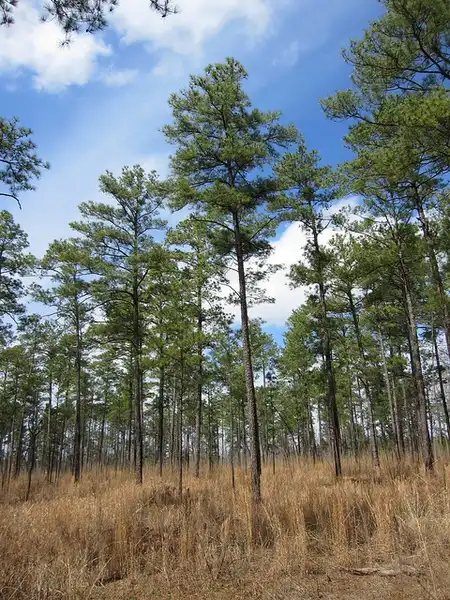
Loblolly Pine thrives in medium to wet soils under full sunlight, favoring moist, acidic conditions with poor drainage, although it can also tolerate alkaline soils. It grows best in regions characterized by hot, humid summers and mild winters. This species often establishes itself in pure stands and can spread into abandoned fields through self-seeding. Notably, it boasts the fastest growth rate among all pine species.
This tree is a significant source of timber, with its wood being utilized for pulp, plywood, and various construction purposes. Its rapid growth and high wood value make it a key player in forest management practices.
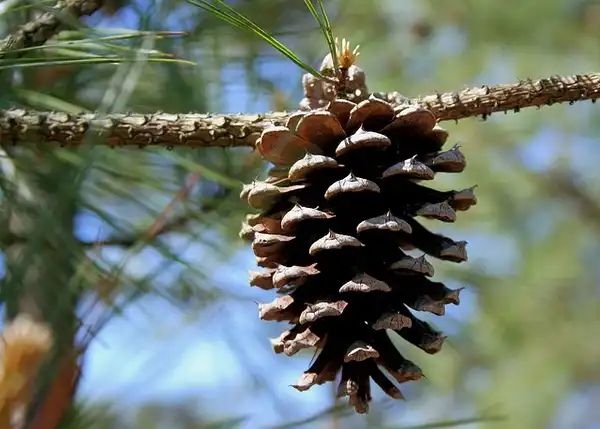
The Loblolly Pine typically has three needles per fascicle, although some references mistakenly mention pairs, a claim not supported by observations at NC State. It is often confused with the slash pine, which can have needles in both threes and twos, possibly leading to past misidentifications. The twigs of the Loblolly Pine bear tufts of needles at their tips. When holding a Loblolly cone and applying pressure, the recurved spine can penetrate the skin. This tree is commonly found in plantations for paper pulp and is frequently seen in residential areas where homes are built around them. It serves as an effective fast-growing screen when young and is easily transplanted from containers.
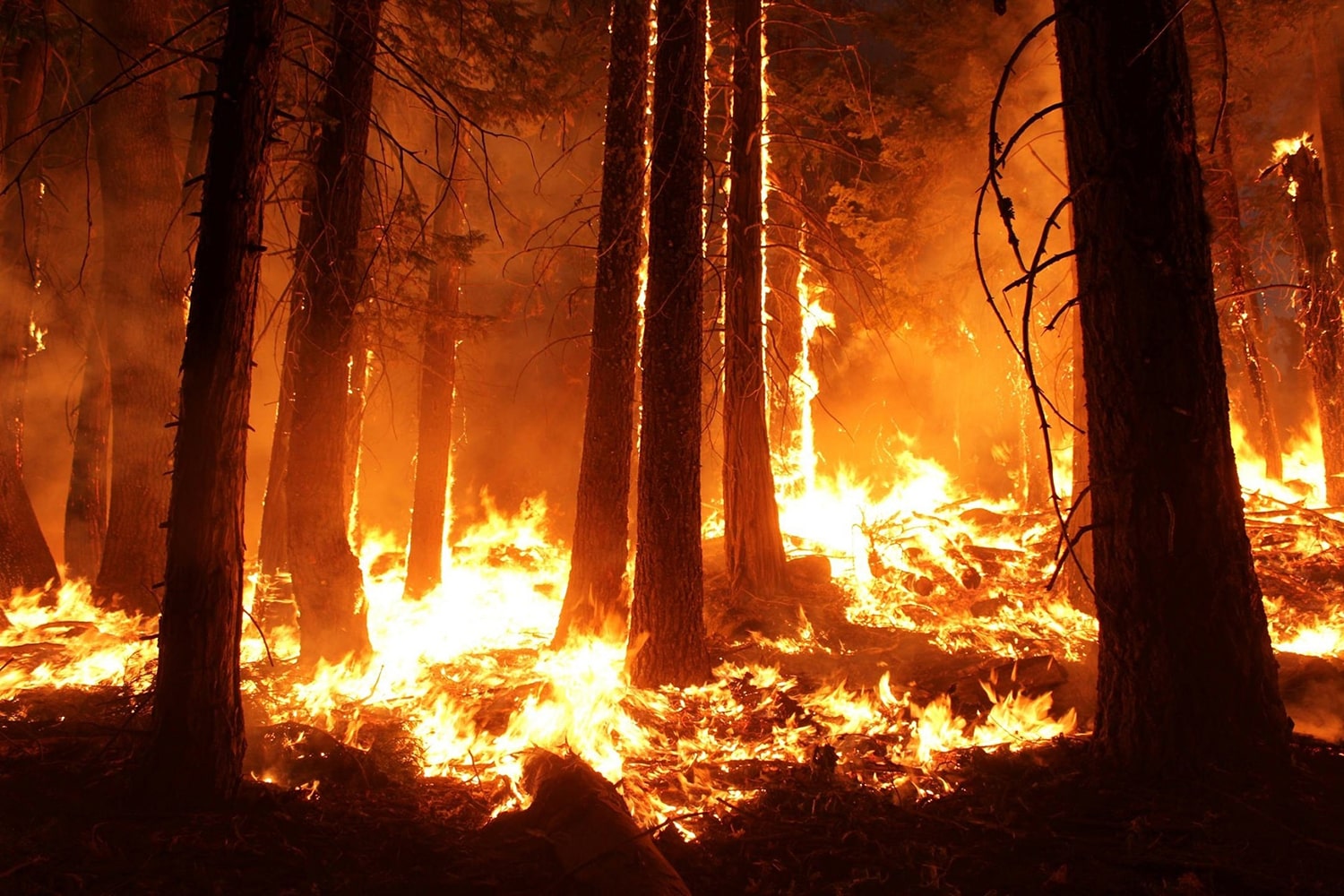
**Fire Risk:** This species has a high flammability rating, making it unsuitable for planting within the defensible space around your home. It is advisable to choose plants with low flammability ratings for areas closest to your residence.
**Insects, Diseases, or Other Plant Problems:** The Southern pine beetle and pine engraver beetle are common pests, and issues such as fusiform rust and various rots may also arise.