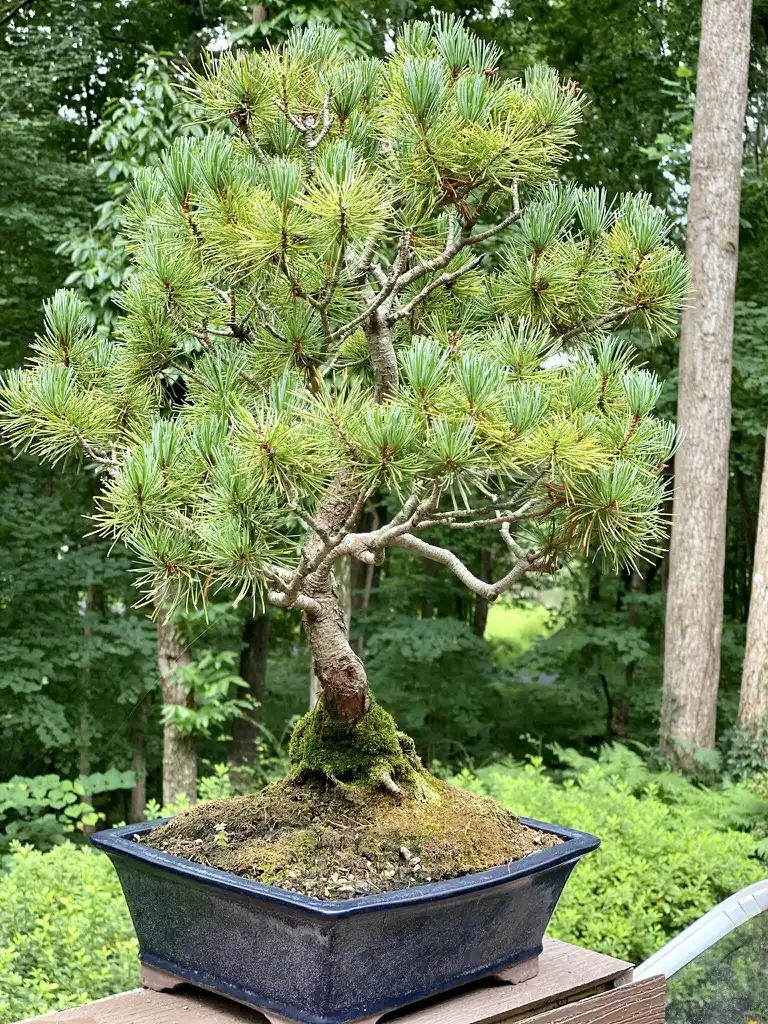
Pinus strobus: Uses (Ethnobotany)
Used for tar, furniture, christmas tree and bark used as astringent and expectorant or antiseptic.
Phonetic Spelling:PY-nus STROH-bus
Genus:Pinus
Species:strobus
Family:Pinaceae
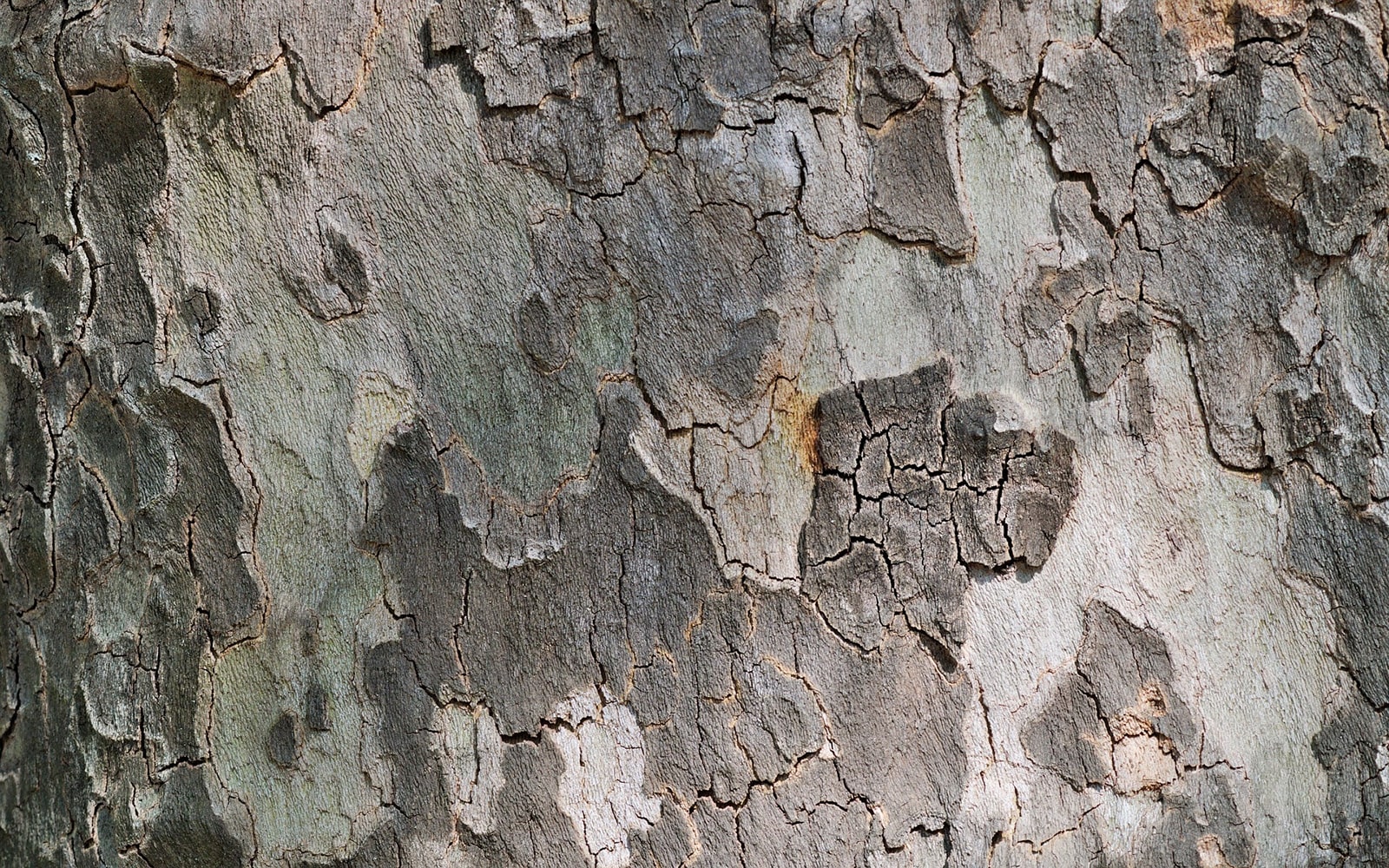
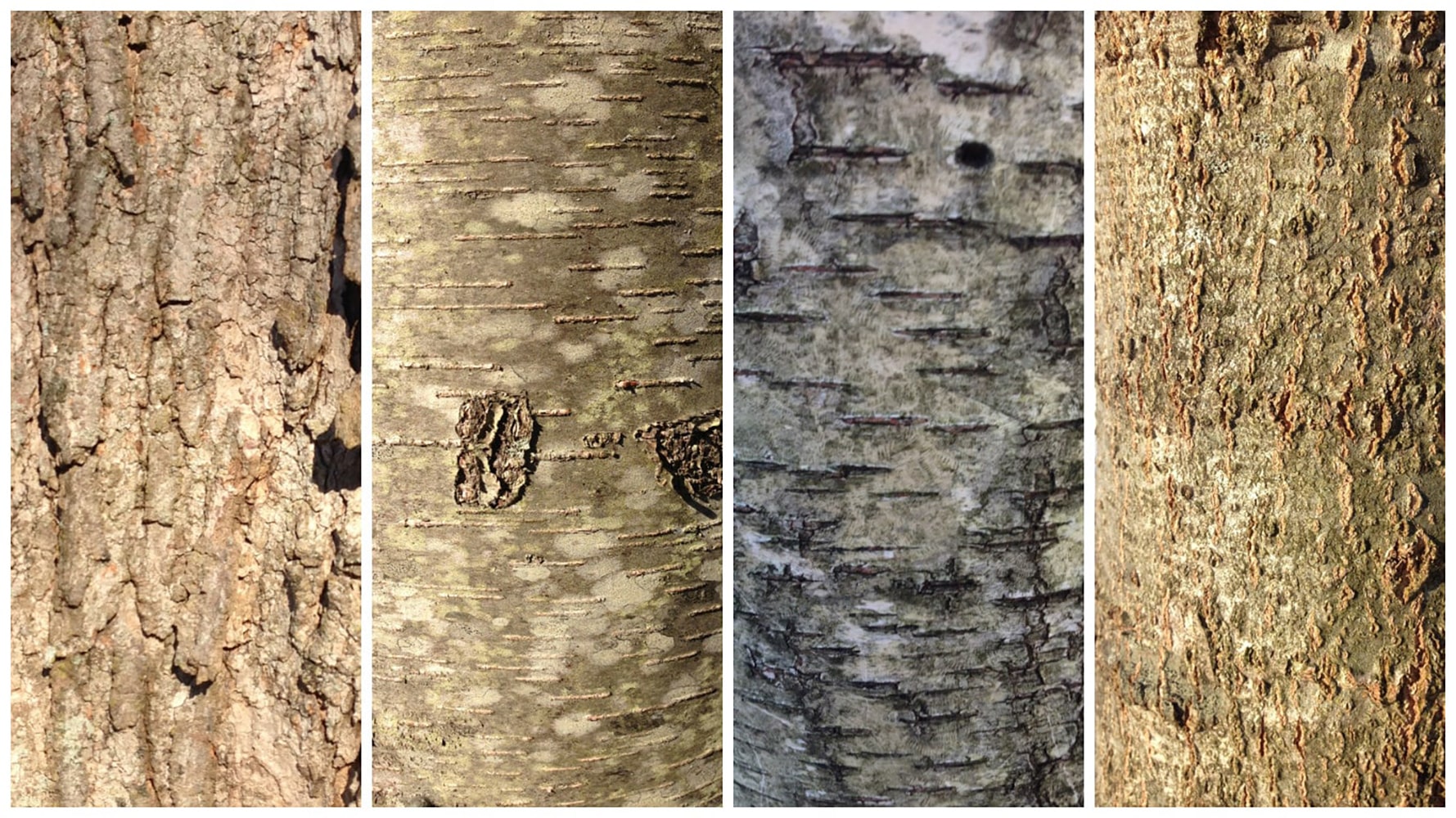
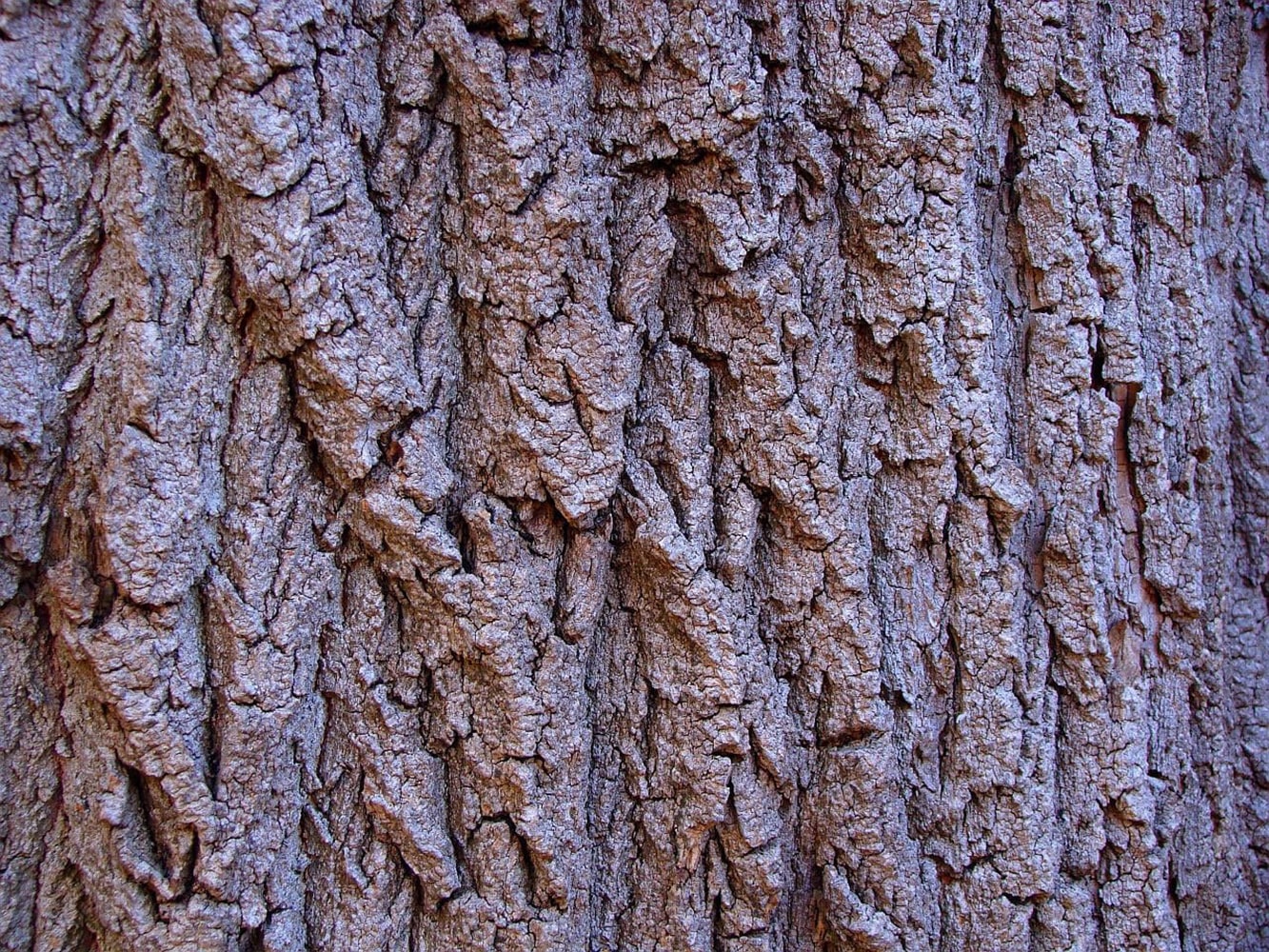
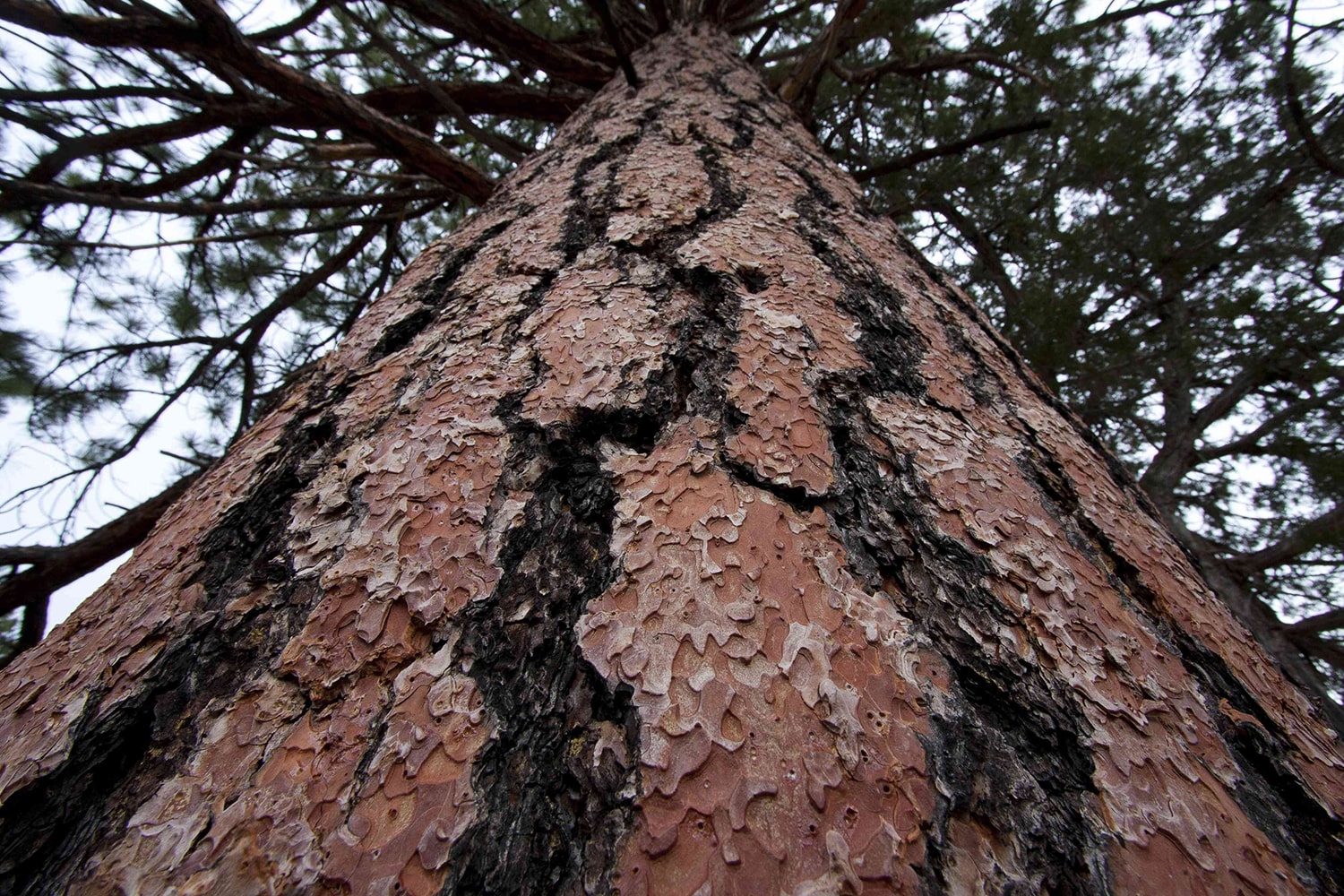
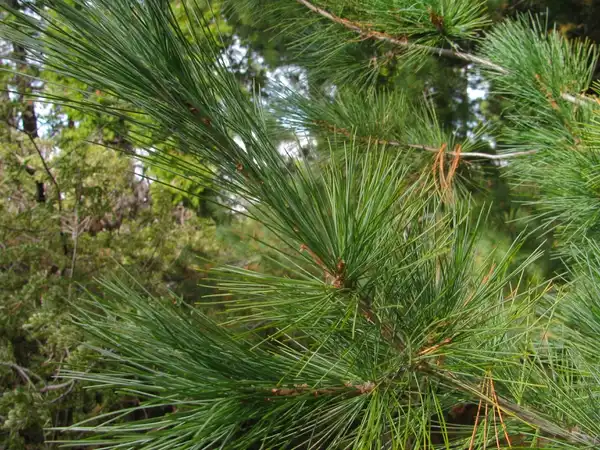
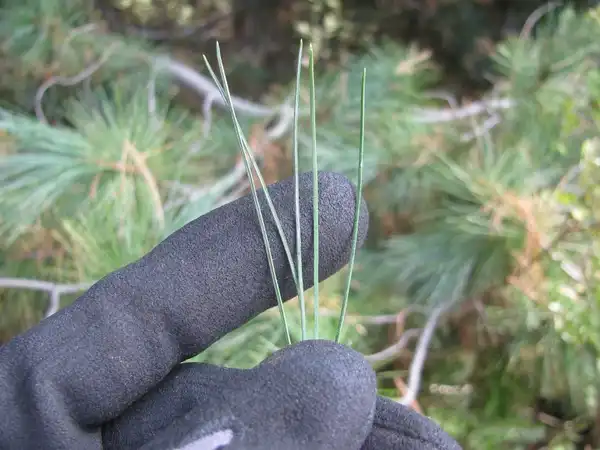
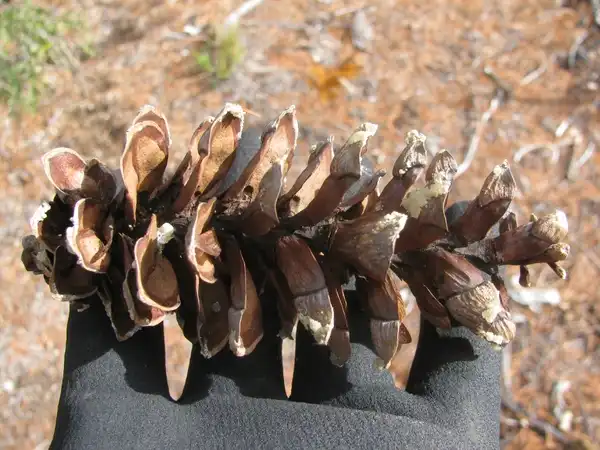
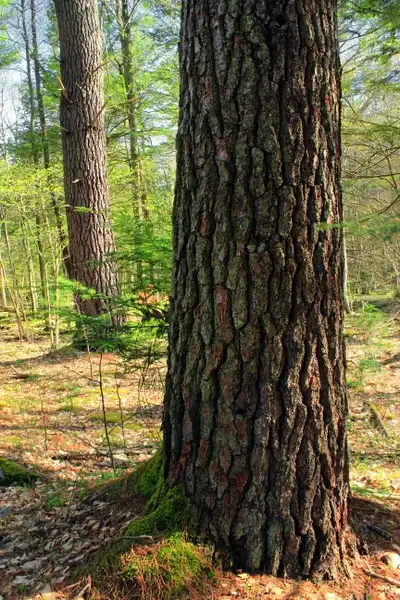
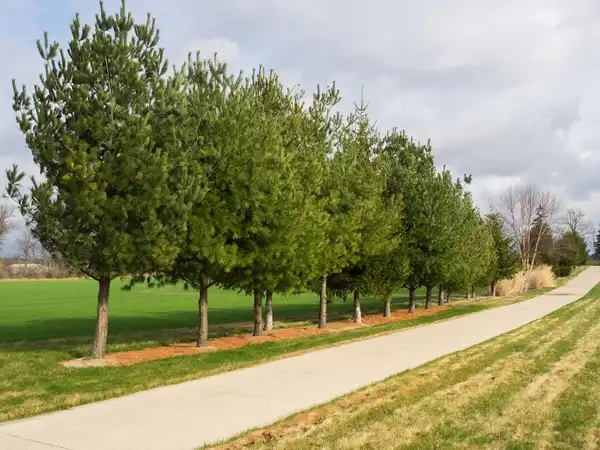
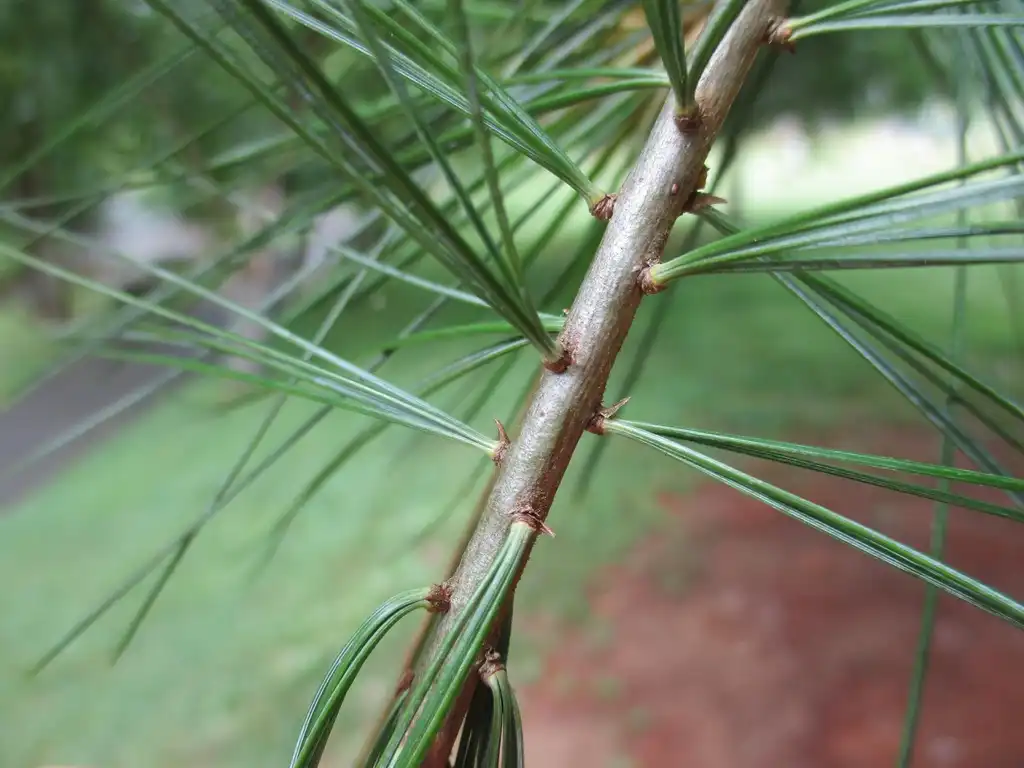
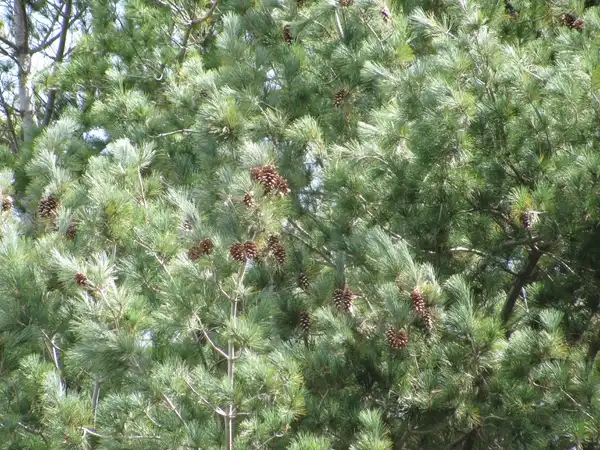
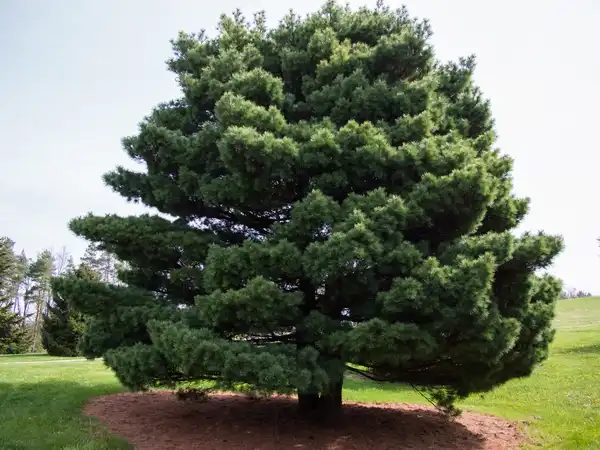
Eastern White Pine is a tall evergreen gymnosperm that typically reaches heights of 50 to 80 feet. Its slender needles, measuring 3 to 5 inches, grow in clusters of five and are deciduous. Young trees exhibit green bark with lighter patches, which matures to a reddish-brown hue, characterized by prominent, finely-scaled, rounded ridges and darker furrows. In the spring, the tree produces cylindrical yellow male flowers and light green female flowers in clusters, along with resinous cones.
This species thrives naturally on high, dry, sandy, and rocky ridges, demonstrating tolerance to a variety of soil conditions. However, it flourishes best in full sunlight, moist, well-drained, fertile sandy loams, and cool, humid climates. It is sensitive to several air pollutants, including sulfur dioxide and ozone, as well as salts and alkaline soils.
Historically significant as a timber tree, particularly in the 18th and 19th centuries, the Eastern White Pine is prized for its lightweight, straight-grained wood, which features orange heartwood and white sapwood. It also serves as an attractive ornamental tree in landscapes and is commonly used as a Christmas tree. Additionally, it finds application in large outdoor spaces such as parks and estates, as well as in hedges and borders. Its cones are popular for decorative purposes, including model railroading and Christmas ornaments, although when displayed upright, the "snow" effect appears on the underside of the branches. This species is particularly vulnerable to white pine blister rust and the white pine weevil.
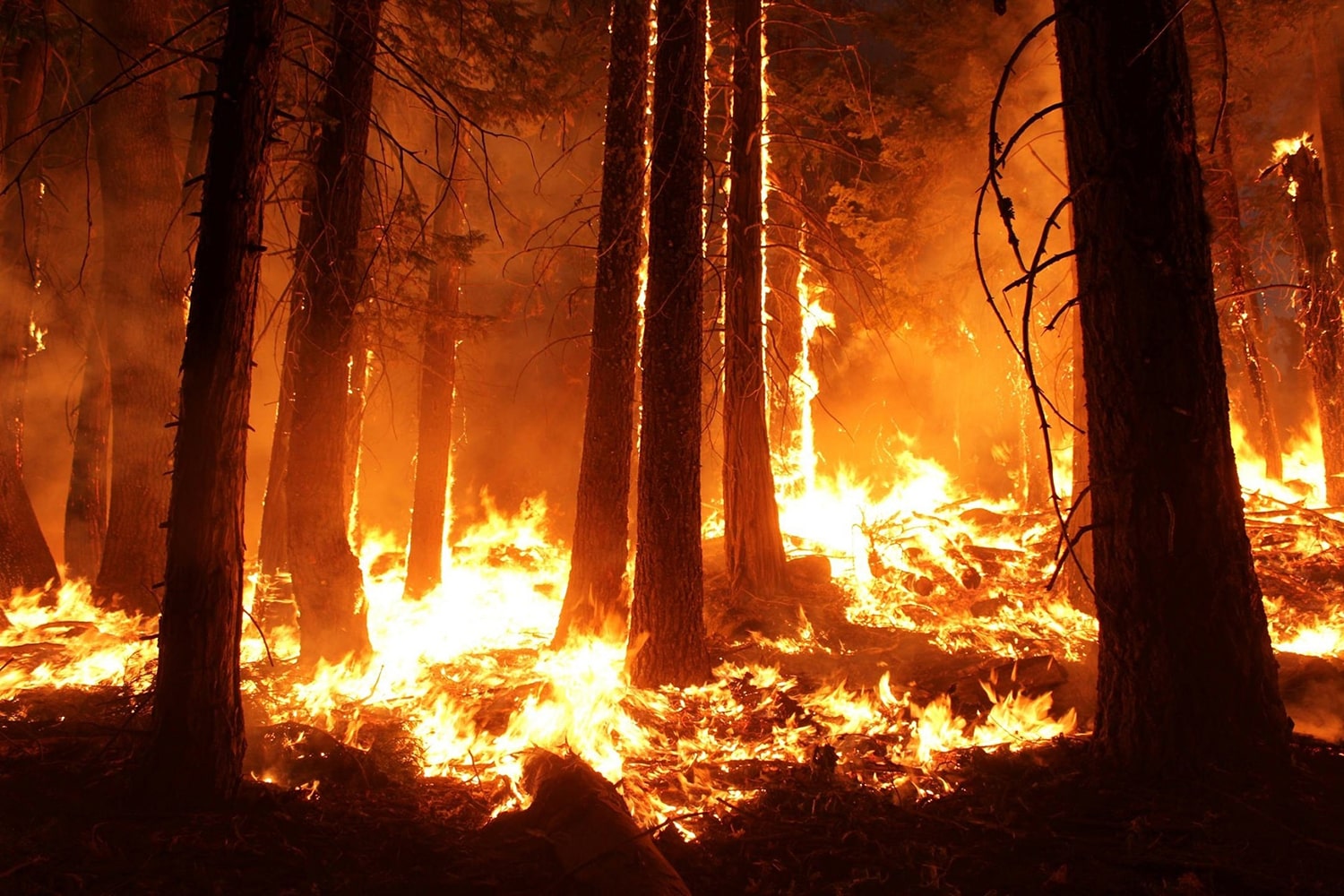
**Fire Risk:** The Eastern White Pine has a high flammability rating, making it unsuitable for planting within the defensible space around homes. It is advisable to choose plants with low flammability ratings for areas closest to residential structures.
**Insects, Diseases, and Other Issues:** In cooler summer regions, white pines can thrive, but they are prone to various insect and disease challenges. The primary diseases affecting them are blights and rusts, with white pine blister rust being the most severe, often leading to fatal outcomes. Ribes species, such as currants and gooseberries, serve as alternate hosts for this disease and should be avoided in areas where white pines are present. Currently, white pine blister rust is not a concern in Missouri. Other significant diseases include cankers, while insect threats encompass the white pine weevil, bark beetles, white pine shoot borer, Zimmerman moth larvae, pine sawfly, scale, and aphids. Spider mites may occasionally appear in certain regions.
**Quick Identification Tips:**