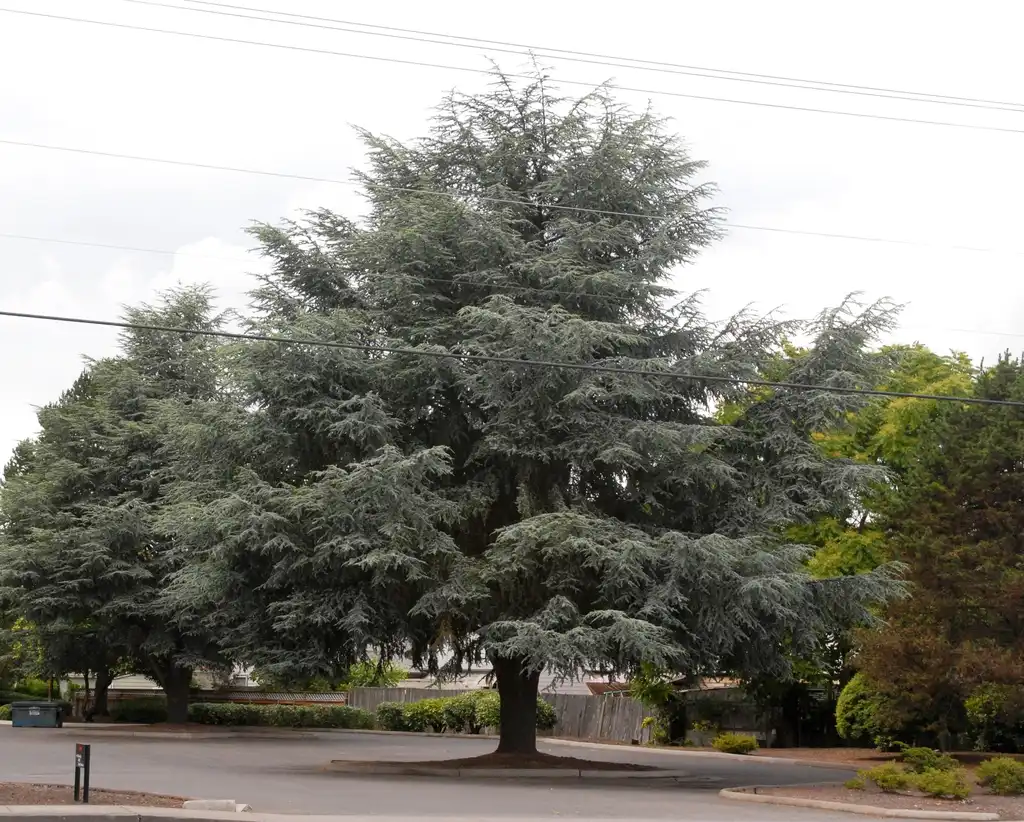
• Photo of Cedrus atlantica (Cedrus atlanticas)

Plant Profile: Cedrus atlantica

Names

Atlas Cedar, Blue Atlas Cedar

  • Photo of Cedrus atlantica (Cedrus atlanticas)

Phonetic Spelling:SEE-drus at-LAN-ti-ka

Genus:Cedrus

Species:atlantica

Family:Pinaceae

Cedrus atlantica is ideally suited as a specimen tree. This species is challenging to transplant, is the least resilient to cold among cedars, and should be more commonly cultivated in southern regions. When planting, it thrives in moist, well-drained soil and requires protection from strong winds. In its natural environment, it forms forests on mountainous terrains, which serve as a habitat for the endangered Barbary macaque.

In its early stages, Cedrus atlantica exhibits a pyramidal shape, but as it matures, it develops a flat top with wide, horizontal branches, often described as picturesque. The tree's texture ranges from medium to fine.

This species can grow as much as 24 inches annually and is known for its longevity, with some individuals living up to 150 years. It produces a fragrant oil that acts as a natural insect repellent, and its wood is frequently utilized in the construction of furniture and drawers.

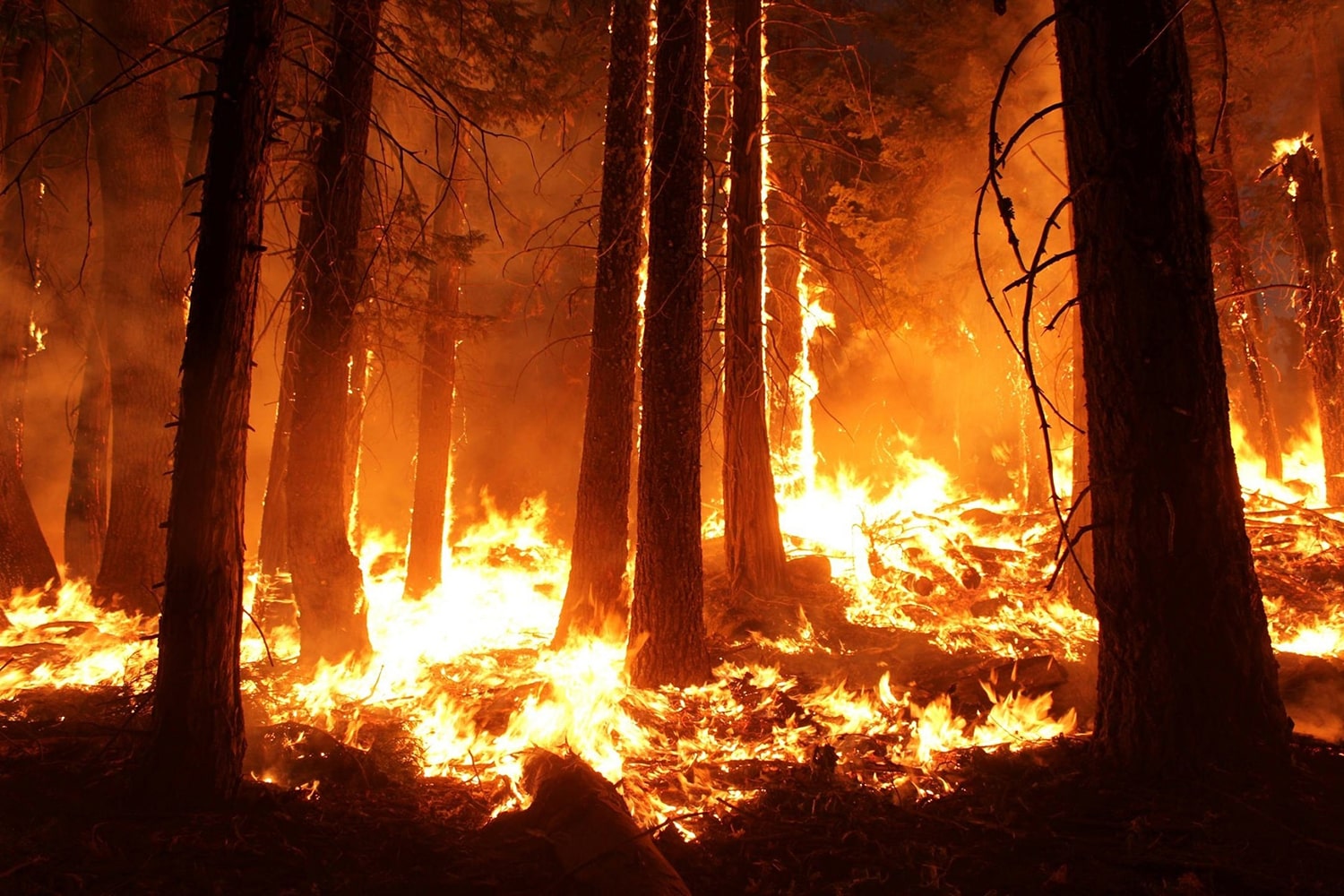
However, human activities pose a significant threat to its future. The primary causes of decline for this species are wood harvesting and the collection of firewood, leading to a reduction in forest areas compared to the past. Nevertheless, extensive reforestation efforts are underway in certain regions.

**Quick Identification Tips:**
This bluish-green cedar typically reaches heights of 40 to 60 feet and spreads 30 to 40 feet wide. It should be planted as a specimen tree in an open space free from competition to allow for optimal growth. Transplanting is difficult, so it is best moved as a container plant. It prefers well-drained, moist loamy soil but can also adapt to sandy conditions. Full sun exposure is essential, along with shelter from strong winds.

**Insect, Disease, and Other Plant Issues:**
Heavy snowfall can cause branch damage or breakage, and tip blight may occasionally occur. The tree is also vulnerable to Phytophthora, root rot, and sooty mold.

Adequate space is crucial for its proper development, and its deep taproot complicates transplanting. Additionally, it cannot thrive in full shade.

Cedrus atlantica Feature Summary

Cedrus atlantica Image Gallery

Tags

#evergreen
#full sun tolerant
#heat tolerant
#drought tolerant
#specimen
#needles
#cones
#blue needles
#conifer
#tree
#salt tolerant
#winter interest
#messy
#needled evergreen
#long lifespan
#fantz
#messy fruits
#humidity tolerant
#sandy soils tolerant
#clay soils tolerant
#winter garden
#partial shade tolerant
#pollution tolerant

Similar Plants

Cedrus atlantica is often confused with:

Cedrus atlantica Feature Summary

Attributes
North & Central Morocco to North Algeria
Birds nest in the branches.
tolerates a range of soil types (sandy, clay); moderately salt tolerant; heat tolerant
Wind Break
Shade
Textural
Wildlife Nesting
Wildlife Cover/Habitat
Buffer
Screening
high flammability
Fruit
No fruits, but has 2-3" upright, green male cones that turn brown as the tree ages. Very densely set, erect, finger-shaped cones, less than 1" wide. The purple female cones are cylindrical and can reach a length of up to 3" long. They are found on the upper branches.
Brown/Copper
1-3 inches
Flowers
Male and female cones.
Brown/Copper
Green
Leaves
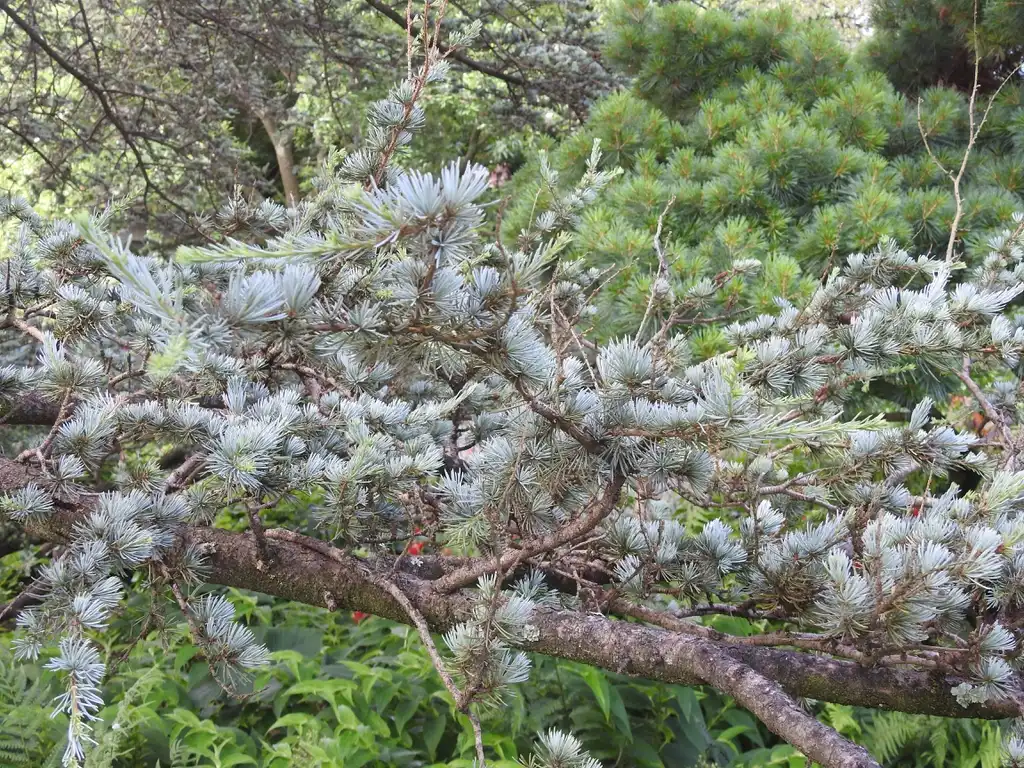
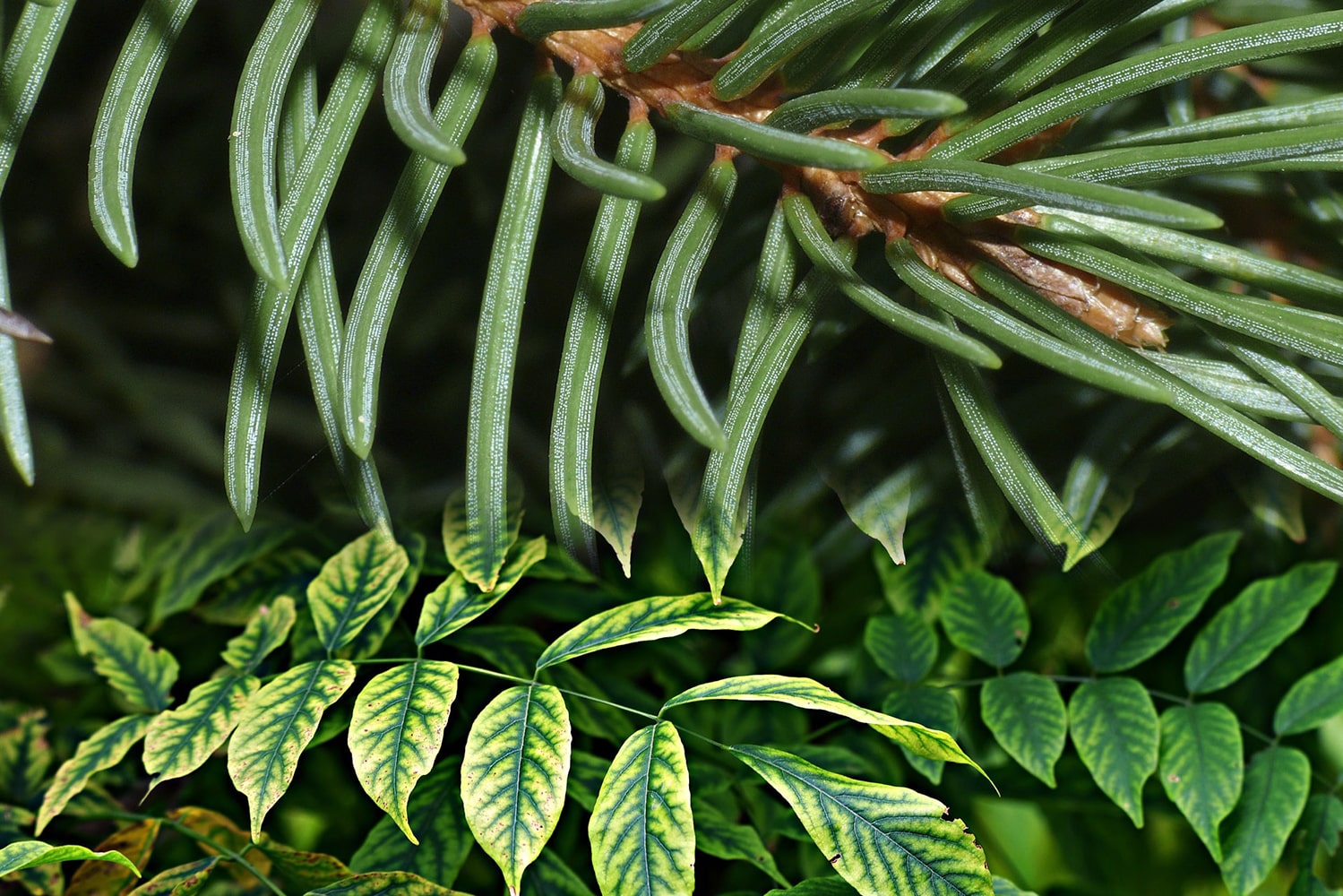
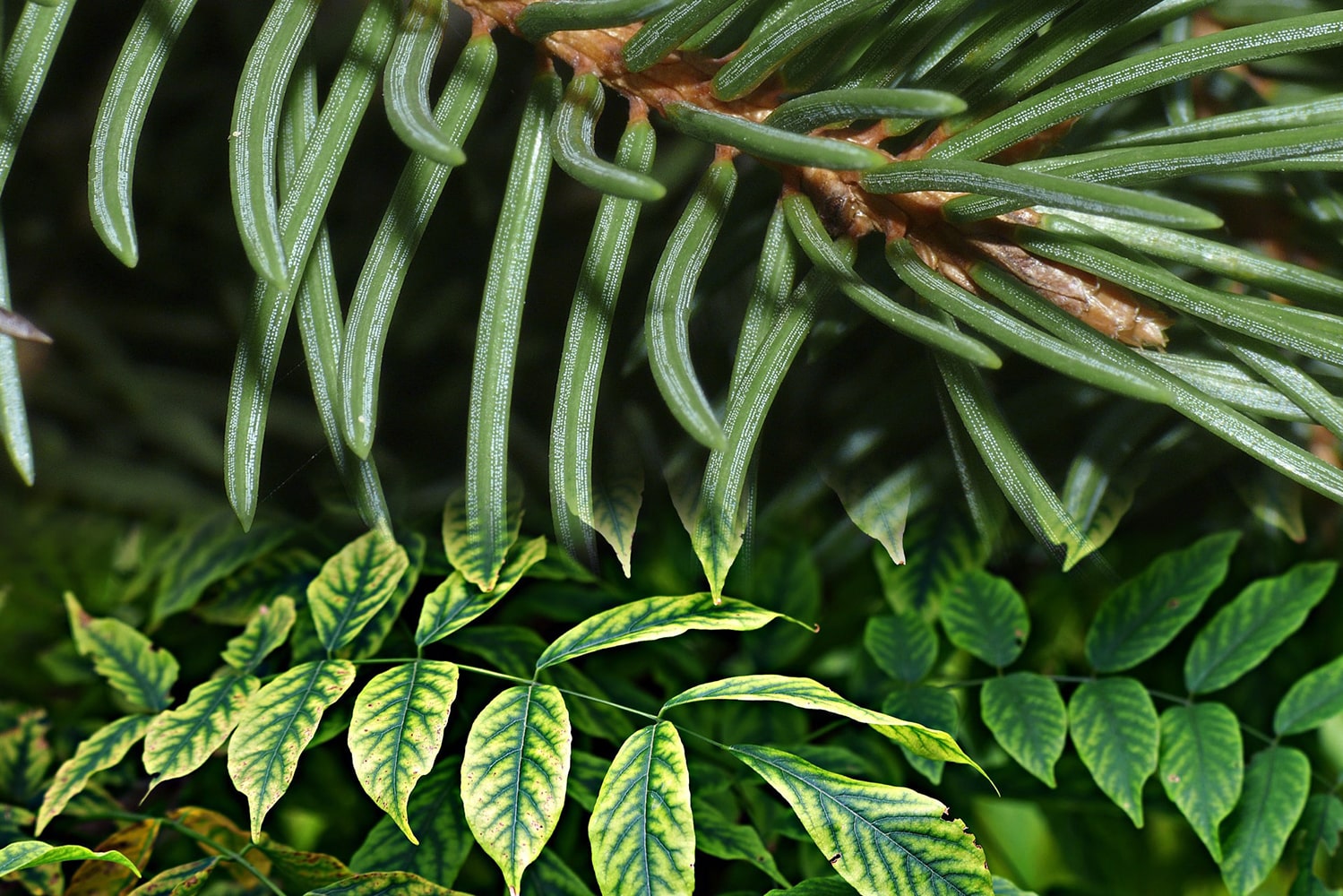
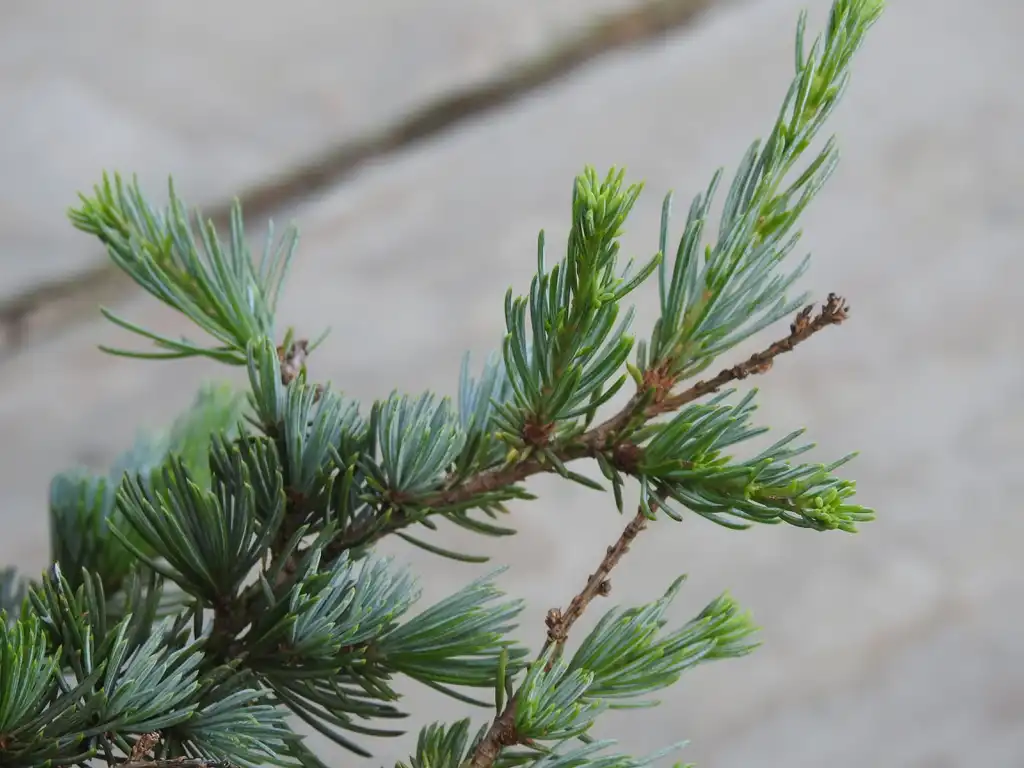
Leaves are small (0.7-1.5 inches) needles that are bluish green (sea green), varying in color from light green, a pale-green, a bright green, to almost a silvery blue. Rigid, needles in fascicles of 10-30 needles. They are curved towards the tip and appear in tufted clusters.
Green
Blue
Needles
< 1 inch
< 1 inch
Bark
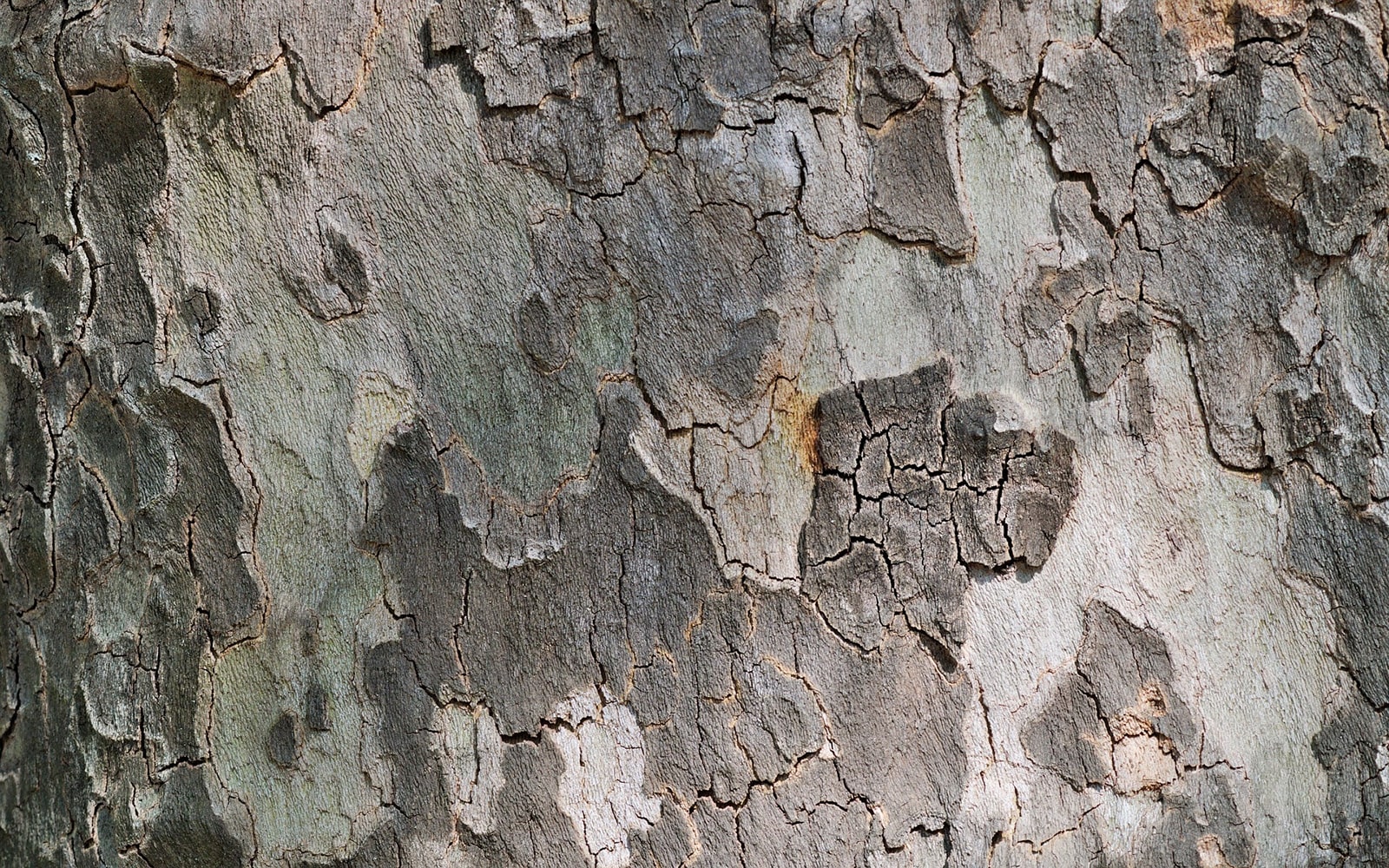
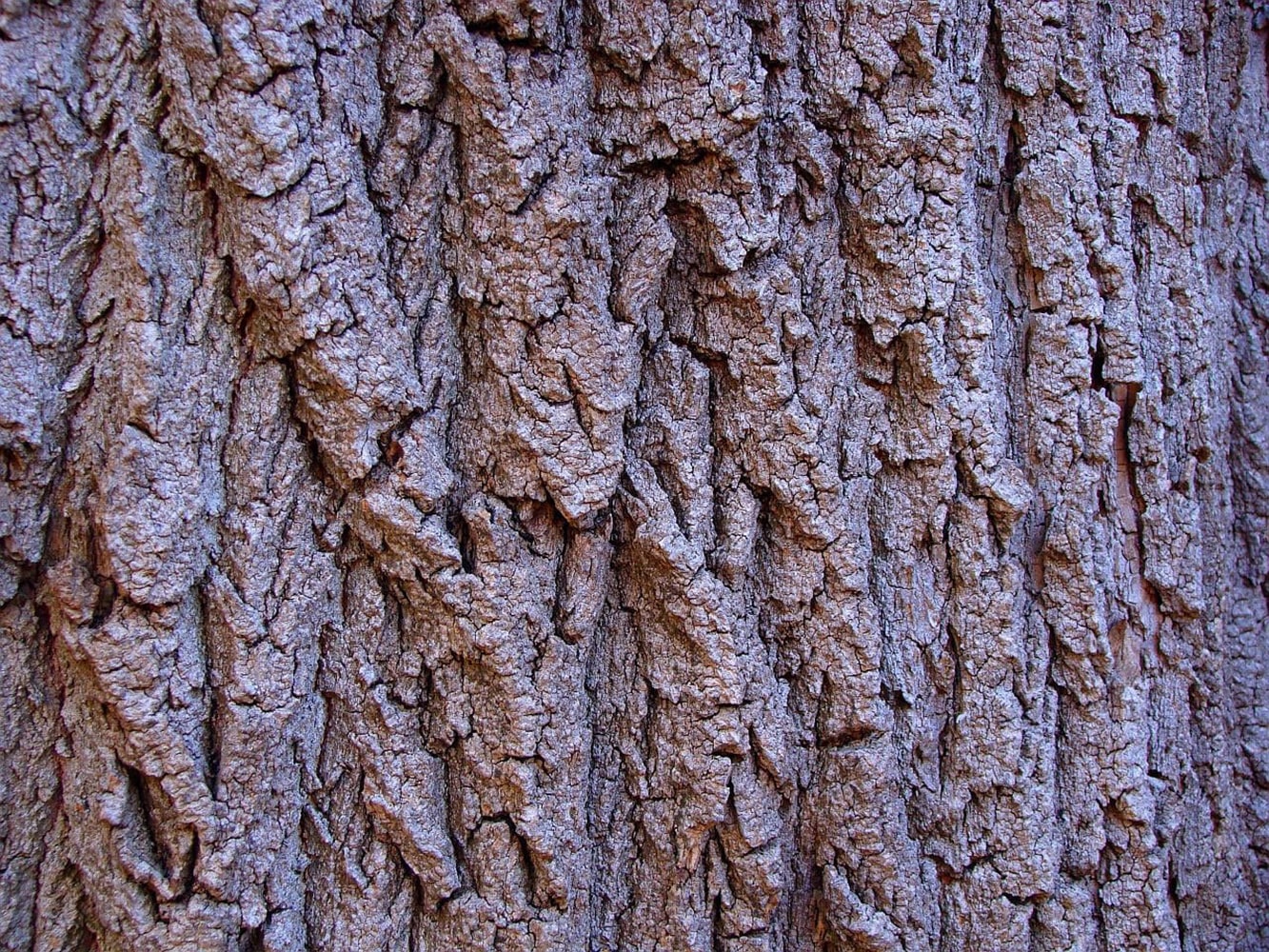
Bark makes boxy pattern of rectangle shapes as the tree ages.
Dark Gray
Light Gray
Dark Brown
Light Brown
Stem
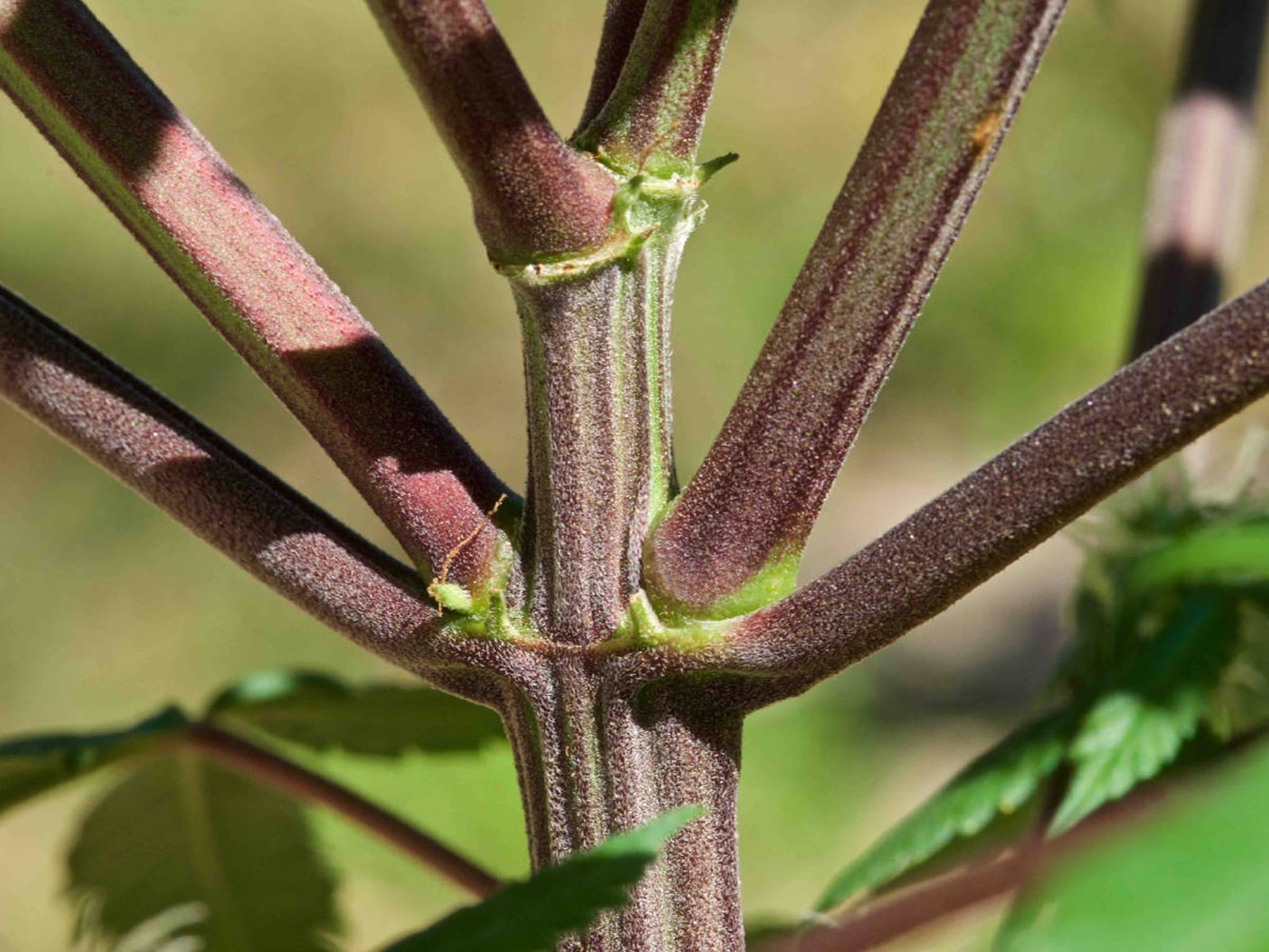
The stems are brown/ gray. Stiff, horizontal main branching. Branching is relatively sparse, particularly when young.
Brown/Copper
Gray/Silver
Whole Plant Traits
Rounded
Erect
Conical
Pyramidal
Spreading
Horizontal
Medium
Cultural Conditions
Full sun (6 or more hours of direct sunlight a day)
Partial Shade (Direct sunlight only part of the day, 2-6 hours)
Acid (<6.0)
Alkaline (>8.0)
Good Drainage
Coastal
Mountains
Piedmont
Clay
Loam (Silt)
Sand
Landscape
Drought Tolerant Garden
Winter Garden
Accent
Specimen
Drought
Heat
Pollution
Salt
Songbirds

Cedrus atlantica Attributes

Cedrus atlantica: Country Or Region Of Origin

North & Central Morocco to North Algeria
Cedrus atlantica: Wildlife Value

Birds nest in the branches.

Cedrus atlantica: Particularly Resistant To (Insects/Diseases/Other Problems)

tolerates a range of soil types (sandy, clay); moderately salt tolerant; heat tolerant

Cedrus atlantica: Life Cycle

Annual
Biennial
Bulb
Perennial
Woody

Cedrus atlantica: Recommended Propagation Strategy

Division
Grafting
Layering
Leaf Cutting
Root Cutting
Seed
Stem Cutting

Cedrus atlantica: Play Value

Attractive Flowers
Attracts Pollinators
Buffer
Colorful
Defines Paths
Easy to Grow
Edible fruit
Fragrance
Pieces Used in Games
Screening
Shade
Sound
Textural
Wildlife Cover/Habitat
Wildlife Food Source
Wildlife Larval Host
Wildlife Nesting
Wind Break
Wind Shimmer

Cedrus atlantica: Fire Risk Rating

extreme flammability
high flammability
low flammability
medium flammability

Cedrus atlantica Fruit

Cedrus atlantica: Fruit Description

No fruits, but has 2-3" upright, green male cones that turn brown as the tree ages. Very densely set, erect, finger-shaped cones, less than 1" wide. The purple female cones are cylindrical and can reach a length of up to 3" long. They are found on the upper branches.
Cedrus atlantica: Fruit Color

grass
Brown/Copper

Cedrus atlantica: Fruit Value To Gardener

Edible
Fragrant
Good Cut
Good Dried
Long Bloom Season
Long-lasting
Showy

Cedrus atlantica: Display/Harvest Time

Fall
Spring
Summer
Winter

Cedrus atlantica: Fruit Length

< 1 inch
1-3 inches
> 3 inches

Cedrus atlantica Flowers

Cedrus atlantica: Flower Description

Male and female cones.

Cedrus atlantica: Flower Color

filter_vintage
Brown/Copper
filter_vintage
Green

Cedrus atlantica: Flower Bloom Time

Winter
Spring
Summer
Fall

Cedrus atlantica Leaves

Cedrus atlantica: Leaf Description

Leaves are small (0.7-1.5 inches) needles that are bluish green (sea green), varying in color from light green, a pale-green, a bright green, to almost a silvery blue. Rigid, needles in fascicles of 10-30 needles. They are curved towards the tip and appear in tufted clusters.

Cedrus atlantica: Woody Plant Leaf Characteristics

Broadleaf Evergreen
Deciduous
Needled Evergreen
Semi-evergreen

Cedrus atlantica: Leaf Color

spa
Blue
spa
Green

Cedrus atlantica: Leaf Type

Compound (Pinnately , Bipinnately, Palmately)
Fronds
Needles
Sheath
Simple

Cedrus atlantica: Leaf Arrangement

Alternate
Opposite
Other/more complex
Rosulate
Whorled

Cedrus atlantica: Hairs Present

No
Yes

Cedrus atlantica: Leaf Length

< 1 inch
1-3 inches
3-6 inches
> 6 inches

Cedrus atlantica: Leaf Width

< 1 inch
1-3 inches
3-6 inches
> 6 inches

Cedrus atlantica Bark

Cedrus atlantica: Bark Description

Bark makes boxy pattern of rectangle shapes as the tree ages.

Cedrus atlantica: Bark Color

grass
Dark Brown
grass
Dark Gray
grass
Light Brown
grass
Light Gray

Cedrus atlantica: Surface/Attachment

Bumpy
Exfoliating
Fissured
Furrowed
Lenticels
Papery
Patchy
Peeling
Ridges
Scaly
Shaggy
Shiny
Shredding
Smooth
Spongy

Cedrus atlantica Stem

Cedrus atlantica: Stem Description

The stems are brown/ gray. Stiff, horizontal main branching. Branching is relatively sparse, particularly when young.

Cedrus atlantica: Stem Color

grass
Brown/Copper
grass
Gray/Silver

Cedrus atlantica: Stem Is Aromatic

No
Yes

Cedrus atlantica Whole Plant Traits

Cedrus atlantica: Plant Type

Annual
Bulb
Carnivorous
Edible
Epiphyte
Fern
Ground Cover
Herb
Herbaceous Perennial
Houseplant
Mushroom
Native Plant
Ornamental Grasses and Sedges
Perennial
Poisonous
Rose
Shrub
Succulent
Tree
Turfgrass
Vegetable
Vine
Water Plant
Weed
Wildflower

Cedrus atlantica: Woody Plant Leaf Characteristics

Broadleaf Evergreen
Deciduous
Needled Evergreen
Semi-evergreen

Cedrus atlantica: Habit/Form

Arching
Ascending
Broad
Cascading
Climbing
Clumping
Columnar
Conical
Creeping
Dense
Erect
Horizontal
Irregular
Mounding
Multi-stemmed
Multi-trunked
Open
Oval
Prostrate
Pyramidal
Rounded
Spreading
Vase
Weeping

Cedrus atlantica: Growth Rate

Slow
Medium
Rapid

Cedrus atlantica: Maintenance

Low
Medium
High

Cedrus atlantica: Texture

Fine
Medium
Coarse

Cedrus atlantica Cultural Conditions

Cedrus atlantica: Light

Dappled Sunlight (Shade through upper canopy all day)
Deep shade (Less than 2 hours to no direct sunlight)
Full sun (6 or more hours of direct sunlight a day)
Partial Shade (Direct sunlight only part of the day, 2-6 hours)

Cedrus atlantica: Soil pH

Acid (<6.0)
Alkaline (>8.0)
Neutral (6.0-8.0)

Cedrus atlantica: Soil Drainage

Frequent Standing Water
Good Drainage
Moist
Occasional Flooding
Occasionally Dry
Occasionally Wet
Very Dry

Cedrus atlantica: Available Space To Plant

12 inches-3 feet
12-24 feet
24-60 feet
3 feet-6 feet
6-feet-12 feet
Less than 12 inches
more than 60 feet

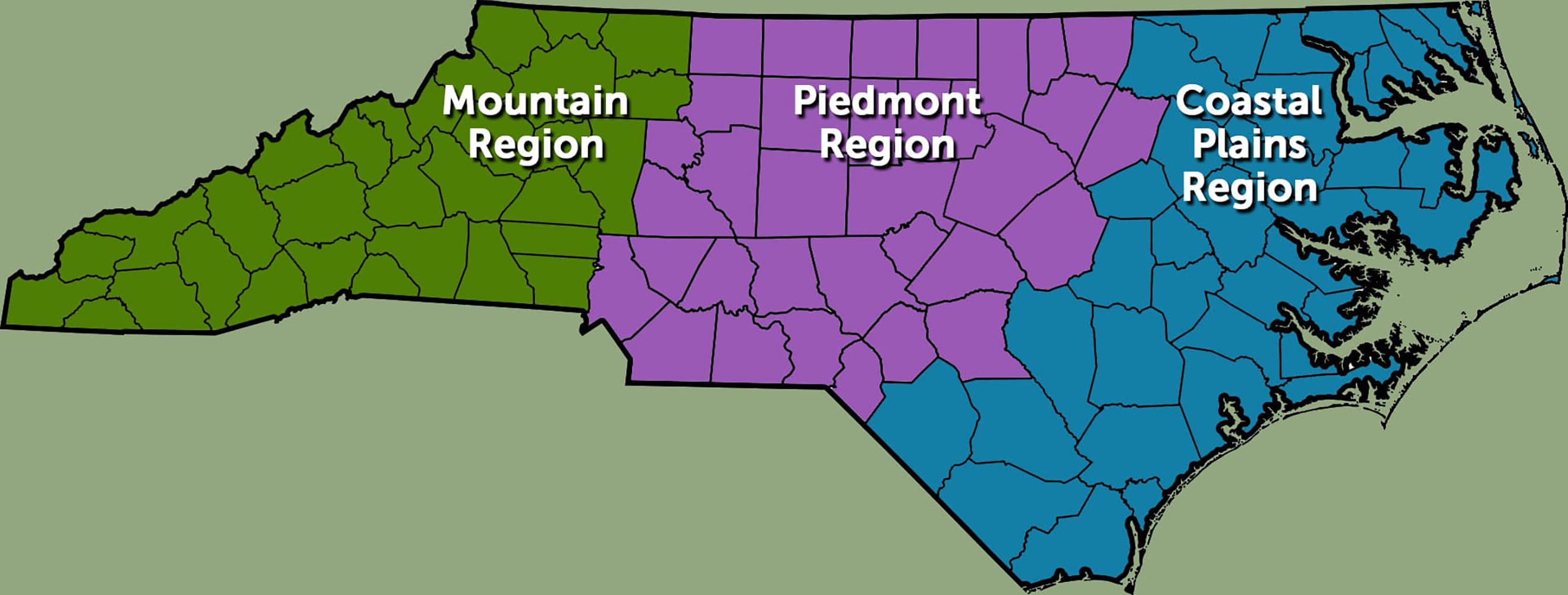
Cedrus atlantica: NC Region

Coastal
Mountains
Piedmont

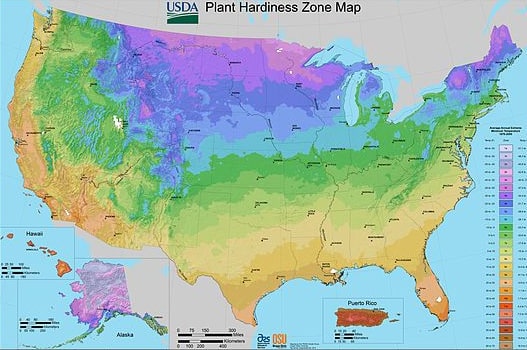
Cedrus atlantica: USDA Plant Hardiness Zone

thermostat
6a
thermostat
6b
thermostat
7a
thermostat
7b
thermostat
8a
thermostat
8b
thermostat
9a
thermostat
9b

Cedrus atlantica: Soil Texture

Clay
High Organic Matter
Loam (Silt)
Sand
Shallow Rocky

Cedrus atlantica Landscape

Cedrus atlantica: Landscape Theme

Asian Garden
Butterfly Garden
Children's Garden
Cottage Garden
Cutting Garden
Drought Tolerant Garden
Edible Garden
English Garden
Fairy Garden
Garden for the Blind
Native Garden
Nighttime Garden
Pollinator Garden
Rain Garden
Rock Garden
Shade Garden
Water Garden
Winter Garden

Cedrus atlantica: Design Feature

Accent
Barrier
Border
Flowering Tree
Foundation Planting
Hedge
Mass Planting
Screen/Privacy
Security
Shade Tree
Small groups
Small Tree
Specimen
Street Tree
Understory Tree

Cedrus atlantica: Resistance To Challenges

Black Walnut
Compaction
Deer
Diseases
Drought
Dry Soil
Erosion
Fire
Foot Traffic
Heat
Heavy Shade
Humidity
Insect Pests
Pollution
Poor Soil
Rabbits
Salt
Slugs
Squirrels
Storm damage
Urban Conditions
Voles
Wet Soil
Wind

Cedrus atlantica: Attracts

Bats
Bees
Butterflies
Frogs
Hummingbirds
Moths
Pollinators
Predatory Insects
Reptiles
Small Mammals
Songbirds
Specialized Bees

Cedrus atlantica: Problems

Allelopathic
Contact Dermatitis
Frequent Disease Problems
Frequent Insect Problems
Invasive Species
Malodorous
Messy
Poisonous to Humans
Problem for Cats
Problem for Children
Problem for Dogs
Problem for Horses
Short-lived
Spines/Thorns
Weak Wood
Weedy