Cedrus atlantica 'Glauca Pendula': Country Or Region Of Origin
Northern Africa
Phonetic Spelling:SAY-drus at-LAN-ti-kah
Genus:Cedrus
Species:atlantica
Family:Pinaceae
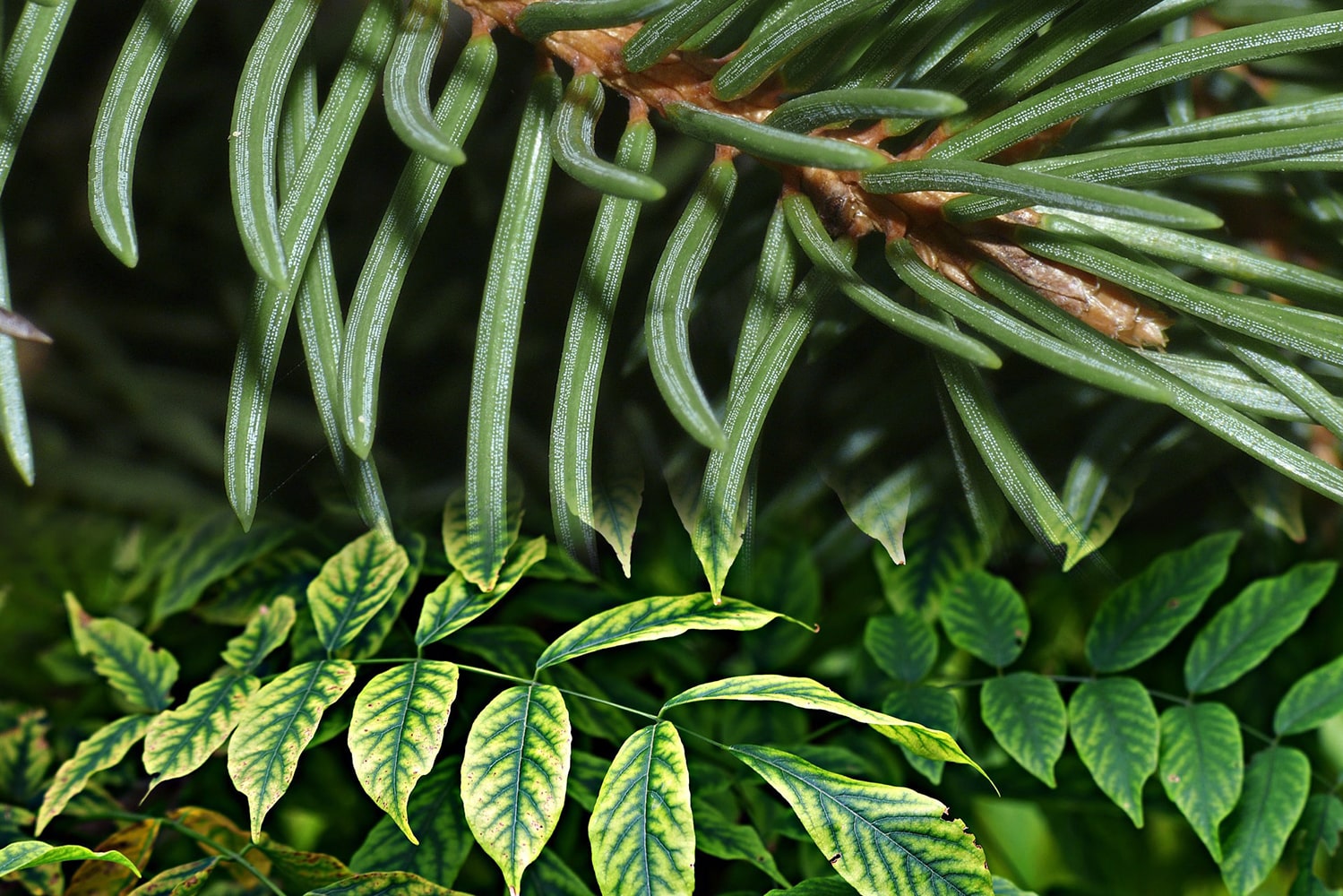
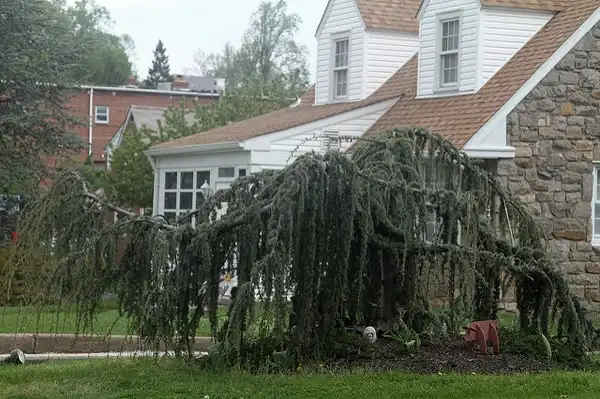
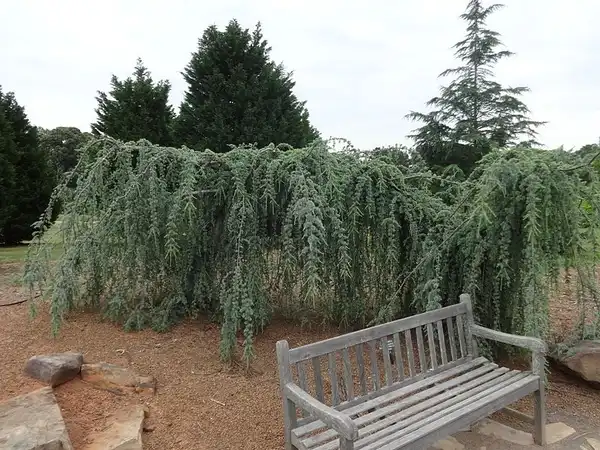
Cedrus atlantica 'Glauca Pendula' is easily trained as an espalier, where its branches are guided to grow flat against a wall, supported by a lattice or a framework of stakes, creating a striking sculptural feature in any landscape. This variety showcases drooping, vertical branches adorned with stunning steel-blue needles and lacks a clearly defined central leader. The height and shape of the tree can be managed by directing its central leader; with proper support, it will grow upward, while without it, the leader tends to cascade downwards.
To allow this specimen to thrive, it should be planted with ample space away from sidewalks and streets, giving its branches the freedom to spread and cascade naturally. When given enough room, pruning becomes unnecessary. However, if the lower branches are trimmed, the tree may develop an awkward shape and lose its distinctive character.
While it thrives in deep, acidic loam, Cedrus atlantica 'Glauca Pendula' can adapt to various soil types, including clay or sandy soils, and can tolerate neutral to alkaline pH levels.
Quick Identification:
In terms of pests, diseases, and other plant issues, this tree faces no significant threats. However, heavy snowfall can cause branch damage or breakage. Potential concerns include tip blight, root rot, and black scale. Additionally, sap-sucking insects may create holes in the trunk, which, while unsightly, do not harm the tree.
It is advisable to provide shelter from strong winds, as they can also damage the branches.
For further details on Cedrus atlantica, please refer to additional resources.
Cedrus atlantica 'Glauca Pendula' Feature Summary
Cedrus atlantica 'Glauca Pendula' Image Gallery