Cedrus deodara: Country Or Region Of Origin
North Eastern Afghanistan to Western Nepal and NW. India
Phonetic Spelling:SEE-drus dee-oh-DAR-uh
Genus:Cedrus
Species:deodara
Family:Pinaceae
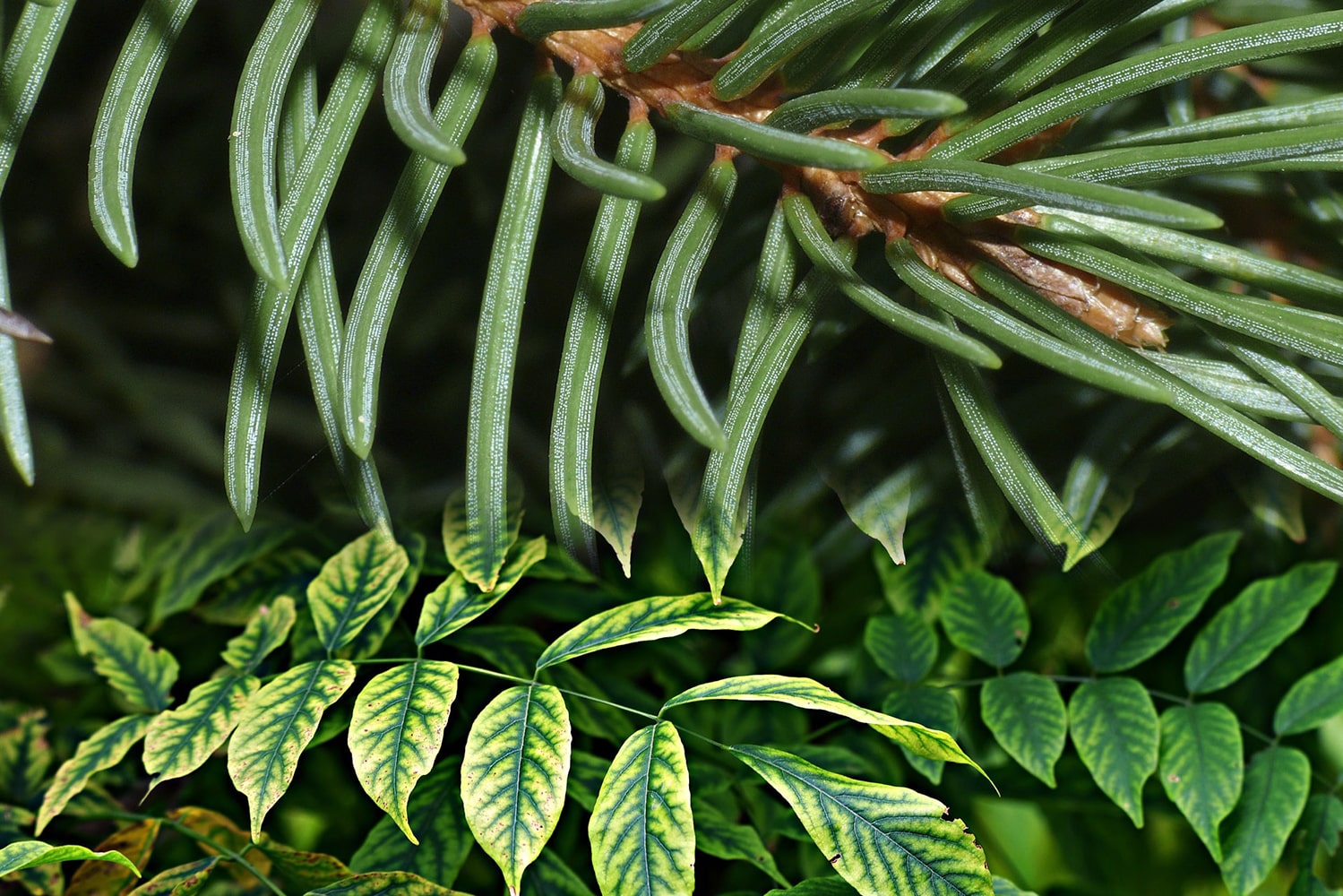
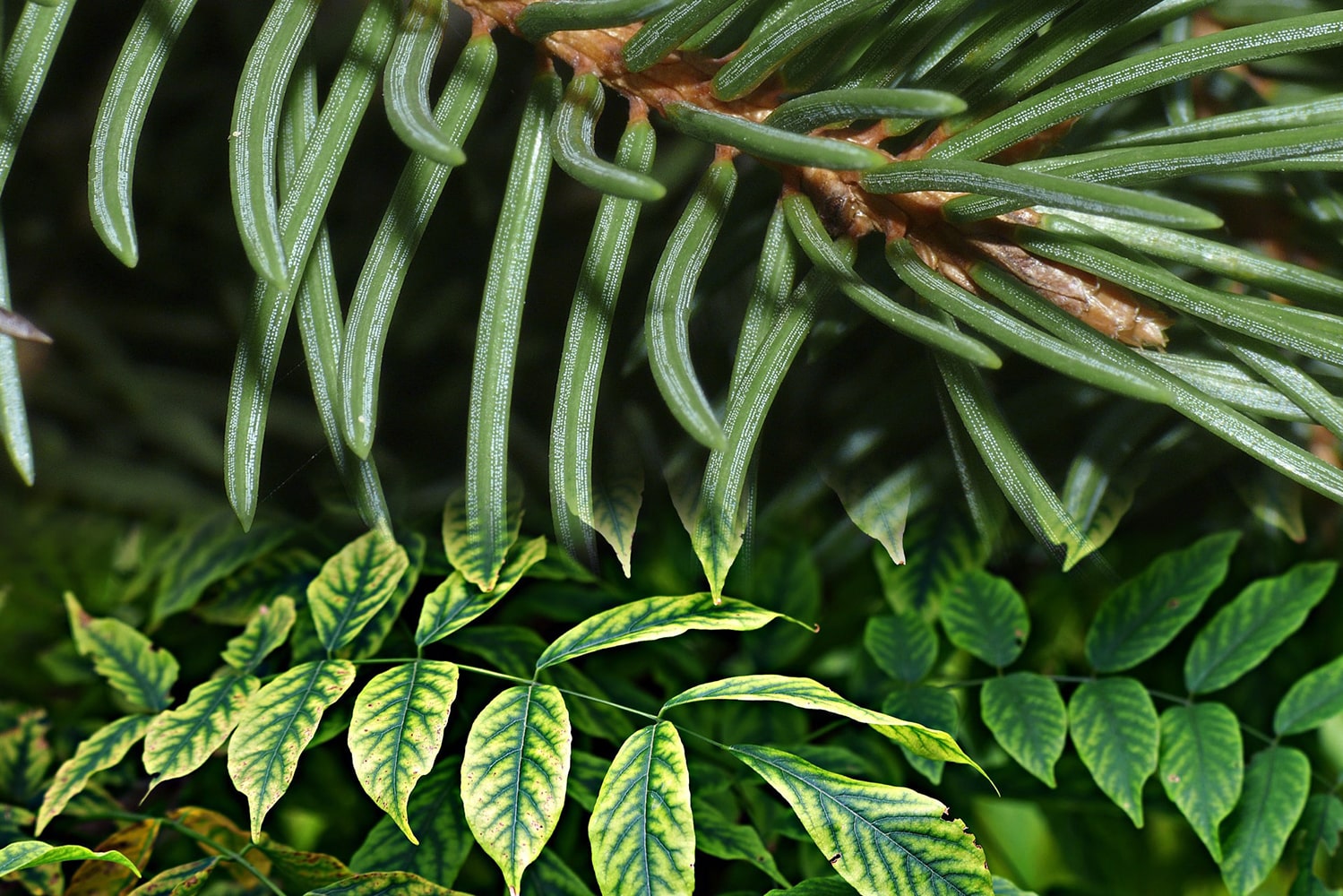
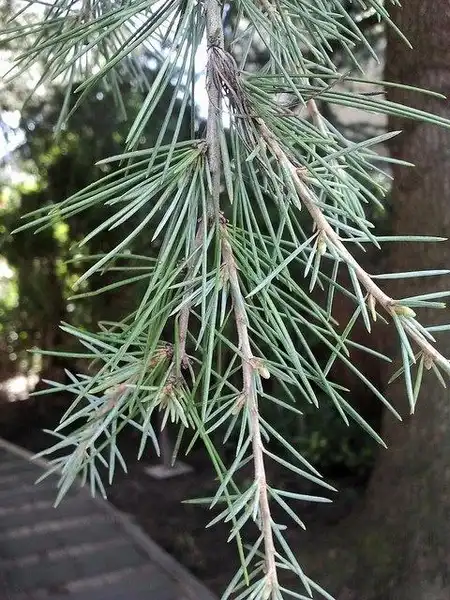
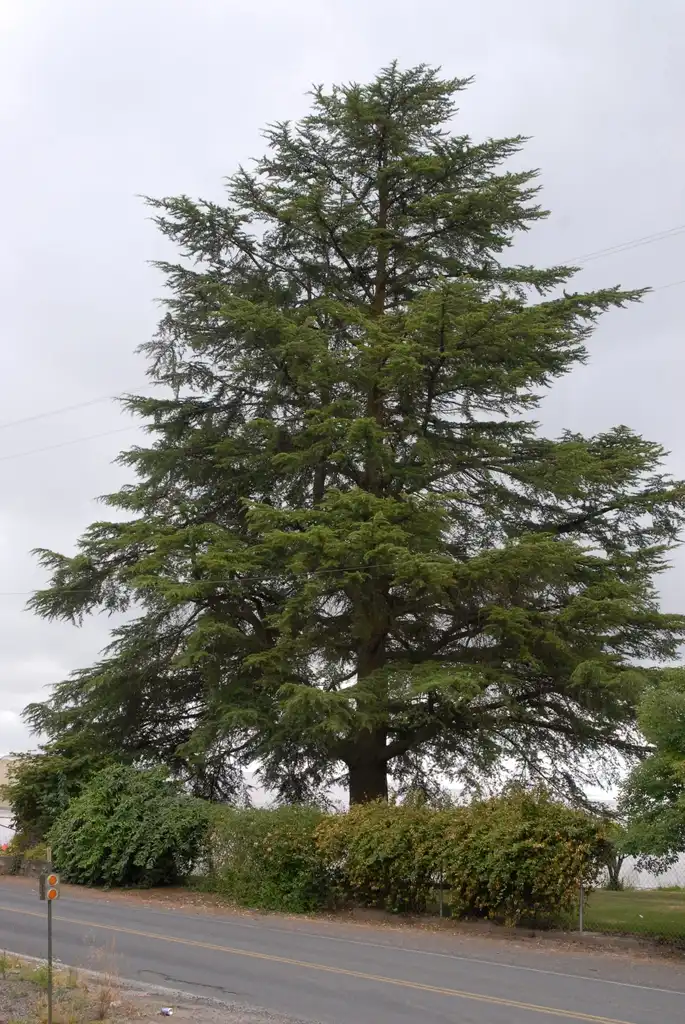
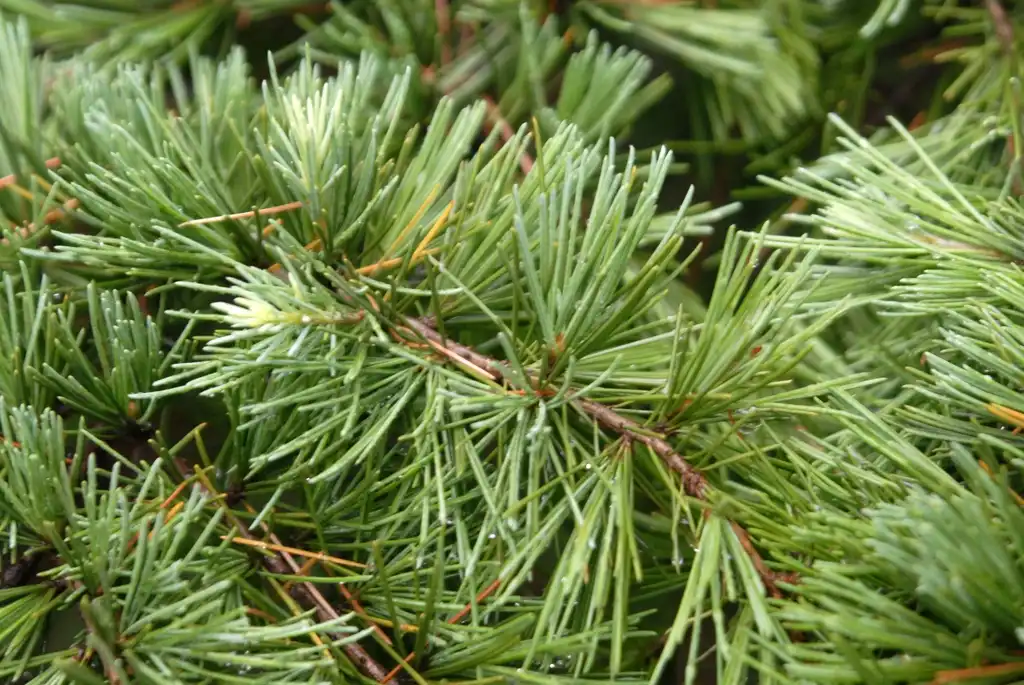
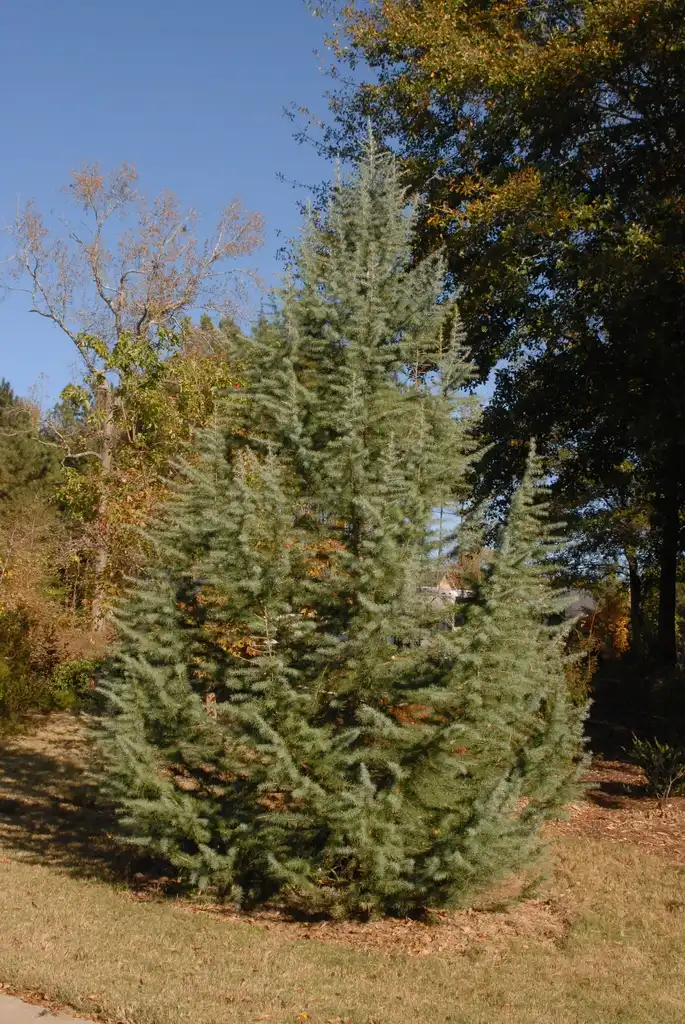
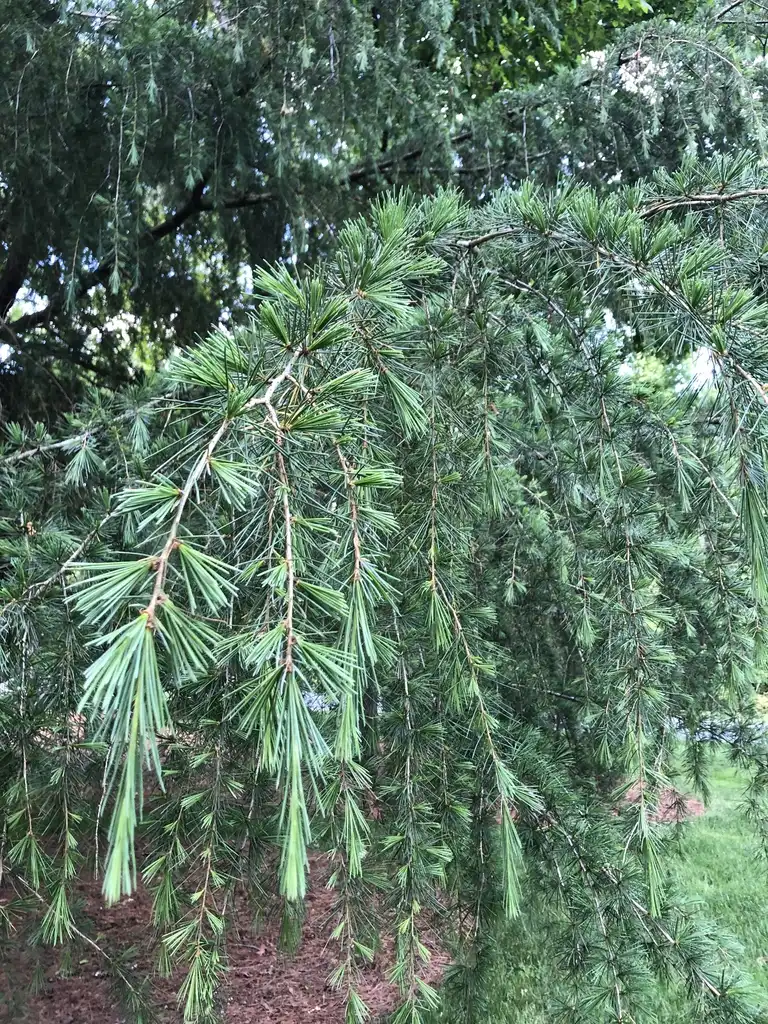
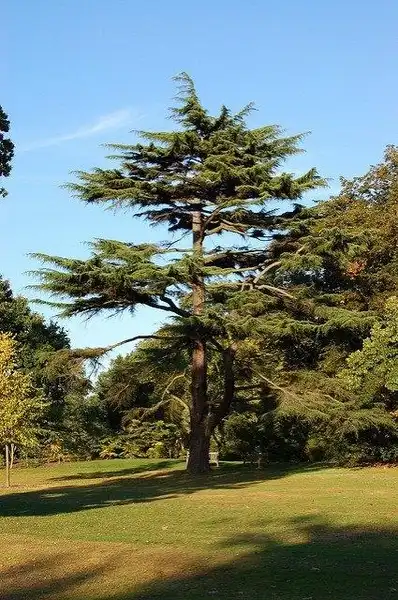
The Deodar Cedar is a beautifully textured evergreen tree that serves as an excellent alternative to white pine. In its youth, it exhibits a broadly pyramidal shape, but as it matures, its drooping branches expand widely, often resulting in the central leader dying back. This tree can be easily transplanted if it has undergone root pruning. It thrives best in a sunny, well-drained location that is somewhat dry and shielded from strong winds. Renowned for its elegance, the Deodar Cedar is a popular choice for landscape groupings or as a natural screen. Additionally, it is resistant to deer damage and has moderate tolerance to salt.
Growing at a moderate pace of 13 to 24 inches annually, this tree typically reaches around 50 feet in height. However, in its native environments, it can soar to heights of 150 to 200 feet.
When its lower branches are pruned, the Deodar Cedar becomes an attractive and unique option for street planting. However, due to its tendency to shed debris, careful consideration should be given to its placement in relation to sidewalks and roadways.
This conifer also produces an aromatic oil that naturally repels insects.
**Quick Identification Tips:**
- **Insects, Diseases, and Other Issues:** It is vulnerable to beetle borers, arillaira, phytophthora, root rot, and sooty mold.
- Individuals with allergies may experience reactions.
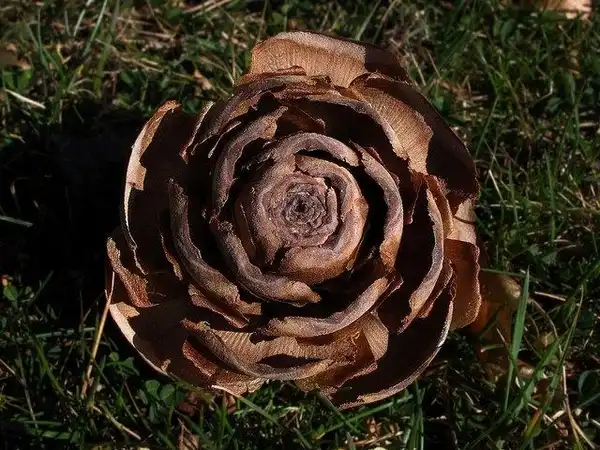
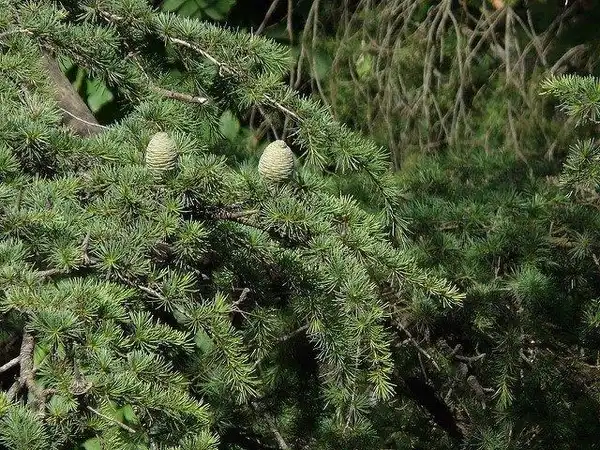
- The tree's dry fruit can create litter problems.
- It requires protection from strong winds.
Cedrus deodara Feature Summary