
Myrica cerifera: Uses (Ethnobotany)
The fruits of this species have been used for many years to make bayberry candles, soaps, and sealing wax. This plant was also used to make medicine by Native Americans.
Phonetic Spelling:mur-EYE-kuh sur-IFF-ur-uh
Genus:Myrica
Species:cerifera
Family:Myricaceae
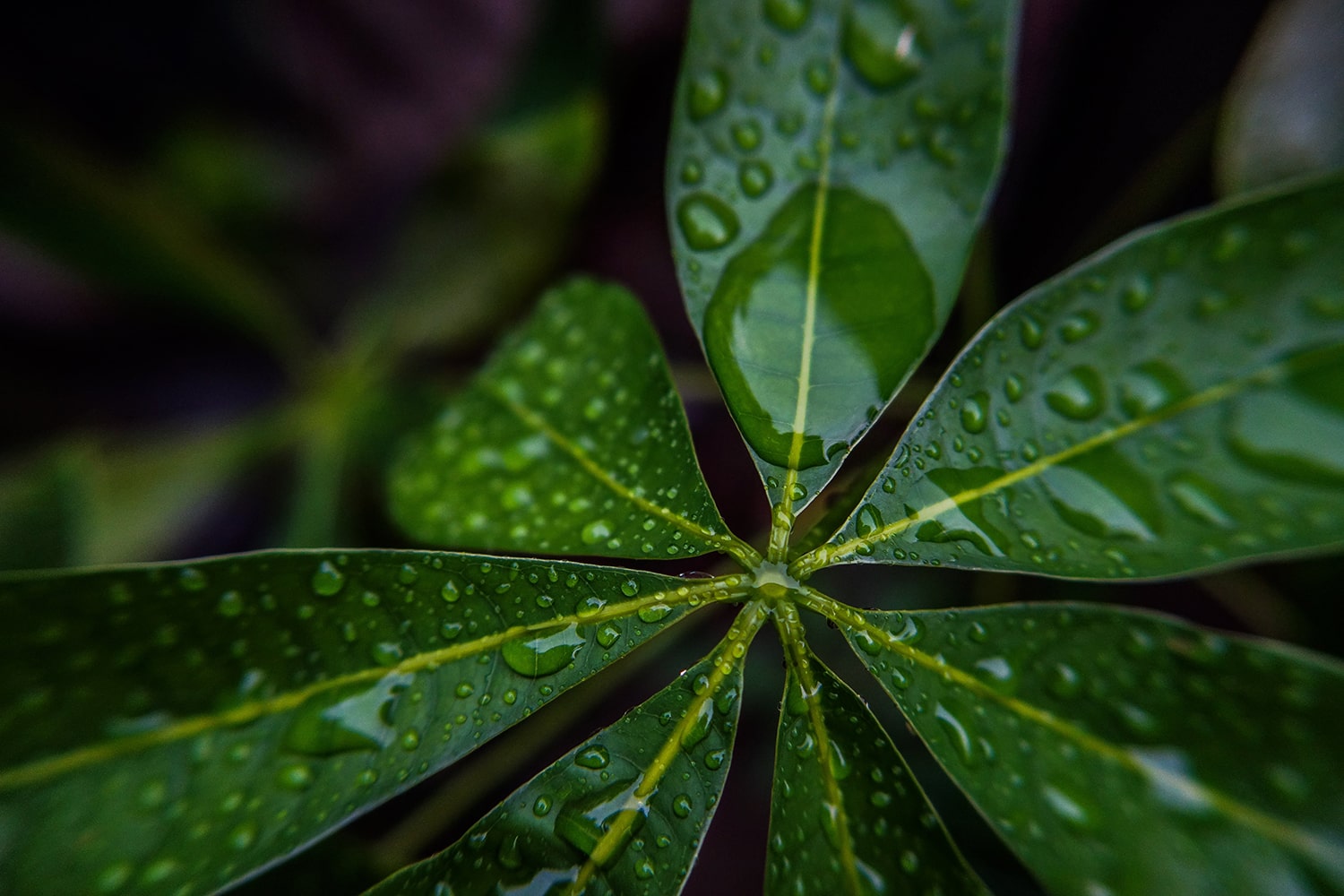
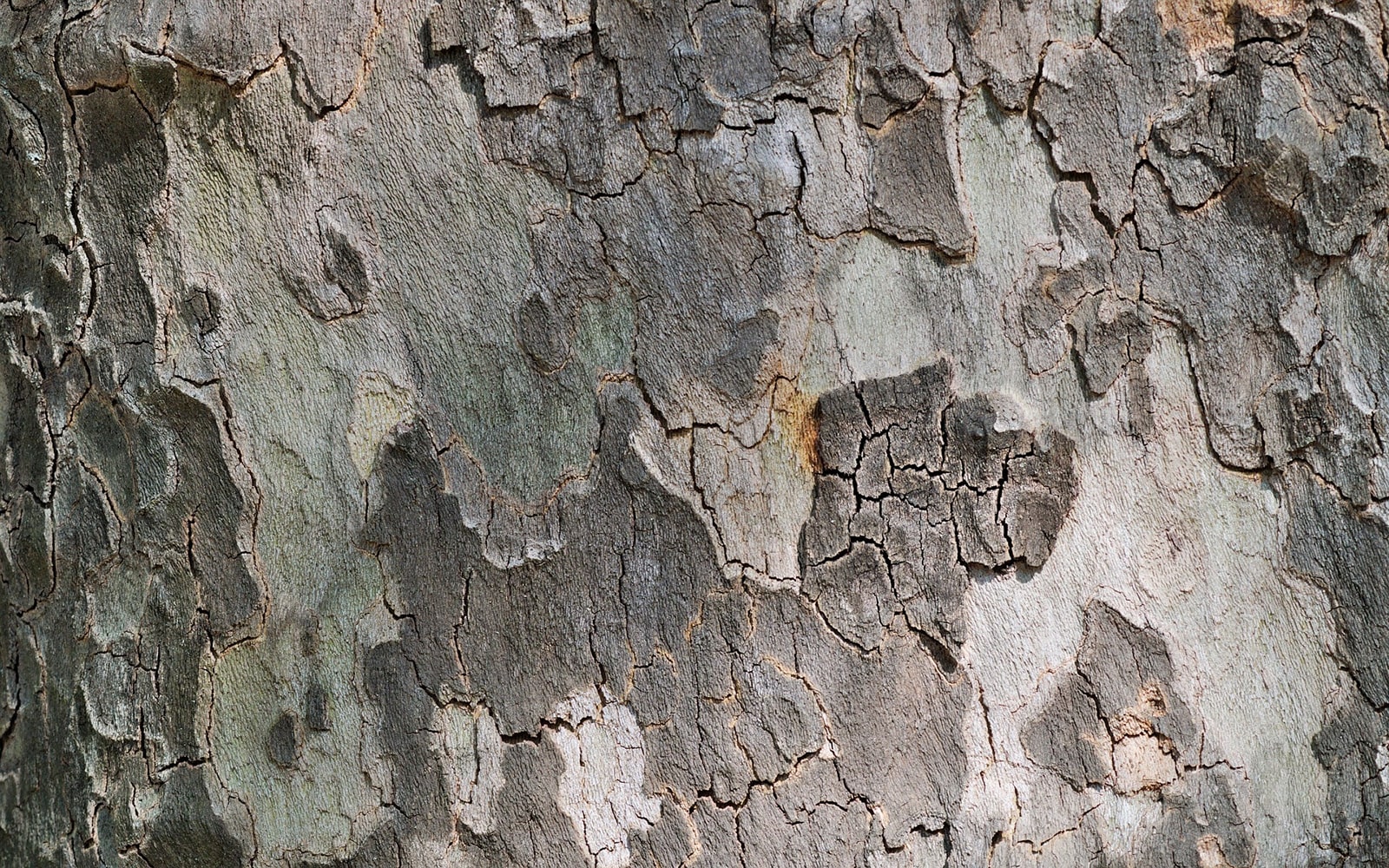
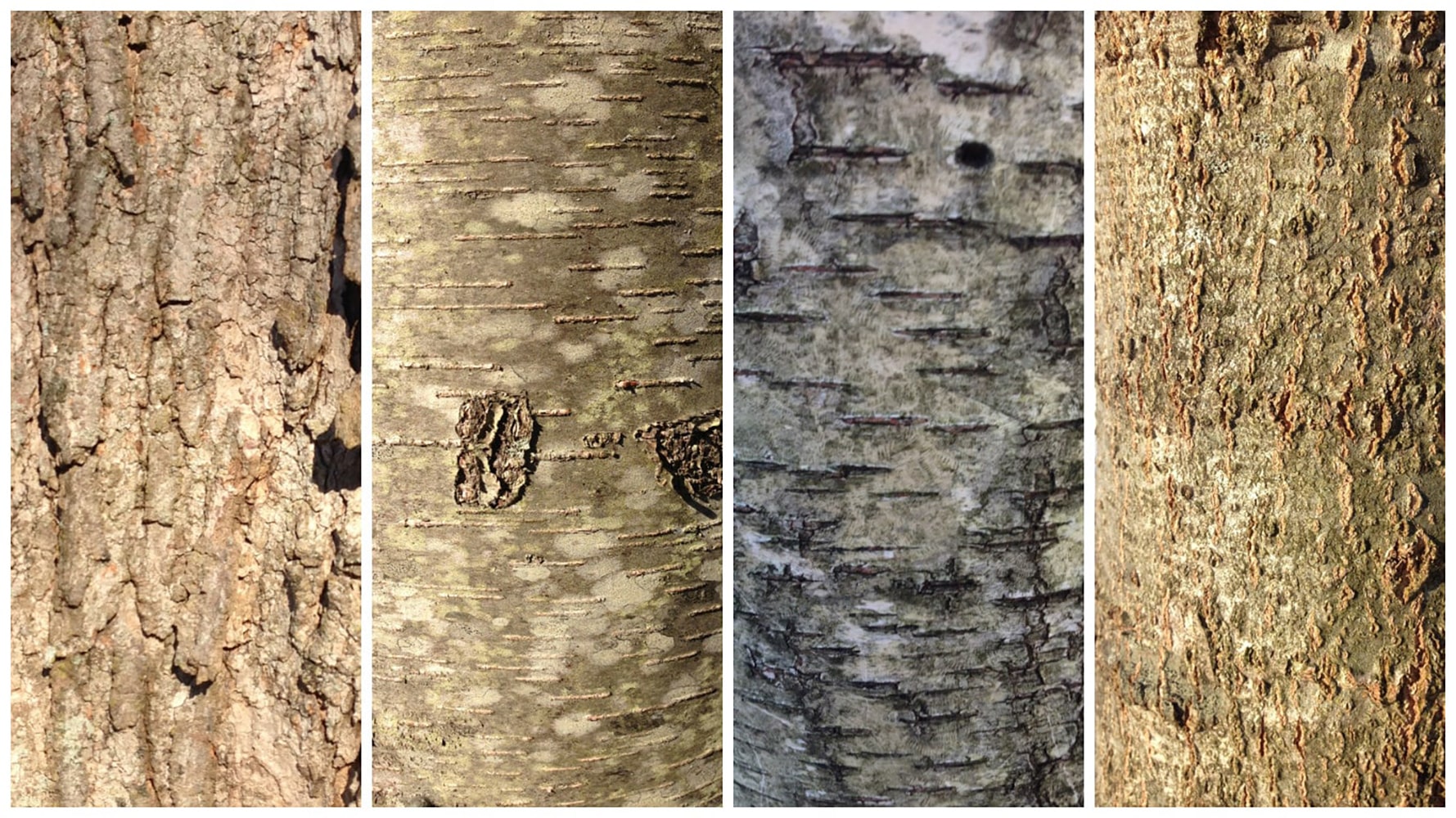
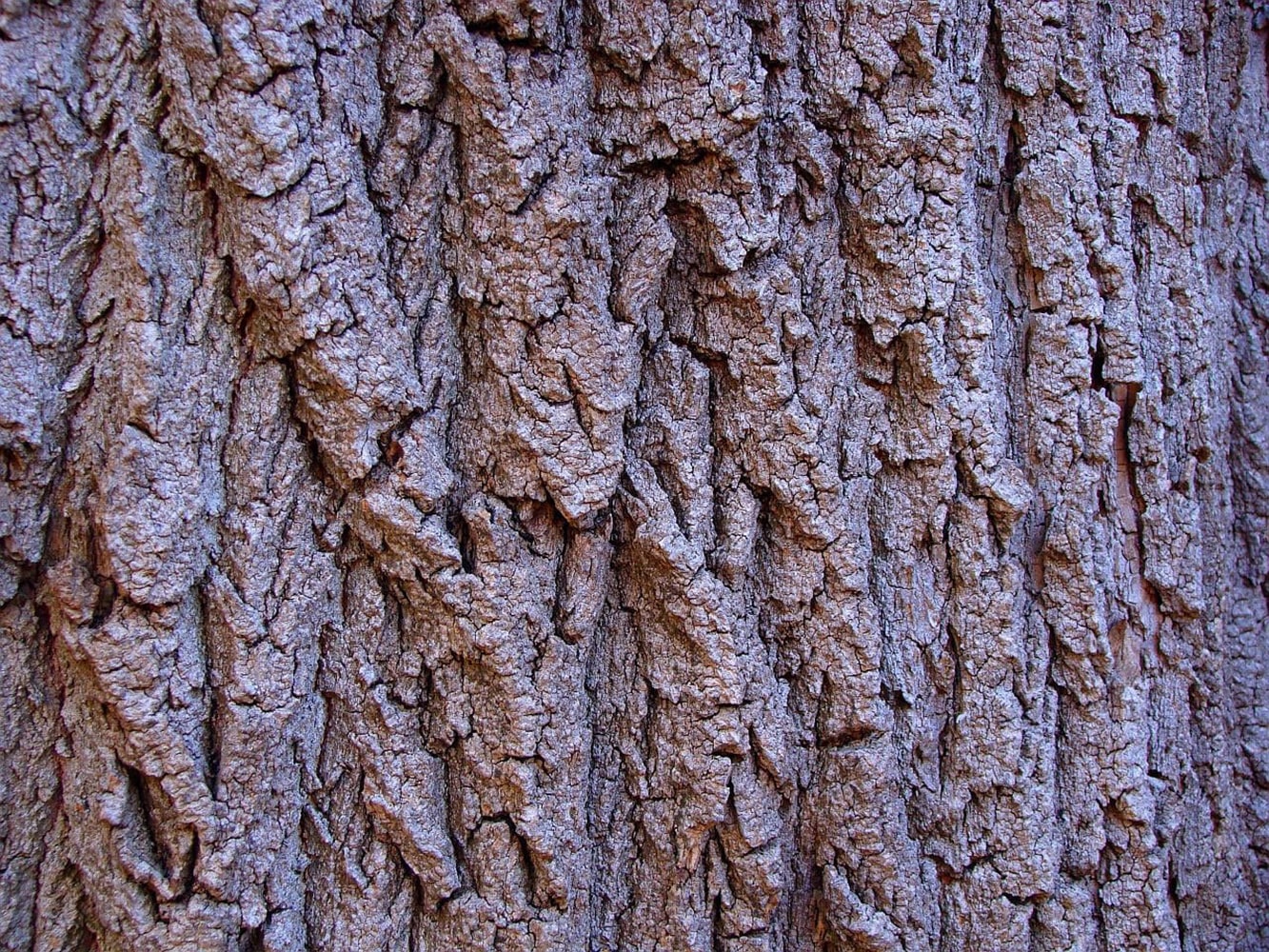
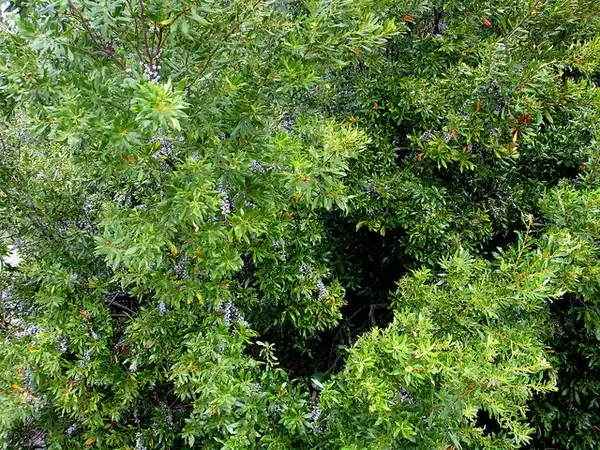
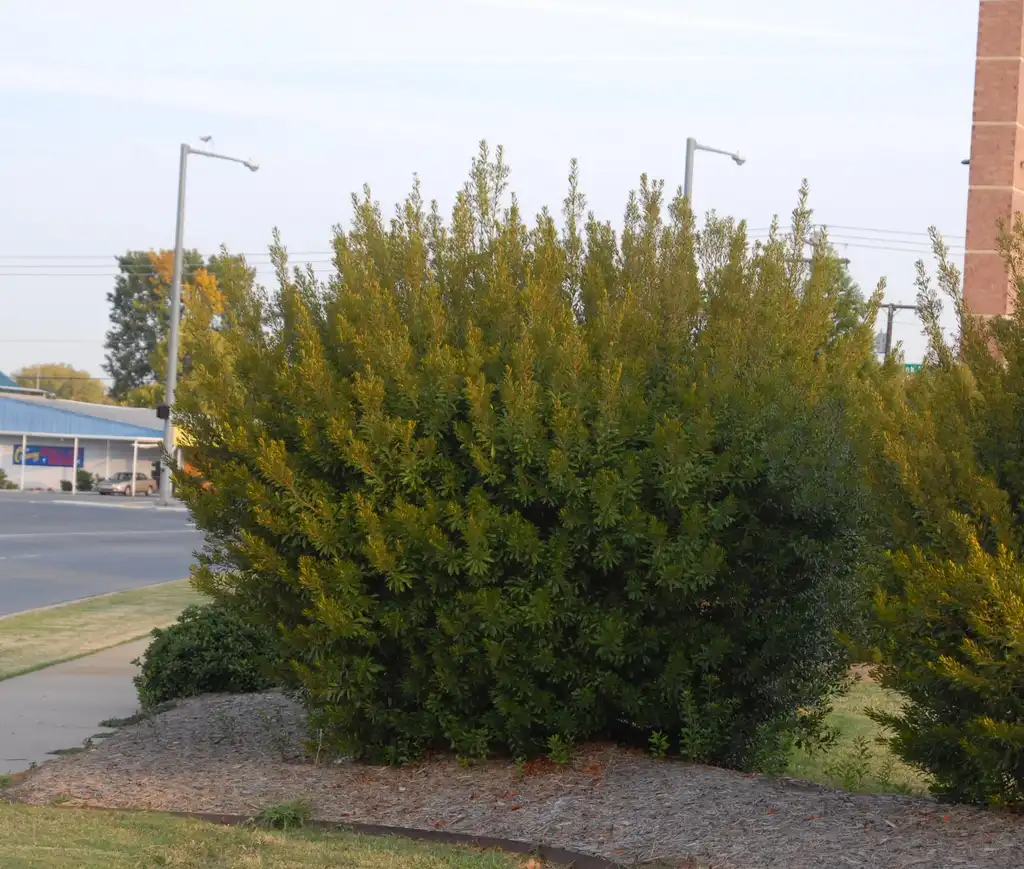
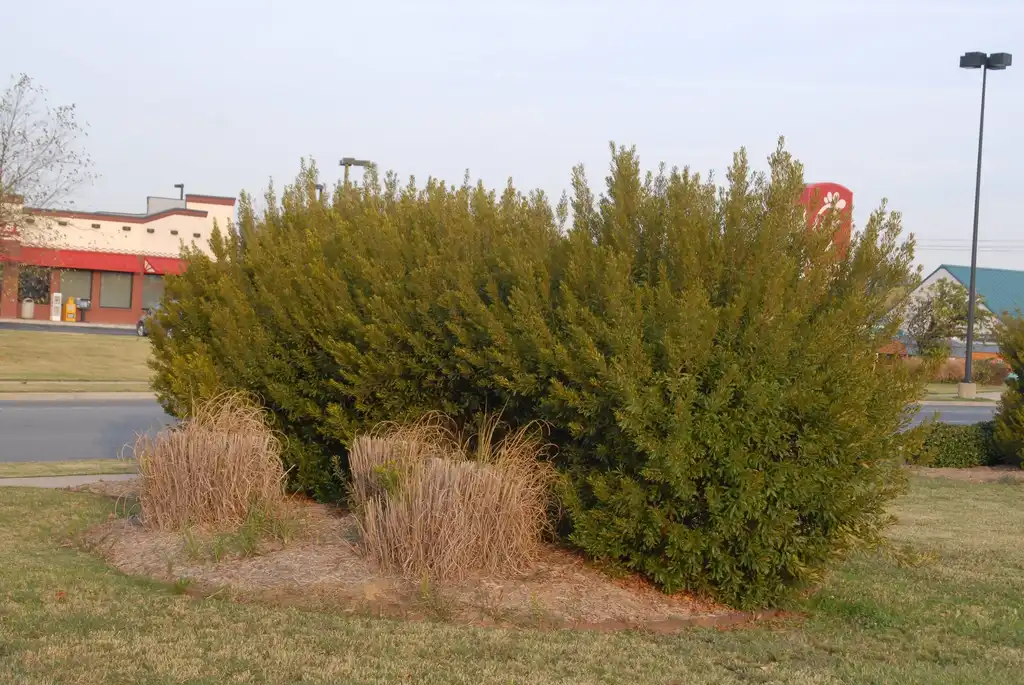
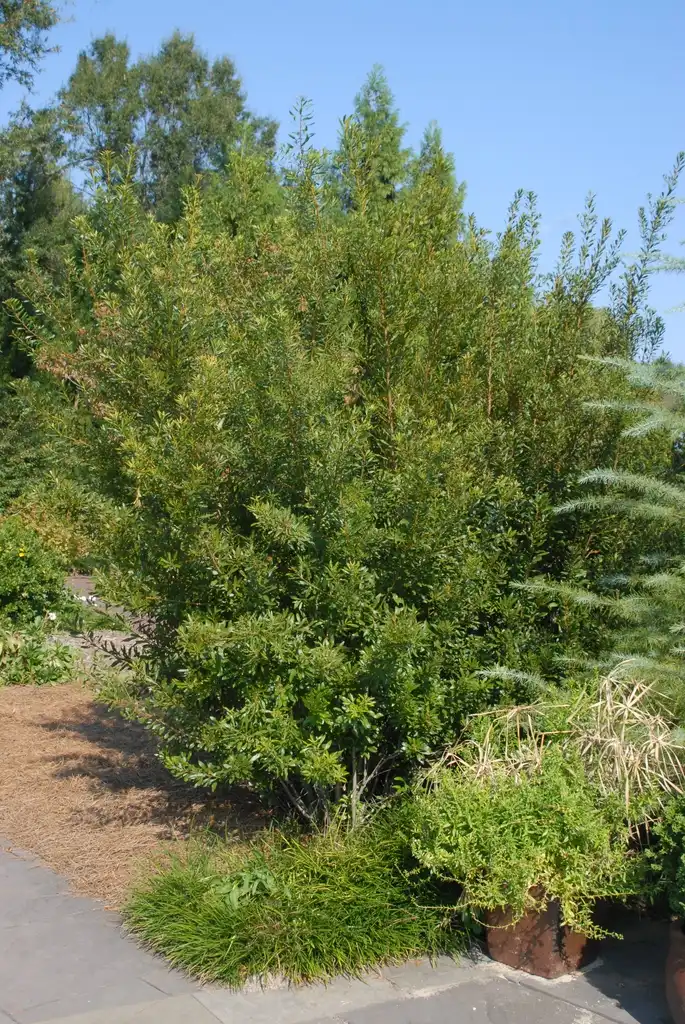
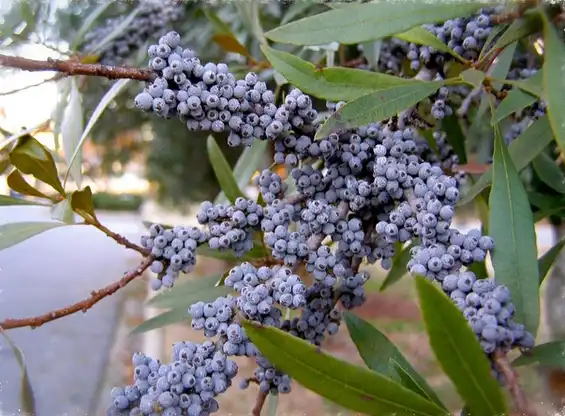
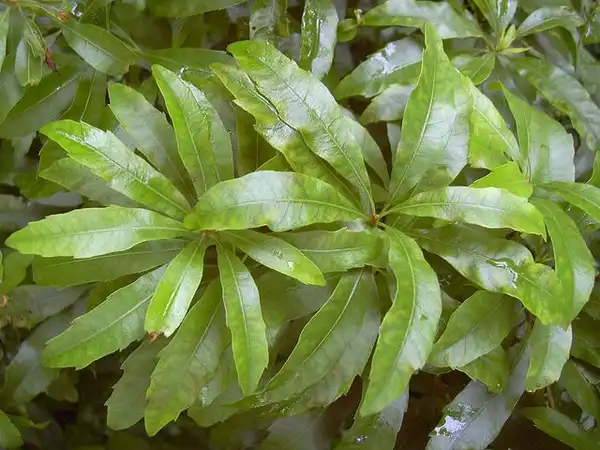
Wax Myrtle is an evergreen tree that typically reaches heights of 20 to 25 feet, although it often remains shorter. Its leaves are light olive green, arranged alternately, with a serrated edge and emit a spicy, aromatic scent when crushed. Both sides of the leaves feature yellow resin dots. The bark is thin, smooth, and ranges in color from gray-brown to nearly white. In the spring, slender, cylindrical flowers develop, with both male and female blooms present. This small tree produces bluish-white drupes that grow in clusters on short stalks and persist through the winter. Some populations are dioecious, meaning only female trees bear fruit, while others are monoecious.
Wax Myrtle thrives in USDA Zones 7-10 and is easily cultivated in average to wet soils, preferring full sun to partial shade. Indigenous to the marshes, forests, swamps, and both fresh and brackish streams of North Carolina, it is particularly beneficial in wetland restoration projects, shady areas, or along banks for erosion control. Initially, it requires consistent moisture, but once established, it adapts well to a variety of soil conditions, from waterlogged regions to dry uplands. This shrub is resilient against high winds, waterlogged soils, shade, poor soil quality, and salt spray, making it suitable for coastal environments. Its tolerance to saline conditions and urban settings allows it to thrive in areas near salted roads during winter. However, it may experience leaf drop during acclimatization or after exposure to extreme cold. It can be an interesting addition to the corner of a large herb garden and is a good choice for stream or pond edges where flooding or drought may occur. Additionally, it can be pruned to create an attractive small tree by removing lower limbs.
These shrubs are predominantly dioecious, necessitating both male and female plants for optimal berry production. They have the ability to fix atmospheric nitrogen, aiding their survival in nutrient-poor soils. Under ideal growing conditions, they may sucker and form extensive colonies. While similar to northern bayberry (M. pennsylvanica), Wax Myrtle is a southern evergreen species that thrives in warmer climates.
Fire Risk: In certain regions, these shrubs pose a potential fire hazard due to the flammable aromatic compounds found in their leaves, stems, and branches. Therefore, it is advisable not to plant them within the defensible space around your home. Opt for plants with low flammability ratings for areas closest to your residence.
Insects, Diseases, or Other Plant Problems: Wax Myrtle generally faces no significant insect or disease issues. However, leaf browning can occur during harsh winters, and it is important to monitor for leaf anthracnose and leaf mosaic.
Quick Identification Tips:
Myrica cerifera Feature Summary