Nerium oleander: Country Or Region Of Origin
Europe, Asia
Phonetic Spelling:NAIR-ee-um OH-lee-an-der
Genus:Nerium
Species:oleander
Family:Apocynaceae
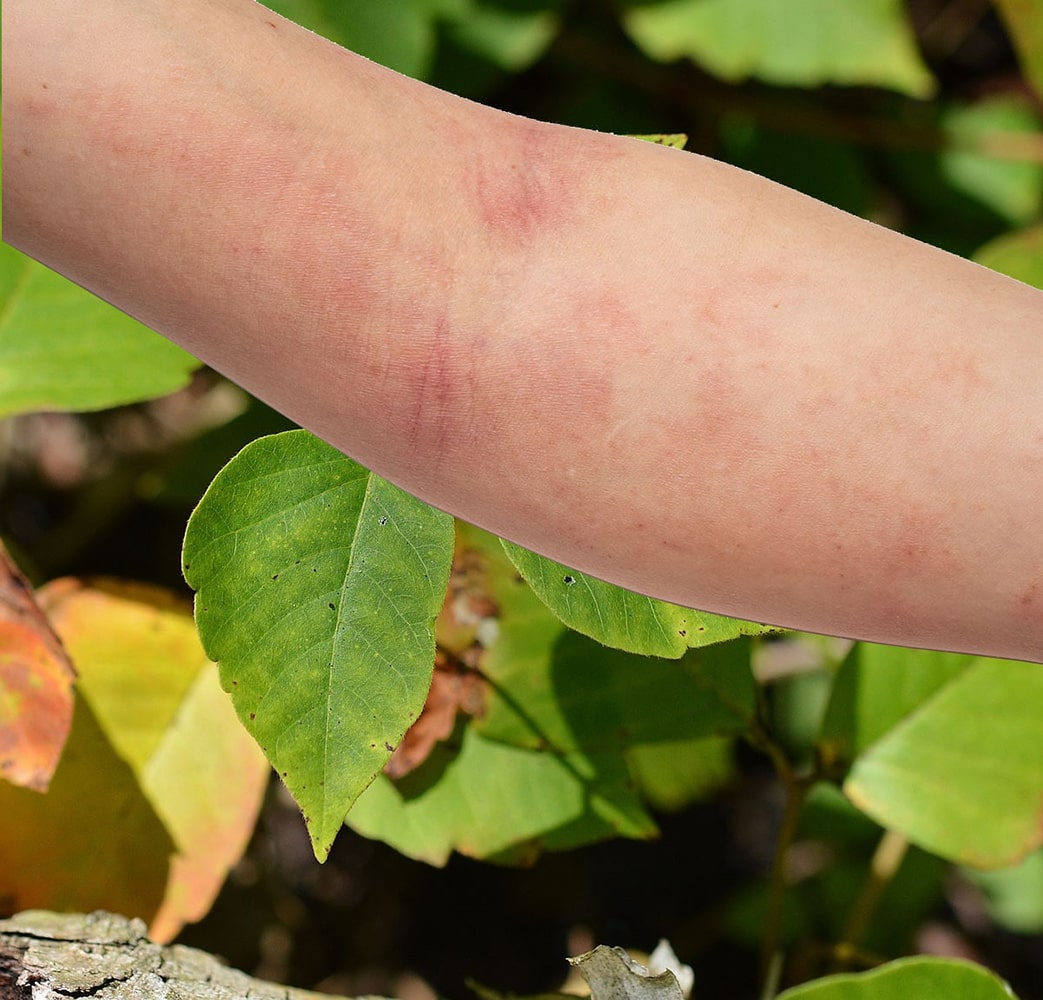
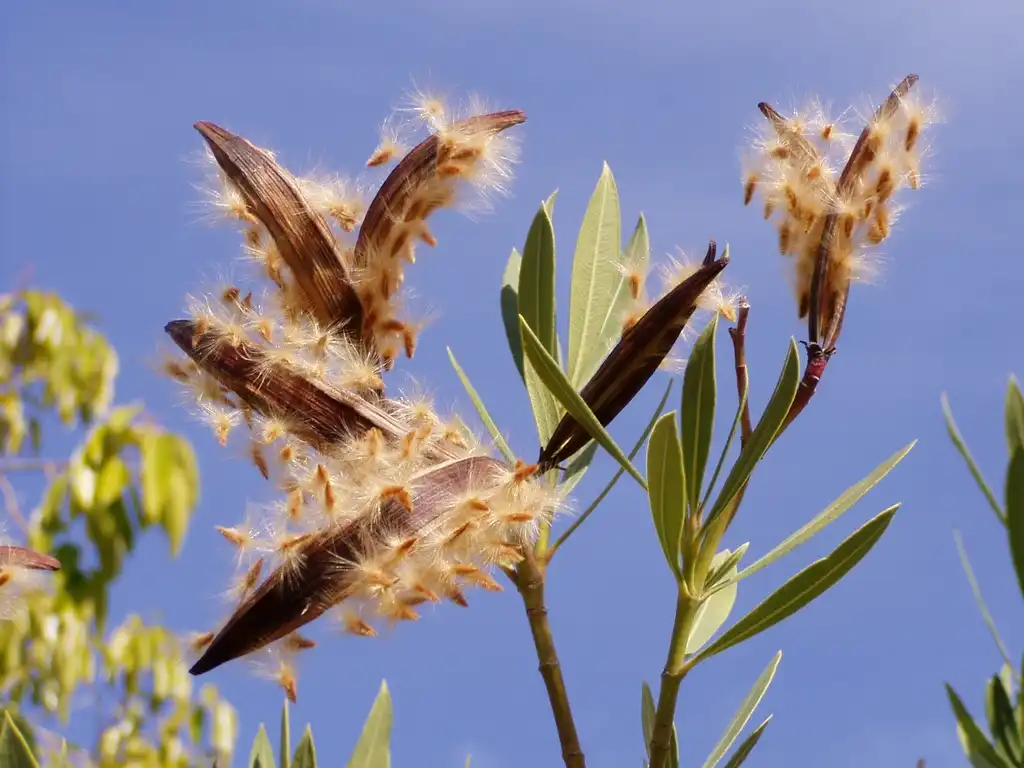
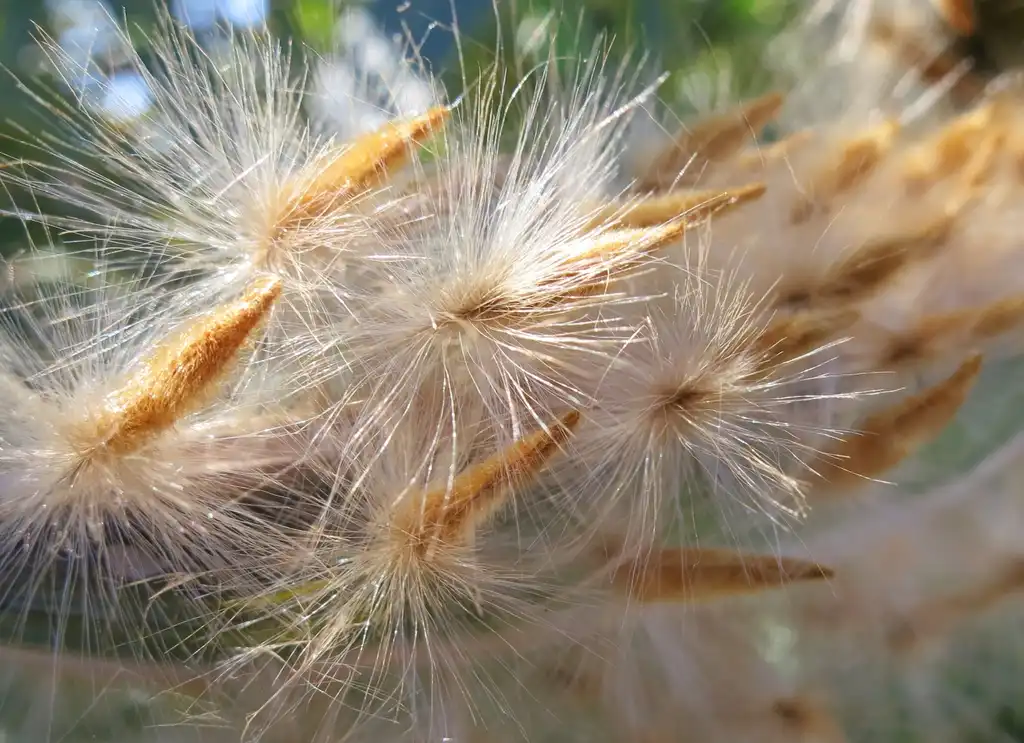
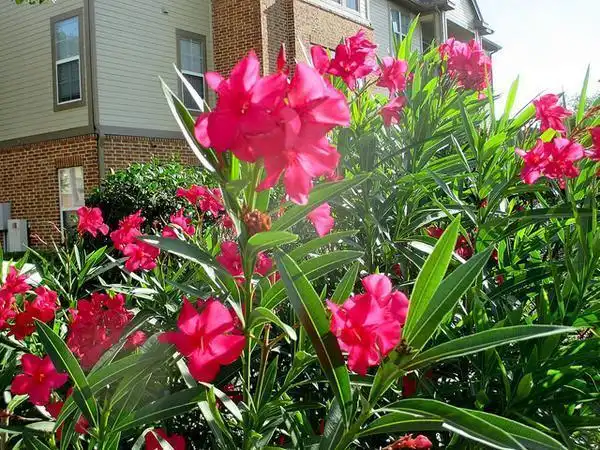
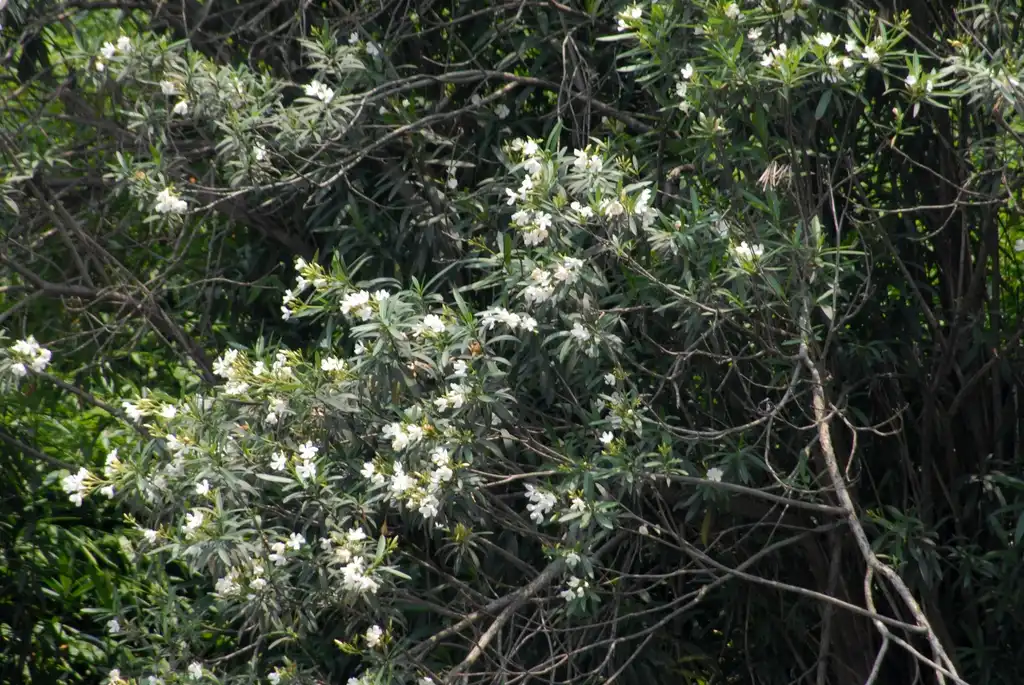
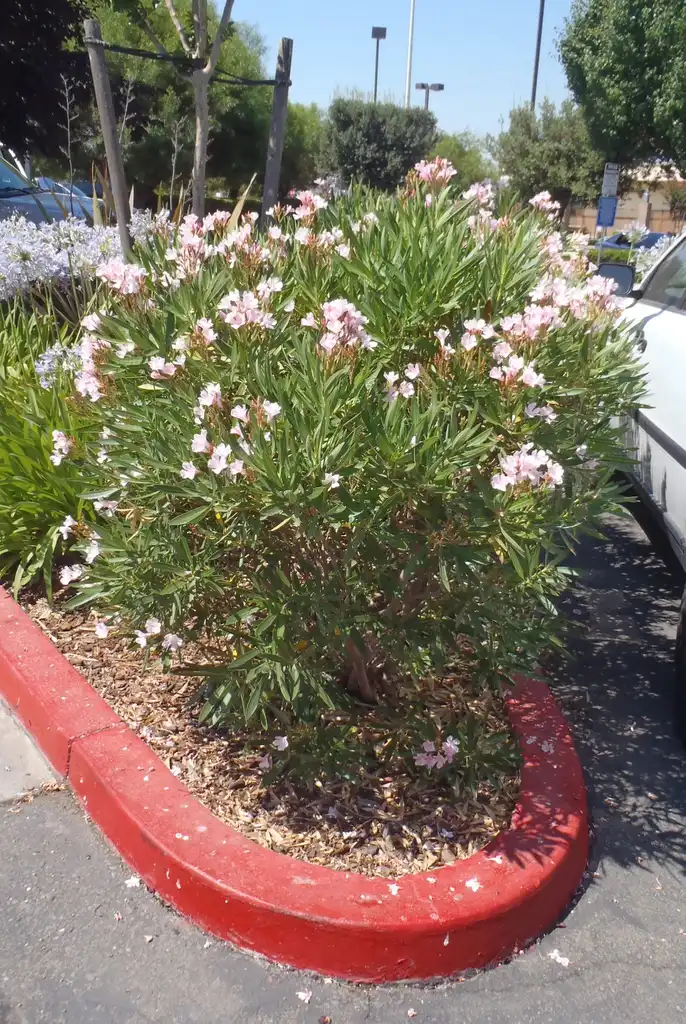
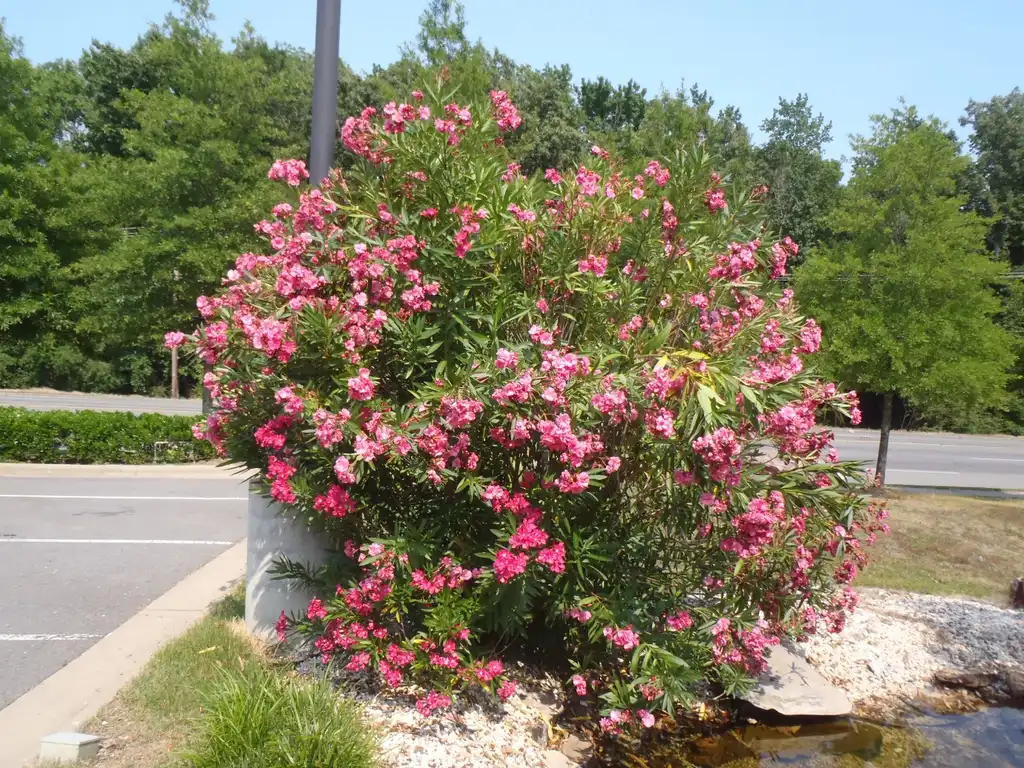
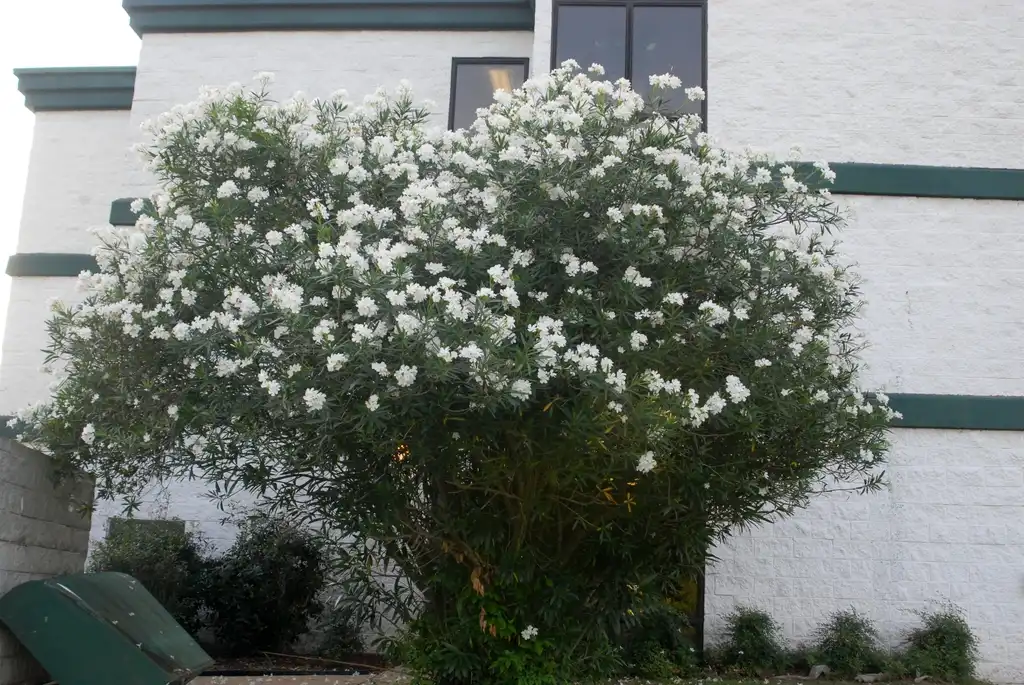
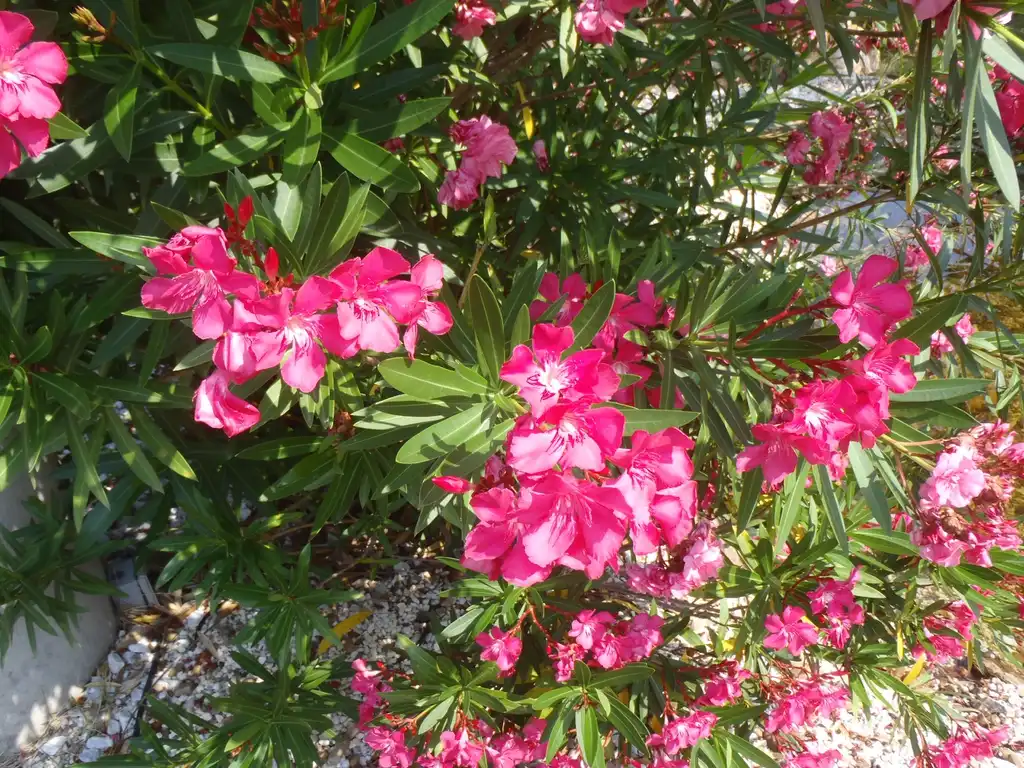
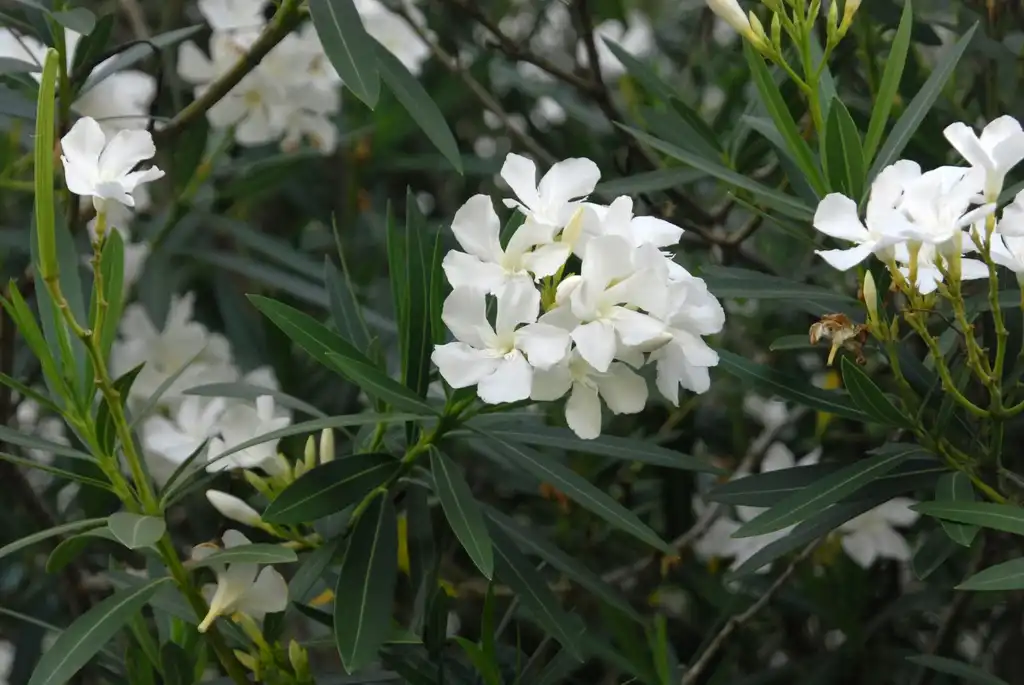
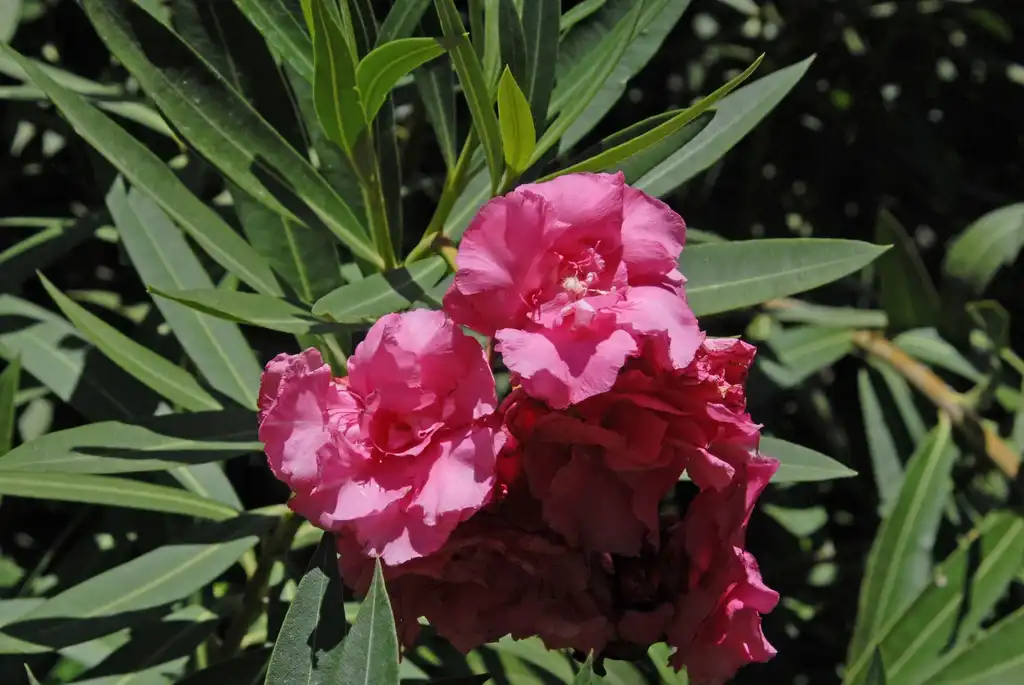
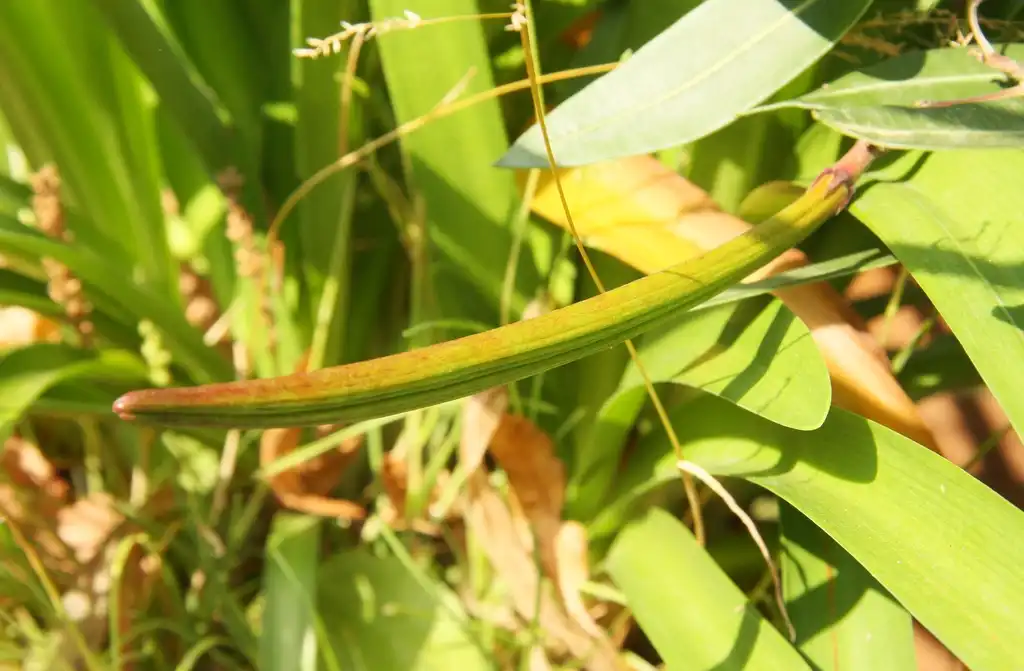
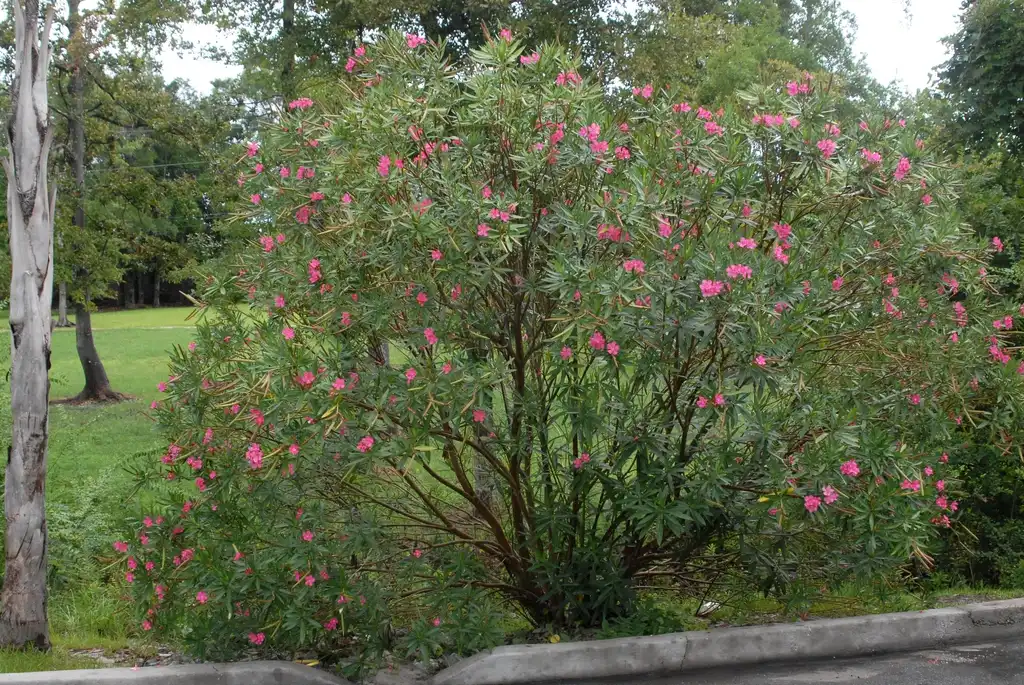
Oleander is a fast-growing evergreen shrub or small tree that originates from Europe and Asia. It typically reaches heights of 6.5 to 19.5 feet and spans 6 to 10 feet in width. Its substantial size makes it an excellent option for screening or as a backdrop in garden borders. This plant thrives in full sun to partial shade and prefers well-drained, nutrient-rich soil, though it can adapt to various soil types. Oleander produces blooms from late spring through late summer, showcasing a range of flower colors. However, its fruits are not ornamental. When its branches are broken, they release a thick, sticky sap that can lead to contact dermatitis.
In colder climates, specifically in zone 7 and the upper range of zone 8, oleander may die off during winter. It flourishes best in the lower range of zone 8 and zone 9. The plant is sensitive to temperatures at or below 0 degrees Fahrenheit and can suffer damage from harsh winters. After winter, it is advisable to prune any frost-damaged or dead branches. Regular light pruning after flowering, from late summer to early fall, can help maintain its shape, and if necessary, it can be pruned back significantly. In colder regions, oleander can also be cultivated in containers that can be brought indoors during winter or grown as a houseplant.
This shrub exhibits high tolerance to deer and salt, including salt spray, making it suitable for coastal gardens. Additionally, it withstands heat, drought, wind, air pollution, and poor soil conditions.
It is crucial to note that all parts of oleander are extremely toxic and can be fatal. There have been instances of poisoning from cooking skewers made from its twigs.
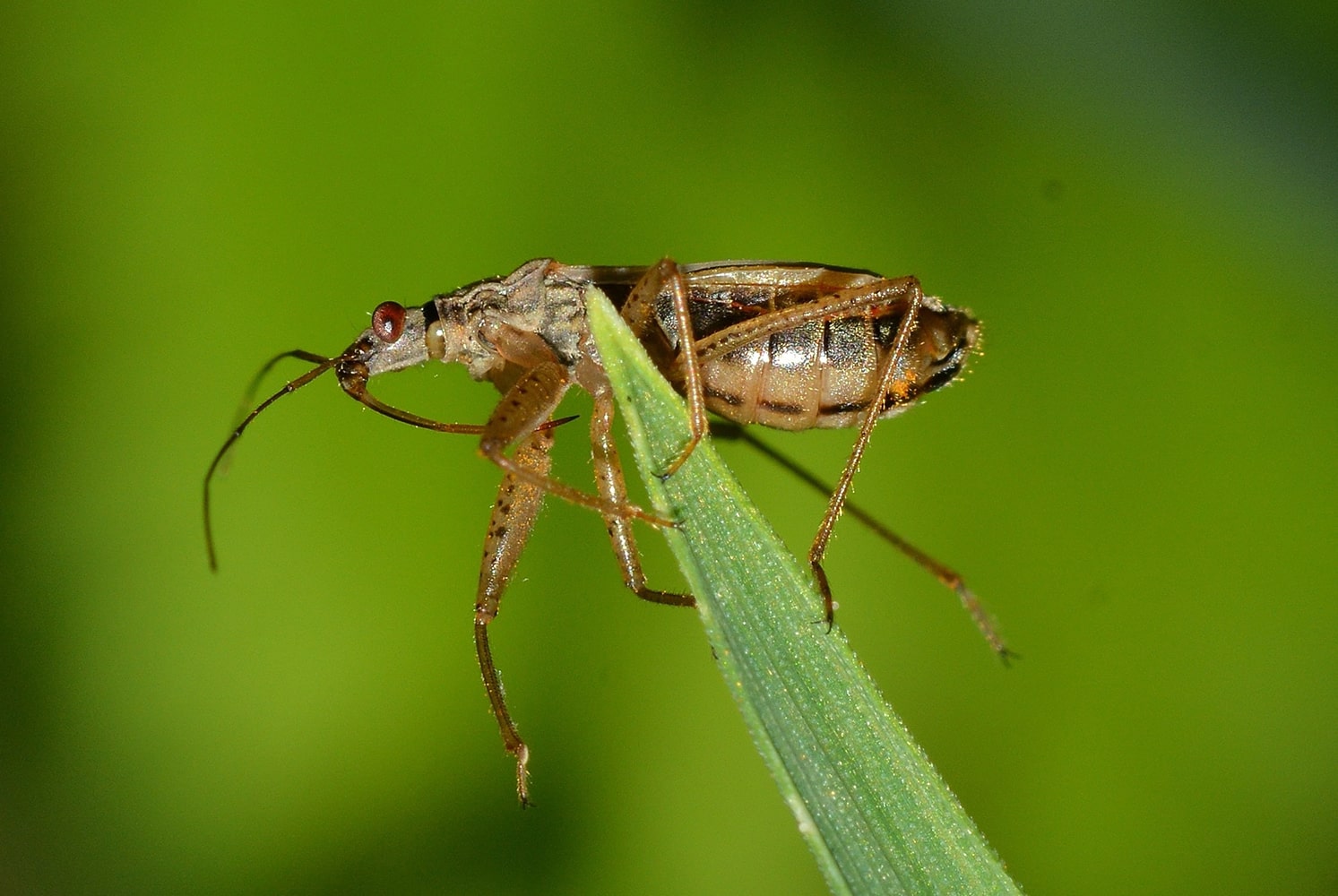
Regarding pests and diseases, oleander generally faces no significant issues. However, it can occasionally attract aphids, caterpillars, mealybugs, and scale insects. Fungal problems such as Armillaria, leaf spot, and sooty mold may also arise from time to time.
Quick Identification Tips:
Nerium oleander Feature Summary