Kalanchoe: Country Or Region Of Origin
Africa, Asia
Phonetic Spelling:kal-un-KOH-ee
Genus:Kalanchoe
Species:
Family:Crassulaceae
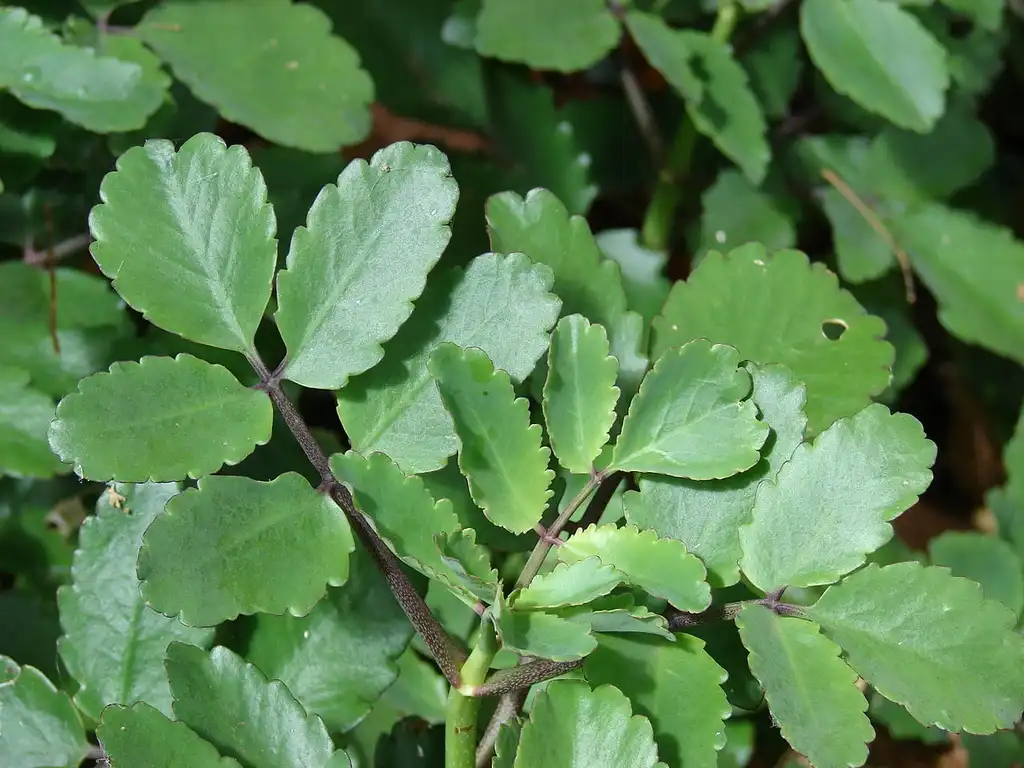
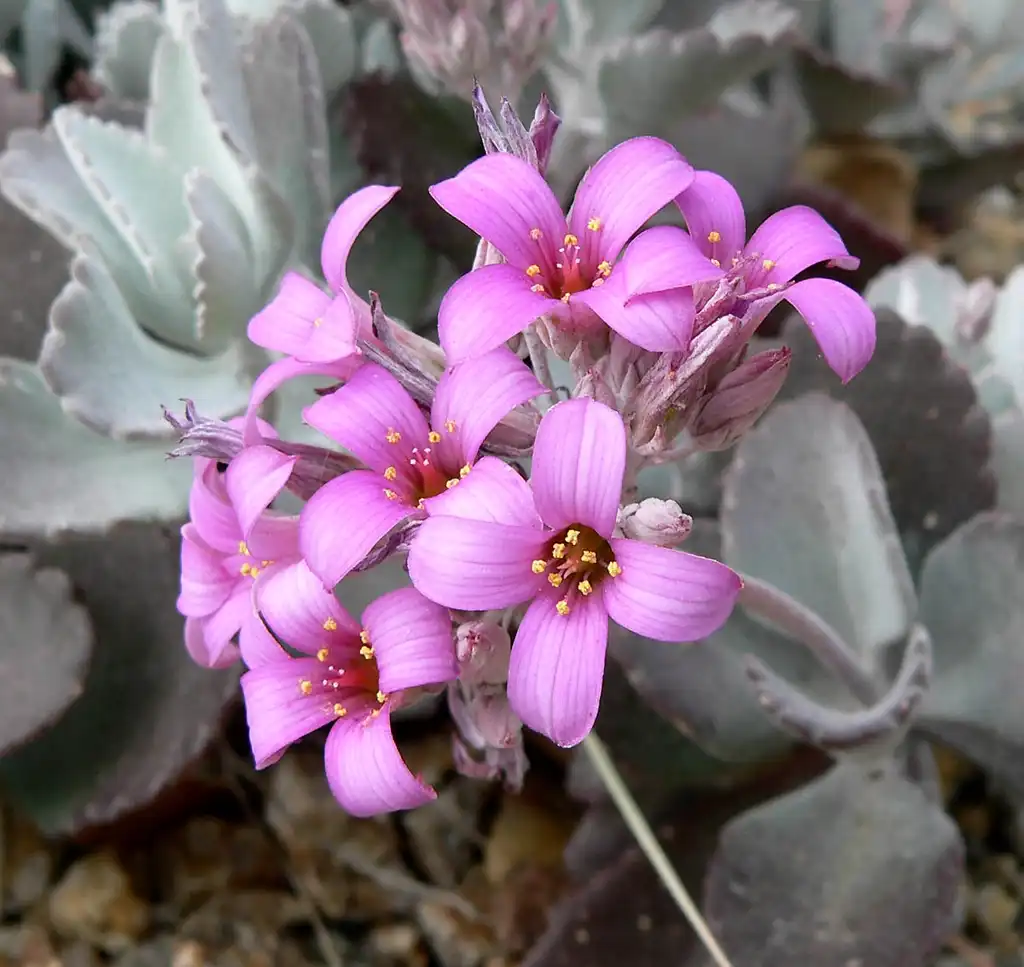
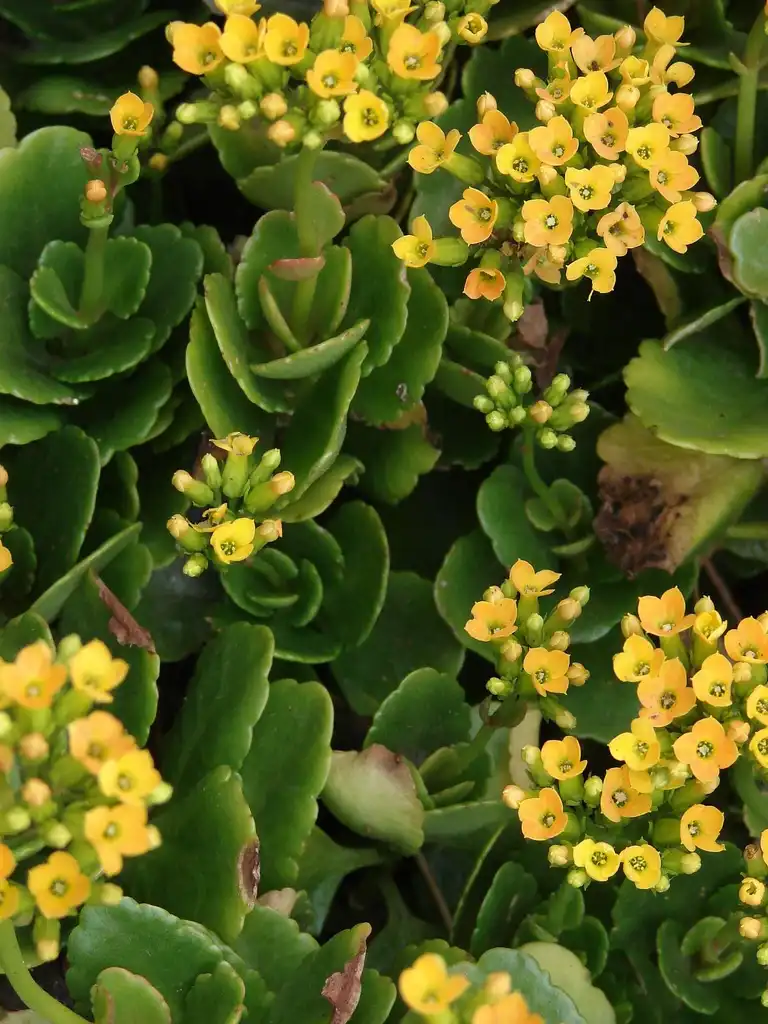
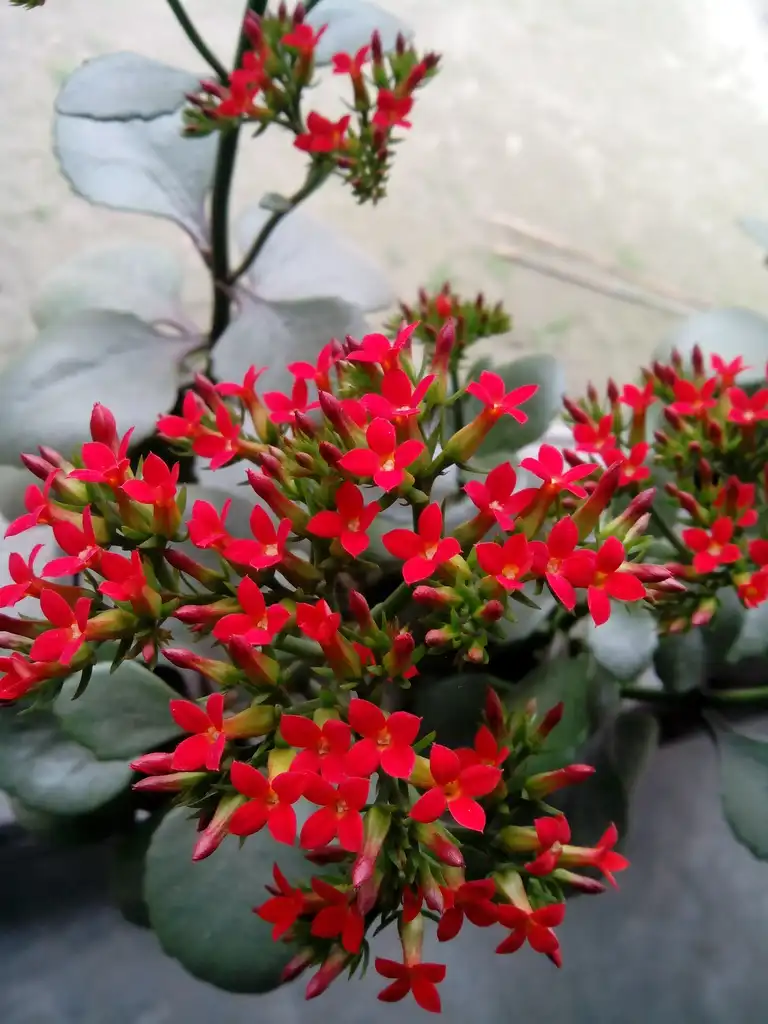
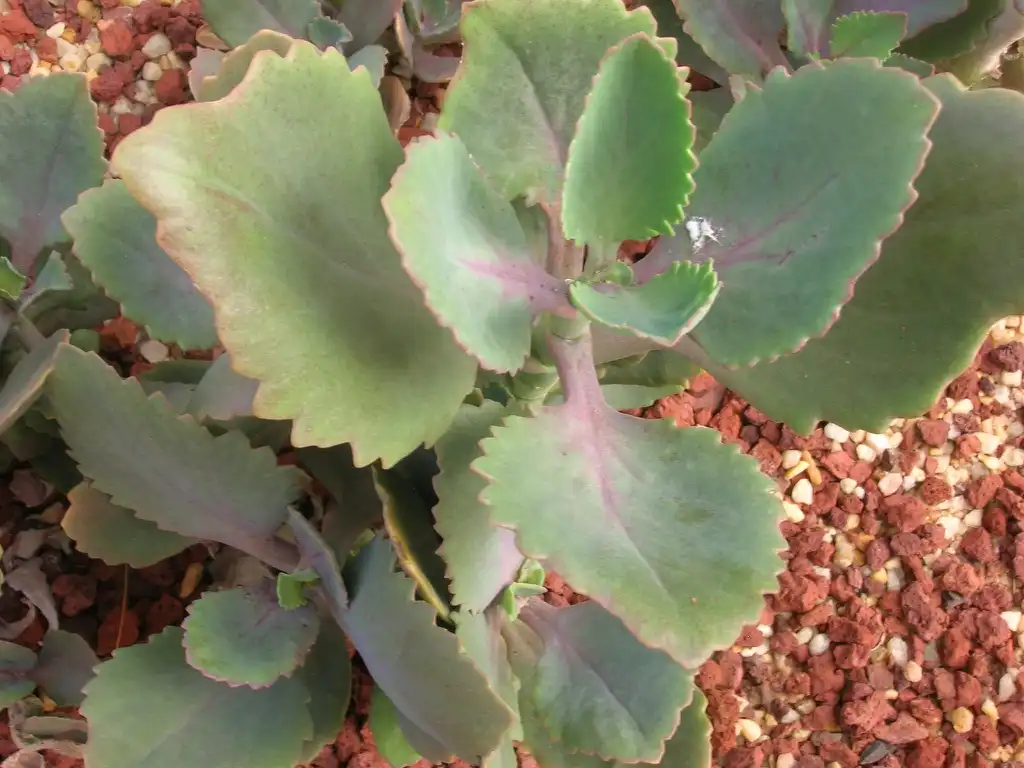
Kalanchoe is a genus of tropical, perennial succulents that originate from Africa and Asia, belonging to the Crassulaceae family. These plants can be cultivated as shrubs, herbs, or climbers and are highly valued for their vibrant, long-lasting flowers and unique succulent leaves. Key identification features include their serrated leaves, thick, branching stems, and cymose flower arrangements.
Some Kalanchoe species exhibit viviparity, producing small plantlets along the edges of their leaves. In non-tropical regions, these plants thrive in bright indoor environments with well-drained soil and low humidity. They can be grown in containers that can be moved indoors during winter. Additionally, Kalanchoe is often cultivated as a specialty desert plant or for seasonal color displays. Once established, they are quite drought-resistant, although they can be susceptible to pests and diseases.
Among the Kalanchoe species, K. tomentosa features elongated, fuzzy silver leaves with red-brown tips and infrequently blooms yellow-green flowers. Another related species, K. blossfeldiana, showcases glossy green, oblong-ovate leaves adorned with striking clusters of red, orange, pink, or yellow flowers.
Quick Identification Tips: