Canna: Uses (Ethnobotany)
Cannas are used in agriculture as a rich source of starch for human and animal consumption.
Phonetic Spelling:KAN-nah
Genus:Canna
Species:
Family:Cannaceae
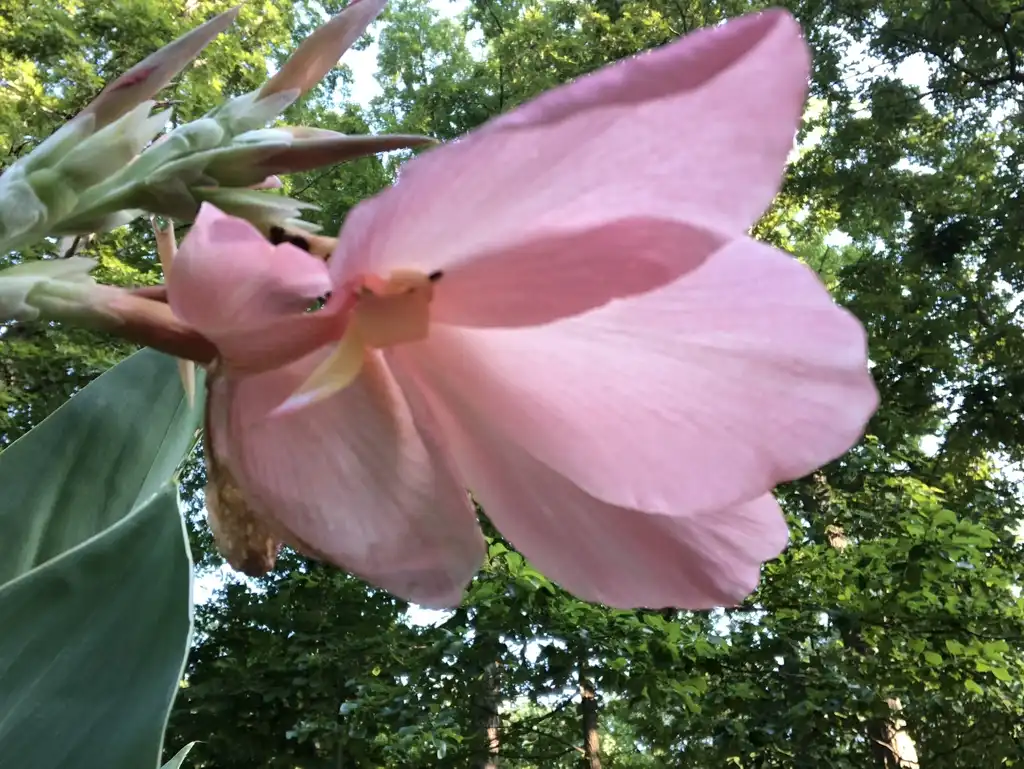
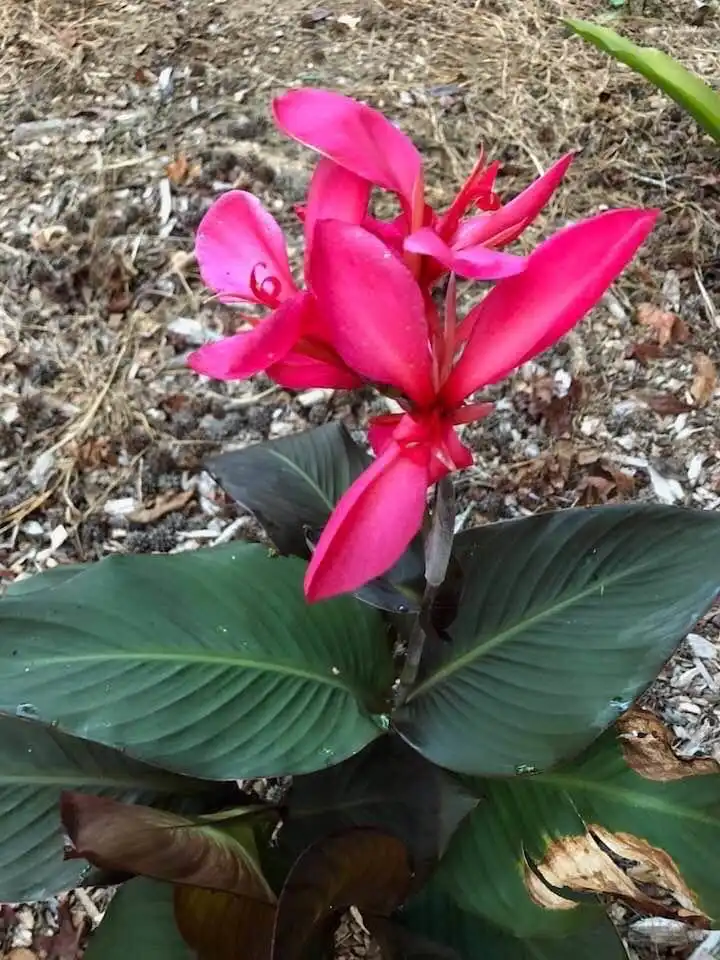
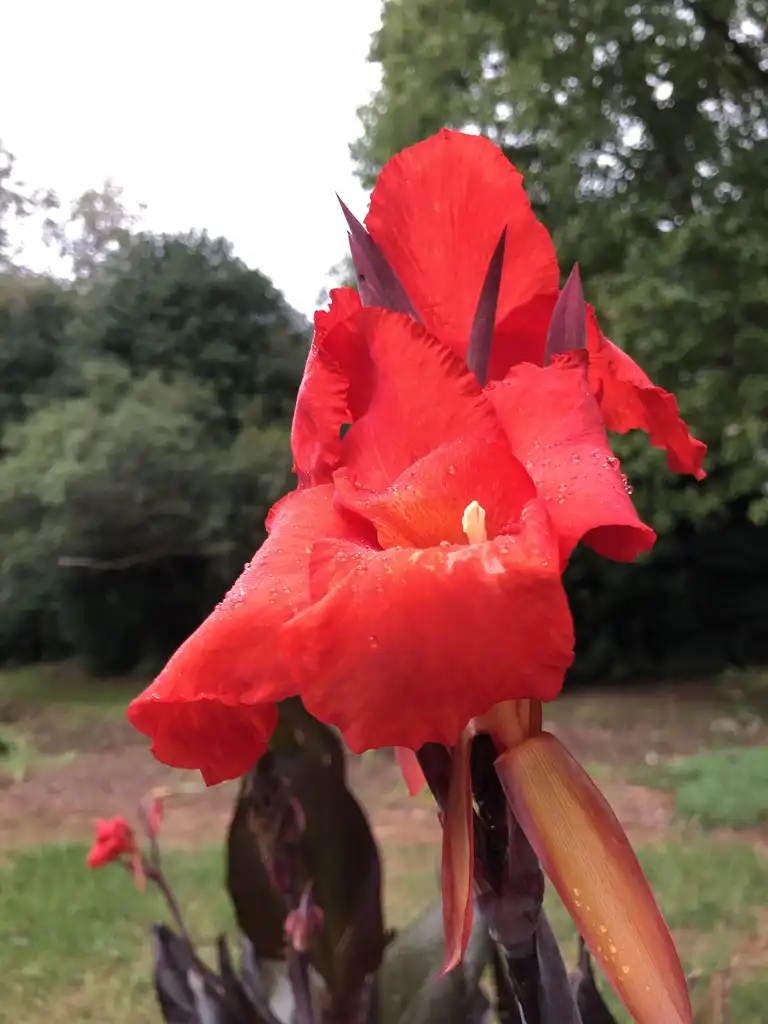
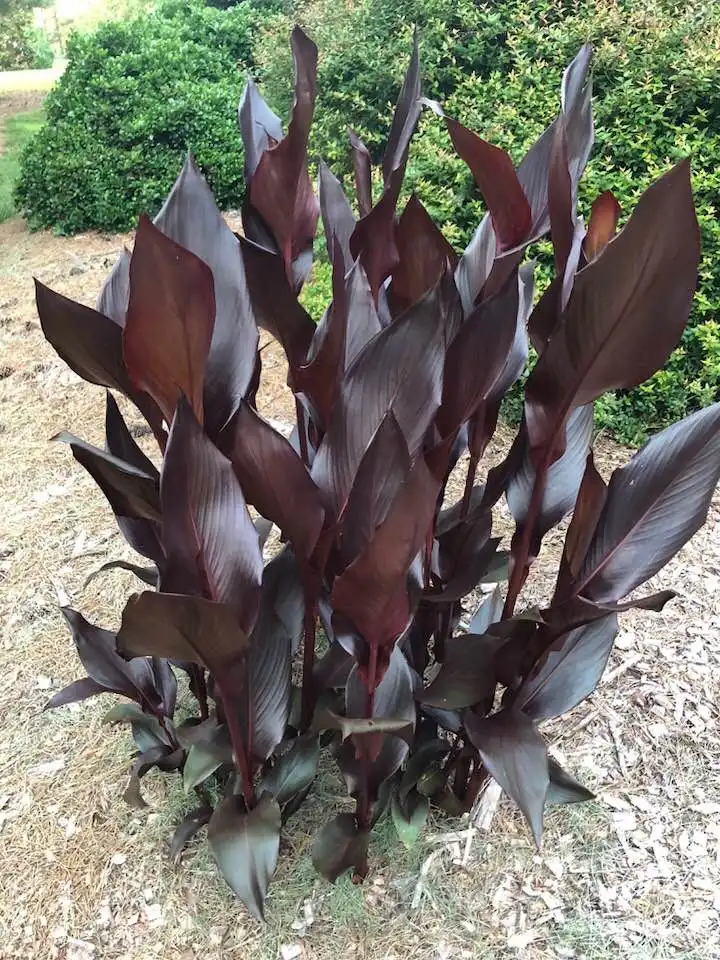
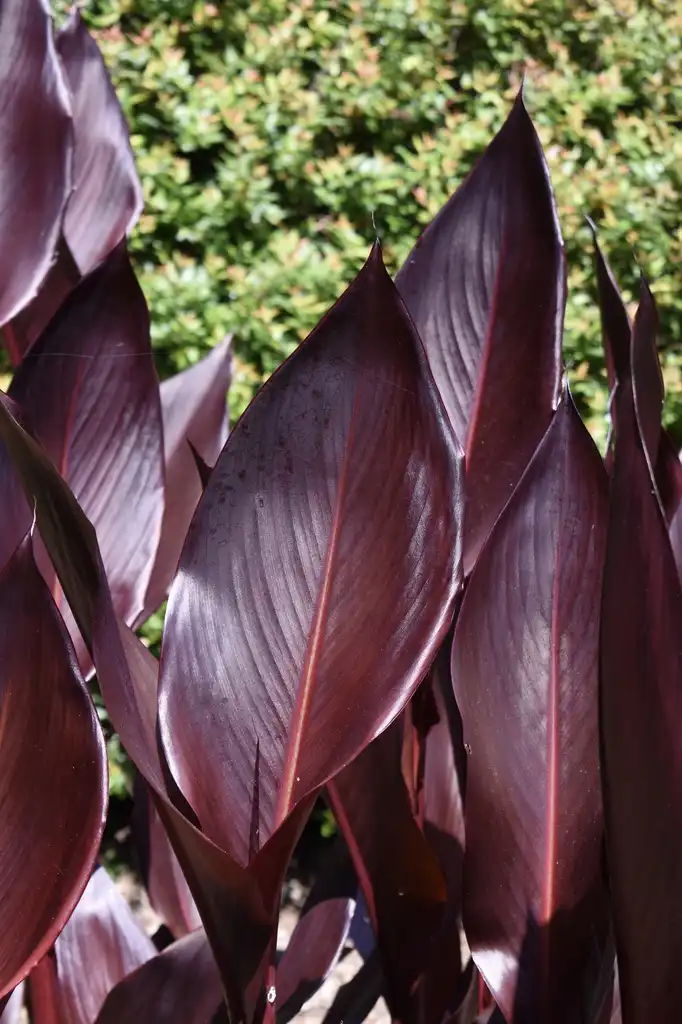
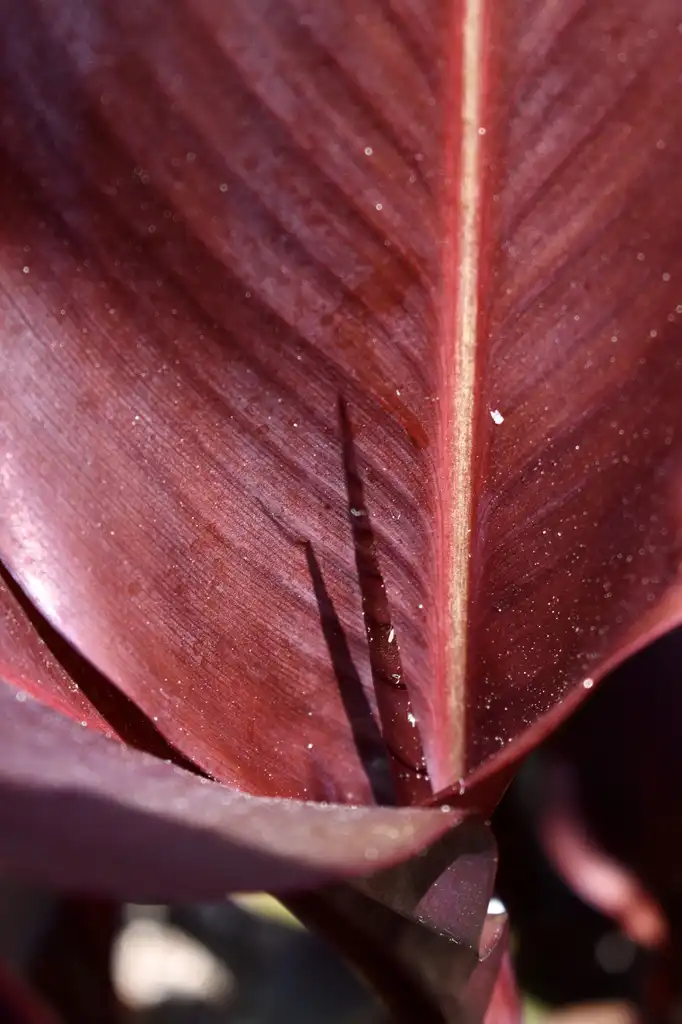
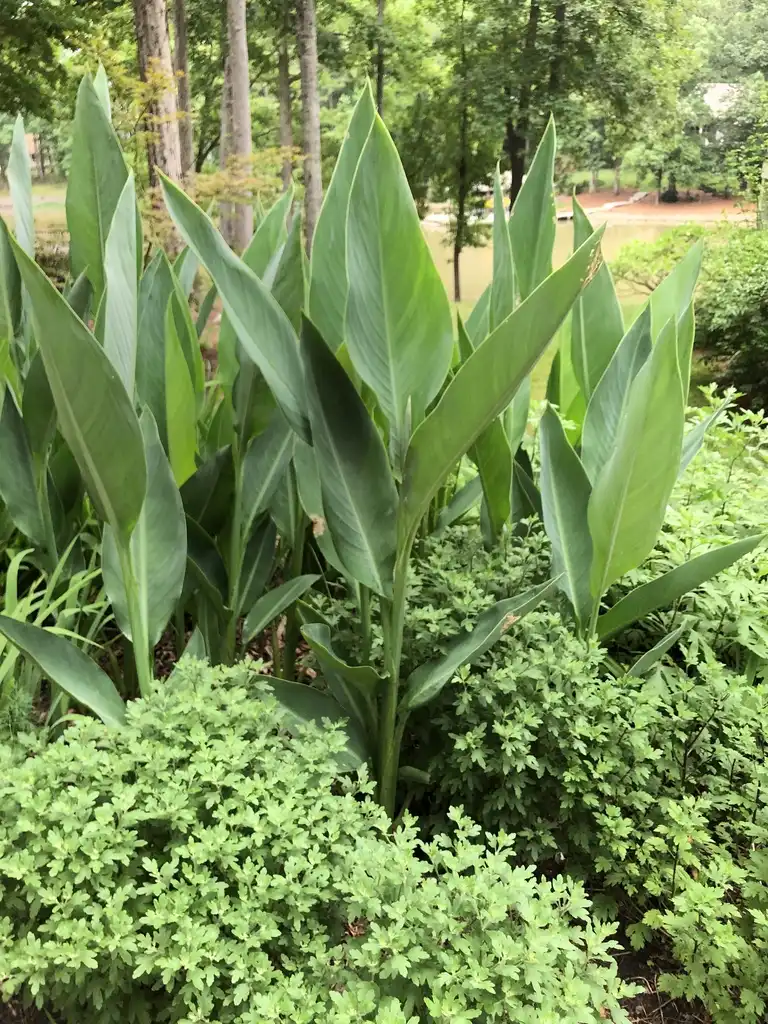
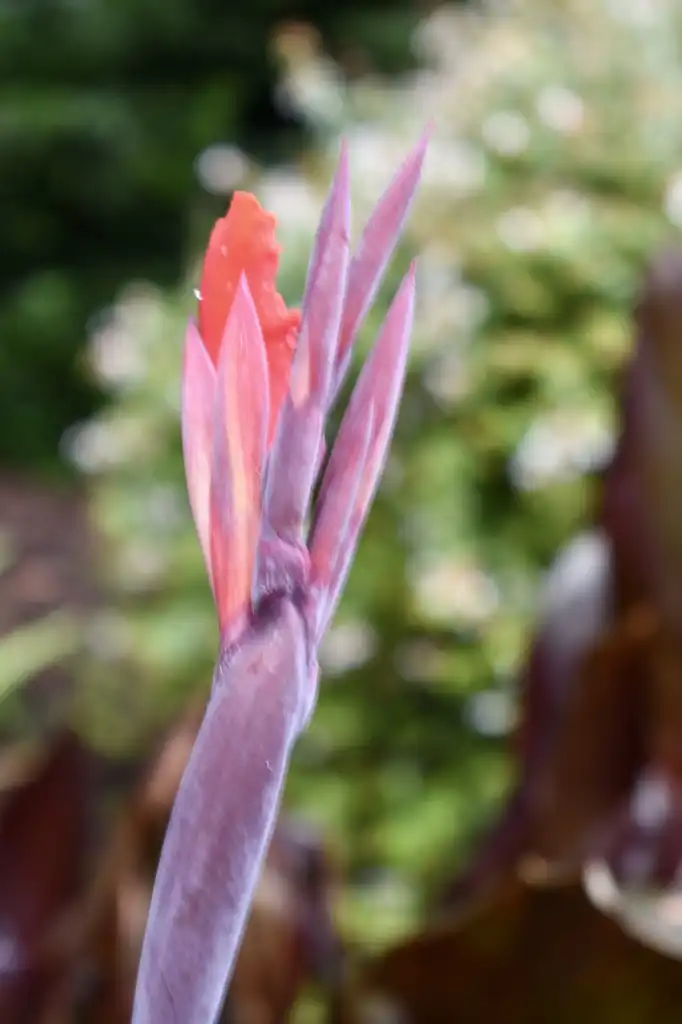
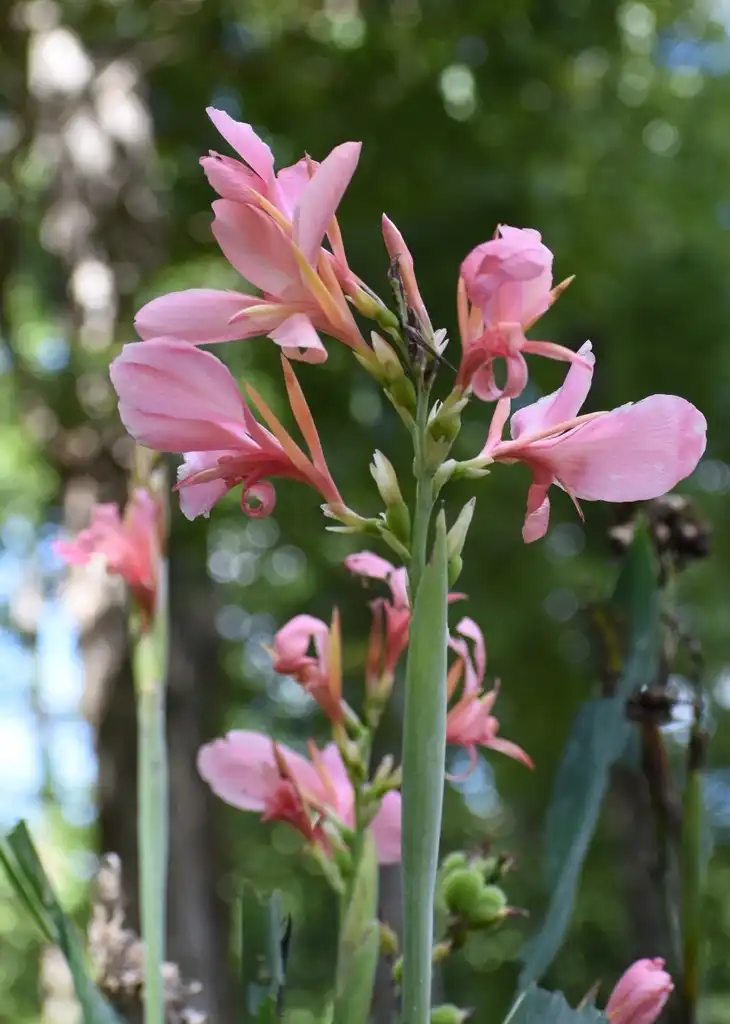
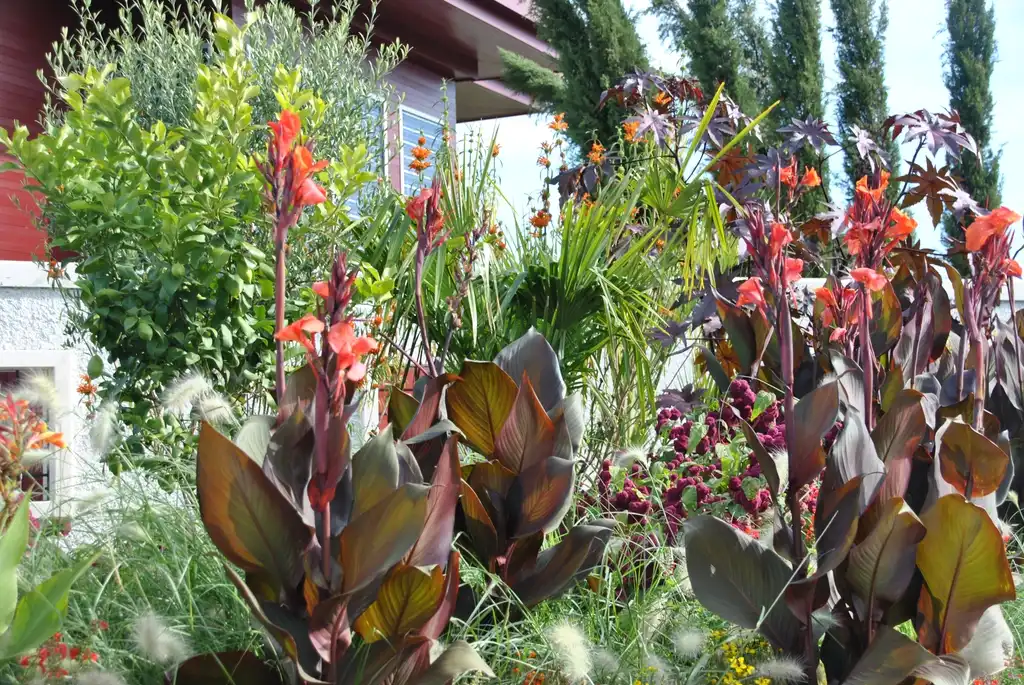
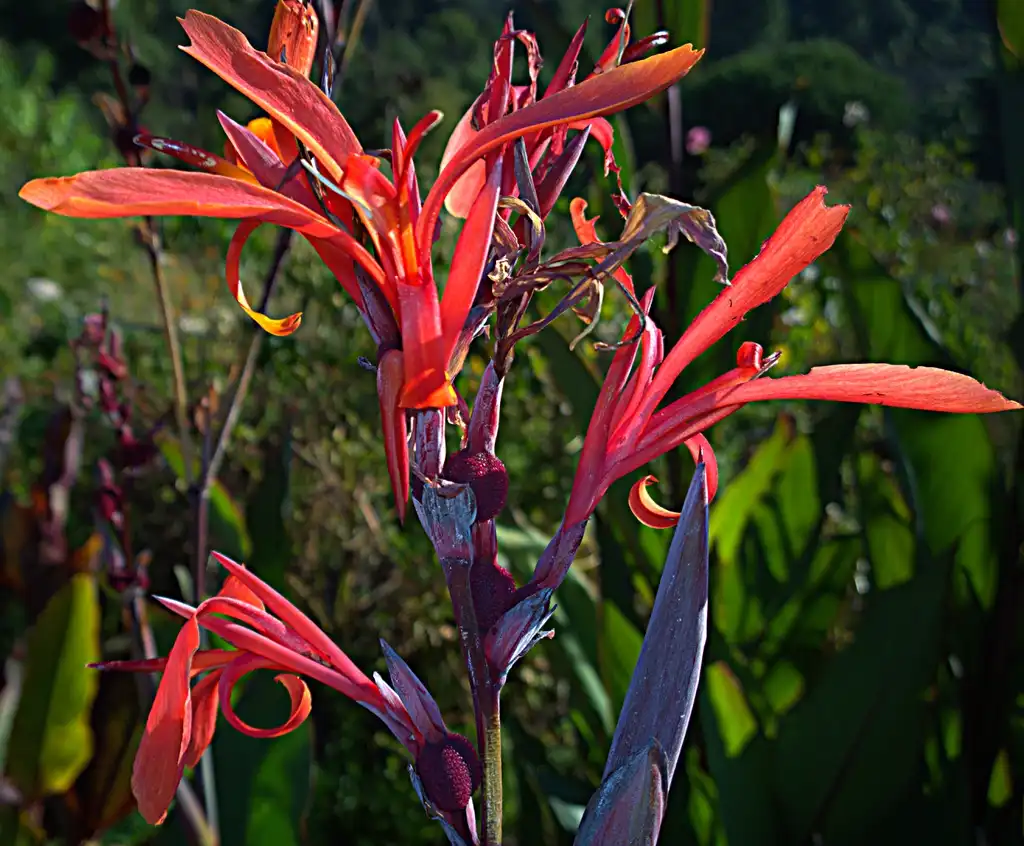
Cannas, commonly referred to as Arrowroot, are tall, tropical plants characterized by their lush foliage and striking flower spikes that resemble those of gladiolus. These flowers bloom atop upright stems, which are enveloped by large, paddle-shaped leaves. Despite the name Canna Lily, this plant is not a true lily. The Canna genus comprises approximately ten species, along with a variety of cultivars. Commercial nurseries typically offer Canna cultivars that range in height from 1.5 to 8 feet, showcasing a spectrum of flower colors including red, orange, pink, yellow, cream, and various bi-color combinations. The leaves can also exhibit a range of colors, from green and bronze to striped or variegated patterns, adding ornamental appeal even when the plants are not in bloom.
Growing Cannas can present some challenges. While they are tropical plants, many cultivars have been bred for temperate climates, making them relatively easy to cultivate in various regions, provided they receive 6 to 8 hours of sunlight daily during the summer and are relocated to a warmer environment in winter. They thrive in moist, nutrient-rich, well-drained soils under full sun exposure. However, caution is needed as rhizomes can rot in overly wet, poorly drained soils. In USDA zones 7 to 10, rhizomes can remain in the ground, but in zones 5b and 6a, it is advisable to dig them up in the fall and store them over winter. Exposure to temperatures below 25 degrees Fahrenheit can damage the plants. After the first frost, cut the plants back to the ground and lift the rhizome clumps for winter storage in a dry medium like peat or vermiculite, keeping them in a cool, dry place that stays above 40 degrees Fahrenheit. In spring, once the threat of frost has passed, replant the rhizomes 4 to 6 inches deep. After the flowers have faded in late summer, remove the flowering stems. If grown in containers, keep them in their pots during winter. Despite their seemingly finicky nature, Cannas can withstand drought and poor soil conditions, although they prefer rich, well-drained soil with ample moisture and full morning sun.
In terms of pests and diseases, Cannas are susceptible to issues such as aster yellows, bud rot, rust, and mosaic virus. They may also attract rabbits, Japanese beetles, caterpillars, slugs, and snails, which can damage the leaves.
**Quick Identification Tips:**
- Large, upright, succulent herb.
- Ideal for mass plantings, as background plants in beds, centerpieces in smaller gardens, container gardening, and adding color to highway beds managed by the Department of Transportation. In colder climates, rhizomes must be dug up and stored over winter; many cultivars are available, including dwarf varieties.
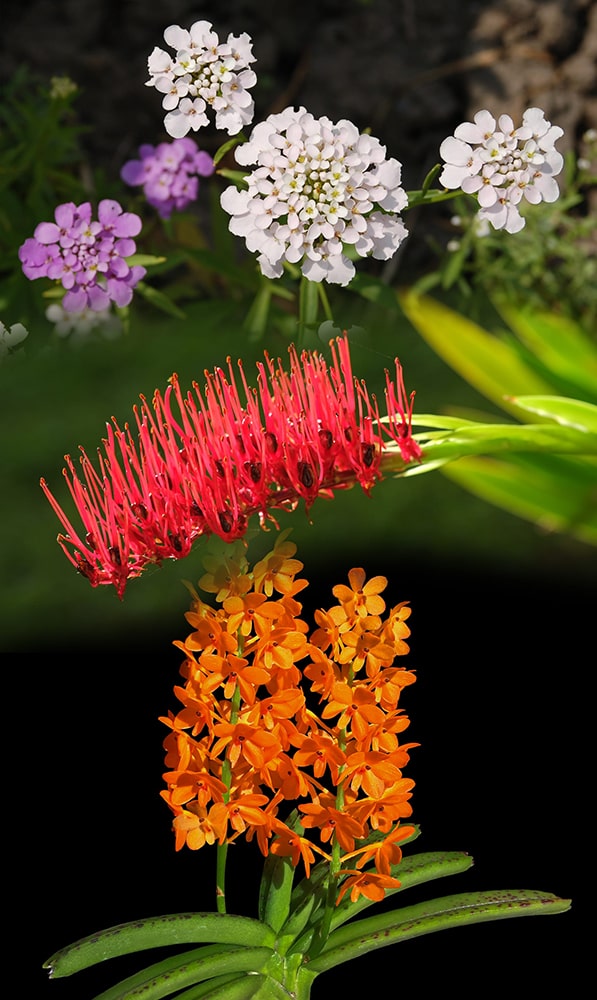
**GLADIOLUS GROUP**: Features broad, overlapping staminodes, resulting in fuller flowers; these selections are particularly popular.
**ORCHID GROUP**: Characterized by narrow, segregated staminodes, leading to smaller, more exotic-looking flowers.
Cannas prefer full sun and fertile, rich soils but are sensitive to severe frosts and face various pest and disease challenges.