Camellia sasanqua: Country Or Region Of Origin
Japan
Phonetic Spelling:ka-MEE-lee-ah sah-SAN-kwah
Genus:Camellia
Species:sasanqua
Family:Theaceae
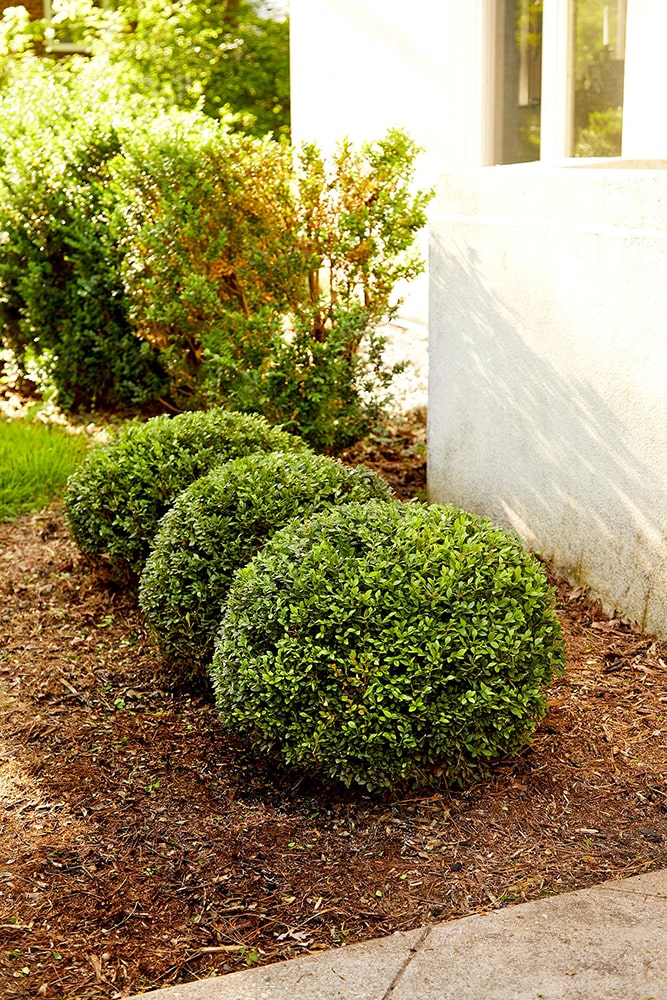
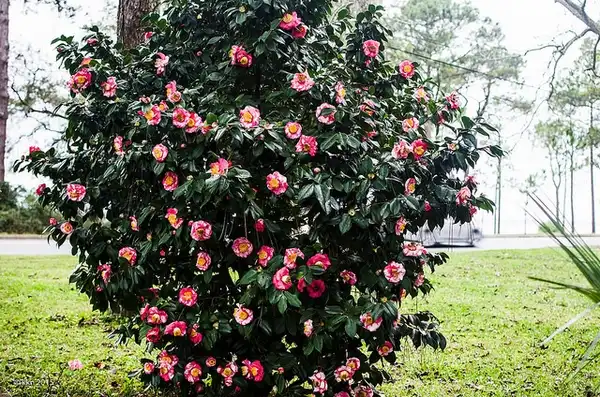
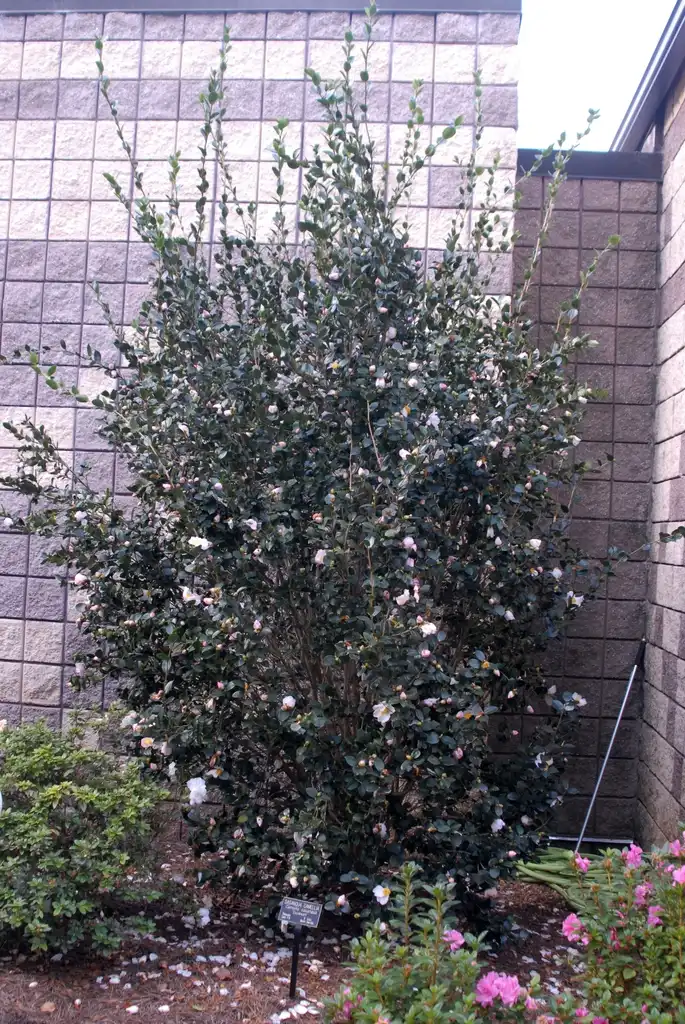
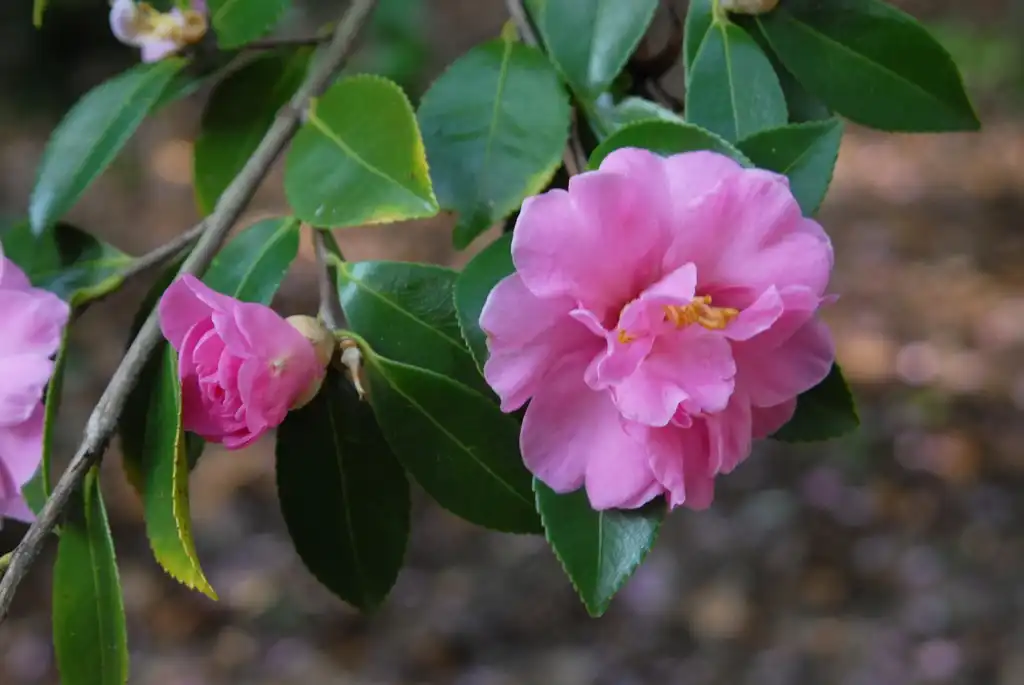
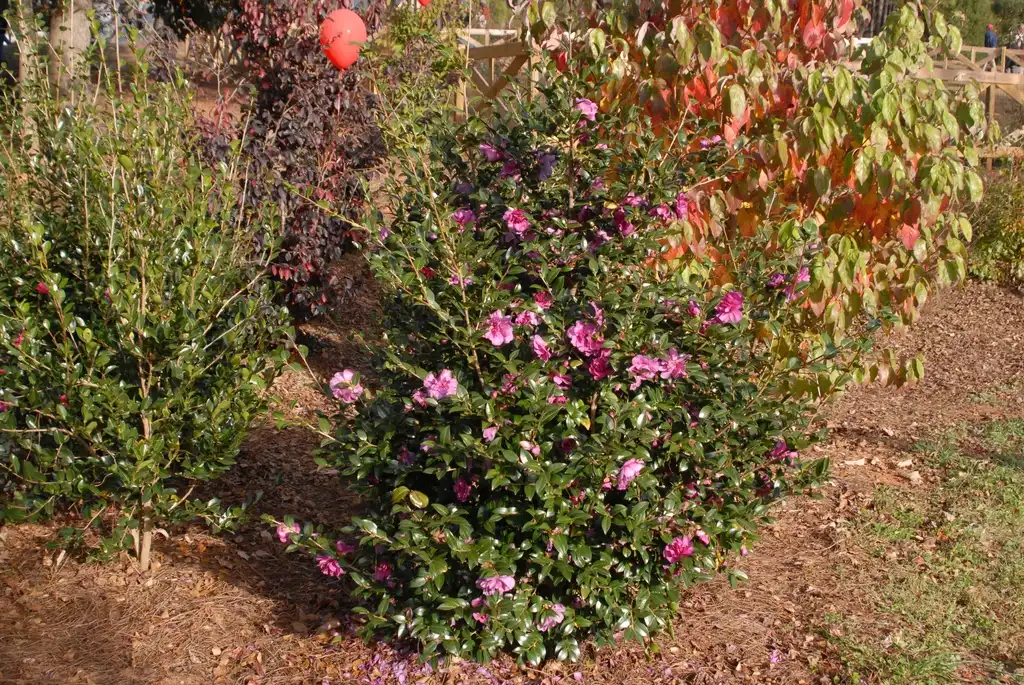
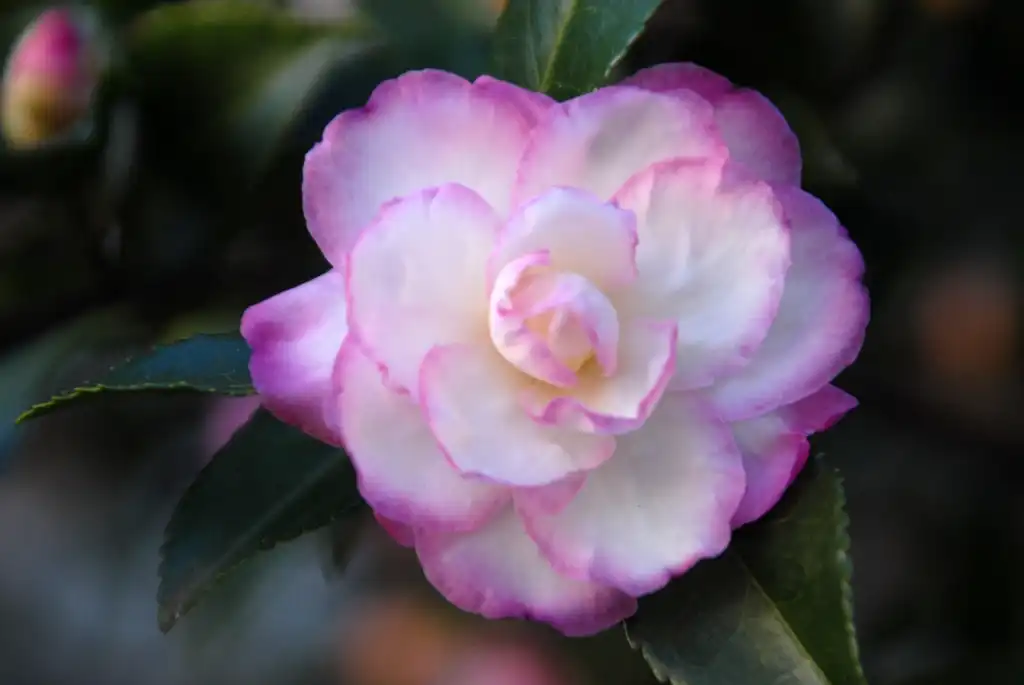
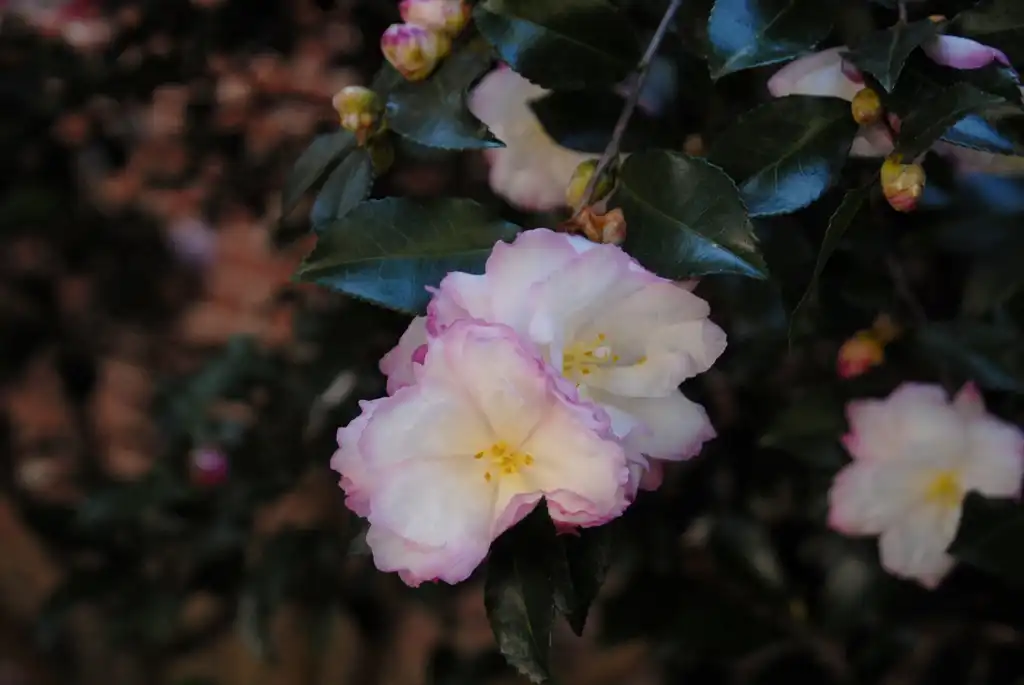
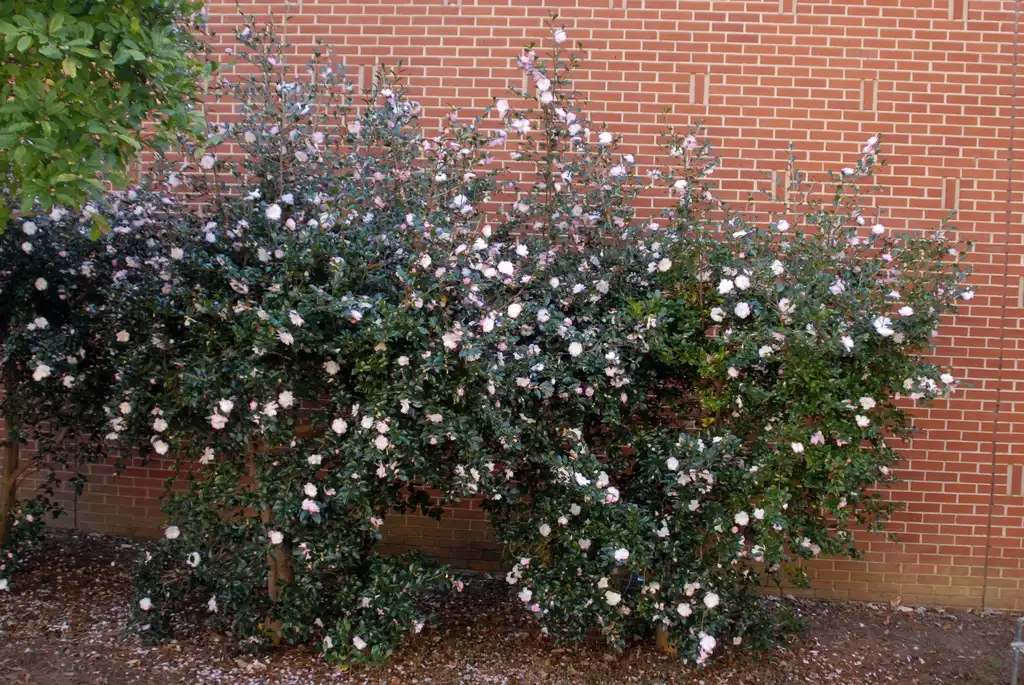
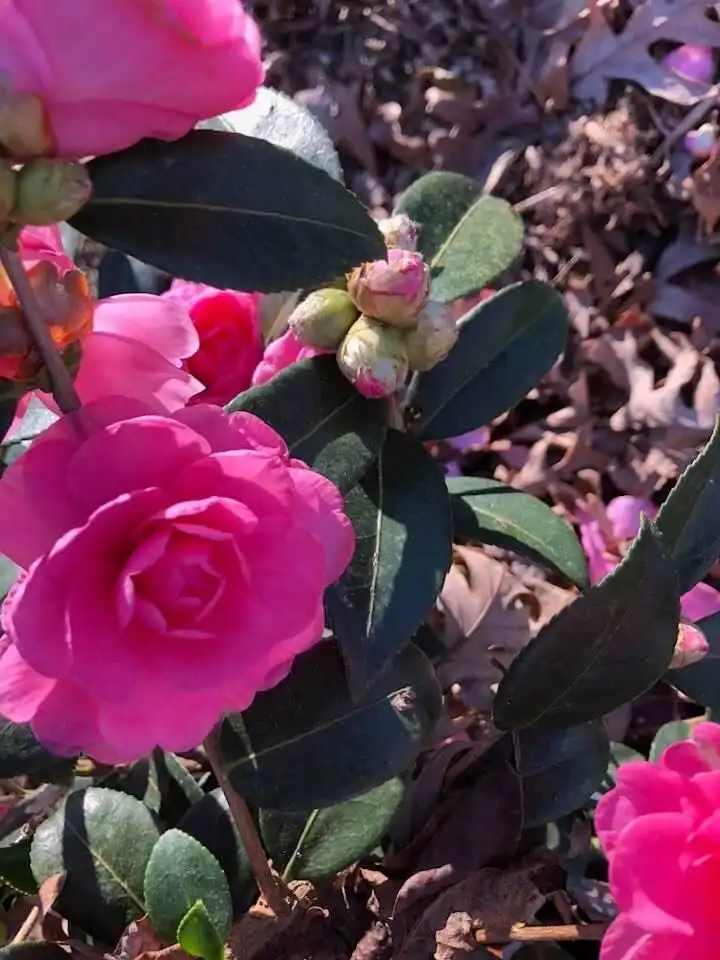
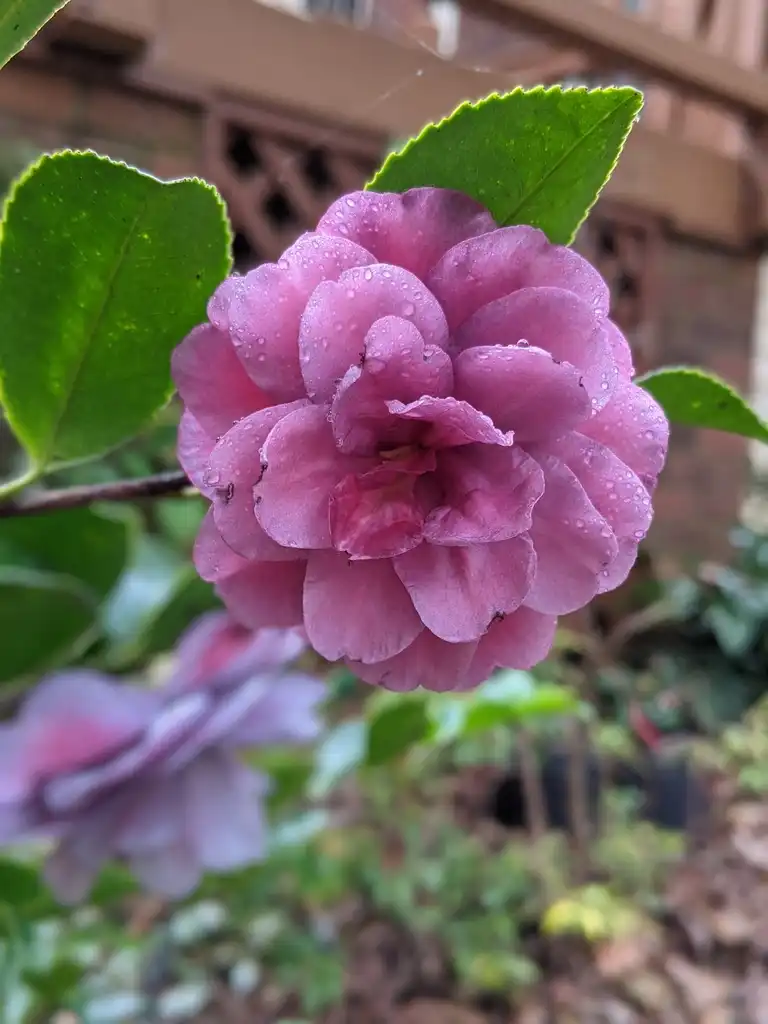
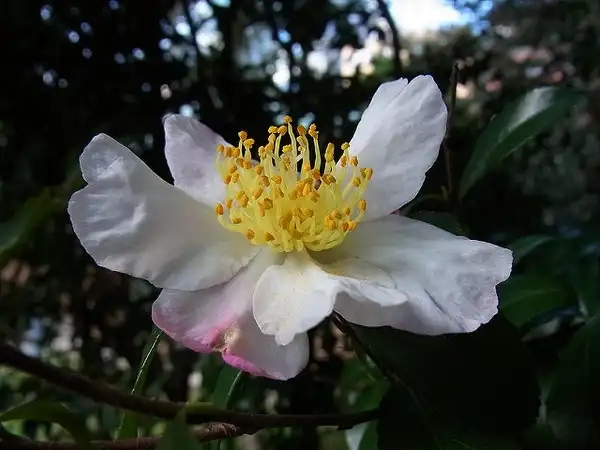
While Camellia japonica is undoubtedly stunning in the spring, it is merely one among a variety of trees and shrubs that bloom during this season. Sasanqua camellias, known for their drought resistance, bloom in the fall and feature a light, airy growth habit, making them ideal as accent plants, hedges, or tall foundation plantings. When pruned, they can take on a pleasing "small tree" appearance. A wide range of cultivars exists, including dwarf varieties. These plants thrive in containers, which can be brought indoors during winter in greenhouses or bright, cool sunrooms to shield them from frost. Applying mulch around the plants helps protect their roots and provides shelter from harsh afternoon sun, dry winds, and cold temperatures. Once established, they can tolerate full sun, provided their roots are shaded by foliage. Additionally, these plants exhibit slight salt tolerance.
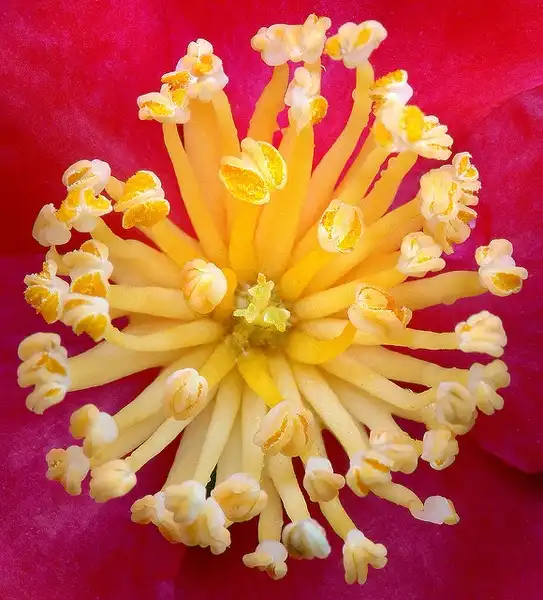
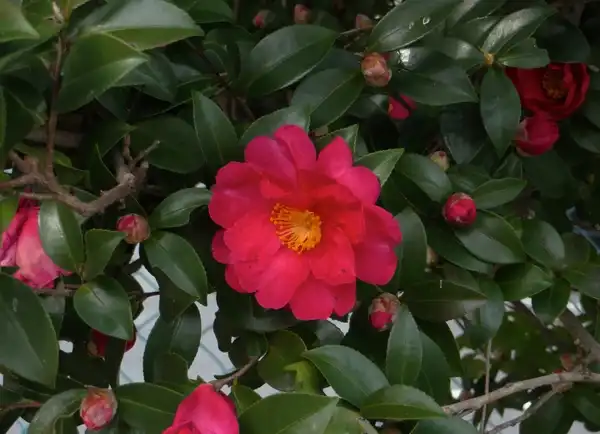
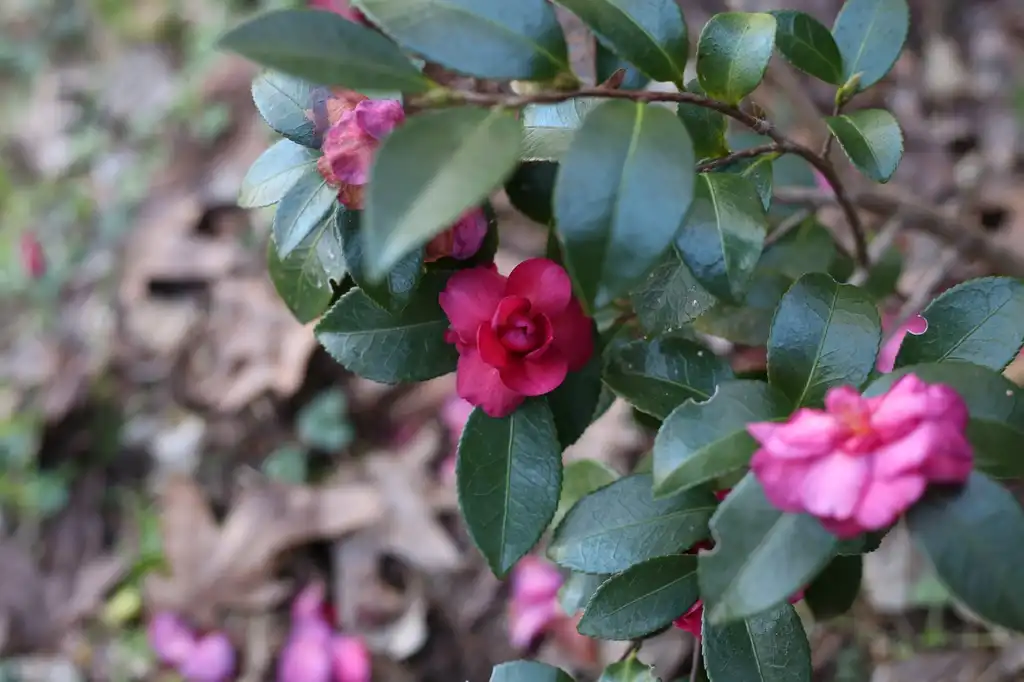
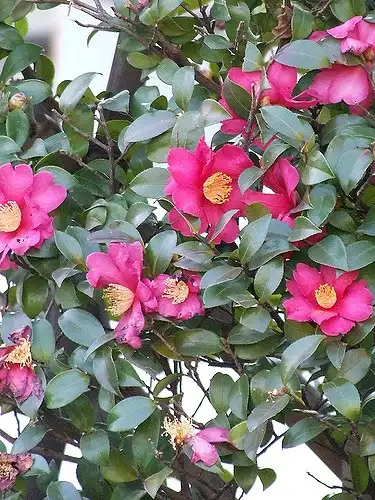
The true winter camellia champions are those that bloom during the colder months, bringing much-needed color to the garden. Among the brightest is Camellia sasanqua ‘Yuletide,’ which flowers in December with large, vibrant red single blooms accented by striking yellow stamens, creating a stunning focal point in the winter landscape. This variety is also the state flower of Alabama. Its glossy green leaves serve as an ideal backdrop for its impressive floral display. ‘Yuletide’ has a compact, upright growth habit with dense foliage, making it suitable for use as a loose hedge or a standout shrub. Like other sasanquas, it is drought-tolerant once established. Before planting, consider its potential height of 14 feet and its slow growth rate. It thrives in well-drained soil with a pH between 6.0 and 6.5 and requires protection from drying winter winds, although it can handle sunny conditions. As one of the most sought-after winter-flowering shrubs, ‘Yuletide’ is a fantastic addition to any southern garden, with the potential to live for 100 to 200 years in the wild.
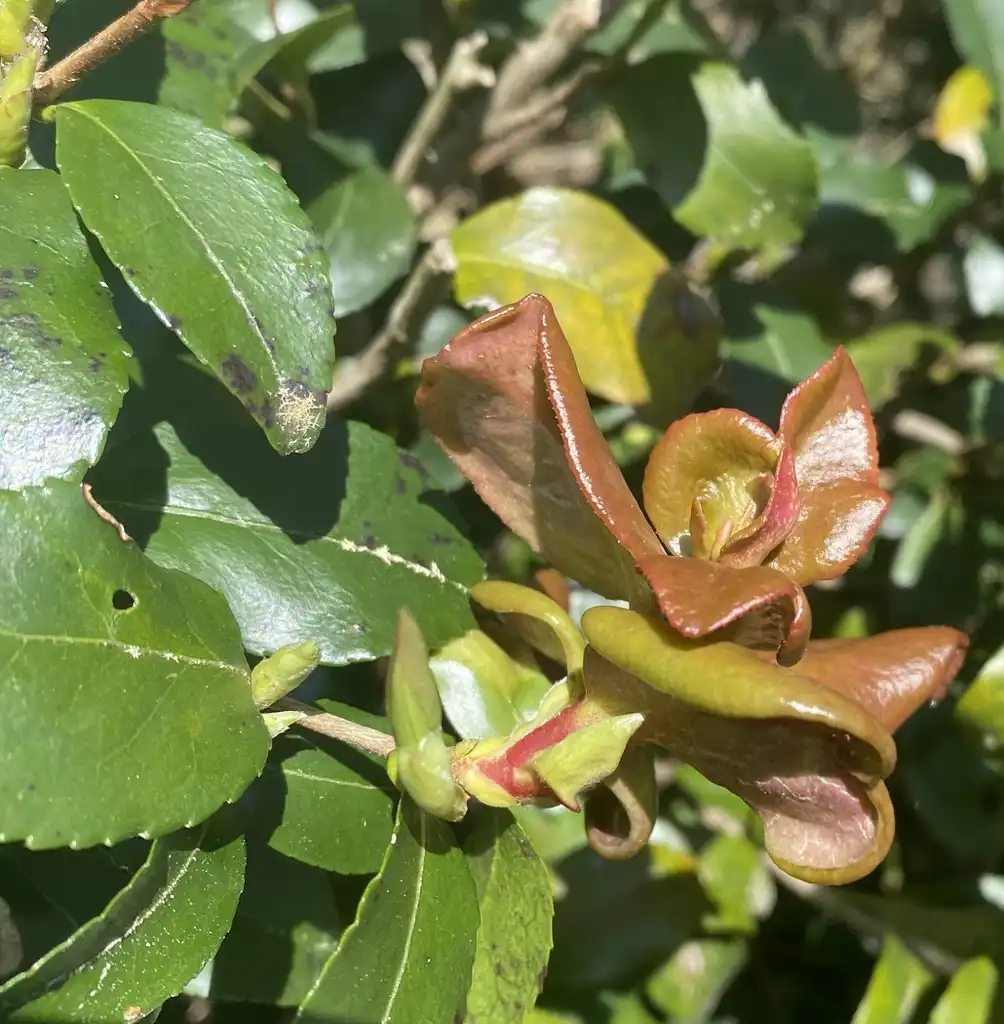
Another excellent option for winter color is Camellia x ‘Crimson Candles.’ This fast-growing hybrid is distinguished by its abundance of small, rose-red single flowers that bloom in February and March. The new foliage emerges in a striking bronze-red, and the plant is both vigorous and resistant to diseases. One of its standout features is its red sepals, which remain vibrant throughout winter as the buds develop, giving them the appearance of red candles long before they bloom—hence the name ‘Crimson Candles.’ This cultivar is well-suited for hedges, espalier, topiary, or bonsai and can endure nighttime temperatures in the 20s.
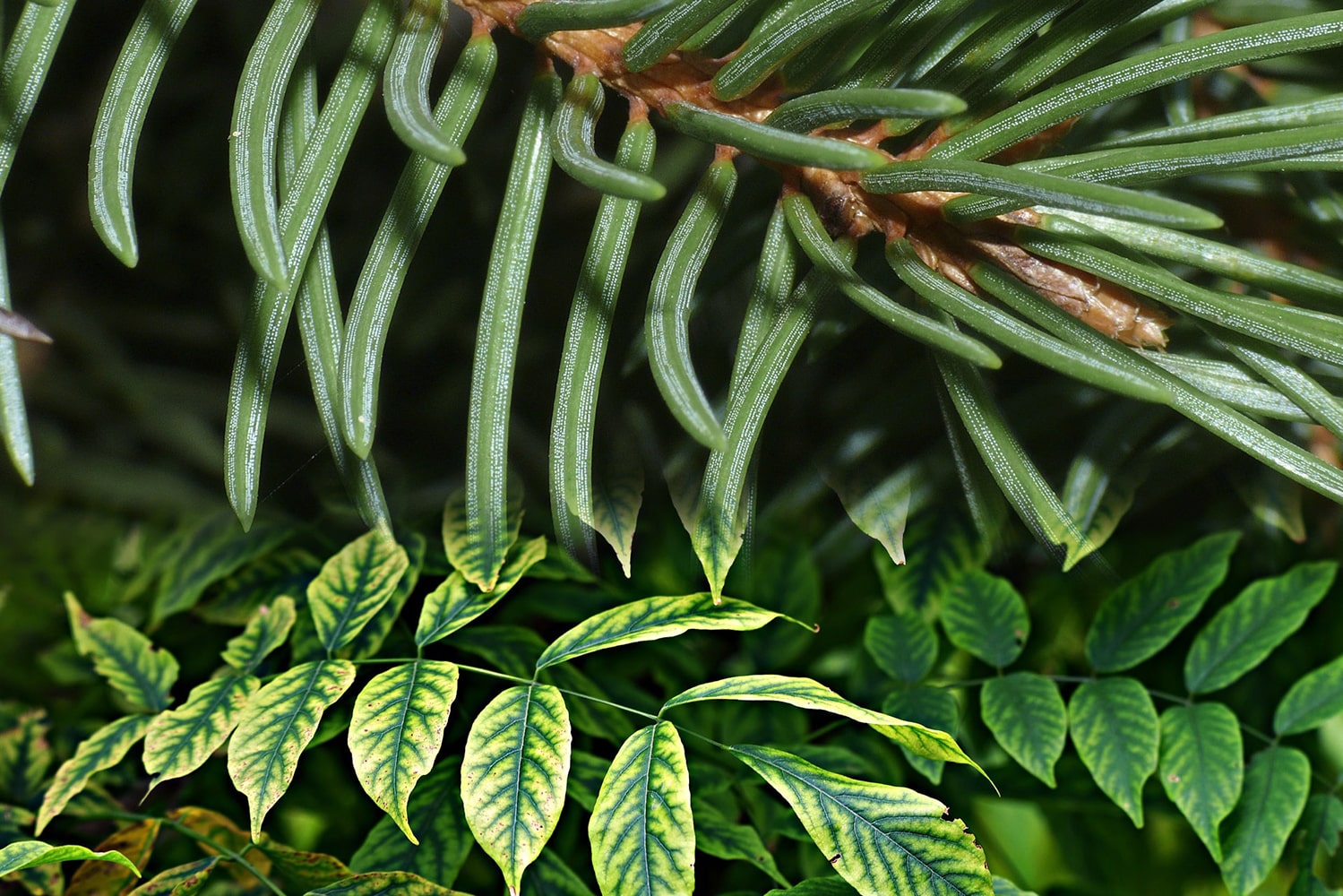
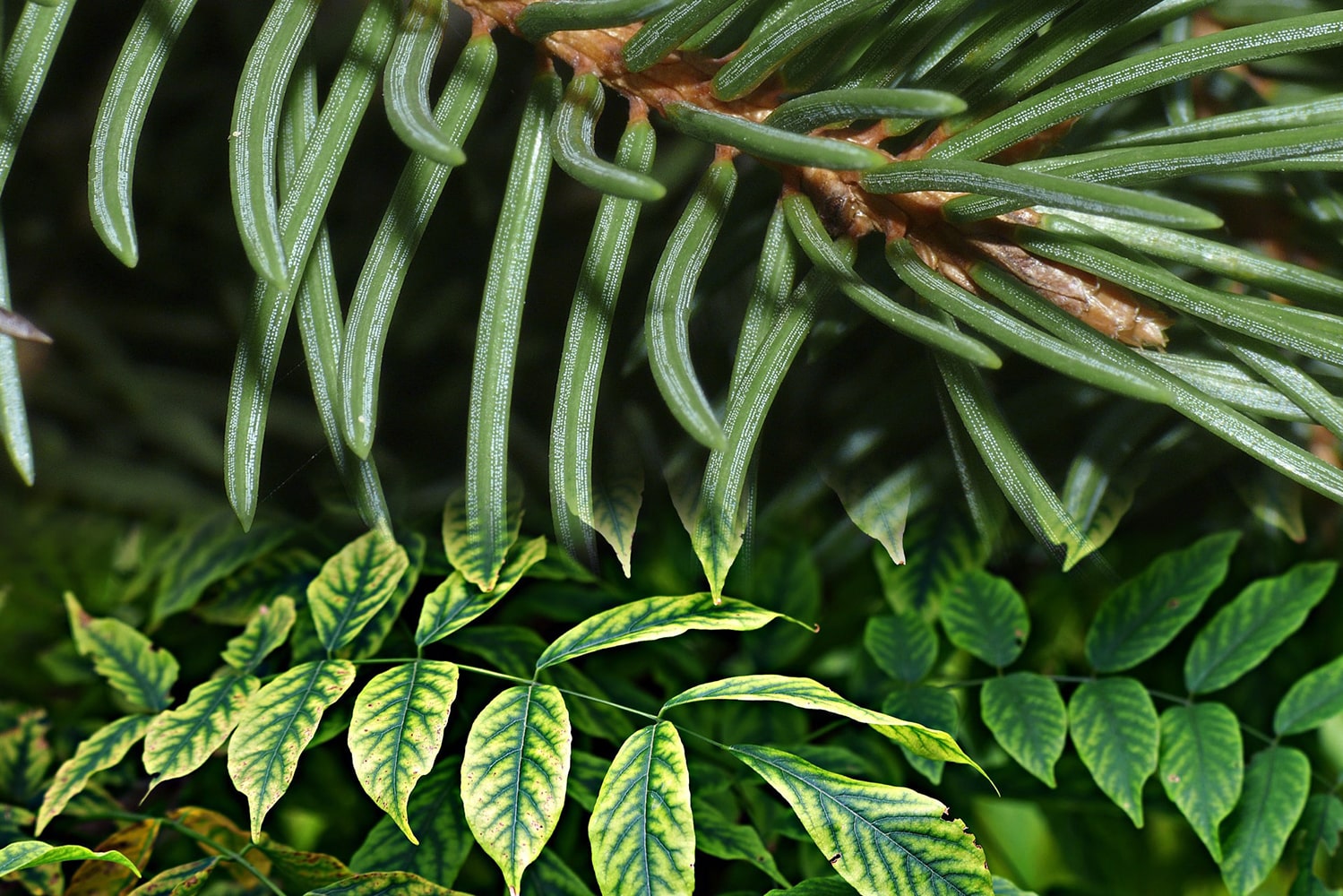
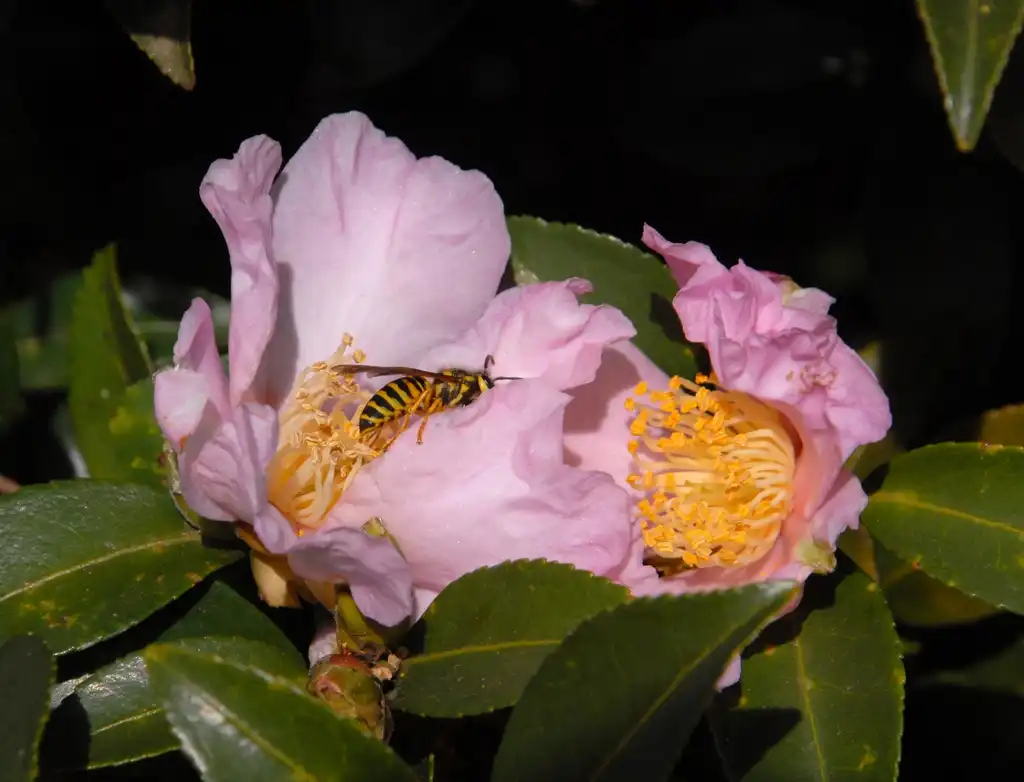
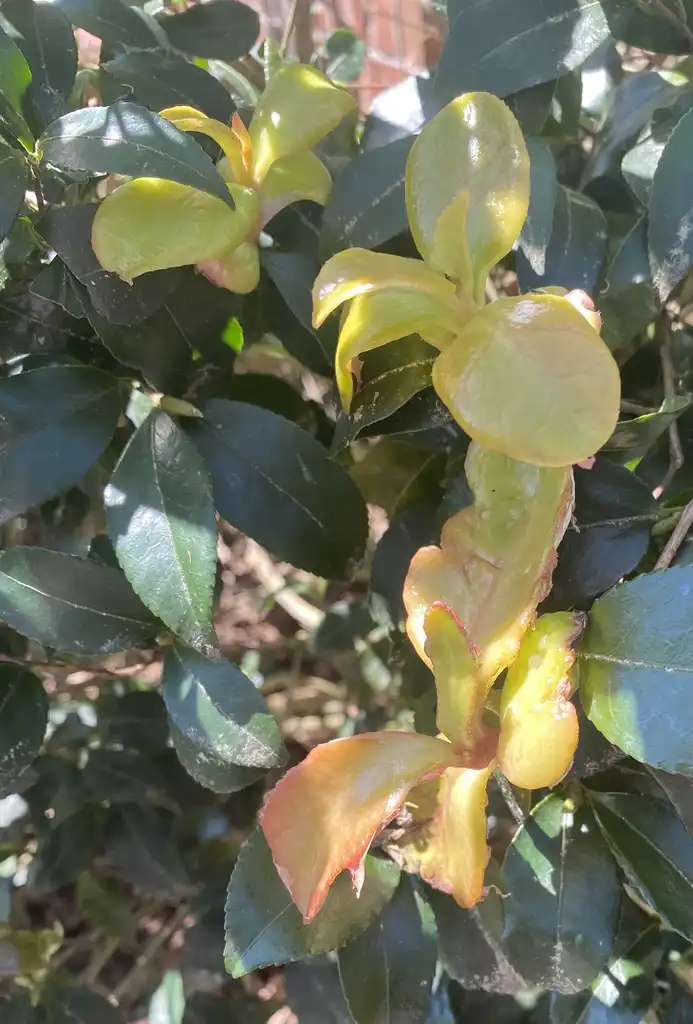
Insects, Diseases, and Other Plant Issues: Camellias are prone to various fungal diseases, including leaf spots, anthracnose, viruses, black mold, petal blight, canker, and root rot. In the event of petal blight, characterized by browning that spreads from the edges to the center, it is crucial to promptly remove all affected parts of the plant. They do not thrive in alkaline soils. Yellowing leaves with green veins may indicate chlorosis, which can be remedied by adding iron chelates to the soil. Scale insects can be particularly problematic, along with aphids, planthoppers, and spider mites, which may also pose challenges.
Quick Identification Tips:
Camellia sasanqua Feature Summary
Camellia sasanqua Image Gallery