
Camellia japonica: Country Or Region Of Origin
China , Korea, Central & Southern Jap
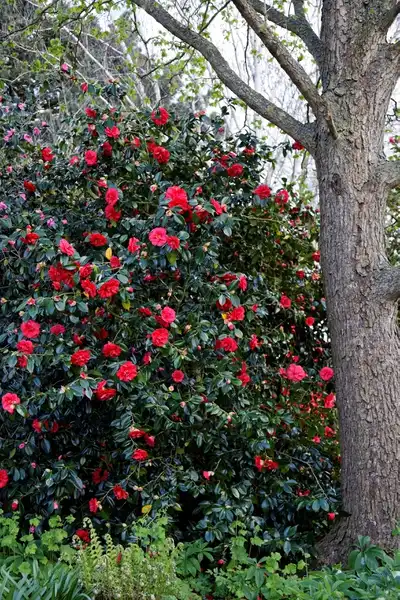
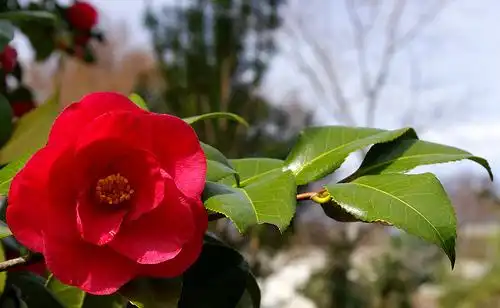
Phonetic Spelling:ka-MEE-lee-ah jah-PON-ih-kah
Genus:Camellia
Species:japonica
Family:Theaceae
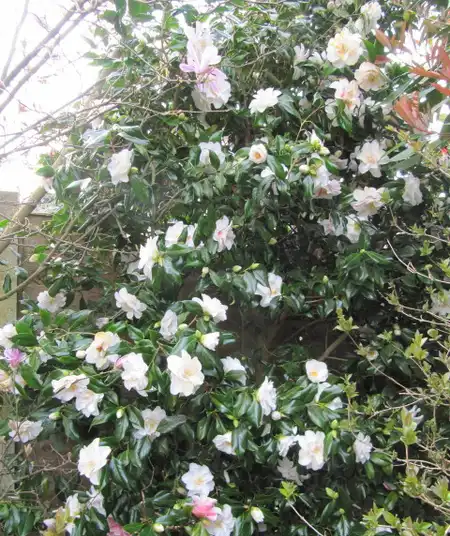
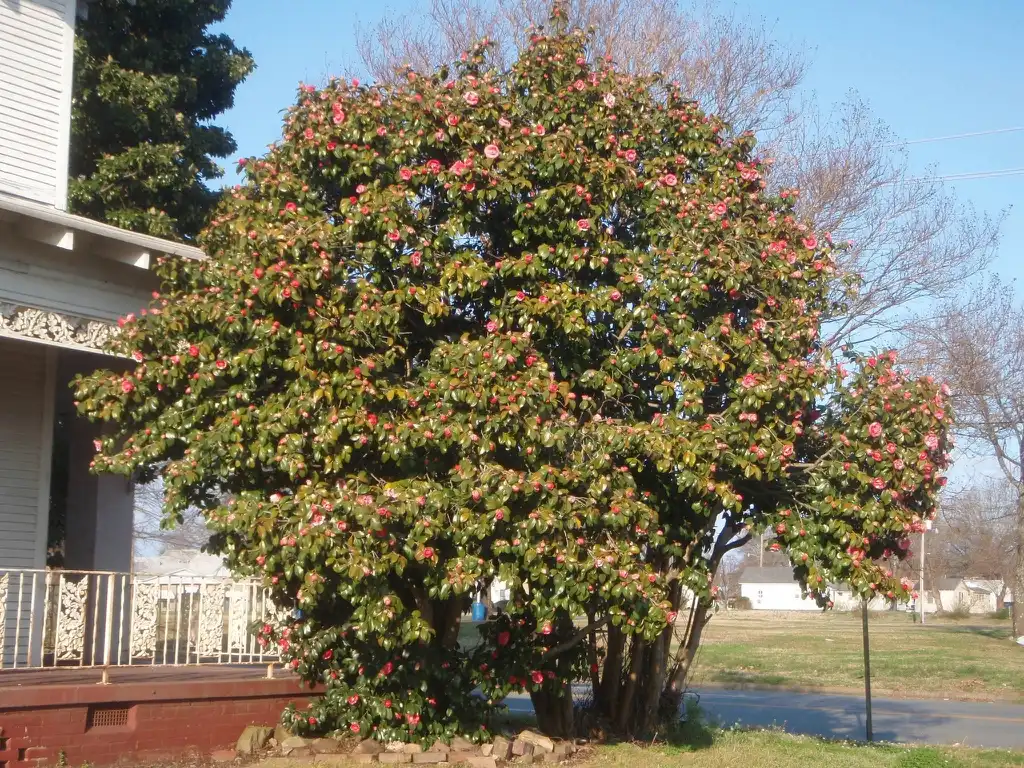
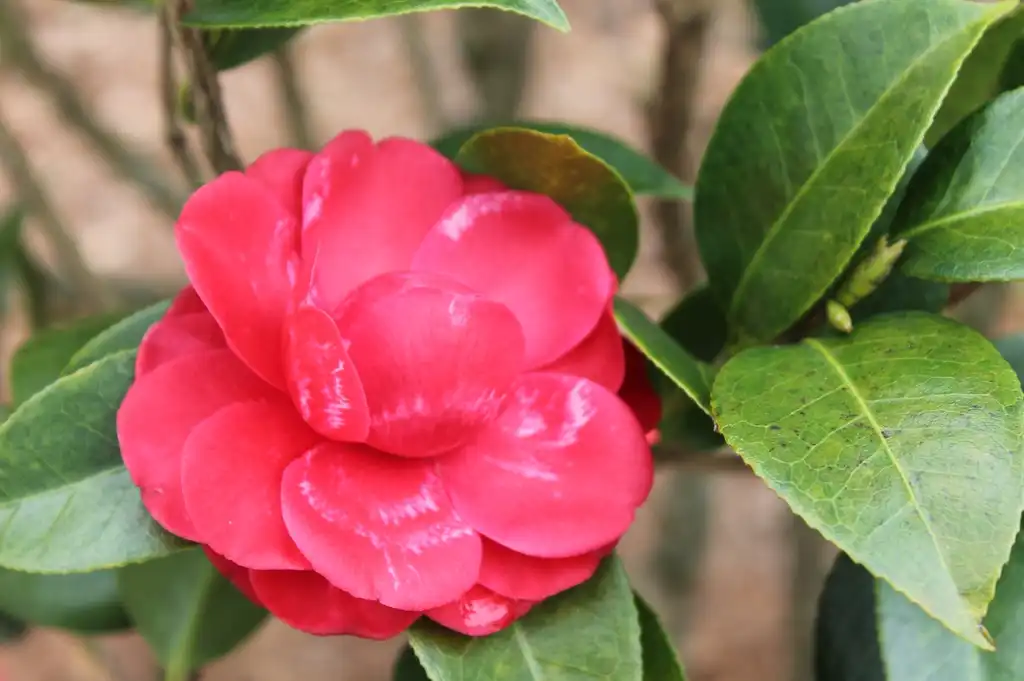
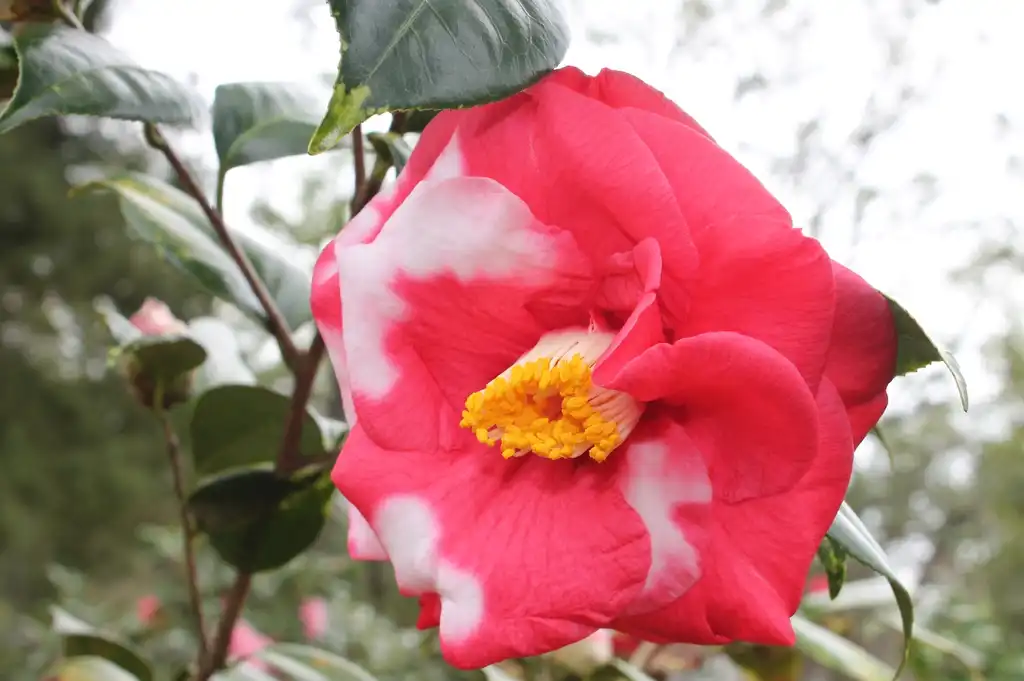
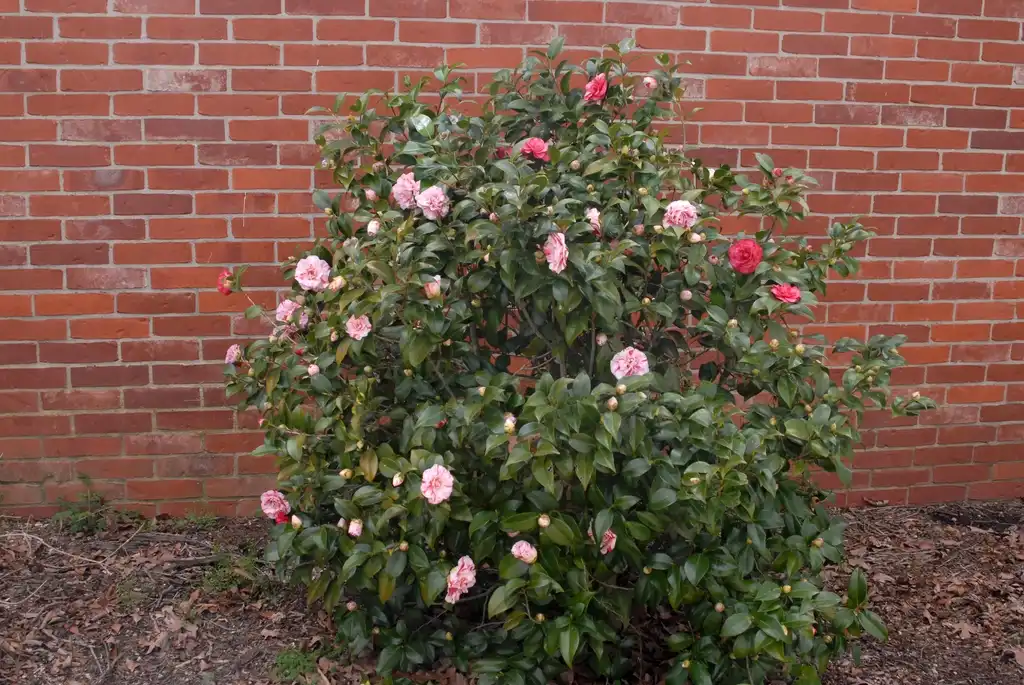
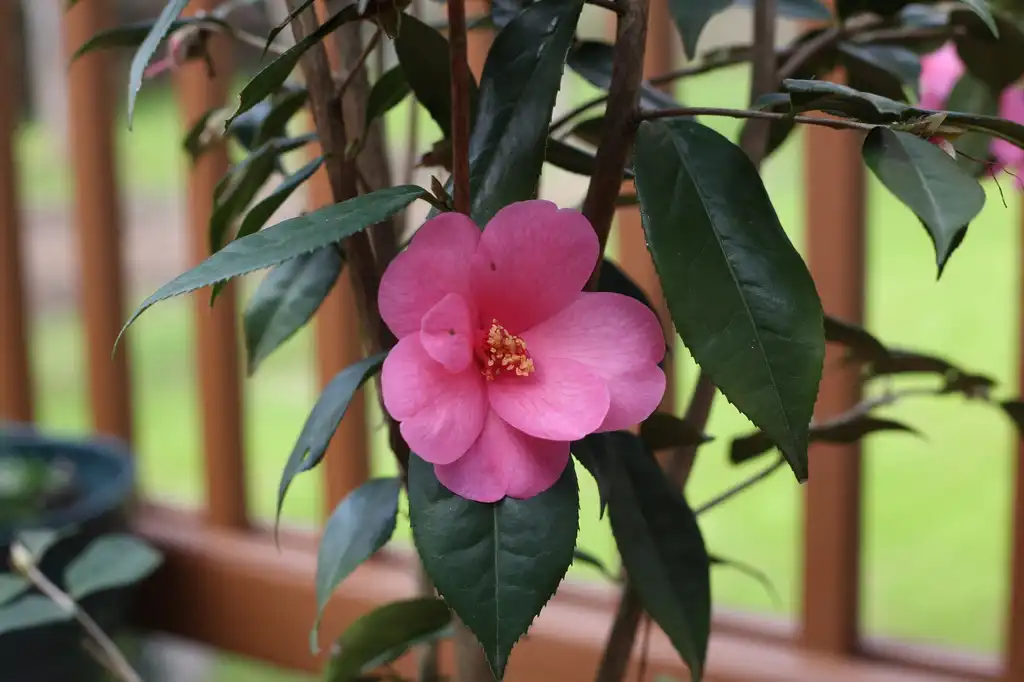
Camellias have long been cherished in southern gardens, blooming in early spring when few other plants are in flower, thus brightening what might otherwise be a dull landscape. Their blossoms come in a spectrum of colors, from white to various shades of pink and red, with sizes that can vary significantly, ranging from two to five inches in diameter. Depending on the specific variety, camellias can begin to flower as early as October and may continue until mid-March, with each bloom typically lasting three to four weeks.
These plants thrive best in shaded to partially shaded areas, where they are shielded from harsh winter winds. Camellias prefer well-drained soils rich in organic matter and slightly acidic, with a pH between 5.5 and 6.5. Although they grow and establish themselves slowly, they are known for their longevity, with some specimens in Japan reported to be over 500 years old. To facilitate their growth, it is advisable to dig a hole that is three to four times larger than the root ball, minimizing competition for water and nutrients from nearby trees and shrubs. After planting, applying a two to three-inch layer of mulch can help retain soil moisture around the plant.
Excessive sunlight, cold temperatures, or too much shade can hinder flowering. If leaves turn yellow, it may indicate insufficient soil acidity. While some dropping of flower buds is normal, it can also result from improper watering. Pruning should be limited to removing dead or damaged branches, unproductive growth, and excessively long shoots, as shearing can disrupt the camellia's natural form. It is best to prune right after flowering or in early summer to encourage branching; pruning later in the season may remove potential flower buds.
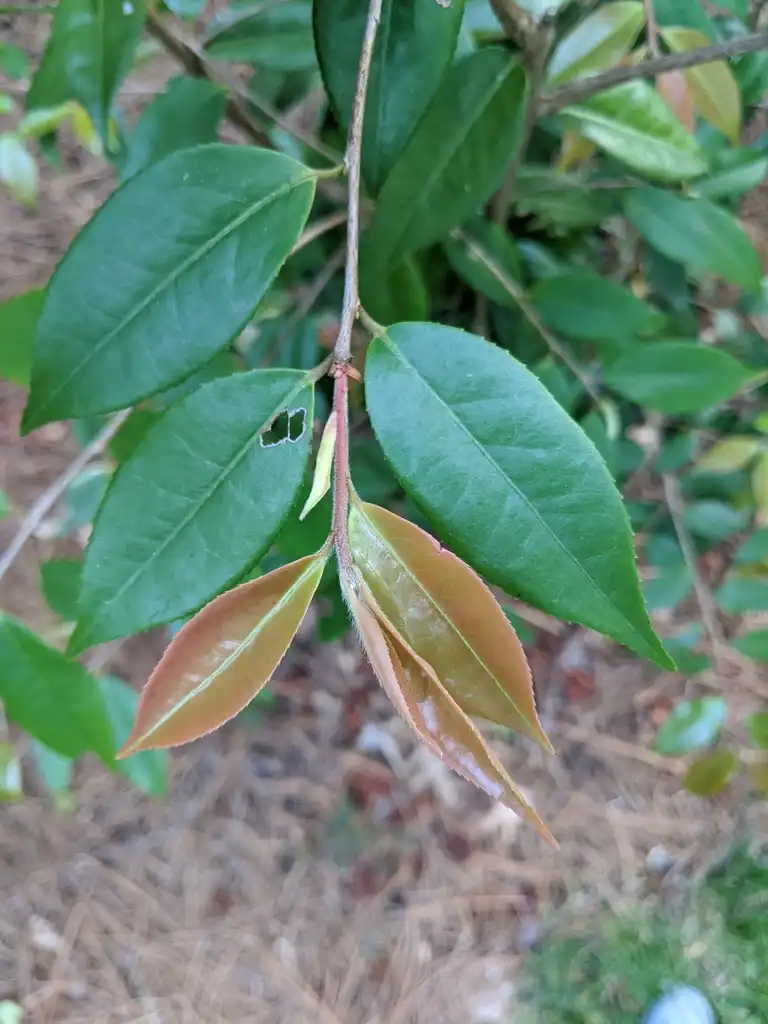
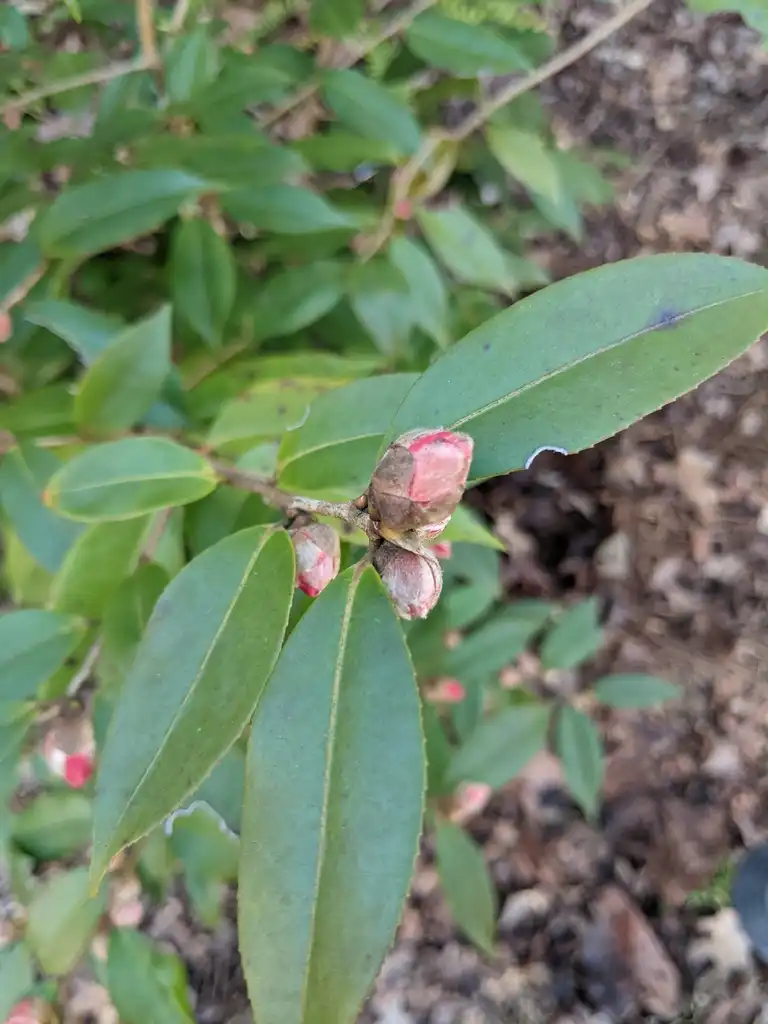
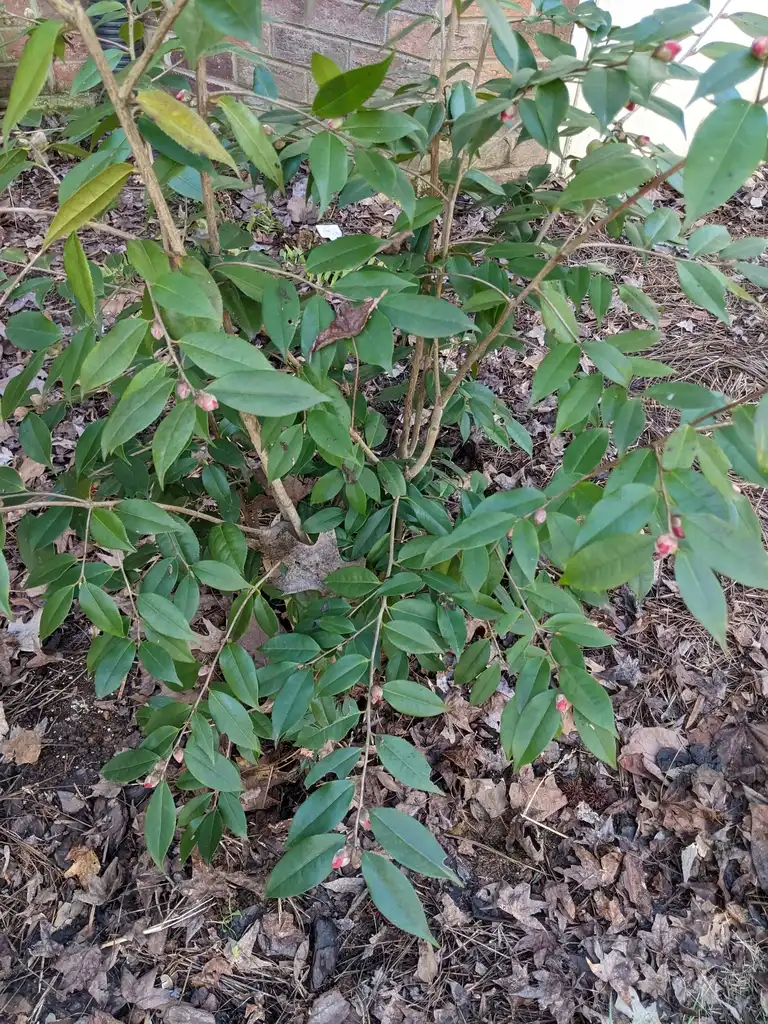
Quick Identification Tips:
Camellia japonica Feature Summary
Camellia japonica Image Gallery