Ilex glabra: Uses (Ethnobotany)
Dried and roasted inkberry leaves were first used by Native Americans to brew a black tea-like drink, hence the sometimes used common name of Appalachian tea for this shrub.
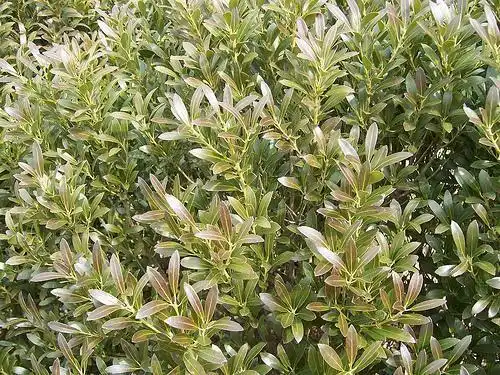
Phonetic Spelling:EYE-leks GLAY-bruh
Genus:Ilex
Species:glabra
Family:Aquifoliaceae
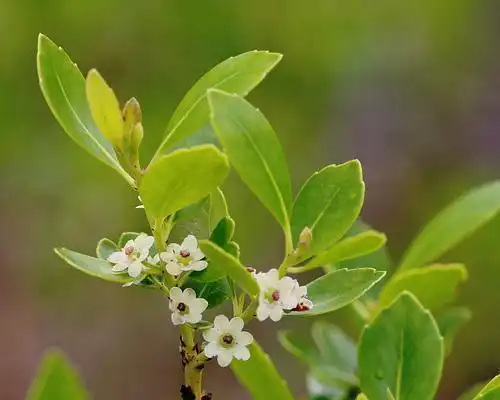
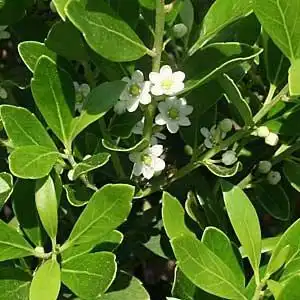
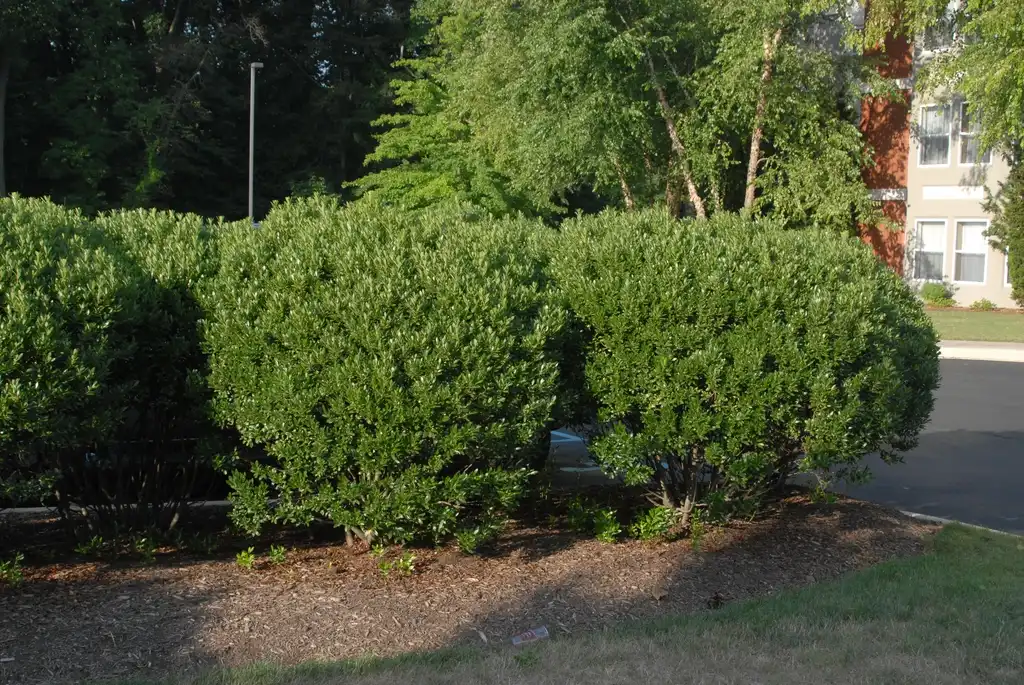
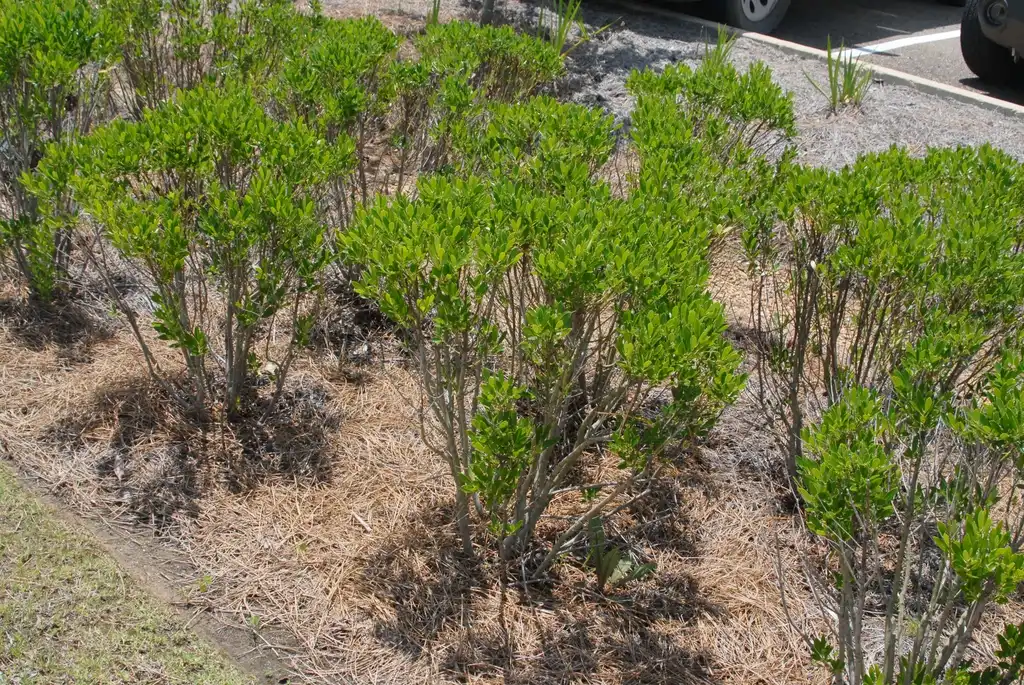
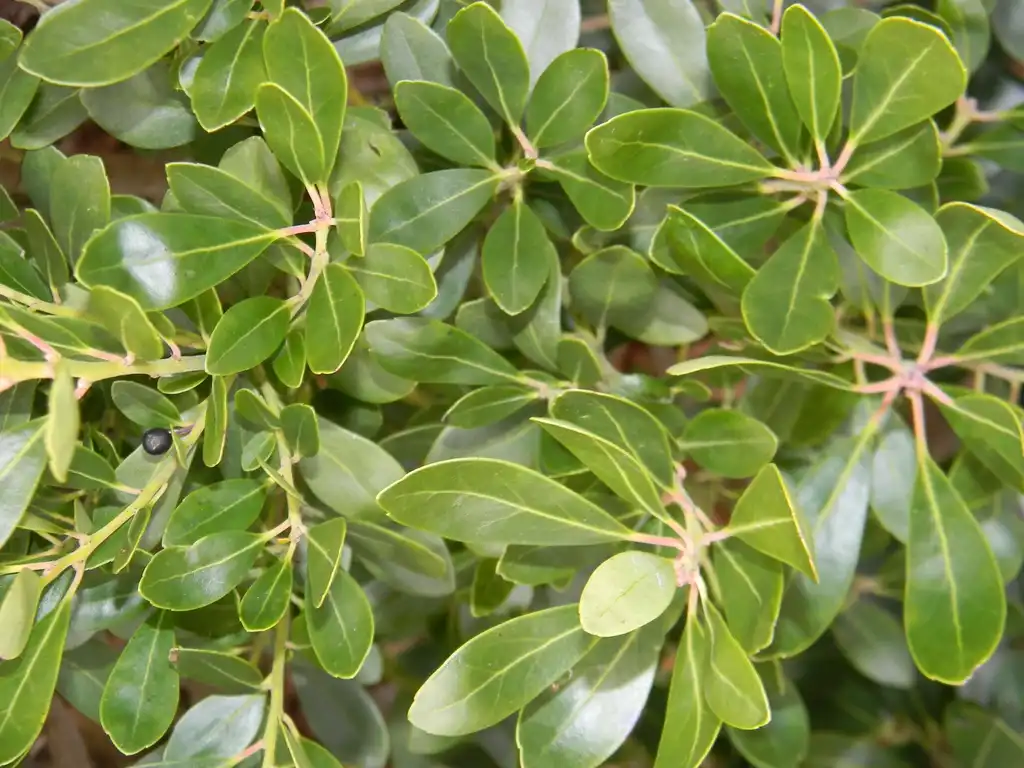
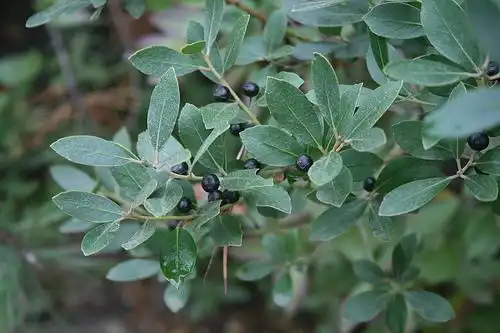
Ilex glabra, commonly known as inkberry or gallberry, is a slow-growing, upright, rounded shrub that belongs to the holly family. This broadleaf evergreen typically reaches heights of 5 to 10 feet and can propagate through root suckers, forming colonies. It is indigenous to the coastal plains stretching from Nova Scotia down to Florida and Louisiana, where it thrives in sandy woodlands and the edges of swamps and bogs. The plant exhibits moderate salt tolerance and can adapt to a range of soil types, both light and heavy.
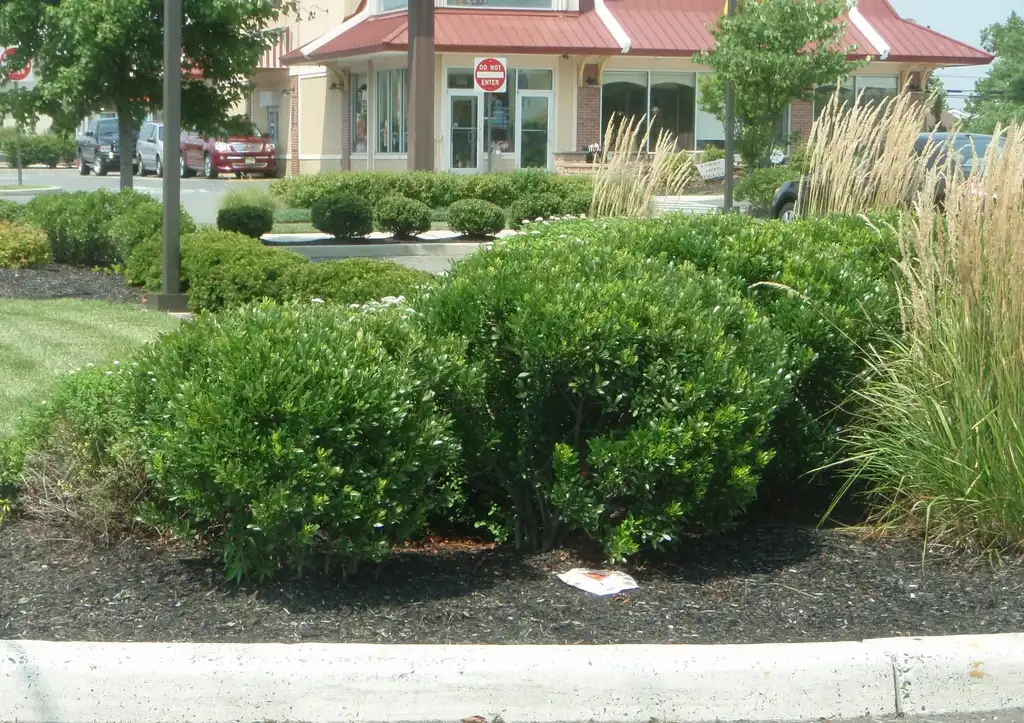
Inkberry is characterized by its upright, well-branched structure, which tends to become more open as it ages. Pruning is recommended in early spring, just before the onset of new growth, to maintain its shape. Generally, minimal pruning is required unless it is cultivated as a hedge, in which case it is best suited for informal hedging. If the spread of the plant is not desired, it is advisable to regularly remove root suckers.
Gallberry honey, a highly esteemed variety, is produced by bees that feed on the flowers of the inkberry. This honey is locally harvested in specific regions of the Southeastern United States, where beekeepers introduce their bees from late April to early June to align with the flowering period of the inkberry. While white-tailed deer may nibble on its leaves and twigs, the plant shows a degree of resistance to deer damage and is also resistant to rabbits.
This species is dioecious, meaning that a male pollinator is necessary for the female plants to produce fruit.
In terms of habitat, inkberry thrives in savannas, pine flatwoods, the margins of pocosins, and swamps, primarily in wetland areas but can also extend into upland regions like sandhills, provided there is a clay layer or spodic horizon beneath to retain moisture.
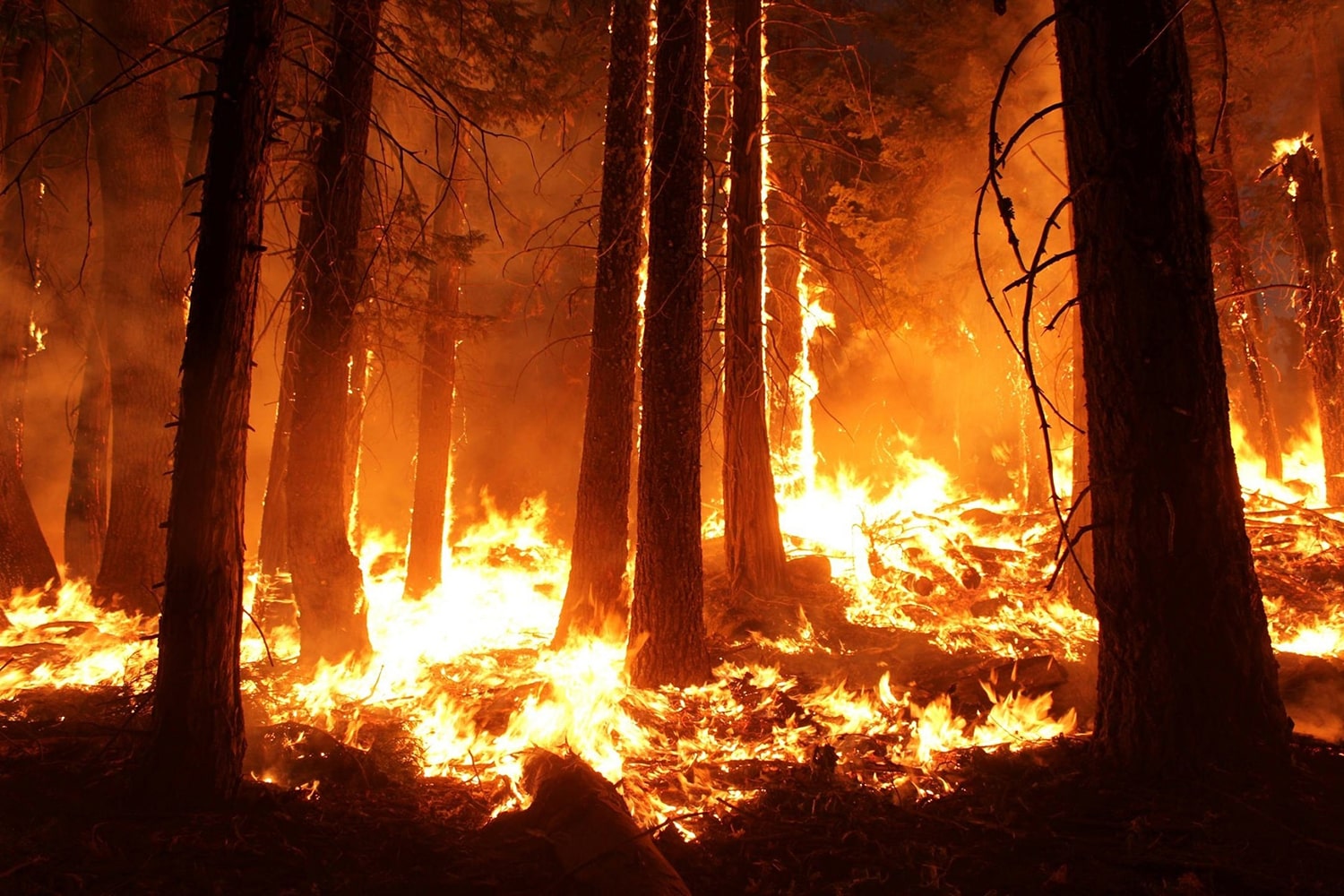
Regarding fire safety, inkberry has a high flammability rating and should not be planted within the defensible space around your home. It is advisable to choose plants with lower flammability ratings for areas closest to your residence.
Insects and diseases can pose challenges for this plant; leaf spot is a sporadic issue, and spider mites may emerge, particularly in dry conditions. Additionally, inkberry is prone to chlorosis, which is the yellowing of leaves, in soils with high pH (alkaline) levels.