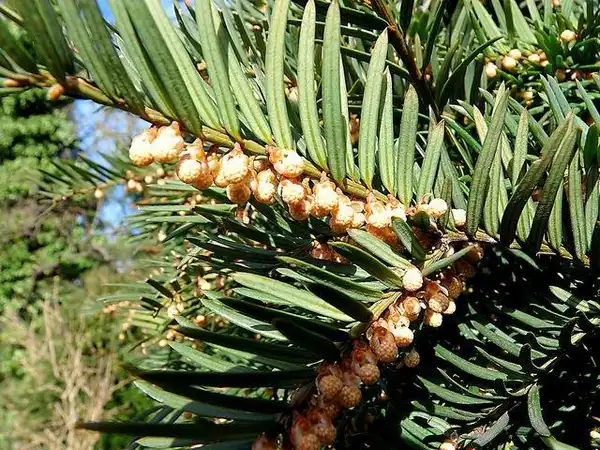
• Photo of Taxus (Taxuss)

Plant Profile: Taxus

Taxonomy: Taxus

Names

Anglo-Japanese Yew, English Yew, Japanese Yew, Pacific Yew, Western Yew, Yew

  • Photo of Taxus (Taxuss)

Phonetic Spelling:TAKS-us

Genus:Taxus

Species:

Family:Taxaceae

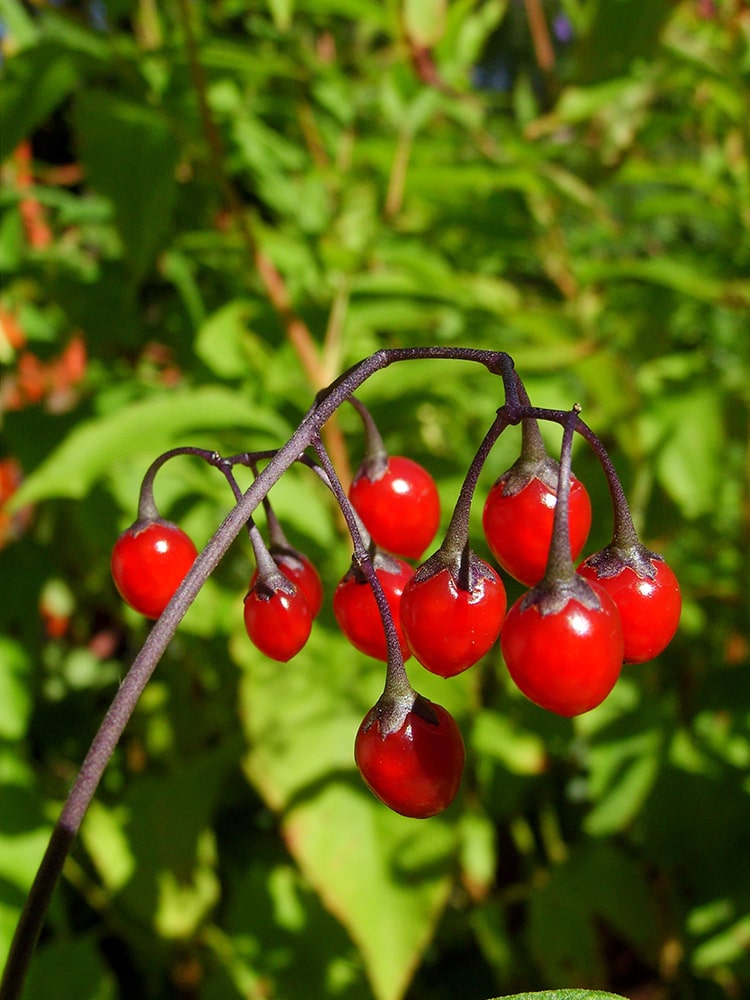
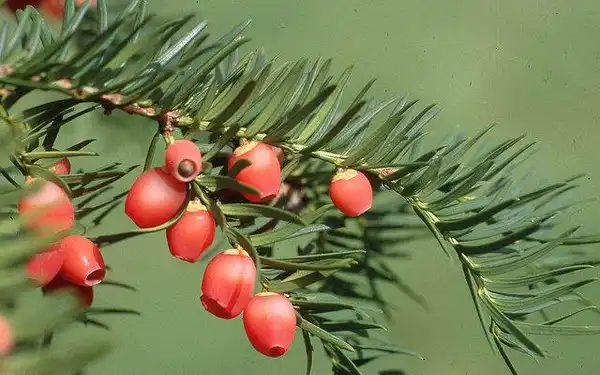
This is an evergreen shrub featuring alternate, simple, and linear leaves. Its seeds are found in the axils and are accompanied by a red, fleshy aril that nearly envelops the green seed. Female varieties are particularly sought after for their striking red "berries" (arils), which provide a beautiful contrast against the lush green leaves and serve as a food source for birds during the winter months. To ensure fertilization and the production of arils, it is essential to plant a male nearby. The shrub can endure significant pruning and is commonly used as a foundation plant, in hedges, as topiaries, for screens, and as undergrowth shrubs.

Please note that this plant possesses toxic properties; further details are provided below.

Quick Identification

Taxus Feature Summary

Taxus Image Gallery

Tags

#poisonous
#tsc
#cpp
#poisonous berries
#fantz
#tsc-cg
#problem for cats
#problem for dogs
#problem for horses

Similar Plants

Taxus is often confused with:

Taxus Feature Summary

Leaves
Leaves are alternate & spirally arranged, linear, and subcoriaceous. They are dark green, glossy, abruptly acute & pointed, paler green below with 2 yellowish-green bands.

Poisonous to Humans
Nervousness, trembling, slow pulse, pupil dilation, seizures (dogs), difficult breathing, abdominal pain, vomiting, diarrhea, weakness, convulsions; may be fatal. Early signs: muscular tremors, dyspnea, seizures in dogs.
Seeds
Leaves
Bark
Fruits
Whole Plant Traits
Shrub
Poisonous
Cultural Conditions
Good Drainage
Moist
Fruit
Landscape
Foundation Planting
Screen/Privacy
Poisonous to Humans
Problem for Cats
Problem for Dogs
Problem for Horses

Taxus Leaves

Taxus: Leaf Description

Leaves are alternate & spirally arranged, linear, and subcoriaceous. They are dark green, glossy, abruptly acute & pointed, paler green below with 2 yellowish-green bands.

Taxus: Leaf Color

spa
Green

Taxus: Leaf Arrangement

Alternate
Opposite
Other/more complex
Rosulate
Whorled

Taxus: Hairs Present

No
Yes

Taxus: Leaf Feel

Fleshy
Glossy
Leathery
Papery
Prickly
Rough
Rubbery
Slippery
Smooth
Soft
Velvety
Waxy

Taxus Poisonous to Humans

Taxus: Poison Symptoms

Nervousness, trembling, slow pulse, pupil dilation, seizures (dogs), difficult breathing, abdominal pain, vomiting, diarrhea, weakness, convulsions; may be fatal. Early signs: muscular tremors, dyspnea, seizures in dogs.

Taxus: Poison Toxic Principle

Alkaloid taxine

Taxus: Poison Severity

High
Low
Medium

Taxus: Causes Contact Dermatitis

No
Yes

Taxus: Poison Part

Bark
Flowers
Fruits
Leaves
Roots
Sap/Juice
Seeds
Stems

Taxus Whole Plant Traits

Taxus: Plant Type

Annual
Bulb
Carnivorous
Edible
Epiphyte
Fern
Ground Cover
Herb
Herbaceous Perennial
Houseplant
Mushroom
Native Plant
Ornamental Grasses and Sedges
Perennial
Poisonous
Rose
Shrub
Succulent
Tree
Turfgrass
Vegetable
Vine
Water Plant
Weed
Wildflower

Taxus Cultural Conditions

Taxus: Soil Drainage

Frequent Standing Water
Good Drainage
Moist
Occasional Flooding
Occasionally Dry
Occasionally Wet
Very Dry

Taxus Fruit

Taxus: Fruit Type

Achene
Aggregate
Berry
Capsule
Caryopsis
Drupe
Follicle
Legume
Nut
Pome
Samara
Schizocarp
Siliqua

Taxus Stem

Taxus: Stem Is Aromatic

No
Yes

Taxus Landscape

Taxus: Design Feature

Accent
Barrier
Border
Flowering Tree
Foundation Planting
Hedge
Mass Planting
Screen/Privacy
Security
Shade Tree
Small groups
Small Tree
Specimen
Street Tree
Understory Tree

Taxus: Problems

Allelopathic
Contact Dermatitis
Frequent Disease Problems
Frequent Insect Problems
Invasive Species
Malodorous
Messy
Poisonous to Humans
Problem for Cats
Problem for Children
Problem for Dogs
Problem for Horses
Short-lived
Spines/Thorns
Weak Wood
Weedy