Tsuga caroliniana: Uses (Ethnobotany)
This tree was used for medicinal purposes as well as basketry and building material by Cherokee people.
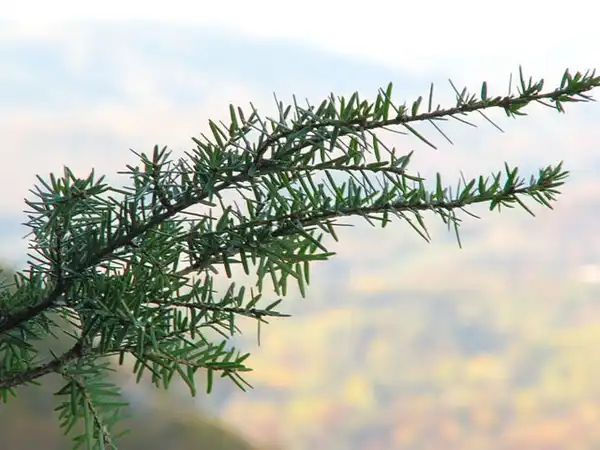
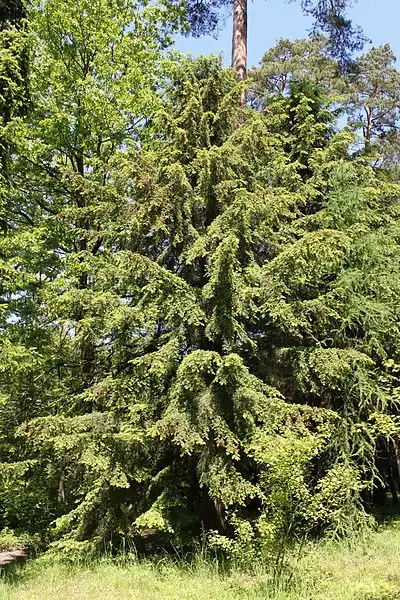
Phonetic Spelling:SOO-guh kair-oh-lin-ee-AN-uh
Genus:Tsuga
Species:caroliniana
Family:Pinaceae
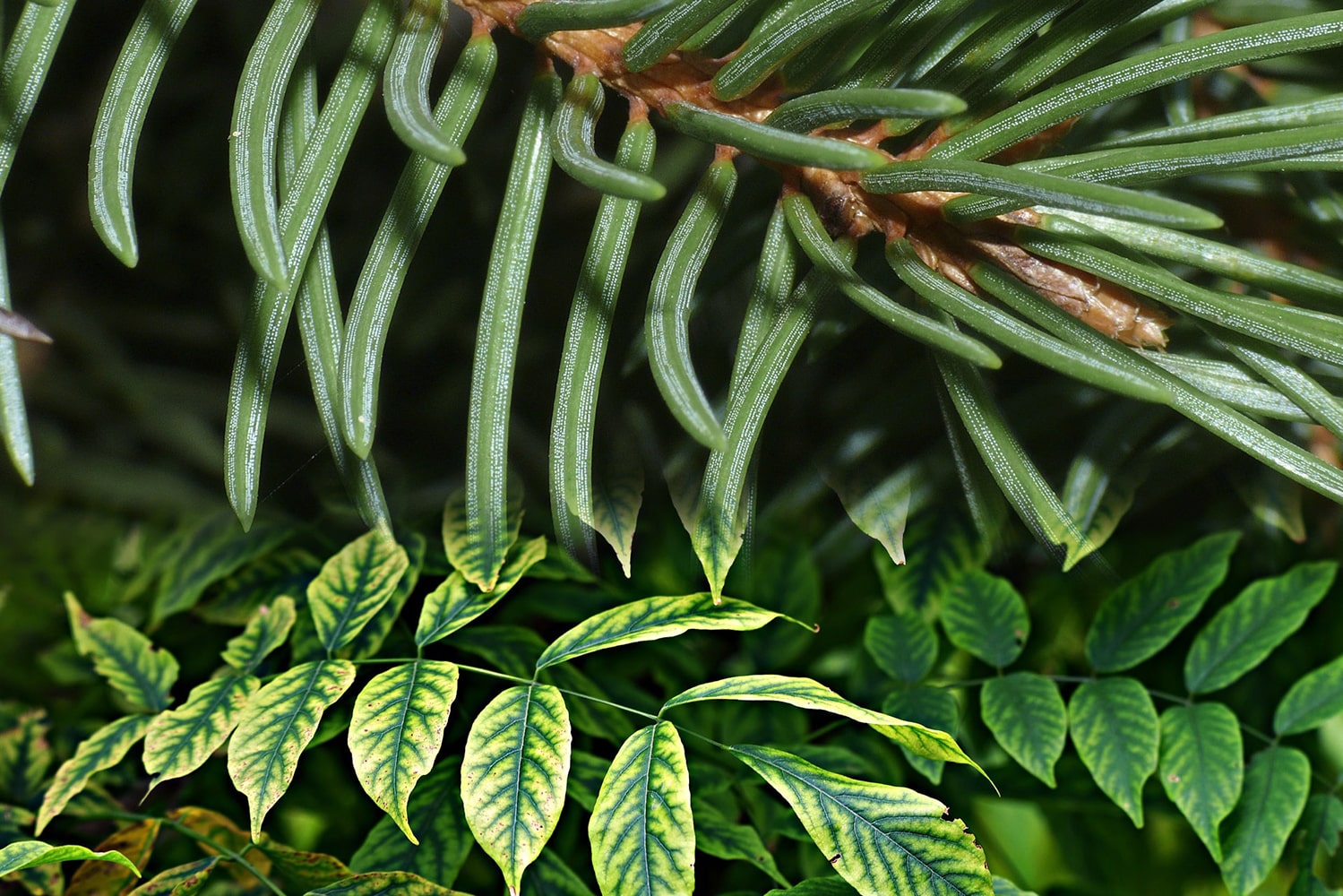
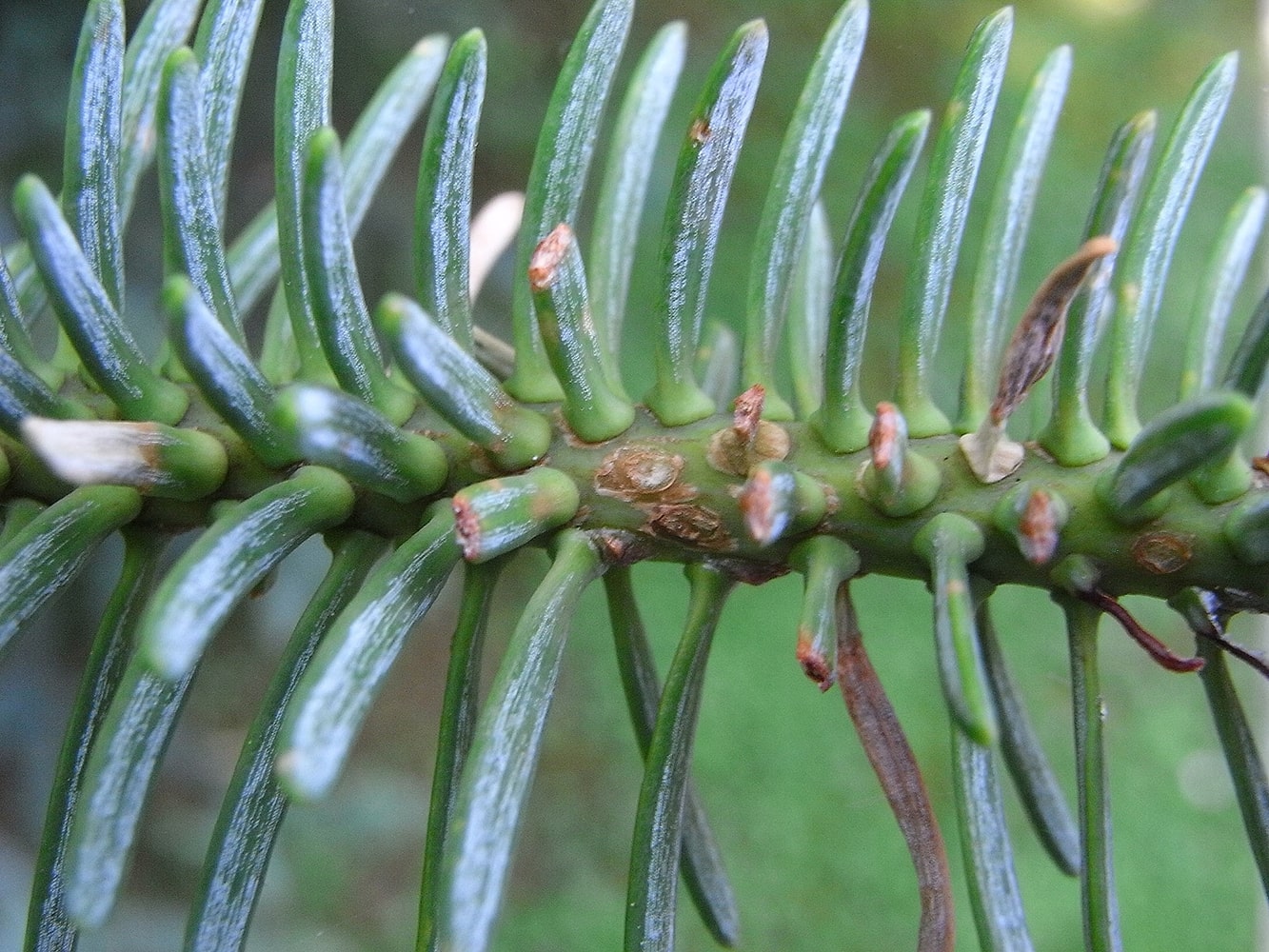
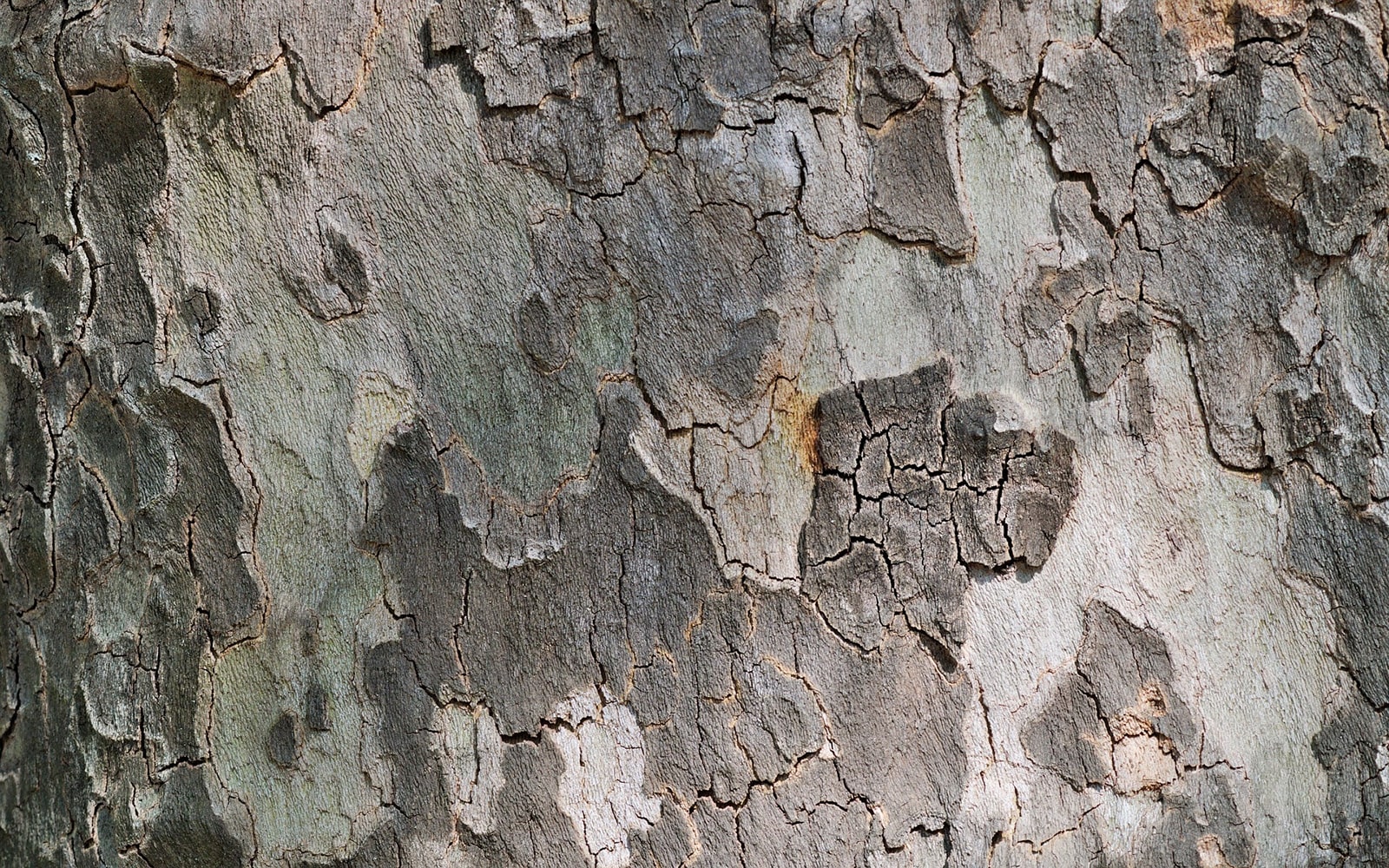
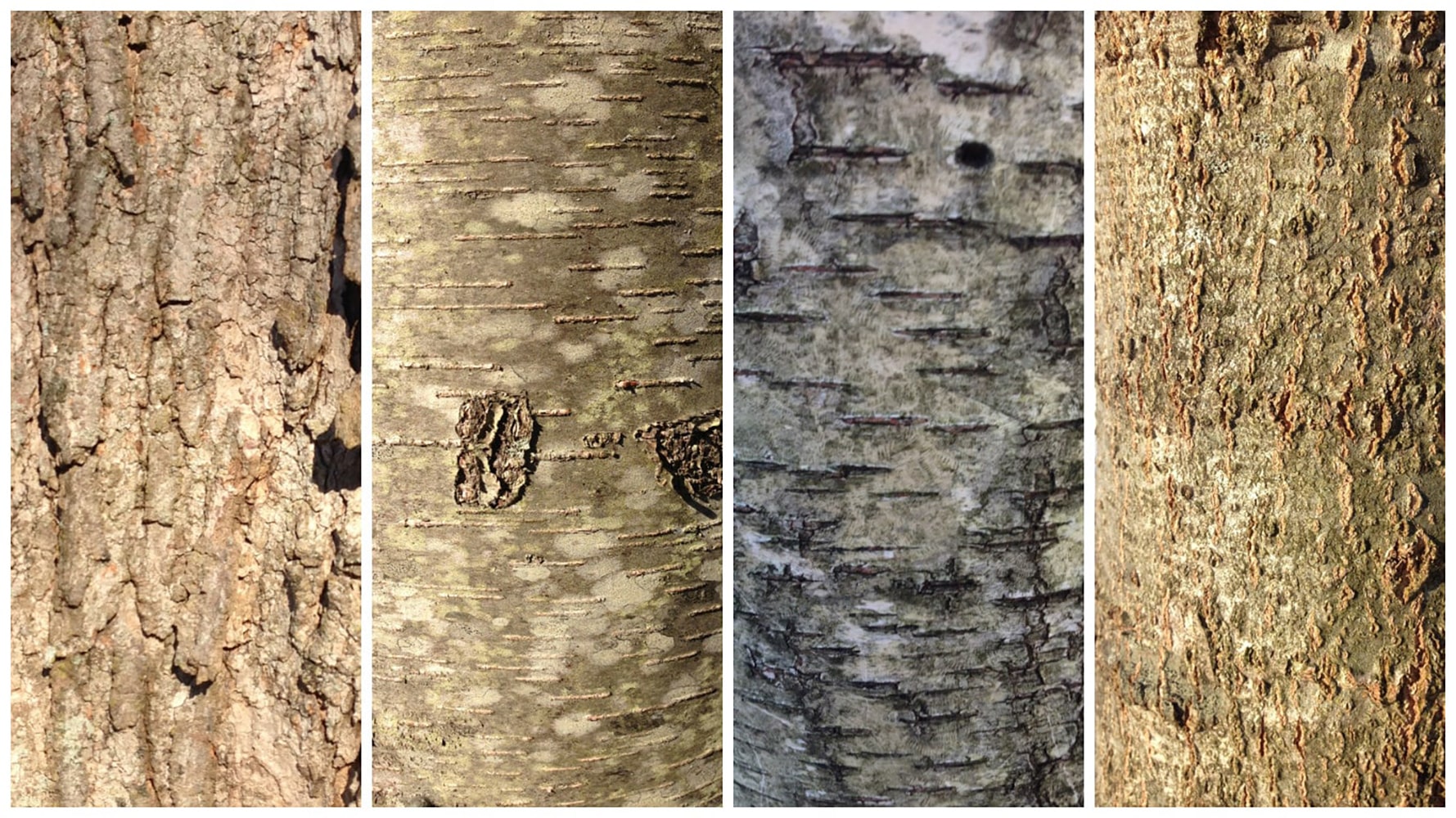
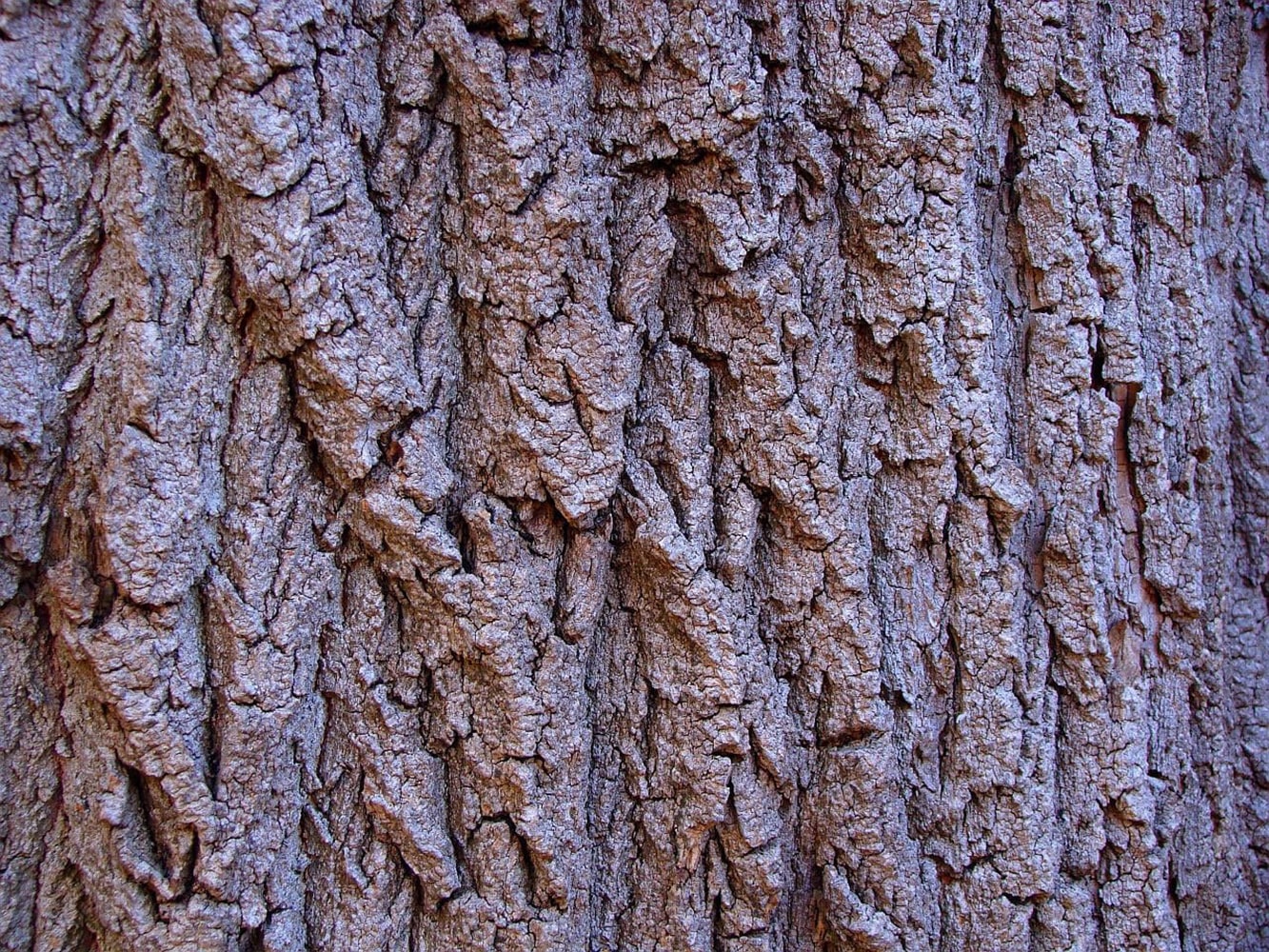
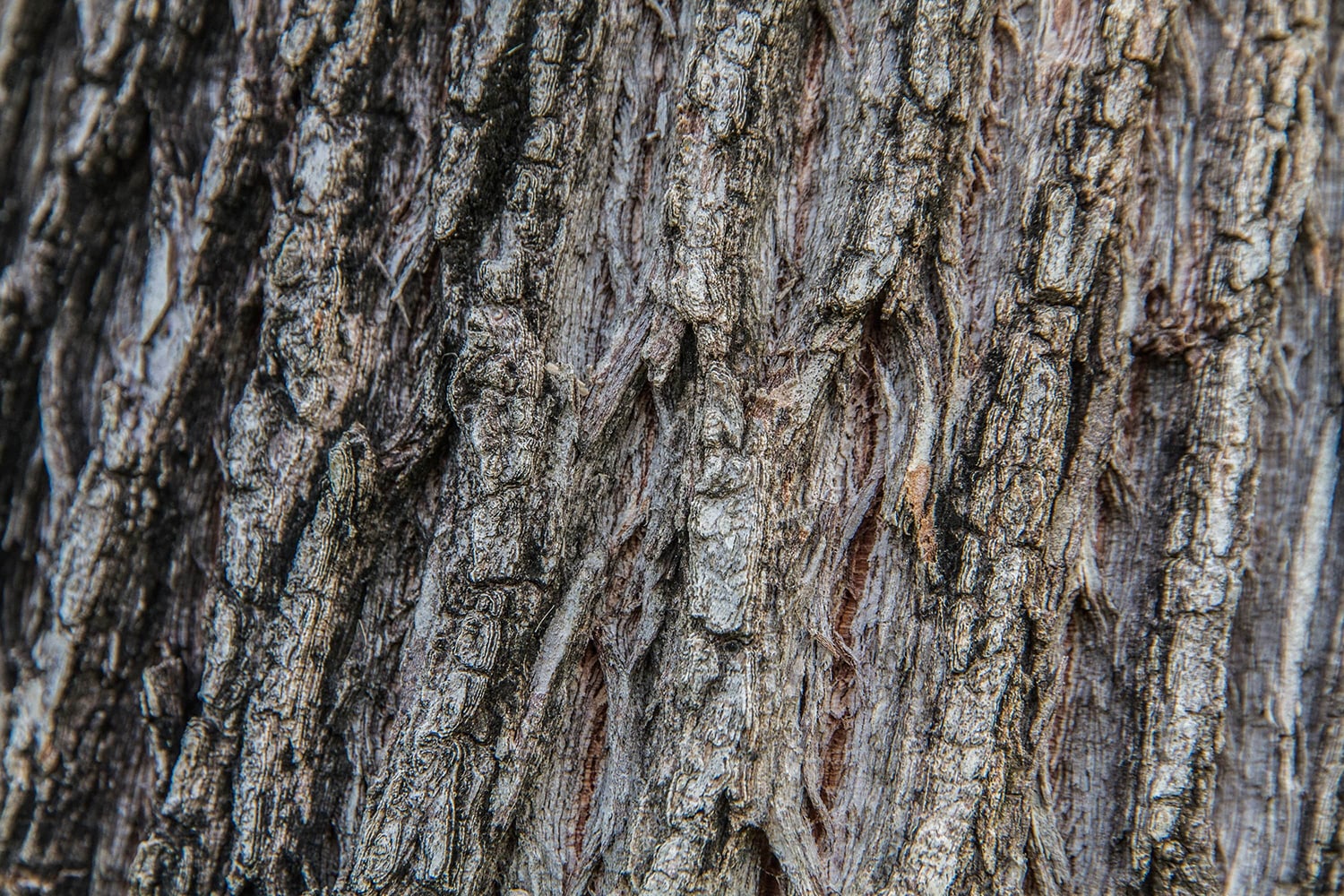
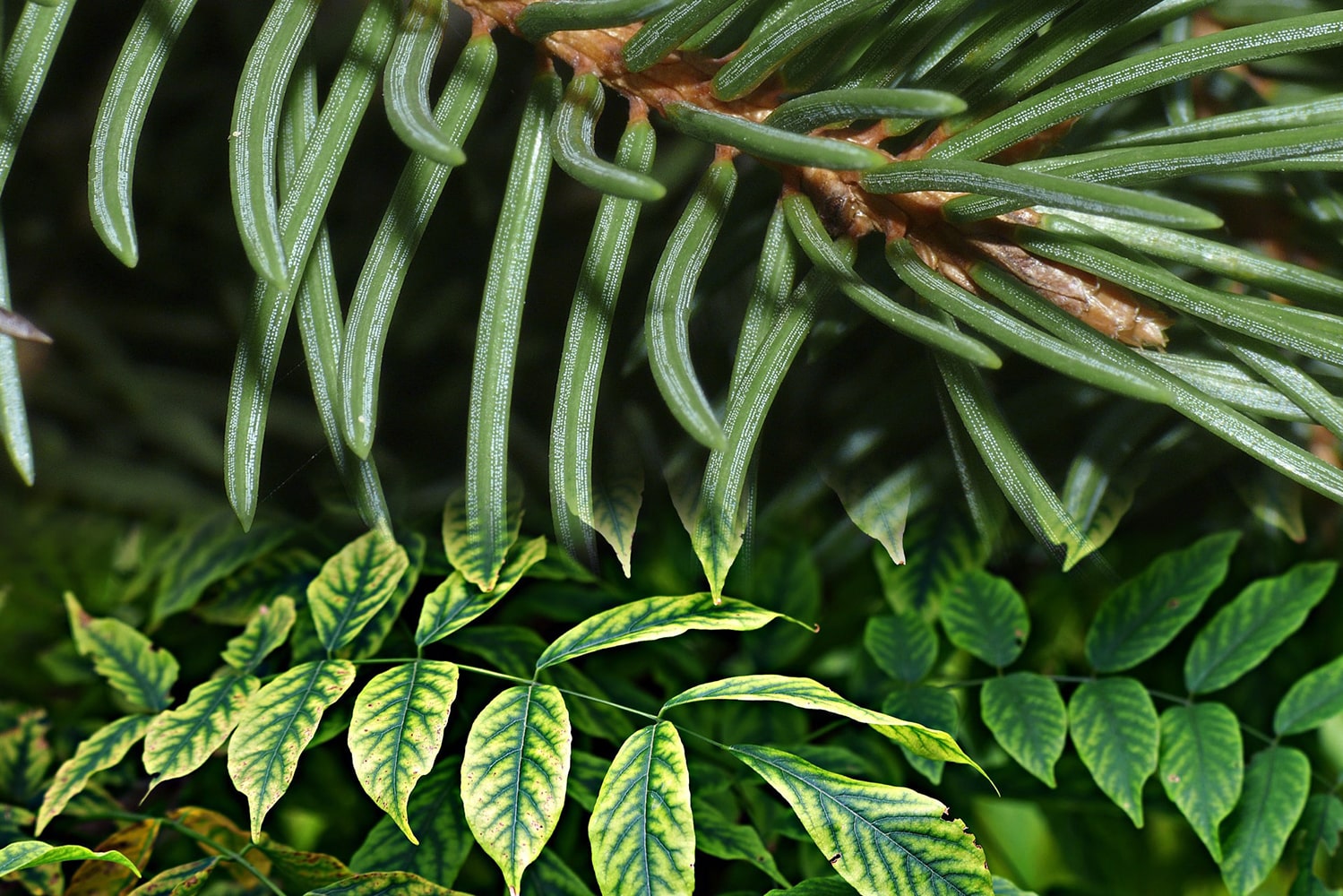
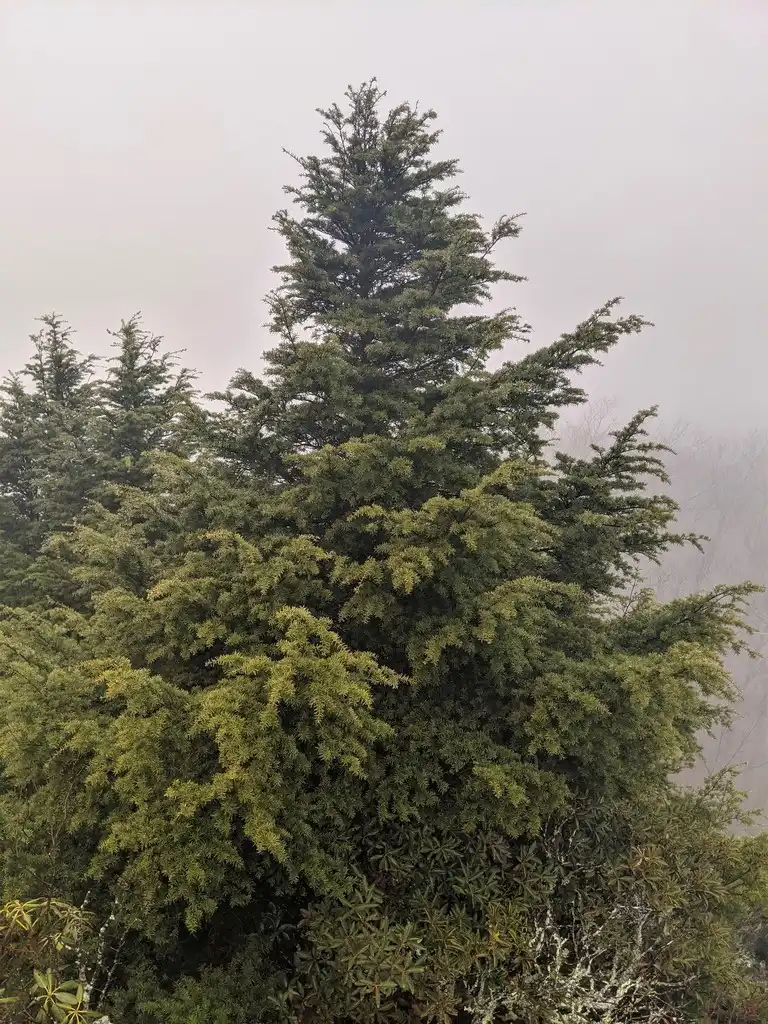
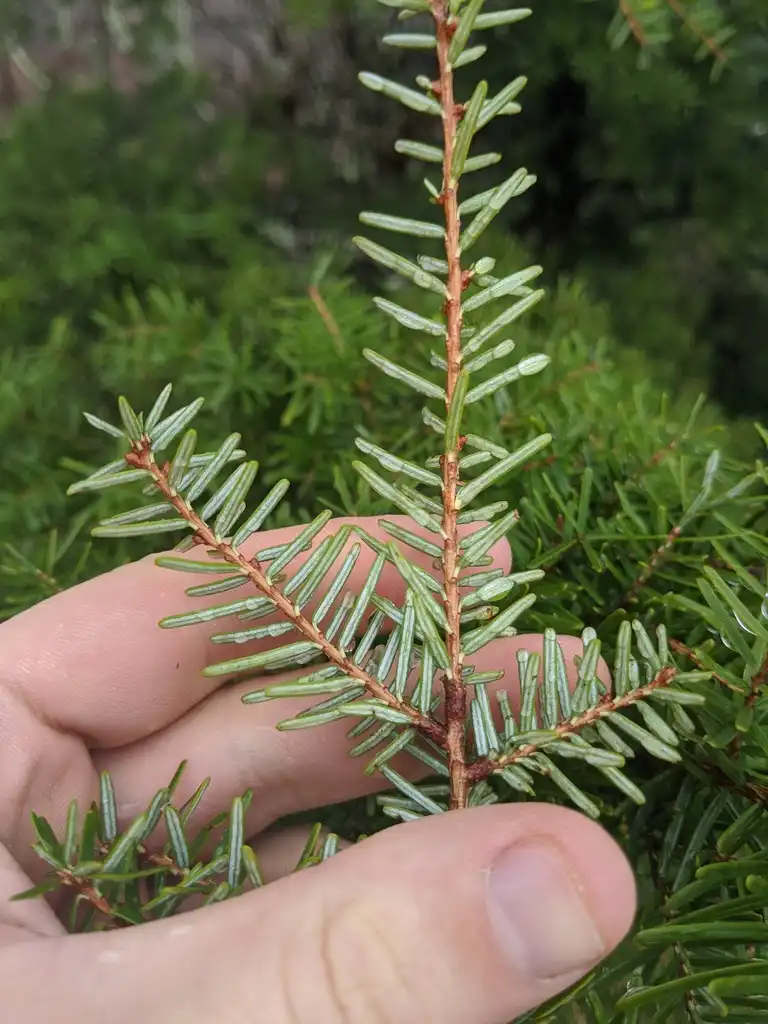
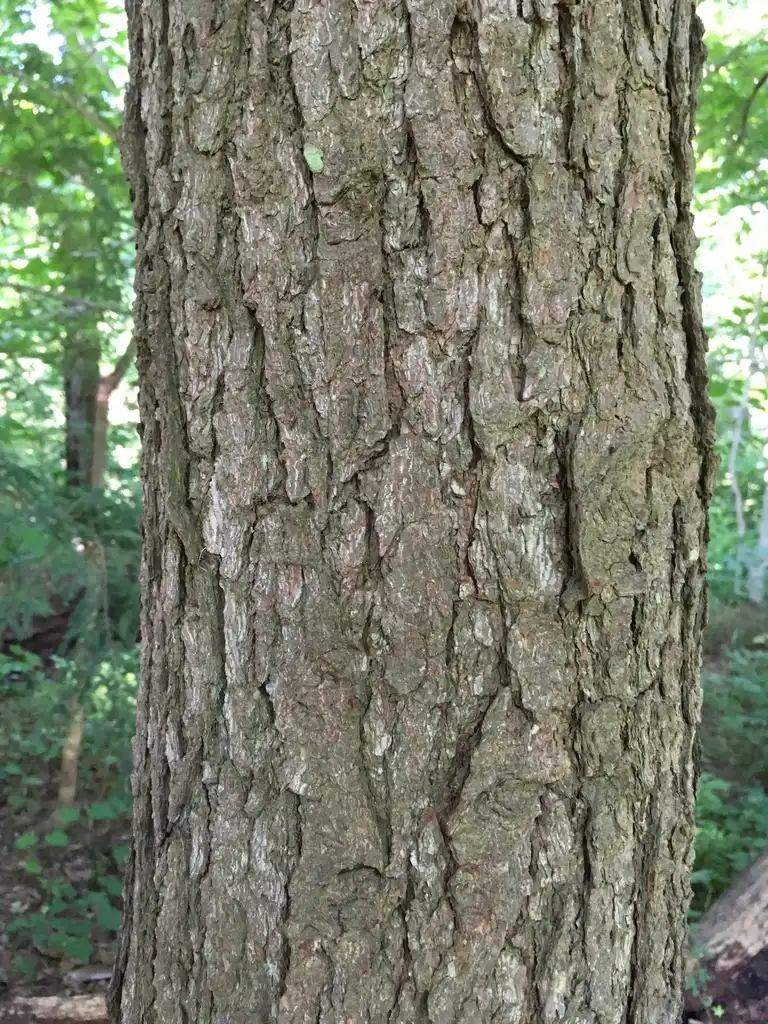
A native species belonging to the Pinaceae family, this tree flourishes on cliffs and ridges stretching from the Blue Ridge Mountains to northeastern Tennessee. It thrives in environments with partial to full shade and prefers moist, well-drained soil, making it ideal for the cooler, shaded sections of your garden. Its ability to serve as a screen in partially shaded areas enhances its appeal as an ornamental tree. However, it is not drought-resistant and requires regular watering, particularly during dry spells. To protect its foliage from scorching, it should be shielded from strong winds and extreme heat, although it is generally more heat-tolerant than its similar relative, T. canadensis. Distinguishing features include longer leaves and cones, along with a rough texture unique to T. caroliniana.
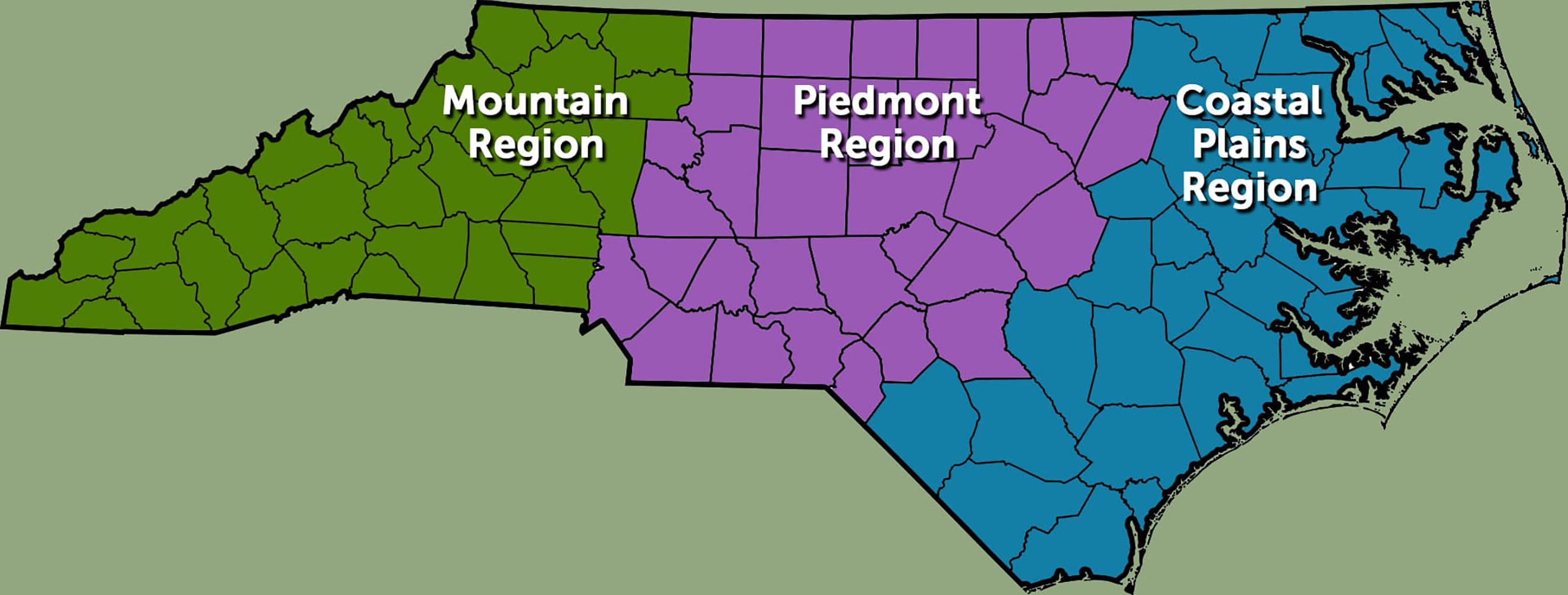
This species is found in scattered locations across western North Carolina and is becoming increasingly rare due to the hemlock woolly adelgid.
In terms of pests, diseases, and other issues, healthy trees situated in suitable environments typically face few challenges. However, they are vulnerable to the hemlock woolly adelgid, along with other insect threats such as ambrosia beetles, bagworms, borers, leaf miners, sawflies, and mites. Potential diseases affecting the Tsuga genus include needle blight, which causes needles to yellow and die, as well as cankers, rusts, and rots. Additionally, foliage may suffer from scorching during extremely hot weather.
Tsuga caroliniana Feature Summary
Tsuga caroliniana Image Gallery