Smilax smallii: Country Or Region Of Origin
Middle and Eastern U.S.A.
Phonetic Spelling:SMEE-laks SMAL-lee-i
Genus:Smilax
Species:smallii
Family:Smilacaceae
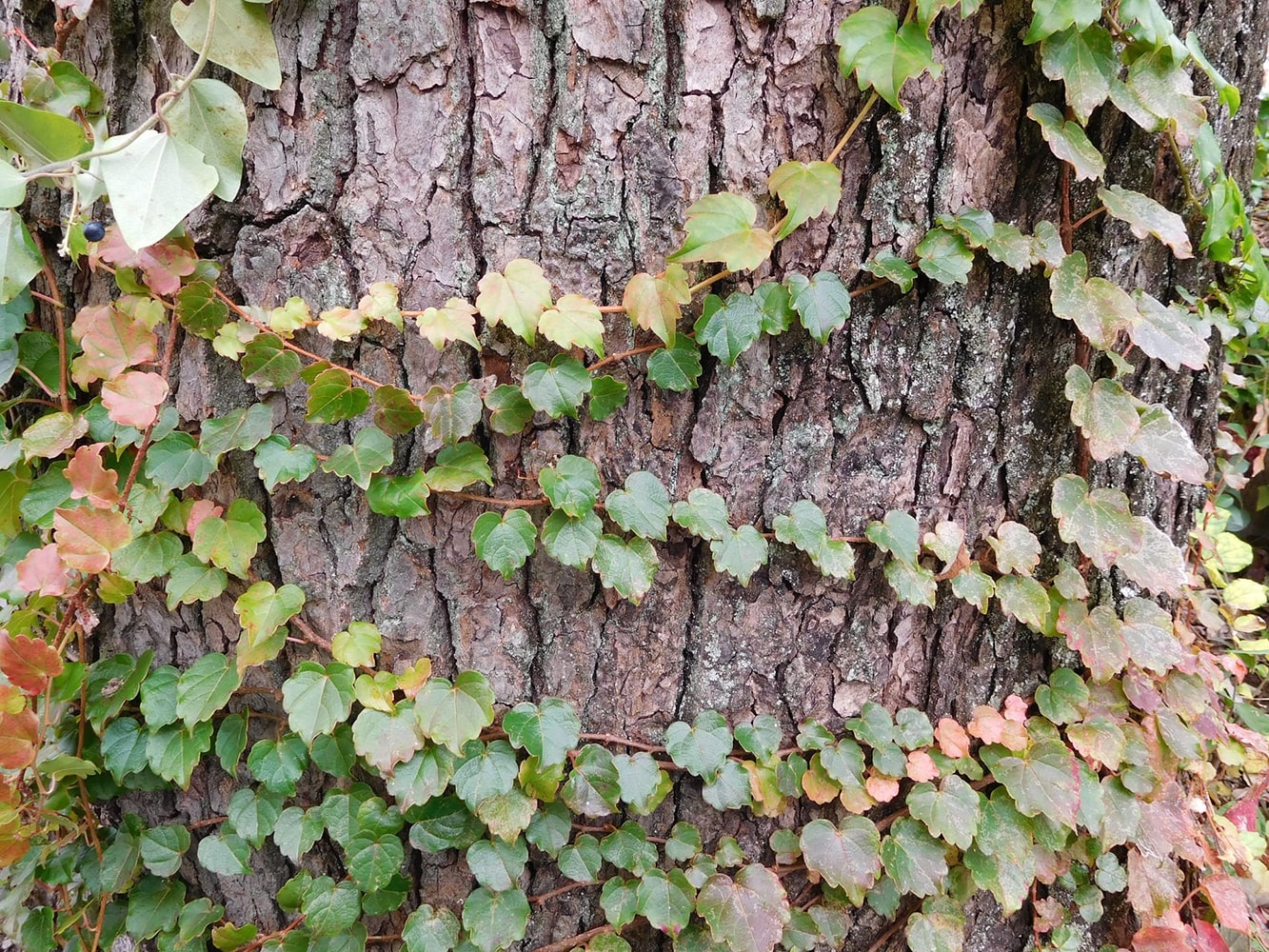
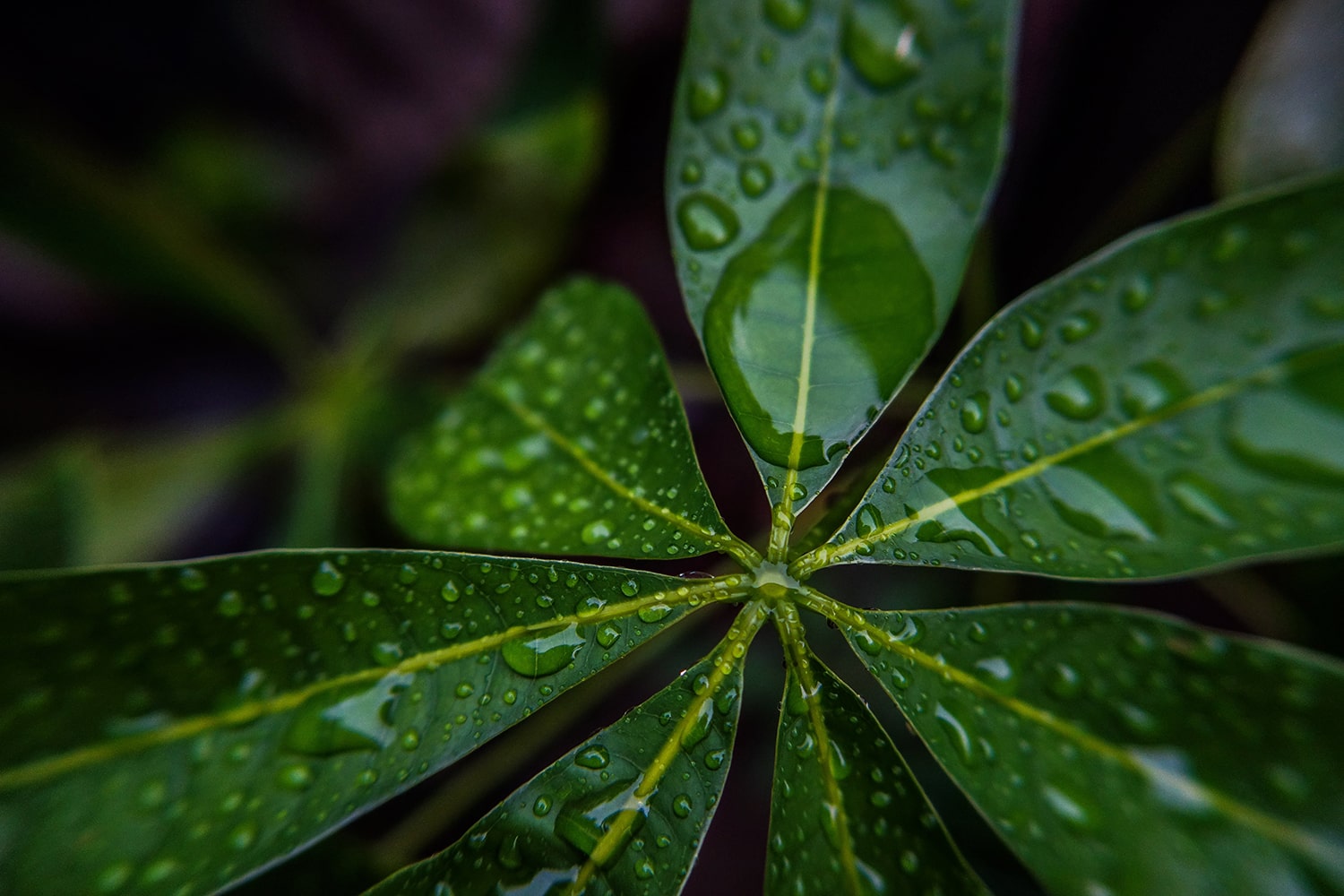
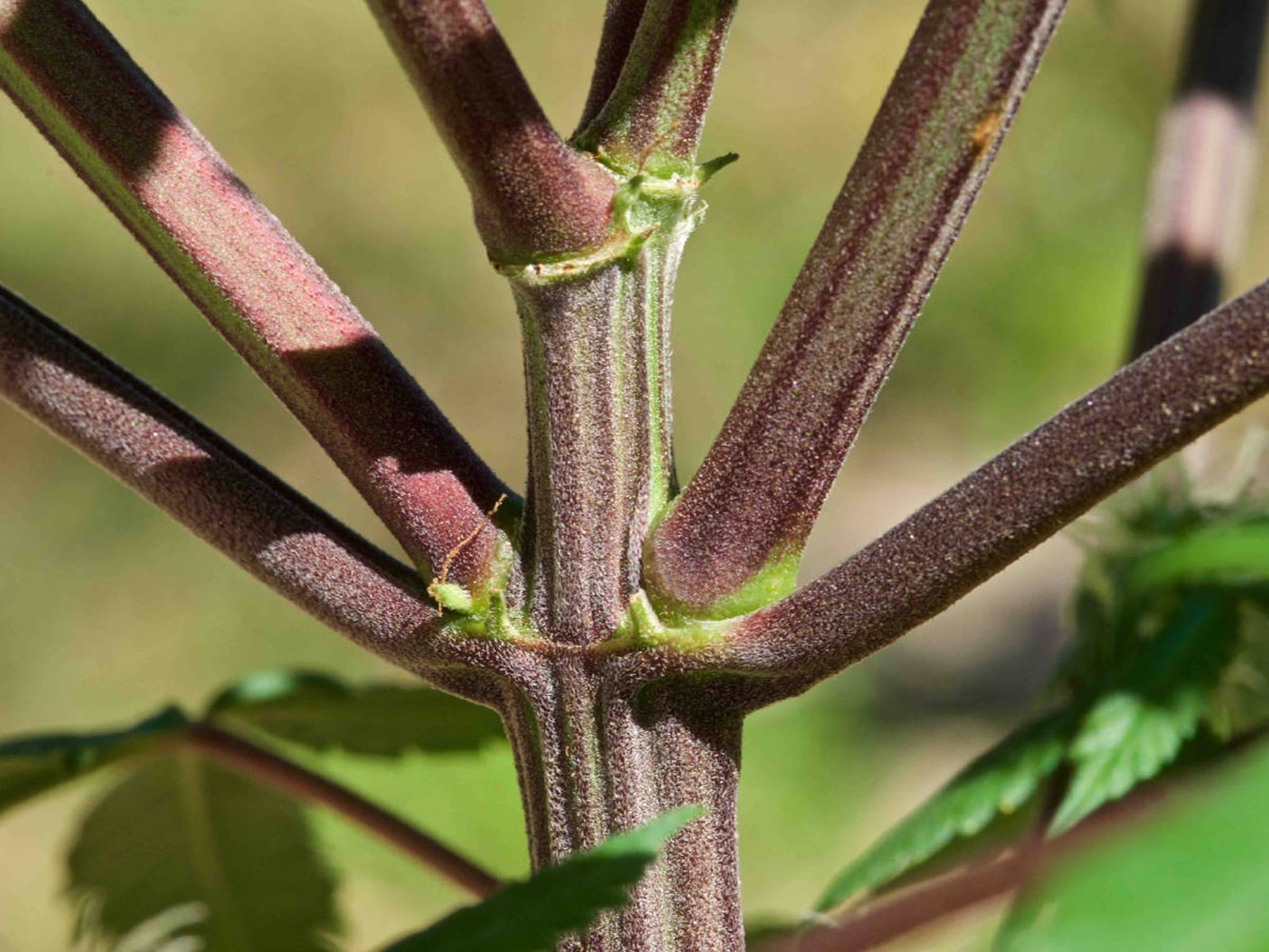
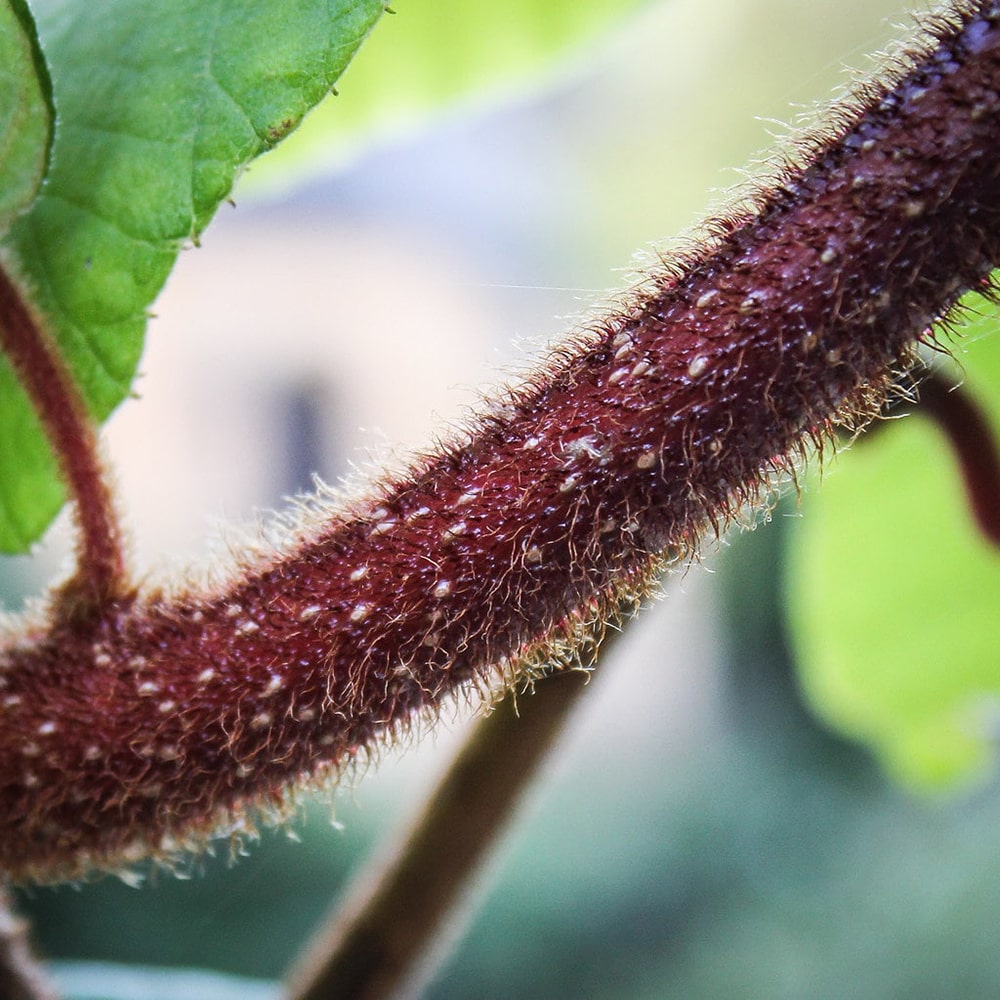
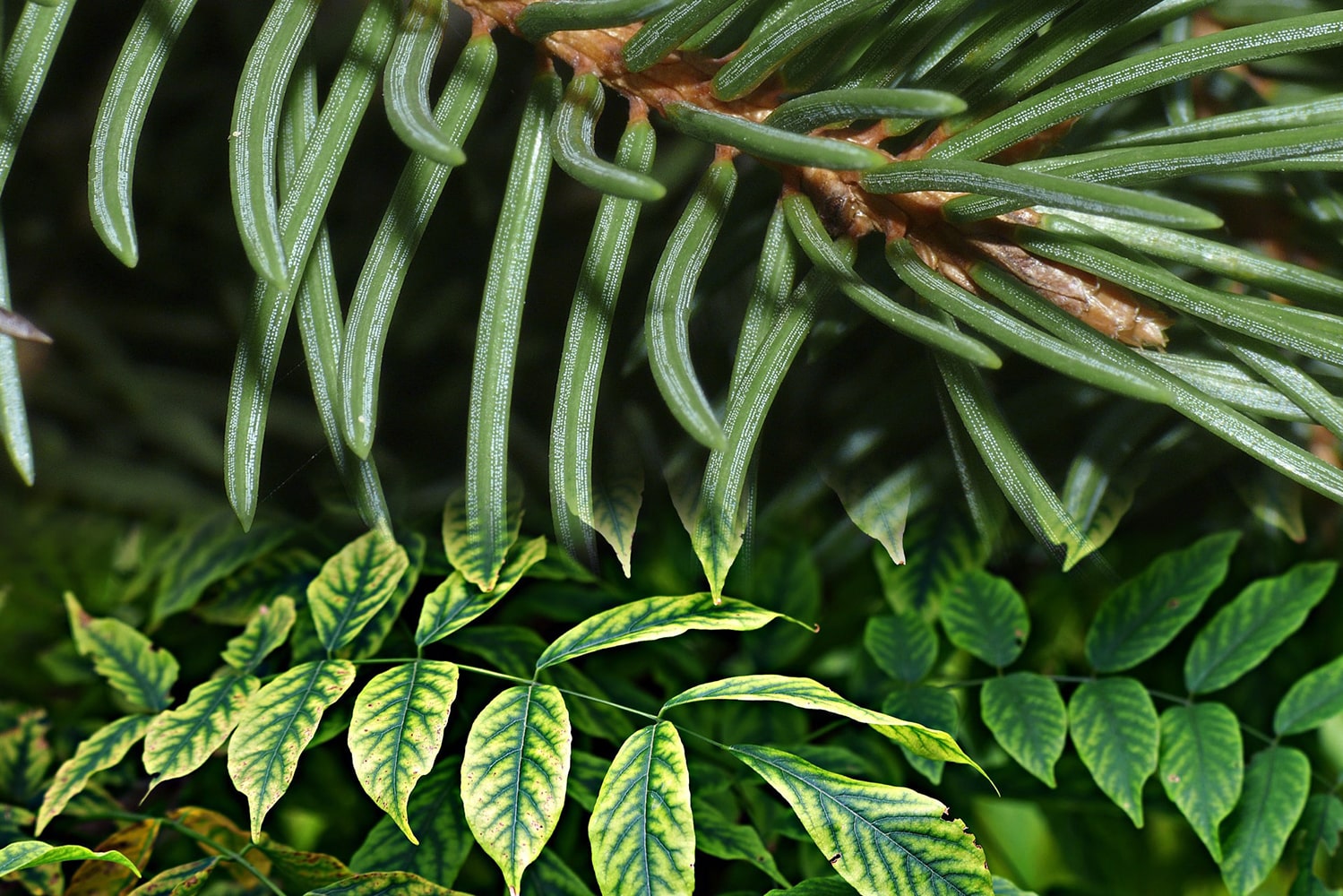
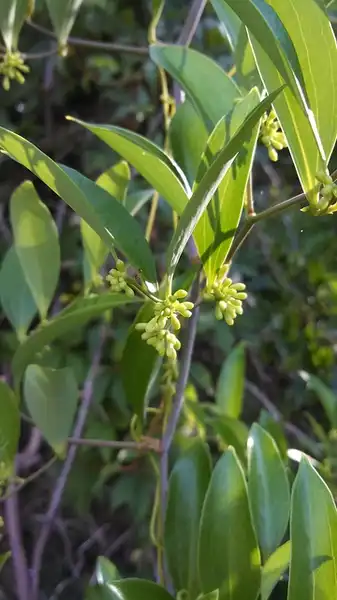
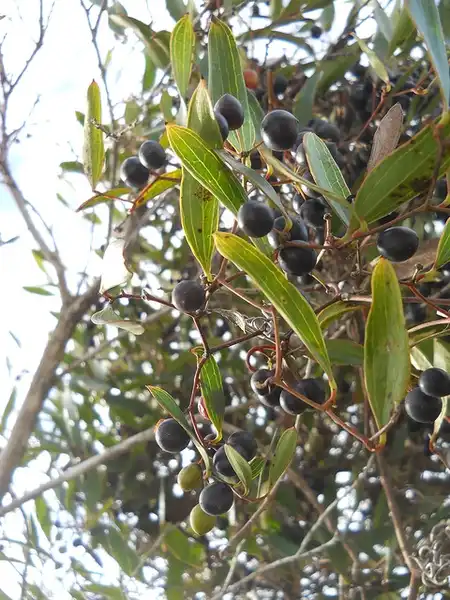
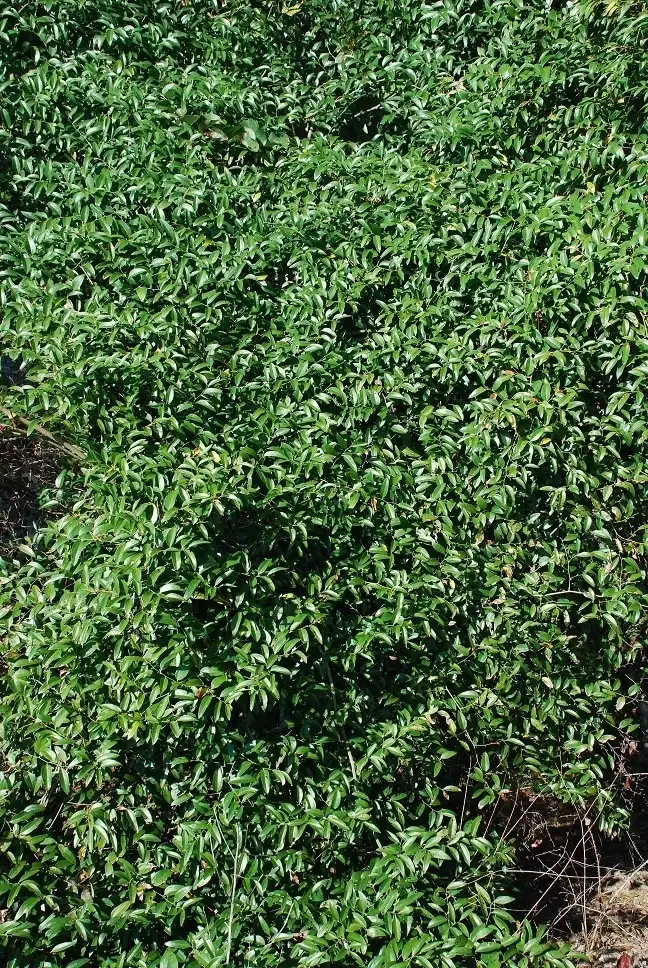
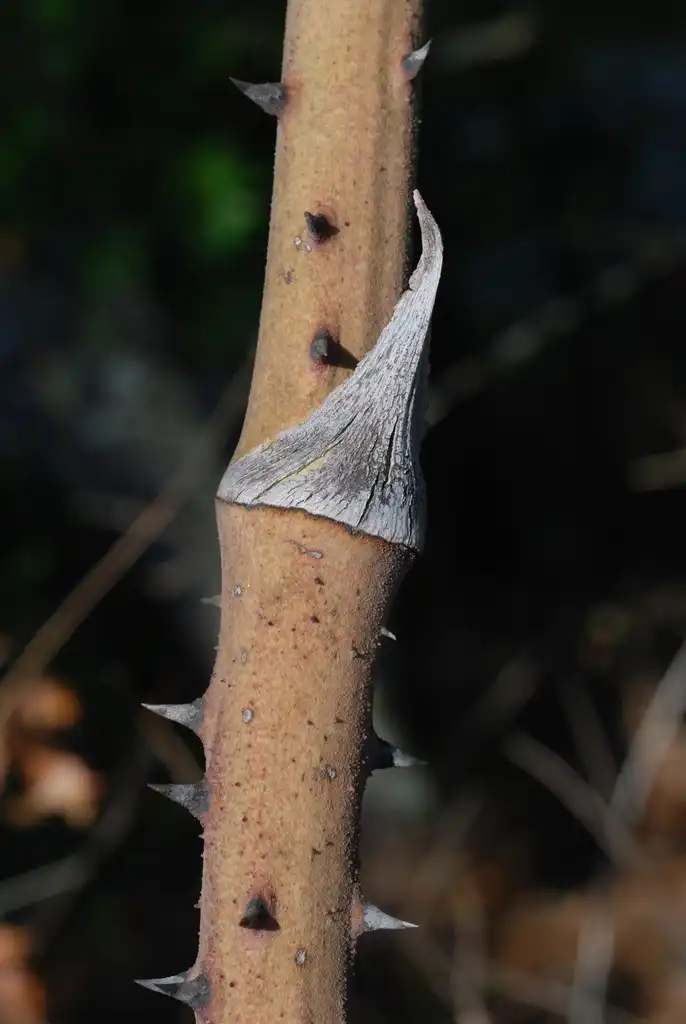
Smilax smalli, commonly referred to as Greenbriar, typically thrives in coastal bogs, moist lowlands, bottomland forests, and sandy low-lying areas, although it can also adapt to drier environments. Most Greenbriar, also known as Catbriar, consists of woody vines, though a few varieties are herbaceous. Many of these plants feature thorns and utilize tendrils for climbing. To prevent the growth of a dense thicket, it is advisable to prune the plant back significantly every three years. Greenbriar exhibits moderate resistance to deer damage. It is dioecious, meaning it requires a male pollinator for the female plants to produce fruit, and only the juvenile stems bear prickles. This plant is suitable for creating evergreen screens.
Regarding fire safety, Greenbriar has a high flammability rating and should not be planted within the defensible space around your home. For areas closest to your residence, it is recommended to choose plants with a low flammability rating.
Seasons of Interest:
- Blooms: Spring
- Nut/Fruit/Seed: Fall
Smilax smallii Feature Summary