Cat Brier, Chinaroot, China Root, Chin-lao-shu, Greenbrier, Jackson Brier, Kuang-yen-pa-hsieh, Sarsaparilla, Shan Ku'ei-lai, Shiny Leaf Smilax, Ti-hu-ling, Tufuling, Tu Fu-Ling
Phonetic Spelling:SMIL-aks GLAY-bruh
Genus:Smilax
Species:glabra
Family:Smilacaceae
Smilax glabra, commonly referred to as Tufuling in traditional Chinese and Ayurvedic medicine, is recognized for its potential health benefits. The root of this plant is thought to possess anti-inflammatory and anticancer effects. Laboratory research indicates it might also exhibit antiviral properties and enhance immune function. However, these studies have primarily been conducted on rats, leaving it uncertain whether similar benefits would be observed in humans.
In North America, Smilax glabra is not easily accessible. In its native regions of Asia, this plant thrives by climbing trees and large shrubs, using tendrils to wrap around twigs and branches.
This species is not self-fertile; its flowers are either male or female, and each plant bears only one sex. Therefore, both male and female plants must be cultivated together to produce seeds. Its primary mode of propagation is through rhizomes.
The rhizome has been used in traditional Chinese medicine for infections and inflammatory conditions as it is believed to have antioxidant, antiviral, renoprotective, immunostimulatory, anti-inflammatory, hepatoprotective, and anticancer properties. In India, fresh roots are made into an extract to treat sores and venereal diseases.
The cooked root can be dried and ground into a powder. and is rich in starch. Smilax glabra roots taste sweet and are used in a Chinese dessert to set certain types of jelly.
Male flowers have greenish-white calyx and corolla, slightly 6-angled, barely open/ The outer tepals are broadly obovate-orbicular, Female flowers have inner tepals which are entire at the margin and staminodes.
The rhizome has been used in traditional Chinese medicine for infections and inflammatory conditions as it is believed to have antioxidant, antiviral, renoprotective, immunostimulatory, anti-inflammatory, hepatoprotective, and anticancer properties. In India, fresh roots are made into an extract to treat sores and venereal diseases.
It is a larval host for the moth species Marmara smilacisella.
Smilax glabra: Edibility
The cooked root can be dried and ground into a powder. and is rich in starch. Smilax glabra roots taste sweet and are used in a Chinese dessert to set certain types of jelly.
Smilax glabra: Life Cycle
Annual
Biennial
Bulb
Perennial
Woody
Smilax glabra: Recommended Propagation Strategy
Division
Grafting
Layering
Leaf Cutting
Root Cutting
Seed
Stem Cutting
Smilax glabra: Play Value
Attractive Flowers
Attracts Pollinators
Buffer
Colorful
Defines Paths
Easy to Grow
Edible fruit
Fragrance
Pieces Used in Games
Screening
Shade
Sound
Textural
Wildlife Cover/Habitat
Wildlife Food Source
Wildlife Larval Host
Wildlife Nesting
Wind Break
Wind Shimmer
Smilax glabra: Climbing Method
Clinging
Scrambler
Tendrils
Twining
Smilax glabra Fruit
Smilax glabra: Fruit Description
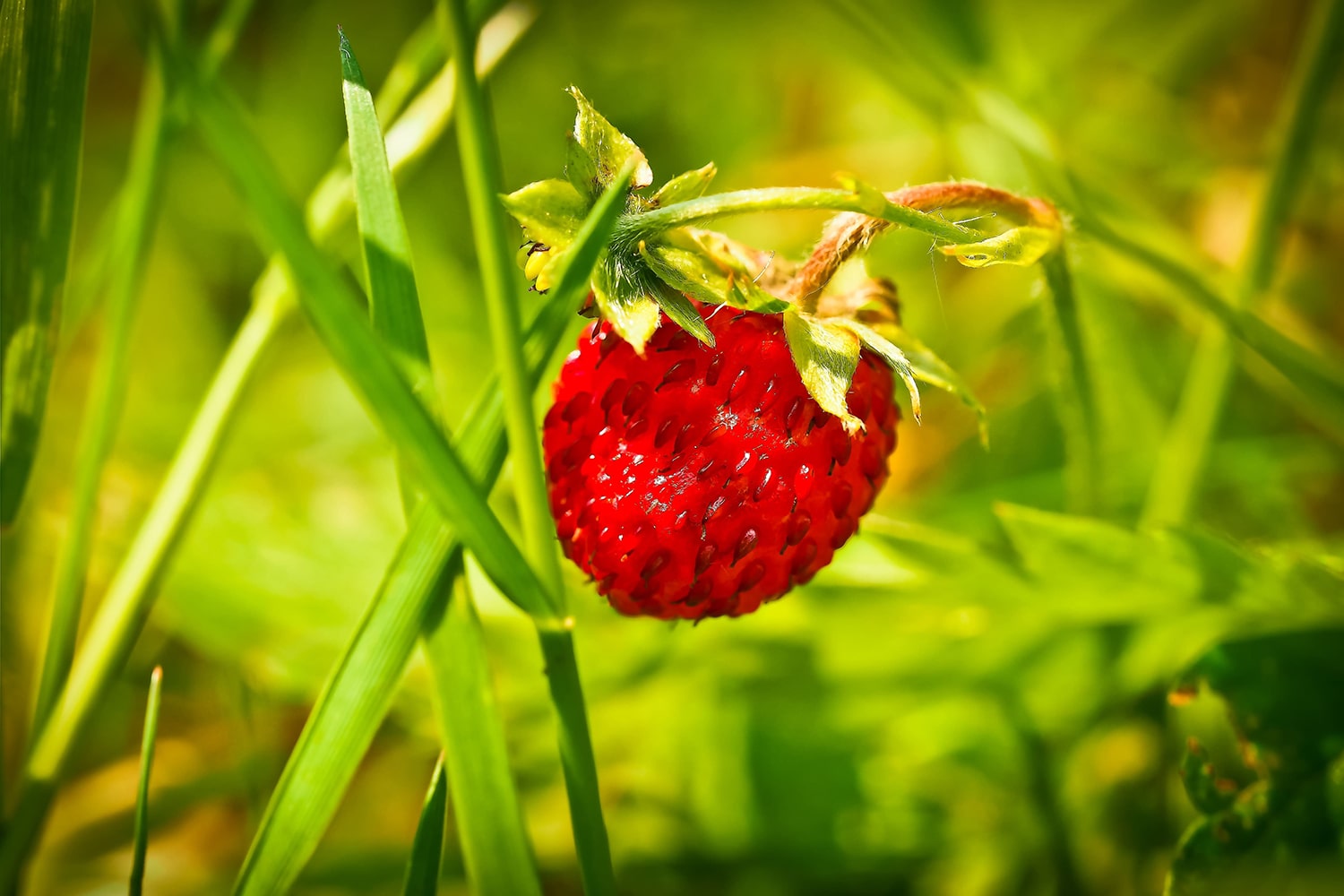
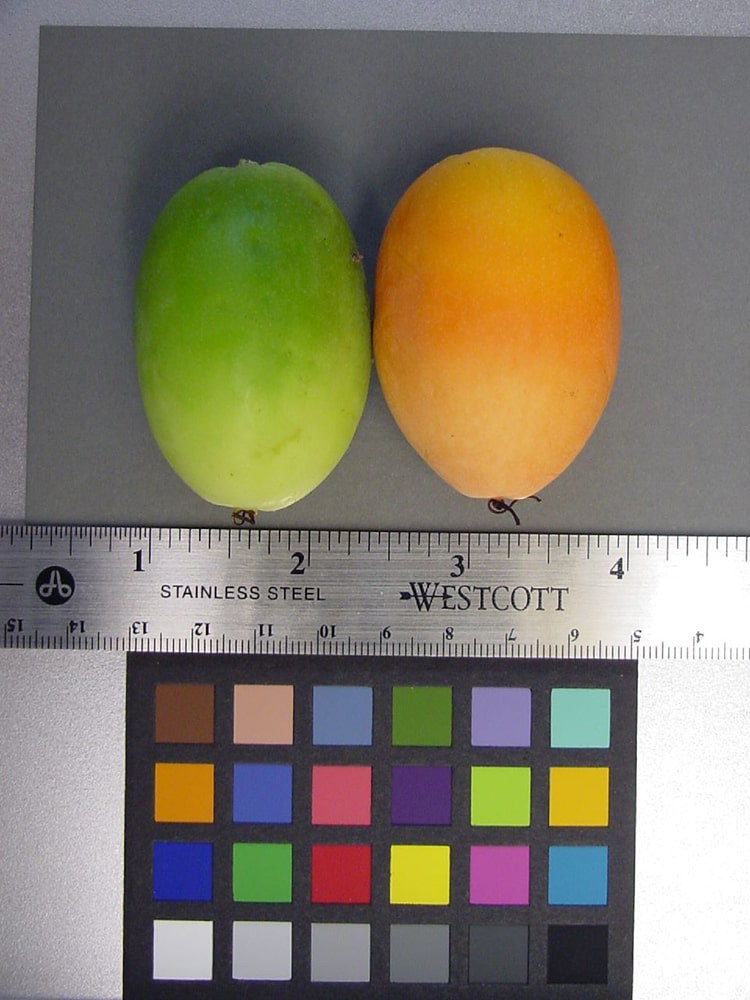
Berries are blue-black, 6--10 mm in diam., white powdery (glaucous)
Smilax glabra: Fruit Type
Achene
Aggregate
Berry
Capsule
Caryopsis
Drupe
Follicle
Legume
Nut
Pome
Samara
Schizocarp
Siliqua
Smilax glabra: Fruit Color
grass
Black
grass
Blue
Smilax glabra: Fruit Length
< 1 inch
1-3 inches
> 3 inches
Smilax glabra: Fruit Width
< 1 inch
1-3 inches
> 3 inches
Smilax glabra Flowers
Smilax glabra: Flower Description
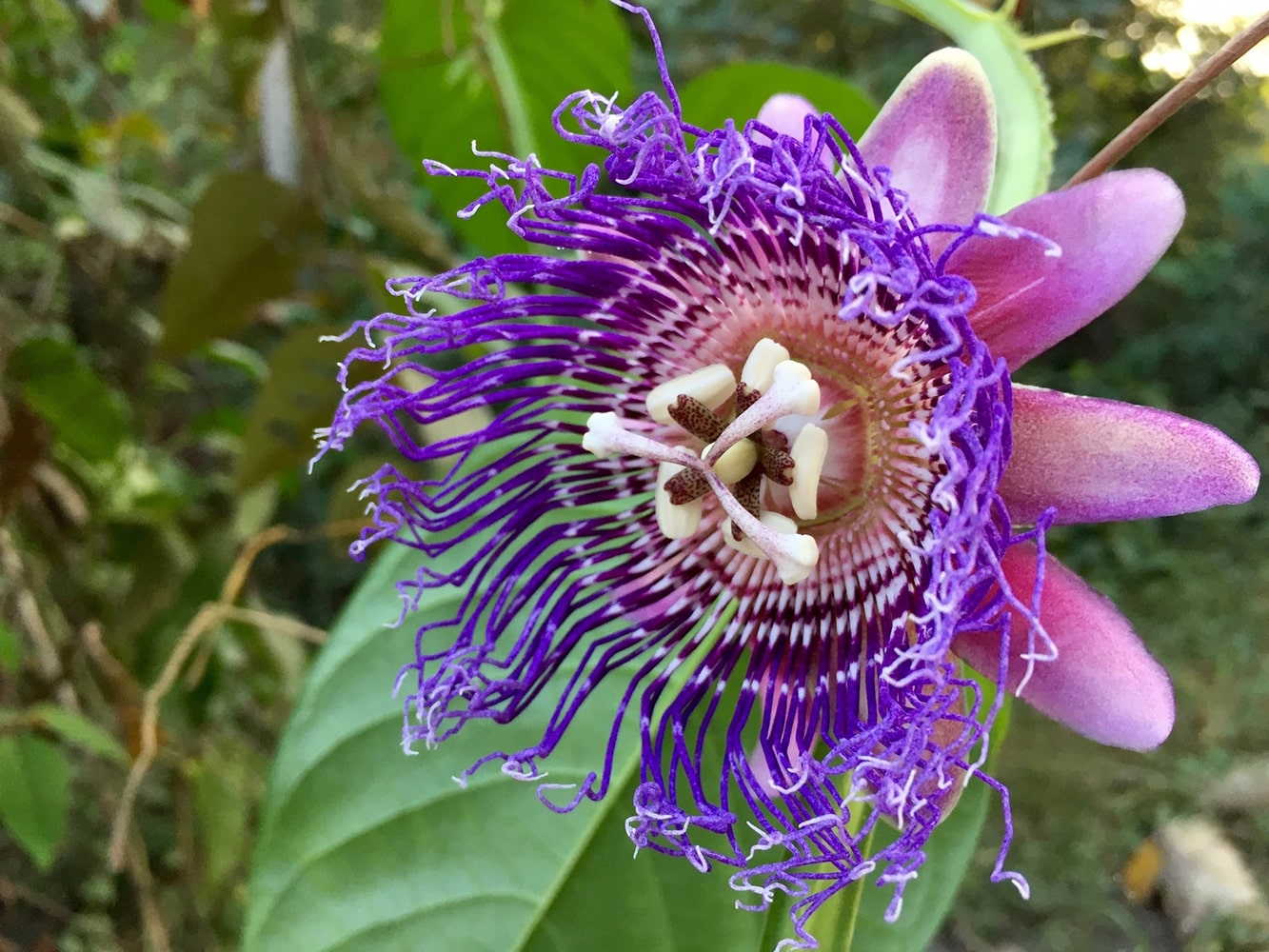
Male flowers have greenish-white calyx and corolla, slightly 6-angled, barely open/ The outer tepals are broadly obovate-orbicular, Female flowers have inner tepals which are entire at the margin and staminodes.
Smilax glabra: Flower Color
filter_vintage
Green
filter_vintage
White
Smilax glabra: Flower Inflorescence
Catkin
Corymb
Cyme
Head
Insignificant
Panicle
Raceme
Solitary
Spadix
Spike
Umbel
Smilax glabra: Flower Bloom Time
Winter
Spring
Summer
Fall
Smilax glabra: Flower Petals
2-3 rays/petals
4-5 petals/rays
6 petals/rays
7 - 20 petals/rays
asymmetrical petals
Bracts
Colored Sepals
fused petals
more than 20 petals/rays
Tepals
Smilax glabra: Flower Shape
Bell
Cross
Crown
Cup
Dome
Funnel
Irregular
Lipped
Radial
Saucer
Star
Trumpet
Tubular
Urn
Wheel
Smilax glabra: Flower Size
1-3 inches
3-6 inches
< 1 inch
> 6 inches
Smilax glabra Leaves
Smilax glabra: Leaf Description
Leaf is elliptic- or ovate-lanceolate
Smilax glabra: Woody Plant Leaf Characteristics
Broadleaf Evergreen
Deciduous
Needled Evergreen
Semi-evergreen
Smilax glabra: Leaf Color
spa
Green
Smilax glabra: Leaf Arrangement
Alternate
Opposite
Other/more complex
Rosulate
Whorled
Smilax glabra: Leaf Shape
Acicular
Auriculate
Cordate
Cuneate
Deltoid
Elliptical
Filiform
Lanceolate
Linear
Oblanceolate
Oblong
Obovate
Obtuse
Orbicular
Ovate
Palmasect
Palmatifid
Peltate
Pinnatifid
Pinnatisect
Reniform
Rhomboidal
Spatulate
Subcordate
Subulate
Smilax glabra: Hairs Present
No
Yes
Smilax glabra: Leaf Length
< 1 inch
1-3 inches
3-6 inches
> 6 inches
Smilax glabra: Leaf Width
< 1 inch
1-3 inches
3-6 inches
> 6 inches
Smilax glabra Stem
Smilax glabra: Stem Description
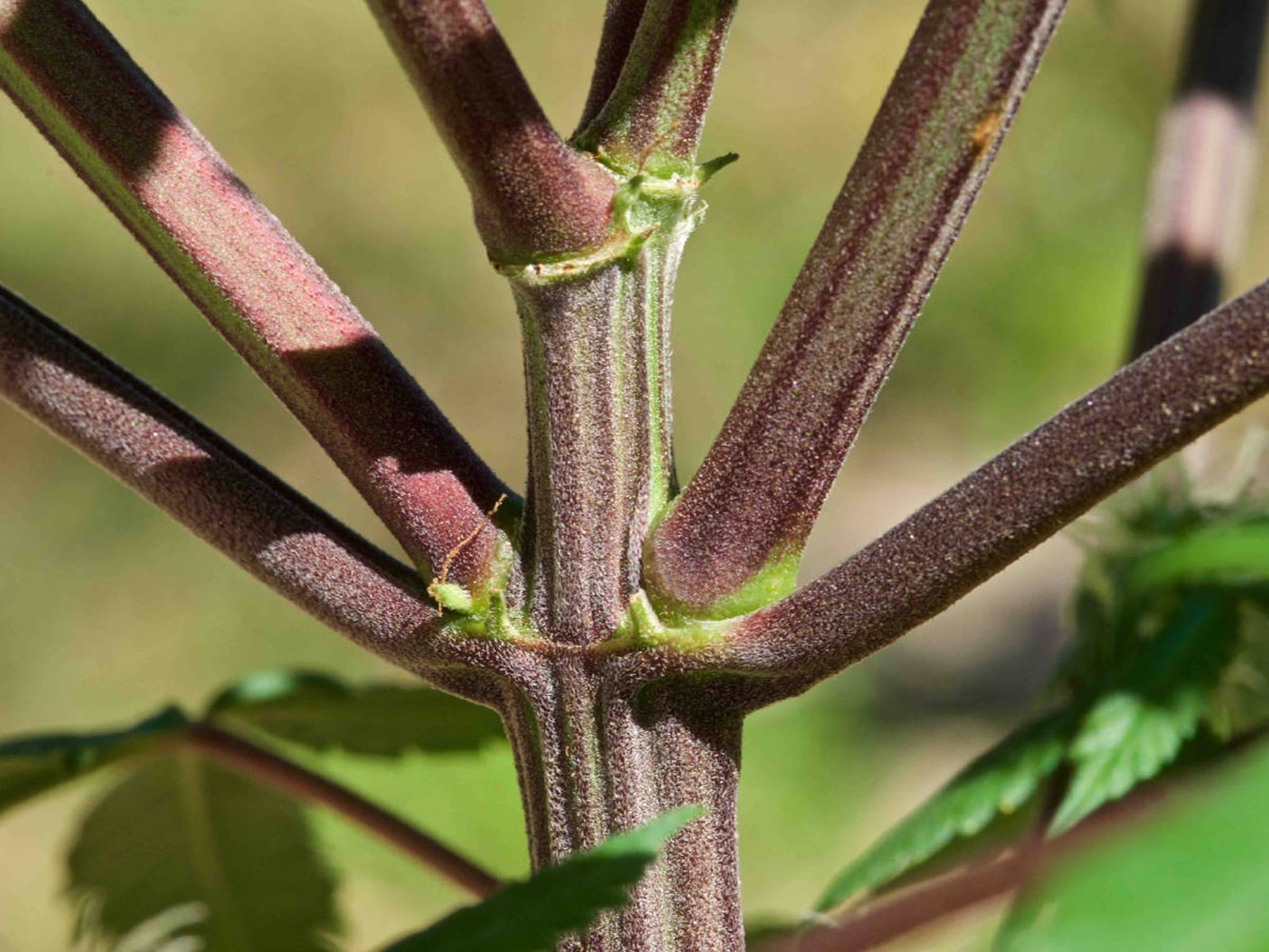
Stem branched, terete, woody, smooth. Tendrils are well developed.
Smilax glabra: Stem Is Aromatic
No
Yes
Smilax glabra: Stem Cross Section
Angular
Oval
Round
Square
Smilax glabra: Stem Surface
Corky Ridges
Covered with a powdery bloom (glaucous)
Dull
Hairy (pubescent)
Polished
Smooth (glabrous)
Smilax glabra Whole Plant Traits
Smilax glabra: Plant Type
Annual
Bulb
Carnivorous
Edible
Epiphyte
Fern
Ground Cover
Herb
Herbaceous Perennial
Houseplant
Mushroom
Native Plant
Ornamental Grasses and Sedges
Perennial
Poisonous
Rose
Shrub
Succulent
Tree
Turfgrass
Vegetable
Vine
Water Plant
Weed
Wildflower
Smilax glabra: Woody Plant Leaf Characteristics
Broadleaf Evergreen
Deciduous
Needled Evergreen
Semi-evergreen
Smilax glabra: Habit/Form
Arching
Ascending
Broad
Cascading
Climbing
Clumping
Columnar
Conical
Creeping
Dense
Erect
Horizontal
Irregular
Mounding
Multi-stemmed
Multi-trunked
Open
Oval
Prostrate
Pyramidal
Rounded
Spreading
Vase
Weeping
Smilax glabra: Growth Rate
Slow
Medium
Rapid
Smilax glabra: Maintenance
Low
Medium
High
Smilax glabra: Appendage
Prickles
Spines
Tendrils
Thorns
Smilax glabra Cultural Conditions
Smilax glabra: Light
Dappled Sunlight (Shade through upper canopy all day)
Deep shade (Less than 2 hours to no direct sunlight)
Full sun (6 or more hours of direct sunlight a day)
Partial Shade (Direct sunlight only part of the day, 2-6 hours)