Carrion Flower, Carrion-flower, Common Carrion-vine, Jacob's ladder, Smooth Carrion Flower
Phonetic Spelling:SMIL-aks her-bay-SEE-uh
Genus:Smilax
Species:herbacea
Family:Smilacaceae
The Carrion Flower emits a strong scent, often likened to that of decaying flesh or dead rodents. This plant typically thrives in damp forests, dense thickets, and along wooded banks, showing adaptability to various soil types, though it favors moist conditions. The Smooth Carrion Flower stands out among the Smilax species due to its lack of thorns and the absence of hairs on the underside of its leaves. It features an elongated stem that supports clusters of berries along the vine. Notably, Smilax plants are dioecious, meaning that male and female flowers grow on separate individuals, preventing self-fertilization.
Regarding fire safety, this plant is highly flammable and should not be cultivated within the defensible space around your home. It is advisable to choose plants with low flammability ratings for areas closest to your residence.
The fruit has been used to treat hoarseness. Dried and powdered leaves have been used as a dressing on burns. The wilted leaves have been used as a dressing on boils. The essence of the root has been used for back pains, stomach complaints, lung disorders, and kidney problems
Berries are eaten by Ruffled Grouse, Wild Turkey, and various songbirds. Leaves are grazed by deer and rabbits. Flowers are pollinated by insects, notably carrion flies which lay eggs in the blossoms.
Leaves and young shoots are cooked and used like asparagus. The root can be dried, ground into a powder and then used with cereals for making bread. It can also be used as a gelatine substitute.
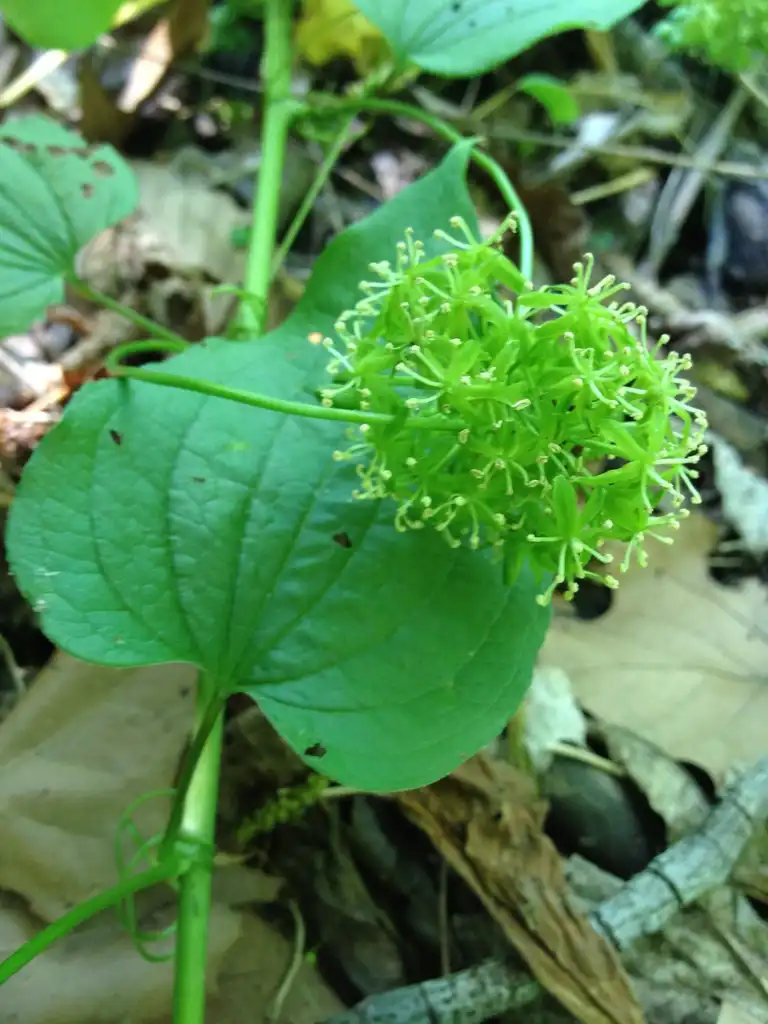
Individual umbels are about 1½–3" across, consisting of 20-120 flowers on slender pedicels; the umbels resemble a globe when fully developed. It is dioecious; the green to yellowish-green staminate flowers are each ¼" across, with of 6 tepals and 6 stamens with white anthers. The green to yellowish-green pistillate flowers are each ¼" across, with of 6 tepals and a pistil with 3 flattened stigmata. The unpleasant (putrid) smelling flowers attract insects and are pollinated by carrion flies. In North Carolina, the flowers are available from May to June.
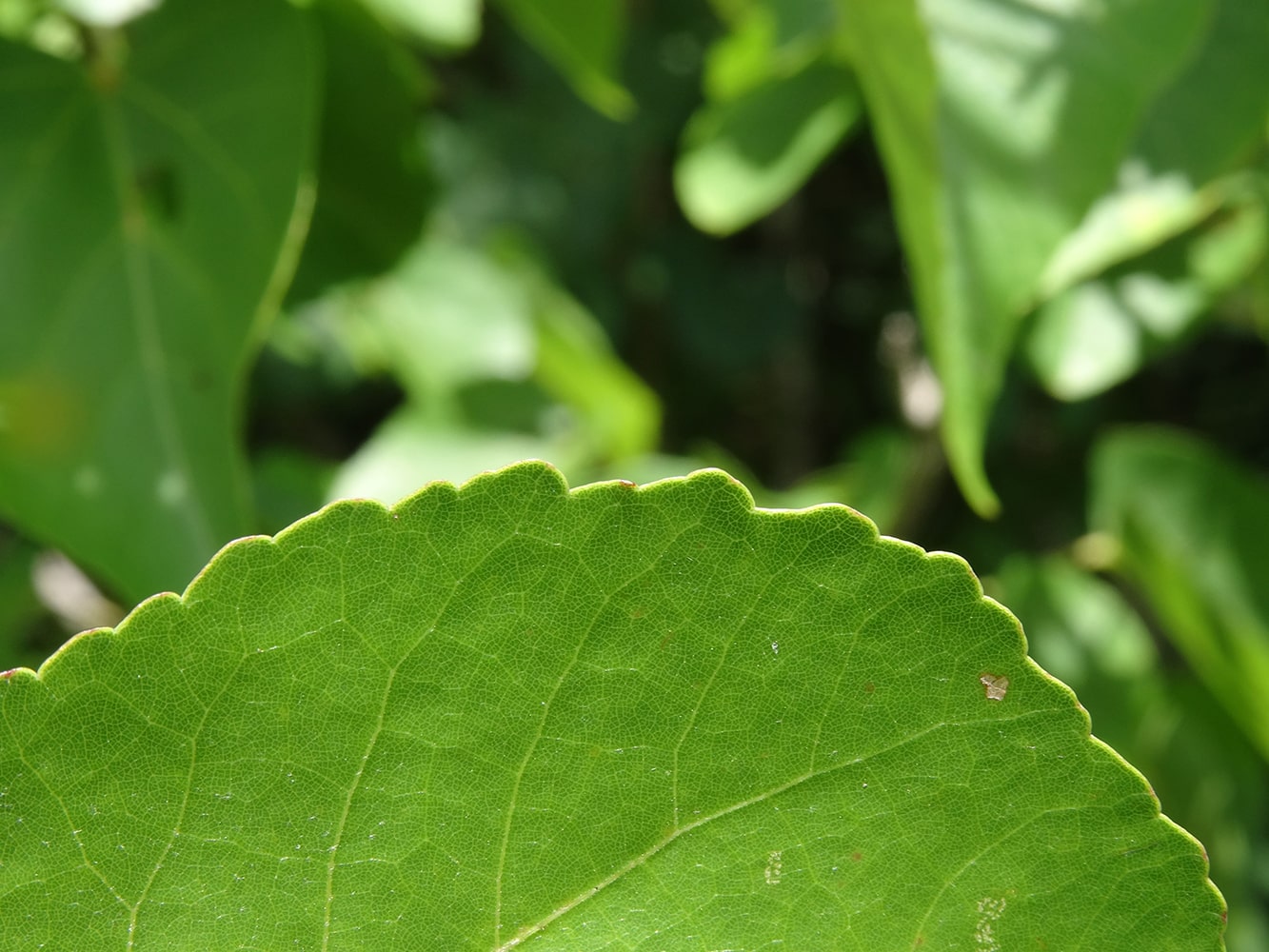
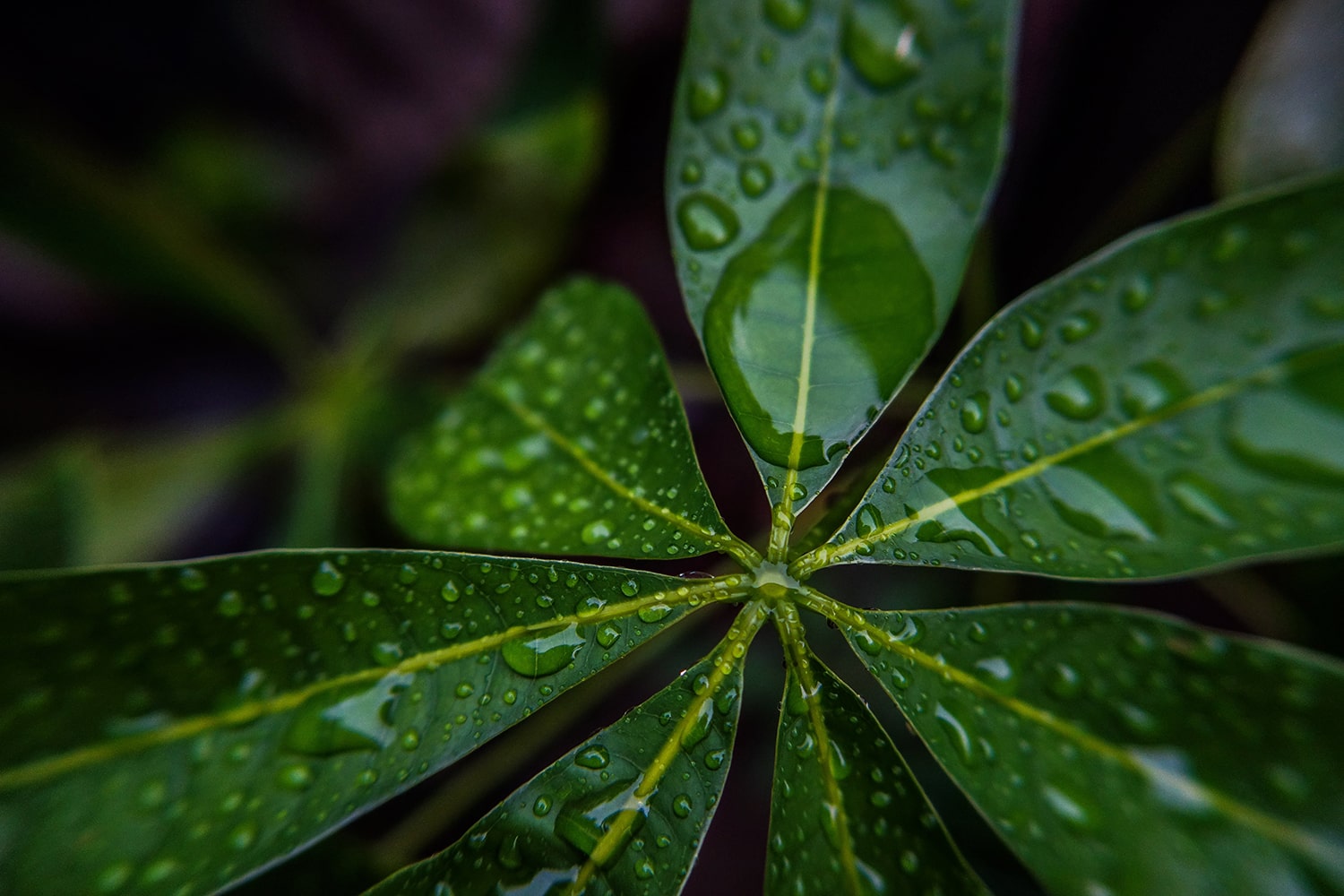
Upper surfaces of the leaves are medium green and smooth, and lower surfaces are pale green. They are ovate-oval to broadly ovate-lanceolate with smooth margins and parallel-veined.
The fruit has been used to treat hoarseness. Dried and powdered leaves have been used as a dressing on burns. The wilted leaves have been used as a dressing on boils. The essence of the root has been used for back pains, stomach complaints, lung disorders, and kidney problems
Smilax herbacea: Country Or Region Of Origin
Eastern Canada and the US, south to Georgia and Alabama
Smilax herbacea: Wildlife Value
Berries are eaten by Ruffled Grouse, Wild Turkey, and various songbirds. Leaves are grazed by deer and rabbits. Flowers are pollinated by insects, notably carrion flies which lay eggs in the blossoms.
Smilax herbacea: Edibility
Leaves and young shoots are cooked and used like asparagus. The root can be dried, ground into a powder and then used with cereals for making bread. It can also be used as a gelatine substitute.
Smilax herbacea: Life Cycle
Annual
Biennial
Bulb
Perennial
Woody
Smilax herbacea: Recommended Propagation Strategy
Division
Grafting
Layering
Leaf Cutting
Root Cutting
Seed
Stem Cutting
Smilax herbacea: Play Value
Attractive Flowers
Attracts Pollinators
Buffer
Colorful
Defines Paths
Easy to Grow
Edible fruit
Fragrance
Pieces Used in Games
Screening
Shade
Sound
Textural
Wildlife Cover/Habitat
Wildlife Food Source
Wildlife Larval Host
Wildlife Nesting
Wind Break
Wind Shimmer
Smilax herbacea: Fire Risk Rating
extreme flammability
high flammability
low flammability
medium flammability
Smilax herbacea: Climbing Method
Clinging
Scrambler
Tendrils
Twining
Smilax herbacea Fruit
Smilax herbacea: Fruit Description
Individual dark blue berries are about ¼" across and contain about 3-5 seeds. In North Carolina, the fruits are available from August to October.
Smilax herbacea: Fruit Type
Achene
Aggregate
Berry
Capsule
Caryopsis
Drupe
Follicle
Legume
Nut
Pome
Samara
Schizocarp
Siliqua
Smilax herbacea: Fruit Color
grass
Black
grass
Blue
Smilax herbacea: Display/Harvest Time
Fall
Spring
Summer
Winter
Smilax herbacea: Fruit Length
< 1 inch
1-3 inches
> 3 inches
Smilax herbacea: Fruit Width
< 1 inch
1-3 inches
> 3 inches
Smilax herbacea Flowers
Smilax herbacea: Flower Description
Individual umbels are about 1½–3" across, consisting of 20-120 flowers on slender pedicels; the umbels resemble a globe when fully developed. It is dioecious; the green to yellowish-green staminate flowers are each ¼" across, with of 6 tepals and 6 stamens with white anthers. The green to yellowish-green pistillate flowers are each ¼" across, with of 6 tepals and a pistil with 3 flattened stigmata. The unpleasant (putrid) smelling flowers attract insects and are pollinated by carrion flies. In North Carolina, the flowers are available from May to June.
Smilax herbacea: Flower Color
filter_vintage
Gold/Yellow
filter_vintage
Green
filter_vintage
White
Smilax herbacea: Flower Inflorescence
Catkin
Corymb
Cyme
Head
Insignificant
Panicle
Raceme
Solitary
Spadix
Spike
Umbel
Smilax herbacea: Flower Value To Gardener
Edible
Fragrant
Good Cut
Good Dried
Long Bloom Season
Long-lasting
Showy
Smilax herbacea: Flower Bloom Time
Winter
Spring
Summer
Fall
Smilax herbacea: Flower Petals
2-3 rays/petals
4-5 petals/rays
6 petals/rays
7 - 20 petals/rays
asymmetrical petals
Bracts
Colored Sepals
fused petals
more than 20 petals/rays
Tepals
Smilax herbacea: Flower Shape
Bell
Cross
Crown
Cup
Dome
Funnel
Irregular
Lipped
Radial
Saucer
Star
Trumpet
Tubular
Urn
Wheel
Smilax herbacea: Flower Size
1-3 inches
3-6 inches
< 1 inch
> 6 inches
Smilax herbacea Leaves
Smilax herbacea: Leaf Description
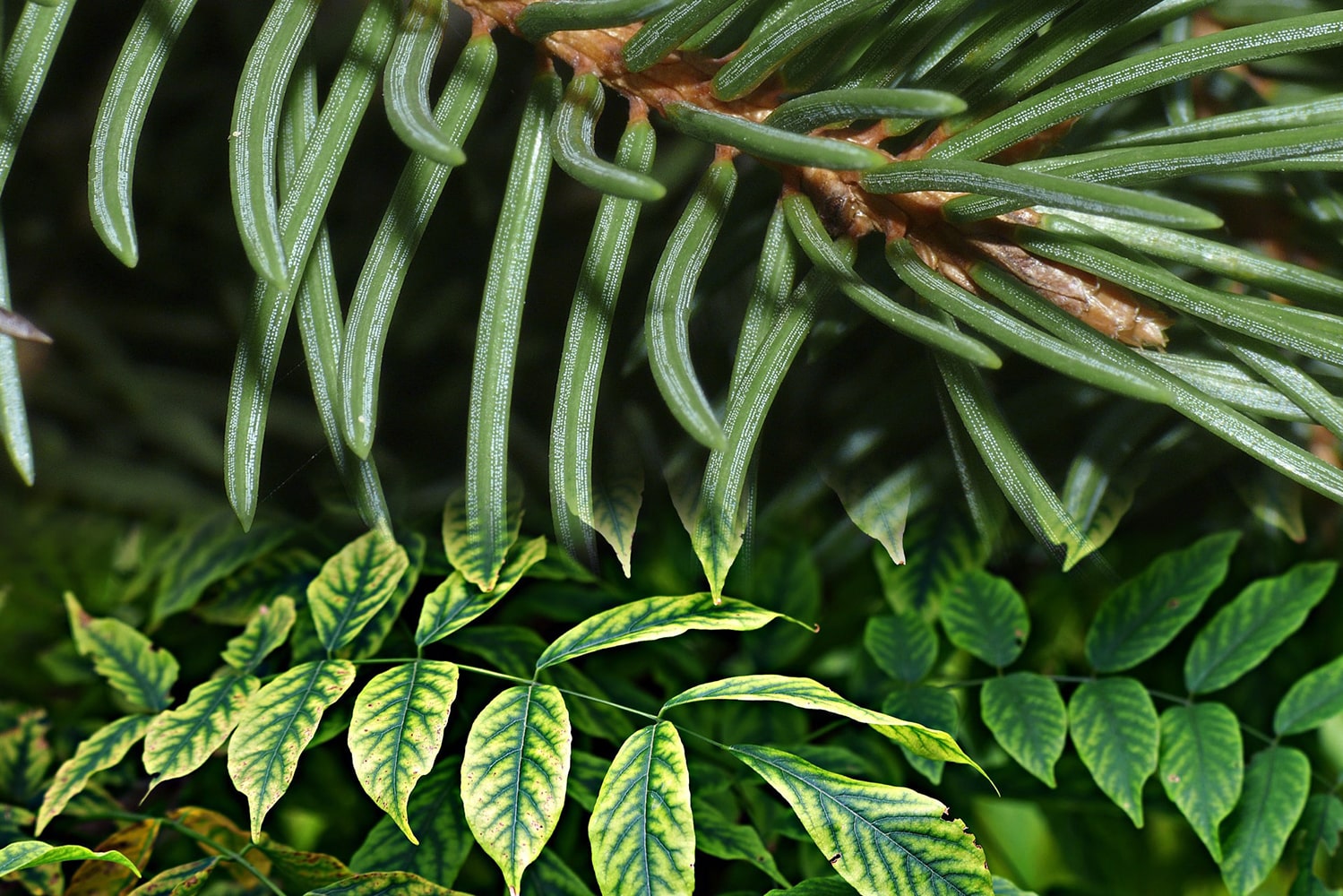
Upper surfaces of the leaves are medium green and smooth, and lower surfaces are pale green. They are ovate-oval to broadly ovate-lanceolate with smooth margins and parallel-veined.
Smilax herbacea: Woody Plant Leaf Characteristics
Broadleaf Evergreen
Deciduous
Needled Evergreen
Semi-evergreen
Smilax herbacea: Leaf Color
spa
Green
Smilax herbacea: Leaf Type
Compound (Pinnately , Bipinnately, Palmately)
Fronds
Needles
Sheath
Simple
Smilax herbacea: Leaf Arrangement
Alternate
Opposite
Other/more complex
Rosulate
Whorled
Smilax herbacea: Leaf Shape
Acicular
Auriculate
Cordate
Cuneate
Deltoid
Elliptical
Filiform
Lanceolate
Linear
Oblanceolate
Oblong
Obovate
Obtuse
Orbicular
Ovate
Palmasect
Palmatifid
Peltate
Pinnatifid
Pinnatisect
Reniform
Rhomboidal
Spatulate
Subcordate
Subulate
Smilax herbacea: Leaf Margin
Crenate
Crenulate
Dentate
Denticulate
Doubly Crenate
Doubly Dentate
Doubly Serrate
Entire
Lobed
Serrate
Sinuate
Undulate
Smilax herbacea: Hairs Present
No
Yes
Smilax herbacea: Leaf Length
< 1 inch
1-3 inches
3-6 inches
> 6 inches
Smilax herbacea: Leaf Feel
Fleshy
Glossy
Leathery
Papery
Prickly
Rough
Rubbery
Slippery
Smooth
Soft
Velvety
Waxy
Smilax herbacea: Leaf Value To Gardener
Edible
Fragrant
Good Cut
Good Dried
Long-lasting
Showy
Smilax herbacea: Leaf Width
< 1 inch
1-3 inches
3-6 inches
> 6 inches
Smilax herbacea Stem
Smilax herbacea: Stem Description
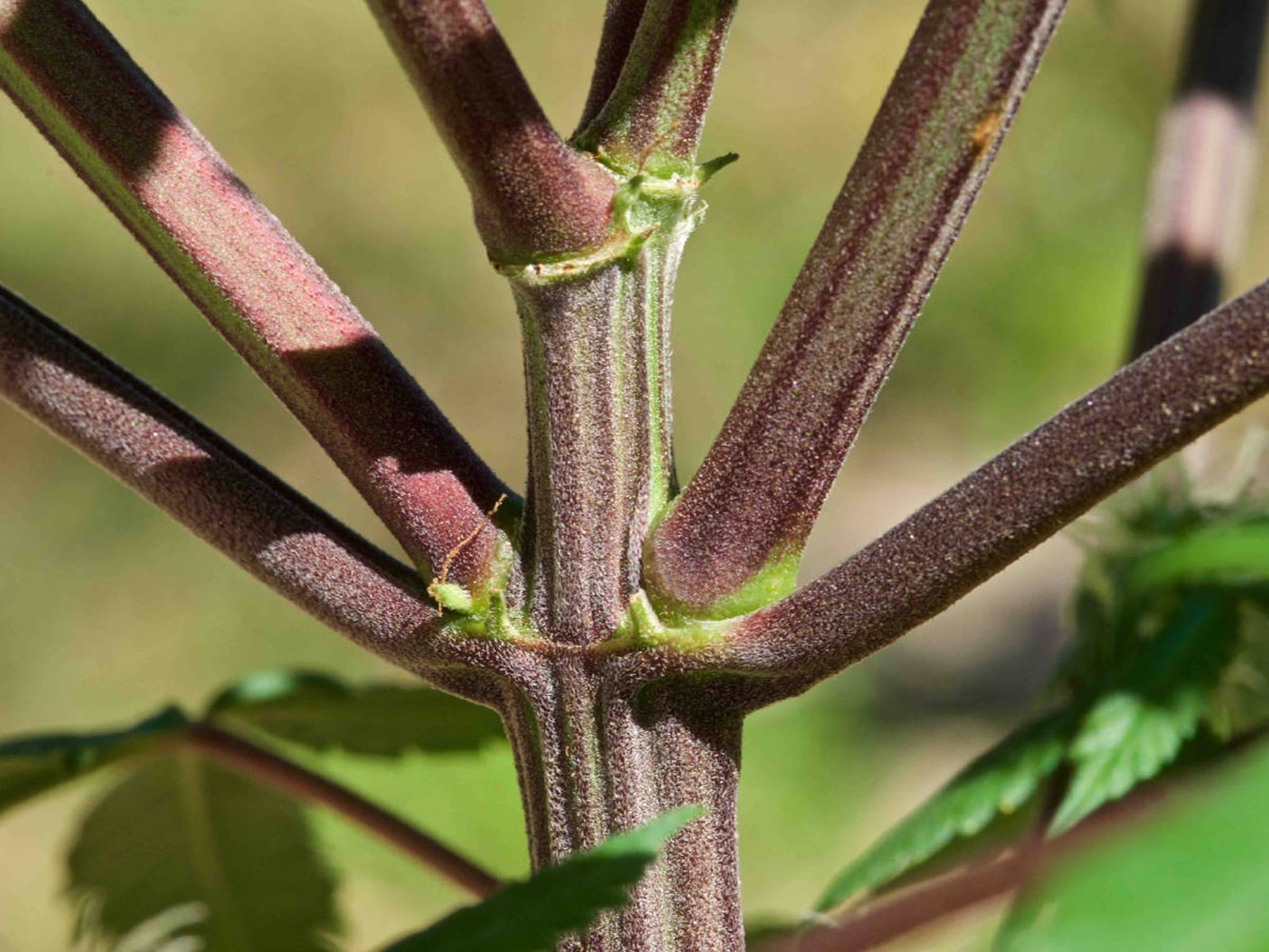
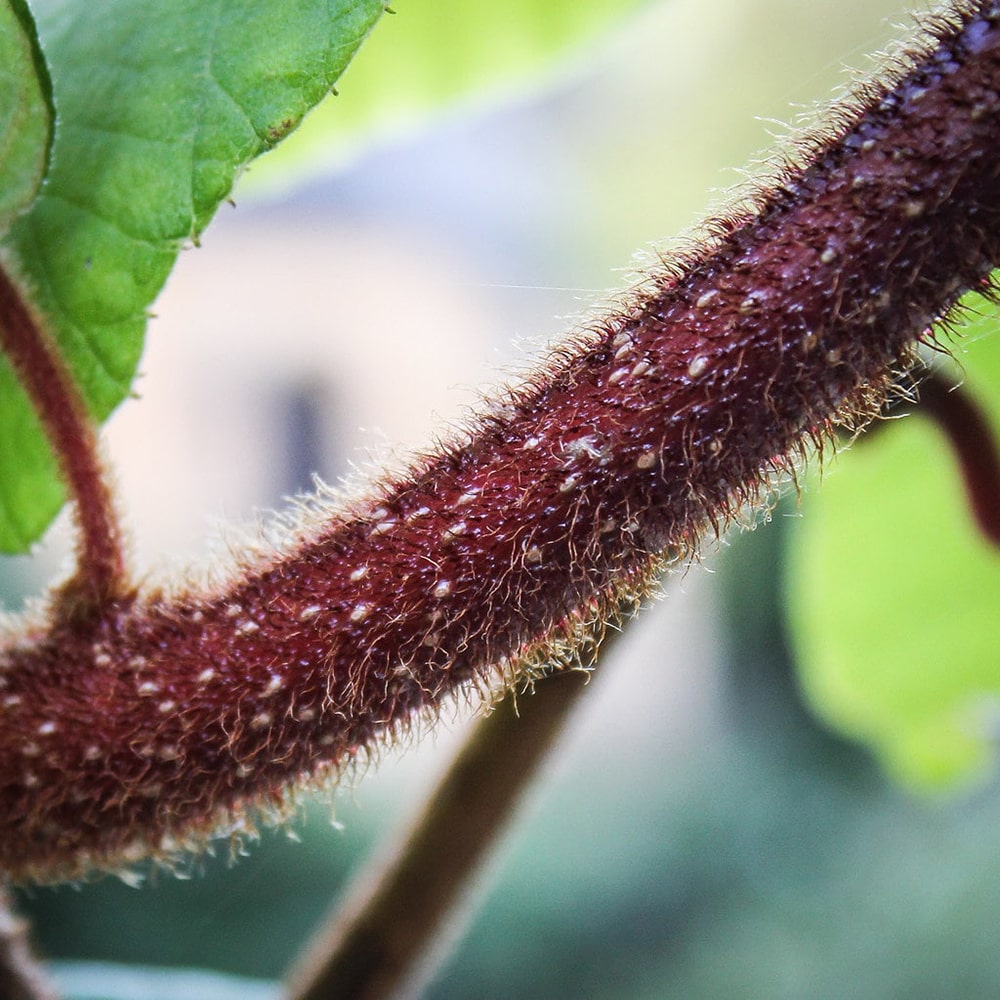
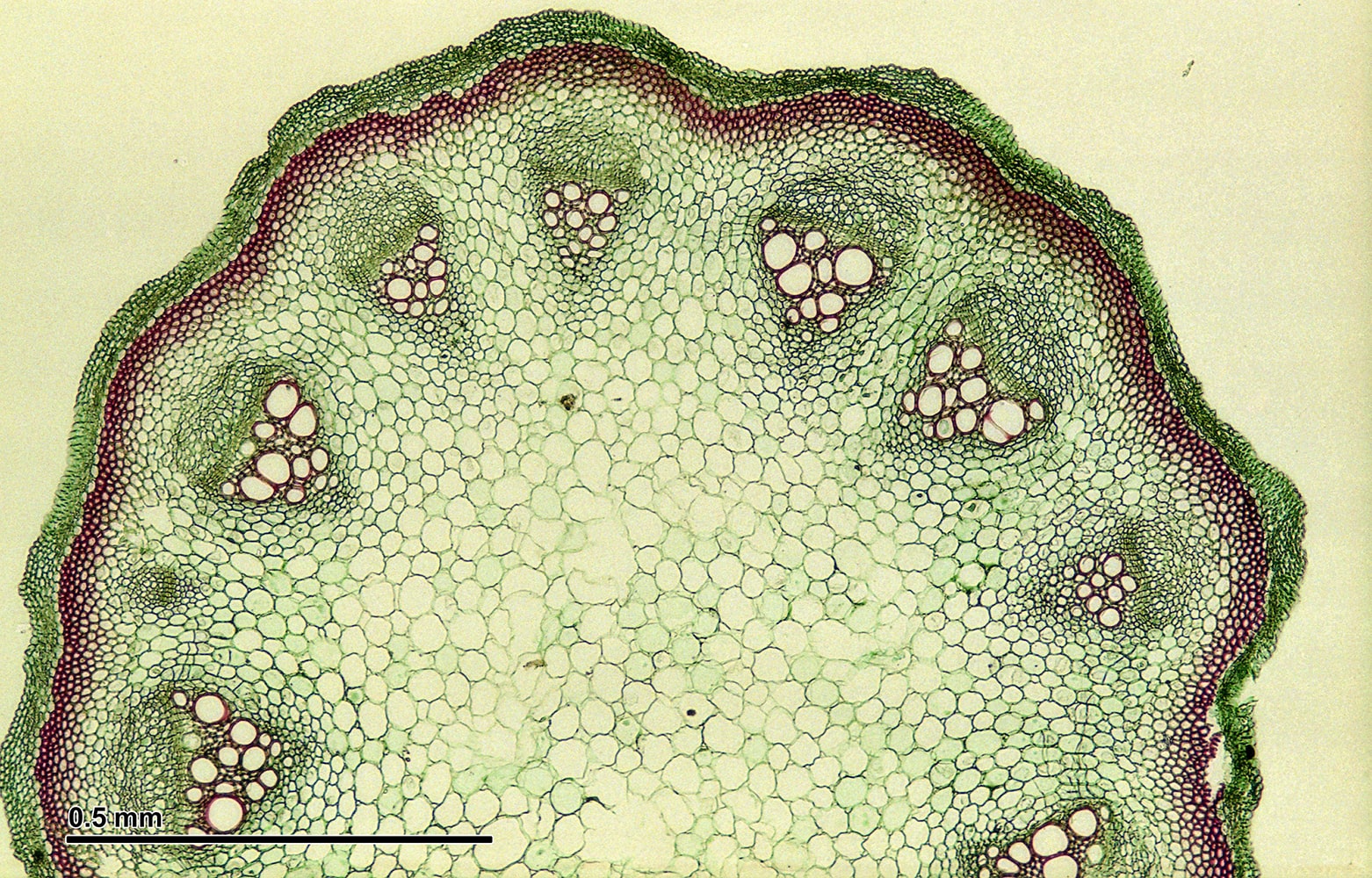
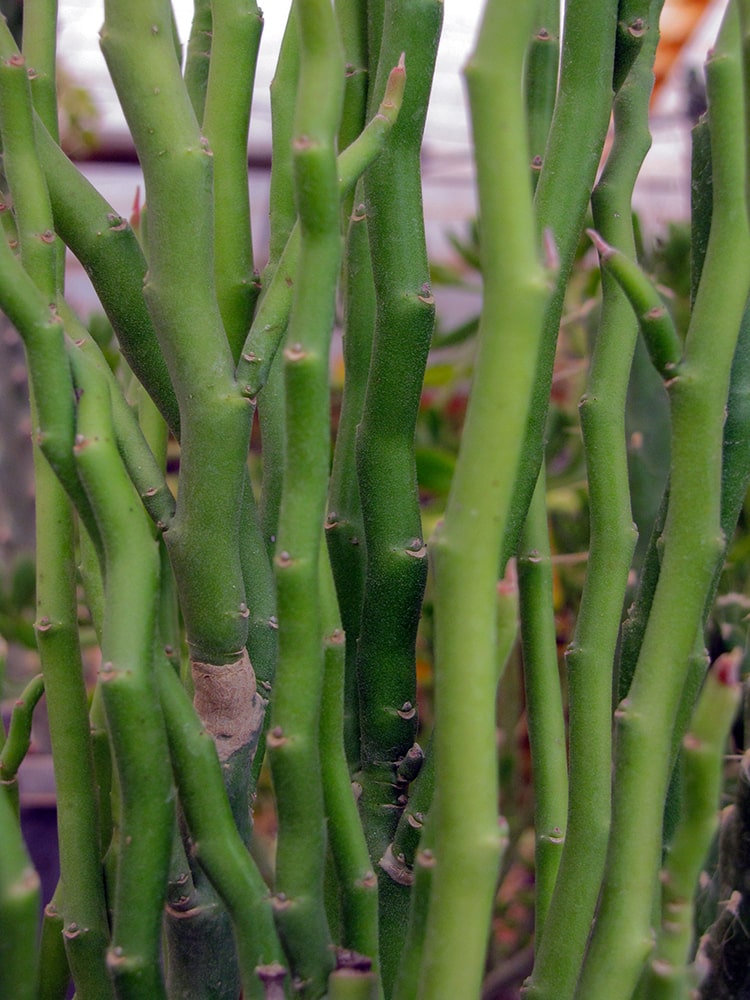
Light green to purple stems are cylindrical, slightly speckled, smooth, and often glaucous.
Smilax herbacea: Stem Color
grass
Green
grass
Purple/Lavender
Smilax herbacea: Stem Is Aromatic
No
Yes
Smilax herbacea: Stem Cross Section
Angular
Oval
Round
Square
Smilax herbacea: Stem Surface
Corky Ridges
Covered with a powdery bloom (glaucous)
Dull
Hairy (pubescent)
Polished
Smooth (glabrous)
Smilax herbacea: Stem Form
Straight
Zig Zags
Smilax herbacea Whole Plant Traits
Smilax herbacea: Plant Type
Annual
Bulb
Carnivorous
Edible
Epiphyte
Fern
Ground Cover
Herb
Herbaceous Perennial
Houseplant
Mushroom
Native Plant
Ornamental Grasses and Sedges
Perennial
Poisonous
Rose
Shrub
Succulent
Tree
Turfgrass
Vegetable
Vine
Water Plant
Weed
Wildflower
Smilax herbacea: Woody Plant Leaf Characteristics
Broadleaf Evergreen
Deciduous
Needled Evergreen
Semi-evergreen
Smilax herbacea: Habit/Form
Arching
Ascending
Broad
Cascading
Climbing
Clumping
Columnar
Conical
Creeping
Dense
Erect
Horizontal
Irregular
Mounding
Multi-stemmed
Multi-trunked
Open
Oval
Prostrate
Pyramidal
Rounded
Spreading
Vase
Weeping
Smilax herbacea: Appendage
Prickles
Spines
Tendrils
Thorns
Smilax herbacea Cultural Conditions
Smilax herbacea: Light
Dappled Sunlight (Shade through upper canopy all day)
Deep shade (Less than 2 hours to no direct sunlight)
Full sun (6 or more hours of direct sunlight a day)
Partial Shade (Direct sunlight only part of the day, 2-6 hours)