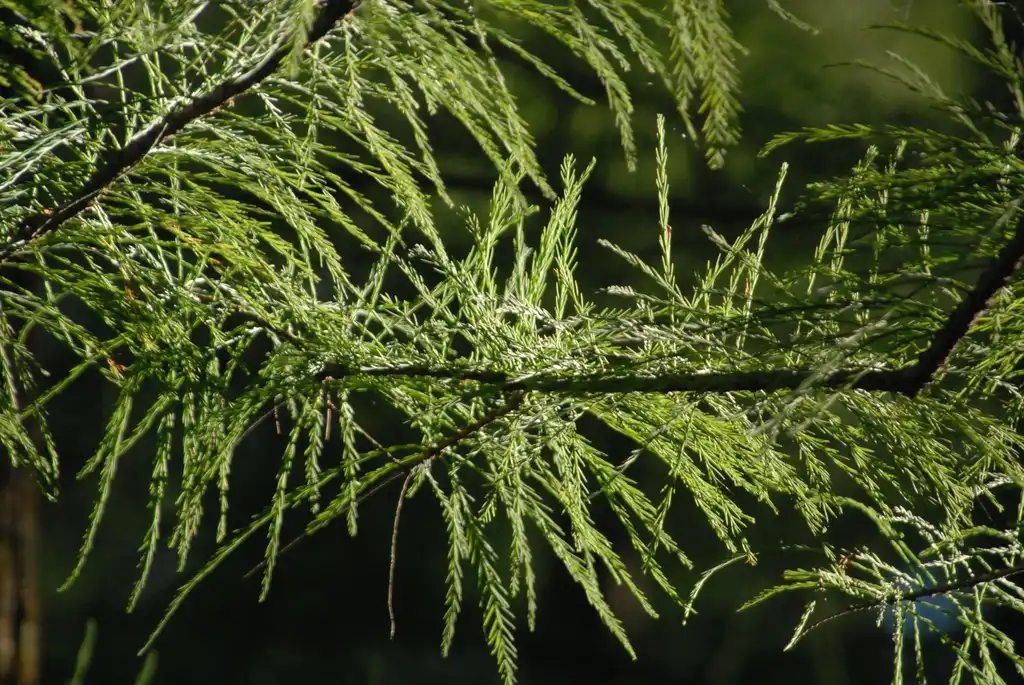
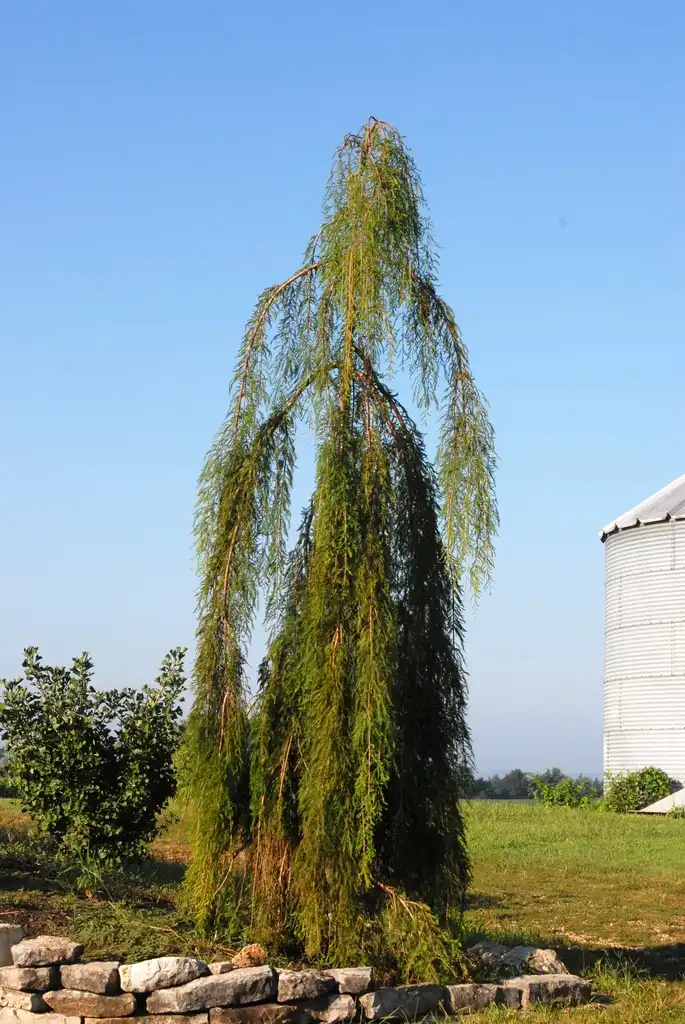
• Photo of Taxodium distichum (Taxodium distichums)

Plant Profile: Taxodium distichum

Taxonomy: Taxodium distichum

Names

Baldcypress, Bald Cypress, Cypress

  • Photo of Taxodium distichum (Taxodium distichums)

Phonetic Spelling:taks-OH-dee-um dye-STICK-um

Genus:Taxodium

Species:distichum

Family:Cupressaceae

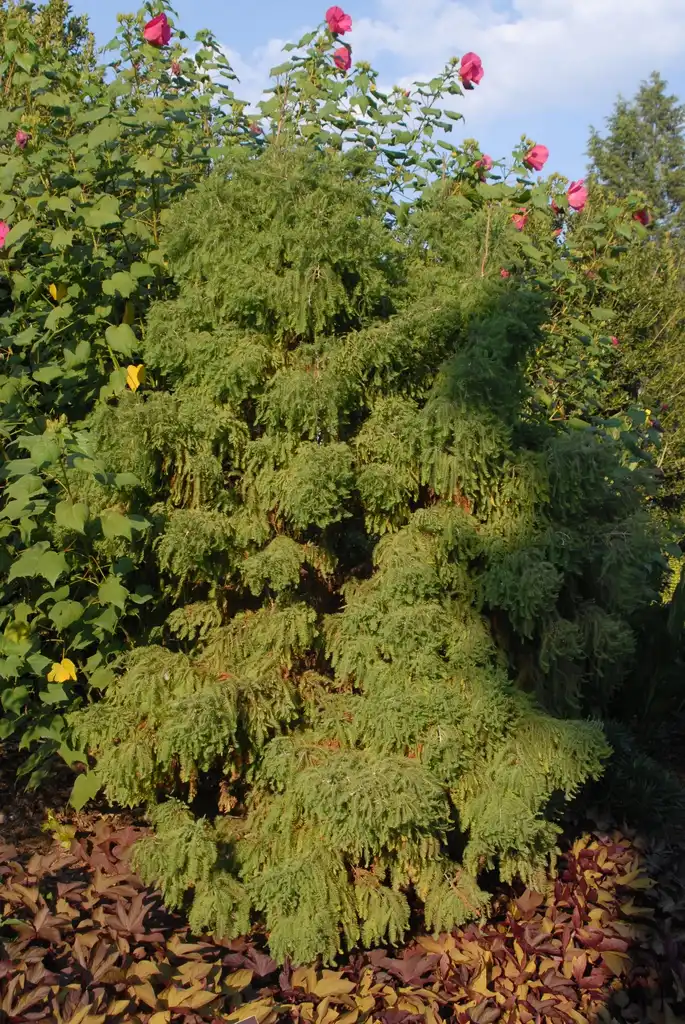
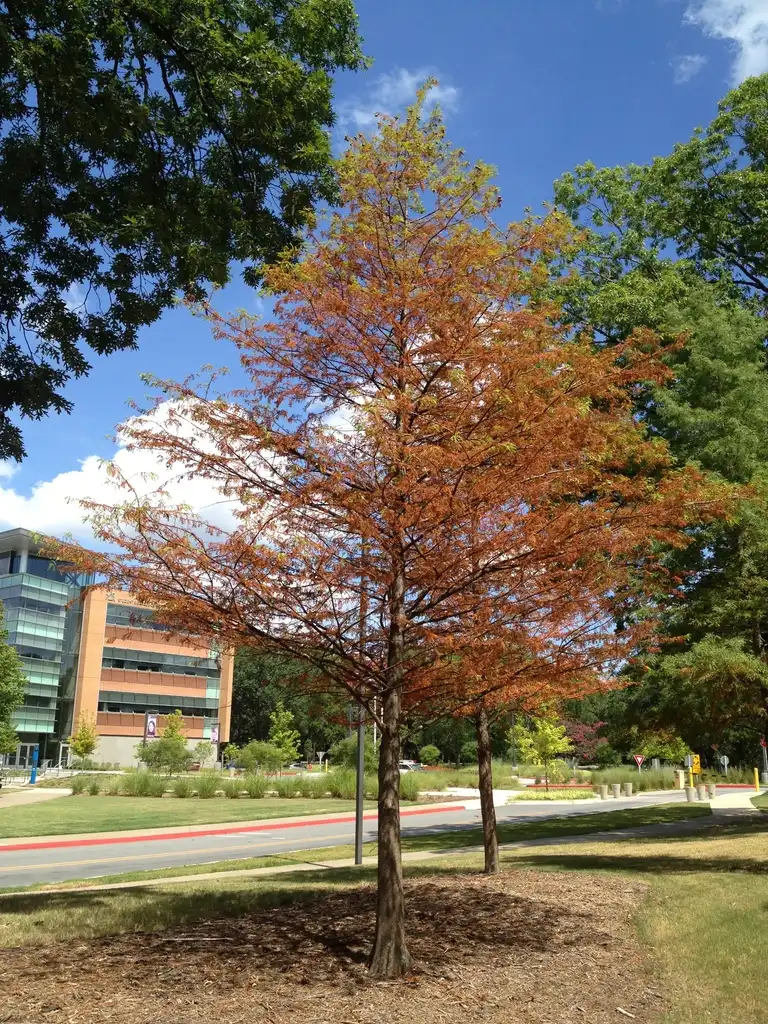
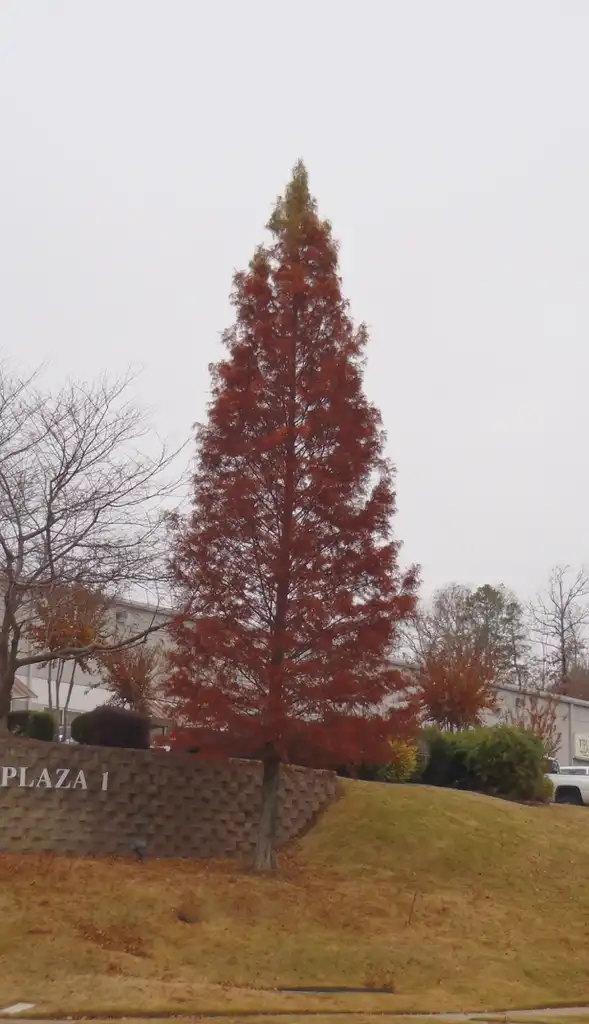
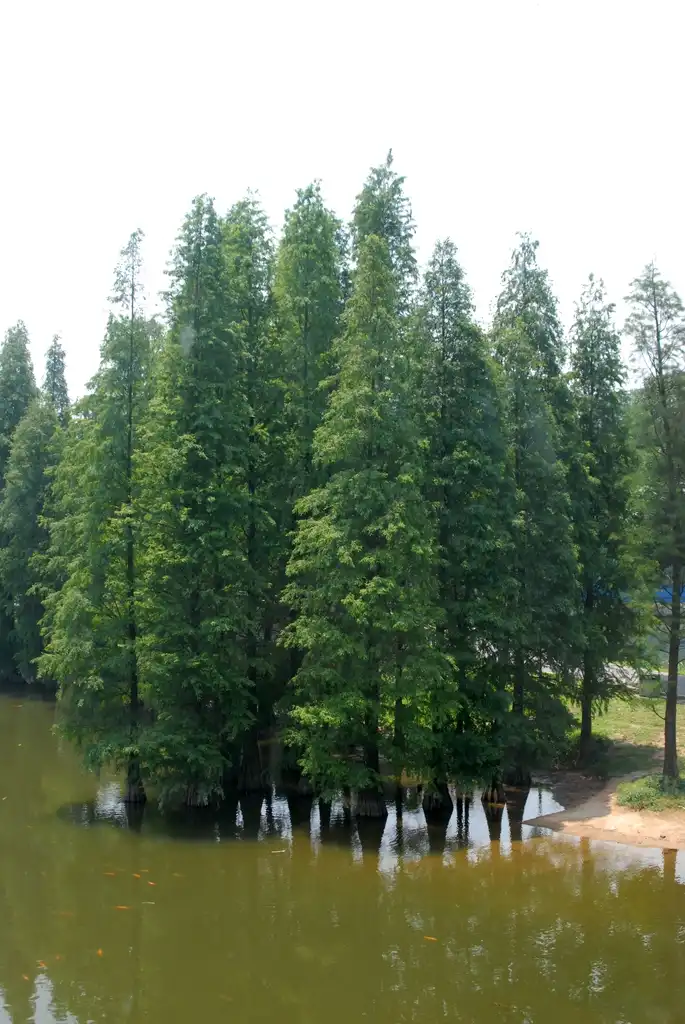
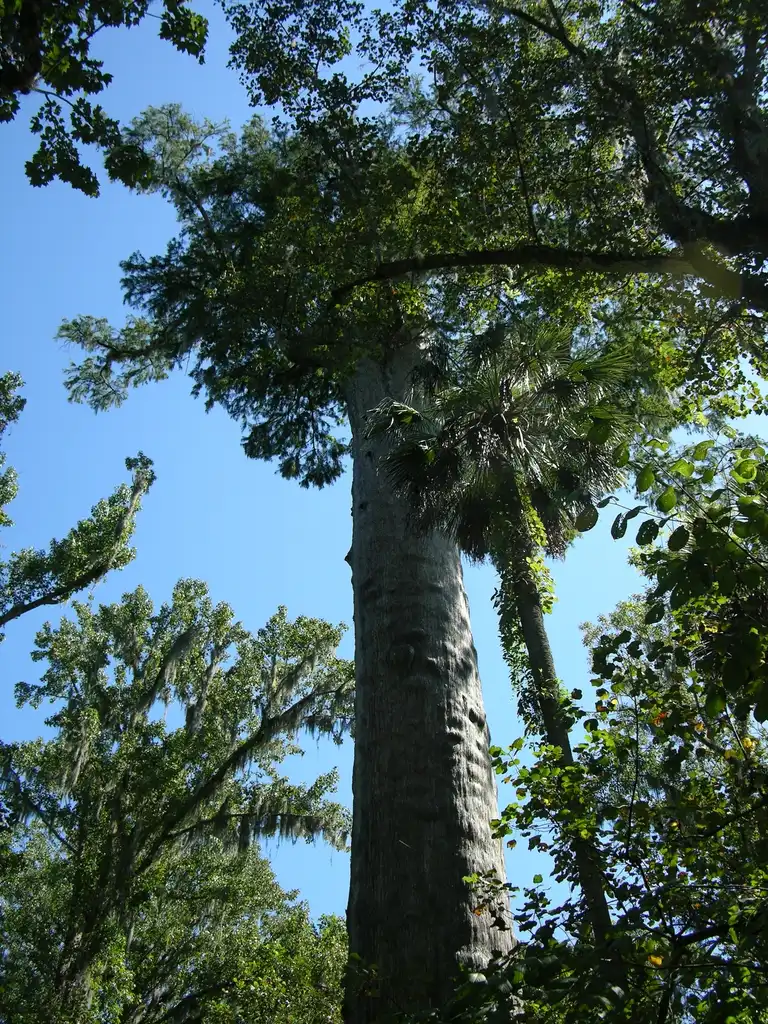
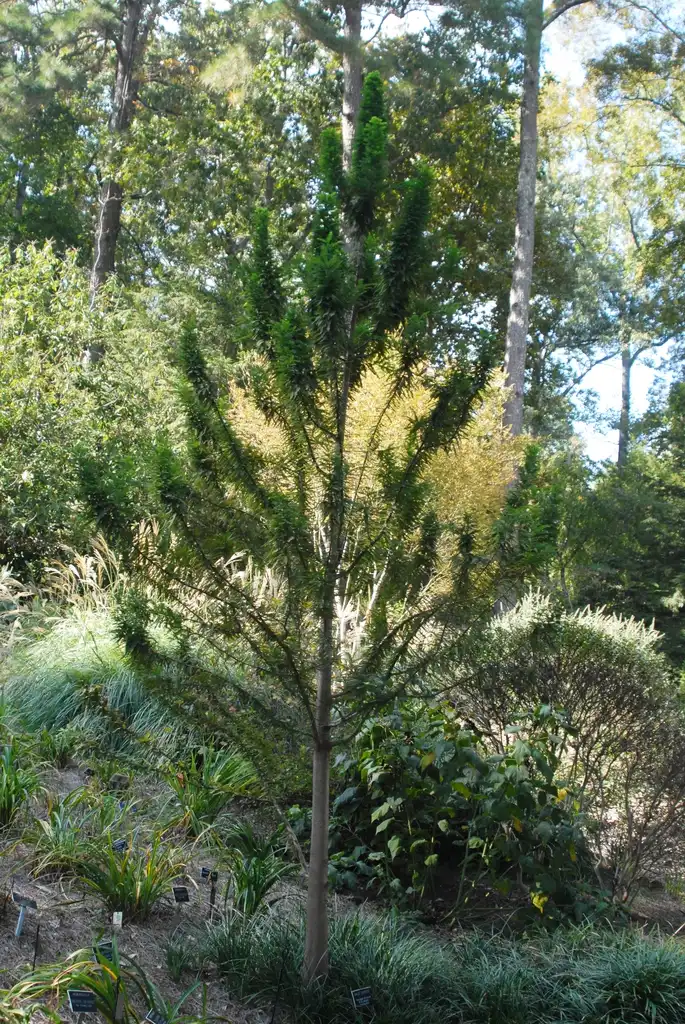
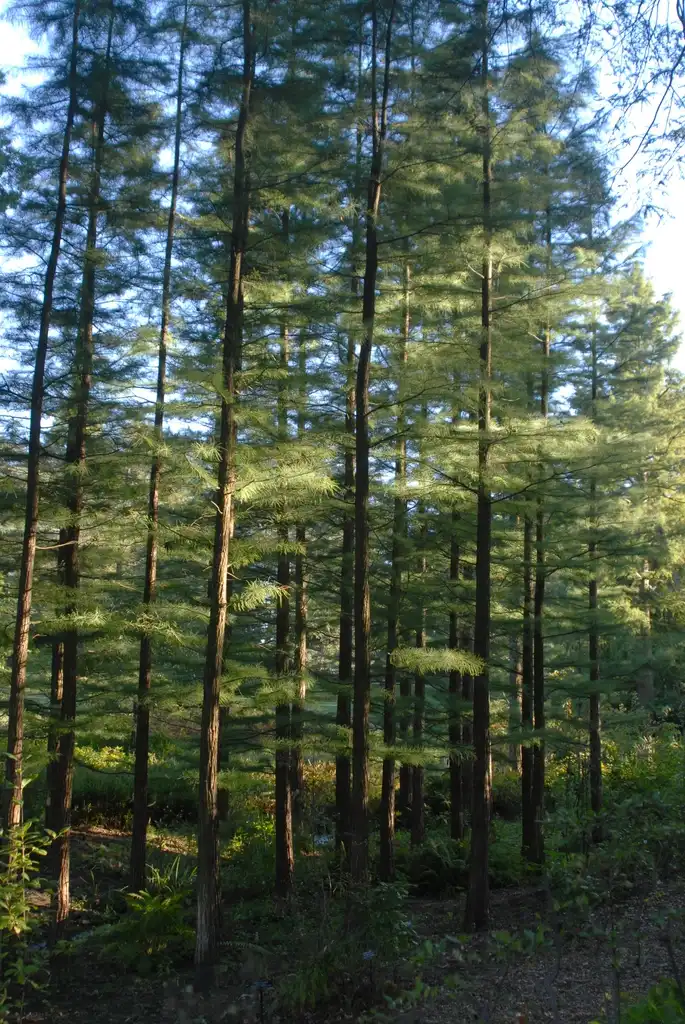
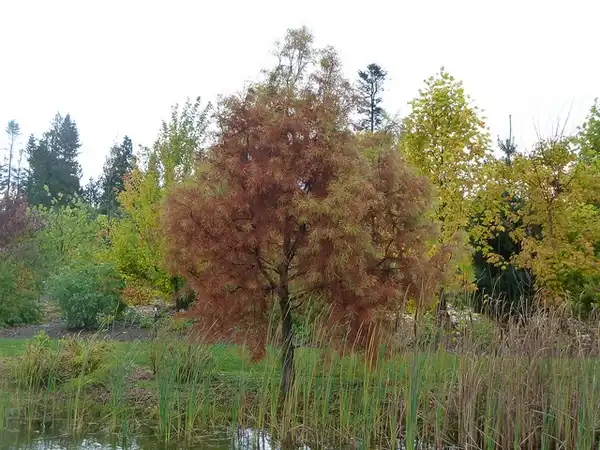
Taxodium distichum, commonly referred to as bald cypress, is a resilient, pyramidal conifer that can reach heights of 100 to 120 feet. Mature specimens develop a broad, spreading base that tapers as it ascends, with trunk diameters ranging from 3 to 6 feet. This species is among the longest-living trees globally, with its growth rings providing valuable insights into historical climate conditions. While it resembles a needle-bearing evergreen during the summer months—belonging to the same family as redwoods—it is, in fact, deciduous, hence the name "bald." The bald cypress is indigenous to the southern swamps, bayous, and rivers, predominantly found along coastal regions from Maryland to Texas and extending into the lower Mississippi River valley, reaching as far north as the southeastern corner of Missouri. In the Deep South, it is commonly seen thriving in swampy waters, often in large clusters, with its branches adorned with Spanish moss. However, when cultivated, it adapts well to drier, upland soils.

This tree is relatively easy to cultivate, thriving in average to wet, moisture-retentive soils that are well-drained, and it flourishes in full sun to partial shade. While it prefers moist, acidic, sandy soils, it can tolerate a diverse range of soil conditions, from somewhat dry to those submerged in standing water. Notably, the bald cypress can withstand prolonged flooding. It is a low-maintenance tree, requiring minimal effort for fall cleanup, and features a substantial taproot with some salt tolerance.

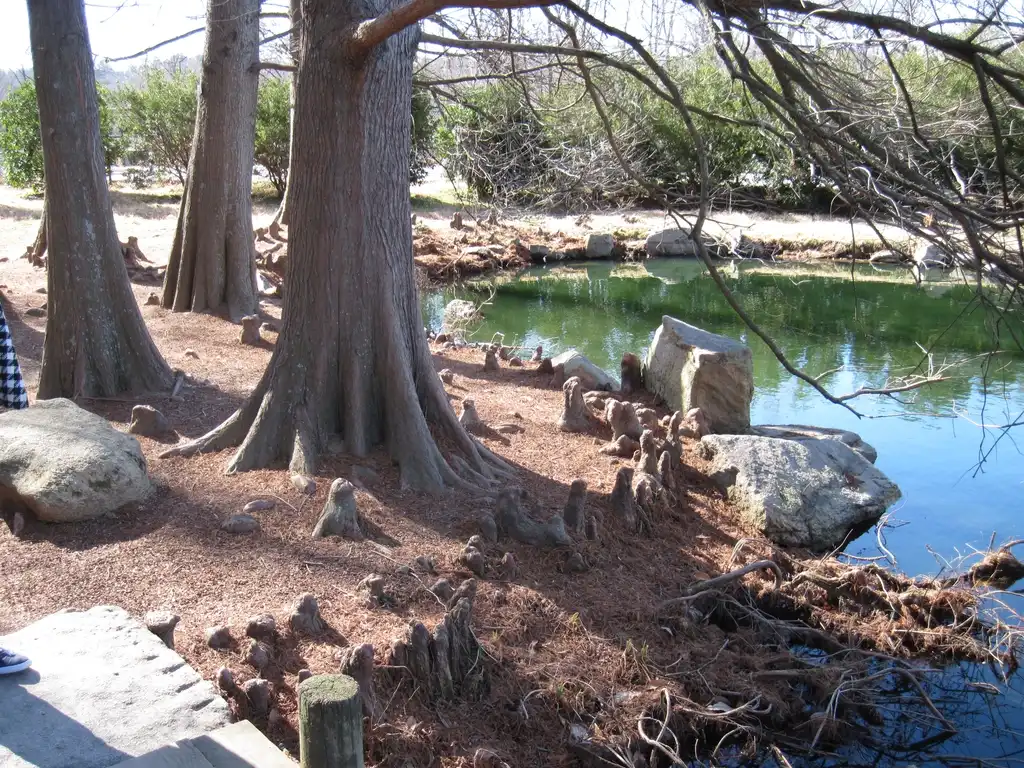
The roots of the bald cypress produce distinctive knobby, conical "knees" that emerge from the ground. Its heavy, straight-grained wood is resistant to rot and has been utilized for various applications, including barrels, railroad ties, and shingles. The sapwood is a light cream color, while the heartwood is a rich brown.

In terms of pests and diseases, twig blight can occasionally affect the tree, and chlorosis may arise in alkaline soil conditions.

Taxodium distichum Feature Summary

Taxodium distichum Image Gallery

Tags

#deciduous
#bark
#drought tolerant
#wildlife plant
#native tree
#conifer
#salt tolerant
#cover plant
#tsc
#air pollution tolerant
#playground
#showy fruits
#wet sites
#food source
#highly beneficial coastal plants
#cpp
#low flammability
#NC native
#deer resistant
#children's garden
#native garden
#fire resistant
#coastal plants
#Braham Arboretum
#fantz
#nesting sites
#frequent standing water
#food source fall
#food source spring
#aquatic animals
#breeding site
#shelter plant
#Coastal OBL
#food source herbage
#Piedmont Mountains OBL
#clay soils tolerant
#bird friendly
#food source hard mast fruit
#tsc-cg
#flood tolerant
#audubon

Similar Plants

Taxodium distichum is often confused with:

Taxodium distichum Feature Summary

Attributes
The wood is used for construction, flooring, cabinetry, and fences. It improves water quality while providing flood control in wet areas.
Southern U.S.A., NC, Mexico
Southeastern US
Wood ducks eat the seeds, as well as wild turkey, evening grosbeak, squirrels, waterfowl, and wading birds. Older trees form natural hollows and catamites that are used as cover by wildlife. Cyprus domes provide cover and breeding sites for frogs, toads, salamanders, and catfish. Spanish moss is often found hanging on the branches and provides food for Yellow-throated warblers.
Resistant to fire, moderately resistant to damage by deer, slightly salt tolerant,
Wildlife Food Source
Wildlife Cover/Habitat
low flammability
Fruit
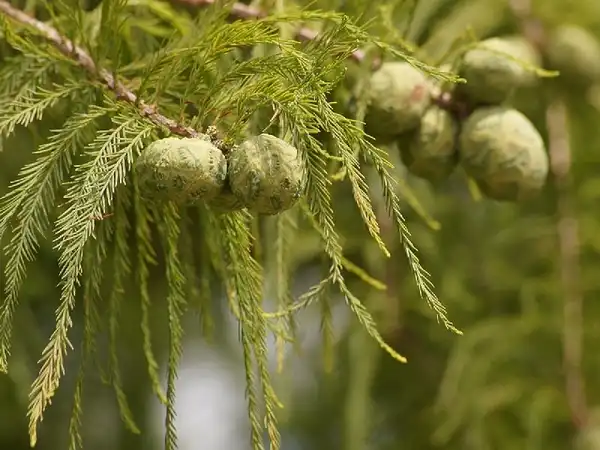
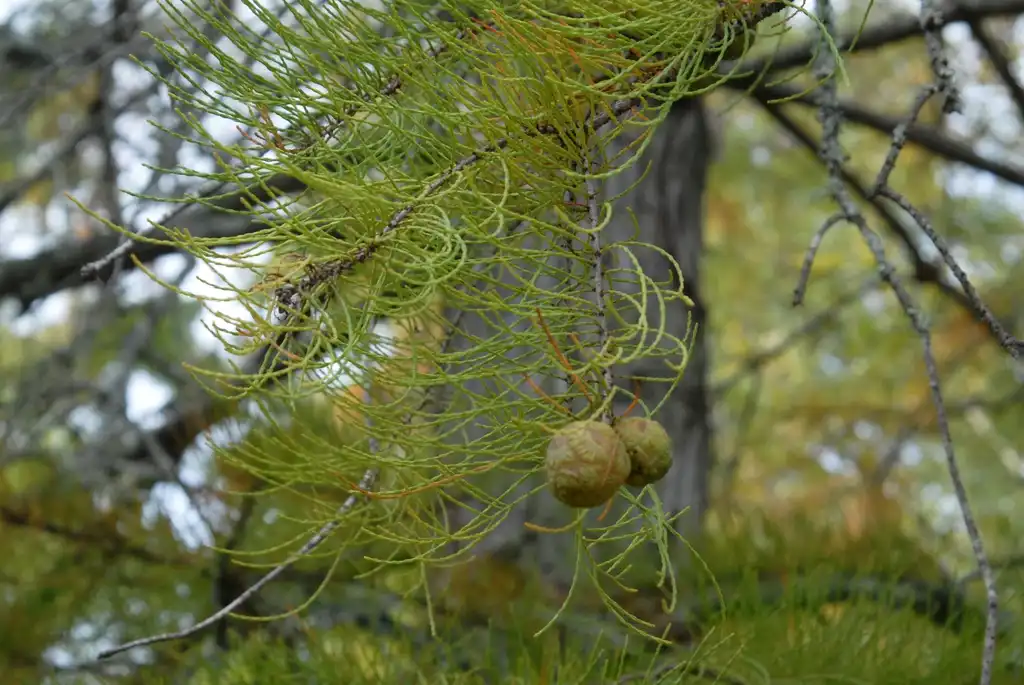
No fruits, cones on the bald cypress are round, wrinkled, 1 inch in diameter, and purplish-green that matures to brown. The scales are thick and irregular. Displays in October.
Green
Brown/Copper
Purple/Lavender
1-3 inches
1-3 inches
Flowers
Blooms from March to April.
Leaves
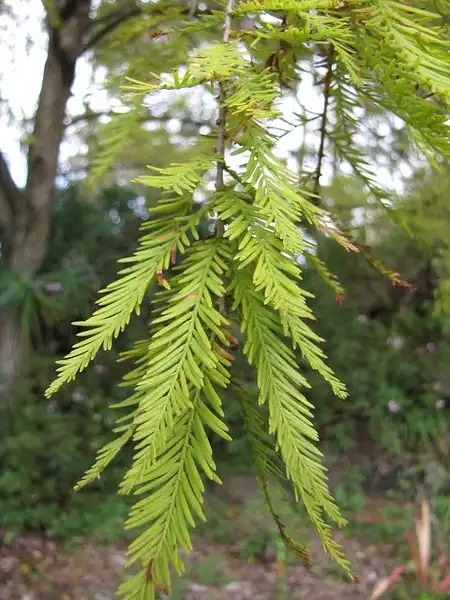
1/4 to 3/4" long, flat needles in two ranks on each branchlet. It is soft, feathery, yellowish-green in the spring, sage green in summer, and orange/cinnamon-brown in the fall. Branchlets fall to the ground, leaves still attached, soon after.
Green
Gold/Yellow
Brown/Copper
Orange
Needles
Opposite
Whorled
Acicular
< 1 inch
< 1 inch
Bark
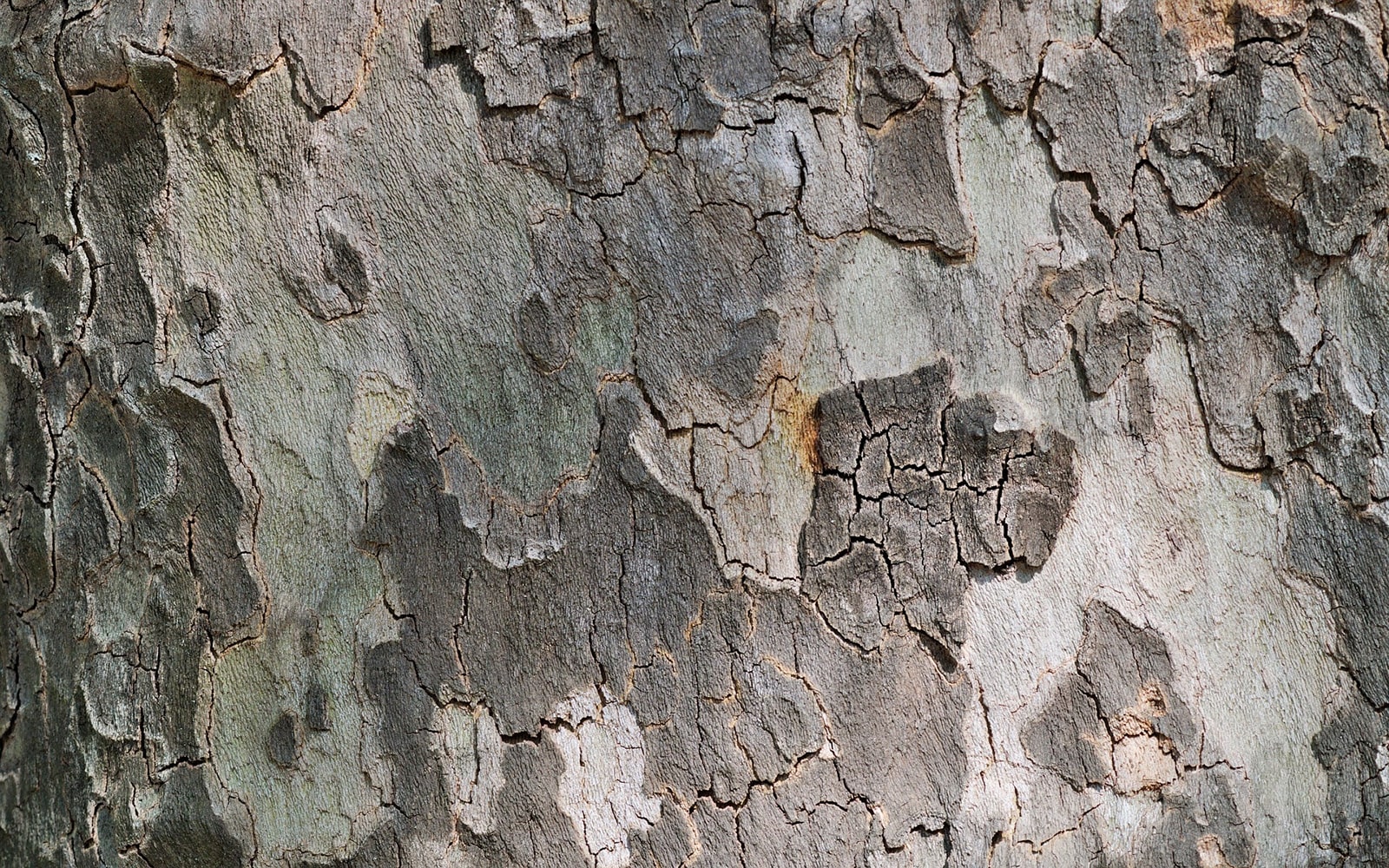
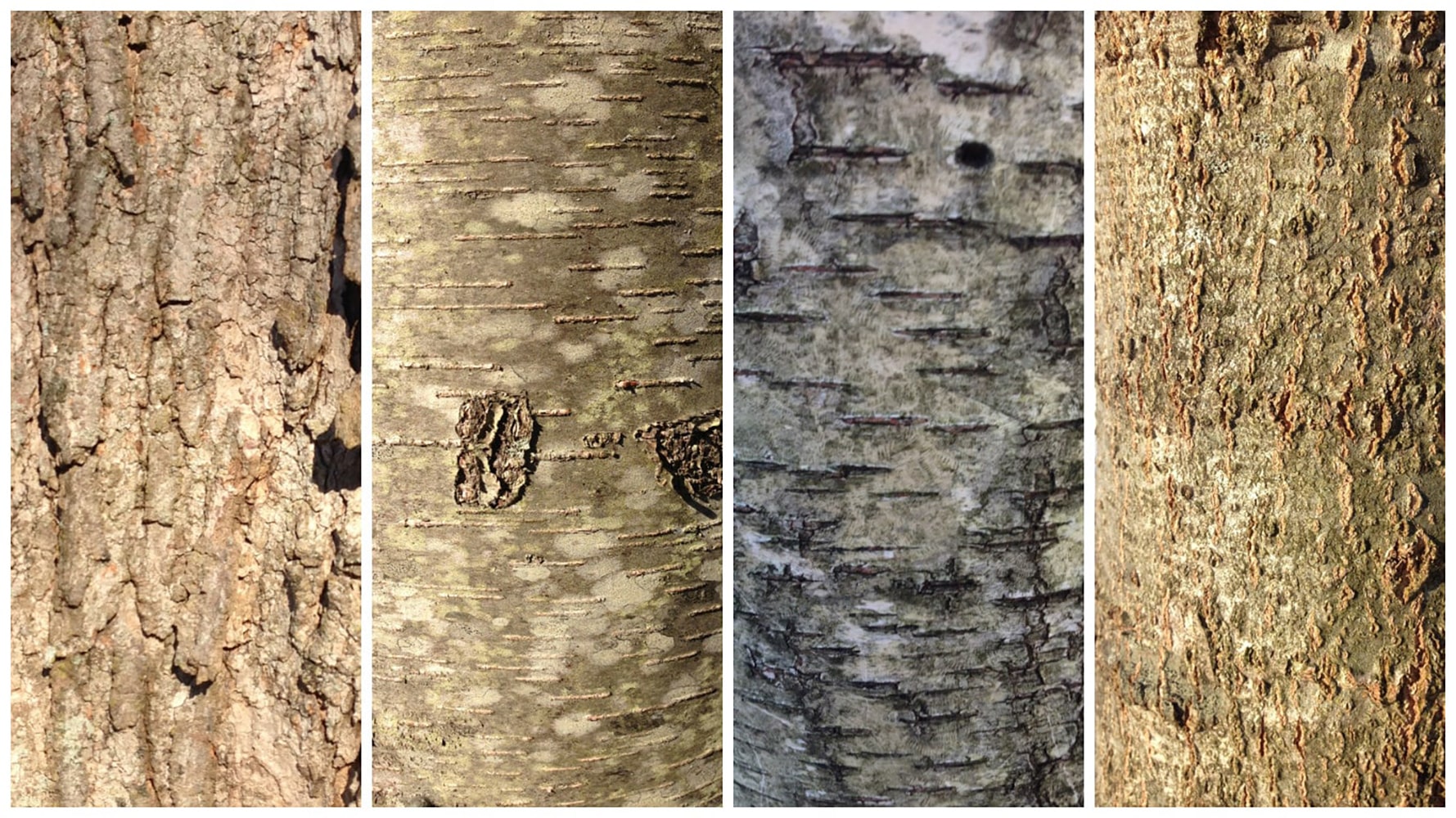
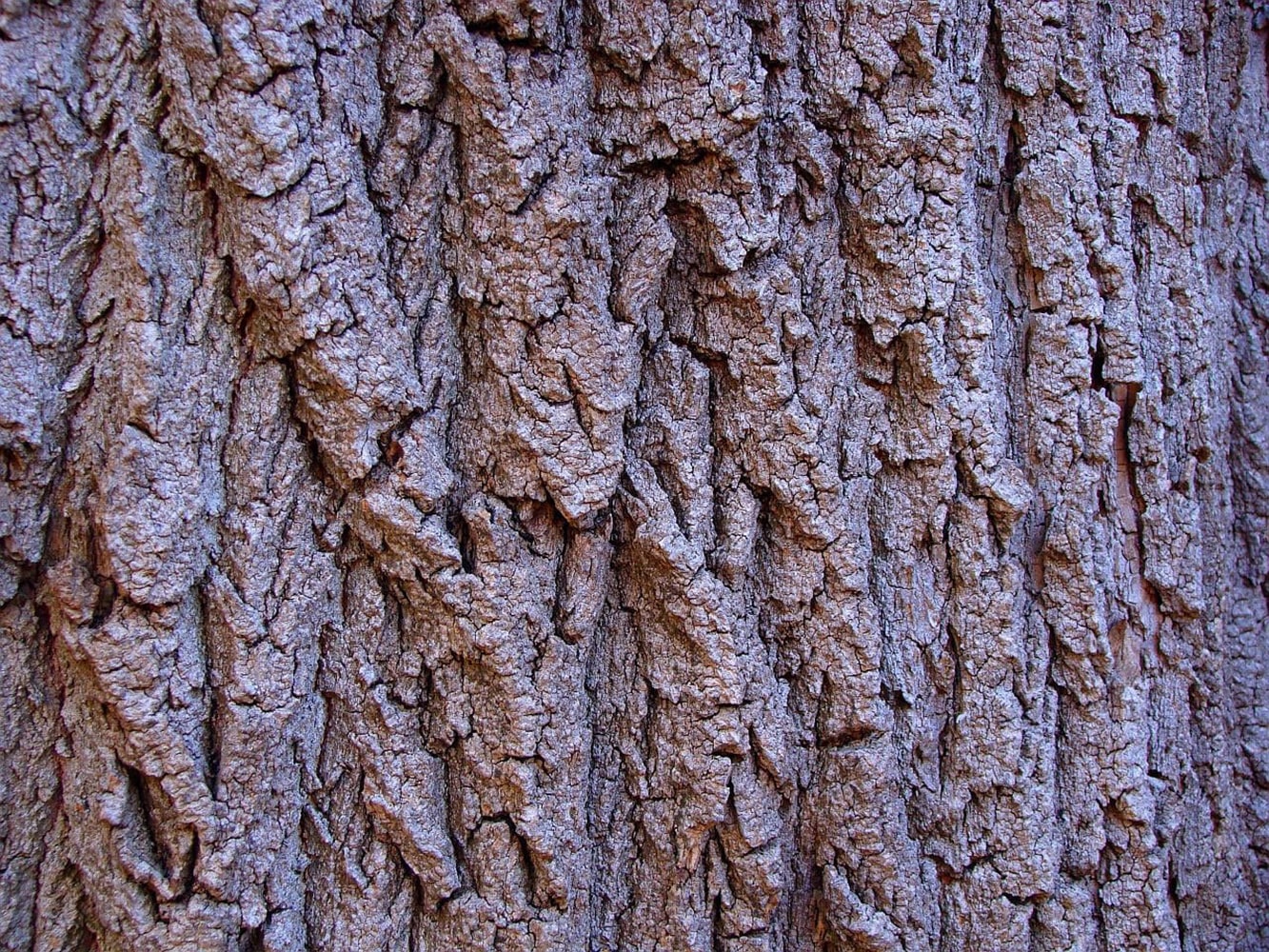
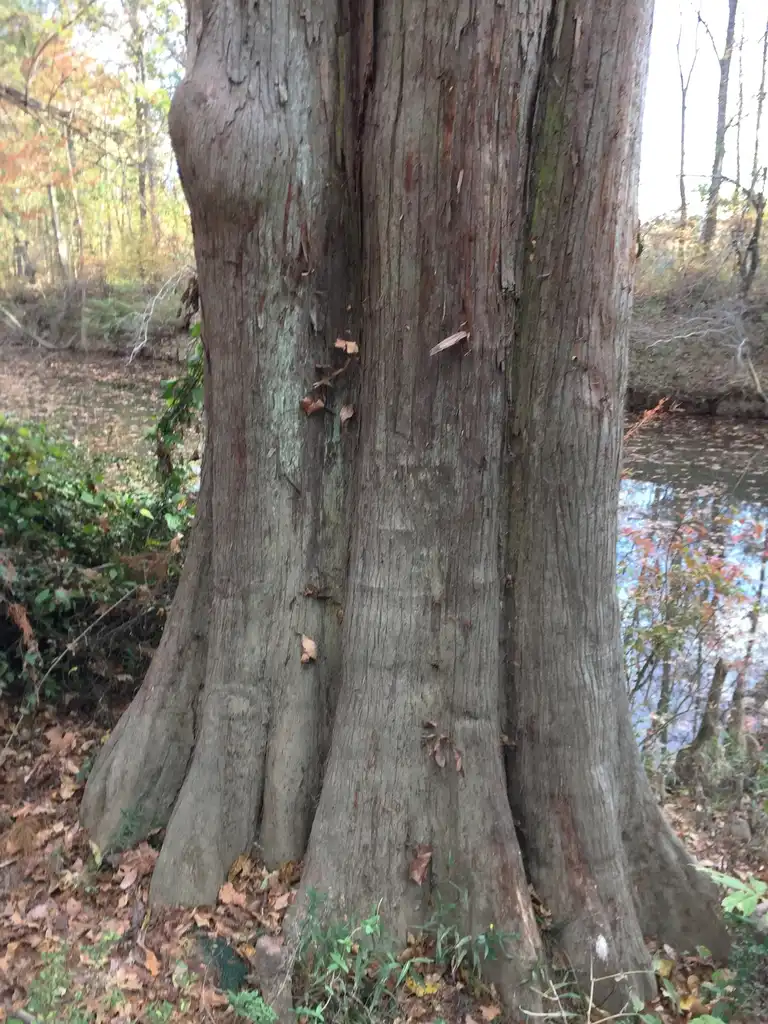
The bark is dark red-brown to silver-brown with many thin, vertical ridges. Trunks are flared or fluted (buttressed) at the base. In water, they develop knobby root growths ("knees") which protrude above the water surface.
Light Gray
Dark Brown
Light Brown
Red/Burgundy
Stem
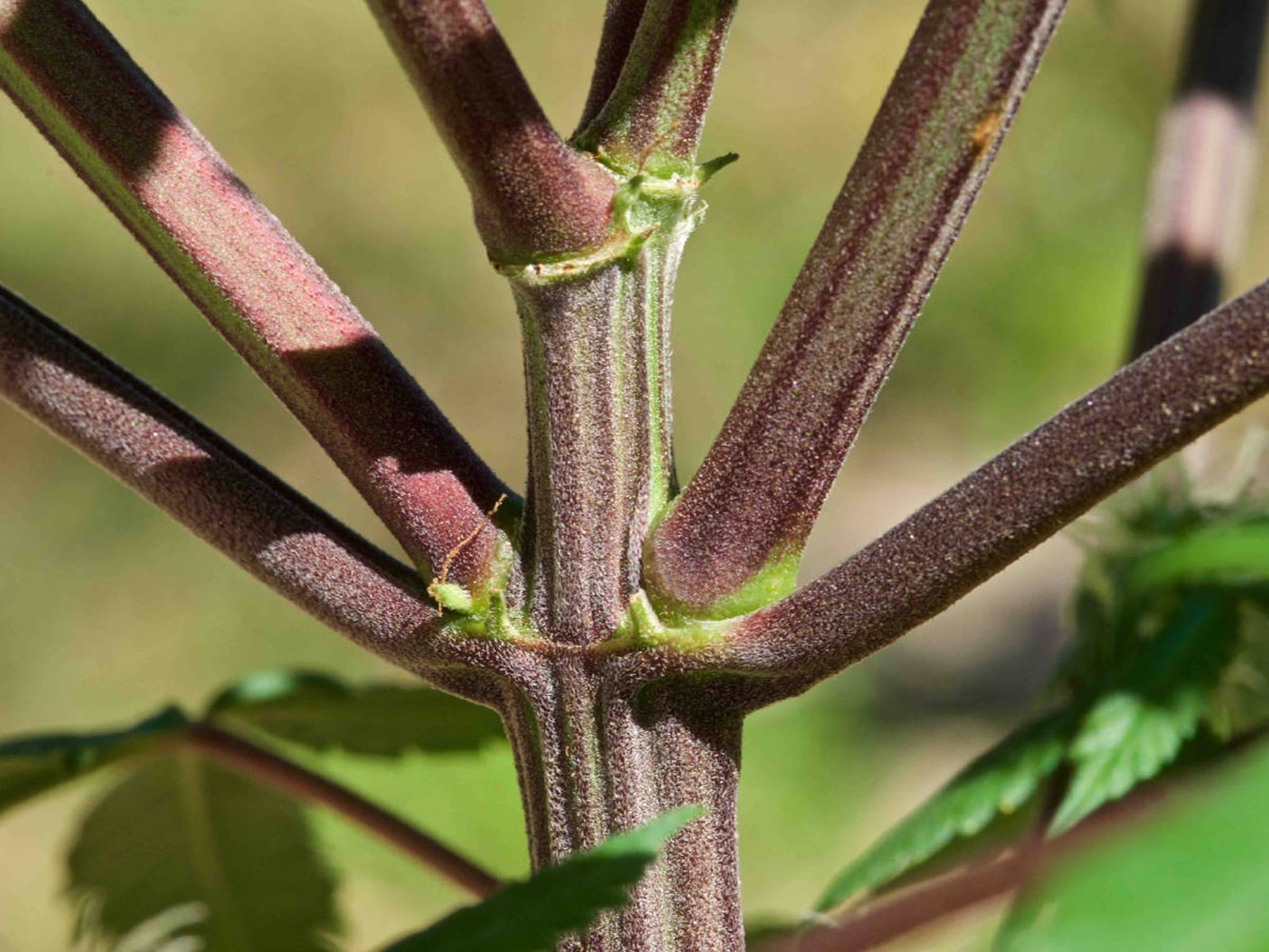
Grows a number of thick, heavy branches each with numerous small "branchlets" of leaves.
Whole Plant Traits
Tree
Native Plant
Pyramidal
Open
Horizontal
Broad
Cultural Conditions
Full sun (6 or more hours of direct sunlight a day)
Partial Shade (Direct sunlight only part of the day, 2-6 hours)
Acid (<6.0)
Good Drainage
Moist
Occasionally Wet
more than 60 feet
24-60 feet
Coastal
Piedmont
4a
4b
5b
5a
6a
6b
7a
7b
8b
8a
9a
9b
Clay
High Organic Matter
Loam (Silt)
Sand
Landscape
Children's Garden
Rain Garden
Shade Tree
Specimen
Deer
Pollution
Wet Soil
Salt
Erosion
Fire
Recreational Play Area
Coastal
Riparian
Pond
Songbirds
Small Mammals

Taxodium distichum Attributes

Taxodium distichum: Uses (Ethnobotany)

The wood is used for construction, flooring, cabinetry, and fences. It improves water quality while providing flood control in wet areas.

Taxodium distichum: Country Or Region Of Origin

Southern U.S.A., NC, Mexico

Taxodium distichum: Distribution

Southeastern US

Taxodium distichum: Wildlife Value

Wood ducks eat the seeds, as well as wild turkey, evening grosbeak, squirrels, waterfowl, and wading birds. Older trees form natural hollows and catamites that are used as cover by wildlife. Cyprus domes provide cover and breeding sites for frogs, toads, salamanders, and catfish. Spanish moss is often found hanging on the branches and provides food for Yellow-throated warblers.

Taxodium distichum: Particularly Resistant To (Insects/Diseases/Other Problems)

Resistant to fire, moderately resistant to damage by deer, slightly salt tolerant,

Taxodium distichum: Life Cycle

Annual
Biennial
Bulb
Perennial
Woody

Taxodium distichum: Play Value

Attractive Flowers
Attracts Pollinators
Buffer
Colorful
Defines Paths
Easy to Grow
Edible fruit
Fragrance
Pieces Used in Games
Screening
Shade
Sound
Textural
Wildlife Cover/Habitat
Wildlife Food Source
Wildlife Larval Host
Wildlife Nesting
Wind Break
Wind Shimmer

Taxodium distichum: Fire Risk Rating

extreme flammability
high flammability
low flammability
medium flammability

Taxodium distichum Fruit

Taxodium distichum: Fruit Description

No fruits, cones on the bald cypress are round, wrinkled, 1 inch in diameter, and purplish-green that matures to brown. The scales are thick and irregular. Displays in October.

Taxodium distichum: Fruit Color

grass
Brown/Copper
grass
Green
grass
Purple/Lavender

Taxodium distichum: Display/Harvest Time

Fall
Spring
Summer
Winter

Taxodium distichum: Fruit Length

< 1 inch
1-3 inches
> 3 inches

Taxodium distichum: Fruit Width

< 1 inch
1-3 inches
> 3 inches

Taxodium distichum Flowers

Taxodium distichum: Flower Description

Blooms from March to April.

Taxodium distichum: Flower Bloom Time

Winter
Spring
Summer
Fall

Taxodium distichum Leaves

Taxodium distichum: Leaf Description

1/4 to 3/4" long, flat needles in two ranks on each branchlet. It is soft, feathery, yellowish-green in the spring, sage green in summer, and orange/cinnamon-brown in the fall. Branchlets fall to the ground, leaves still attached, soon after.

Taxodium distichum: Woody Plant Leaf Characteristics

Broadleaf Evergreen
Deciduous
Needled Evergreen
Semi-evergreen

Taxodium distichum: Leaf Color

spa
Gold/Yellow
spa
Green

Taxodium distichum: Deciduous Leaf Fall Color

spa
Brown/Copper
spa
Orange

Taxodium distichum: Leaf Type

Compound (Pinnately , Bipinnately, Palmately)
Fronds
Needles
Sheath
Simple

Taxodium distichum: Leaf Arrangement

Alternate
Opposite
Other/more complex
Rosulate
Whorled

Taxodium distichum: Leaf Shape

Acicular
Auriculate
Cordate
Cuneate
Deltoid
Elliptical
Filiform
Lanceolate
Linear
Oblanceolate
Oblong
Obovate
Obtuse
Orbicular
Ovate
Palmasect
Palmatifid
Peltate
Pinnatifid
Pinnatisect
Reniform
Rhomboidal
Spatulate
Subcordate
Subulate

Taxodium distichum: Hairs Present

No
Yes

Taxodium distichum: Leaf Length

< 1 inch
1-3 inches
3-6 inches
> 6 inches

Taxodium distichum: Leaf Feel

Fleshy
Glossy
Leathery

Papery

Prickly

Rough
Rubbery
Slippery
Smooth
Soft
Velvety
Waxy

Taxodium distichum: Leaf Value To Gardener

Edible
Fragrant
Good Cut
Good Dried
Long-lasting
Showy

Taxodium distichum: Leaf Width

< 1 inch
1-3 inches
3-6 inches
> 6 inches

Taxodium distichum Bark

Taxodium distichum: Bark Description

The bark is dark red-brown to silver-brown with many thin, vertical ridges. Trunks are flared or fluted (buttressed) at the base. In water, they develop knobby root growths ("knees") which protrude above the water surface.

Taxodium distichum: Bark Color

grass
Dark Brown
grass
Light Brown
grass
Light Gray
grass
Red/Burgundy

Taxodium distichum: Surface/Attachment

Bumpy
Exfoliating
Fissured
Furrowed
Lenticels
Papery
Patchy
Peeling
Ridges
Scaly
Shaggy
Shiny
Shredding
Smooth
Spongy

Taxodium distichum Stem

Taxodium distichum: Stem Description

Grows a number of thick, heavy branches each with numerous small "branchlets" of leaves.

Taxodium distichum: Stem Is Aromatic

No
Yes

Taxodium distichum Whole Plant Traits

Taxodium distichum: Plant Type

Annual
Bulb
Carnivorous
Edible
Epiphyte
Fern
Ground Cover
Herb
Herbaceous Perennial
Houseplant
Mushroom
Native Plant
Ornamental Grasses and Sedges
Perennial
Poisonous
Rose
Shrub
Succulent
Tree
Turfgrass
Vegetable
Vine
Water Plant
Weed
Wildflower

Taxodium distichum: Woody Plant Leaf Characteristics

Broadleaf Evergreen
Deciduous
Needled Evergreen
Semi-evergreen

Taxodium distichum: Habit/Form

Arching
Ascending
Broad
Cascading
Climbing
Clumping
Columnar
Conical
Creeping
Dense
Erect
Horizontal
Irregular
Mounding
Multi-stemmed
Multi-trunked
Open
Oval
Prostrate
Pyramidal
Rounded
Spreading
Vase
Weeping

Taxodium distichum: Growth Rate

Slow
Medium
Rapid

Taxodium distichum: Maintenance

Low
Medium
High

Taxodium distichum: Texture

Fine
Medium
Coarse

Taxodium distichum Cultural Conditions

Taxodium distichum: Light

Dappled Sunlight (Shade through upper canopy all day)
Deep shade (Less than 2 hours to no direct sunlight)
Full sun (6 or more hours of direct sunlight a day)
Partial Shade (Direct sunlight only part of the day, 2-6 hours)

Taxodium distichum: Soil pH

Acid (<6.0)
Alkaline (>8.0)
Neutral (6.0-8.0)

Taxodium distichum: Soil Drainage

Frequent Standing Water
Good Drainage
Moist
Occasional Flooding
Occasionally Dry
Occasionally Wet
Very Dry

Taxodium distichum: Available Space To Plant

12 inches-3 feet
12-24 feet
24-60 feet
3 feet-6 feet
6-feet-12 feet
Less than 12 inches
more than 60 feet

Taxodium distichum: NC Region

Coastal
Mountains
Piedmont

Taxodium distichum: USDA Plant Hardiness Zone

thermostat
4a
thermostat
4b
thermostat
5a
thermostat
5b
thermostat
6a
thermostat
6b
thermostat
7a
thermostat
7b
thermostat
8a
thermostat
8b
thermostat
9a
thermostat
9b

Taxodium distichum: Soil Texture

Clay
High Organic Matter
Loam (Silt)
Sand
Shallow Rocky

Taxodium distichum Landscape

Taxodium distichum: Landscape Theme

Asian Garden
Butterfly Garden
Children's Garden
Cottage Garden
Cutting Garden
Drought Tolerant Garden
Edible Garden
English Garden
Fairy Garden
Garden for the Blind
Native Garden
Nighttime Garden
Pollinator Garden
Rain Garden
Rock Garden
Shade Garden
Water Garden
Winter Garden

Taxodium distichum: Design Feature

Accent
Barrier
Border
Flowering Tree
Foundation Planting
Hedge
Mass Planting
Screen/Privacy
Security
Shade Tree
Small groups
Small Tree
Specimen
Street Tree
Understory Tree

Taxodium distichum: Resistance To Challenges

Black Walnut
Compaction
Deer
Diseases
Drought
Dry Soil
Erosion
Fire
Foot Traffic
Heat
Heavy Shade
Humidity
Insect Pests
Pollution
Poor Soil
Rabbits
Salt
Slugs
Squirrels
Storm damage
Urban Conditions
Voles
Wet Soil
Wind

Taxodium distichum: Landscape Location

Coastal
Container
Hanging Baskets
Houseplants
Lawn
Meadow
Naturalized Area
Near Septic
Patio
Pond
Pool/Hardscape
Recreational Play Area
Riparian
Rock Wall
Slope/Bank
Small Space
Vertical Spaces
Walkways
Woodland

Taxodium distichum: Attracts

Bats
Bees
Butterflies
Frogs
Hummingbirds
Moths
Pollinators
Predatory Insects
Reptiles
Small Mammals
Songbirds
Specialized Bees