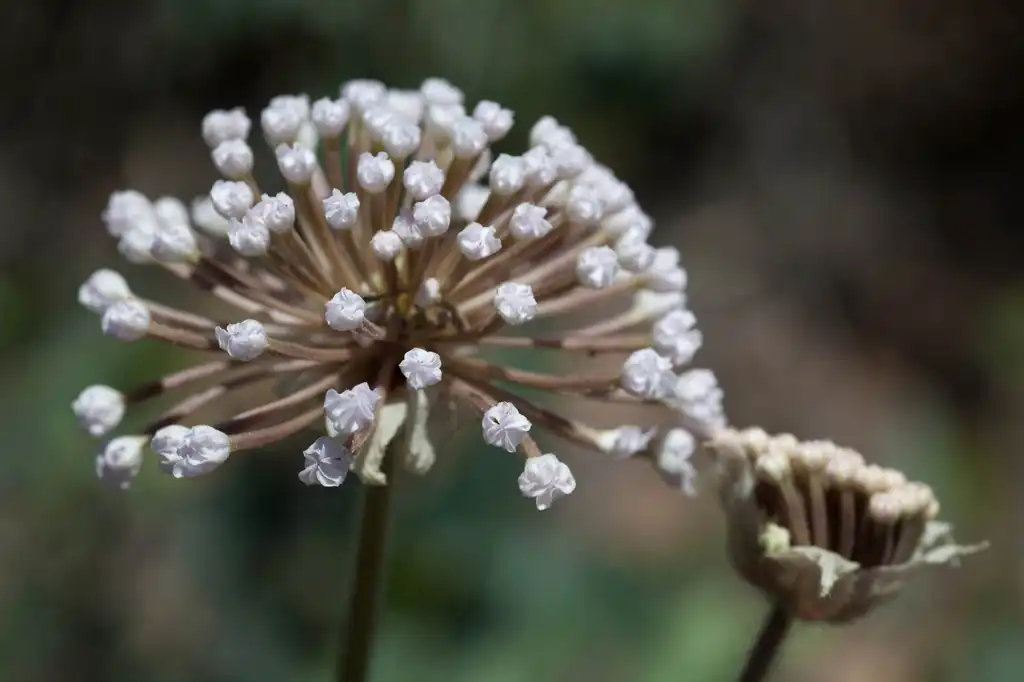
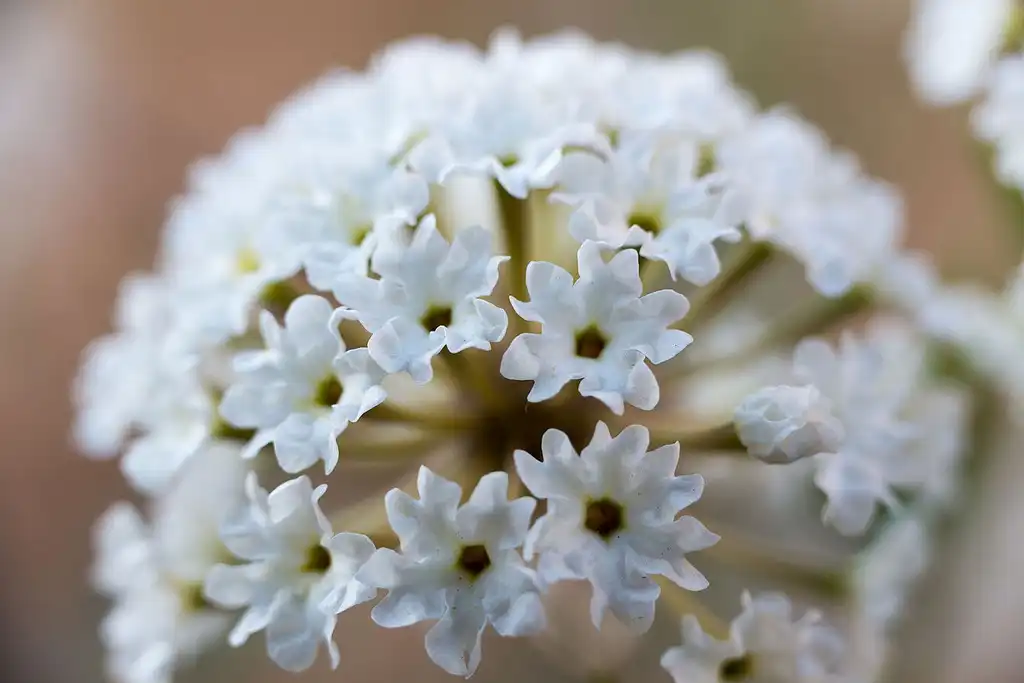
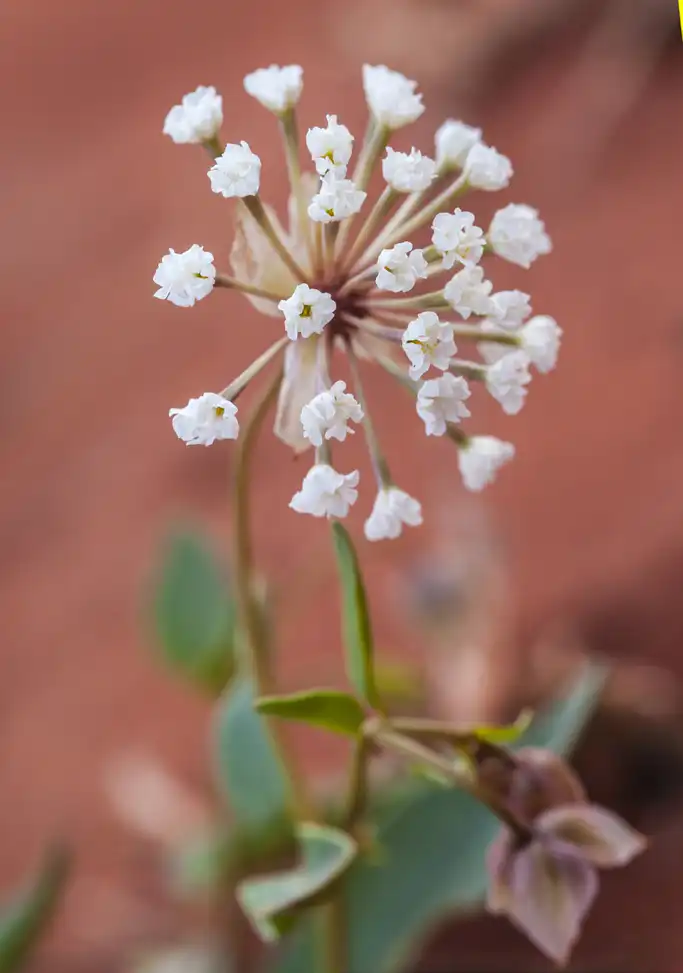
Abronia fragrans, commonly known as Fragrant Sand-verbena, is a delightful herbaceous perennial belonging to the four o'clock family, which is recognized for its tendency to bloom later in the day. This plant thrives in dry, sandy environments, including woodlands, open spaces, sandy plains, meadows, and pastures, typically at elevations ranging from 1,300 to 6,500 feet. It features sprawling, sticky, hairy stems and erect flower stalks adorned with striking clusters of white flowers, which may also appear in shades of green, lavender, or pink. The blossoms unfurl in the late afternoon, remain open throughout the night, and close by morning. With a taproot system, this plant can spread between 1 to 3 feet wide and is an excellent choice for rock gardens, where its vibrant flowers can attract butterflies.
**Diseases, Insects, and Other Plant Issues:**
Currently, there are no reported diseases or insect-related issues affecting this plant.
Native Americans used the Sand-verbena flowers and roots for stomach and bowel problems and, when cooked and ground into a powder, mixed with corn. It was named a ‘life’ medicine that could be used to give one a good appetite and make one fat. A cold infusion was used as a lotion for mouth sores and to bathe hot tired feet.
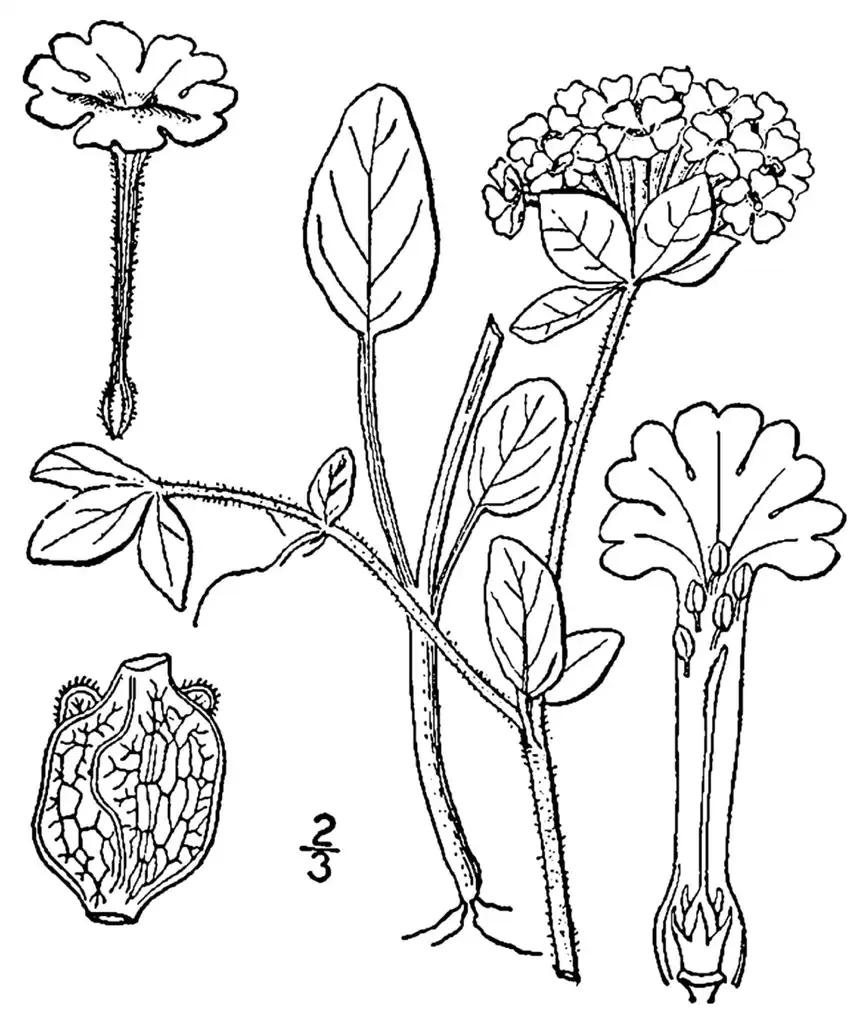
Egg-shaped achenes about 0.1 of an inch long, lustrous, and black or brown. The achene is enclosed within a leathery top-shaped calyx base which may or may not be winged.
Showy white, (sometimes, pink, purple or green) heads are 2 inches across and bloom from April to September. Numerous blossoms are held in ball-shaped clusters at the ends of the sticky-hairy, branched stems. Each flower is an elongated trumpet shape – a long narrow tube topped by five small lobes. The base of the tube are pink and the sepals may also have a pink tint. Beneath the flower head, at the top of the stem are five thin yellowish-green bracts. The flowers only open in the cool evening and give off a fragrance of vanilla.
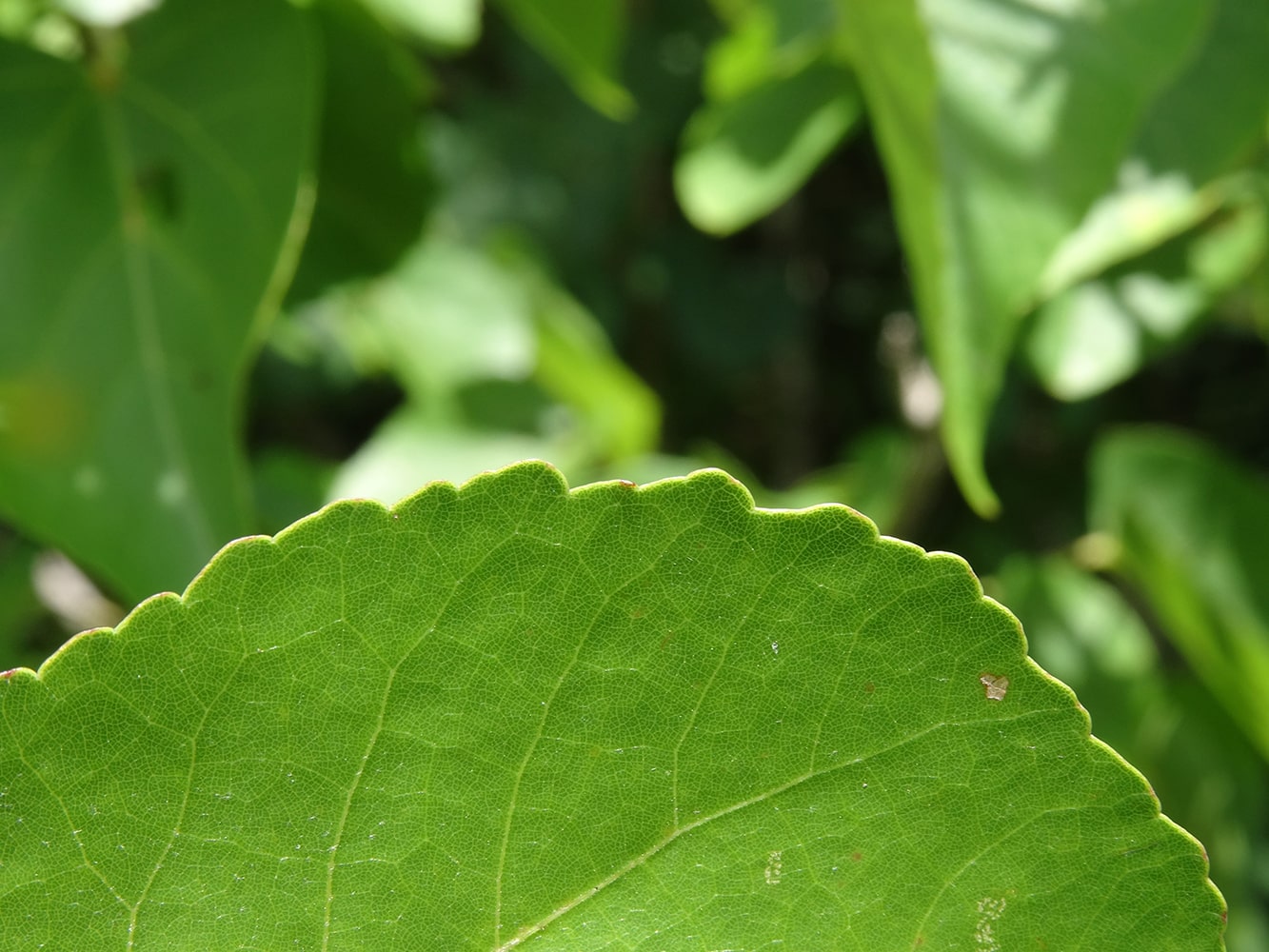
The 3 inch long and 1 1/2 inch wide leaves are bright green, with a reddish tint at the base. They are very hairy especially at the lower surface of the leaf.
Native Americans used the Sand-verbena flowers and roots for stomach and bowel problems and, when cooked and ground into a powder, mixed with corn. It was named a ‘life’ medicine that could be used to give one a good appetite and make one fat. A cold infusion was used as a lotion for mouth sores and to bathe hot tired feet.
Abronia fragrans: Country Or Region Of Origin
Central United States to Mexico
Abronia fragrans: Distribution
The Great Plains, from Montana and North Dakota south to Arizona, New Mexico and Texas.
Abronia fragrans: Wildlife Value
Flowers attract butterflies.
Abronia fragrans: Particularly Resistant To (Insects/Diseases/Other Problems)
Egg-shaped achenes about 0.1 of an inch long, lustrous, and black or brown. The achene is enclosed within a leathery top-shaped calyx base which may or may not be winged.
Abronia fragrans: Fruit Type
Achene
Aggregate
Berry
Capsule
Caryopsis
Drupe
Follicle
Legume
Nut
Pome
Samara
Schizocarp
Siliqua
Abronia fragrans: Fruit Color
grass
Black
grass
Brown/Copper
Abronia fragrans: Display/Harvest Time
Fall
Spring
Summer
Winter
Abronia fragrans: Fruit Length
< 1 inch
1-3 inches
> 3 inches
Abronia fragrans Flowers
Abronia fragrans: Flower Description
Showy white, (sometimes, pink, purple or green) heads are 2 inches across and bloom from April to September. Numerous blossoms are held in ball-shaped clusters at the ends of the sticky-hairy, branched stems. Each flower is an elongated trumpet shape – a long narrow tube topped by five small lobes. The base of the tube are pink and the sepals may also have a pink tint. Beneath the flower head, at the top of the stem are five thin yellowish-green bracts. The flowers only open in the cool evening and give off a fragrance of vanilla.
Abronia fragrans: Flower Color
filter_vintage
Green
filter_vintage
Pink
filter_vintage
Purple/Lavender
filter_vintage
White
Abronia fragrans: Flower Inflorescence
Catkin
Corymb
Cyme
Head
Insignificant
Panicle
Raceme
Solitary
Spadix
Spike
Umbel
Abronia fragrans: Flower Value To Gardener
Edible
Fragrant
Good Cut
Good Dried
Long Bloom Season
Long-lasting
Showy
Abronia fragrans: Flower Bloom Time
Winter
Spring
Summer
Fall
Abronia fragrans: Flower Shape
Bell
Cross
Crown
Cup
Dome
Funnel
Irregular
Lipped
Radial
Saucer
Star
Trumpet
Tubular
Urn
Wheel
Abronia fragrans: Flower Size
1-3 inches
3-6 inches
< 1 inch
> 6 inches
Abronia fragrans Leaves
Abronia fragrans: Leaf Description
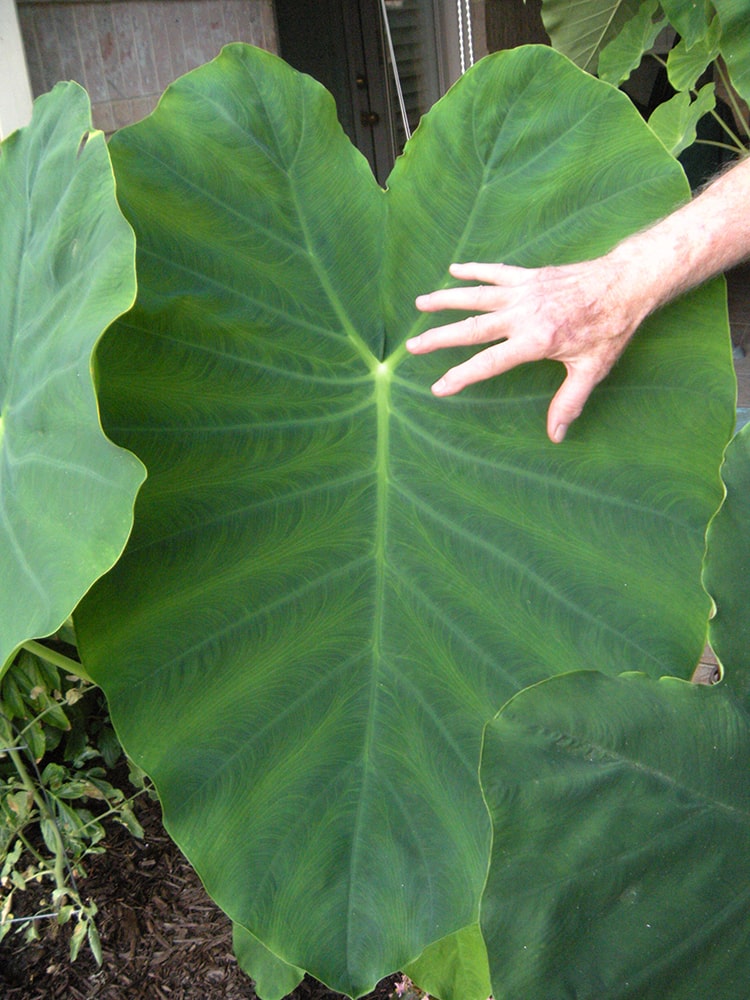
The 3 inch long and 1 1/2 inch wide leaves are bright green, with a reddish tint at the base. They are very hairy especially at the lower surface of the leaf.
Abronia fragrans: Leaf Color
spa
Green
Abronia fragrans: Leaf Type
Compound (Pinnately , Bipinnately, Palmately)
Fronds
Needles
Sheath
Simple
Abronia fragrans: Leaf Arrangement
Alternate
Opposite
Other/more complex
Rosulate
Whorled
Abronia fragrans: Leaf Shape
Acicular
Auriculate
Cordate
Cuneate
Deltoid
Elliptical
Filiform
Lanceolate
Linear
Oblanceolate
Oblong
Obovate
Obtuse
Orbicular
Ovate
Palmasect
Palmatifid
Peltate
Pinnatifid
Pinnatisect
Reniform
Rhomboidal
Spatulate
Subcordate
Subulate
Abronia fragrans: Leaf Margin
Crenate
Crenulate
Dentate
Denticulate
Doubly Crenate
Doubly Dentate
Doubly Serrate
Entire
Lobed
Serrate
Sinuate
Undulate
Abronia fragrans: Hairs Present
No
Yes
Abronia fragrans: Leaf Length
< 1 inch
1-3 inches
3-6 inches
> 6 inches
Abronia fragrans: Leaf Value To Gardener
Edible
Fragrant
Good Cut
Good Dried
Long-lasting
Showy
Abronia fragrans: Leaf Width
< 1 inch
1-3 inches
3-6 inches
> 6 inches
Abronia fragrans Stem
Abronia fragrans: Stem Description
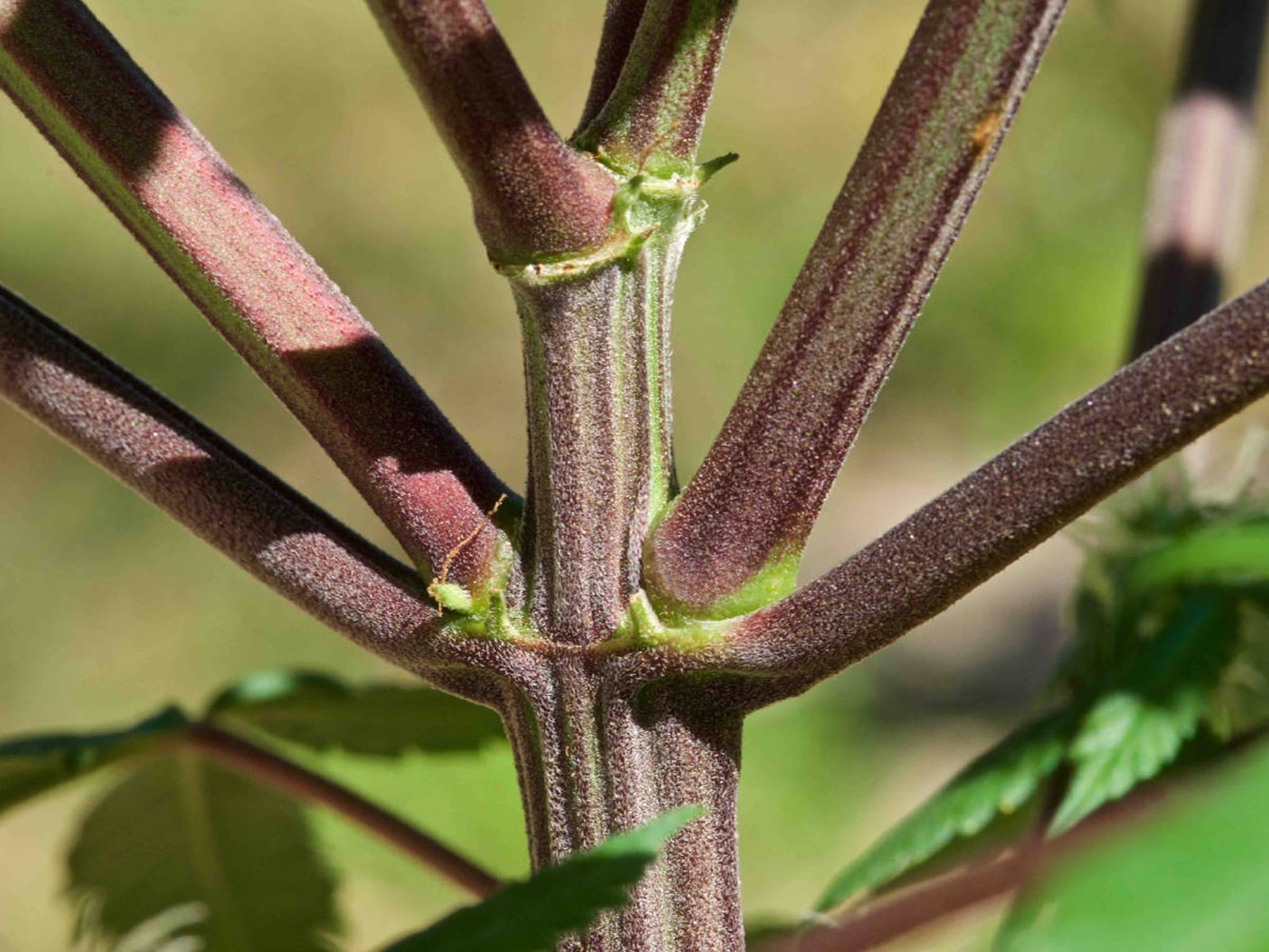
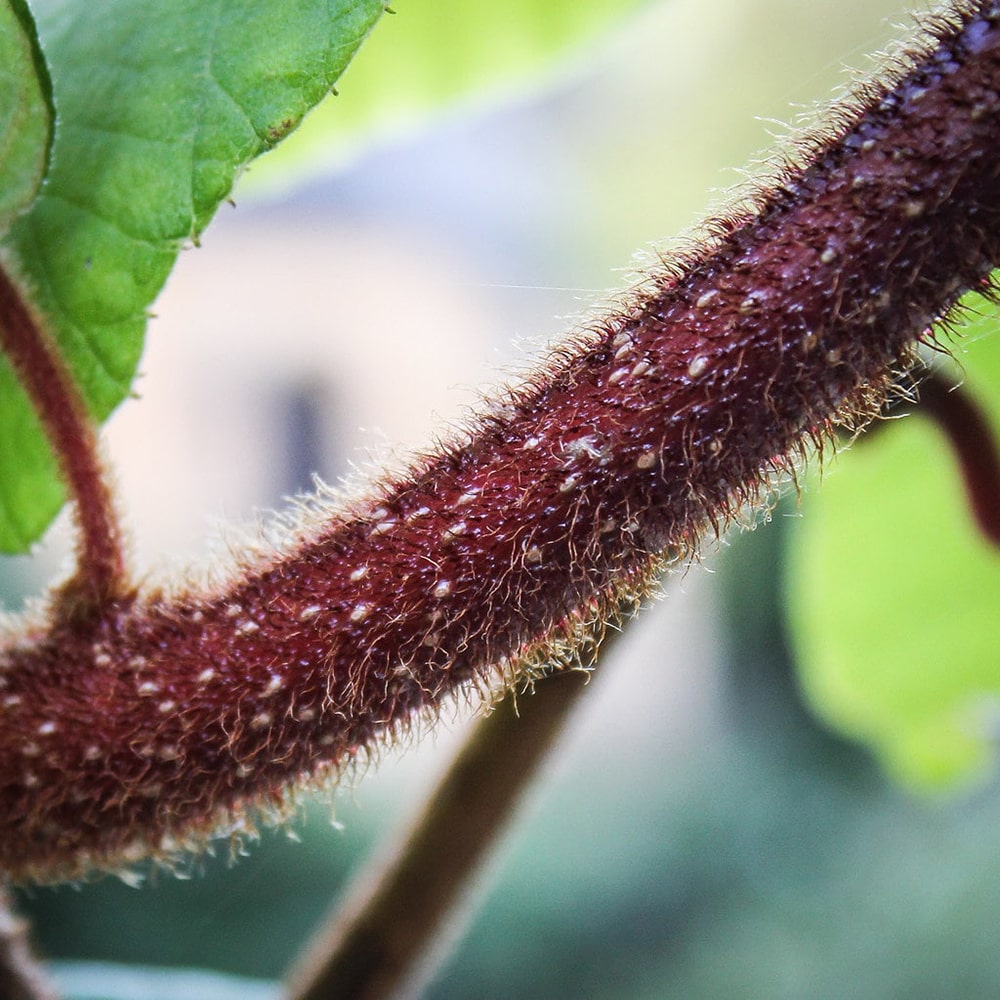
Thick sticky stems are covered with short hairs.
Abronia fragrans: Stem Color
grass
Green
Abronia fragrans: Stem Is Aromatic
No
Yes
Abronia fragrans: Stem Surface
Corky Ridges
Covered with a powdery bloom (glaucous)
Dull
Hairy (pubescent)
Polished
Smooth (glabrous)
Abronia fragrans Whole Plant Traits
Abronia fragrans: Plant Type
Annual
Bulb
Carnivorous
Edible
Epiphyte
Fern
Ground Cover
Herb
Herbaceous Perennial
Houseplant
Mushroom
Native Plant
Ornamental Grasses and Sedges
Perennial
Poisonous
Rose
Shrub
Succulent
Tree
Turfgrass
Vegetable
Vine
Water Plant
Weed
Wildflower
Abronia fragrans: Habit/Form
Arching
Ascending
Broad
Cascading
Climbing
Clumping
Columnar
Conical
Creeping
Dense
Erect
Horizontal
Irregular
Mounding
Multi-stemmed
Multi-trunked
Open
Oval
Prostrate
Pyramidal
Rounded
Spreading
Vase
Weeping
Abronia fragrans: Maintenance
Low
Medium
High
Abronia fragrans: Texture
Fine
Medium
Coarse
Abronia fragrans Cultural Conditions
Abronia fragrans: Light
Dappled Sunlight (Shade through upper canopy all day)
Deep shade (Less than 2 hours to no direct sunlight)
Full sun (6 or more hours of direct sunlight a day)
Partial Shade (Direct sunlight only part of the day, 2-6 hours)