Thymus vulgaris: Uses (Ethnobotany)
Thymus vulgaris has been cultivated since ancient times for religious, medicinal, and culinary purposes. The leaves have been used as an antiseptic as well as in a liquid form to treat bronchitis.
Phonetic Spelling:THY-mus vul-GAIR-iss
Genus:Thymus
Species:vulgaris
Family:Lamiaceae
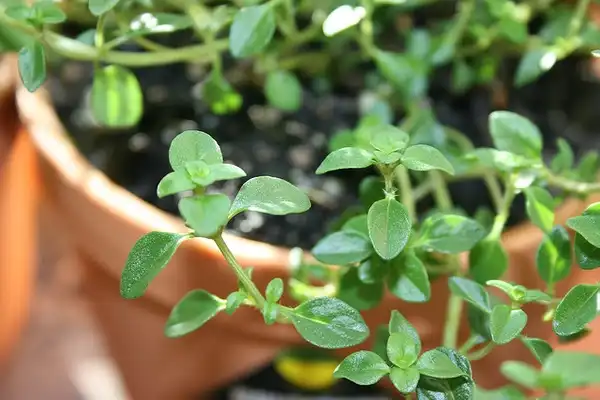
Common Thyme is a compact, woody, evergreen herb primarily valued for its aromatic qualities in cooking. It typically grows in a mound shape, reaching heights of 6 to 12 inches and widths of 6 to 16 inches. This herb belongs to the Lamiaceae family, also known as the Mint Family, and is commonly referred to as Garden Thyme, German Thyme, or simply Thyme. Numerous cultivars exist within this species.
Originating from southern Europe and northern Africa, Common Thyme thrives in the dry, rocky soils characteristic of the Mediterranean region. For centuries, it has been utilized both as a culinary herb and for its medicinal properties.
The term "thyme" is derived from the Greek word "thumos," which translates to "courage." In Medieval times, thyme symbolized bravery. Alternatively, it may stem from "thymos," meaning "perfume," reflecting its strong fragrance. The species name, "vulgaris," is Latin for "common" or "widespread."
This low-growing plant flourishes in dry, sandy, or rocky soils and prefers full sunlight with excellent drainage. It is resilient to both frost and drought conditions.
While Common Thyme is relatively easy to care for, it benefits from regular trimming to prevent legginess. Pruning should occur in early spring and summer to manage its woody growth, and the best time for transplanting is early spring.
For optimal flavor, thyme should be harvested just before flowering, when the essential oil concentration in the leaves is highest. It is advisable to cut back five to six inches from the top while leaving the woody stems intact, ensuring at least five inches of growth remains. Fresh or dried thyme enhances the taste of soups, stews, sauces, and meats.
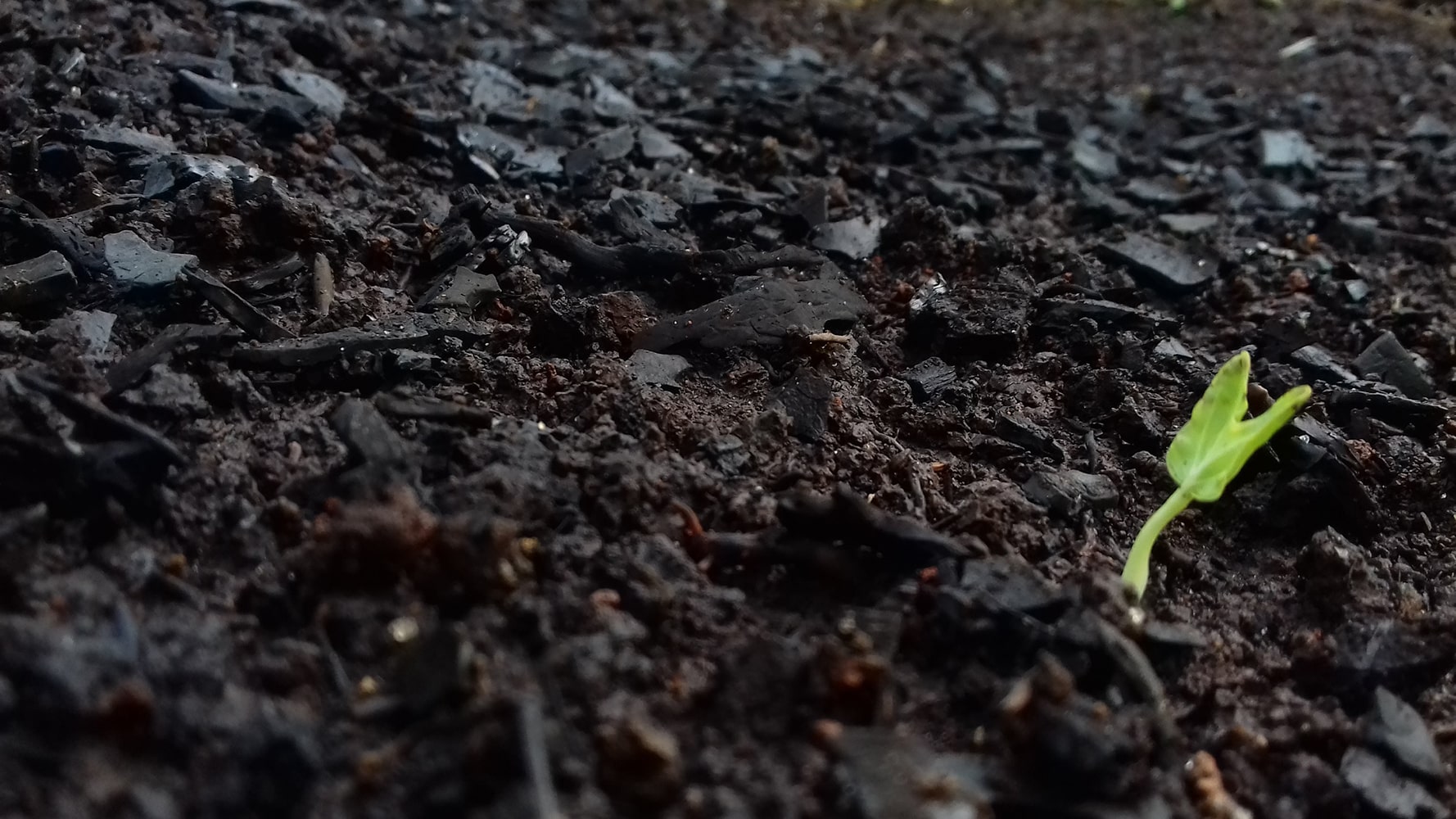
Propagation is most commonly achieved through stem cuttings, as seed germination can be inconsistent.
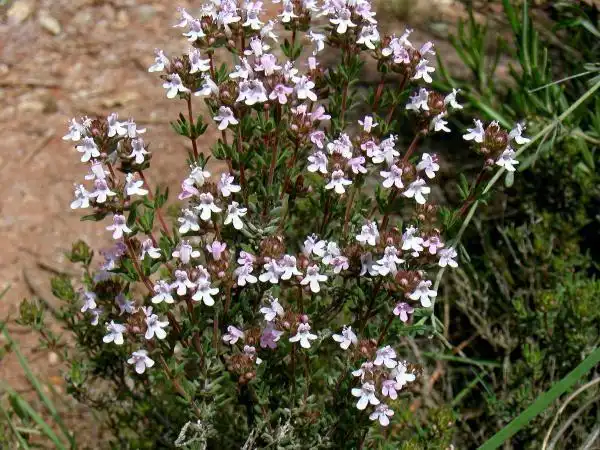
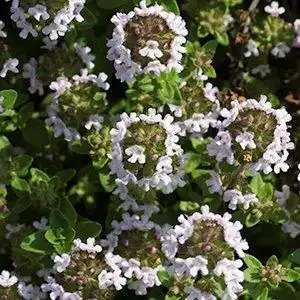
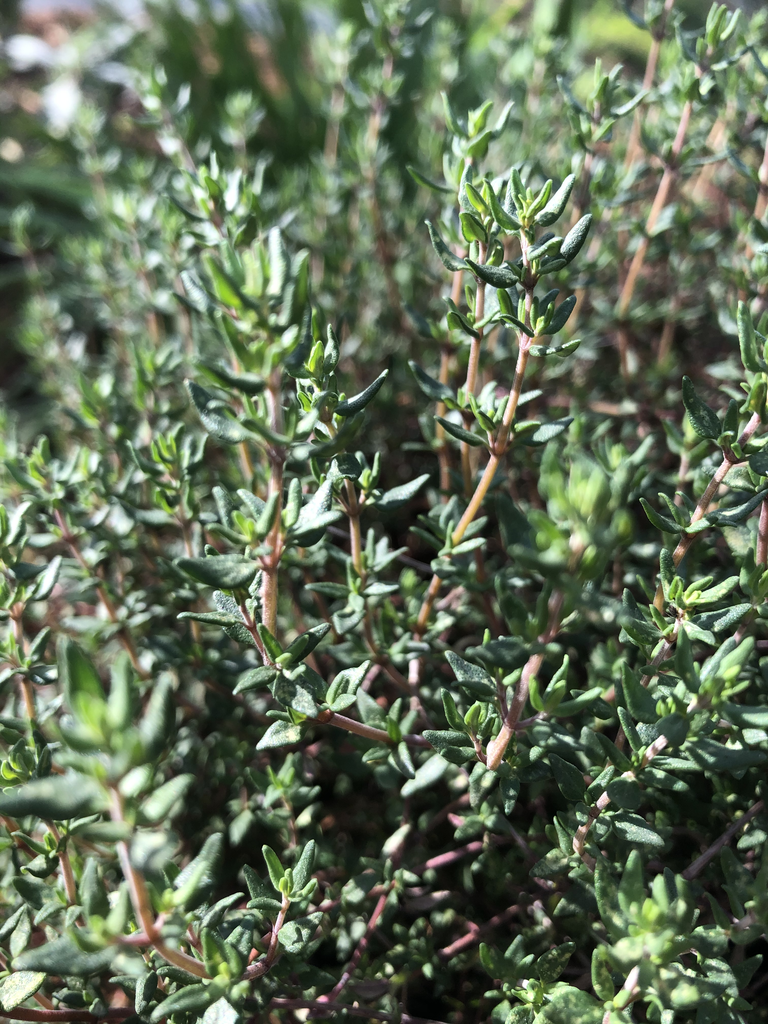
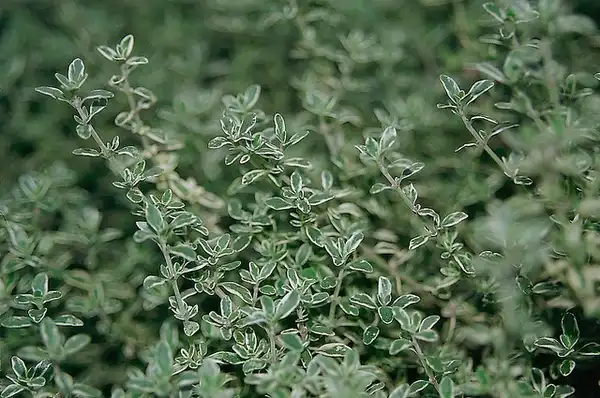
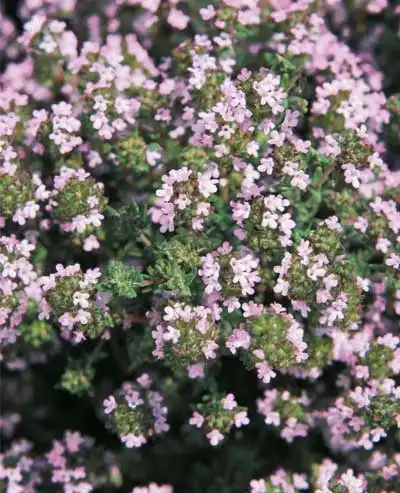
The plant produces small, tubular flowers that range from white to pinkish-lavender, blooming from late spring to early summer. Its whorled evergreen leaves are tiny, grayish-green, and highly aromatic. The fruit is a schizocarp containing one or more seeds.
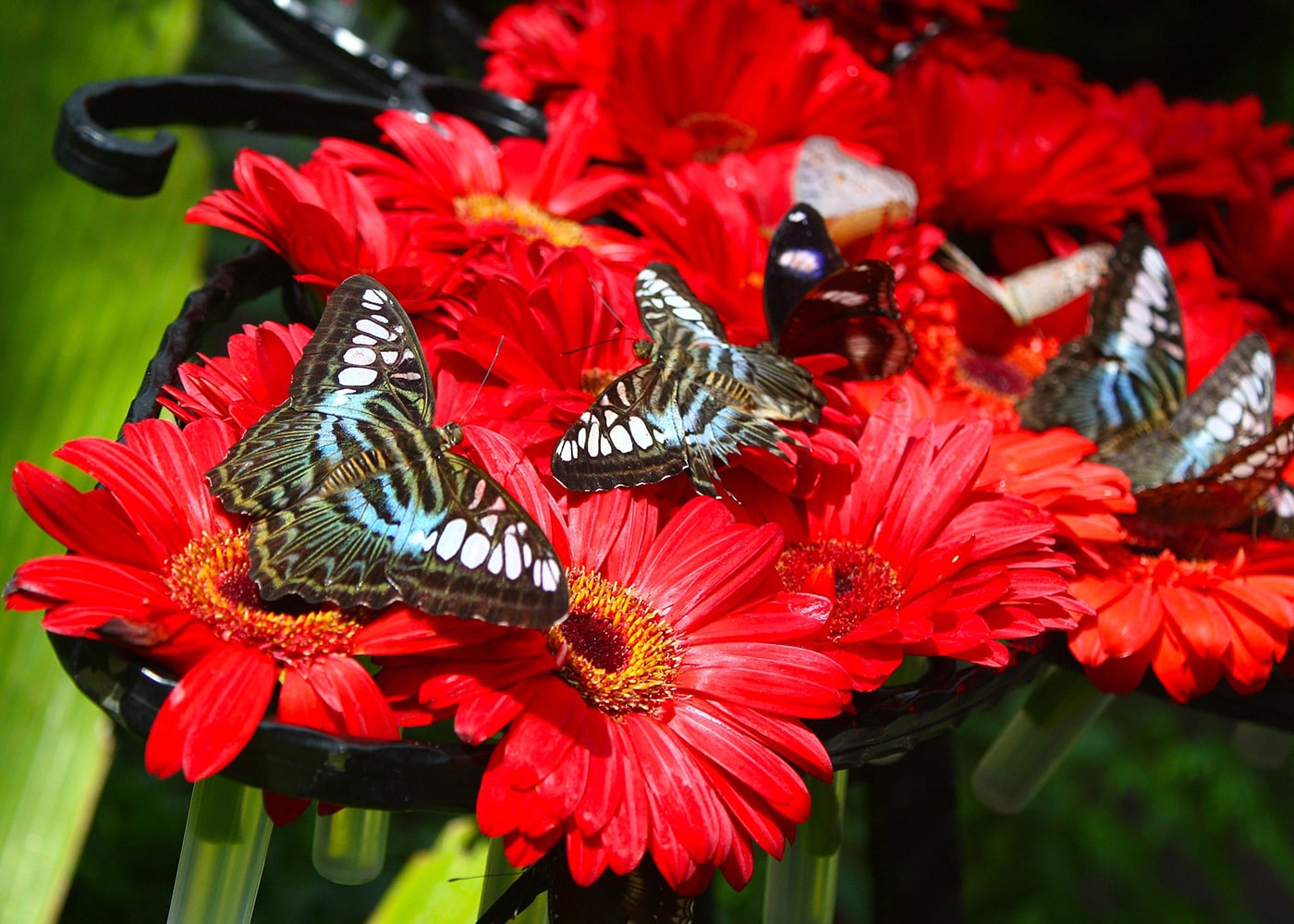
Common Thyme is an excellent choice for pollinator gardens, attracting bees, butterflies, and other beneficial insects. It is resistant to deer and is ideally suited for herb or vegetable gardens, as well as rock gardens, borders, and containers.
**Quick Identification Tips:**
- Linear leaves measuring ¼” to ½” long, covered in fine hairs, and highly fragrant.
- Small purple or white flowers that grow along a raceme.
- A bushy subshrub with a woody base, reaching up to 1 foot in height.
**Pests, Insects, and Other Plant Issues:** Overwatering can lead to botrytis and root rot, particularly in poorly draining soils like clay.
Thymus vulgaris Feature Summary