Thymus serpyllum: Country Or Region Of Origin
Northern Europe, Western Asia, and Northern Africa
Phonetic Spelling:THY-mus ser-PIE-lum
Genus:Thymus
Species:serpyllum
Family:Lamiaceae
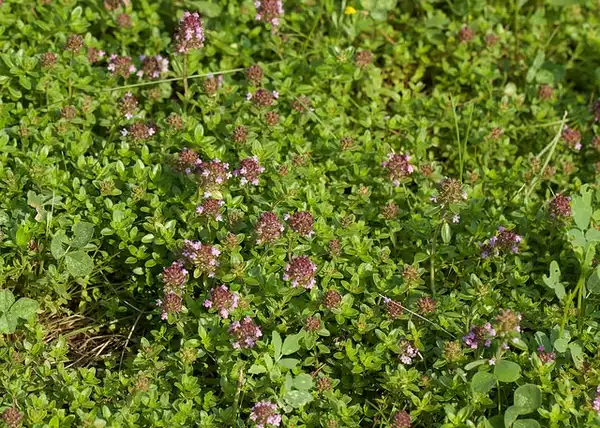
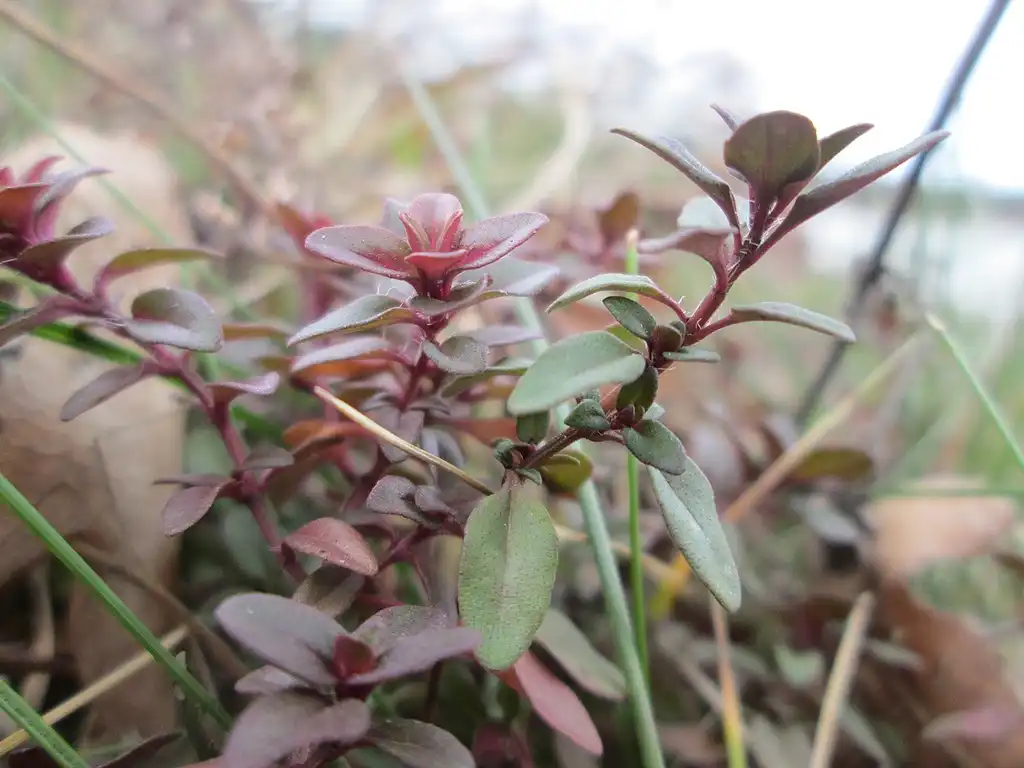
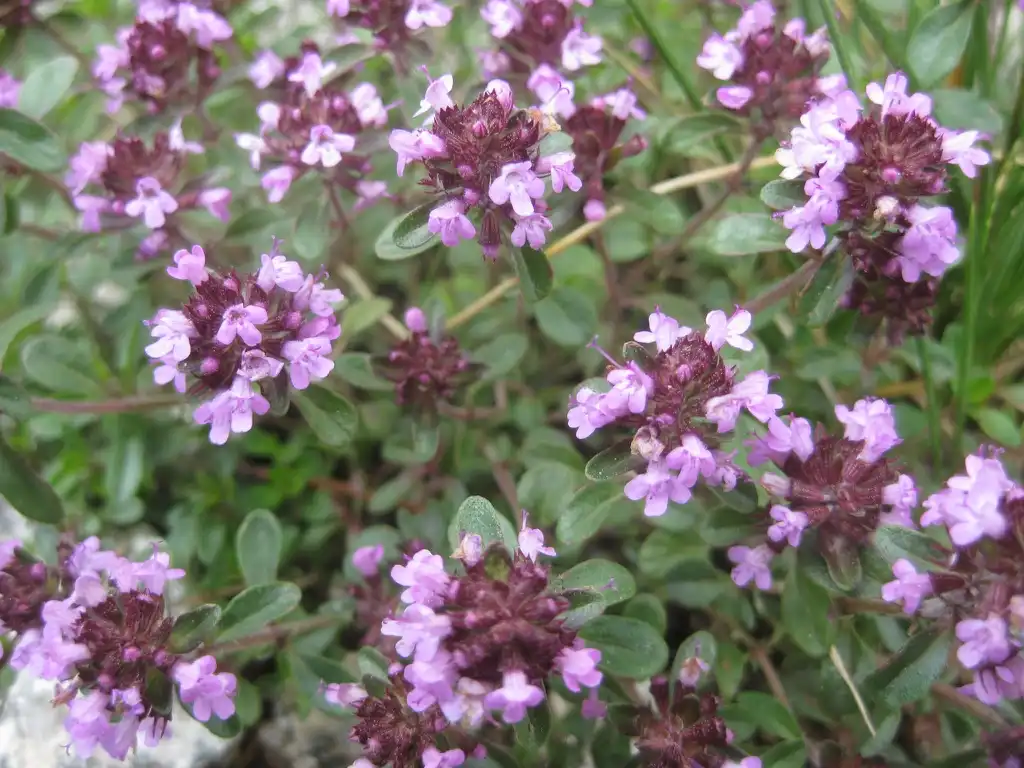
Creeping Thyme is a compact, low-growing, and woody evergreen that spreads across the ground, primarily valued for its ornamental qualities. While its leaves emit a pleasant aroma, they are not commonly used in culinary applications. This plant typically reaches heights of 2 to 3 inches and can spread between 3 to 12 inches wide. It is also known by several other names, such as Mother of Thyme, Wild Thyme, and Breckland Thyme. There are many cultivars available, which can vary in size and growth habit, either creeping or upright. The flowers of these cultivars can be found in shades of white, pink, red, or purple, while the leaves may display colors ranging from dark green to gold or variegated patterns.
Creeping Thyme is indigenous to Northern Europe, Western Asia, and Northern Africa.
The term "thyme" is derived from the Greek word "thumos," which translates to "courage." In Medieval Times, this herb was regarded as a symbol of bravery. Alternatively, it may also stem from the Greek "thymos," meaning "perfume," reflecting the plant's fragrant nature. The species name "serpyllum" comes from Greek, signifying a "creeping or trailing growth habit."
This plant features a hairy, prostrate form and thrives in full sunlight, showing resilience in poor soil conditions. It flourishes in sandy, gritty, or rocky environments and is drought-resistant, preferring average to dry moisture levels. During mild winters, it retains its evergreen foliage.
Creeping Thyme is relatively easy to care for, though it benefits from occasional pruning to manage its growth and reduce the presence of woody stems.
Propagation is most commonly achieved through seeds, while cultivars are best multiplied via division, seeds, or cuttings.
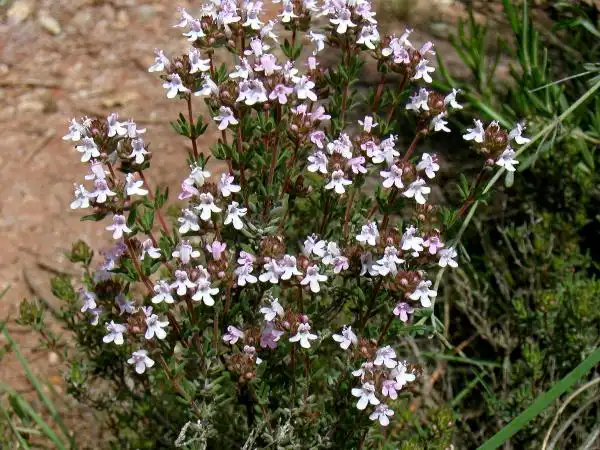
The flowers are small, tubular, and bell-shaped, typically appearing in deep pink to purple hues on upright stems from June to September. The leaves are tiny, covered in fine hairs, and exhibit a blue-green color, while the stems are slender and woody.
This plant is an excellent choice for home gardens, serving as ground cover for borders, patios, and pathways. It can effectively fill gaps between stepping stones or cascade over rocks, and it is also suitable for container gardening.
Creeping Thyme attracts bees and butterflies with its nectar and is resistant to deer and rabbits.
**Quick Identification Tips:**
**Pests, Insects, and Other Plant Issues:** Creeping Thyme generally faces no significant insect or disease threats. However, it can be prone to rot if overwatered or planted in poorly drained soil. During hot, dry summers, spider mites may occasionally appear.
Thymus serpyllum Feature Summary
Thymus serpyllum Image Gallery