Thymus herba-barona: Uses (Ethnobotany)
The leaves contain essential oils that are used in perfume and mouthwashes. It has also been used medicinally as an antiseptic.
Phonetic Spelling:THY-mus ER-bah bah-ROH-nah
Genus:Thymus
Species:herba-barona
Family:Lamiaceae
Caraway Thyme is a compact, creeping shrub that serves both as an attractive groundcover and a culinary herb. This evergreen plant typically reaches heights of 3 to 6 inches and spreads about 1 foot wide. Belonging to the Lamiaceae family, commonly known as the Mint family, its leaves emit a fragrance reminiscent of caraway seeds, with some varieties also exuding hints of nutmeg or lemon.
Originating from Sardinia and Corsica, this perennial groundcover possesses essential oils in its leaves, which are extracted for use in culinary dishes, medicinal applications, and perfumes.
The term "thyme" is derived from the Greek word "thumos," which translates to "courage." Historically, thyme symbolized bravery. It may also stem from "thymos," meaning "perfume," reflecting the aromatic nature of this plant genus. The species name, herba-barona, translates to "flavoring a baron of beef," a nod to the English tradition of using this herb to enhance the flavor of beef dishes.
Caraway Thyme thrives in full sun and well-drained sandy or rocky soils. Once established, it exhibits drought resistance. To maintain its appearance, pruning may be necessary. For optimal flavor, leaves should be harvested in early or late summer before flowering and dried promptly. This plant remains evergreen even during mild winters.
Propagation can be achieved through division, cuttings from young shoots, or partially ripe wood cuttings, although seed propagation can be difficult due to inconsistent germination rates.
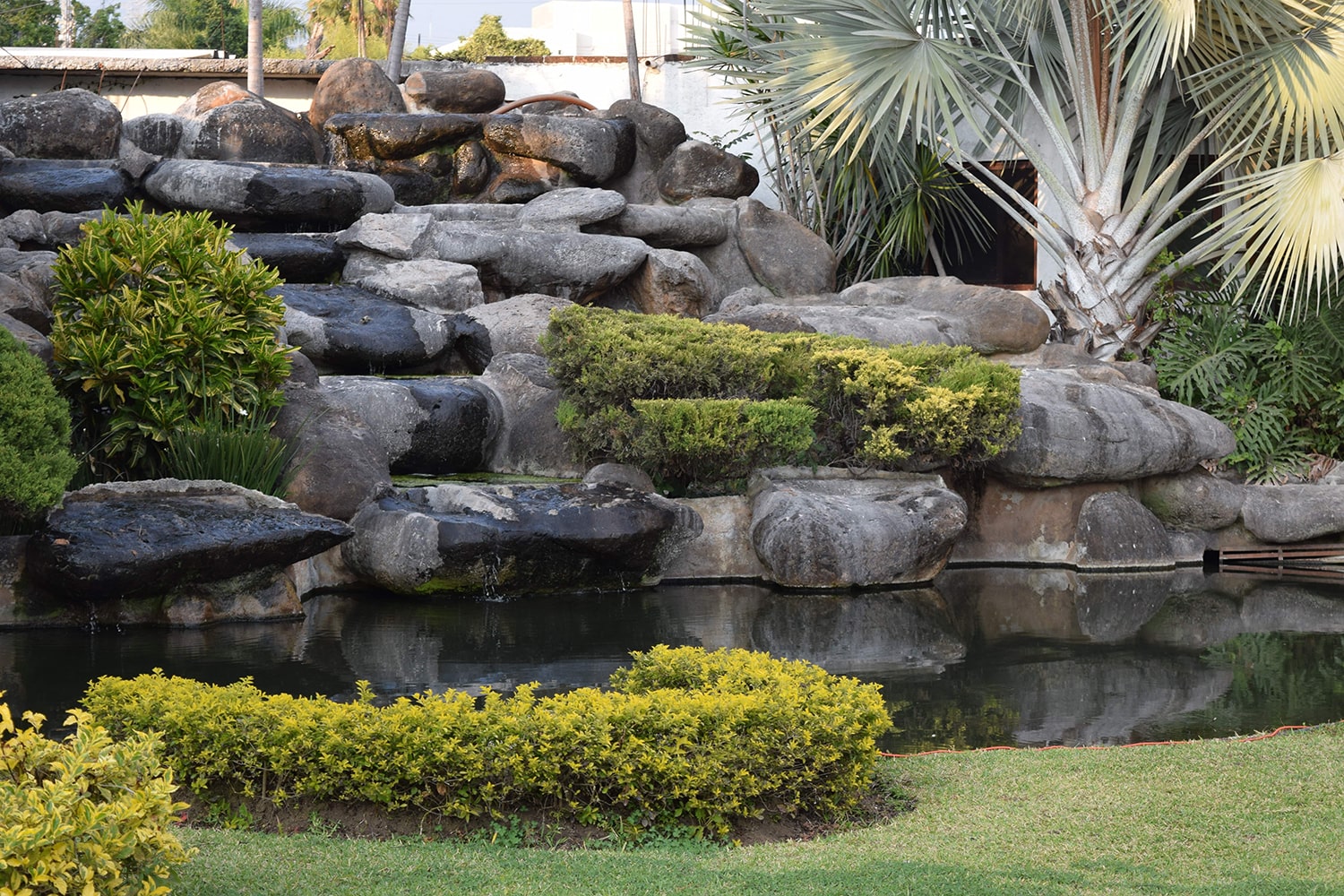
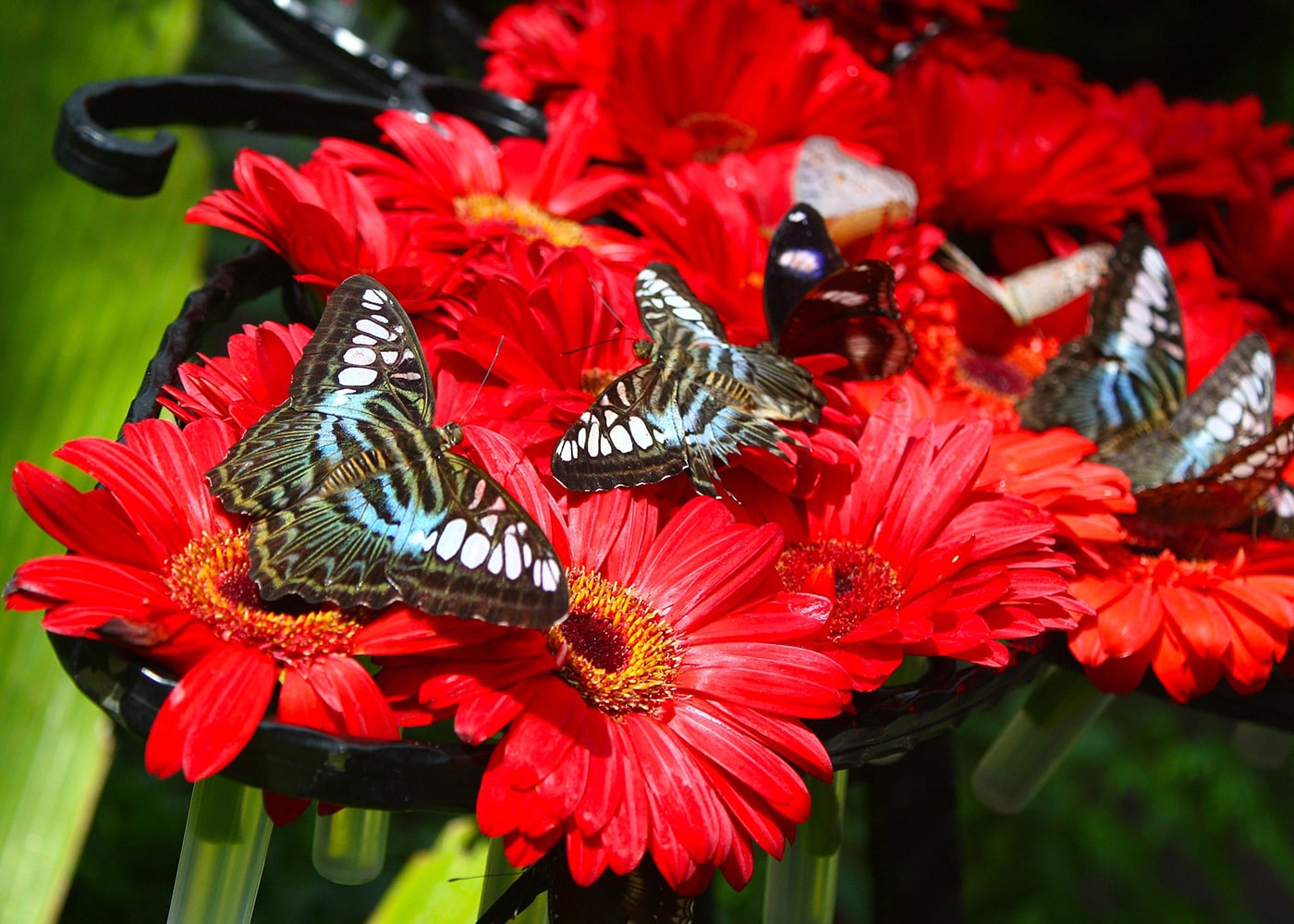
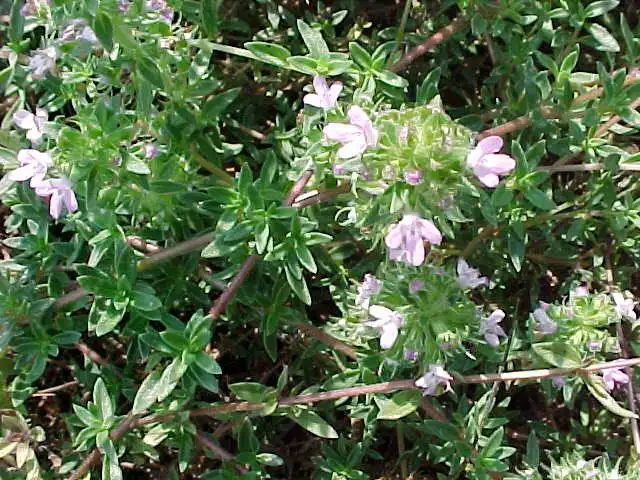
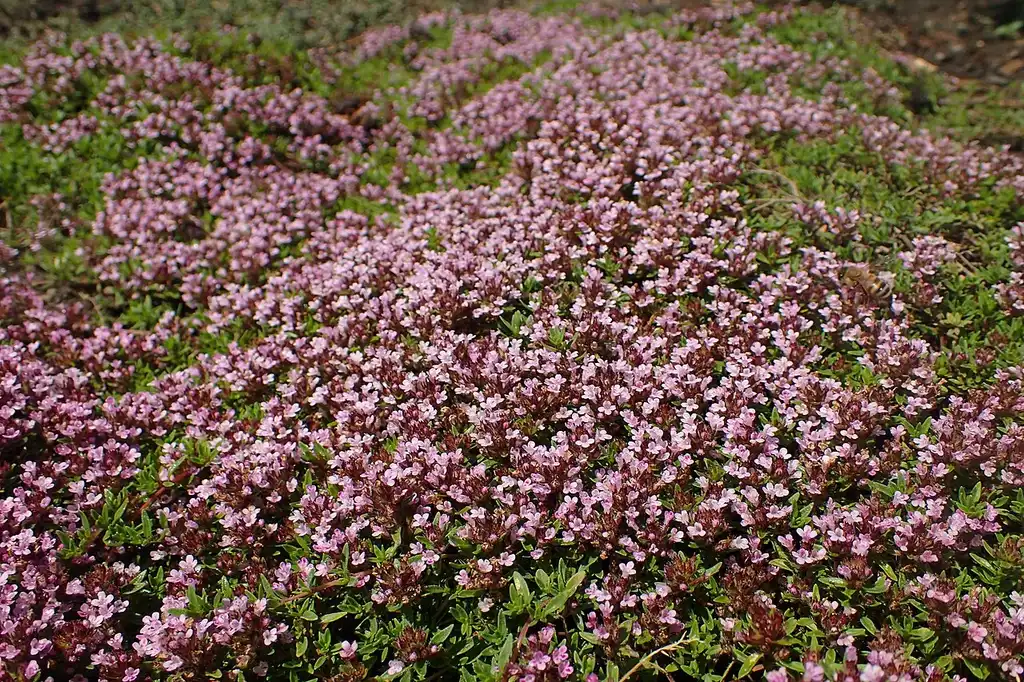
The woody stems create a low-lying mat, adorned with small, pointed, glossy dark green leaves. In summer, clusters of tiny pink tubular flowers bloom, attracting bees and butterflies with their rich nectar. Caraway Thyme is resistant to deer and can tolerate dry conditions. This low-growing groundcover withstands light foot traffic, making it an appealing choice for filling spaces between stepping stones or cascading over rocks, ledges, or walls.
**Quick Identification Tips:**
**Insects, Diseases, and Other Plant Issues:**
This plant is generally free from significant insect or disease issues, though it may be prone to root rot if planted in overly wet or poorly drained soils.
Thymus herba-barona Feature Summary
Thymus herba-barona Image Gallery