Douglasii, Douglas Maple, Greene's Maple, New Mexico Maple, Rock Maple, Rocky Maple, Rocky Mountain Maple, Torrey Maple
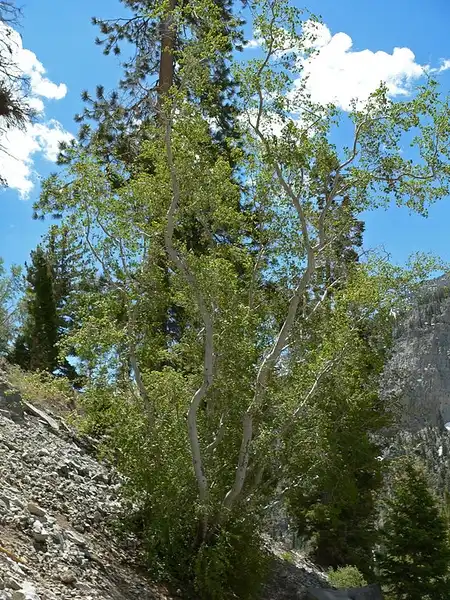
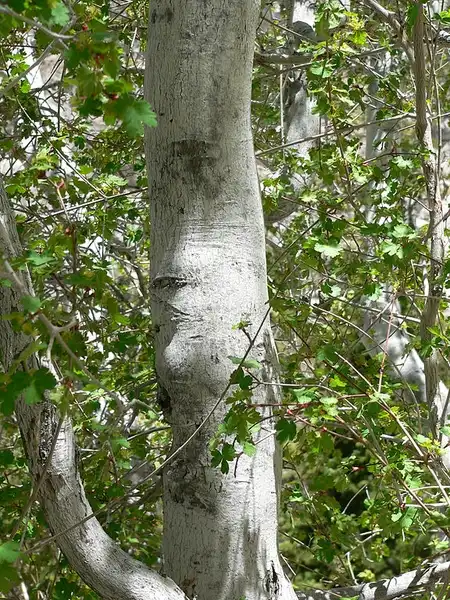
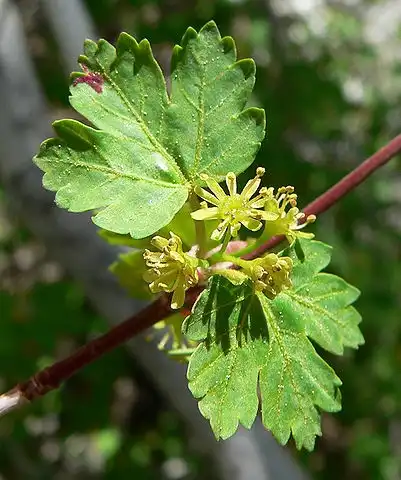
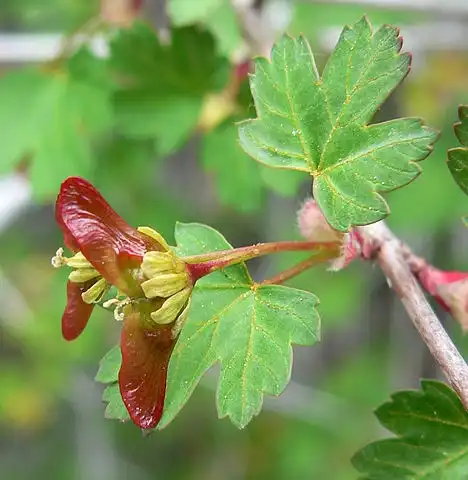
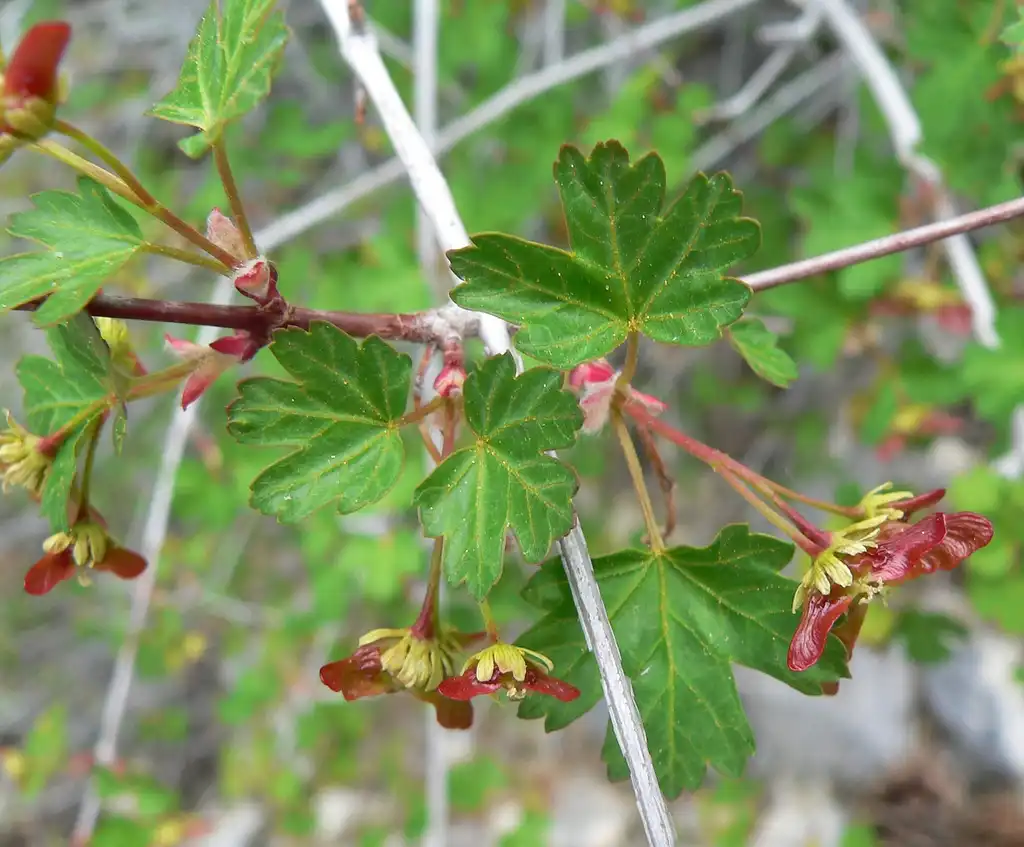
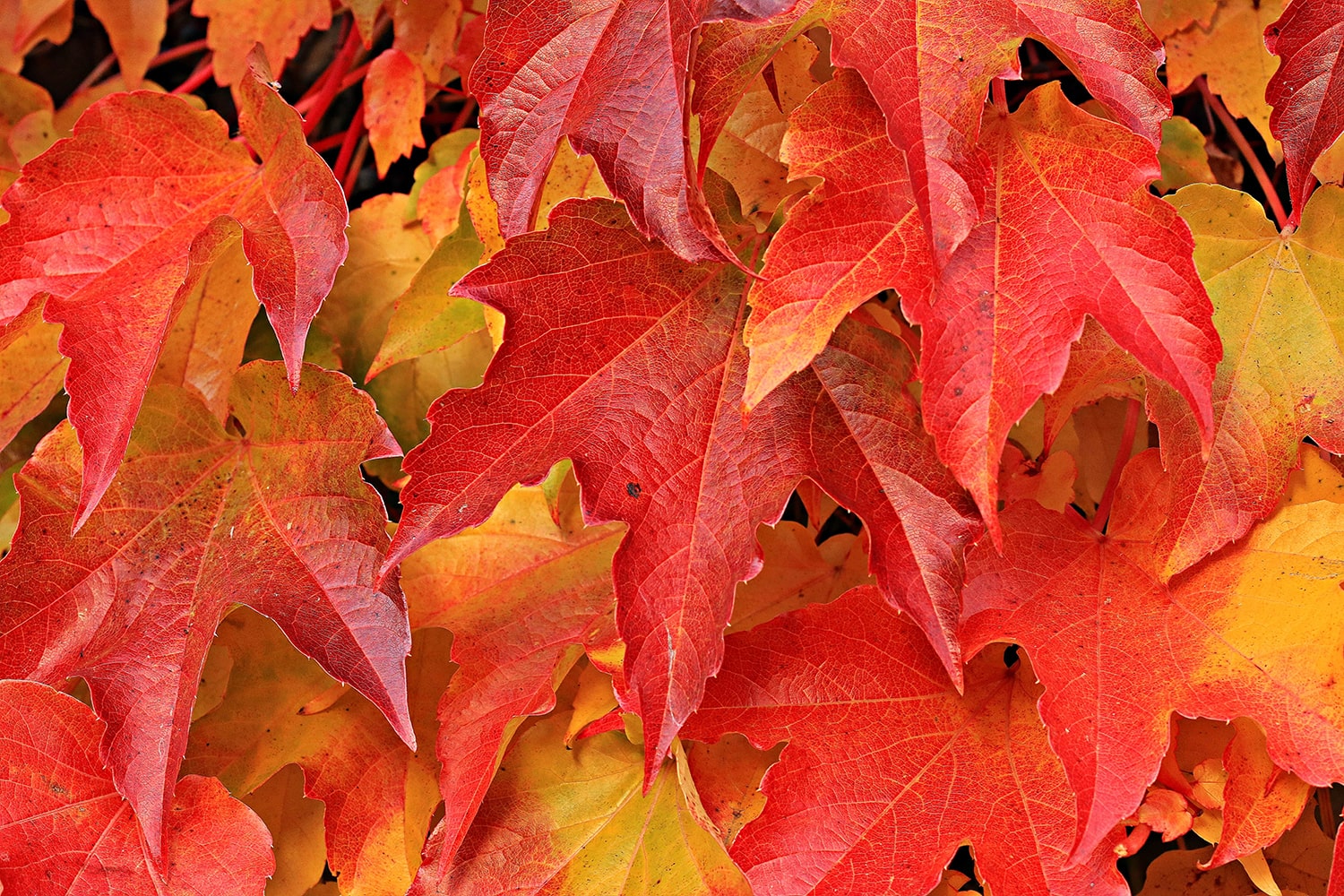
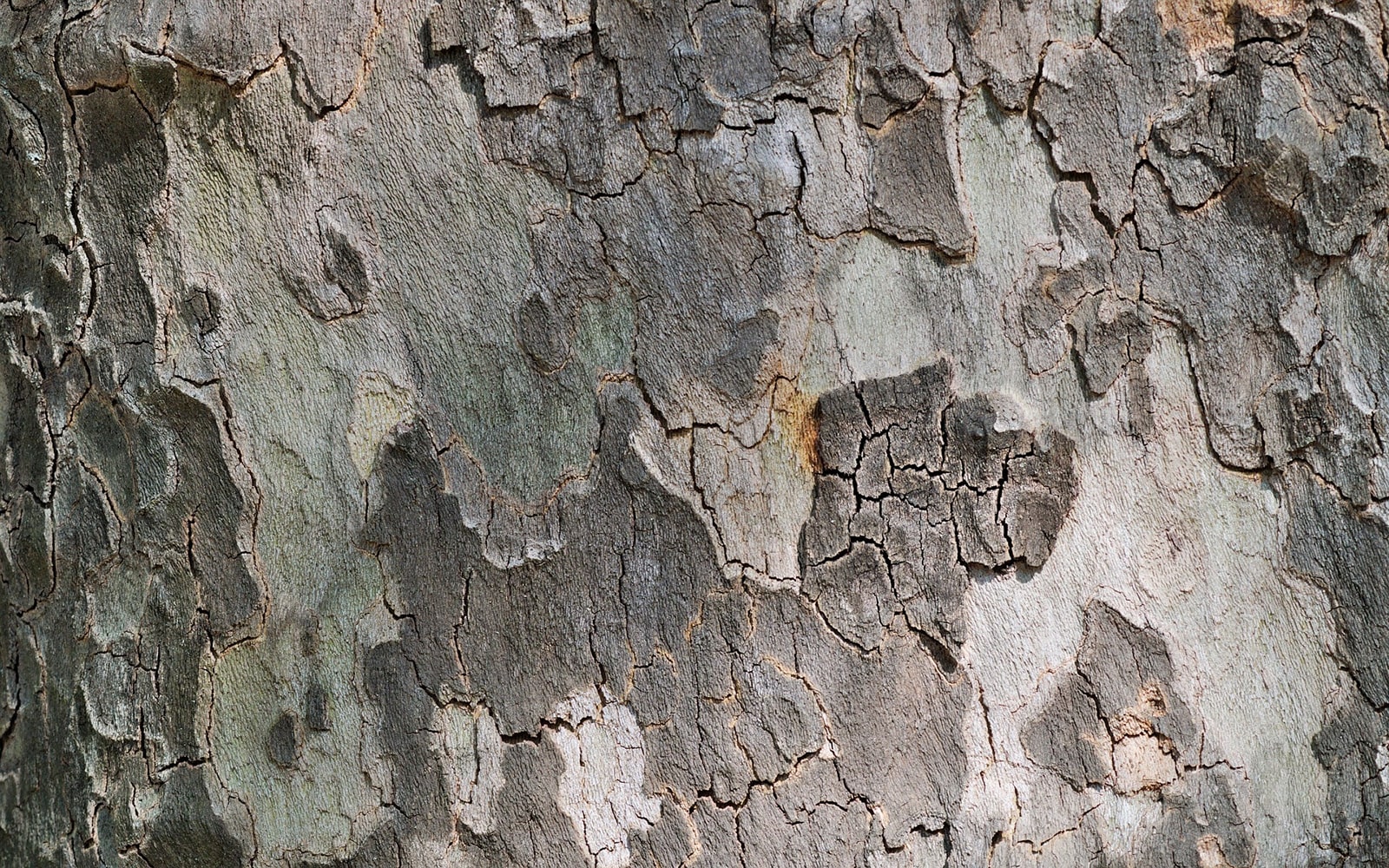
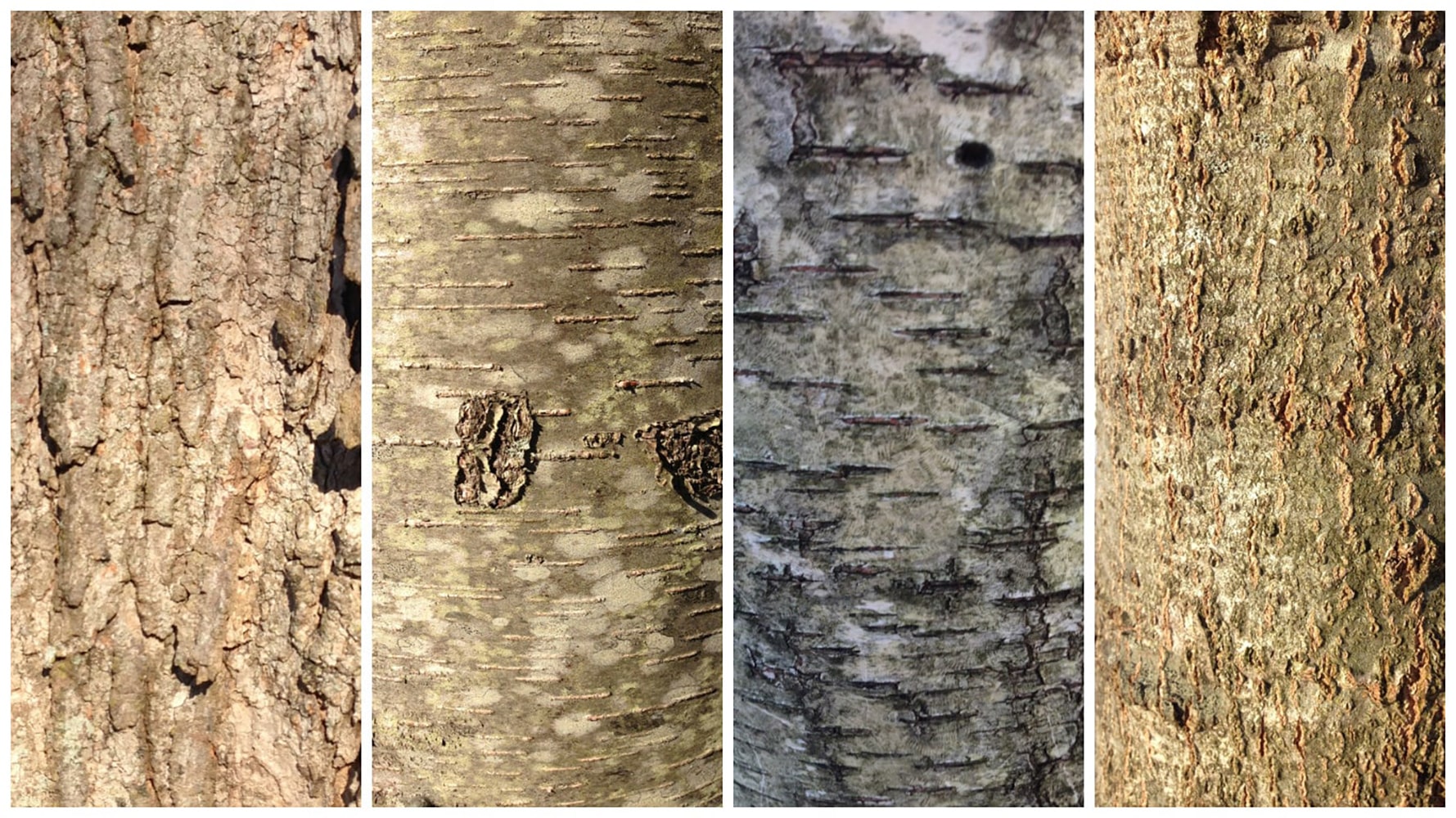
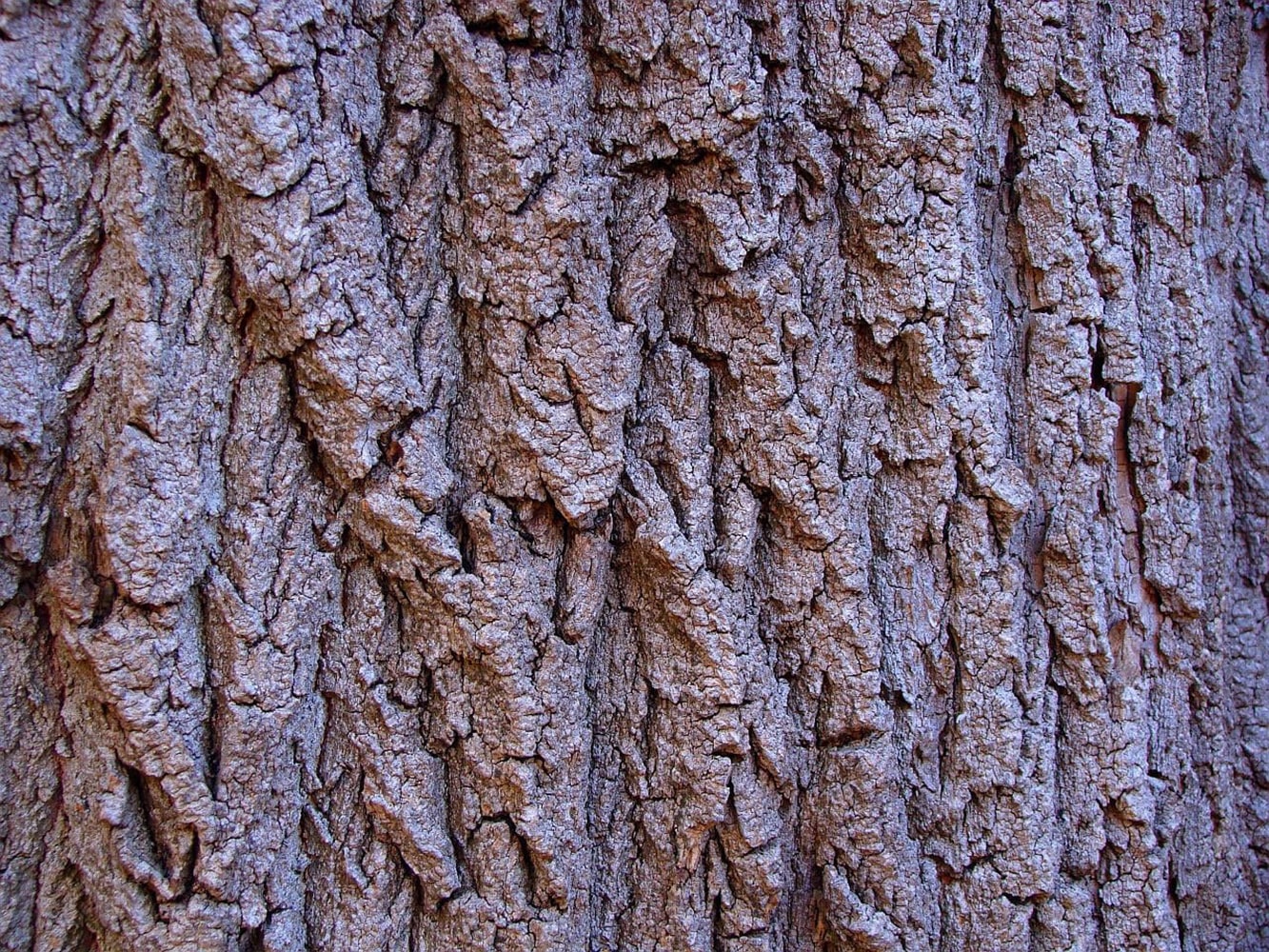
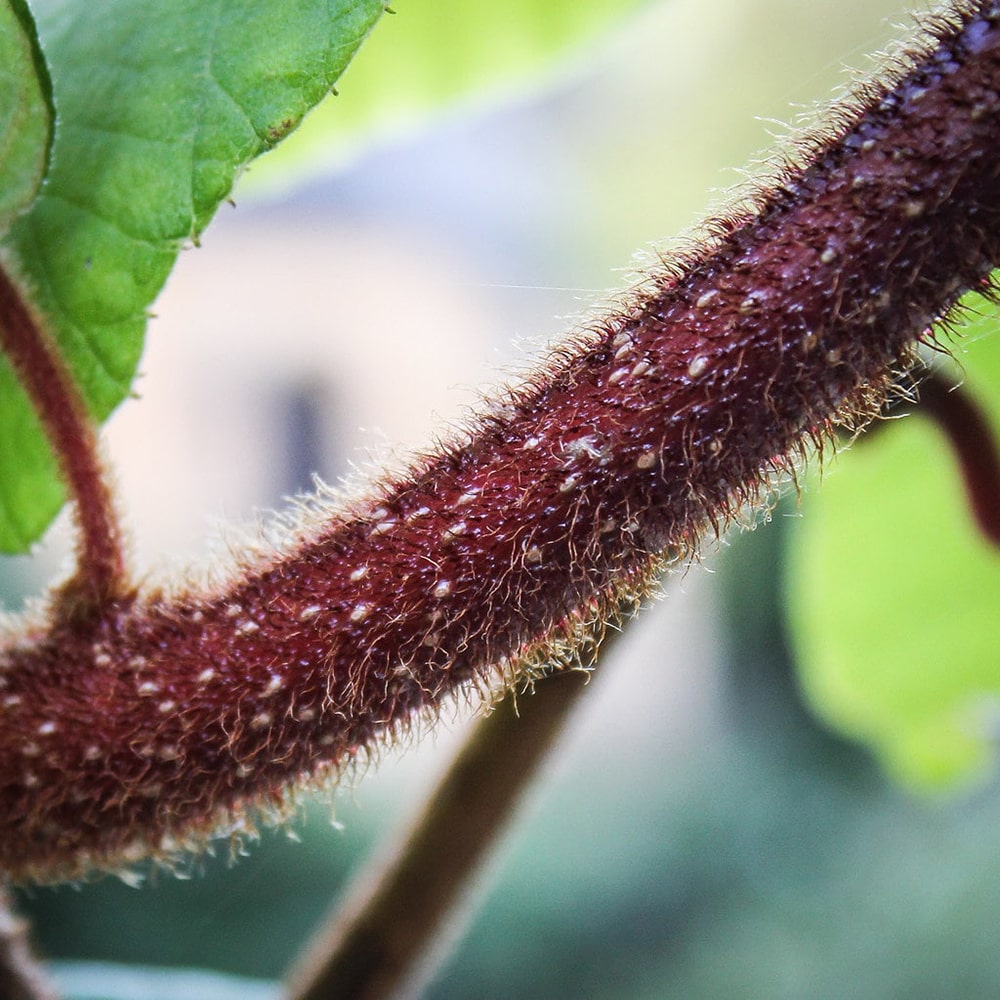
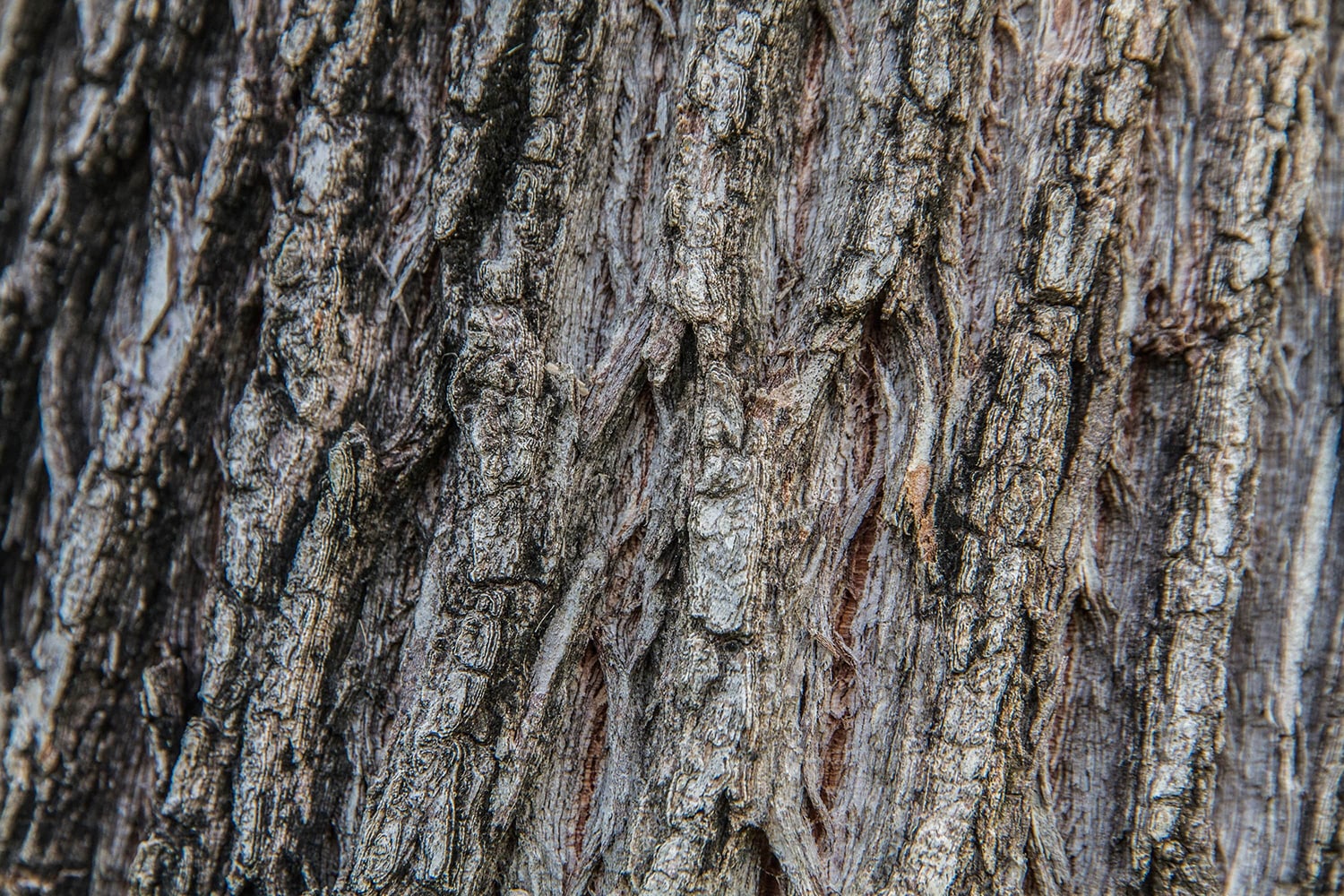
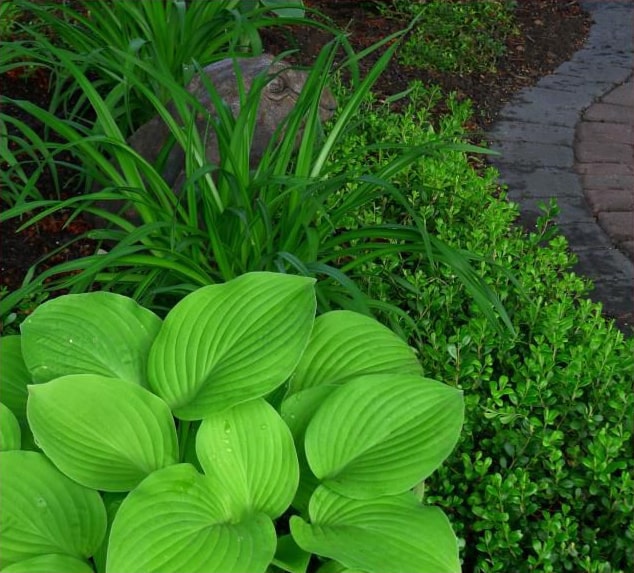
A deciduous shrub or small shade tree belonging to the Sapindaceae family, this plant features smooth bark and thrives in woodland gardens. It flourishes in dappled shade and moist soil, benefiting from wind protection. Primarily valued for its striking red fruit, it also boasts eye-catching red twigs and vibrant yellow-to-red foliage in the fall. This tree is relatively low maintenance; pruning should be done in the summer after the leaves have fully matured, as late winter or early spring pruning may cause sap to leak. Additionally, it is effective for controlling erosion.
Certain Native American tribes utilize Acer glabrum for medicinal applications and tool-making.
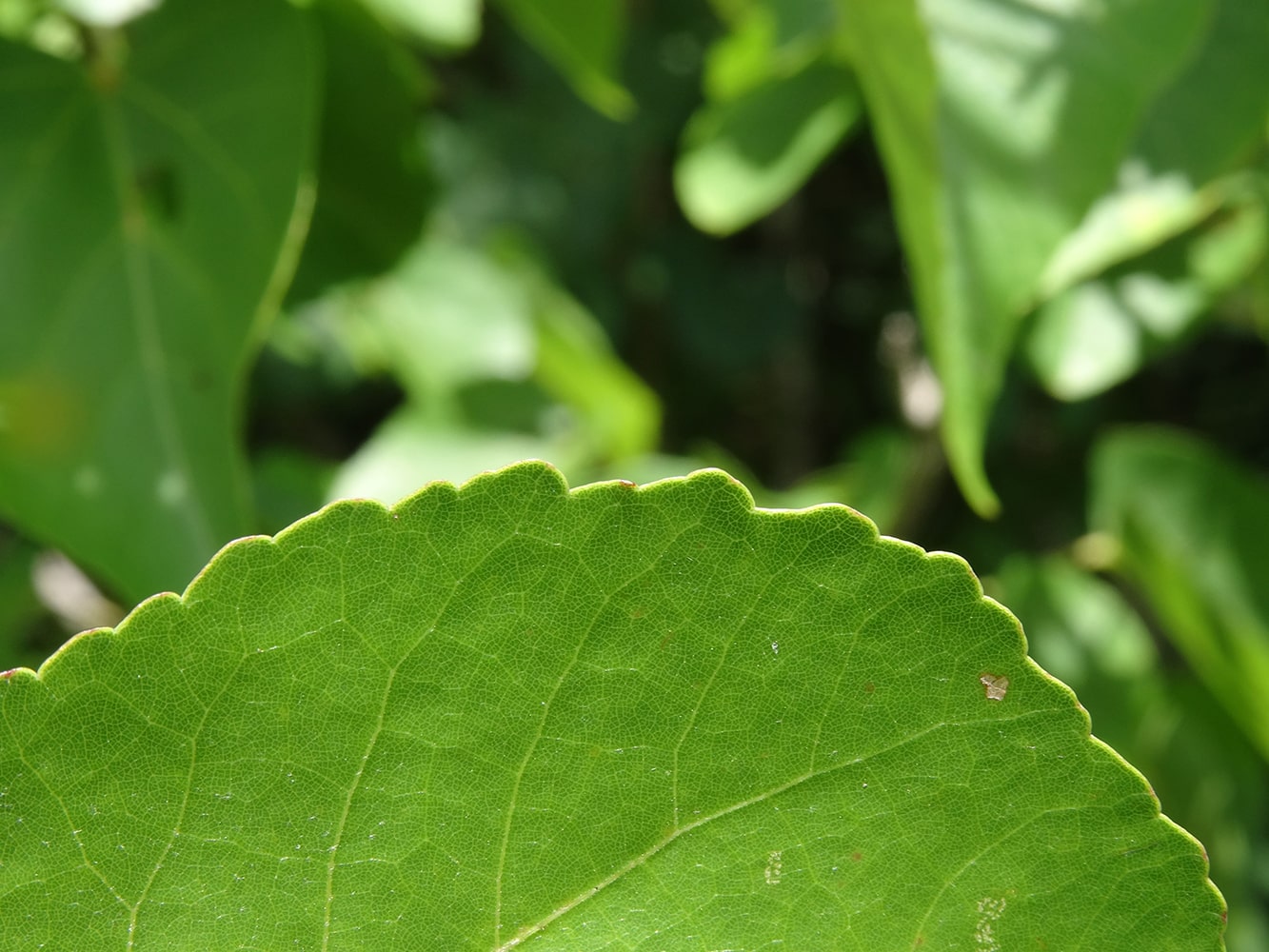
The term "glabrum" translates to smooth or hairless, aptly describing its sleek stems and leaves. The species is named in honor of David Douglas, a Scottish botanist renowned not only for this tree but also for the Douglas fir.
**Seasons of Interest:**
- **Foliage:** Fall, transitioning from yellow to red
- **Fruit:** Late summer, featuring red samaras
- **Twigs:** Winter, displaying a striking red hue
**Site Requirements:** This species can tolerate sandy, loamy, and heavy clay soils but prefers well-drained conditions enriched with organic matter and a low pH (acidic). It thrives best in semi-shade to full shade and requires moist soil. Planting in a sheltered area away from strong winds, frost, and harsh afternoon sunlight is advisable.
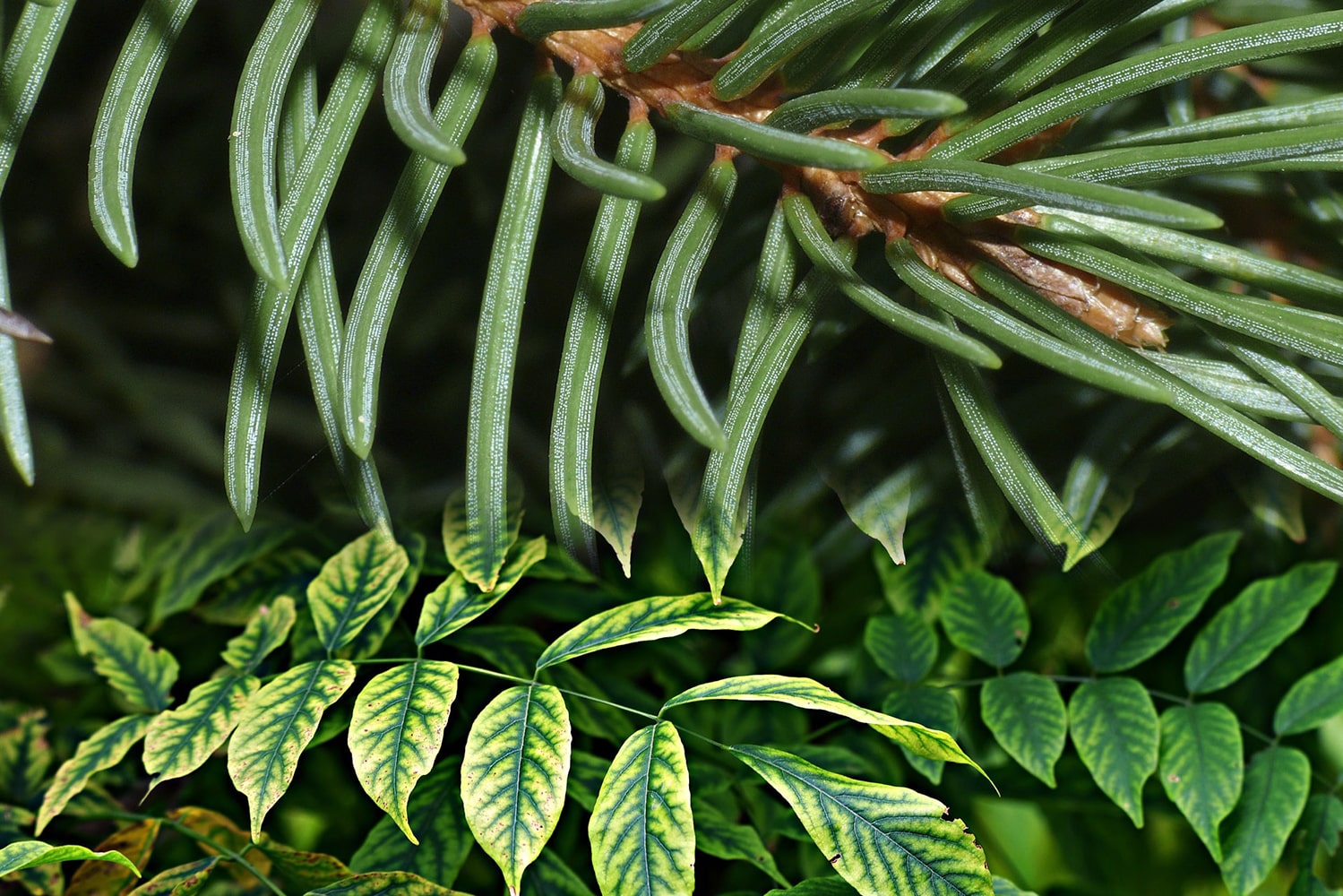
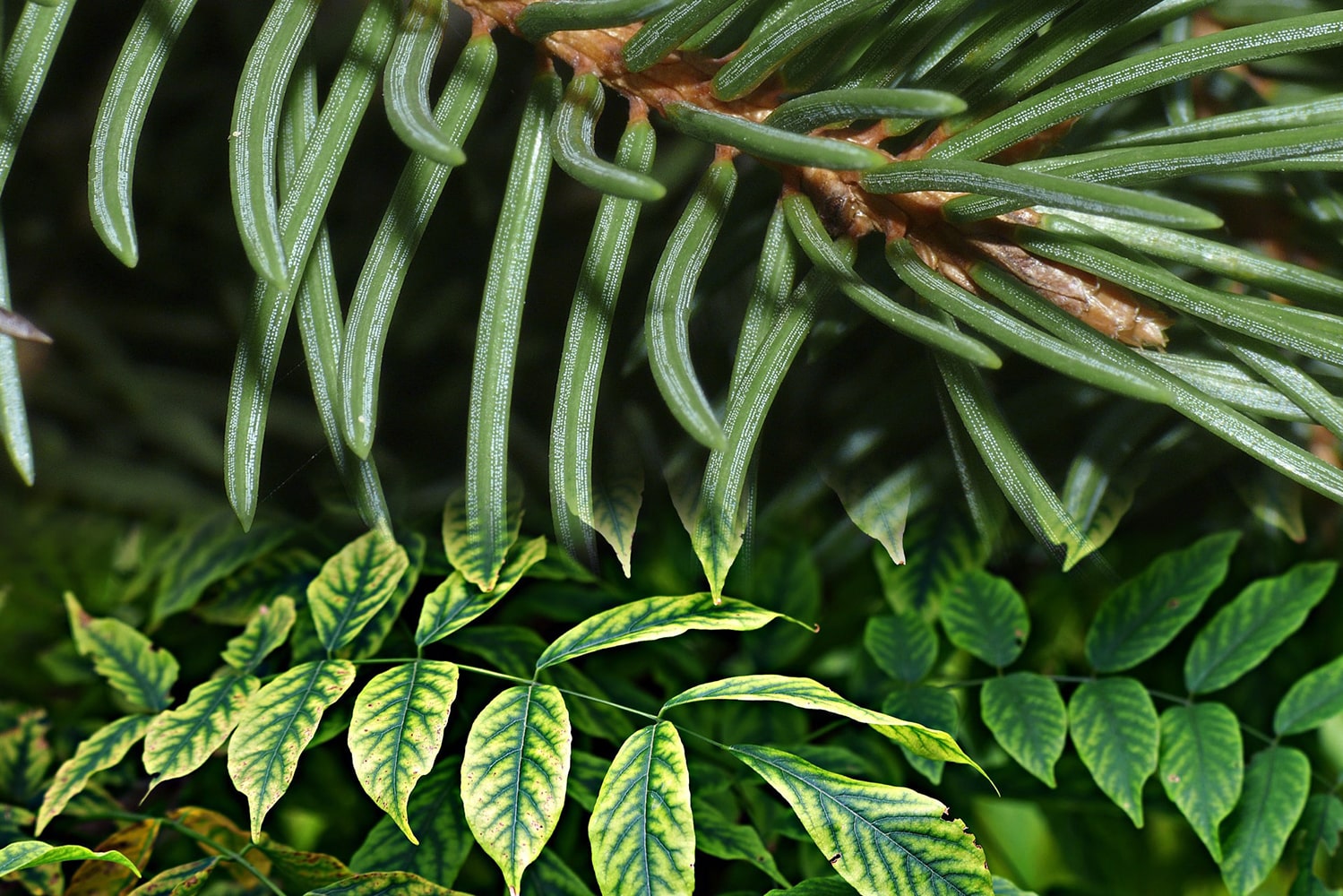
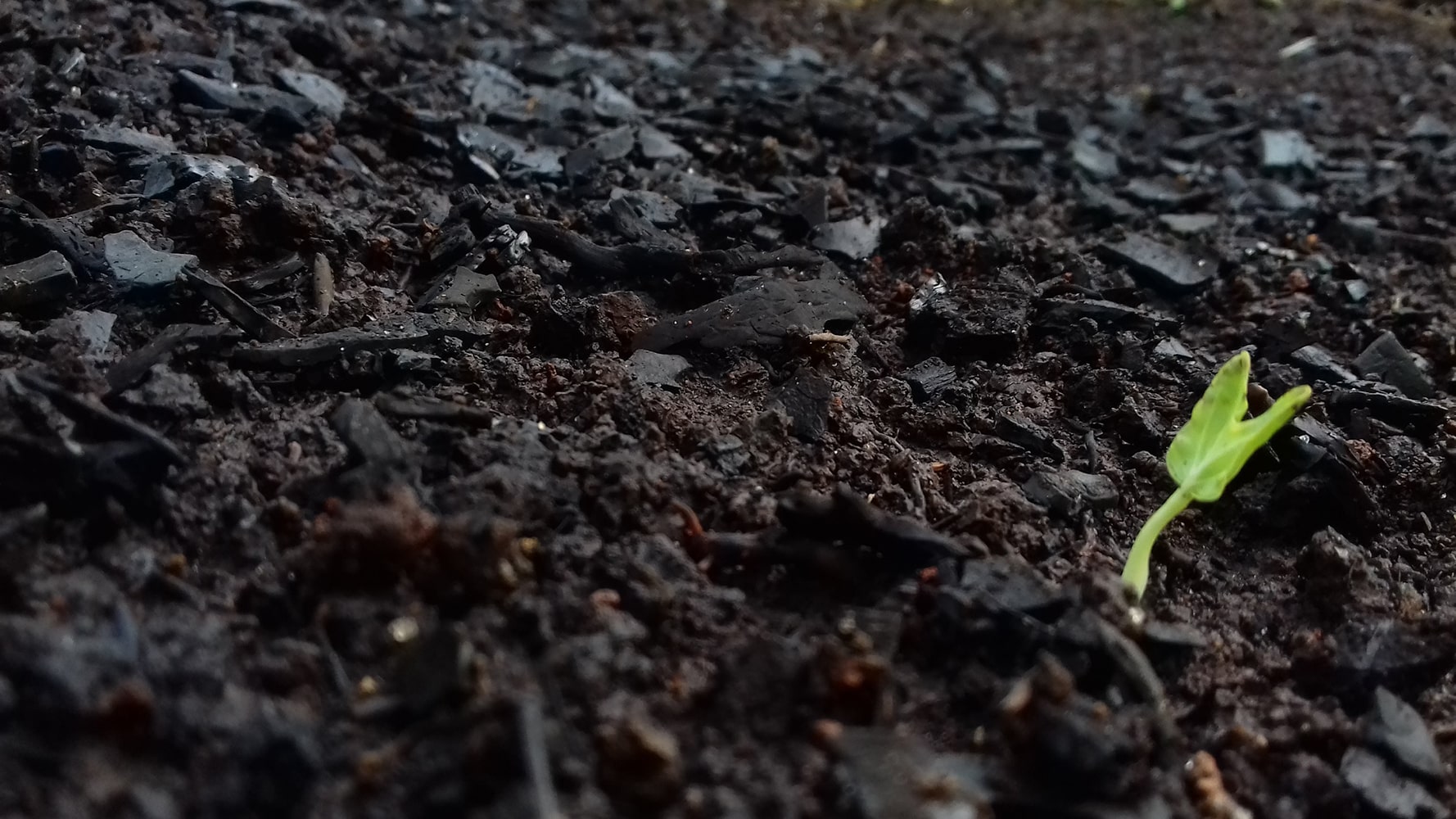
**Insects, Diseases, and Other Plant Issues:** There are no major insect or disease threats associated with this tree. However, it may exhibit leaf chlorosis (yellowing) in alkaline soils. To maintain soil moisture and protect roots in exposed or colder environments, applying a layer of mulch around the root zone during summer and winter is beneficial.