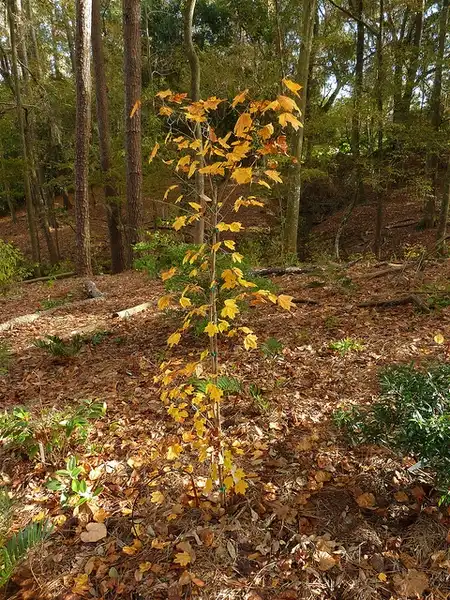
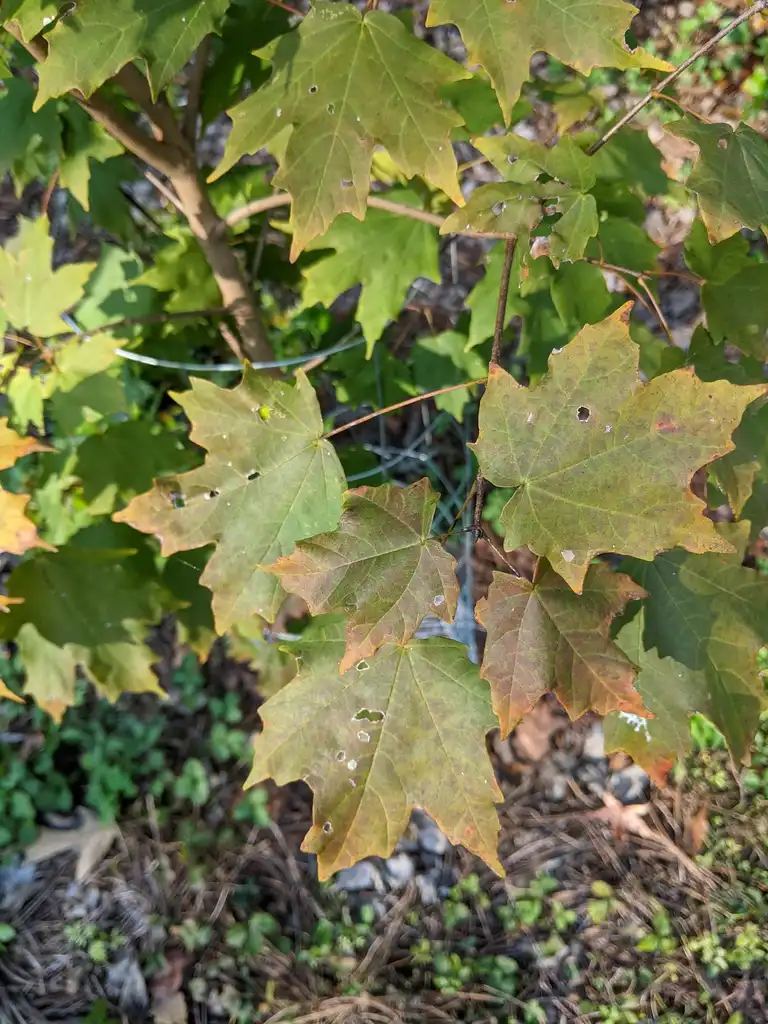
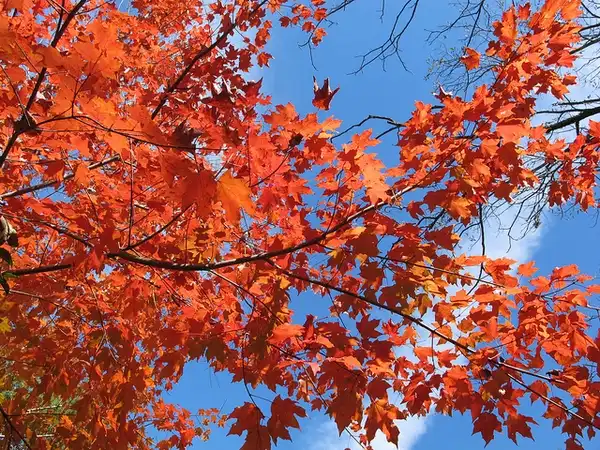
Chalk maple is a smaller variant of the sugar maple, characterized by its oval to rounded crown. This tree typically thrives in natural settings such as rocky slopes and bluffs, especially where mafic or calcareous rocks are present. It prefers to be planted in full sun to partial shade, requiring moist, well-drained soil. Without pruning, it tends to develop multiple stems, although it can be shaped into a single-stem form during its early growth stages.
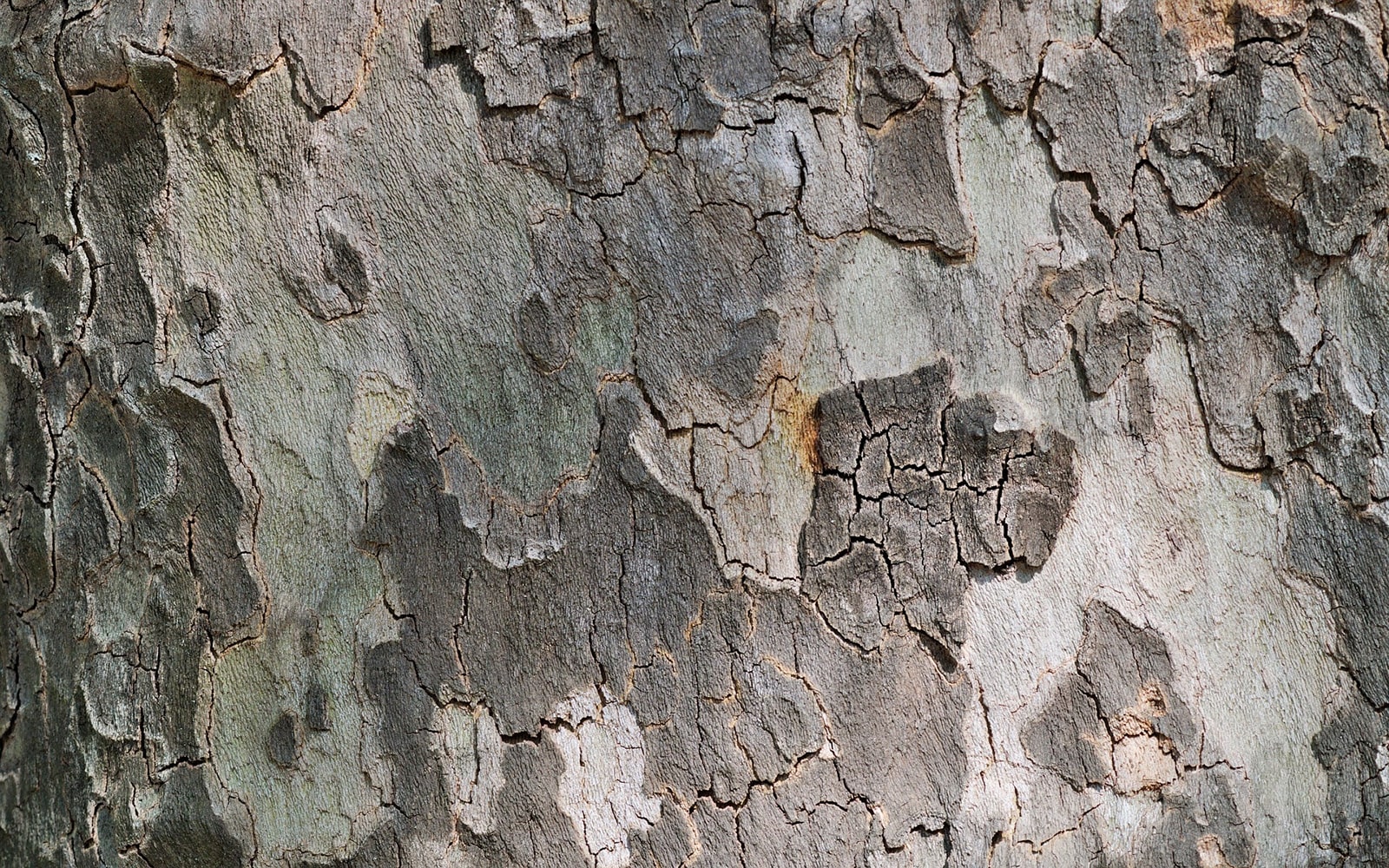
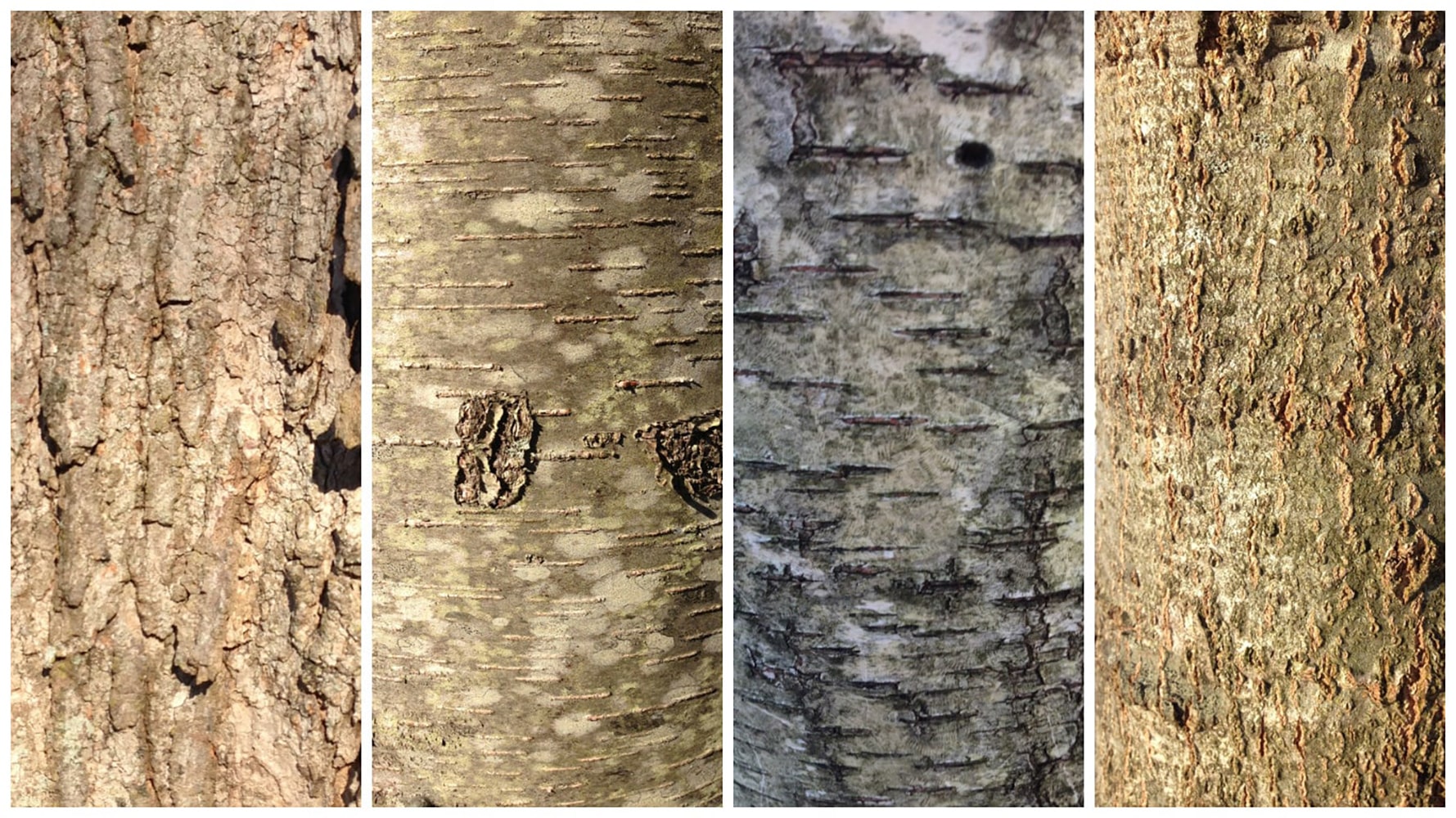
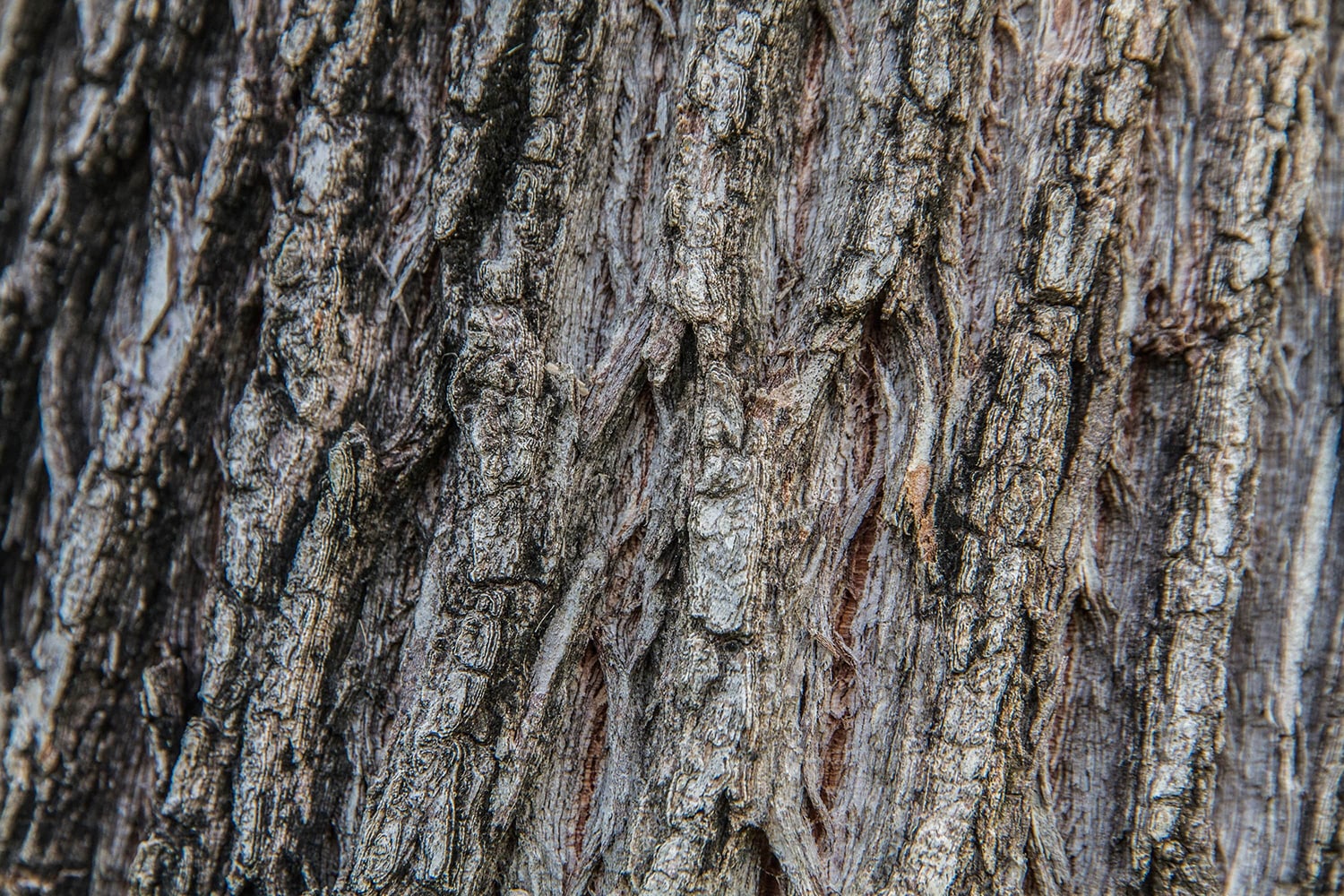
The term "chalk maple," along with its Latin name that translates to "white skin," refers to the appealing smooth and thin bark that is chalky white or light gray on mature specimens. As the tree ages, the bark at the base develops a ridged, blackish appearance.
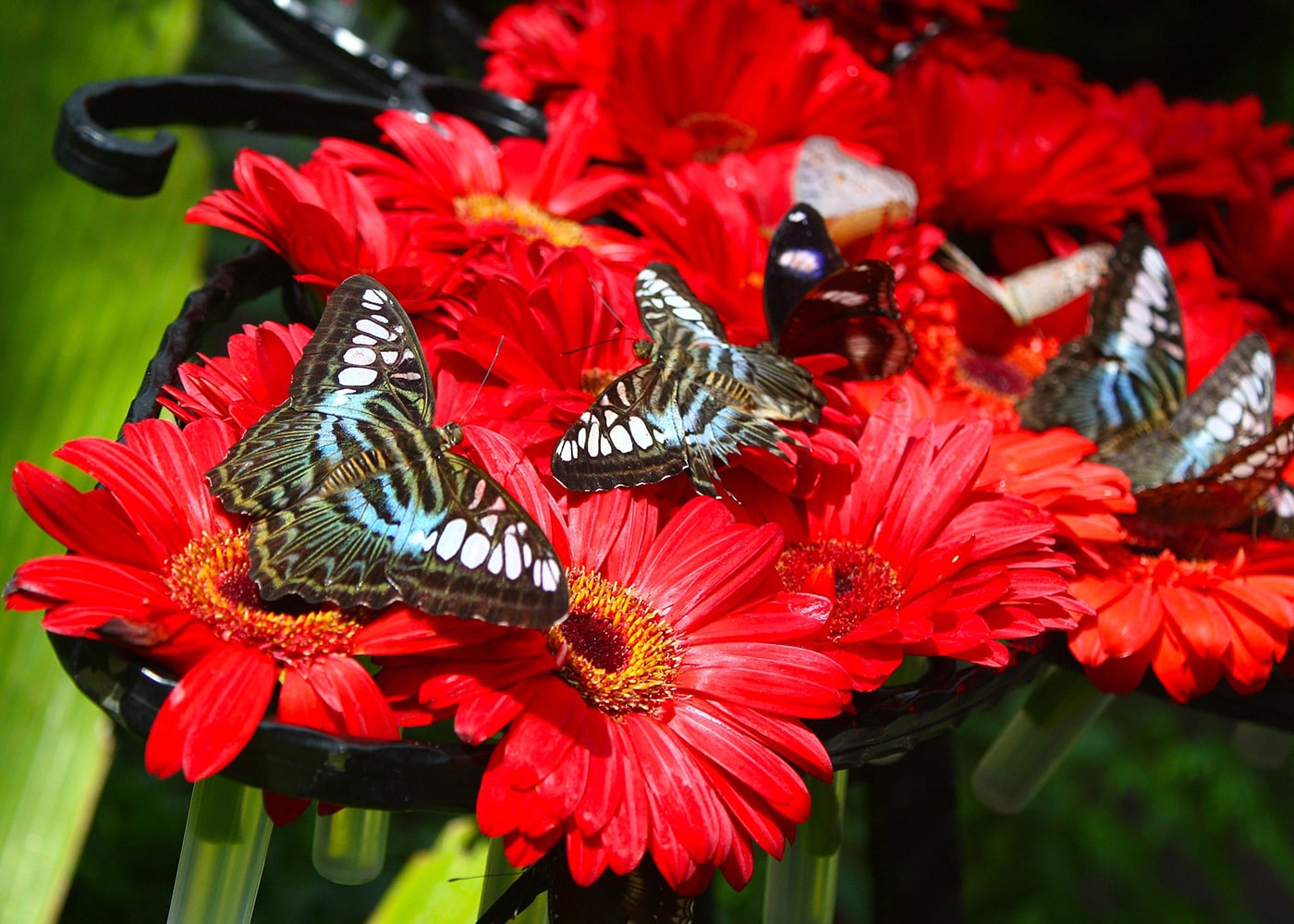
Members of the genus Acer support Imperial Moth (Eacles imperialis) larvae which have one brood per season and appear from April-October in the south. Adult Imperial Moths do not feed. Early spring source of nectar for bees. The seeds are eaten by birds and small mammals. Butterflies and other pollinating insects enjoy the nectar from the flowers.
The fruit is a paired brown samara, less than an inch long, with a 50 to 60 degree angle maturing in autumn. In North Carolina, samaras are available from May to September.
Acer saccharum subsp. leucoderme: Country Or Region Of Origin
Native (USA)
Acer saccharum subsp. leucoderme: Distribution
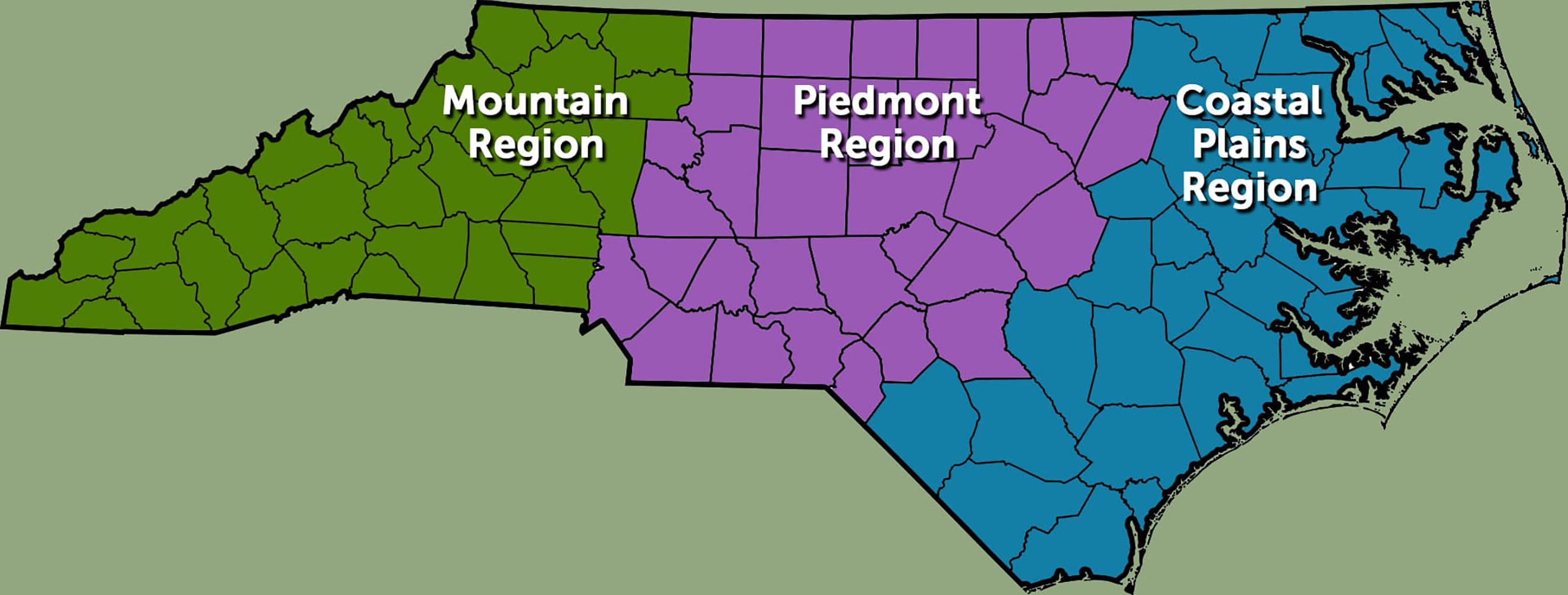
Southeast; TX to NC and south to northwest FL
Acer saccharum subsp. leucoderme: Wildlife Value
Members of the genus Acer support Imperial Moth (Eacles imperialis) larvae which have one brood per season and appear from April-October in the south. Adult Imperial Moths do not feed. Early spring source of nectar for bees. The seeds are eaten by birds and small mammals. Butterflies and other pollinating insects enjoy the nectar from the flowers.
Acer saccharum subsp. leucoderme: Particularly Resistant To (Insects/Diseases/Other Problems)
Pest free, highly shade and drought tolerant, and heat tolerant
Acer saccharum subsp. leucoderme: Fruit Description
The fruit is a paired brown samara, less than an inch long, with a 50 to 60 degree angle maturing in autumn. In North Carolina, samaras are available from May to September.
Acer saccharum subsp. leucoderme: Fruit Type
Achene
Aggregate
Berry
Capsule
Caryopsis
Drupe
Follicle
Legume
Nut
Pome
Samara
Schizocarp
Siliqua
Acer saccharum subsp. leucoderme: Fruit Color
grass
Brown/Copper
Acer saccharum subsp. leucoderme: Display/Harvest Time