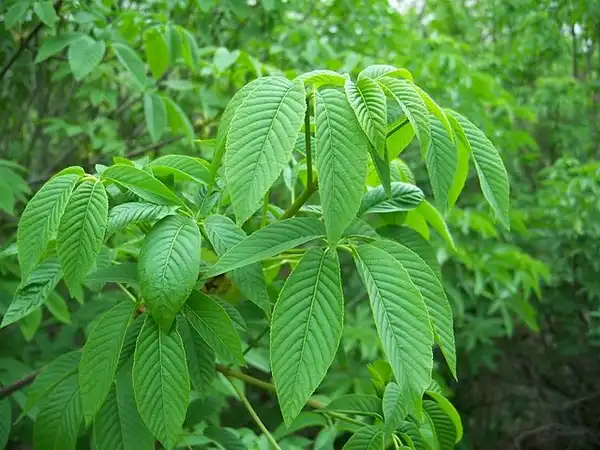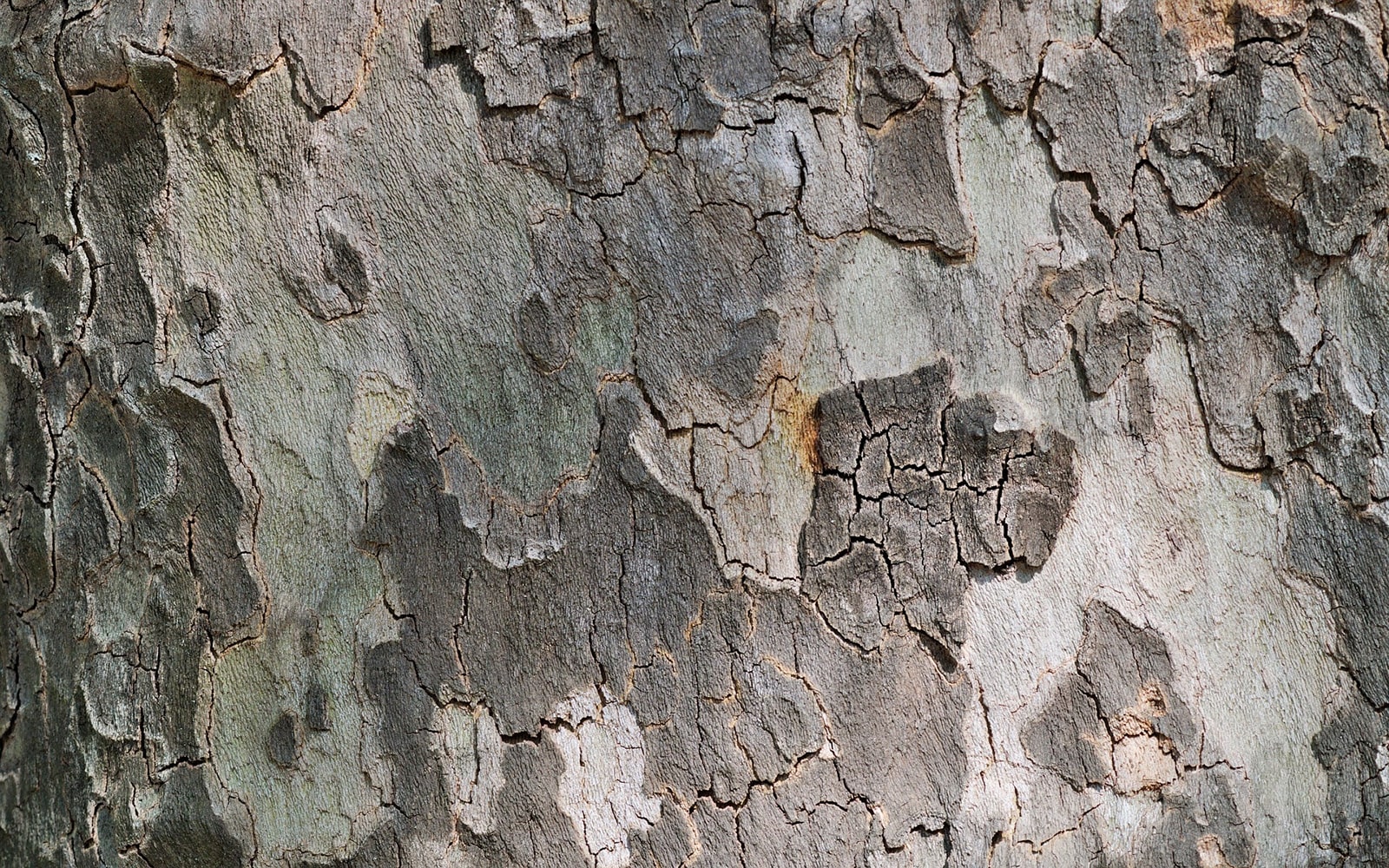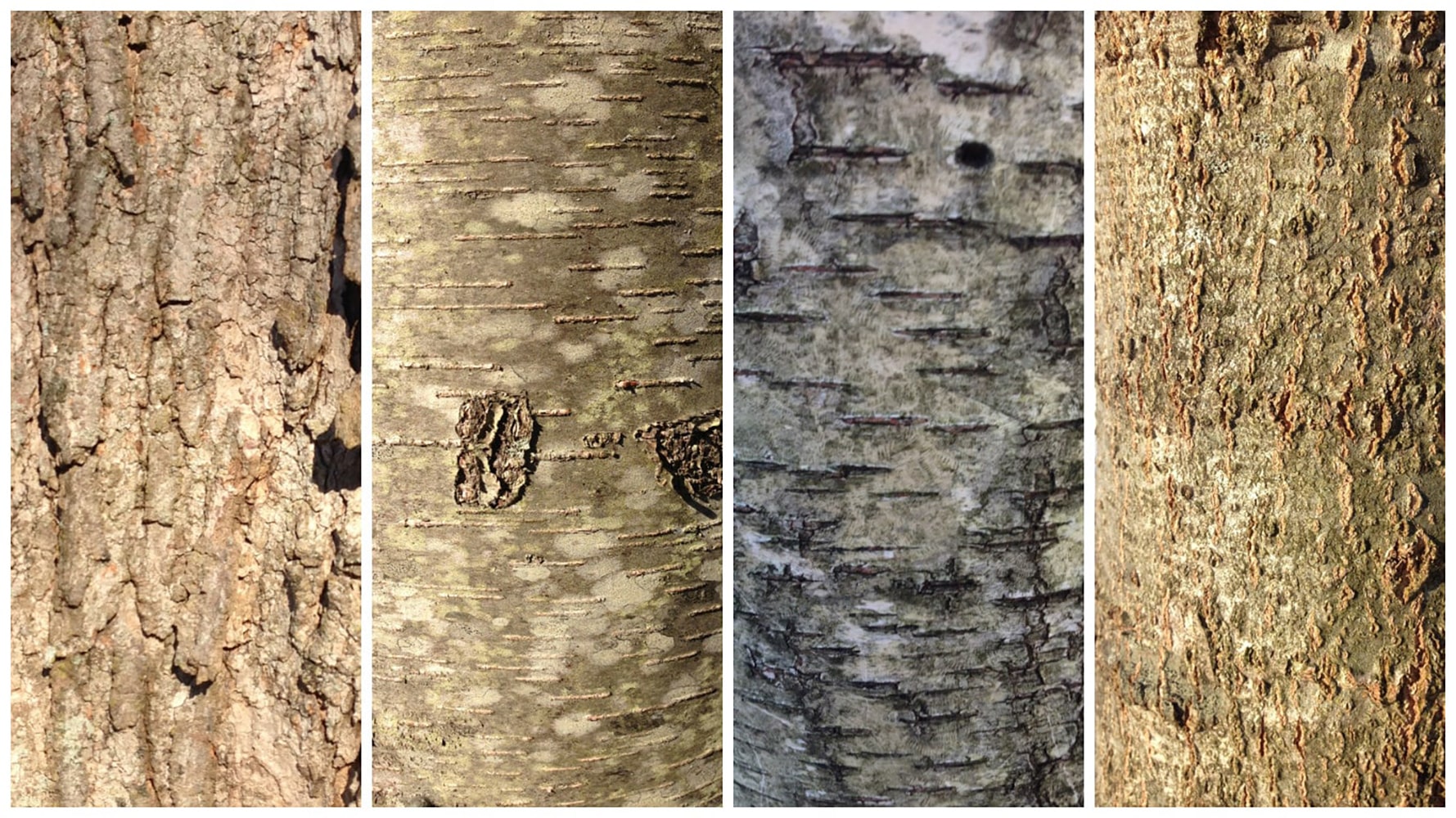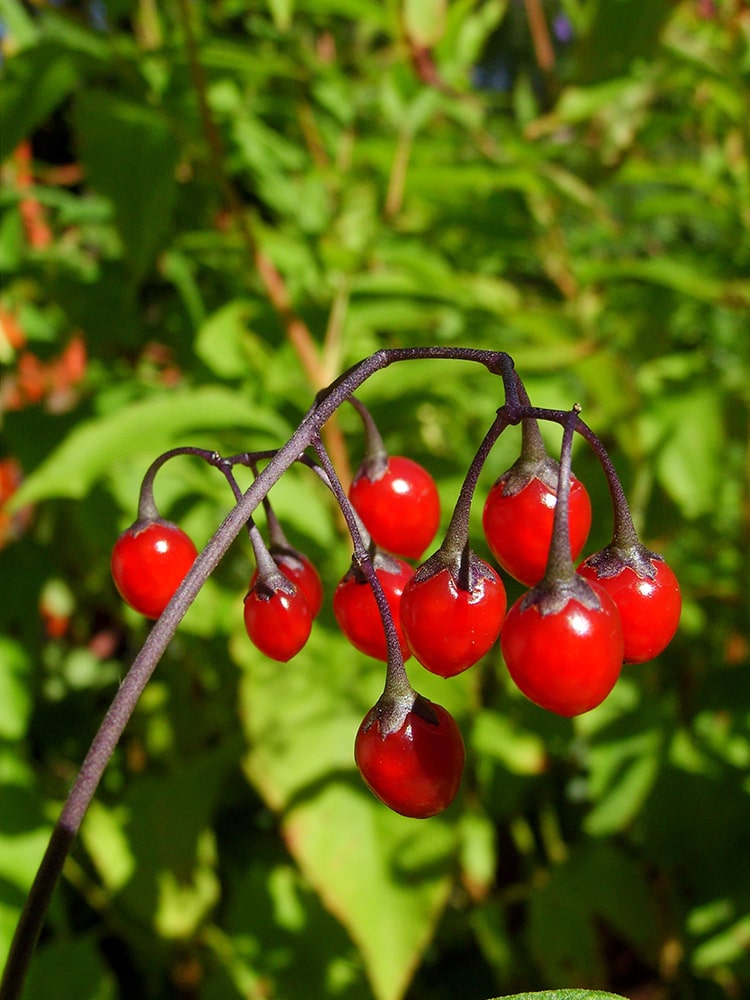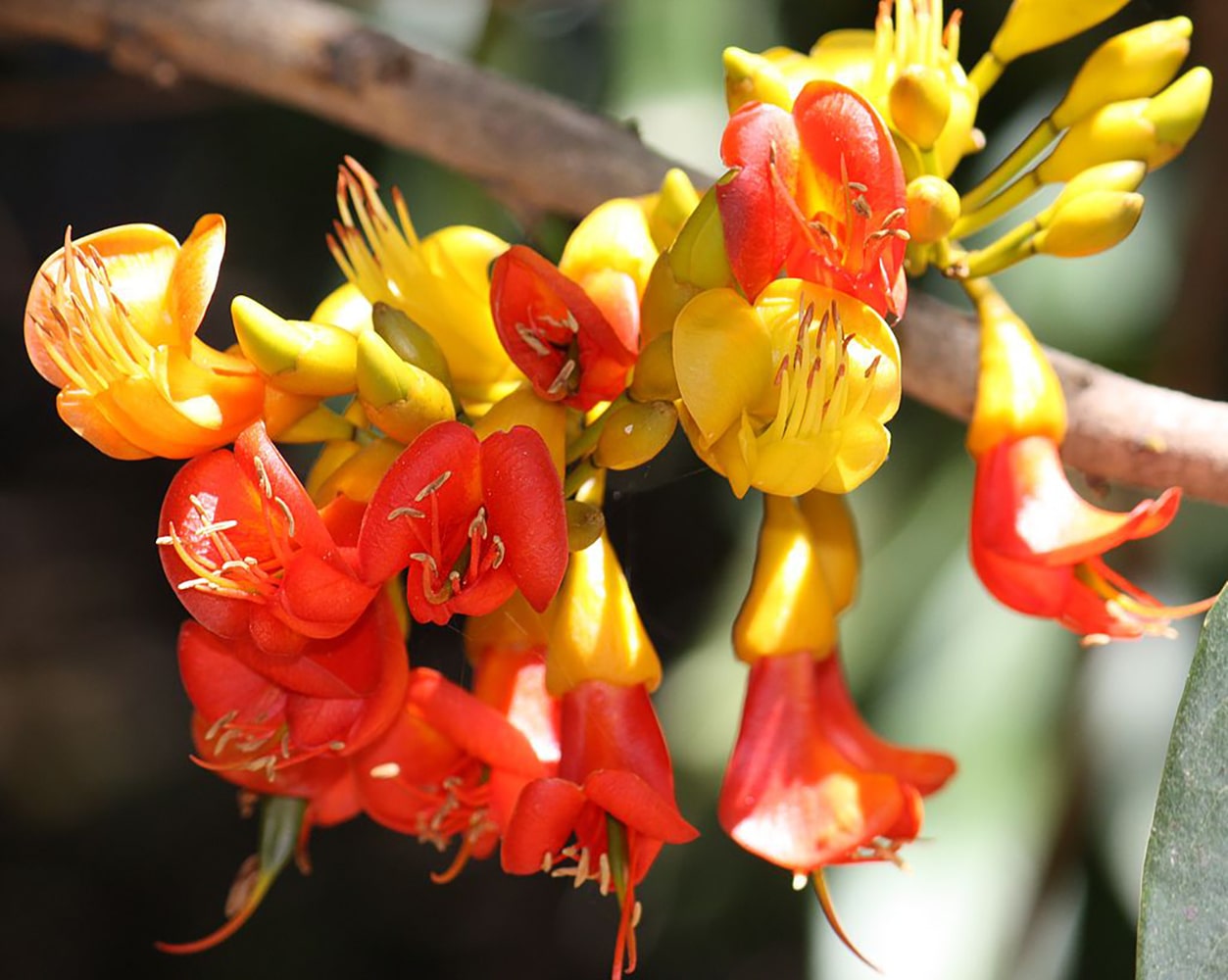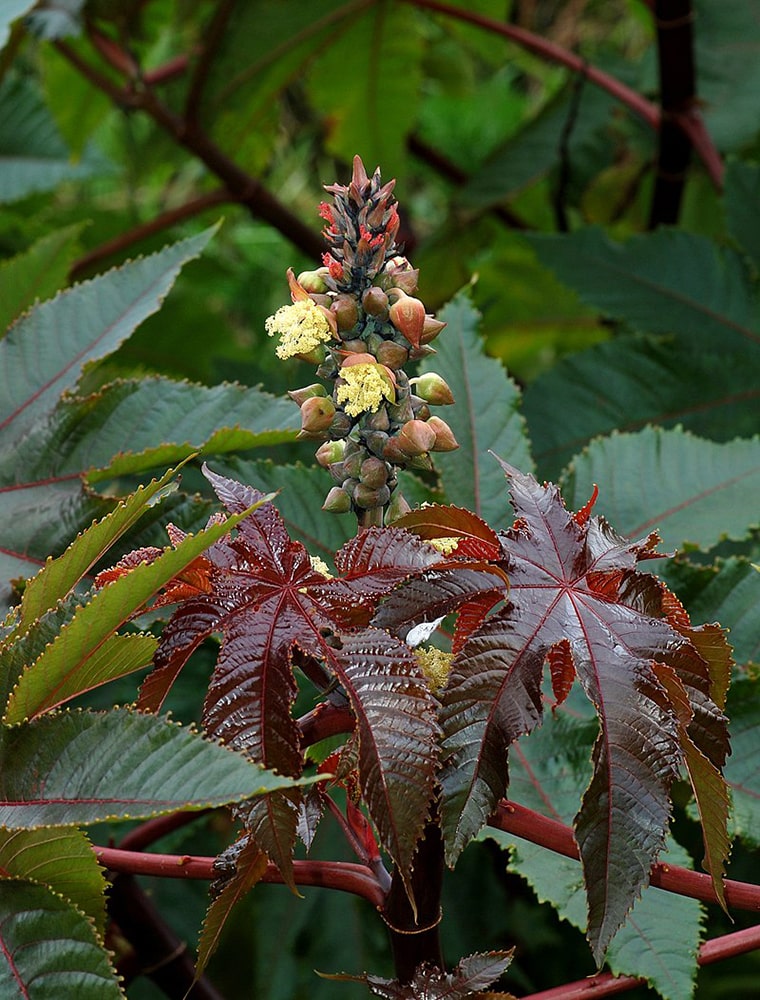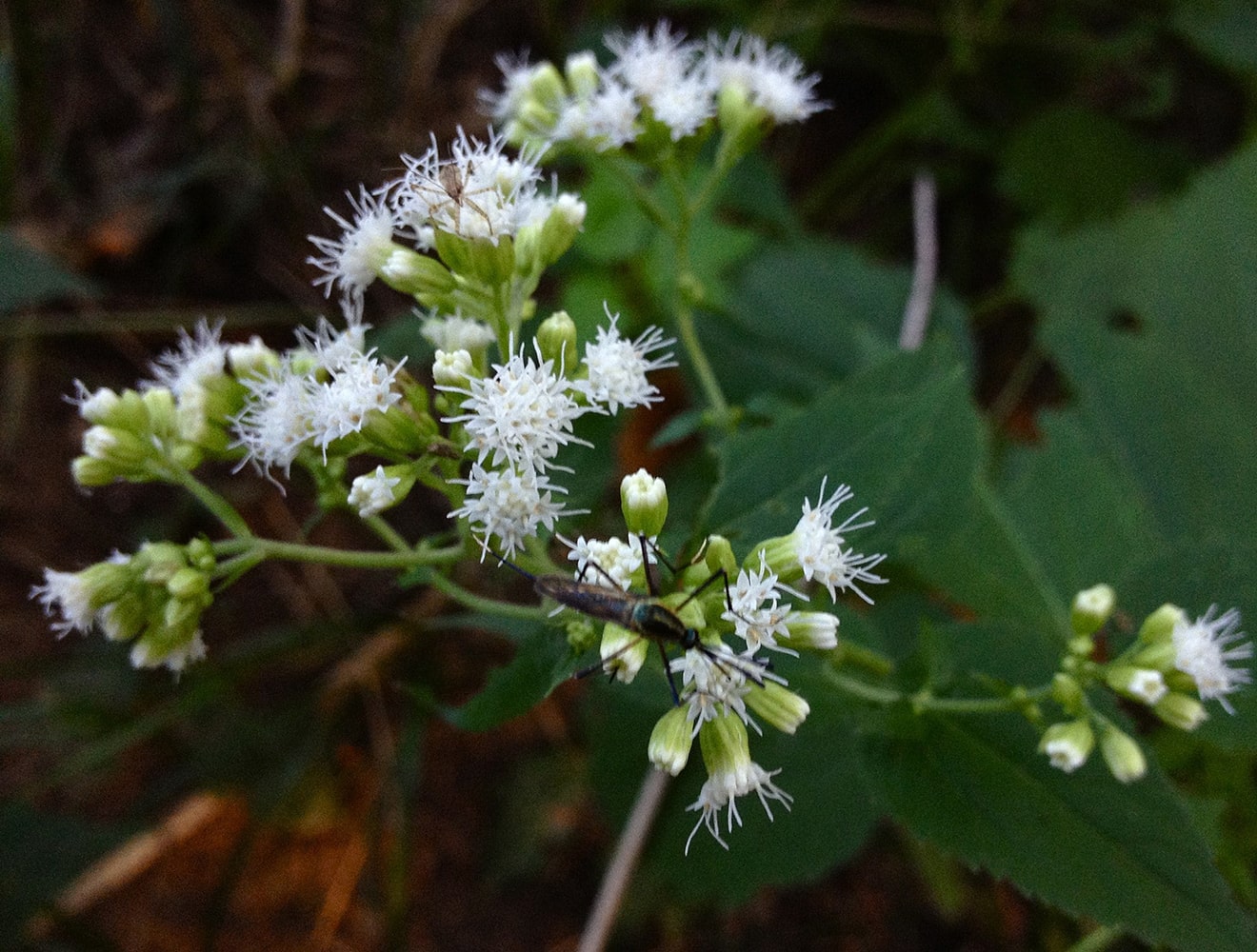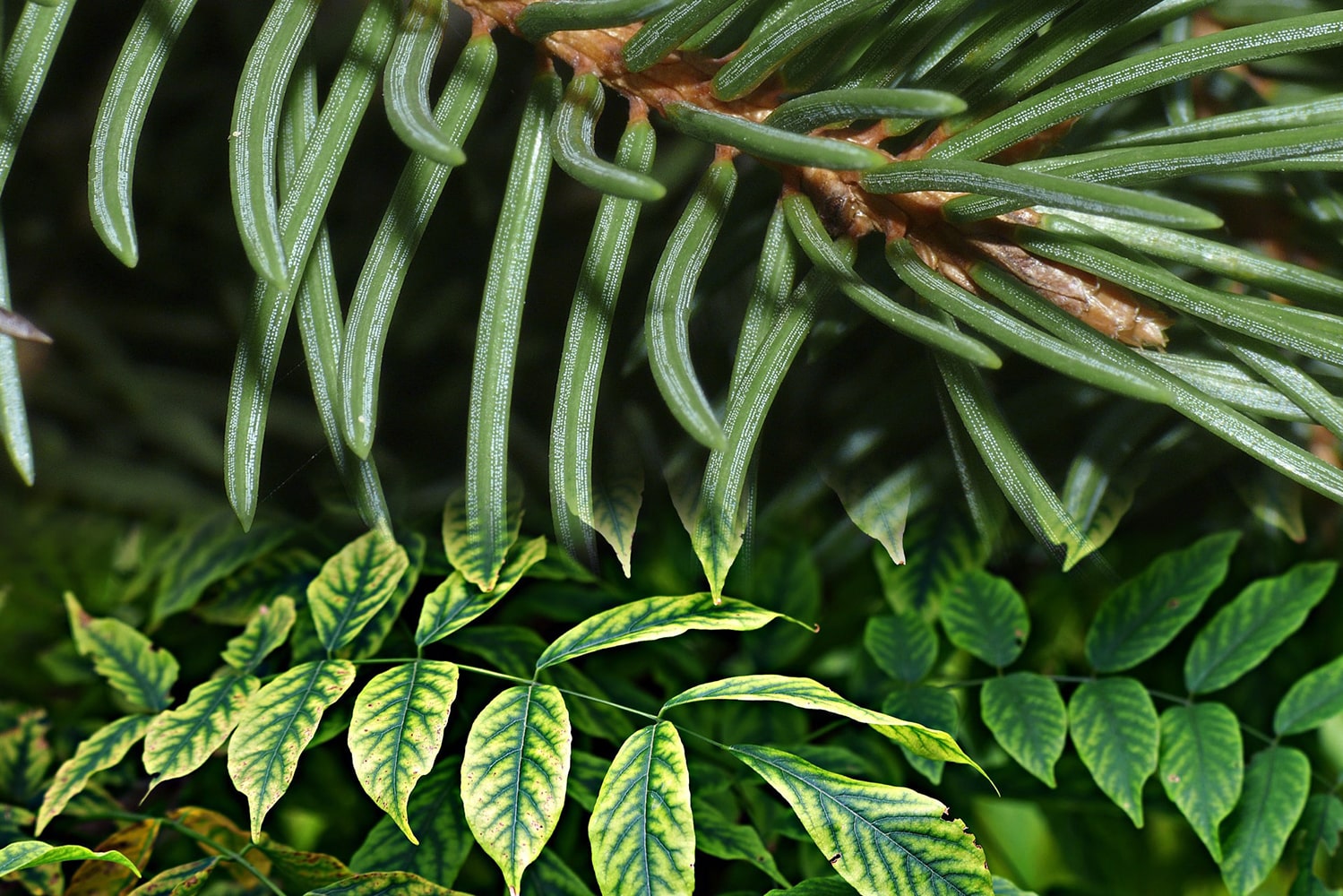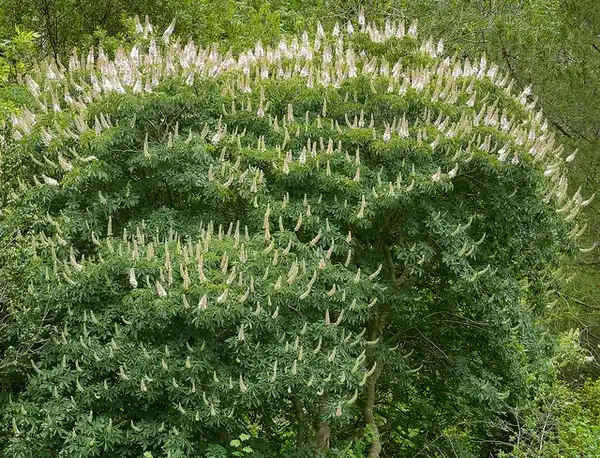
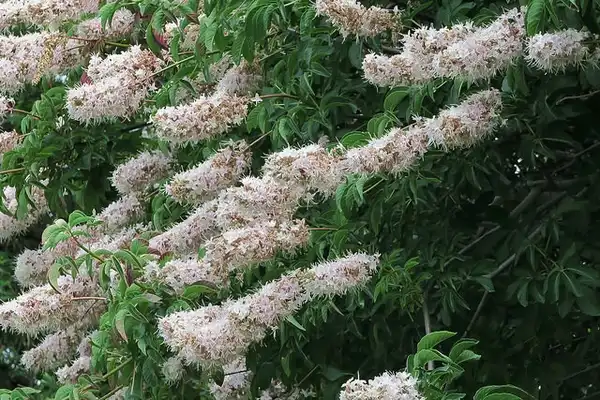
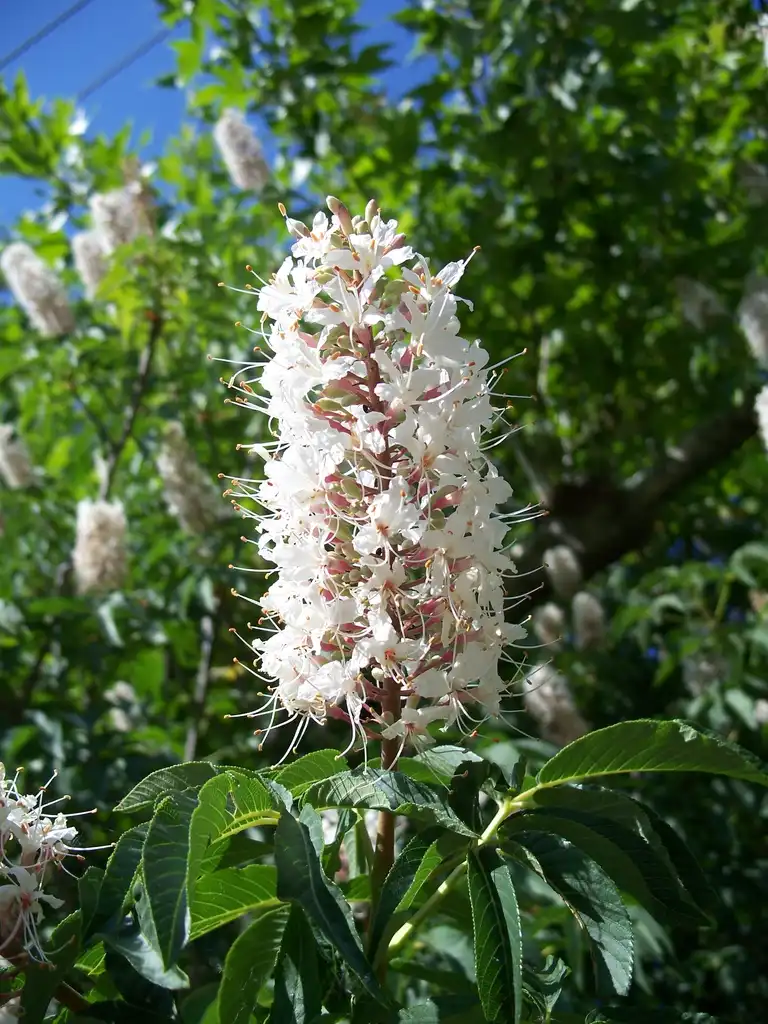
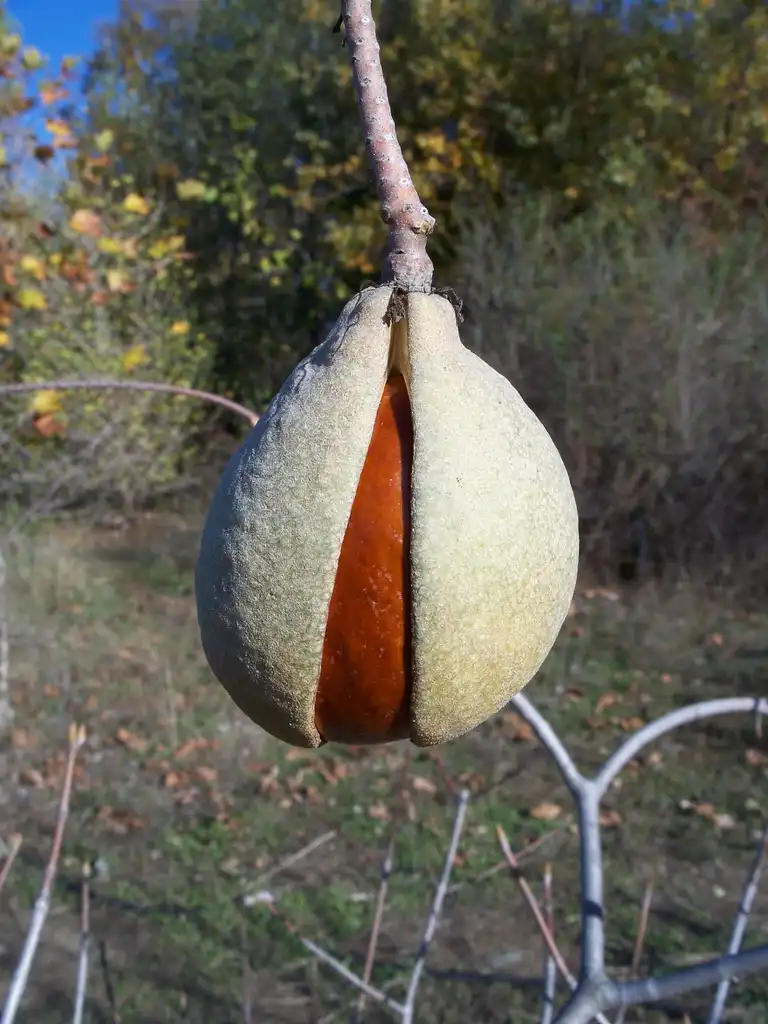
• Photo of Aesculus californica (Aesculus californicas)

Plant Profile: Aesculus californica

Taxonomy: Aesculus californica

Names

Buckeye, California Buckeye

  • Photo of Aesculus californica (Aesculus californicas)

Phonetic Spelling:ES-kew-lus kal-ih-FOR-nih-kah

Genus:Aesculus

Species:californica

Family:Sapindaceae

This deciduous shrub, which can occasionally grow into a small tree, features a broad, flat-topped crown and a short trunk. It tends to shed its leaves early, remaining bare for much of the year, which showcases its smooth, silver-gray bark. The young branchlets exhibit a reddish gray-brown hue. Typically, this plant emerges from dormancy in late winter but may enter dormancy again during the hot, dry summer months.

Seasons of Interest:

Leaves: Early fall; Blooms: Spring/Summer (May-June); Fruit/Nuts/Seeds: Summer/Fall; Buds: Winter (sticky); Bark: Winter (attractive gray)

Insects, Diseases, and Other Plant Issues: This plant may face challenges from pests such as bagworms, Japanese beetles, and borers. It is also susceptible to powdery mildew, rust, and anthracnose. In response to extreme heat, wind, or drought, it may drop its leaves. Notably, all parts of the California buckeye are toxic to humans if consumed.


Commonly found in landscapes as a cultivated woody shrub.

Poisonous parts: Seeds and tea made from the leaves and sprouts.

Preferred Site: Thrives in full sun to partial shade and should be planted in a sheltered location north of zone 6. It performs best in medium moisture, well-drained soil.

Form: Flat-topped crown

Aesculus californica Feature Summary

Aesculus californica Image Gallery

Tags

#fragrant
#hummingbirds
#white
#deciduous
#fall color
#small tree
#poisonous
#full sun tolerant
#interesting bark
#white flowers
#shrub
#wildlife plant
#pink flowers
#showy
#tree
#deciduous shrub
#winter interest
#flowering tree
#woody shrub
#borers
#bagworms
#deer resistant
#pollinator plant
#bird friendly
#butterfly friendly
#partial shade tolerant
#problem for cats
#problem for dogs
#problem for horses

Similar Plants

Aesculus californica Feature Summary

Attributes
Nectar from flowers attracts hummingbirds and butterflies. Tolerates damage by deer.
Wildlife Food Source
Fruit
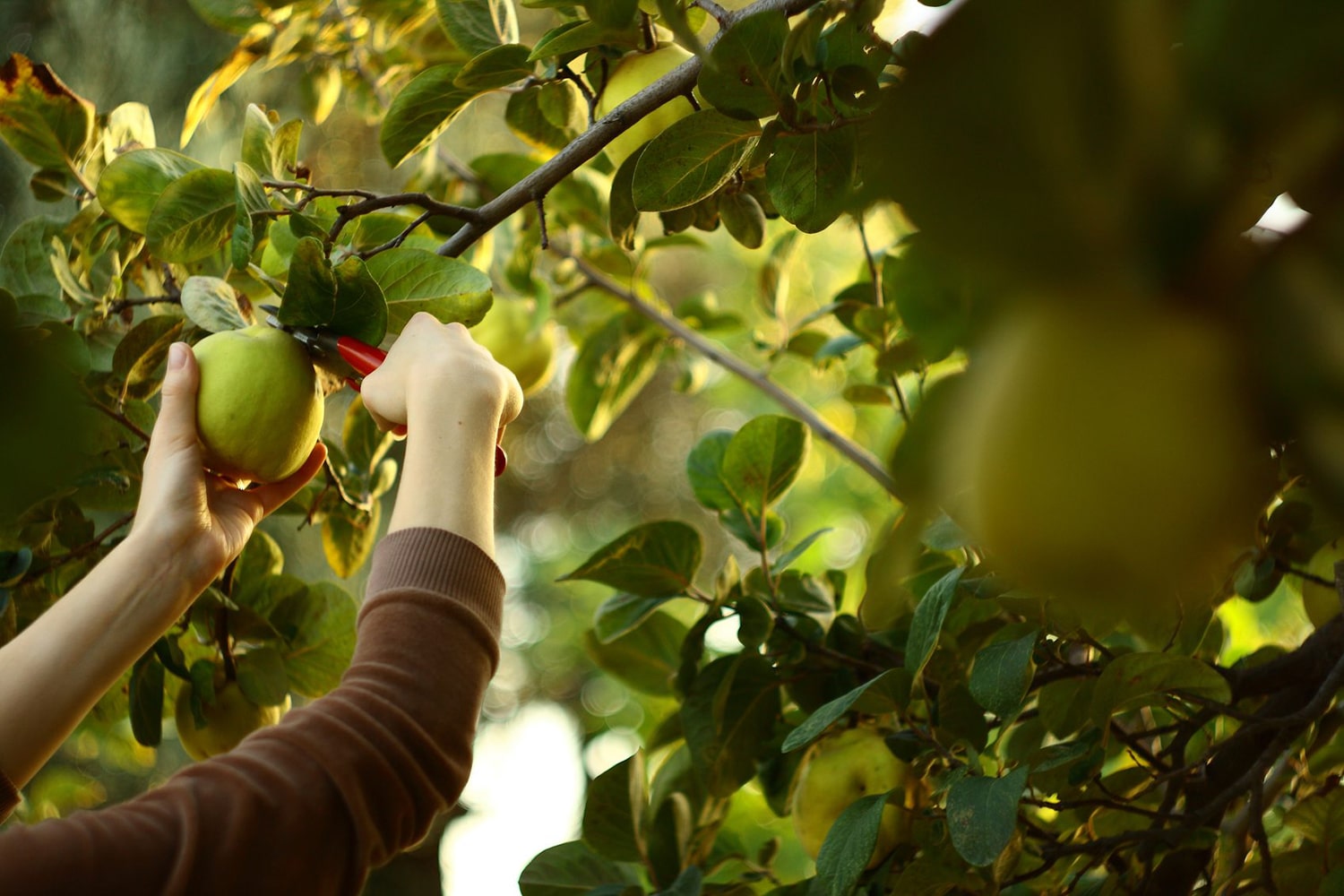
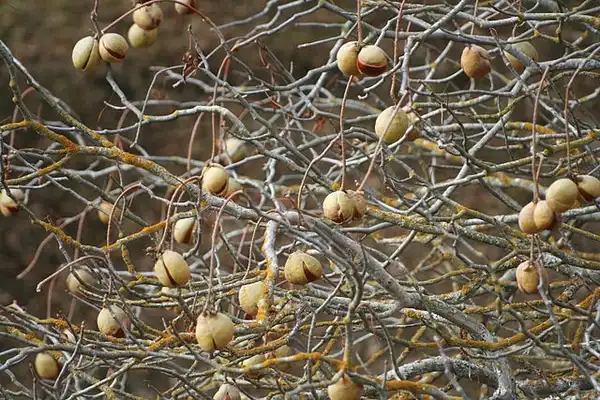
The fruit is a smooth, pear to fig-shaped leathery capsule with 1-3 large, brown, shiny seeds, each with a pale scar (the "buck's eye").
Brown/Copper
Flowers
Long (4-12”), terminal clusters of creamy white or pinkish fragrant flowers appear from May-June. The stamens are longer than the 5 petals.
Pink
White
Spring
Summer
3-6 inches
Leaves
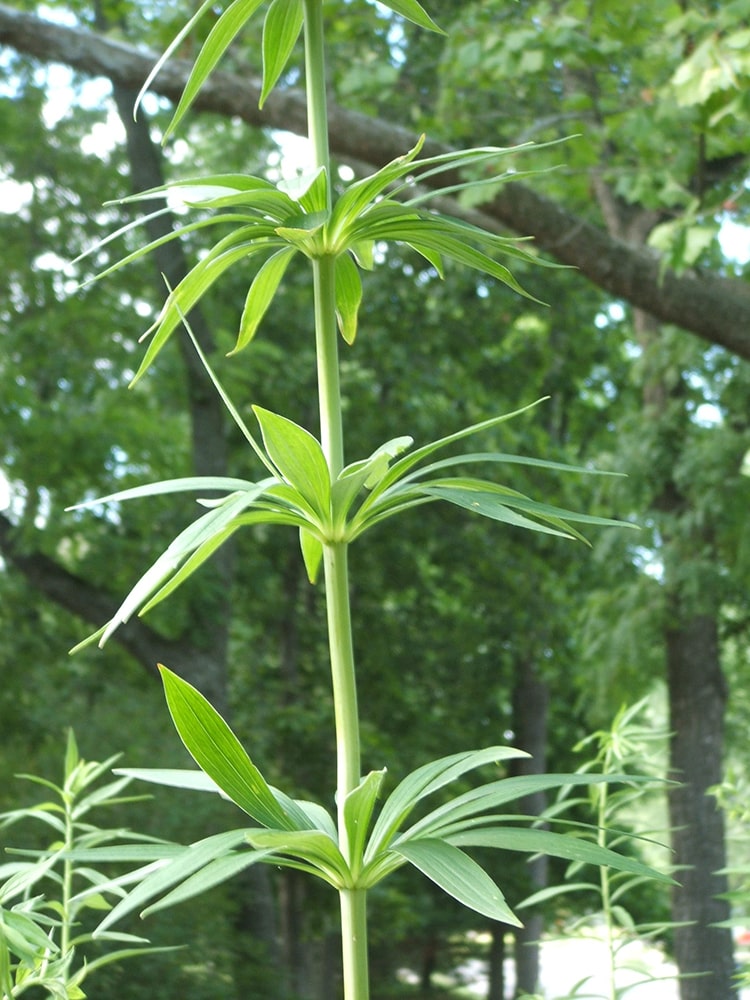
Opposite, shiny dark green palmately divided leaves with 5 narrow-elliptic leaflets (each to 6” long) with fine marginal teeth.
Compound (Pinnately , Bipinnately, Palmately)
Elliptical
3-6 inches
Bark
Bark is an attractive silvery gray in winter. Branchlets are reddish gray-brown when young.
Light Gray
Dark Brown
Light Brown
Red/Burgundy
Poisonous to Humans
Poisonous if ingested. HIGHLY TOXIC, MAY BE FATAL IF EATEN! Poison symptoms include muscular weakness and paralysis, dilated pupils, vomiting, diarrhea, depression, paralysis, and stupor. (Poisonous part: Seeds and tea made from leaves and sprouts; however all parts of the plant are poisonous if ingested.)
Glycoside esculin, saponin aescin, possibly alkaloids
Seeds
Leaves
Stems
Flowers
Bark
Fruits
Roots
Whole Plant Traits
Cultural Conditions
Full sun (6 or more hours of direct sunlight a day)
Partial Shade (Direct sunlight only part of the day, 2-6 hours)
Good Drainage
Landscape
Winter Garden
Butterflies
Pollinators
Hummingbirds
Poisonous to Humans
Problem for Cats
Problem for Dogs
Problem for Horses

Aesculus californica Attributes

Aesculus californica: Country Or Region Of Origin

California
Aesculus californica: Wildlife Value

Nectar from flowers attracts hummingbirds and butterflies. Tolerates damage by deer.

Aesculus californica: Particularly Resistant To (Insects/Diseases/Other Problems)

Tolerates damage by deer.

Aesculus californica: Life Cycle

Annual
Biennial
Bulb
Perennial
Woody

Aesculus californica: Play Value

Attractive Flowers
Attracts Pollinators
Buffer
Colorful
Defines Paths
Easy to Grow
Edible fruit
Fragrance
Pieces Used in Games
Screening
Shade
Sound
Textural
Wildlife Cover/Habitat
Wildlife Food Source
Wildlife Larval Host
Wildlife Nesting
Wind Break
Wind Shimmer

Aesculus californica Fruit

Aesculus californica: Fruit Description

The fruit is a smooth, pear to fig-shaped leathery capsule with 1-3 large, brown, shiny seeds, each with a pale scar (the "buck's eye").

Aesculus californica: Fruit Color

grass
Brown/Copper

Aesculus californica: Display/Harvest Time

Fall
Spring
Summer
Winter

Aesculus californica Flowers

Aesculus californica: Flower Description

Long (4-12”), terminal clusters of creamy white or pinkish fragrant flowers appear from May-June. The stamens are longer than the 5 petals.

Aesculus californica: Flower Color

filter_vintage
Pink
filter_vintage
White

Aesculus californica: Flower Value To Gardener

Edible
Fragrant
Good Cut
Good Dried
Long Bloom Season
Long-lasting
Showy

Aesculus californica: Flower Bloom Time

Winter
Spring
Summer
Fall

Aesculus californica: Flower Size

1-3 inches
3-6 inches
< 1 inch
> 6 inches

Aesculus californica Leaves

Aesculus californica: Leaf Description

Opposite, shiny dark green palmately divided leaves with 5 narrow-elliptic leaflets (each to 6” long) with fine marginal teeth.

Aesculus californica: Woody Plant Leaf Characteristics

Broadleaf Evergreen
Deciduous
Needled Evergreen
Semi-evergreen

Aesculus californica: Leaf Color

spa
Green

Aesculus californica: Leaf Type

Compound (Pinnately , Bipinnately, Palmately)
Fronds
Needles
Sheath
Simple

Aesculus californica: Leaf Arrangement

Alternate
Opposite
Other/more complex
Rosulate
Whorled

Aesculus californica: Leaf Shape

Acicular
Auriculate
Cordate
Cuneate
Deltoid
Elliptical
Filiform
Lanceolate
Linear
Oblanceolate
Oblong
Obovate
Obtuse
Orbicular
Ovate
Palmasect
Palmatifid
Peltate
Pinnatifid
Pinnatisect
Reniform
Rhomboidal
Spatulate
Subcordate
Subulate

Aesculus californica: Hairs Present

No
Yes

Aesculus californica: Leaf Length

< 1 inch
1-3 inches
3-6 inches
> 6 inches

Aesculus californica Bark

Aesculus californica: Bark Description

Bark is an attractive silvery gray in winter. Branchlets are reddish gray-brown when young.
Aesculus californica: Bark Color

grass
Dark Brown
grass
Light Brown
grass
Light Gray
grass
Red/Burgundy

Aesculus californica Poisonous to Humans

Aesculus californica: Poison Symptoms

Poisonous if ingested. HIGHLY TOXIC, MAY BE FATAL IF EATEN! Poison symptoms include muscular weakness and paralysis, dilated pupils, vomiting, diarrhea, depression, paralysis, and stupor. (Poisonous part: Seeds and tea made from leaves and sprouts; however all parts of the plant are poisonous if ingested.)

Aesculus californica: Poison Toxic Principle

Glycoside esculin, saponin aescin, possibly alkaloids

Aesculus californica: Poison Severity

High
Low
Medium

Aesculus californica: Causes Contact Dermatitis

No
Yes

Aesculus californica: Poison Part

Bark
Flowers
Fruits
Leaves
Roots
Sap/Juice
Seeds
Stems

Aesculus californica Whole Plant Traits

Aesculus californica: Plant Type

Annual
Bulb
Carnivorous
Edible
Epiphyte
Fern
Ground Cover
Herb
Herbaceous Perennial
Houseplant
Mushroom
Native Plant
Ornamental Grasses and Sedges
Perennial
Poisonous
Rose
Shrub
Succulent
Tree
Turfgrass
Vegetable
Vine
Water Plant
Weed
Wildflower

Aesculus californica: Woody Plant Leaf Characteristics

Broadleaf Evergreen
Deciduous
Needled Evergreen
Semi-evergreen

Aesculus californica: Habit/Form

Arching
Ascending
Broad
Cascading
Climbing
Clumping
Columnar
Conical
Creeping
Dense
Erect
Horizontal
Irregular
Mounding
Multi-stemmed
Multi-trunked
Open
Oval
Prostrate
Pyramidal
Rounded
Spreading
Vase
Weeping

Aesculus californica: Growth Rate

Slow
Medium
Rapid

Aesculus californica Cultural Conditions

Aesculus californica: Light

Dappled Sunlight (Shade through upper canopy all day)
Deep shade (Less than 2 hours to no direct sunlight)
Full sun (6 or more hours of direct sunlight a day)
Partial Shade (Direct sunlight only part of the day, 2-6 hours)

Aesculus californica: Soil Drainage

Frequent Standing Water
Good Drainage
Moist
Occasional Flooding
Occasionally Dry
Occasionally Wet
Very Dry

Aesculus californica: USDA Plant Hardiness Zone

thermostat
7a
thermostat
7b
thermostat
8a
thermostat
8b

Aesculus californica Stem

Aesculus californica: Stem Is Aromatic

No
Yes

Aesculus californica Landscape

Aesculus californica: Landscape Theme

Asian Garden
Butterfly Garden
Children's Garden
Cottage Garden
Cutting Garden
Drought Tolerant Garden
Edible Garden
English Garden
Fairy Garden
Garden for the Blind
Native Garden
Nighttime Garden
Pollinator Garden
Rain Garden
Rock Garden
Shade Garden
Water Garden
Winter Garden

Aesculus californica: Resistance To Challenges

Black Walnut
Compaction
Deer
Diseases
Drought
Dry Soil
Erosion
Fire
Foot Traffic
Heat
Heavy Shade
Humidity
Insect Pests
Pollution
Poor Soil
Rabbits
Salt
Slugs
Squirrels
Storm damage
Urban Conditions
Voles
Wet Soil
Wind

Aesculus californica: Attracts

Bats
Bees
Butterflies
Frogs
Hummingbirds
Moths
Pollinators
Predatory Insects
Reptiles
Small Mammals
Songbirds
Specialized Bees

Aesculus californica: Problems

Allelopathic
Contact Dermatitis
Frequent Disease Problems
Frequent Insect Problems
Invasive Species
Malodorous
Messy
Poisonous to Humans
Problem for Cats
Problem for Children
Problem for Dogs
Problem for Horses
Short-lived
Spines/Thorns
Weak Wood
Weedy