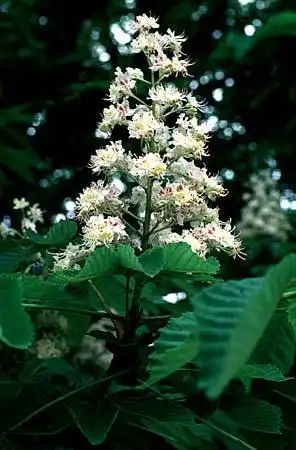
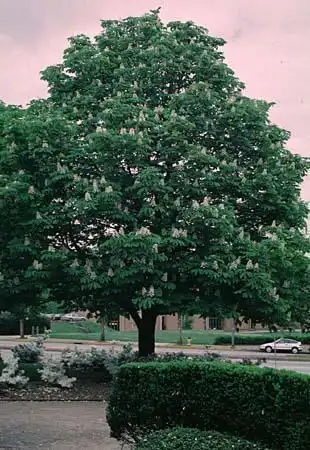
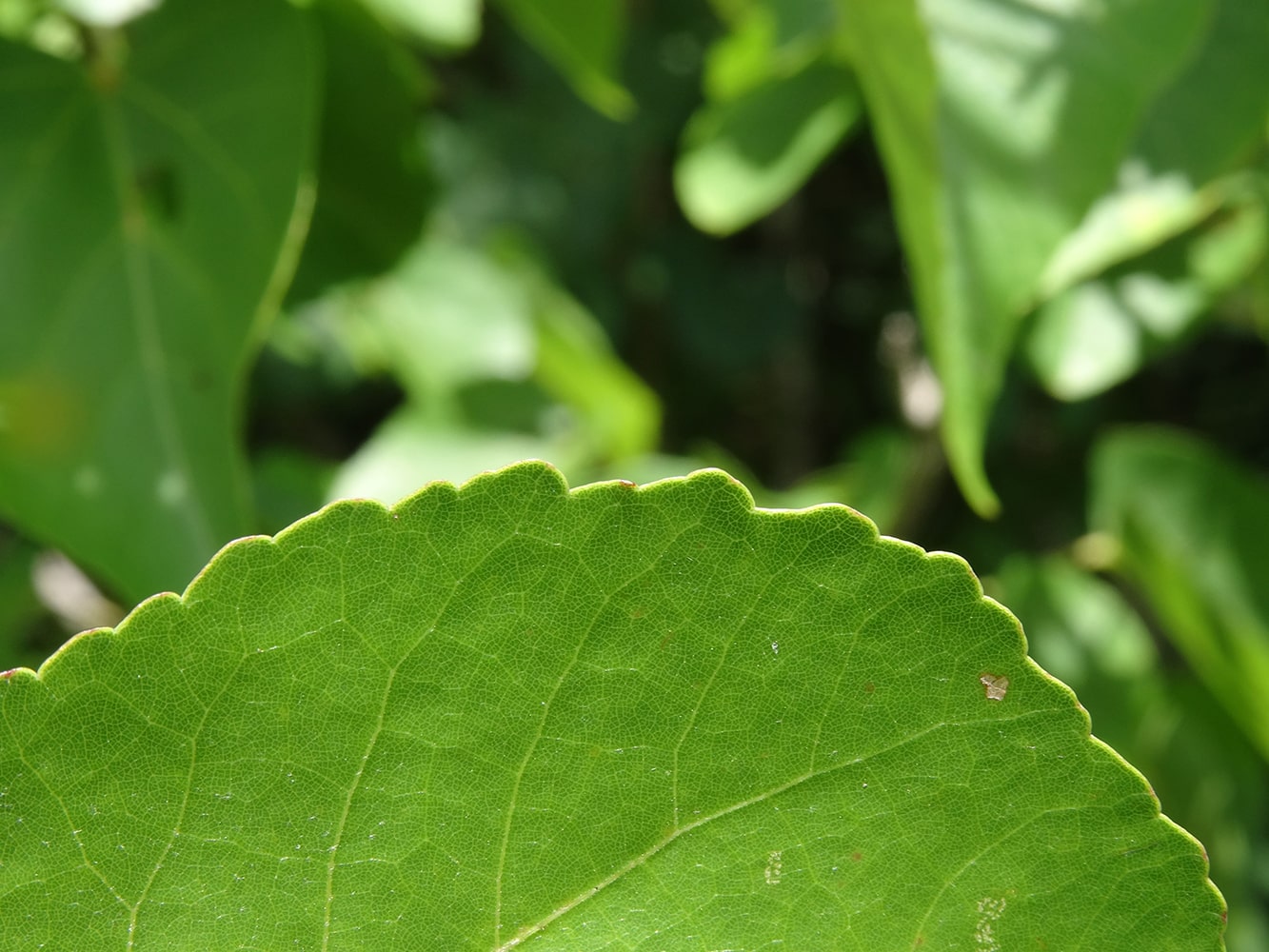
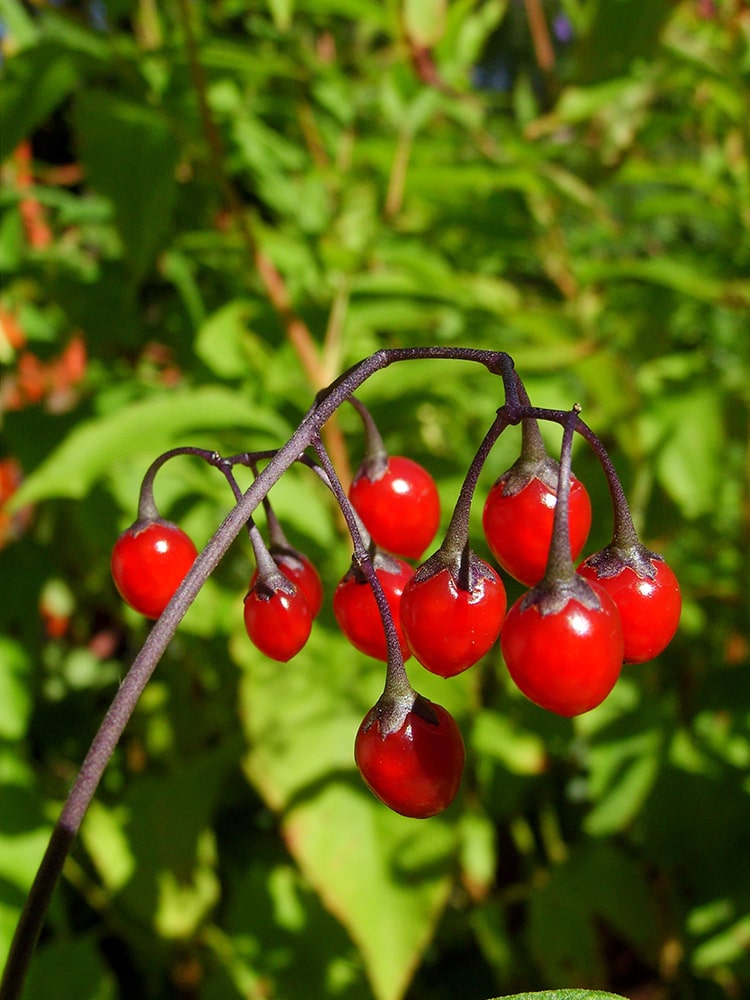
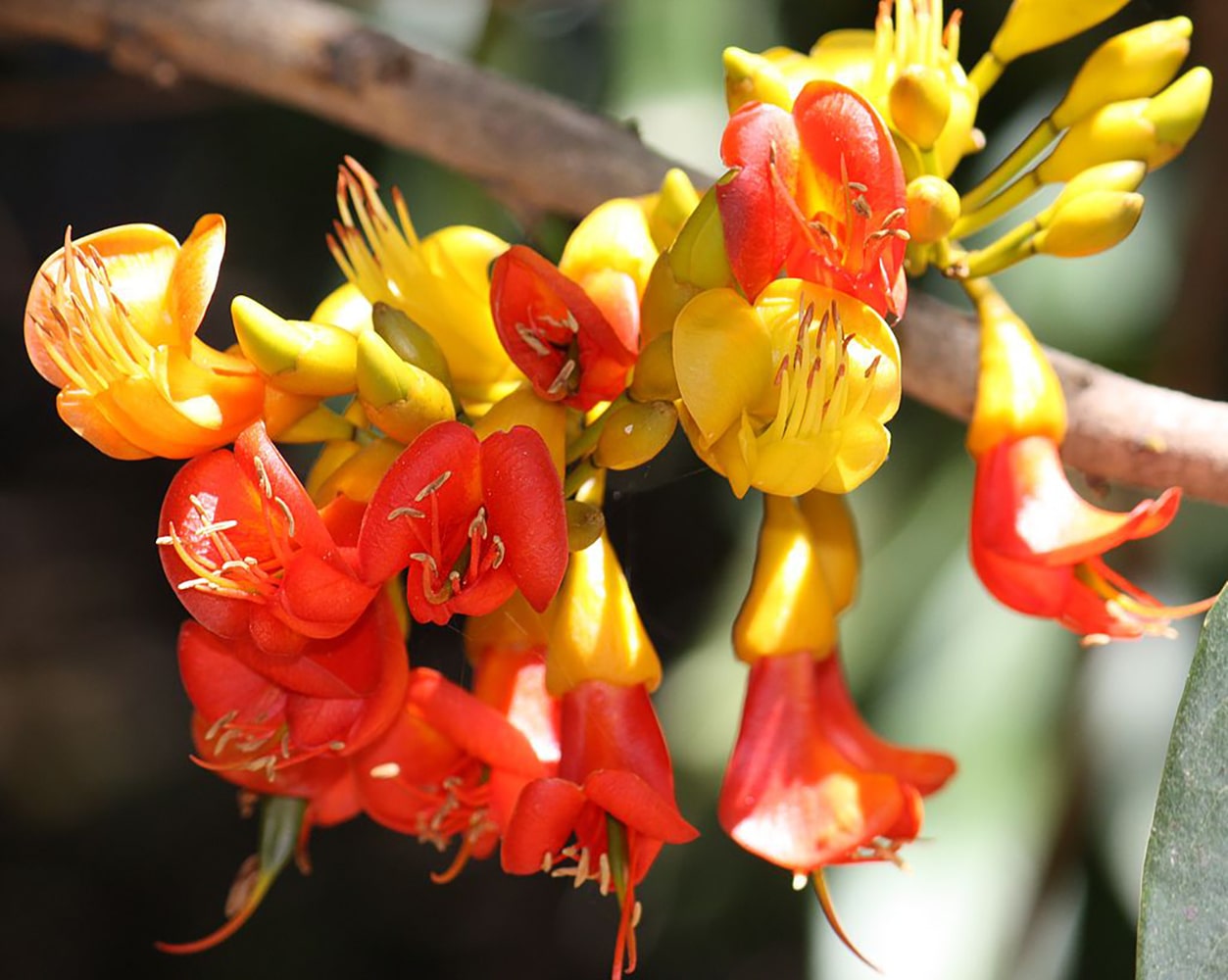
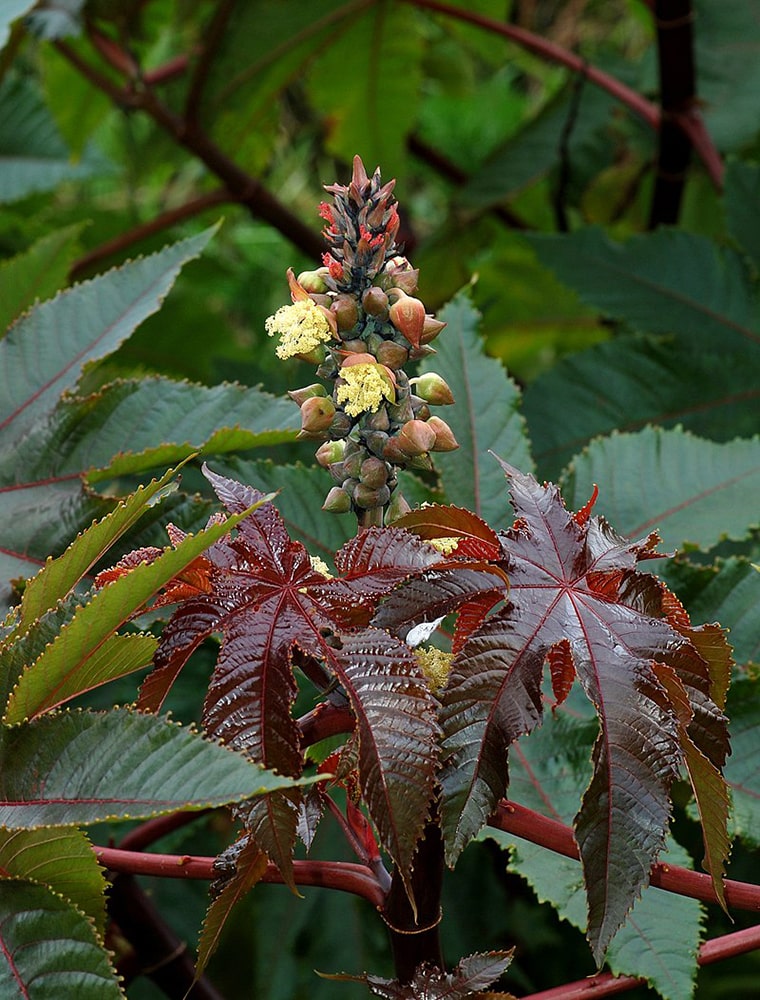
• Photo of Aesculus hippocastanum (Aesculus hippocastanums)

Plant Profile: Aesculus hippocastanum

Taxonomy: Aesculus hippocastanum

Names

Common Horsechestnut, European Horsechestnut, Horsechestnut

  • Photo of Aesculus hippocastanum (Aesculus hippocastanums)

Phonetic Spelling:ES-kew-lus hip-oh-kas-TAY-num

Genus:Aesculus

Species:hippocastanum

Family:Sapindaceae

**Health Concerns:** Prone to leaf blotch and mildew; foliage frequently wilts by early autumn.

**Habitat:** Commonly used in landscapes as an ornamental flowering tree and along streets.

**Toxic Components:** Seeds and infusions made from leaves and young shoots are toxic.

**Growing Conditions:** Thrives in full sun to partial shade; prefers moist, well-drained soil and does not tolerate dry conditions.

**Leaf Texture:** Ranges from medium to coarse.

**Growth Habit:** Exhibits an upright form with a crown that is oval to rounded.

Aesculus hippocastanum Feature Summary

Aesculus hippocastanum Image Gallery

Tags

#deciduous
#poisonous
#full sun tolerant
#tree
#flowering tree
#street tree
#horsechestnut
#partial shade tolerant
#problem for cats
#problem for dogs
#problem for horses

Similar Plants

Aesculus hippocastanum Feature Summary

Fruit
Fruit is 1 to 2 in., prickly, leathery capsule with large, shiny, brown seeds (each with a pale scar).
Brown/Copper
1-3 inches
Flowers
There are 5 to 12' panicle of creamy white flowers, which are large, with a yellow throat and red speckled center (in a large terminal cluster).
White
Gold/Yellow
Red/Burgundy
Leaves
Leaves include 7 lobes, are non-showy, and have yellow fall color. They are also opposite, palmately divided with 5 leaflets.
Compound (Pinnately , Bipinnately, Palmately)
Poisonous to Humans
Poisonous if ingested. HIGHLY TOXIC, MAY BE FATAL IF EATEN! Symptoms may include muscle weakness and paralysis, dilated pupils, vomiting, diarrhea, depression, paralysis, and stupor. (Poison Part: Seeds and tea made from leaves and sprouts)
Glycoside aesculin, saponin aescin, possibly alkaloids
Seeds
Leaves
Stems
Flowers
Bark
Fruits
Whole Plant Traits
Tree
Poisonous
Rounded
Erect
Oval
Medium
Cultural Conditions
Full sun (6 or more hours of direct sunlight a day)
Partial Shade (Direct sunlight only part of the day, 2-6 hours)
Good Drainage
4a
4b
5b
5a
6a
6b
7a
7b
3a
3b
Landscape
Flowering Tree
Street Tree
Hummingbirds
Poisonous to Humans
Problem for Cats
Problem for Dogs
Problem for Horses

Aesculus hippocastanum Attributes

Aesculus hippocastanum: Country Or Region Of Origin

Europe
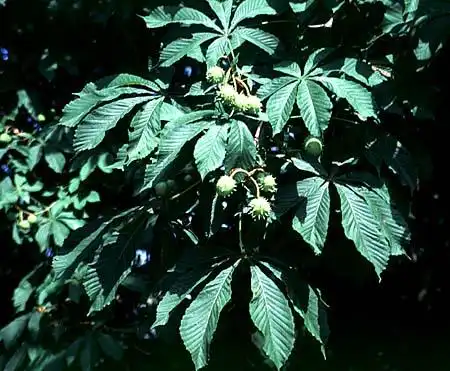
Aesculus hippocastanum Fruit

Aesculus hippocastanum: Fruit Description

Fruit is 1 to 2 in., prickly, leathery capsule with large, shiny, brown seeds (each with a pale scar).

Aesculus hippocastanum: Fruit Color

grass
Brown/Copper

Aesculus hippocastanum: Fruit Length

< 1 inch
1-3 inches
> 3 inches

Aesculus hippocastanum Flowers

Aesculus hippocastanum: Flower Description

There are 5 to 12' panicle of creamy white flowers, which are large, with a yellow throat and red speckled center (in a large terminal cluster).

Aesculus hippocastanum: Flower Color

filter_vintage
Gold/Yellow
filter_vintage
Red/Burgundy
filter_vintage
White

Aesculus hippocastanum: Flower Inflorescence

Catkin
Corymb
Cyme
Head
Insignificant
Panicle
Raceme
Solitary
Spadix
Spike
Umbel

Aesculus hippocastanum Leaves

Aesculus hippocastanum: Leaf Description

Leaves include 7 lobes, are non-showy, and have yellow fall color. They are also opposite, palmately divided with 5 leaflets.

Aesculus hippocastanum: Woody Plant Leaf Characteristics

Broadleaf Evergreen
Deciduous
Needled Evergreen
Semi-evergreen

Aesculus hippocastanum: Deciduous Leaf Fall Color

spa
Gold/Yellow

Aesculus hippocastanum: Leaf Type

Compound (Pinnately , Bipinnately, Palmately)
Fronds
Needles
Sheath
Simple

Aesculus hippocastanum: Leaf Arrangement

Alternate
Opposite
Other/more complex
Rosulate
Whorled

Aesculus hippocastanum: Leaf Margin

Crenate
Crenulate
Dentate
Denticulate
Doubly Crenate
Doubly Dentate
Doubly Serrate
Entire
Lobed
Serrate
Sinuate
Undulate

Aesculus hippocastanum: Hairs Present

No
Yes

Aesculus hippocastanum Poisonous to Humans

Aesculus hippocastanum: Poison Symptoms

Poisonous if ingested. HIGHLY TOXIC, MAY BE FATAL IF EATEN! Symptoms may include muscle weakness and paralysis, dilated pupils, vomiting, diarrhea, depression, paralysis, and stupor. (Poison Part: Seeds and tea made from leaves and sprouts)

Aesculus hippocastanum: Poison Toxic Principle

Glycoside aesculin, saponin aescin, possibly alkaloids

Aesculus hippocastanum: Poison Severity

High
Low
Medium

Aesculus hippocastanum: Causes Contact Dermatitis

No
Yes

Aesculus hippocastanum: Poison Part

Bark
Flowers
Fruits
Leaves
Roots
Sap/Juice
Seeds
Stems

Aesculus hippocastanum Whole Plant Traits

Aesculus hippocastanum: Plant Type

Annual
Bulb
Carnivorous
Edible
Epiphyte
Fern
Ground Cover
Herb
Herbaceous Perennial
Houseplant
Mushroom
Native Plant
Ornamental Grasses and Sedges
Perennial
Poisonous
Rose
Shrub
Succulent
Tree
Turfgrass
Vegetable
Vine
Water Plant
Weed
Wildflower

Aesculus hippocastanum: Woody Plant Leaf Characteristics

Broadleaf Evergreen
Deciduous
Needled Evergreen
Semi-evergreen

Aesculus hippocastanum: Habit/Form

Arching
Ascending
Broad
Cascading
Climbing
Clumping
Columnar
Conical
Creeping
Dense
Erect
Horizontal
Irregular
Mounding
Multi-stemmed
Multi-trunked
Open
Oval
Prostrate
Pyramidal
Rounded
Spreading
Vase
Weeping

Aesculus hippocastanum: Growth Rate

Slow
Medium
Rapid

Aesculus hippocastanum: Texture

Fine
Medium
Coarse

Aesculus hippocastanum Cultural Conditions

Aesculus hippocastanum: Light

Dappled Sunlight (Shade through upper canopy all day)
Deep shade (Less than 2 hours to no direct sunlight)
Full sun (6 or more hours of direct sunlight a day)
Partial Shade (Direct sunlight only part of the day, 2-6 hours)

Aesculus hippocastanum: Soil Drainage

Frequent Standing Water
Good Drainage
Moist
Occasional Flooding
Occasionally Dry
Occasionally Wet
Very Dry

Aesculus hippocastanum: USDA Plant Hardiness Zone

thermostat
3a
thermostat
3b
thermostat
4a
thermostat
4b
thermostat
5a
thermostat
5b
thermostat
6a
thermostat
6b
thermostat
7a
thermostat
7b

Aesculus hippocastanum Stem

Aesculus hippocastanum: Stem Is Aromatic

No
Yes

Aesculus hippocastanum Landscape

Aesculus hippocastanum: Design Feature

Accent
Barrier
Border
Flowering Tree
Foundation Planting
Hedge
Mass Planting
Screen/Privacy
Security
Shade Tree
Small groups
Small Tree
Specimen
Street Tree
Understory Tree

Aesculus hippocastanum: Attracts

Bats
Bees
Butterflies
Frogs
Hummingbirds
Moths
Pollinators
Predatory Insects
Reptiles
Small Mammals
Songbirds
Specialized Bees

Aesculus hippocastanum: Problems

Allelopathic
Contact Dermatitis
Frequent Disease Problems
Frequent Insect Problems
Invasive Species
Malodorous
Messy
Poisonous to Humans
Problem for Cats
Problem for Children
Problem for Dogs
Problem for Horses
Short-lived
Spines/Thorns
Weak Wood
Weedy