Aesculus x carnea: Country Or Region Of Origin
Europe
Phonetic Spelling:ES-kew-lus BI KAR-nee-a
Genus:Aesculus
Species:x carnea
Family:Sapindaceae
Aesculus x carnea, commonly known as the Red Horsechestnut, is a deciduous shade tree belonging to the Sapindaceae family, which was previously classified under the Hippocastanaceae family. This hybrid species is a cross between the larger A. hippocastanum and the smaller A. pavia, likely originating in Europe around 1812. The genus name, Aesculus, is derived from Latin, referring to an oak that produces edible acorns, while the species name, carnea, translates to flesh-colored or deep pink, highlighting the hue of its flowers. Notably, despite being a hybrid, this tree can produce offspring that are true to type from seeds.
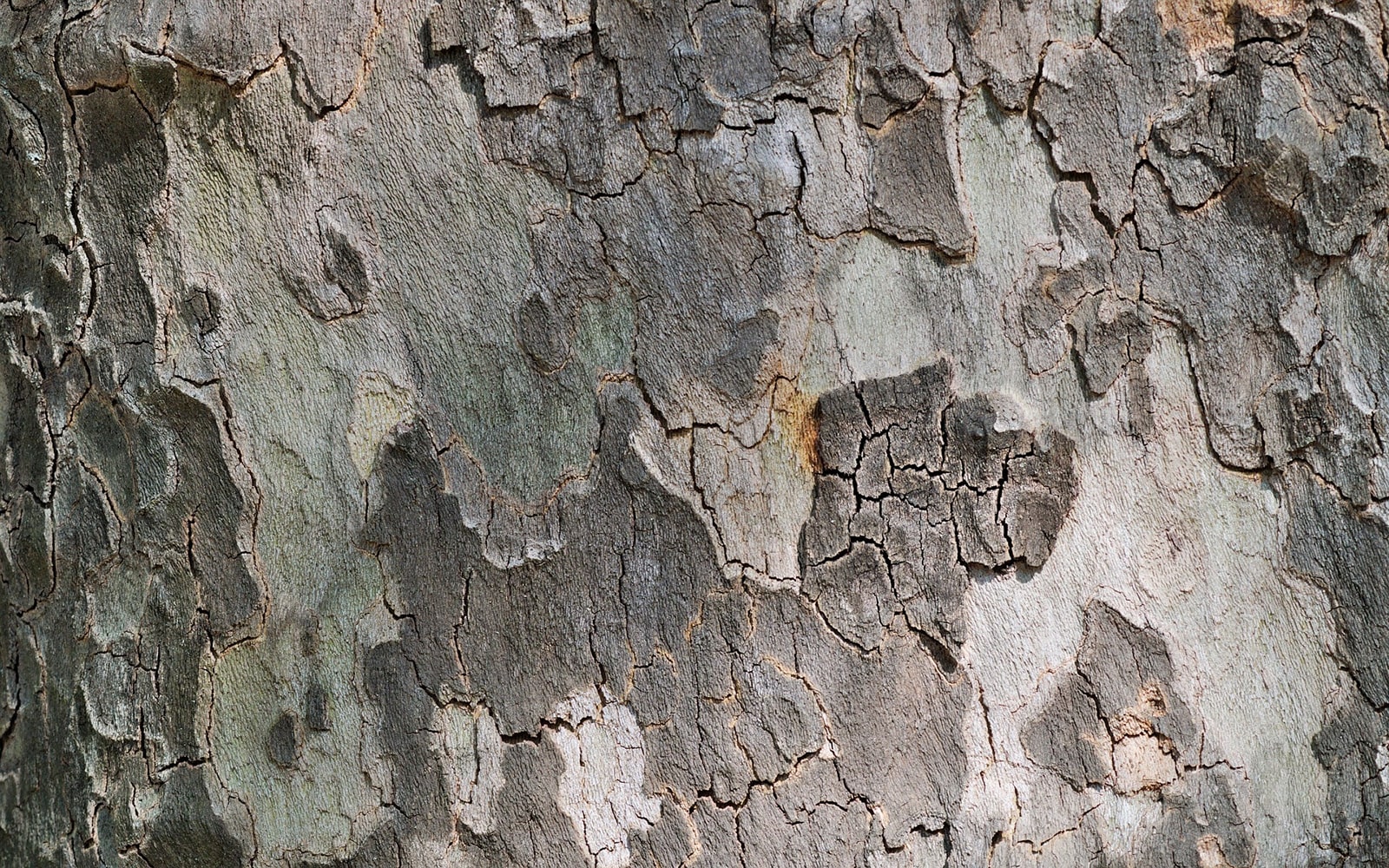
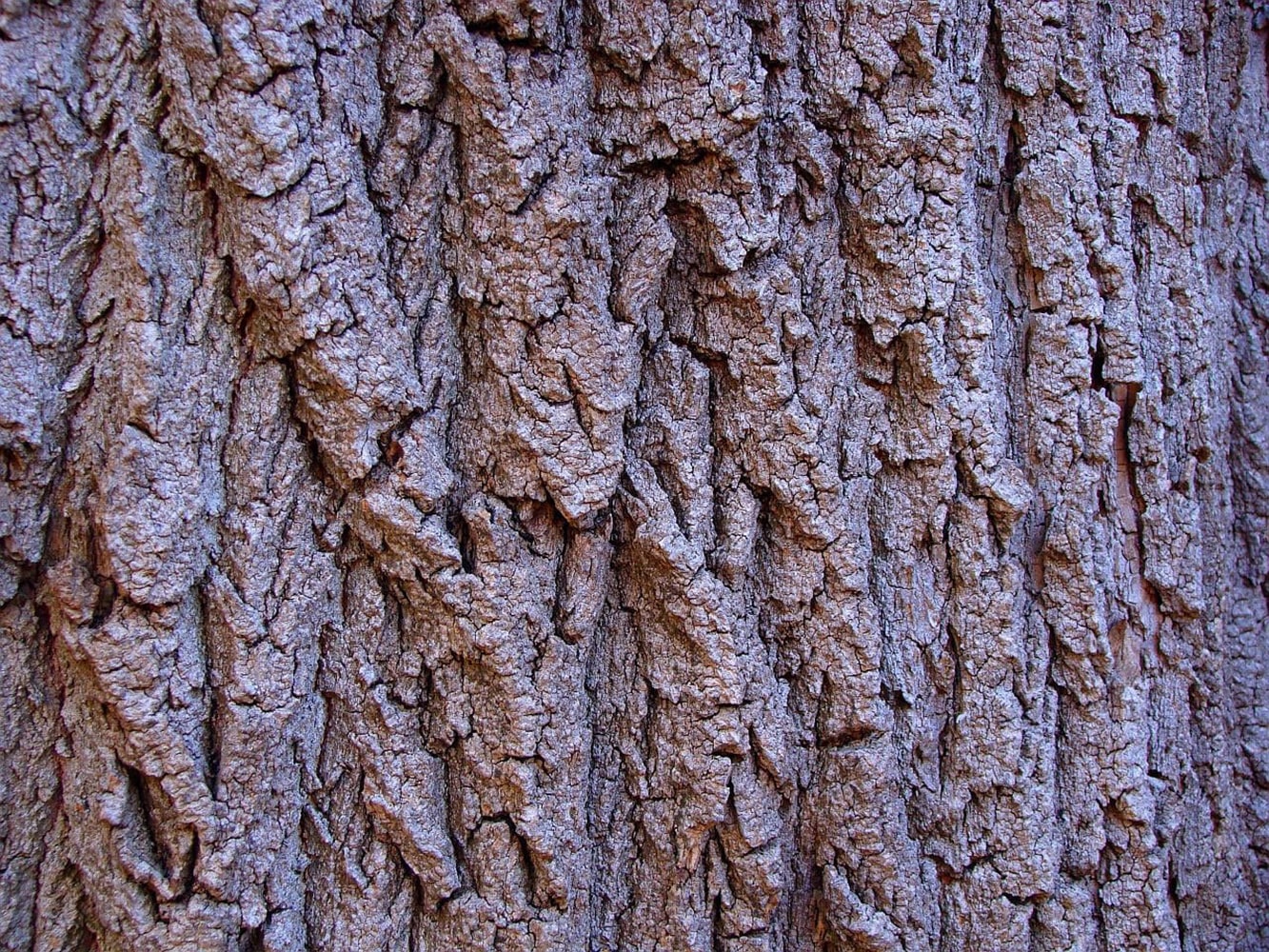
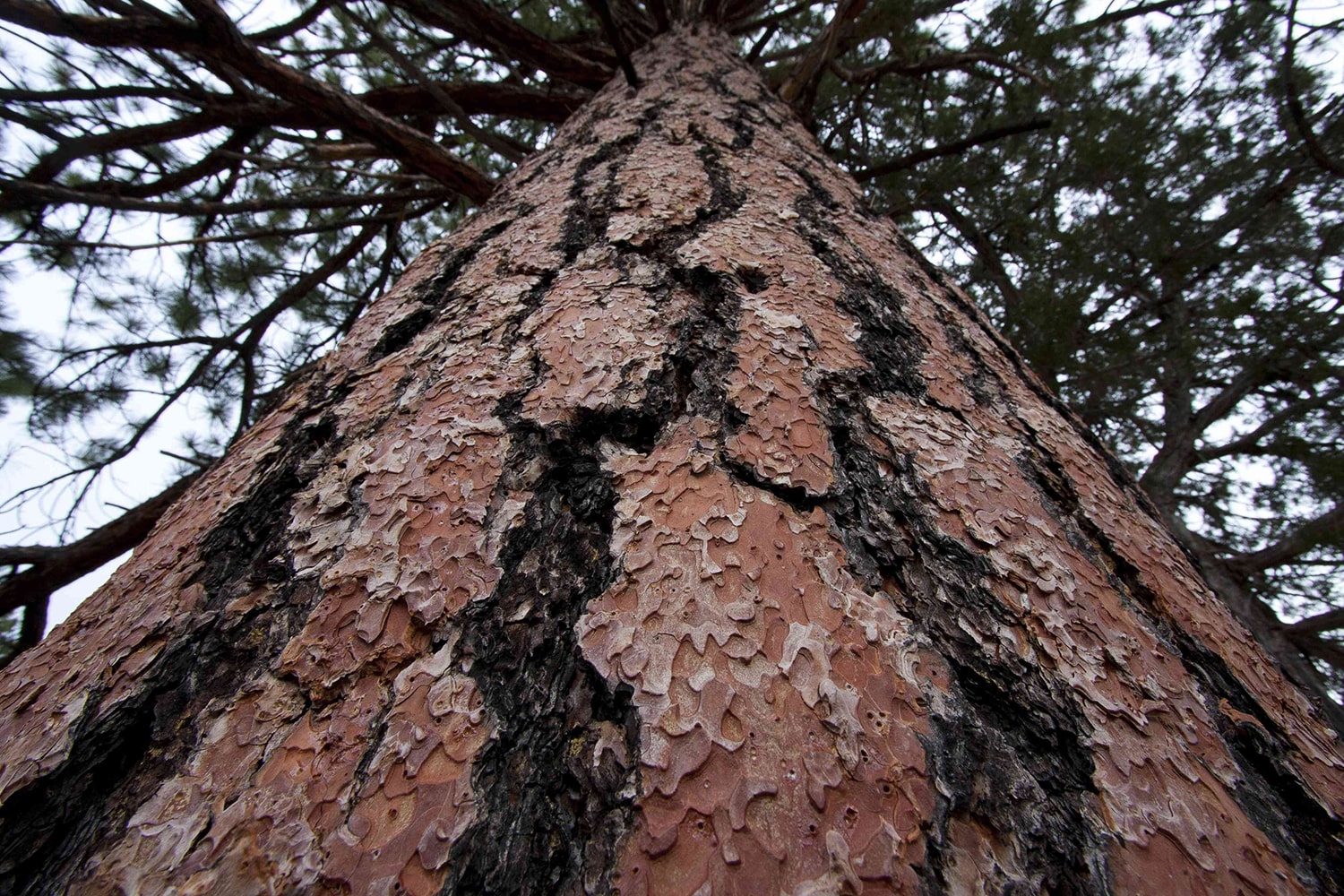
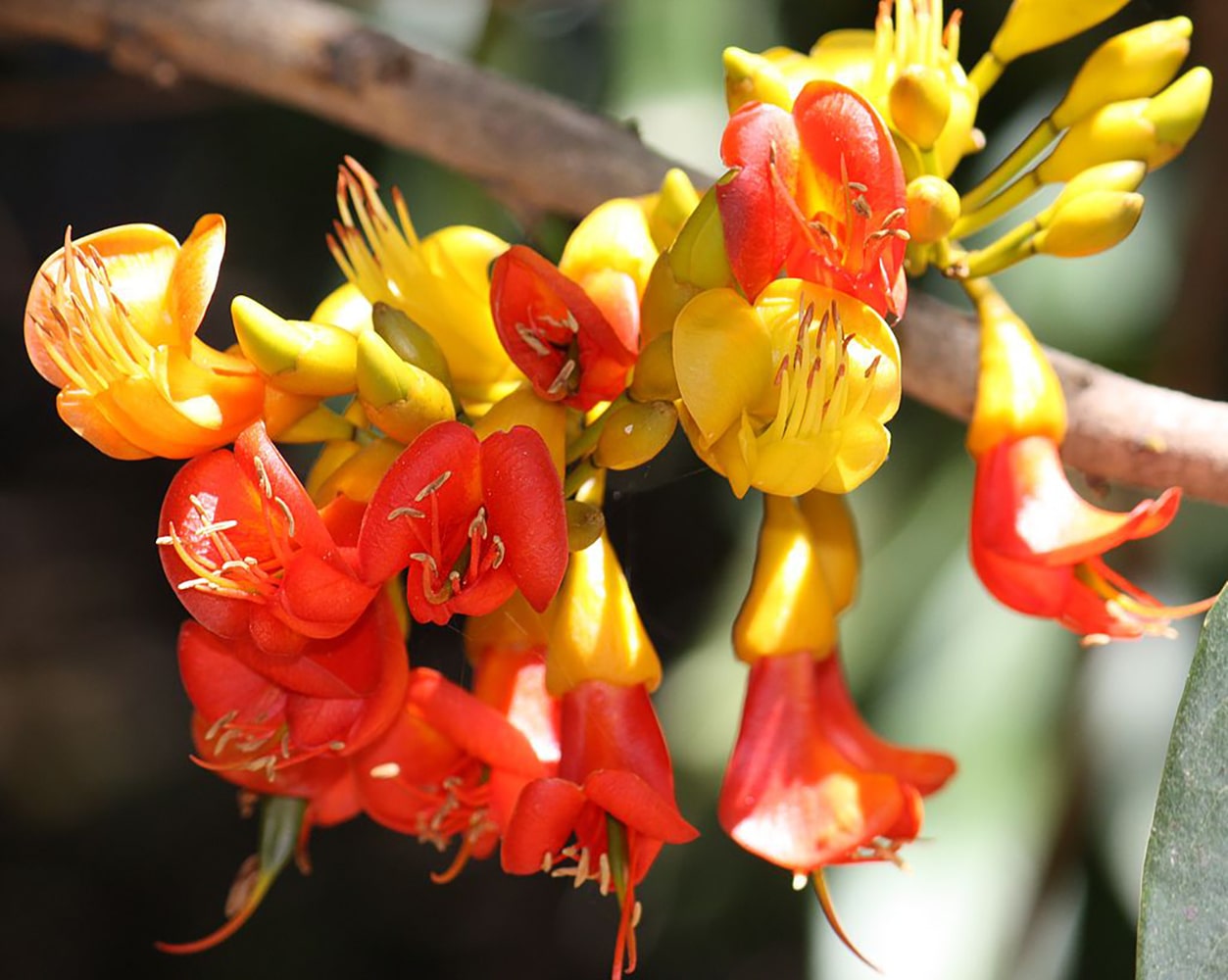
The Red Horsechestnut's flowers, which can be pink or red depending on the cultivar, are its most captivating feature. Following the flowering period, the tree produces seed pods that can create a mess, which may be a consideration for landscaping. However, when planted in suitable environments such as spacious residential lawns, parks, city parkways, or large parking medians with adequate drainage, it can serve as a stunning specimen shade tree. Initially, the tree exhibits a pyramidal shape, transitioning to a dense, rounded form after about 5 to 7 years. It thrives in moist, acidic, fertile soils but can also adapt to average soils with good drainage. While minimal pruning is necessary, care should be taken to avoid cracking the bark due to sudden sun exposure. Once established, the tree's substantial taproot makes it challenging to transplant.
**Diseases, Insects, and Other Plant Issues:**
Compared to many horse chestnuts, the Red Horsechestnut faces fewer disease challenges, although it can occasionally suffer from powdery mildew, leading to early leaf drop. It is more drought-tolerant than most Aesculus species but does not flourish in dry conditions, which can cause leaf scorch. Leaf blotch may also pose a significant issue. While pests such as bagworms, Japanese beetles, and borers are not common, they can still be problematic. Overall, this tree exhibits superior disease resistance, and its foliage tends to remain healthier throughout the growing season compared to A. hippocastanum.
Aesculus x carnea Feature Summary
Aesculus x carnea Image Gallery