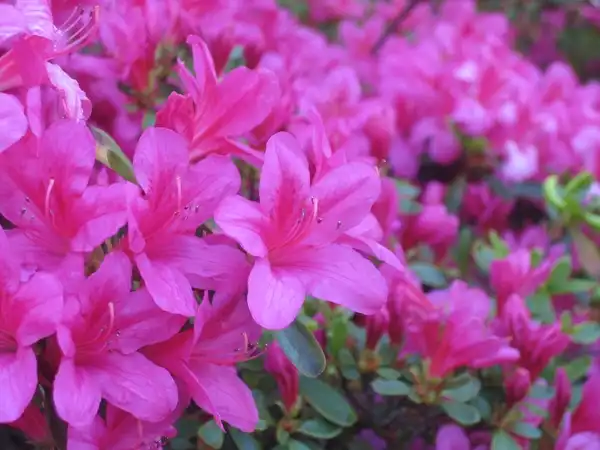
• Photo of Rhododendron ponticum (Rhododendron ponticums)

Plant Profile: Rhododendron ponticum

Names

Azalea kurume, Hiryu Azalea, Kurume Azalea

  • Photo of Rhododendron ponticum (Rhododendron ponticums)

Phonetic Spelling:rho-do-DEN-dron PON-ti-kum

Genus:Rhododendron

Species:ponticum

Family:Ericaceae

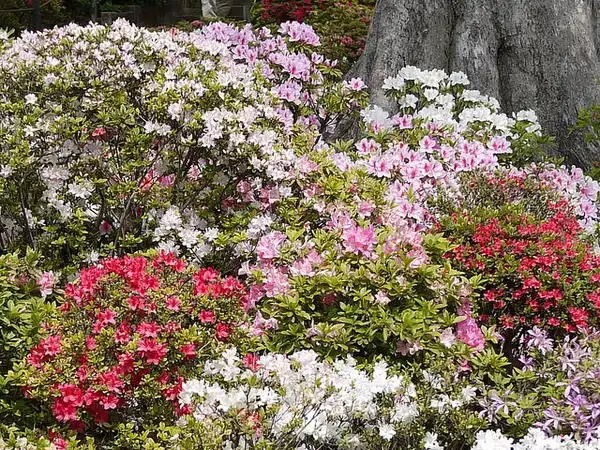
This reliable, compact evergreen or deciduous shrub belongs to the Ericaceae family and typically reaches heights of 3 to 4 feet. The Kurume hybrid azaleas are a result of crossbreeding between R. kiusianum, R. kaempferi, R. sataense, and R. obtusum. These plants are ideal for mass planting in shrub borders, as foundation plantings, or as standout specimens in woodland gardens. They are also suitable for bonsai cultivation. Blooming in mid-spring, they usually flower 1 to 2 weeks earlier than R. indicum. The evergreen leaves are smaller than the seasonal deciduous ones, which are roughly the same size as the persistent leaves of R. indicum. Generally, both the flowers and leaves of this azalea are smaller than those of R. indicum, although larger varieties can sometimes be mistaken for the latter. This azalea is a popular choice in spring gardens, boasting hundreds of cultivars. The hose-in-hose varieties are particularly notable, featuring a petaloid calyx that encircles a similarly shaped corolla, while double flowers possess petaloid stamens. It is important to note that all parts of the plant are toxic if ingested. Preferring partial shade, this plant does not tolerate heavy, wet soils, drought conditions, or excessive fertilization. It has a slow growth rate and demands a high level of care, facing challenges from pests and diseases, particularly fungal infections.

Insects, Diseases, and Other Plant Issues: Rhododendrons are prone to various insect and disease problems. Common insect pests include aphids, borers, lacebugs, leafhoppers, mealybugs, mites, nematodes, scale, thrips, and whiteflies. Diseases affecting them include canker, crown rot, root rot, leaf spot, rust, and powdery mildew. Exposure to full sun can scorch the leaves, and poor drainage can lead to root rot. However, a well-cared-for plant situated in the right environment should encounter minimal issues. Additionally, deer often cause damage to this plant.

Quick Identification Tips:

For more information on Rhododendron.

Rhododendron ponticum Feature Summary

Rhododendron ponticum Image Gallery

Tags

#red
#white
#showy flowers
#deciduous
#specimen
#white flowers
#wildlife plant
#pink flowers
#showy
#red flowers
#bonsai
#deciduous shrub
#nectar plant
#mass planting
#specialized bees
#foundation planting
#pollinator plant
#fantz
#evergreen shrub
#small group plantings
#partial shade tolerant
#problem for cats
#problem for dogs
#bee friendly
#problem for horses
#woodlands
#shrub borders

Similar Plants

Rhododendron ponticum is often confused with:

Rhododendron ponticum Feature Summary

Attributes
Bulgaria, Lebanon, Caucasus
Members of the genus Rhododendron support the following specialized bee: Andrena (Andrena) cornelli.
Fruit
Fruits are a dehiscent 5-valved capsule
Flowers
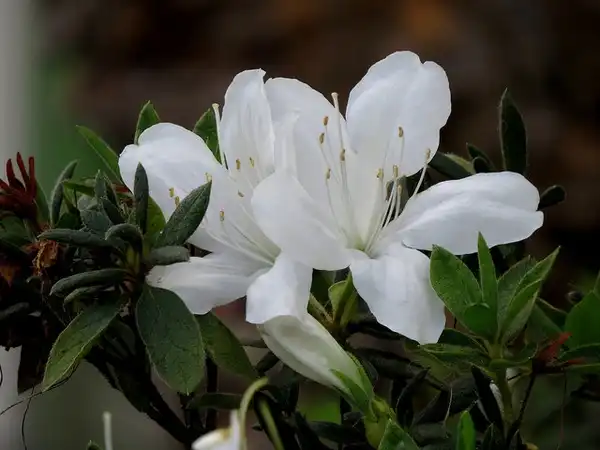
Flowers are axillary, single to double or hose-in-hose but rarely hose-in-hose double, and are rose-pink to red to purple to violet or white in color. There are 5 calyx lobes that are short, broad, and obtuse. Corolla is funnel-form and 1-2" in size. It has 5 lobes with the upper central and sometimes the lateral pair bearing inconspicuous to conspicuous maculation. They have 5-10 stamens.
Pink
Purple/Lavender
White
Red/Burgundy
4-5 petals/rays
Leaves
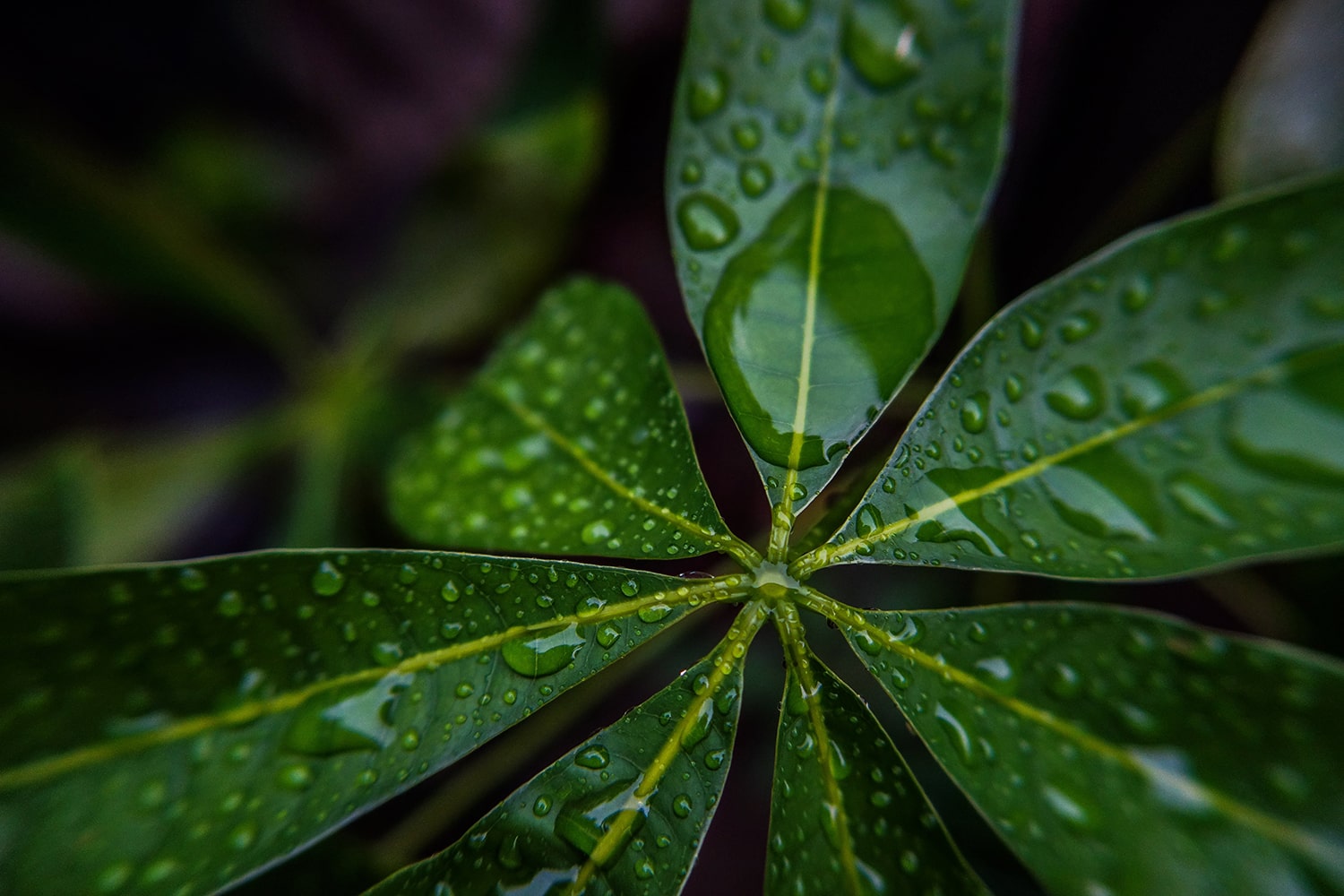
Leaves are alternate, simple, glossy, and consist of evergreen (winter) leaves and deciduous (seasonal) leaves. Blades are elliptic to obovate, crenate-serrulate, with scattered reddish-brown hairs on veins below. Petioles are pubescent with stiff reddish-brown hairs. They grow between 1.5-4" long.
Deciduous
Broadleaf Evergreen
Elliptical
Obovate
1-3 inches
Stem
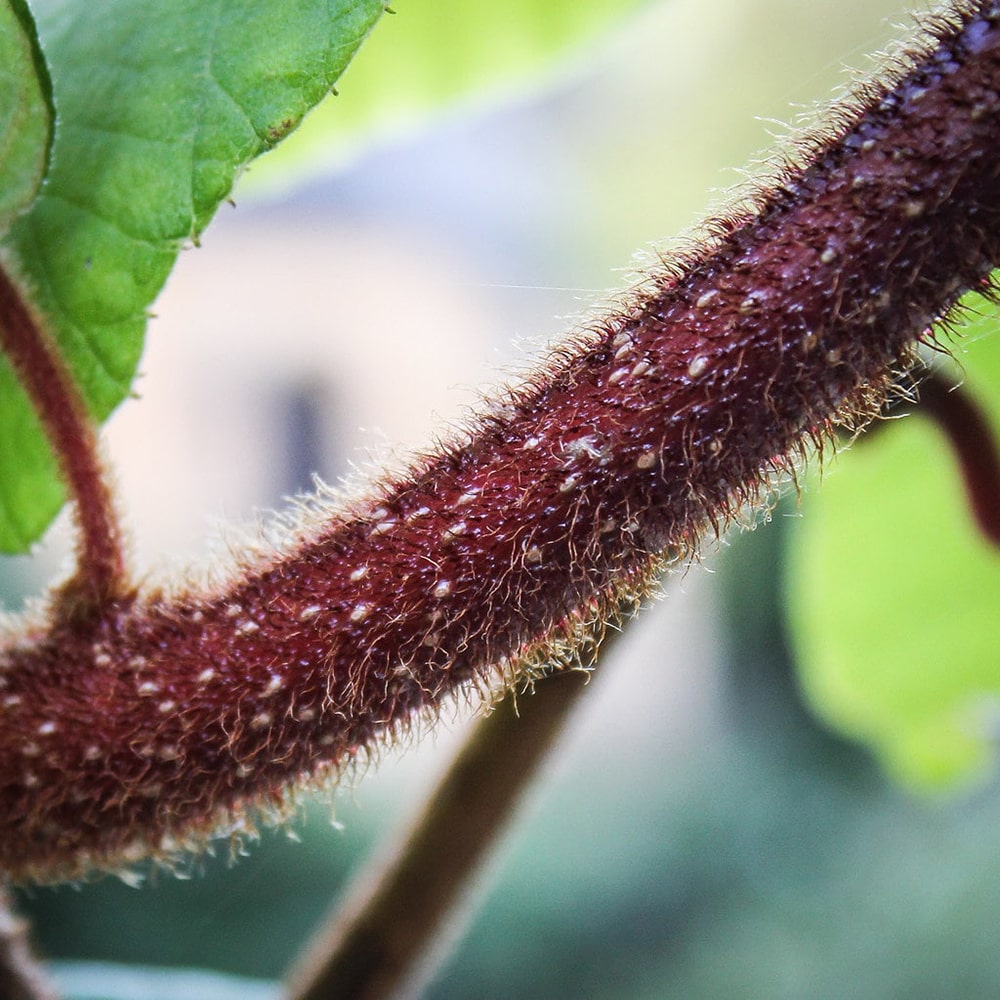
Twigs are pubescent with stiff reddish-brown trichomes and have a sympodial growth.
Brown/Copper
Poisonous to Humans
Salivation, watering of eyes and nose, abdominal pain, loss of energy, depression, nausea and vomiting, diarrhea, weakness, difficult breathing, progressive paralysis of arms and legs, coma.
Seeds
Leaves
Stems
Sap/Juice
Flowers
Bark
Fruits
Roots
Whole Plant Traits
Shrub
Poisonous
Deciduous
Broadleaf Evergreen
Dense
Spreading
Medium
Cultural Conditions
Partial Shade (Direct sunlight only part of the day, 2-6 hours)
Landscape
Pollinator Garden
Border
Foundation Planting
Mass Planting
Small groups
Specimen
Pollinators
Bees
Specialized Bees
Problem for Cats
Problem for Dogs
Problem for Horses

Rhododendron ponticum Attributes

Rhododendron ponticum: Country Or Region Of Origin

Bulgaria, Lebanon, Caucasus
Rhododendron ponticum: Wildlife Value

Members of the genus Rhododendron support the following specialized bee: Andrena (Andrena) cornelli.

Rhododendron ponticum: Life Cycle

Annual
Biennial
Bulb
Perennial
Woody

Rhododendron ponticum Fruit

Rhododendron ponticum: Fruit Description

Fruits are a dehiscent 5-valved capsule

Rhododendron ponticum: Fruit Type

Achene
Aggregate
Berry
Capsule
Caryopsis
Drupe
Follicle
Legume
Nut
Pome
Samara
Schizocarp
Siliqua

Rhododendron ponticum Flowers

Rhododendron ponticum: Flower Description

Flowers are axillary, single to double or hose-in-hose but rarely hose-in-hose double, and are rose-pink to red to purple to violet or white in color. There are 5 calyx lobes that are short, broad, and obtuse. Corolla is funnel-form and 1-2" in size. It has 5 lobes with the upper central and sometimes the lateral pair bearing inconspicuous to conspicuous maculation. They have 5-10 stamens.

Rhododendron ponticum: Flower Color

filter_vintage
Pink
filter_vintage
Purple/Lavender
filter_vintage
Red/Burgundy
filter_vintage
White

Rhododendron ponticum: Flower Value To Gardener

Edible
Fragrant
Good Cut
Good Dried
Long Bloom Season
Long-lasting
Showy

Rhododendron ponticum: Flower Petals

2-3 rays/petals
4-5 petals/rays
6 petals/rays
7 - 20 petals/rays
asymmetrical petals
Bracts
Colored Sepals
fused petals
more than 20 petals/rays
Tepals

Rhododendron ponticum Leaves

Rhododendron ponticum: Leaf Description

Leaves are alternate, simple, glossy, and consist of evergreen (winter) leaves and deciduous (seasonal) leaves. Blades are elliptic to obovate, crenate-serrulate, with scattered reddish-brown hairs on veins below. Petioles are pubescent with stiff reddish-brown hairs. They grow between 1.5-4" long.

Rhododendron ponticum: Woody Plant Leaf Characteristics

Broadleaf Evergreen
Deciduous
Needled Evergreen
Semi-evergreen

Rhododendron ponticum: Leaf Color

spa
Green

Rhododendron ponticum: Leaf Type

Compound (Pinnately , Bipinnately, Palmately)
Fronds
Needles
Sheath
Simple

Rhododendron ponticum: Leaf Arrangement

Alternate
Opposite
Other/more complex
Rosulate
Whorled

Rhododendron ponticum: Leaf Shape

Acicular
Auriculate
Cordate
Cuneate
Deltoid
Elliptical
Filiform
Lanceolate
Linear
Oblanceolate
Oblong
Obovate
Obtuse
Orbicular
Ovate
Palmasect
Palmatifid
Peltate
Pinnatifid
Pinnatisect
Reniform
Rhomboidal
Spatulate
Subcordate
Subulate

Rhododendron ponticum: Leaf Margin

Crenate
Crenulate
Dentate
Denticulate
Doubly Crenate
Doubly Dentate
Doubly Serrate
Entire
Lobed
Serrate
Sinuate
Undulate

Rhododendron ponticum: Hairs Present

No
Yes

Rhododendron ponticum: Leaf Length

< 1 inch
1-3 inches
3-6 inches
> 6 inches

Rhododendron ponticum: Leaf Feel

Fleshy
Glossy
Leathery

Papery
Prickly

Rough
Rubbery
Slippery
Smooth
Soft
Velvety
Waxy

Rhododendron ponticum Stem

Rhododendron ponticum: Stem Description

Twigs are pubescent with stiff reddish-brown trichomes and have a sympodial growth.

Rhododendron ponticum: Stem Color

grass
Brown/Copper

Rhododendron ponticum: Stem Is Aromatic

No
Yes

Rhododendron ponticum Poisonous to Humans

Rhododendron ponticum: Poison Symptoms

Salivation, watering of eyes and nose, abdominal pain, loss of energy, depression, nausea and vomiting, diarrhea, weakness, difficult breathing, progressive paralysis of arms and legs, coma.

Rhododendron ponticum: Poison Toxic Principle

Andromedotoxin

Rhododendron ponticum: Poison Severity

High
Low
Medium

Rhododendron ponticum: Causes Contact Dermatitis

No
Yes

Rhododendron ponticum: Poison Part

Bark
Flowers
Fruits
Leaves
Roots
Sap/Juice
Seeds
Stems

Rhododendron ponticum Whole Plant Traits

Rhododendron ponticum: Plant Type

Annual
Bulb
Carnivorous
Edible
Epiphyte
Fern
Ground Cover
Herb
Herbaceous Perennial
Houseplant
Mushroom
Native Plant
Ornamental Grasses and Sedges
Perennial
Poisonous
Rose
Shrub
Succulent
Tree
Turfgrass
Vegetable
Vine
Water Plant
Weed
Wildflower

Rhododendron ponticum: Woody Plant Leaf Characteristics

Broadleaf Evergreen
Deciduous
Needled Evergreen
Semi-evergreen

Rhododendron ponticum: Habit/Form

Arching
Ascending
Broad
Cascading
Climbing
Clumping
Columnar
Conical
Creeping
Dense
Erect
Horizontal
Irregular
Mounding
Multi-stemmed
Multi-trunked
Open
Oval
Prostrate
Pyramidal
Rounded
Spreading
Vase
Weeping

Rhododendron ponticum: Growth Rate

Slow
Medium
Rapid

Rhododendron ponticum: Maintenance

Low
Medium
High

Rhododendron ponticum: Texture

Fine
Medium
Coarse

Rhododendron ponticum Cultural Conditions

Rhododendron ponticum: Light

Dappled Sunlight (Shade through upper canopy all day)
Deep shade (Less than 2 hours to no direct sunlight)
Full sun (6 or more hours of direct sunlight a day)
Partial Shade (Direct sunlight only part of the day, 2-6 hours)

Rhododendron ponticum Landscape

Rhododendron ponticum: Landscape Theme

Asian Garden
Butterfly Garden
Children's Garden
Cottage Garden
Cutting Garden
Drought Tolerant Garden
Edible Garden
English Garden
Fairy Garden
Garden for the Blind
Native Garden
Nighttime Garden
Pollinator Garden
Rain Garden
Rock Garden
Shade Garden
Water Garden
Winter Garden

Rhododendron ponticum: Design Feature

Accent
Barrier
Border
Flowering Tree
Foundation Planting
Hedge
Mass Planting
Screen/Privacy
Security
Shade Tree
Small groups
Small Tree
Specimen
Street Tree
Understory Tree

Rhododendron ponticum: Landscape Location

Coastal
Container
Hanging Baskets
Houseplants
Lawn
Meadow
Naturalized Area
Near Septic
Patio
Pond
Pool/Hardscape
Recreational Play Area
Riparian
Rock Wall
Slope/Bank
Small Space
Vertical Spaces
Walkways
Woodland

Rhododendron ponticum: Attracts

Bats
Bees
Butterflies
Frogs
Hummingbirds
Moths
Pollinators
Predatory Insects
Reptiles
Small Mammals
Songbirds
Specialized Bees

Rhododendron ponticum: Problems

Allelopathic
Contact Dermatitis
Frequent Disease Problems
Frequent Insect Problems
Invasive Species
Malodorous
Messy
Poisonous to Humans
Problem for Cats
Problem for Children
Problem for Dogs
Problem for Horses
Short-lived
Spines/Thorns
Weak Wood
Weedy