Plant Profile: Rhododendron indicum

Names

Southern Indian Azalea

  • Photo of Rhododendron indicum (Rhododendron indicums)

Phonetic Spelling:roh-do-DEN-dron IN-dih-kum

Genus:Rhododendron

Species:indicum

Family:Ericaceae

The Southern Indian Azalea is a compact, semi-evergreen shrub that can reach heights of up to 6 feet, characterized by its dense and spreading growth habit. This plant is indigenous to Japan and is known for its striking hot pink flowers, which typically bloom in mid to late spring, about one to two weeks after the flowering of R. kiusianum. Its evergreen leaves are smaller than the seasonal deciduous ones, yet they are comparable in size to the seasonal leaves of R. kiusianum. Generally, both the flowers and leaves of the Southern Indian Azalea are larger than those of R. kiusianum, although smaller variants can be mistaken for the larger forms of R. kiusianum, leading to some confusion between the two species.

There are two main groups of cultivars: the Southern Indian Azalea selections, which are moderately cold-hardy and suitable for outdoor cultivation in southern regions, and the Belgian Indian Azalea selections, which lack cold hardiness and are typically grown in greenhouses as potted plants for the floral industry. It is important to note that all parts of this plant are toxic if ingested. The Southern Indian Azalea thrives in partial shade and does not tolerate heavy, waterlogged soils, drought conditions, or excessive fertilization. It has a slow growth rate and demands a high level of maintenance, as it is susceptible to various pests and diseases, particularly fungal infections.

**Quick Identification Tips:**
- Twigs and leaves are covered in reddish-brown hairs.
- Flowers are axillary, appearing singly in spring with a funnel-shaped corolla.
- The calyx is elongated, pointed, and has five lobes.

For more information on Rhododendron, please refer to additional resources.

Rhododendron indicum Feature Summary

Rhododendron indicum Image Gallery

Tags

#evergreen
#showy flowers
#pink flowers
#spring flowers
#winter interest
#rabbit resistant
#hedges
#fantz
#evergreen shrub
#problem for cats
#problem for dogs
#problem for horses

Similar Plants

Rhododendron indicum is often confused with:

Rhododendron indicum Feature Summary

Fruit
Fruits are a dehiscent 5-valved capsule.
Flowers
Flowers are axillary, single to rarely double, non hose-in-hose, bright red to scarlet to pinkish-red or white. There are 5 calyx lobes that are elongated, narrow, and acutely pointed. Corolla is funnel-form, 1-2" in size, have 5 lobes with the upper central lobe and sometimes the lateral pair bearing conspicuous maculation. They bloom in mid to late spring.
Pink
Red/Burgundy
Leaves
Leaves are alternate, simple, crowded, and consist of evergreen (winter) leaves and deciduous (seasonal) leaves. Blades are narrowly lanceolate to oblanceolate, crenate-serrulate, with scattered reddish-brown hairs on veins below. Petiole is pubescent with stiff reddish-brown hairs.
Lanceolate
Oblanceolate
Stem
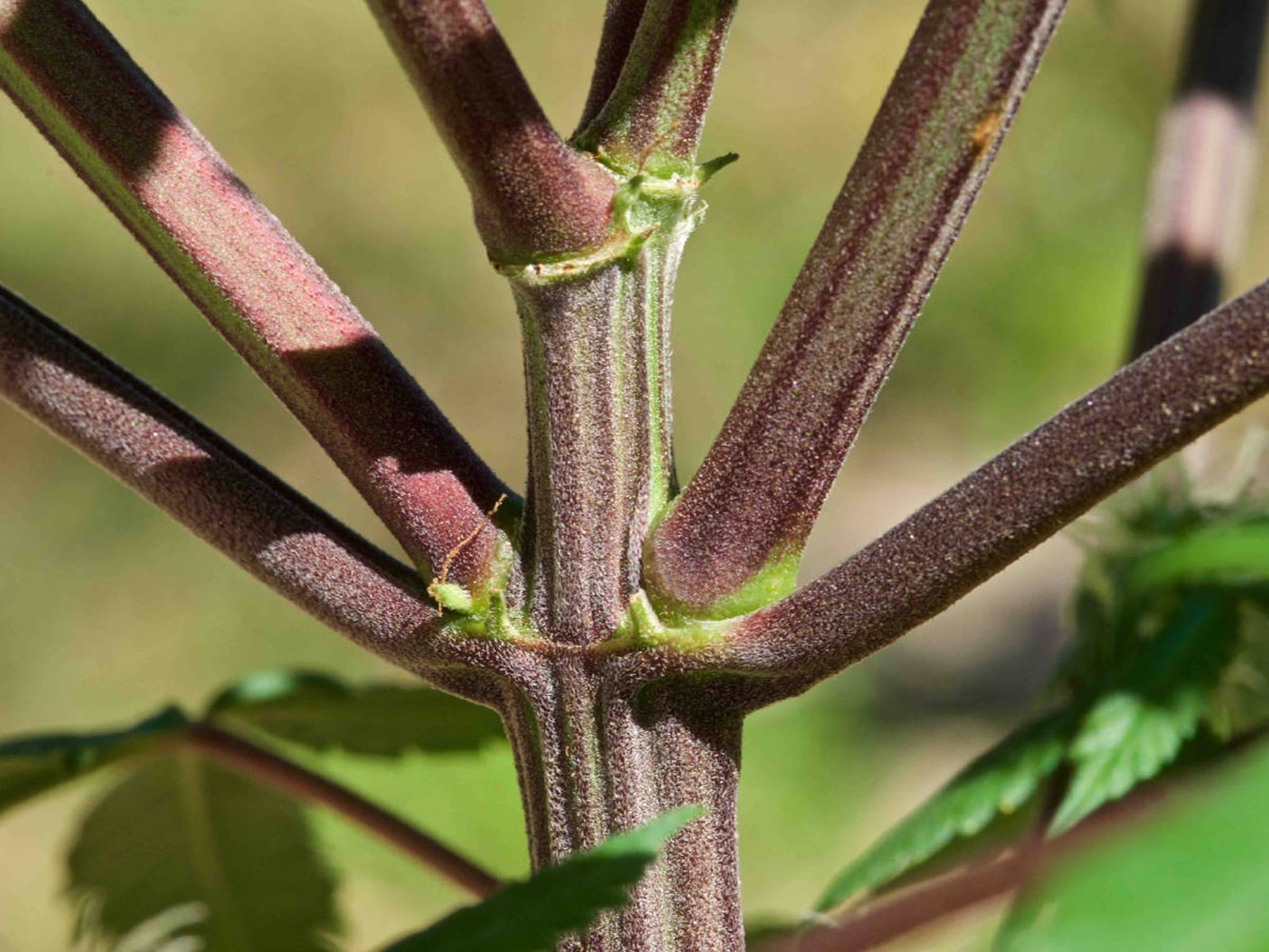
Twigs are pubescent with stiff reddish-brown trichomes and has sympodial growth.
Poisonous to Humans
Vomiting (not in horses), diarrhea, weakness, cardiac failure
Whole Plant Traits
Cultural Conditions
Partial Shade (Direct sunlight only part of the day, 2-6 hours)
Landscape
Winter Garden
Problem for Cats
Problem for Dogs
Problem for Horses

Rhododendron indicum Attributes

Rhododendron indicum: Country Or Region Of Origin

Japan

Rhododendron indicum: Life Cycle

Annual
Biennial
Bulb
Perennial
Woody

Rhododendron indicum Fruit

Rhododendron indicum: Fruit Description

Fruits are a dehiscent 5-valved capsule.

Rhododendron indicum: Fruit Type

Achene
Aggregate
Berry
Capsule
Caryopsis
Drupe
Follicle
Legume
Nut
Pome
Samara
Schizocarp
Siliqua

Rhododendron indicum Flowers

Rhododendron indicum: Flower Description

Flowers are axillary, single to rarely double, non hose-in-hose, bright red to scarlet to pinkish-red or white. There are 5 calyx lobes that are elongated, narrow, and acutely pointed. Corolla is funnel-form, 1-2" in size, have 5 lobes with the upper central lobe and sometimes the lateral pair bearing conspicuous maculation. They bloom in mid to late spring.

Rhododendron indicum: Flower Color

filter_vintage
Pink
filter_vintage
Red/Burgundy

Rhododendron indicum: Flower Value To Gardener

Edible
Fragrant
Good Cut
Good Dried
Long Bloom Season
Long-lasting
Showy

Rhododendron indicum: Flower Bloom Time

Winter
Spring
Summer
Fall

Rhododendron indicum Leaves

Rhododendron indicum: Leaf Description

Leaves are alternate, simple, crowded, and consist of evergreen (winter) leaves and deciduous (seasonal) leaves. Blades are narrowly lanceolate to oblanceolate, crenate-serrulate, with scattered reddish-brown hairs on veins below. Petiole is pubescent with stiff reddish-brown hairs.

Rhododendron indicum: Woody Plant Leaf Characteristics

Broadleaf Evergreen
Deciduous
Needled Evergreen
Semi-evergreen

Rhododendron indicum: Leaf Color

spa
Green

Rhododendron indicum: Leaf Shape

Acicular
Auriculate
Cordate
Cuneate
Deltoid
Elliptical
Filiform
Lanceolate
Linear
Oblanceolate
Oblong
Obovate
Obtuse
Orbicular
Ovate
Palmasect
Palmatifid
Peltate
Pinnatifid
Pinnatisect
Reniform
Rhomboidal
Spatulate
Subcordate
Subulate

Rhododendron indicum: Leaf Margin

Crenate
Crenulate
Dentate
Denticulate
Doubly Crenate
Doubly Dentate
Doubly Serrate
Entire
Lobed
Serrate
Sinuate
Undulate

Rhododendron indicum: Hairs Present

No
Yes

Rhododendron indicum Stem

Rhododendron indicum: Stem Description

Twigs are pubescent with stiff reddish-brown trichomes and has sympodial growth.

Rhododendron indicum: Stem Is Aromatic

No
Yes

Rhododendron indicum Poisonous to Humans

Rhododendron indicum: Poison Symptoms

Vomiting (not in horses), diarrhea, weakness, cardiac failure

Rhododendron indicum: Poison Toxic Principle

Grayantoxin

Rhododendron indicum: Poison Severity

High
Low
Medium

Rhododendron indicum: Causes Contact Dermatitis

No
Yes

Rhododendron indicum Whole Plant Traits

Rhododendron indicum: Plant Type

Annual
Bulb
Carnivorous
Edible
Epiphyte
Fern
Ground Cover
Herb
Herbaceous Perennial
Houseplant
Mushroom
Native Plant
Ornamental Grasses and Sedges
Perennial
Poisonous
Rose
Shrub
Succulent
Tree
Turfgrass
Vegetable
Vine
Water Plant
Weed
Wildflower

Rhododendron indicum: Woody Plant Leaf Characteristics

Broadleaf Evergreen
Deciduous
Needled Evergreen
Semi-evergreen

Rhododendron indicum: Habit/Form

Arching
Ascending
Broad
Cascading
Climbing
Clumping
Columnar
Conical
Creeping
Dense
Erect
Horizontal
Irregular
Mounding
Multi-stemmed
Multi-trunked
Open
Oval
Prostrate
Pyramidal
Rounded
Spreading
Vase
Weeping

Rhododendron indicum: Growth Rate

Slow
Medium
Rapid

Rhododendron indicum: Maintenance

Low
Medium
High

Rhododendron indicum Cultural Conditions

Rhododendron indicum: Light

Dappled Sunlight (Shade through upper canopy all day)
Deep shade (Less than 2 hours to no direct sunlight)
Full sun (6 or more hours of direct sunlight a day)
Partial Shade (Direct sunlight only part of the day, 2-6 hours)

Rhododendron indicum: Available Space To Plant

12 inches-3 feet
12-24 feet
24-60 feet
3 feet-6 feet
6-feet-12 feet
Less than 12 inches
more than 60 feet

Rhododendron indicum: USDA Plant Hardiness Zone

thermostat
7a
thermostat
7b
thermostat
8a
thermostat
8b

Rhododendron indicum Landscape

Rhododendron indicum: Landscape Theme

Asian Garden
Butterfly Garden
Children's Garden
Cottage Garden
Cutting Garden
Drought Tolerant Garden
Edible Garden
English Garden
Fairy Garden
Garden for the Blind
Native Garden
Nighttime Garden
Pollinator Garden
Rain Garden
Rock Garden
Shade Garden
Water Garden
Winter Garden

Rhododendron indicum: Design Feature

Accent
Barrier
Border
Flowering Tree
Foundation Planting
Hedge
Mass Planting
Screen/Privacy
Security
Shade Tree
Small groups
Small Tree
Specimen
Street Tree
Understory Tree

Rhododendron indicum: Resistance To Challenges

Black Walnut
Compaction
Deer
Diseases
Drought
Dry Soil
Erosion
Fire
Foot Traffic
Heat
Heavy Shade
Humidity
Insect Pests
Pollution
Poor Soil
Rabbits
Salt
Slugs
Squirrels
Storm damage
Urban Conditions
Voles
Wet Soil
Wind

Rhododendron indicum: Problems

Allelopathic
Contact Dermatitis
Frequent Disease Problems
Frequent Insect Problems
Invasive Species
Malodorous
Messy
Poisonous to Humans
Problem for Cats
Problem for Children
Problem for Dogs
Problem for Horses
Short-lived
Spines/Thorns
Weak Wood
Weedy